For most home gardeners, 'Parris Island Cos' is the best all-around romaine to grow. It forms a classic 10-inch upright head, handles a range of conditions, resists bolting better than most heading types, and is widely available as seed. If you're growing in containers or indoors, 'Little Gem' is the smarter pick because it stays compact and matures faster. For hydroponics, 'Outredgeous' or a loose-head romaine type like 'Jericho' tend to perform well in NFT and DWC systems. The variety matters, but your timing and temperature control matter even more. Timing matters most for romaine, so it helps to know when to grow romaine lettuce in your climate.
Best Romaine Lettuce to Grow: Top Varieties and How to Grow
Marcus Holloway
27 Jun 2026
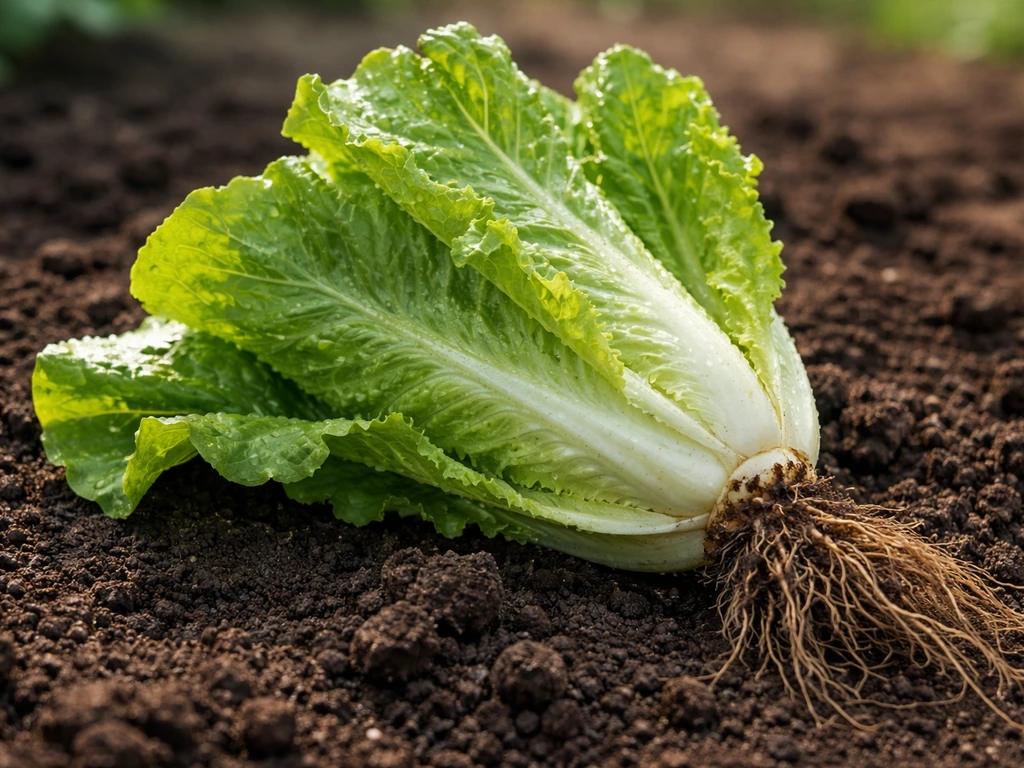
How to choose the best romaine for your conditions
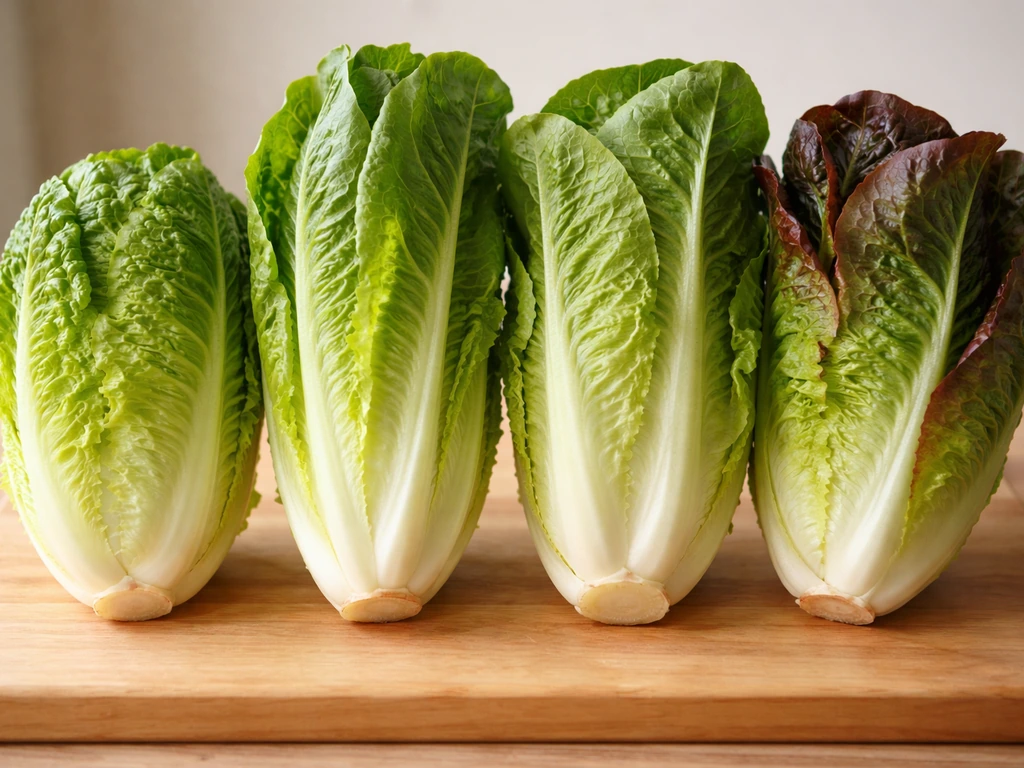
Before you buy seeds, narrow down what you actually need. Romaine varieties differ in four ways that matter most: days to maturity, bolt resistance, final plant size, and flavor or texture. Trying to grow a full-sized variety like 'Parris Island Cos' in a 6-inch pot, or planting any romaine in July in a warm climate without choosing a heat-tolerant variety, is where most people go wrong. If you’re wondering can you grow romaine lettuce, the key is matching the variety to your temperatures and giving it steady moisture so it doesn’t bolt grow a full-sized variety.
Days to maturity ranges from about 55 days for compact varieties like 'Little Gem' to around 75 days for full heads. If you want a quick answer for your specific setup, check how long does romaine lettuce take to grow so you can match planting dates to maturity. If your cool-weather window is short, that difference matters. Bolt resistance is your biggest lever in spring and early summer.
Some older heirlooms like 'Rouge d'Hiver' (roughly 60 days to maturity) have good bolt tolerance built in. Newer cultivars bred specifically for warm climates, like 'Jericho', push that further. Size determines whether a variety will work in containers. Anything listed as 'full head' or growing taller than 10 inches is going to struggle in containers under 2 gallons.
And for flavor, the crispest texture comes from varieties that form tight, upright heads rather than loose rosettes.
| What you want | What to look for | Good match |
|---|---|---|
| Fast harvest | 55–65 days to maturity, loose-head type | Little Gem, Rouge d'Hiver |
| Heat/bolt resistance | Labeled 'slow-bolting' or 'heat-tolerant' | Jericho, Parris Island Cos |
| Containers or indoors | Compact, under 8 inches tall | Little Gem, Outredgeous |
| Hydroponics | Loose-head or mini-romaine types | Outredgeous, Jericho |
| Classic crisp heads | Full-size upright head, thick leaves | Parris Island Cos |
| Something different/heirloom | Red or bronze leaf varieties | Rouge d'Hiver |
Recommended romaine varieties
Here are the varieties I'd actually recommend based on the growing situations most home gardeners deal with. This isn't an exhaustive list, it's a short list of reliable performers.
Best for beginners: Parris Island Cos
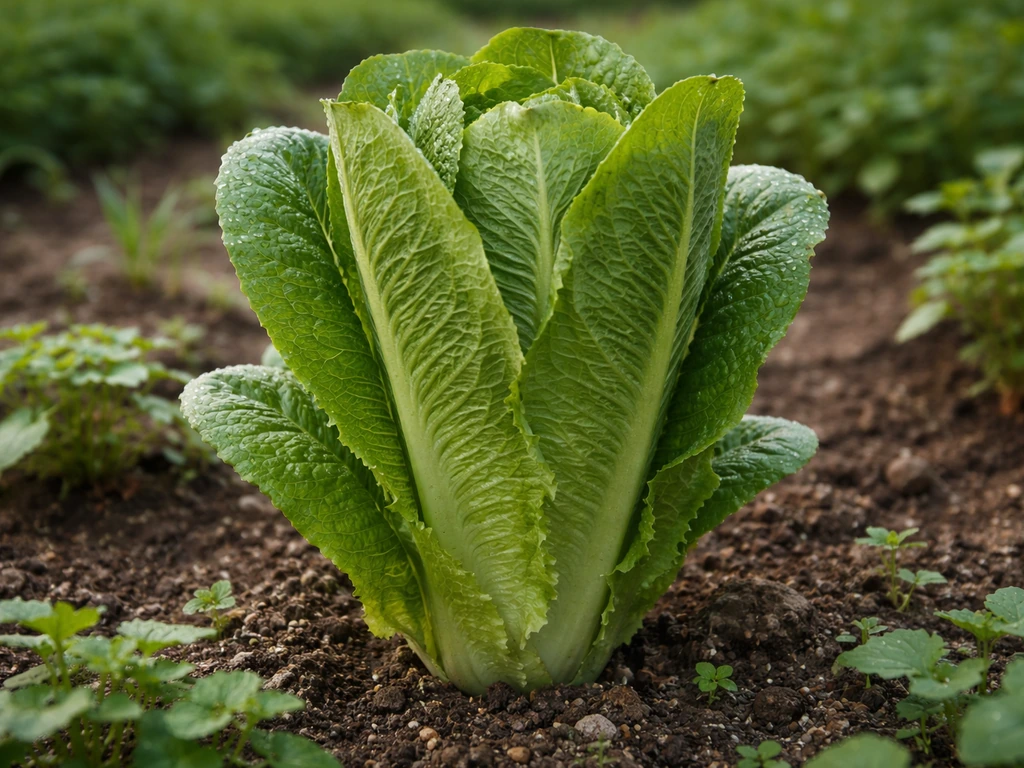
This is the go-to starter romaine. It produces tall, upright heads with thick, crisp leaves, grows well in outdoor beds, and tolerates a range of conditions reasonably well. It's been a reliable garden standard for decades, is easy to find in seed packets at most garden centers, and performs well in both spring and fall plantings. If you've never grown romaine before, start here. If you’re wondering whether is romaine lettuce easy to grow, this starter variety is a great place to start because it’s reliable and forgiving.
Best for containers and small spaces: Little Gem
Little Gem is a miniature romaine that matures in about 55 days and stays compact enough for pots, window boxes, and indoor containers. The heads are smaller than full-size varieties but the flavor is excellent and the leaves are genuinely crisp. It's also one of the better options for indoor growing under grow lights because it doesn't need as much vertical space.
Best for heat and late spring: Jericho
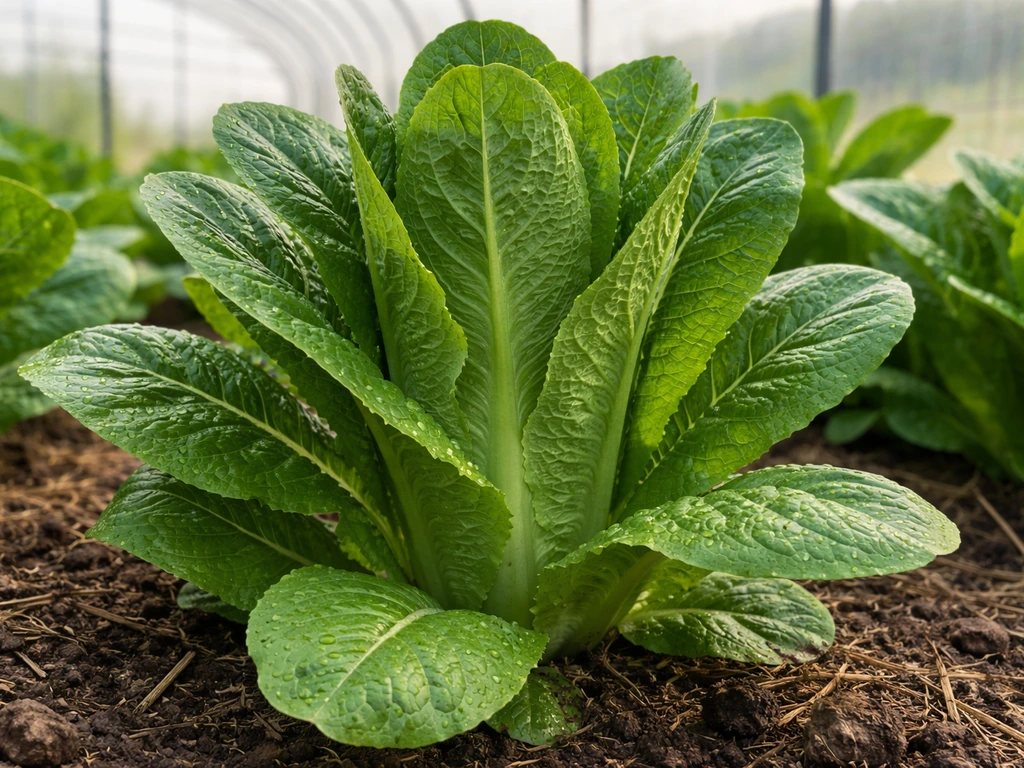
Jericho was bred specifically for heat tolerance. It forms a full upright head and resists bolting much better than standard varieties when temperatures start climbing toward 70°F at night. If you're in a climate where spring warms up fast or you want to push the harvest window later into the season, Jericho is the one to reach for.
Best for hydroponics and indoor systems: Outredgeous
Outredgeous is a red-leaf romaine developed by NASA for the International Space Station, which tells you it handles controlled indoor environments well. It's compact, grows quickly, and works nicely in NFT, DWC, and Kratky-style hydroponic setups. The red color deepens under bright light and the flavor is mild with a slight nuttiness. Growers using hydro systems often report fewer tipburn problems with compact varieties like this compared to larger full-head types.
Best heirloom option: Rouge d'Hiver
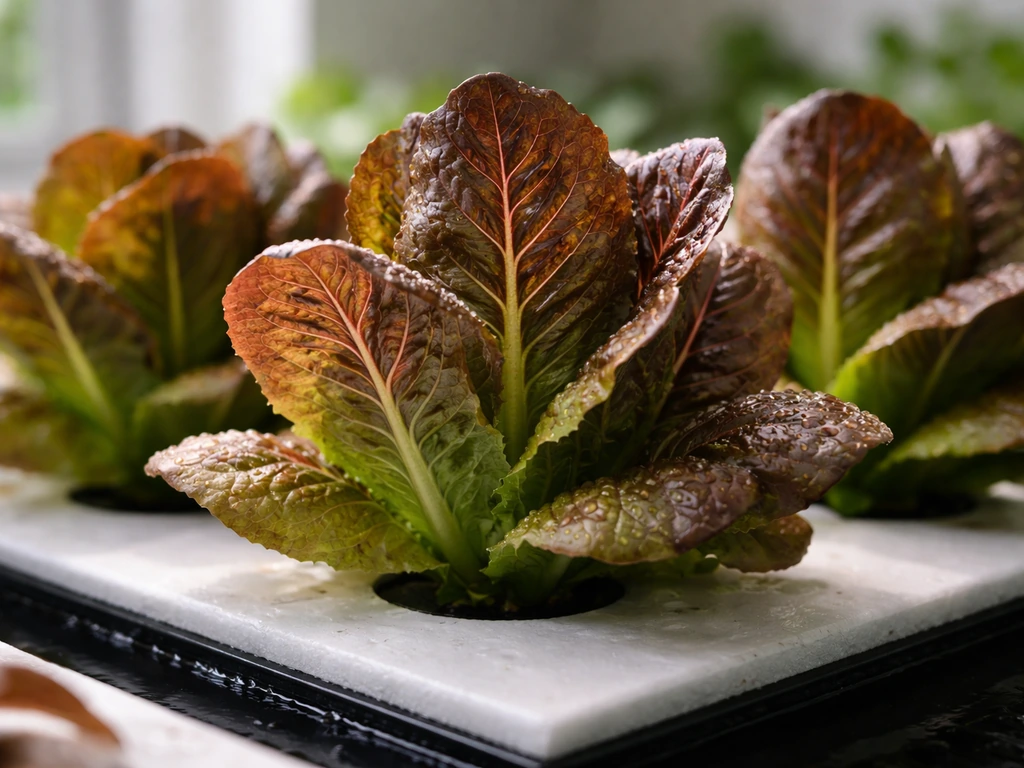
Rouge d'Hiver is an old French heirloom with reddish-bronze leaves and a 60-day maturity window. It's attractive, cold-tolerant, and matures at a reasonable pace. It's not the most heat-tolerant option and prefers cooler conditions, but if you're doing a fall planting or want something with more visual interest in the garden or on the plate, it's a solid choice.
What romaine actually needs to grow well
Temperature
Romaine is a cool-season crop. The sweet spot for day temperatures is 60–70°F. Once nights consistently stay above 70°F, you're in bolting territory regardless of variety. For germination, soil temperature should be in the 60–80°F range. This is why timing is so critical. The best windows are early spring (6 to 8 weeks before your last frost) and late summer to fall (8 to 10 weeks before your first frost). Planting in these windows, rather than mid-summer, is the single most effective thing you can do to prevent bolting and bitterness.
Light
Outdoors, romaine wants full sun in cool weather, which means 6 or more hours of direct light per day. In hot weather, light afternoon shade actually helps extend the harvest window. Indoors or under grow lights, aim for a PPFD of 150–250 µmol/m²/s at the canopy and run lights for 14–16 hours per day to hit a daily light integral (DLI) of around 14–18 mol/m²/day. Going much higher than 250 µmol/m²/s doesn't help romaine and can cause stress; it's not a high-light crop.
Watering
Consistent moisture is non-negotiable. Romaine that dries out between waterings will bolt faster, taste bitter, and develop tipburn. Keep the soil evenly moist but never waterlogged. In outdoor beds, that usually means watering every 2 to 3 days in warm weather. In containers, check daily because they dry out faster. The goal is steady, even moisture, not deep drought followed by heavy watering. In soil, target a pH of 6.0–6.5 for best nutrient availability.
Planting setup for different growing situations
Outdoor garden beds
Romaine is straightforward in a prepared garden bed. Work in compost before planting to improve moisture retention and drainage. Sow seeds shallow, about 1/8 to 1/4 inch deep. For full-head varieties, plan on rows spaced 12 to 18 inches apart. Direct sow thickly and thin to final spacing after seedlings establish. If you're transplanting starts (which gives you a head start), plant out about 3 to 4 weeks before your target harvest window. Mulching between plants helps retain moisture and keep soil temperature stable.
Containers and patio pots
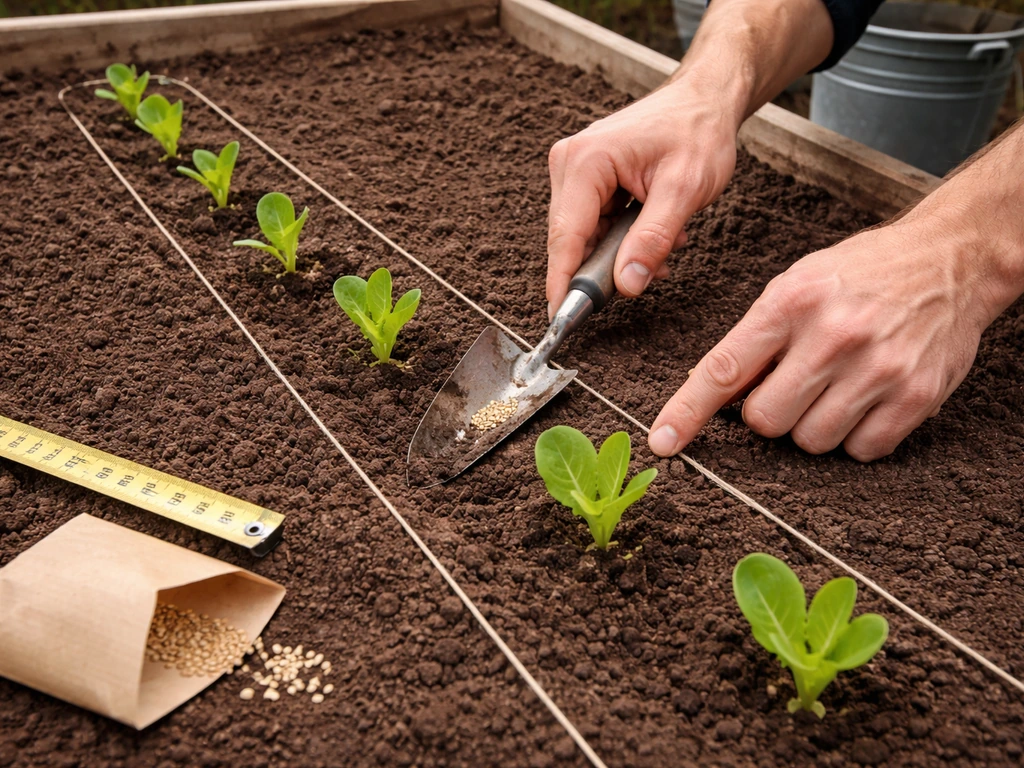
Use at least a 2-gallon container per plant for full-size varieties. UF/IFAS Extension container-gardening guidance for lettuce recommends using [about 2 gallons of container volume per plant](https://sfyl. ifas. ufl.
edu/media/sfylifasufledu/leon/docs/pdfs/Container-Gardening-Spacing-Varieties-UF-IFAS-mcj2020. pdf) and following spacing guidelines such as 6, 8 inches between plants. For compact types like Little Gem, you can fit two plants in a 2-gallon pot or use a window box. The container must have drainage holes.
Fill with a high-quality potting mix, not garden soil, which compacts and drains poorly in pots. Container-grown romaine dries out faster than in-ground plants, so check moisture daily and water as soon as the top inch of soil feels dry. Containers also heat up faster in sun, which speeds bolting, so place them where they get morning sun and shade in the hottest part of the afternoon.
Indoor growing (windowsill or grow lights)
A south-facing window can work for romaine but rarely provides consistent enough light for full heads. If you're serious about indoor romaine, a dedicated grow light makes the difference. Position the light so the canopy receives 150–250 µmol/m²/s and run it 14–16 hours per day. Keep room temperature in the 60–68°F range. Compact varieties like Little Gem and Outredgeous are better choices indoors because they don't stretch as aggressively in lower light conditions. Use containers with drainage and a tray underneath to avoid mess.
Hydroponic systems
Romaine grows exceptionally well hydroponically, which is one reason it's worth exploring if you want year-round production. NFT (nutrient film technique) and DWC (deep water culture) are the most common setups for home hydro growers. Target a nutrient solution pH of 5.5–6.5, with 6.0–6.5 being the ideal range for romaine specifically. EC (electrical conductivity) should sit at 1.2–1.8 mS/cm. A consistent EC around 1.8 works well for most romaine cultivars. Avoid letting EC creep above 2.0, as this can stress plants and worsen tipburn. Compact and loose-head varieties handle hydro better than full-head types because they develop faster and are less prone to the tipburn issues that plague larger heads in recirculating systems.
Spacing, thinning, fertilizing, and succession planting
For full-head romaine like Parris Island Cos, thin to 8 inches between plants in rows that are 12 to 18 inches apart. Spacing and container size are what ultimately determine how much space romaine lettuce needs to grow how much space does romaine lettuce need to grow. For compact varieties, 6 inches between plants is fine. Crowding is a common mistake. Plants that are too close compete for water and nutrients and the heads never develop properly.
Thin early rather than late. Once seedlings have their first true leaves, pull out the weakest ones and leave the strongest. You can eat the thinnings as microgreens, so nothing is wasted.
Romaine is a light feeder compared to fruiting crops, but it does benefit from nitrogen during the growth phase. A balanced fertilizer with a higher nitrogen ratio (something like 10-5-5) applied every 2 to 3 weeks works well. If you're growing in containers or hydroponics, the nutrient supply is more important because there's no reserve in the growing medium. In soil, too much nitrogen late in the season can actually increase tipburn, so dial it back in the final 2 to 3 weeks before harvest.
Succession planting is the key to continuous harvests. Sow a new batch every 2 to 3 weeks during your cool-weather window instead of planting everything at once. This extends your harvest by weeks and prevents the situation where every plant bolts on the same day. In spring, you might get 3 to 4 successions before heat shuts things down. In fall, 2 to 3 successions are usually realistic before frost ends the season.
When and how to harvest romaine
Full heads are ready when they're firm and upright, typically at or slightly before the days-to-maturity number on the seed packet. For loose-leaf harvesting (the cut-and-come-again approach), start pulling outer leaves once the plant is at least 6 inches tall. This extends the harvest window by weeks. For full heads, cut at the base with a sharp knife and use immediately or store unwashed in a plastic bag in the refrigerator for up to 10 days.
The crispest texture comes from heads harvested in the morning after a cool night, before the heat of the day sets in. Hydrated plants harvested in cool conditions produce noticeably better texture and flavor than plants harvested in afternoon heat after a warm day. After harvest, chilling the heads quickly in cold water for 5 to 10 minutes before refrigerating helps maintain that crispness.
Don't wait too long to harvest. Romaine held on the plant in warming weather will start to bolt and turn bitter almost overnight. If temperatures are rising and your heads look close to ready, harvest early rather than risk losing them to bolting.
Troubleshooting the most common romaine problems
Bolting (plant goes to seed early)
Bolting is triggered by a combination of rising temperatures, long days, and water stress. Once a romaine plant decides to bolt, you can't reverse it. Prevention is the only real solution. If bolting is happening consistently, the problem is almost always timing or temperature. Shift your planting earlier in spring or later in fall so that the bulk of the growing period happens when nighttime temperatures are reliably below 70°F. Choose heat-tolerant varieties like Jericho if your spring warms quickly. And keep watering consistent, because plants that dry out are much more likely to bolt than plants that stay evenly moist.
Bitterness
Bitter romaine is almost always a sign of stress. Heat stress, drought stress, or both. The fix is the same as for bolting prevention: cooler temperatures, consistent watering, and harvesting earlier. If your plants are still in an acceptable temperature range but tasting bitter, check your watering frequency. Irregular moisture is the most common cause. Harvest outer leaves when the plant is young rather than waiting for a full head, as younger leaves are milder.
Tipburn (brown or black leaf edges)
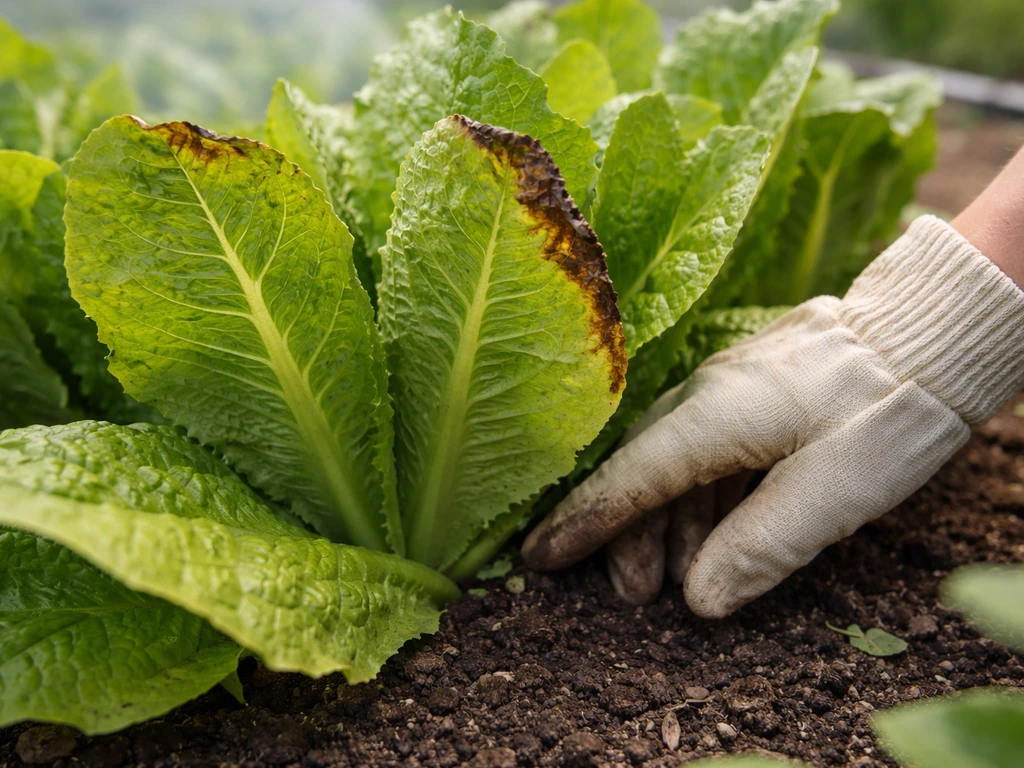
Tipburn looks like a calcium deficiency but it's actually caused by low transpiration in rapidly expanding inner leaves. The outer leaves transpire and absorb calcium normally, but the inner leaves can't pull water and calcium fast enough during fast growth phases. Adding calcium to your soil or nutrient solution rarely fixes it. The real solutions are: increase airflow around plants (especially indoors and in hydro setups), keep temperatures stable and cool, avoid pushing growth too fast with excess nitrogen, and in hydro systems, maintain EC at the lower end of the target range (1.2–1.5) during warm periods. In NFT systems especially, tipburn is a common complaint, and compact varieties generally show less of it than large full-head types.
Pests
Aphids are the most common romaine pest and they tend to congregate in the folds of inner leaves where they're hard to spot. Check weekly by spreading the leaves apart and looking at the inner head. A strong spray of water knocks them off; for heavier infestations, insecticidal soap works well. Slugs and snails are a night problem and tend to chew ragged holes in outer leaves. Iron phosphate bait is effective and safer around vegetable gardens than metaldehyde products. Cabbage loopers and leafhoppers can also show up. Hand-pick loopers when you see them and use row cover in the early season to prevent leafhopper damage.
Diseases
Downy mildew shows up as yellow patches on upper leaves with grayish fuzz underneath and is most common in cool, humid conditions with poor air circulation. Remove affected leaves immediately and improve spacing. Rhizoctonia bottom rot causes the base of the plant to collapse and is almost always linked to overwatering or soil that doesn't drain well. If you see it, let the soil dry out more between waterings and add more organic matter to improve drainage. Gray mold (Botrytis) appears in wet, cool conditions. The fix is the same: better drainage and more airflow.
Slow growth or uneven heads
If your romaine is growing slowly, the first things to check are light, temperature, and nitrogen. Insufficient light is the most common cause indoors. Outside, very cold soil (below 50°F) will stall germination and early growth. Uneven head development is usually a spacing problem: plants that are crowded grow unevenly because the dominant plants shade out their neighbors. Thin aggressively early and you'll get much more consistent results.
FAQ
Can I start growing romaine before my last frost, or do I need to wait?
Yes, but use a strategy that matches romaine’s short window. In-ground, start seed about 6 to 8 weeks before your last frost, then switch to heat-tolerant varieties or keep using fast compact types. In containers, avoid letting pots overheat during late spring, because container soil warms faster than beds and increases bolting risk.
Why does my romaine taste bitter even though I followed the variety’s days to maturity?
If you see bitterness before the plant is close to maturity, treat it like a stress signal rather than a variety problem. The most common cause is uneven watering, so check moisture at least daily in containers. If the soil dries out between waterings, switch to smaller, more frequent watering until the soil stays evenly moist.
How can I keep romaine crisp for longer after harvesting?
For best crispness and the longest fridge life, chill the heads quickly after harvest. Harvest in the morning, then rinse and pre-chill (brief cool-water dip for a few minutes is enough) before refrigerating unwashed. Excess washing and wet storage can increase gray mold and shorten storage time.
What causes bolting if my temperatures still seem within a reasonable range?
Romaine can bolt even if you keep it in “cool” temperatures if the days are getting long or the microclimate is warm. Indoors, watch for heat from grow lights, and in spring outdoors, use shade cloth during the hottest afternoons. Also, avoid letting pots dry out, since water stress amplifies bolting.
My romaine is growing slowly. What should I check first?
If your plants are small or slow, do a quick triage in this order: light, soil temperature, then nitrogen. Indoors, the most common issue is insufficient light intensity, causing weak growth. Outdoors, if soil is below about 50°F, early growth stalls. Crowding can also cause uneven growth, so thin promptly after true leaves show up.
Can I grow full-size romaine in small pots, or will it always be stunted?
For containers, harvest and spacing choices matter. Full-head types typically need more space, and 2-gallon pots are tight for one plant if you want true head development. If you’re limited on space, grow Little Gem or other compact types, or accept a shorter, smaller “partial head” harvest by using outer-leaf cutting earlier.
How do I reduce tipburn in NFT or DWC systems?
In hydroponics, tipburn can worsen when growth is pushed too fast. Keep EC toward the lower end during warm spells (around 1.2 to 1.5), ensure good airflow around plants, and avoid high nitrogen that accelerates inner-leaf expansion. Compact varieties generally experience less tipburn than large full heads.
When should I use row cover for romaine, and when should I take it off?
Use row cover as a protection tool early in the season, but don’t leave it on after heat builds up or as plants get large without ventilation. A better approach is to apply cover right after sowing or transplanting to reduce insect damage, then remove it once temperatures rise to allow airflow and reduce disease pressure.
What’s the best way to decide when to harvest when temperatures are rising?
Don’t ignore how long the plants are left in warm weather. If nights are trending above 70°F, harvest earlier, even if heads are slightly smaller. Waiting can turn crisp leaves into bitter, bolting-prone plants almost overnight once the trigger is set.
What pest prevention steps actually make a difference for romaine?
Most romaine pests are easier to manage before they explode. For aphids, check inner folds weekly and use a strong water spray before they multiply. If you get leafhopper or loopers, row cover early helps, and hand-picking loopers works best when populations are still small.