The best time to grow romaine lettuce outdoors is in the cool shoulder seasons: early spring (2–4 weeks before your last frost date) and fall (6–8 weeks before your first frost). If you’re wondering can you grow romaine lettuce, start with the right timing and keep an eye on temperature and light so it matures before it bolts. If you want the full answer to how does romaine lettuce grow, focus on timing, soil temperature, and light so it matures before bolting. Indoors or in a hydroponic setup, you can grow romaine year-round as long as you keep temperatures between 60–75°F and run lights for 14–16 hours a day. The single biggest timing mistake gardeners make is starting too late in spring and running straight into summer heat, which causes bolting and kills the harvest. If you can keep things cool, romaine is surprisingly forgiving about when you plant it. If you're wondering whether romaine is easy to grow, the short answer is yes when you match the temperature and light requirements is romaine lettuce easy to grow.
When to Grow Romaine Lettuce: Timing Guide for Every Setup
Best time of year to start romaine outdoors
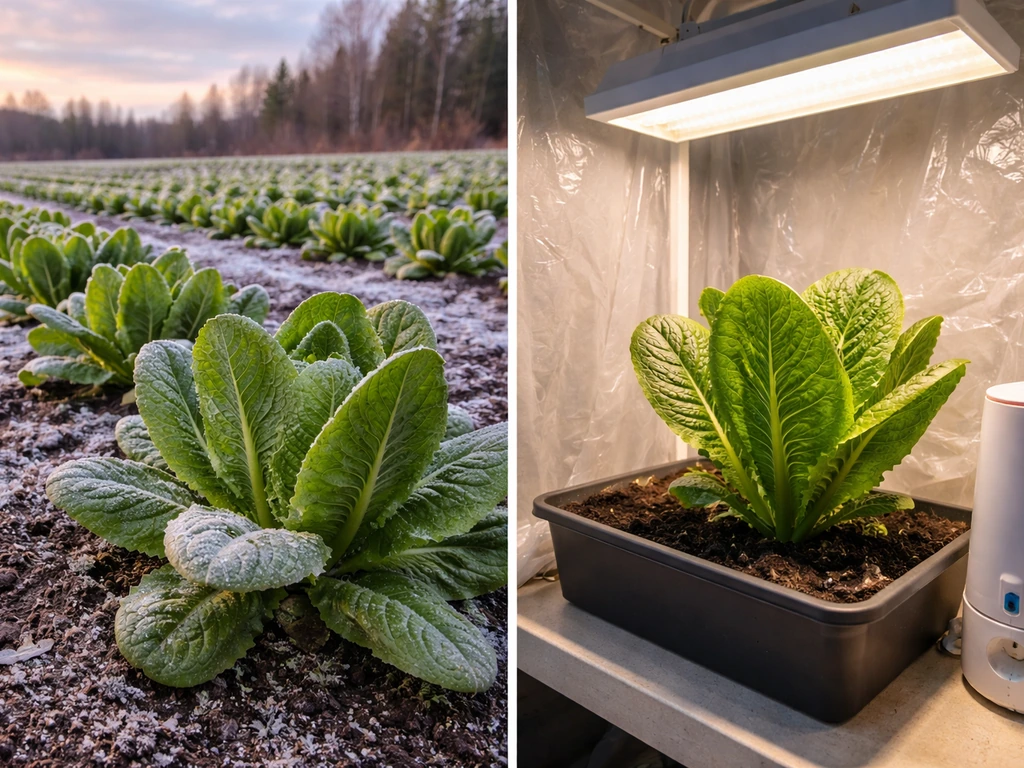
Romaine is a cool-season crop, full stop. It grows best when daytime temperatures sit between 60–65°F and starts running into serious trouble once temperatures push consistently above 80°F. That means your outdoor planting windows are anchored around your local frost dates, not the calendar.
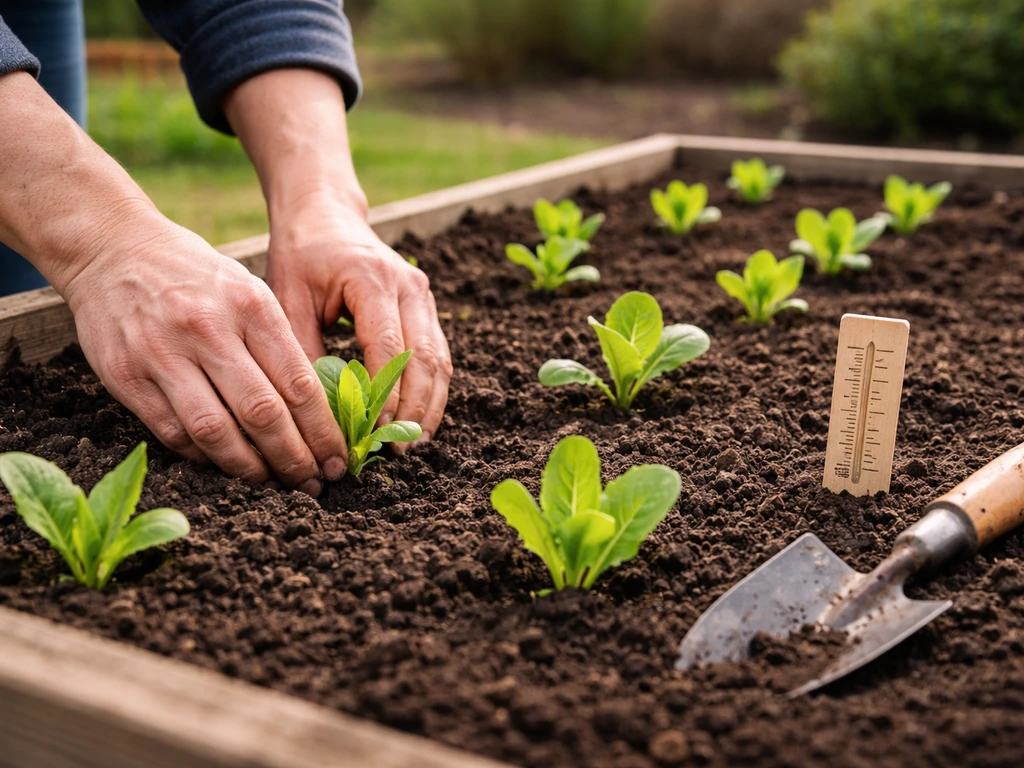
For spring planting, aim to get seeds or transplants in the ground 2–4 weeks before your last expected frost date. Romaine can handle a light frost, which is actually one of its advantages over other greens. The goal is to get plants established while temperatures are still cool so they have time to mature before summer heat sets in. If your last frost is around mid-April, you're looking at late March as your outdoor sow window. If it's mid-May, think late April.
For fall planting, count backward from your first expected fall frost. Romaine needs 6–8 weeks of growing time before hard frost arrives, so plant seeds outdoors 6–8 weeks ahead of that date. Fall romaine is often better than spring romaine because temperatures are cooling down rather than heating up, which means plants mature under ideal conditions instead of racing the heat. Romaine also tolerates higher temperatures than head lettuce types, which gives you a bit more flexibility on the fall end of the season.
Summer outdoor growing is genuinely difficult in most climates. Unless you're in a cool coastal zone or at elevation where summer highs stay below 75°F, I'd skip it and focus on indoor or hydroponic growing during those months instead.
Indoor and container sowing schedules
If you're growing in containers indoors or in a climate-controlled space, your planting schedule is mostly decoupled from outdoor seasons. The main variables become temperature control and light. Keep your growing space at 65–75°F during the day and never let it drop below 60°F at night, and you can start a new container of romaine any month of the year.
For indoor starts that you plan to move outside, begin seeds 5–7 weeks before your intended outdoor transplant date. That transplant date should fall 1–2 weeks before your last spring frost (or, for fall, in the early fall window). So if your last frost is May 1 and you want to transplant around April 17, start seeds indoors in early to mid-March. This gives you a 5–7 week head start and puts transplants outdoors at a size-appropriate 3–4 weeks old, which is the sweet spot for young transplants to root in without excessive stress.
For permanent indoor or container growing with no outdoor transplant planned, just start seeds whenever you want the harvest to begin, then count forward using the timeline below. A windowsill with a good south or west exposure can work, but supplemental grow lights running 14–16 hours per day will give you much more consistent results, especially in winter when natural light is short and weak.
Temperature and day-length targets romaine actually needs
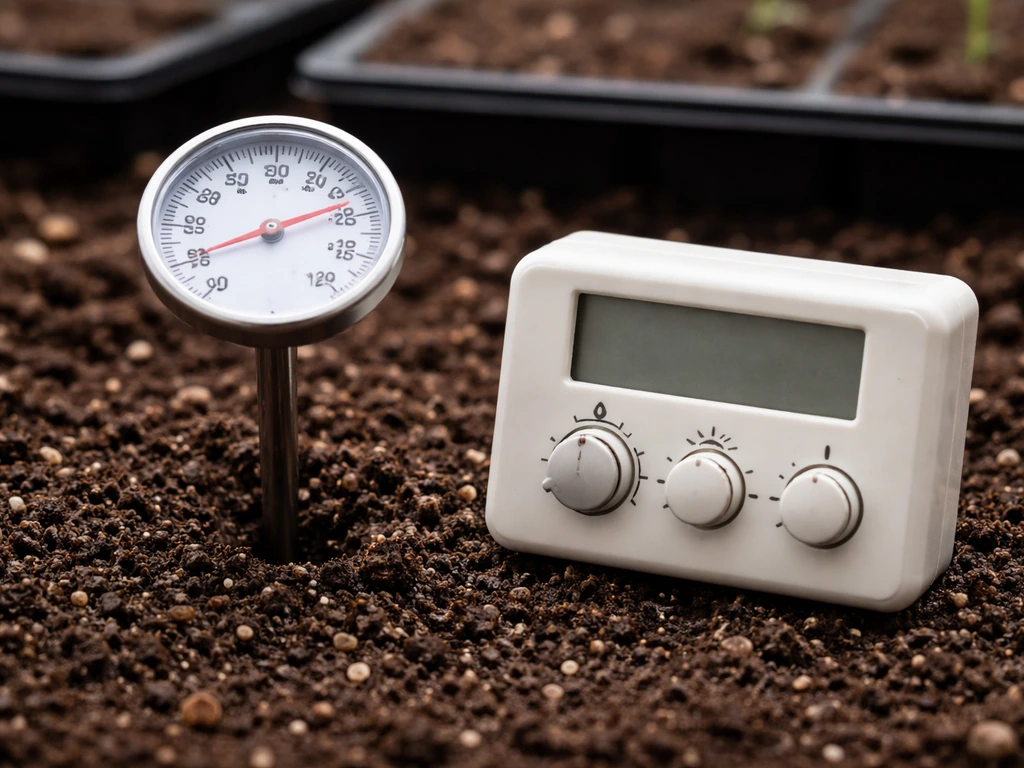
Romaine germinates best in soil temperatures between 60–75°F, though it can germinate at soil temperatures as low as 35°F (just very slowly). The ceiling for reliable germination is around 85°F, above that, germination rates drop sharply and you'll get spotty, frustrating results. For vegetative growth after germination, the sweet spot is 60–65°F, though romaine handles temperatures a bit higher than other lettuce types without immediately bolting.
Day length matters too. Romaine is a long-day plant, meaning extended daylight (or light exposure) eventually triggers it to bolt and set seed. Outdoors, the blank" rel="noopener noreferrer">lengthening days of late spring combine with rising heat to accelerate bolting, which is why timing your spring planting early is so critical. Indoors under artificial lights, running a 14-hour photoperiod keeps plants in active vegetative growth for a longer harvest window. If you're trying to maximize speed and consistency, pairing those temperature and day-length targets with a hydroponic setup is a great related option. If you push lights to 16 hours you can speed growth, but you also risk triggering early bolting in some varieties, so 14 hours is the safer default.
The practical rule: if your daytime temperatures are consistently above 80°F outside, don't start new romaine outdoors. If nighttime temperatures are still dropping below 60°F indoors, either heat your growing space or delay planting there too. Both extremes cause problems, just different ones.
How to stagger plantings for continuous harvests
One batch of romaine gives you one harvest window, and once it's gone (or bolted), you're waiting again. The solution is succession planting: starting a new small batch every 2–3 weeks throughout your cool growing window. If you want the best results, start by choosing the best romaine lettuce to grow for your conditions, then plan your succession planting around your cool window. This spreads out the harvest so you're pulling romaine over several weeks rather than drowning in it for two weeks and then having nothing.
In spring, you might get 2–3 succession plantings in before temperatures climb too high. In fall, you can often fit 2–3 as well, depending on how long your cool window lasts. Indoors or hydroponically, you can run successions year-round with no seasonal limit. Keep a simple notebook or phone note with your sow dates so you know when to start the next batch before the current one is finished.
An alternative to date-based succession is variety-based succession: pick one early-maturing romaine and one slower variety and plant them at the same time. They'll come in at different points and give you a spread harvest from a single planting effort. This is especially useful if you only have space for one or two containers.
Seed vs transplant: how timing changes depending on which you choose
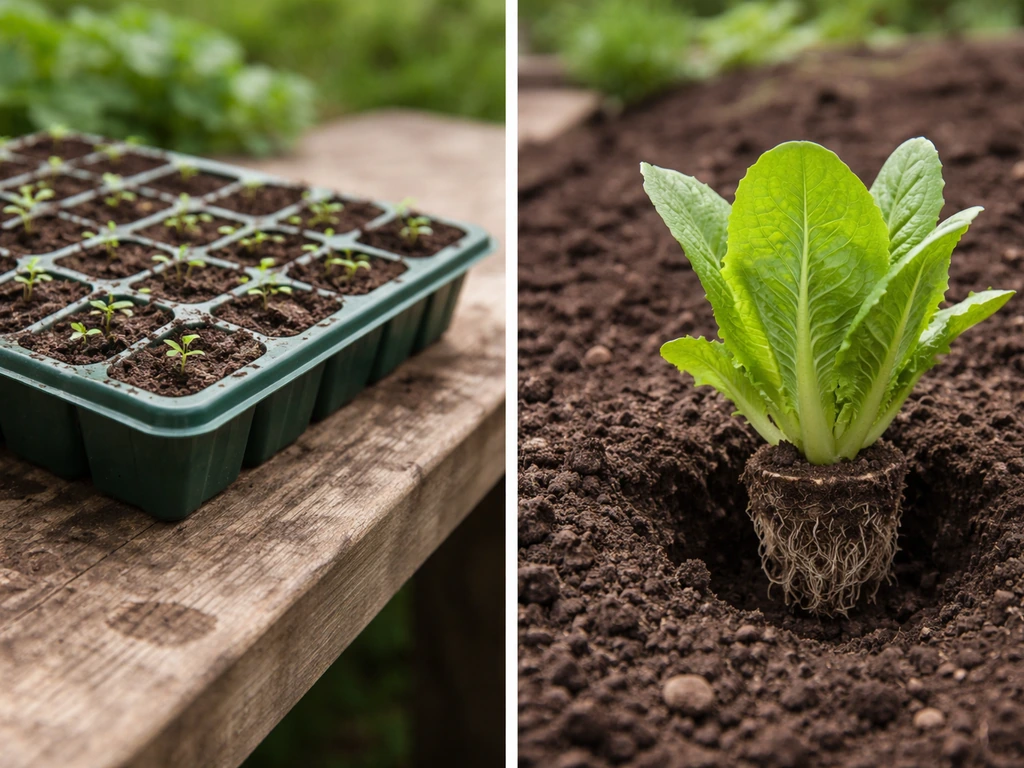
This is one of the most practical timing decisions you'll make, and the answer comes down to how much of your cool season is left. Starting lettuce indoors and then holding it too long before transplanting outdoors can make bolting more common due to a timing and transition issue bolting when plants are held too long before transplanting. If you have 10+ weeks before expected heat, direct seeding works great and costs almost nothing. If you're working with a shorter window, transplants buy you 4–6 weeks and let you skip the slowest phase of growth.
| Method | Days to germination | Days to harvest (from seed) | Days to harvest (from transplant) | Best use case |
|---|---|---|---|---|
| Direct seed outdoors | 7–14 days | 70–85 days | N/A | Early spring or fall with 10+ weeks of cool weather ahead |
| Start indoors, transplant out | 7–14 days (indoors) | ~70–85 days total | 45–60 days after transplanting outside | When outdoor season is limited; spring or fall extension |
| Buy or grow transplants | N/A (skip germination) | N/A | 45–60 days after transplanting | Late-season scramble or when you want to save time |
| Hydroponic from seed | 7–10 days | 45–60 days from seed | 30–45 days after transplant to system | Year-round indoor growing; fastest overall results |
If you're starting from seed indoors before transplanting out, the window to begin is 5–7 weeks before your outdoor transplant date. Transplants should be about 3–4 weeks old (grown in small cell trays) when you move them outside. Don't let them get too big indoors, leggy, root-bound transplants struggle to establish outdoors and often bolt sooner than plants that were direct-seeded.
Realistic romaine timeline from seed to harvest
Here's what to actually expect at each stage so you can plan backward from when you want to eat it.
- Days 1–7 (sometimes up to 14): Germination. Seeds sprout when soil is 60–75°F. At optimal temps (around 70°F), most romaine varieties germinate in 7–10 days. Colder soil slows this significantly.
- Days 7–21: Seedling stage. First true leaves appear. Plants are fragile here; keep moisture consistent and temperatures steady.
- Days 21–35: Vegetative establishment. Plants start growing noticeably. This is when transplants from indoors go outside (around 3–4 weeks old).
- Days 35–60: Active head formation (romaine). The characteristic upright leaves begin forming the elongated head. This is the phase most affected by heat and long days.
- Days 50–85: Harvest window. Leaf romaine types are ready to harvest 50–60 days from seeding (30–45 days from transplant). Full head-forming romaine varieties run 70–85 days from seed. Hydroponics can compress this to 45–60 days from seed, or 30–45 days from transplant into the system.
- Day 85+: Bolting risk. If temperatures are climbing and days are long, plants that haven't been harvested will start sending up a seed stalk. Harvest before you see this.
The honest bottom line: plan for 70–85 days from seed if you're growing full-head romaine outdoors, or as few as 30–45 days if you're growing in a hydroponic system from transplant. Growing time is also influenced by whether you direct sow or start with transplants 70–85 days. The total growing time is something to factor into whether you're even starting at the right time for the season you have left, which connects directly to why timing matters so much.
Common timing mistakes that lead to bolting or slow growth
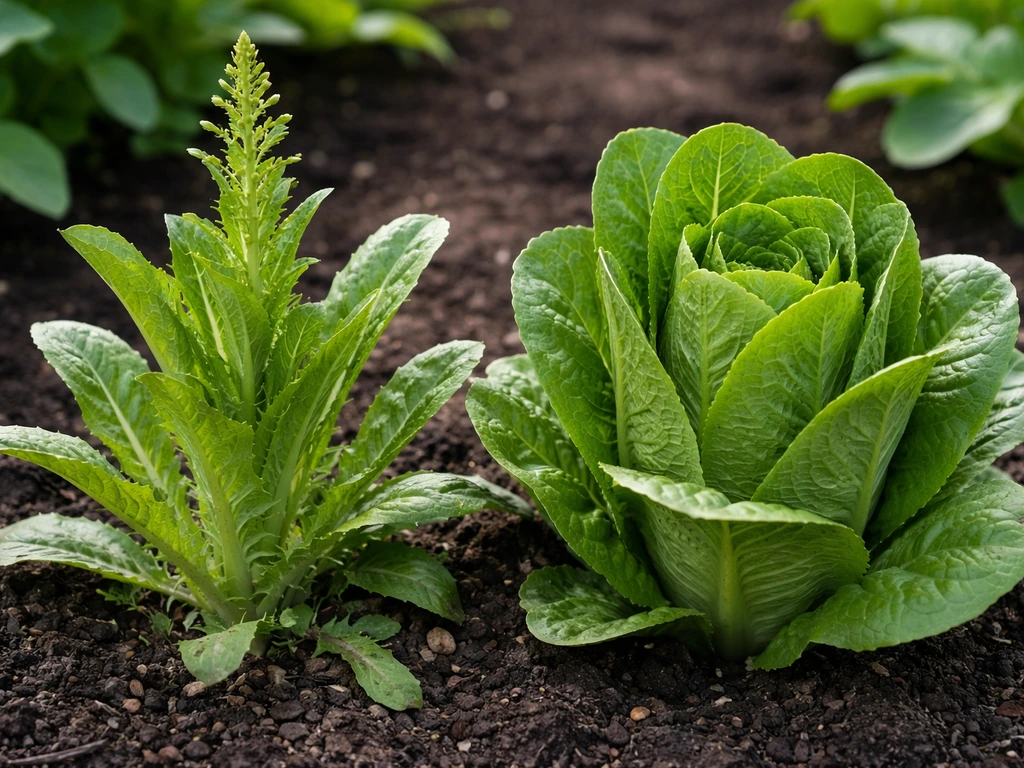
Most romaine problems I see come down to timing errors, not technique. Here are the ones that trip people up most often, and what to do if you're already in one of these situations.
- Planting too late in spring: You direct-seed in late May thinking there's still plenty of time, but heat arrives in June before the plants mature. The fix going forward is to start 6–8 weeks earlier. If you're already in this situation, shade cloth can buy you a week or two, but if it's consistently above 80°F, the crop is likely lost. Start a fall succession instead.
- Planting too early without frost protection: Seeding outdoors when soil is still below 40°F means seeds sit dormant and often rot. If you're eager to start early, use row cover or a cold frame to warm the soil before seeding, or start indoors and transplant when soil warms.
- Not staggering plantings: Planting everything at once means everything bolts at once. Split your seeds into 2–3 batches spaced 2–3 weeks apart. Even in a short season, this spreads your harvest and limits total loss if one batch bolts early.
- Germinating in hot soil: Trying to start summer successions or fall crops by seeding into hot, dry August soil almost never works. Soil temps above 85°F dramatically reduce germination. Start seeds in a cool indoor space or wait until soil temps drop back into the 65–75°F range before seeding outdoors.
- Leaving mature plants in the ground too long: Once romaine heads are full-sized, they don't hold forever. In warming spring conditions, harvest as soon as heads are mature. Leaving them two weeks longer while you wait for 'perfect size' often means coming back to a bolted plant with a bitter, woody stalk.
- Inconsistent watering during heat: Even a few days of drought stress during a warm spell can trigger early bolting. Keep soil consistently moist (not waterlogged) during warm weather, especially as plants are heading up.
How to decide what to plant right now based on your conditions
Today is April 21, 2026. Depending on where you are, you're either in an active spring planting window, approaching the end of one, or just starting to think about fall planning. Here's how to figure out which situation applies to you.
- Check your last frost date. If your last frost is still 2–4 weeks away, you have an ideal outdoor planting window open right now. Get seeds in or transplants out this week.
- Check your 10-day forecast. If daytime highs are already consistently above 75°F, your spring outdoor window is closing fast. Consider starting indoors or moving to fall planning. If nights are still cool (below 60°F), outdoor germination will be slow but workable with row cover.
- Count forward from today. If you direct seed today and your last frost is still a few weeks out, you have roughly 70–85 days of growing time before you need a mature head. Does your cool season last that long? If not, choose a leaf-type or early-maturing romaine variety (50–60 days from seed) or start transplants for a faster finish.
- For containers indoors: check your room temperature. If it's 65–75°F and you can run grow lights 14–16 hours per day, you can start seeds today regardless of what's happening outside.
- For hydroponics: the window is always open as long as you can keep water temperature and air temperature in the 65–75°F range. Start whenever you want a harvest 30–45 days from now.
- If you're past your prime spring window: don't force it. Start planning your fall planting. Count back 6–8 weeks from your first fall frost date to find your outdoor fall sow window, then mark your calendar to start seeds indoors 5–7 weeks before that transplant date.
The most common question I get at this point is whether it's worth planting at all if the window is already shrinking. My answer: yes, but adjust your expectations and your variety choice. A short-season leaf romaine started today in most temperate U.S. climates still has a reasonable shot at harvest before heat peaks in June or July. A full-heading variety started today in a warmer climate probably won't make it. Be honest about your local forecast and pick the approach that matches reality.
If you want to dig deeper into what happens during each growth stage or how much space your plants need to actually form those heads, those are worth understanding alongside your timing decisions. In general, figuring out how much space romaine lettuce needs depends on the variety and whether you're growing full heads or smaller leaf types how much space does romaine lettuce need to grow. The variety you choose also makes a meaningful difference in how much heat tolerance and how many days you're actually working with. Getting the timing right is the first step, the rest of the setup follows from there.
FAQ
My spring window is starting late, should I still plant romaine?
Yes, but switch to a short-season, leaf-type romaine (or a smaller, loose-heading type) and plan for baby-leaf harvests. Full-head romaine usually needs the full cool window to avoid bolting as temperatures climb.
How do I know my local “cool window” is truly ending (not just one warm day)?
Track a 5 to 7 day stretch of daytime highs. If most days are trending near or above 80°F, romaine is likely to bolt or stall, so stop new sowings and focus on harvesting what is already established.
What soil temperature should I aim for before direct seeding outdoors?
Use soil temps of about 60°F or warmer for reliable germination. If your soil is closer to the mid-30s to low-50s, seeds can still sprout but it will be slow and uneven, which makes success harder when you have limited time.
Should I start romaine earlier than the guideline to “get ahead,” even if it will be cool at first?
Avoid starting too early if you cannot protect the plants from prolonged cold snaps. Long chilling can slow growth and increase stress at transplant, which can lead to earlier bolting once warmer days arrive.
Can I sow outdoors if nights are still below 60°F?
It can work, but if nights stay under 60°F consistently, growth will slow and you may lose the timing advantage. Consider row cover or delay sowing until nights moderate, especially when you are trying to finish a full-head harvest.
What should I do if my seedlings get leggy indoors before transplanting?
Leggy transplants are a common “too much light not enough” timing/setup issue. Harden off and plant them promptly, burying them slightly if your method allows, but the better fix is tightening light exposure (less time on a weak windowsill, more time under grow lights).
How far apart should I space romaine to reduce bolting risk later?
Space based on the variety and whether you want full heads, but also avoid overcrowding. Tightly packed plants can heat up faster in spring sun and compete for moisture, both of which can push them toward bolting.
Is it better to direct seed or transplant if I’m trying to beat summer heat?
Transplants generally help when your cool window is short, because you skip part of the slow early growth. If you have 10+ weeks of cool weather, direct seeding is more flexible and low-cost, but it is less forgiving if temperatures rise quickly.
Can I succession plant in fall without running into frost damage?
Yes, but succession depends on when your hard frost usually arrives. Aim for plantings that mature before hard frost, and treat “light frost” as survivable but “hard frost” as the cutoff where quality drops or growth stops.
My romaine bolted, can I salvage it or replant the same spot?
Once romaine bolts, the edible window usually closes quickly. Clear the bed and replant with a new batch only if your temperatures are still in the romaine range. If you are near the end of the cool window, switch to leaf types or plan to move indoors.
How long does a batch last if I’m harvesting progressively?
Progressive harvesting can stretch the usable period for loose-leaf romaine, but full-head romaine typically has a narrower harvest window. If you want weeks of harvest, keep succession batches on a 2 to 3 week schedule rather than waiting for the first batch to fully decline.
For hydroponics, when should I start new romaine batches if I want consistent weekly harvests?
Use the transplant-based timeline and start new batches so that each one reaches harvest maturity on your target cadence. If you are using the same variety and stable temps, you can keep sowing on a fixed interval (every few weeks) to avoid gaps, but adjust if your light intensity or growth rate changes.