Yes, you can absolutely grow romaine lettuce at home, and it's one of the more rewarding crops to start with. Romaine grows well in outdoor garden beds, containers on a balcony or patio, and even indoors under grow lights or in a hydroponic setup. It takes 60 to 80 days to form a full head from seed, but you can start harvesting outer leaves much earlier. Give it cool temperatures, consistent moisture, and decent light, and you'll have crisp, fresh romaine without much fuss.
Can You Grow Romaine Lettuce? Yes, Here’s How
Marcus Holloway
13 May 2026
Choosing the right growing setup
Romaine is flexible enough to work in almost any growing situation, but each setup has its own trade-offs. Here's how to think about which one fits your space and goals.
Outdoor beds
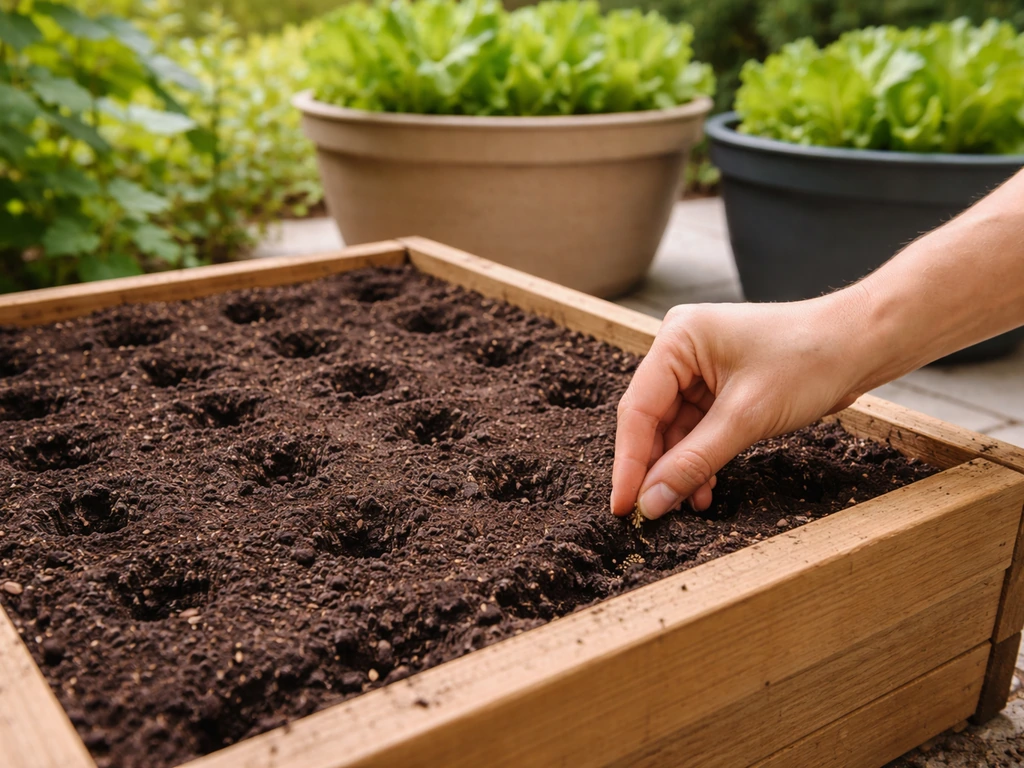
A traditional garden bed is the easiest entry point. Romaine loves full sun in cool weather and can handle light frost, which makes it perfect for spring and fall planting. You get the most natural growing environment, the lowest input cost, and the easiest scaling if you want multiple rows. The main challenge is managing heat in summer: once temperatures climb above 75°F for several days in a row, romaine will start thinking about flowering instead of making leaves, and quality drops fast.
Containers and raised beds
Containers work really well for romaine, especially if you're on a balcony or have limited yard space. If you are wondering how much space romaine needs to grow, the key is giving each head enough room to spread how much space does romaine lettuce need to grow. A pot at least 8 to 10 inches deep and 12 inches wide can support two to three romaine plants comfortably.
The advantage is mobility: you can move containers out of harsh afternoon sun when temps spike, or bring them inside before a hard freeze to extend the season. Use a well-draining potting mix, not garden soil, and make sure the container has drainage holes. If yours doesn't, drilling holes along the sides near the bottom does the job.
Indoors and hydroponics
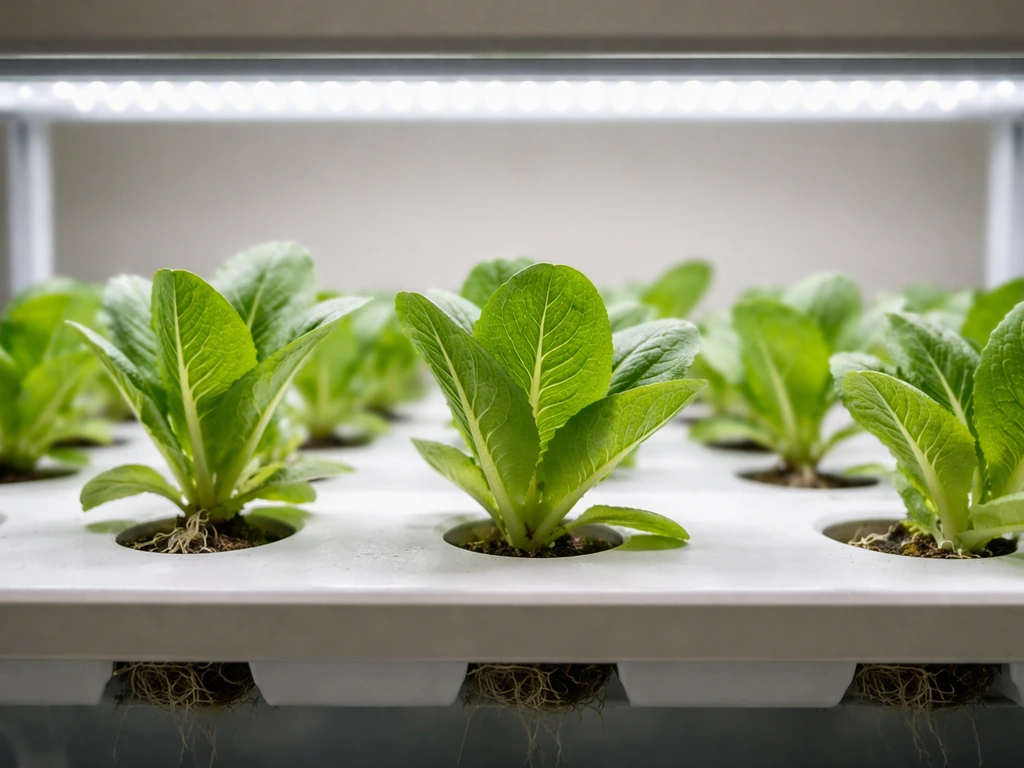
Growing romaine indoors under grow lights gives you year-round control, which is great if your outdoor seasons are short or unpredictable. Hydroponics takes that a step further: systems like Nutrient Film Technique (NFT) deliver water and nutrients directly to the roots on a timer, and lettuce is one of the most popular crops for small home hydroponic setups precisely because it's fast and manageable. For hydroponic romaine, keep your nutrient solution EC between 1. 2 and 1.
8 and pH between 6. 0 and 7. 0. Growing romaine hydroponically is a great rabbit hole to explore if you catch the bug.
If you want to try it, focus on consistent nutrients, light, and the right system setup so your heads form well grow romaine hydroponically.
Soil, containers, and how to plant
Soil requirements
Romaine prefers a loose, well-draining soil with a pH between 6.0 and 6.8. If you're starting in a garden bed, amend heavy clay soil with compost to improve drainage and aeration. For containers, a quality all-purpose potting mix is already close to ideal. If you want to check your garden's pH, an inexpensive test kit from any hardware store works fine. Anything significantly outside that 6.0 to 6.8 window can lock out nutrients and slow growth.
Seeds vs. transplants
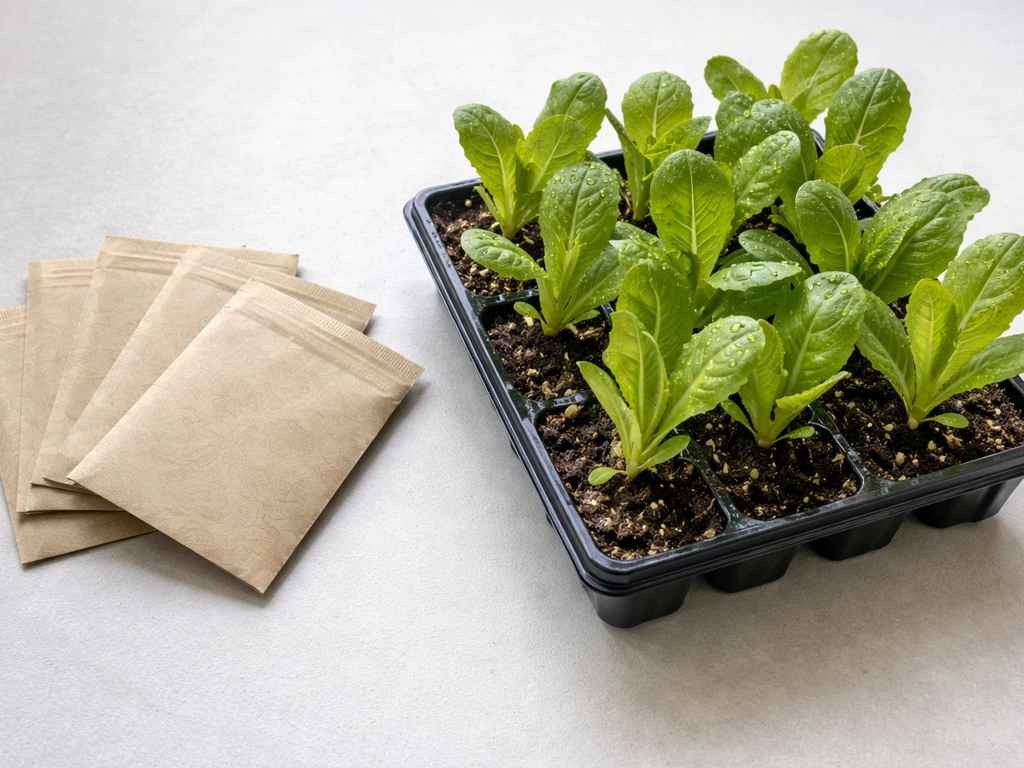
You have two options: start from seed or buy transplants from a nursery. Transplants save you three to four weeks and are a great choice if you're pressed for time or want to skip the germination step. Direct seeding is cheaper and gives you more variety options since nurseries usually carry only one or two romaine types. For direct sowing, plant seeds about 1/8 to 1/4 inch deep and keep the soil consistently moist until germination, which usually happens in 7 to 10 days. If you want to start seeds indoors before transplanting, begin them 4 to 6 weeks before your last frost date.
Good romaine varieties to consider
Not all romaine is the same. 'Parris Island Cos' is a classic full-size variety with great heat tolerance for a romaine. 'Little Gem' is compact and perfect for containers or small spaces, maturing faster than full-size types. 'Rouge d'Hiver' handles cold better and adds some color. 'Jericho' is worth growing if you're in a warm climate and struggling with bolting. Picking the right variety for your conditions makes a noticeable difference in how smooth the whole process goes. For additional help picking what to grow, see our guide on the best romaine lettuce to grow for your conditions.
Light, temperature, and watering
Light needs
Outdoors, romaine wants at least 6 hours of direct sun per day in cool weather. In the heat of summer, some afternoon shade actually helps prevent bolting. Indoors, romaine needs 12 to 16 hours of artificial light daily. A full-spectrum LED grow light positioned 6 to 12 inches above the plants works well. If your indoor romaine looks stretched and pale, it's almost certainly not getting enough light, and the fix is either more hours or moving the light closer.
Temperature
Romaine is a cool-season crop and performs best with daytime highs around 60 to 68°F and nights around 50°F. It can tolerate a light frost, but hard freezes will damage outer leaves. The real enemy is heat: multiple days over 75°F trigger bolting, which means the plant shifts energy toward flowering and seed production. For romaine, UC Davis Postharvest notes [respiration and shelf-life behavior](https://postharvest.
ucdavis. edu/produce-facts-sheets/lettuce-romaine) that can inform harvesting-at-the-right-time decisions to maintain quality. When that happens, leaves get bitter and the plant stops making the dense, crisp head you're after. For outdoor growers, this means timing your planting to hit spring and fall windows.
If you're in a hot climate, shade cloth during peak afternoon heat can buy you another week or two.
Watering
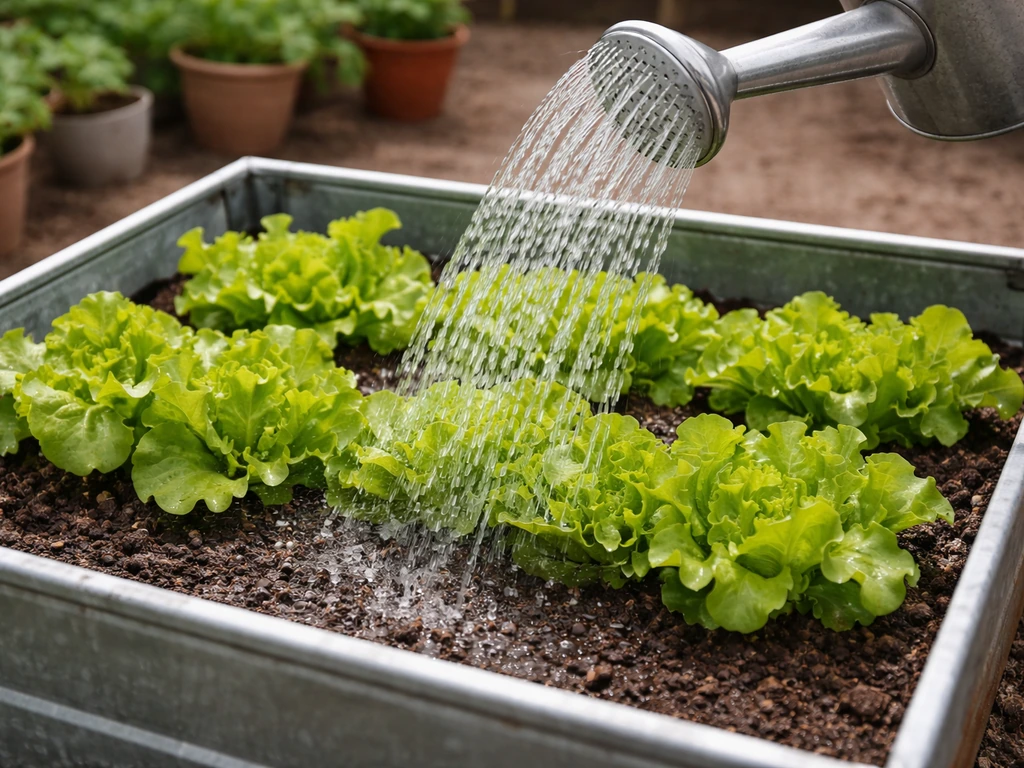
Lettuce has shallow roots, so it dries out faster than you'd expect. In containers, check the top inch of soil and water when it feels dry about 1/4 inch down. In garden beds, aim for about an inch of water per week, more in hot or windy conditions. Consistent moisture is the key: irregular watering leads to stress, which contributes to bitterness and tip burn. One tip I swear by: water more frequently in the days leading up to harvest. It genuinely improves crispness and flavor. Avoid overhead watering late in the day since wet foliage overnight invites disease.
Spacing, thinning, and fertilizing
For full heads, romaine needs enough room to develop. Space plants 8 to 10 inches apart within rows, with 12 to 24 inches between rows if you're growing in a garden bed. In containers, two to three plants in a 12-inch pot works if you thin properly. If you direct seeded, thin seedlings once they're about 2 inches tall, keeping only the strongest plant per spot. I know it feels wasteful to pull healthy seedlings, but crowded romaine produces small, poor-quality heads. Those thinnings are edible, by the way, so toss them in a salad.
Romaine isn't a heavy feeder, but it benefits from a balanced fertilizer. Work a granular balanced fertilizer (something like 10-10-10) into the soil at planting time. For container plants, a liquid balanced fertilizer every two to three weeks works better since nutrients leach out with each watering. If leaves start looking pale yellow, that's usually a nitrogen deficiency: a dose of liquid fertilizer with higher nitrogen will green things up within a week or two. Don't over-fertilize; too much nitrogen pushes leafy growth but can make plants more susceptible to tip burn and pests.
Harvesting, succession planting, and extending the season
When and how to harvest
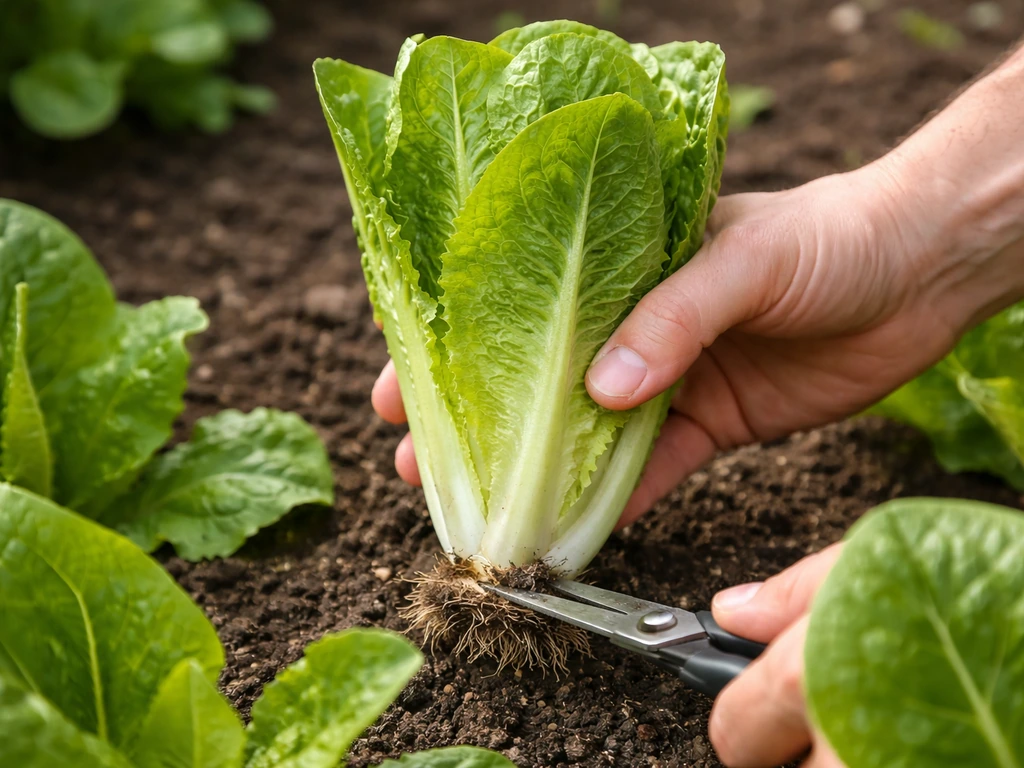
Romaine is ready to harvest when the head is about 4 inches wide at the base and 6 to 8 inches tall, with leaves that overlap to form a fairly tight head. At full maturity, expect to wait 60 to 80 days from seeding. You have two harvest approaches: cut the whole head off at the base with a sharp knife, or harvest outer leaves individually and let the center keep growing for a cut-and-come-again approach. Don't wait too long. Overmature heads taste worse than heads harvested at peak, so harvest as soon as the head feels firm and full. If the center starts pushing up into a pointed tower shape, harvest immediately because bolting is beginning.
Succession planting for continuous harvests
The best way to avoid a feast-or-famine situation with romaine is succession planting. Every two to three weeks, sow a new small batch of seeds or transplant a few new starts. This staggers your harvest dates so you're not drowning in heads one week and out the next. For spring growing, start your first sowing as soon as the soil can be worked, then keep succession planting until daytime temperatures consistently reach 70 to 75°F. If you're wondering when to grow romaine lettuce, aim for cool weather and build your planting schedule around your last frost and the heat that triggers bolting. Pick back up again in late summer for a fall crop.
Extending the season
If you want to push the season earlier in spring or later into fall, row covers and low tunnels are your best tools. A simple floating row cover can add several degrees of warmth, protecting young plants from frost and buying you extra weeks on both ends of the season. In fall, row covers let you keep harvesting well past the first frost. For indoor growers, season extension is simply a non-issue: you control the environment year-round.
Fixing the most common romaine problems
Bolting
Bolting is the number one frustration with romaine. The plant suddenly sends up a tall central stalk, stops making leaves, and turns bitter practically overnight. It's triggered by heat (multiple days above 75°F) and long days. Prevention is easier than cure: plant at the right time, choose bolt-resistant varieties like 'Jericho', and use shade cloth or move containers to afternoon shade when a heat wave hits. Once a plant has bolted, it won't recover. Harvest whatever is still edible and start fresh.
Bitter taste
Bitterness in romaine usually comes from one of three things: heat stress, inconsistent watering, or harvesting too late. If your romaine tastes bitter and temperatures have been high, heat is the likely culprit. If temps have been fine but you've let the plant go too long, overmaturity is the issue. Water stress, either too dry or inconsistently watered, also produces bitter, tough leaves. The fix is addressing whichever of these applies: cool the plant down, harvest sooner, and keep watering consistent.
Leggy, stretched seedlings
If your seedlings are tall, thin, and floppy, they're not getting enough light. Outdoors, this sometimes means your spot is shadier than you thought. Indoors, the grow light is either too far away or not on long enough. Move the light closer (to about 6 inches above seedlings) and increase the hours to at least 14 per day. Leggy transplants can be buried a little deeper to compensate, but it's better to fix the light issue so the problem doesn't continue.
Pests and disease
Aphids and slugs are the most common pest problems with romaine. Aphids cluster on the underside of leaves and in the tight center of forming heads. A strong spray of water knocks most of them off, or use insecticidal soap for heavier infestations. Slugs do their damage at night: if you see ragged holes in leaves but no insects during the day, slugs are almost certainly the cause.
Iron phosphate slug bait around the base of plants is safe and effective. For disease, downy mildew is the big one: it shows up as yellow patches on top of leaves with gray-white fuzz on the undersides. University of Arizona Extension provides management guidance for downy mildew of lettuce and discusses factors that affect downy mildew development [downy mildew is the big one](https://extension. arizona.
edu/publication/biology-and-management-downy-mildew-lettuce). It thrives in cool, wet conditions with poor airflow. Avoid overhead watering, space plants properly, and remove affected leaves promptly. Choosing mildew-resistant varieties helps a lot if you've had it before.
Slow growth
If your romaine seems stalled, check three things first: soil temperature, nutrient levels, and light. Romaine grows slowly in cold soil (below 40°F), so early spring plantings in cold climates may just need more time. Pale leaves with slow growth often point to low nitrogen. Not enough light, whether outdoors or indoors, also significantly slows development. Address whichever factor is off and growth usually picks back up within a week or two.
FAQ
Can you grow romaine from store-bought romaine lettuce scraps or cores?
Usually, no. Romaine heads sold in stores are often trimmed too far down for regrowth, and they may not have a usable growing point. If you do try, you need a sizable intact base (the bottom portion with living tissue) and warm but not hot conditions, but success is inconsistent. Starting from seed or buying nursery transplants is far more reliable.
How many romaine plants should I start for a family or meal schedule?
A simple way is to plan around cut-and-come-again outer leaf harvest. If you want regular salads without eating a full head at once, start more plants and harvest leaves continuously. For full heads, count on roughly one head per person per week for frequent salads, then adjust based on whether you grow full-size or compact varieties like Little Gem.
What should I do if my romaine looks healthy but never forms a tight head?
Most often it is either heat stress or insufficient light. If temperatures have been above the bolting range or days have been getting long, the plant may focus on survival and won’t pack leaves tightly. If it is a light issue, you will often see slower growth, paler color, and a looser structure, so increase daily light hours or move indoor lights closer.
Is romaine safe to grow in containers on a balcony that gets very hot afternoon sun?
Yes, but you must manage sun exposure. Use afternoon shade (move the container or use shade cloth) when temperatures climb, because repeated heat days trigger bolting and bitterness. Also choose a pot that is deep enough to stay evenly moist, since shallow containers swing between dry and wet faster than garden beds.
How often should I water romaine if I’m getting mixed weather (cool nights, warm days)?
Aim for steady moisture rather than a fixed schedule. Check the top inch of soil regularly, then water when it starts to dry about a quarter inch down. In hot spells, you may need more frequent watering, while cool rainy periods require less. Uneven watering is a common cause of bitterness and tip burn.
Can I grow romaine through a hot spell without losing the crop?
You can try to buy time, but you cannot fully stop bolting once heat is persistent. Move containers to afternoon shade, add a breathable shade cloth, and keep watering consistent to reduce stress. The best strategy is timing and succession planting so you harvest before heat peaks, then start again for fall when temperatures cool.
Why does my romaine have brown, crispy leaf tips (tip burn)?
Tip burn is frequently linked to irregular moisture and sometimes overly strong nitrogen. If watering fluctuates, calcium uptake becomes less reliable and tips scorch. Correct the watering consistency, avoid high-nitrogen feeding, and consider using a balanced fertilizer rather than pushing fast leaf growth.
What is the best way to harvest romaine if I want it to keep growing?
For cut-and-come-again, harvest outer leaves when they are big enough to eat, leaving the center growing point intact. Do not strip the plant down to the base. If you cut too low or harvest too aggressively, regrowth slows, and the plant is more likely to bolt if weather turns warm.
Should I remove bolting stalks or keep waiting for leaf growth?
Once romaine has bolted and is producing a tall central stalk, it will not revert to a dense head. You can harvest any remaining usable leaves, but plan to replace the plant rather than waiting for improved quality. Start a fresh sowing ahead of the next heat window to avoid a repeat.
Do I need to thin romaine seedlings, and what happens if I don’t?
Yes, thinning is important. Crowded romaine competes for light and space, leading to smaller, looser heads and lower quality. Thin to the strongest seedling in each spot when they are a couple inches tall, and use the thinnings in salads instead of discarding them.
What pests should I check for first, and how do I spot them early?
Check twice a week at a minimum. Aphids tend to hide in the tight center and on leaf undersides, so inspect forming heads, not just the outer leaves. Slug damage appears as ragged holes, often noticed after dark activity, so look for moisture-trapping areas at soil level and use early bait if you have a history of slugs.
How can I reduce the chance of downy mildew on romaine?
Downy mildew increases when leaves stay wet and airflow is poor. Water at soil level instead of overhead, space plants to improve airflow, and remove the worst affected leaves promptly. If you have had it before, consider mildew-resistant varieties and avoid gardening when foliage is still wet.
Why is my romaine growing slowly even though I fertilized?
Slow growth is often light or temperature, not just nutrients. Romaine struggles when soil is very cold, and indoor plants can stall when grow lights are too far away or used for too few hours. Check light first (especially for leggy seedlings) and soil temperature, then adjust fertilizer only after those basics are corrected.