Romaine lettuce is genuinely easy to grow, but it sits one step above loose-leaf lettuce on the beginner difficulty scale. You are dealing with a cool-season crop that germinates fast, grows well in containers or garden beds, and tolerates a light frost. The one thing that trips most people up is heat: blank" rel="noopener noreferrer">let temperatures climb above 75°F (24°C) for too long and romaine bolts, turning bitter and sending up a flower stalk. Nail the timing and temperature, and you will get crisp, upright heads in about 60 to 80 days with surprisingly little fuss.
Is Romaine Lettuce Easy to Grow? Practical Beginner Guide
Marcus Holloway
4 May 2026
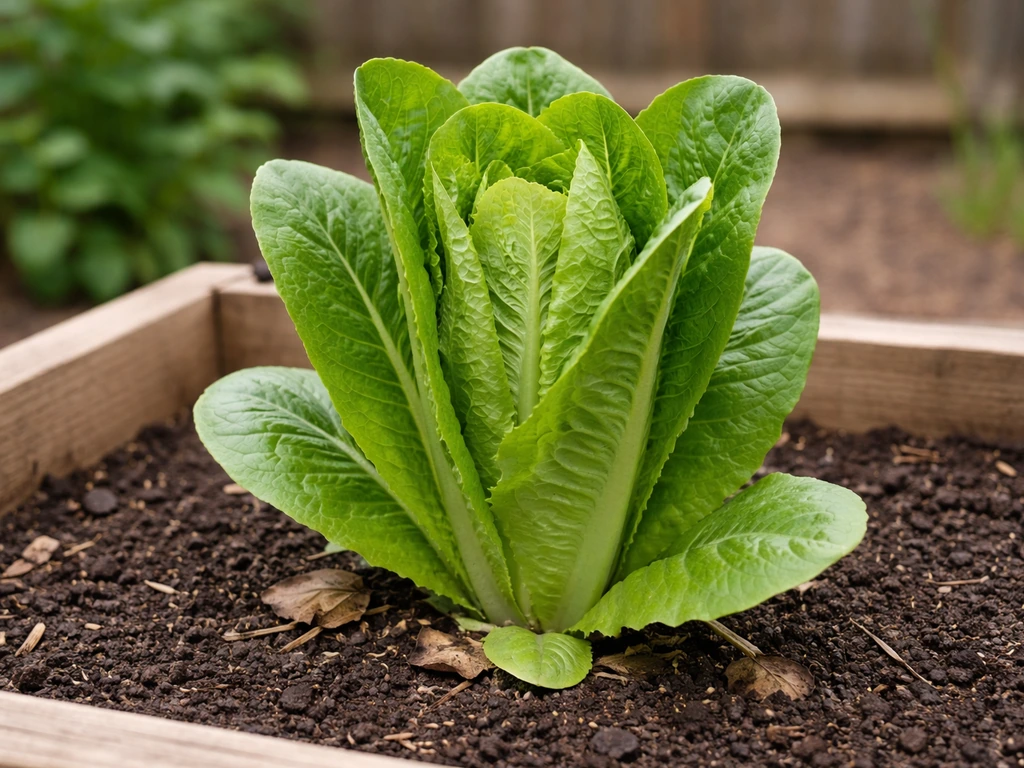
How hard romaine actually is to grow
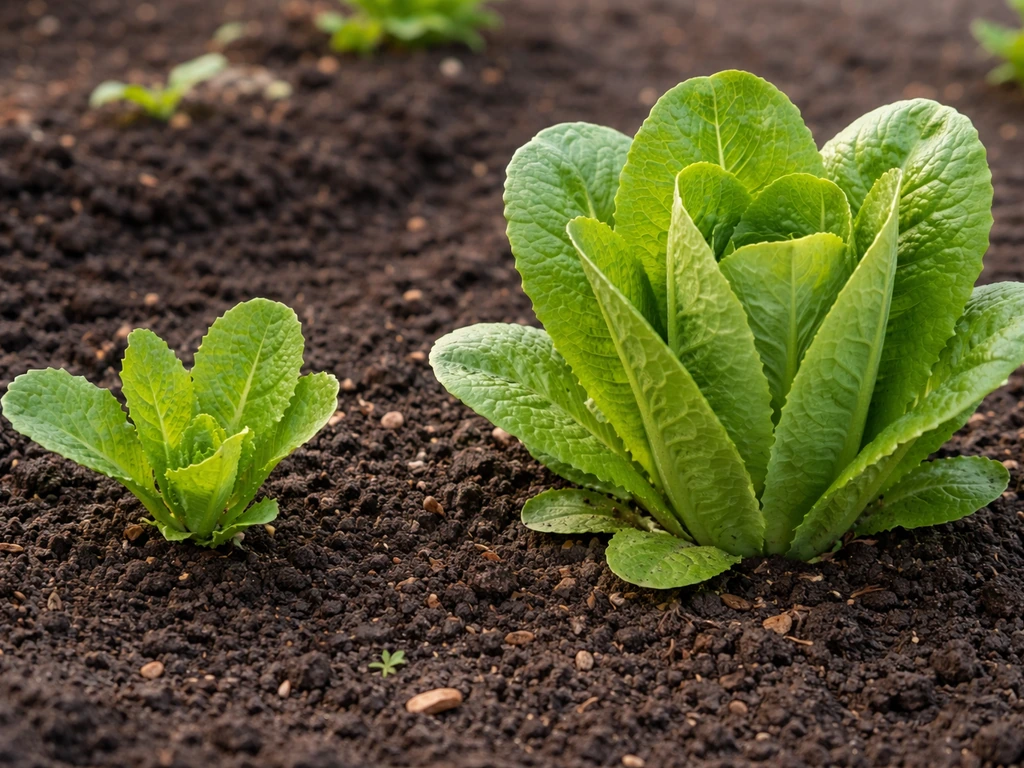
Let me be straight with you: romaine is not hard, but it is not the absolute easiest lettuce either. University of Minnesota Extension ranks loose-leaf types as the simplest for home gardens because they mature faster and have a wider harvest window. Romaine forms a taller, more structured head, which means it needs a few more weeks in the ground and is slightly more sensitive to conditions. That said, University of Maryland Extension describes lettuce broadly as 'easy-to-grow' and notes it can handle a light frost, which tells you romaine is still very much in beginner territory. Think of it this way: if loose-leaf is a 2 out of 10 for difficulty, romaine is maybe a 4. The skills are the same, you just have less margin for error when summer heat shows up.
The variety you pick matters a lot here. 'Parris Island Cos,' 'Little Gem,' and 'Jericho' are all solid choices for beginners because they combine good flavor with reasonable heat tolerance. 'Jericho' in particular is bred for warmer conditions and bolts more slowly than most, which buys you extra time if spring warms up faster than expected.
Best growing setups for romaine
Outdoor garden beds
An outdoor raised bed or in-ground plot is the most productive setup for romaine. You get natural airflow, rain contribution, and room to plant multiple successions. Aim for a spot that gets at least 6 hours of direct sun in spring and fall, but consider a location with light afternoon shade if your summers arrive early. Raised beds warm up faster in spring, which is a plus for early planting, but they also dry out faster, so consistent watering matters more.
Containers and pots
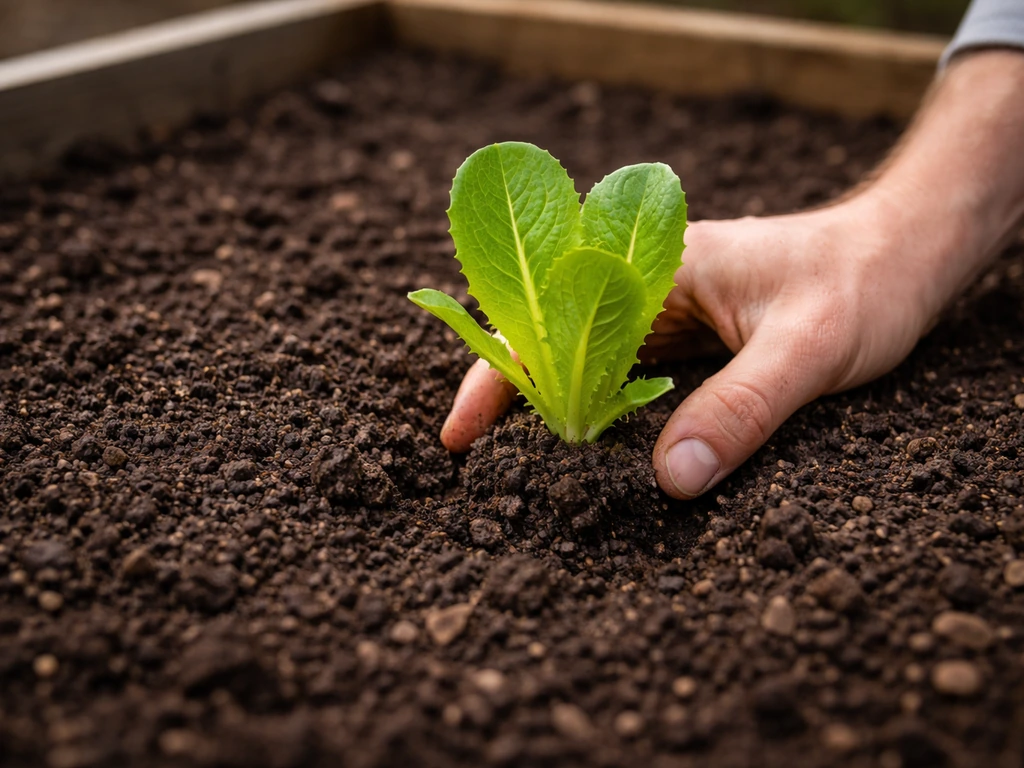
Ohio State University Extension confirms that romaine works well in containers, and I have had great results with pots that are at least 8 to 10 inches deep and 12 inches wide. A single full-size romaine head needs about 6 inches of space, so a 12-inch pot can handle two plants comfortably. To dial in your spacing, plan around 6 to 8 inches between full-size heads when you set plants out. Containers are a real advantage if you want to chase cooler temperatures: just move the pot to a shadier spot or under an overhang when heat spikes. Self-watering containers are worth the investment for romaine because they keep moisture more consistent.
Indoor growing
Romaine can be grown indoors year-round, but you need to be realistic about light. A south-facing window rarely delivers enough intensity for full heads. A grow light positioned 2 to 4 inches above the seedlings and running 14 to 16 hours per day will get you there. A full-spectrum LED panel rated for at least 2000 to 4000 lux at plant level is the practical minimum. Indoors you control temperature completely, which actually removes the biggest risk factor for romaine. It is also worth knowing that romaine is one of the best lettuce types for hydroponic systems, where it grows faster and often produces cleaner leaves.
Light and temperature sweet spots to prevent bolting
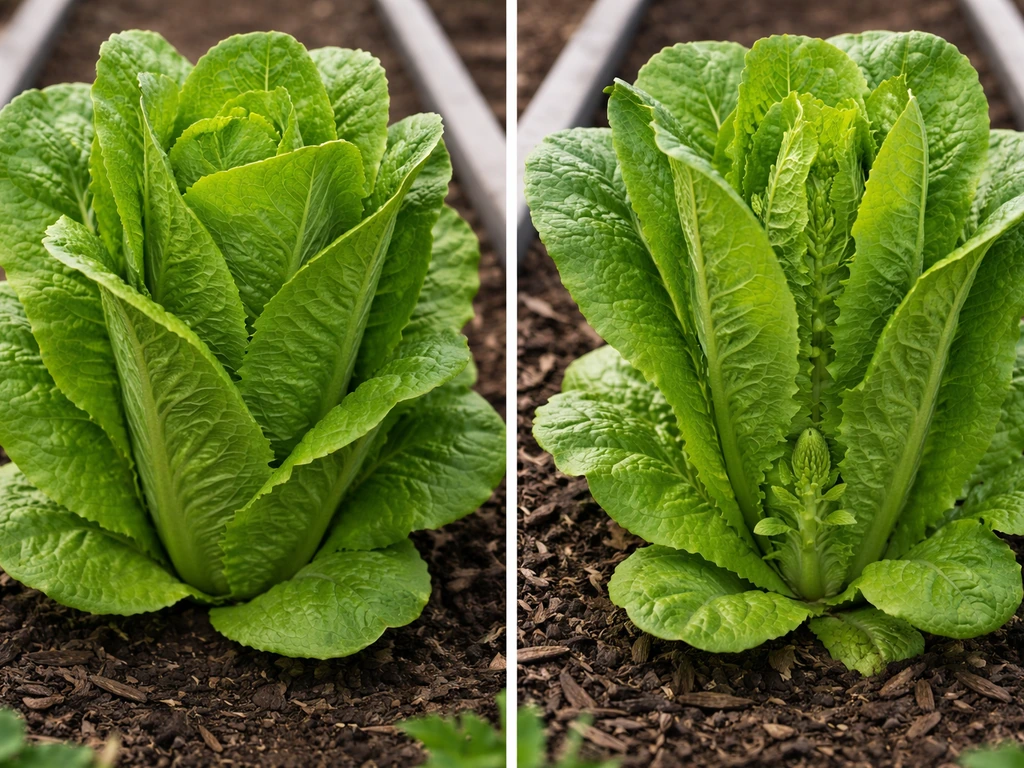
Romaine wants 6 to 8 hours of full sun outdoors, or the equivalent under grow lights indoors. Temperature is where you really need to pay attention. The ideal range is 45°F to 75°F (7°C to 24°C). Below 28°F (-2°C) and unprotected plants can suffer frost damage; above 80°F (27°C) for several days in a row and bolting becomes almost inevitable. University of Minnesota Extension also notes that lettuce can produce a flower stalk after multiple days of high temperatures over 75°F Above 80°F (27°C) for several days in a row and bolting becomes almost inevitable..
Bolting is triggered by a combination of long days and high temperatures, as University of Maryland Extension explains. The plant reads those signals as a cue to flower and set seed before conditions get worse. Once the seed stalk shoots up, the leaves turn bitter fast and there is no reversing it. Your best tools against bolting are: planting in the right season (spring or fall), choosing slow-bolt varieties, using shade cloth (30% to 40% shade reduction works well) when temperatures push toward 80°F, and keeping soil consistently moist, since water-stressed plants bolt faster. If you want the best results, pick a slow-bolting romaine variety and match it to your temperature window.
| Temperature Range | What Happens | What To Do |
|---|---|---|
| Below 28°F (-2°C) | Frost damage risk on unprotected plants | Cover with row fabric or bring containers inside |
| 28°F to 45°F (-2°C to 7°C) | Slow growth but plants survive | Use row cover to speed things up |
| 45°F to 75°F (7°C to 24°C) | Ideal growth, crisp leaves, minimal bolt risk | This is your target window |
| 75°F to 80°F (24°C to 27°C) | Stress begins, bolt risk rises | Add shade cloth, increase watering frequency |
| Above 80°F (27°C) | Bolting likely, leaves turn bitter | Harvest immediately or pull the plant |
Soil, container prep, spacing, and planting steps
Romaine is not picky about soil chemistry, but it does want loose, well-draining soil with plenty of organic matter. In garden beds, work in 2 to 3 inches of compost before planting. In containers, use a quality potting mix, not garden soil, which compacts too much in pots and chokes roots. Aim for a soil pH between 6.0 and 7.0.
For spacing, full-size romaine heads need 6 to 8 inches between plants in rows spaced 12 to 18 inches apart. If you are growing 'Little Gem' or other compact varieties, you can tighten that to 5 to 6 inches. Crowding romaine leads to poor airflow, which encourages fungal issues and makes the inner leaves struggle to develop properly.
- Prepare your bed or container: loosen soil to 8 to 10 inches deep and mix in compost.
- Sow seeds directly 1/8 to 1/4 inch deep, or start transplants indoors 4 to 6 weeks before your last frost date.
- Keep the seeding area moist but not waterlogged. Seeds germinate in 7 to 14 days at soil temperatures between 40°F and 65°F.
- Thin seedlings once they reach 2 inches tall, leaving the strongest plant every 6 to 8 inches.
- If transplanting, harden off indoor seedlings over 5 to 7 days before putting them in the ground.
- Set transplants at the same depth they were in their cell packs, firm the soil around the roots, and water in well.
Watering and feeding routine for crisp romaine
Romaine needs consistently moist soil, not wet, not dry. Aim for about 1 inch of water per week in outdoor beds, more during warm spells. The easiest way to check: stick your finger an inch into the soil. If it feels dry at that depth, water. In containers, you may need to water every day or every other day in warm weather because pots dry out faster than beds. Bottom watering (sitting the pot in a tray of water for 20 to 30 minutes) encourages deep root growth and reduces wet foliage, which helps prevent disease.
For fertilizing, romaine is a leafy green, so it is a nitrogen lover. If you amended with compost before planting, you may not need much more. But a light application of a balanced fertilizer (something like 10-10-10) or a liquid fish emulsion every 2 to 3 weeks keeps growth moving. Avoid going heavy on nitrogen as heads approach maturity or you will get lush leaves that are more prone to tip burn. If you see yellowing of older leaves mid-season, that is usually a nitrogen deficiency signal: give the plants a diluted liquid feed and you should see improvement within a week.
Common problems that make romaine seem hard, and what to fix
Seeds are not germinating
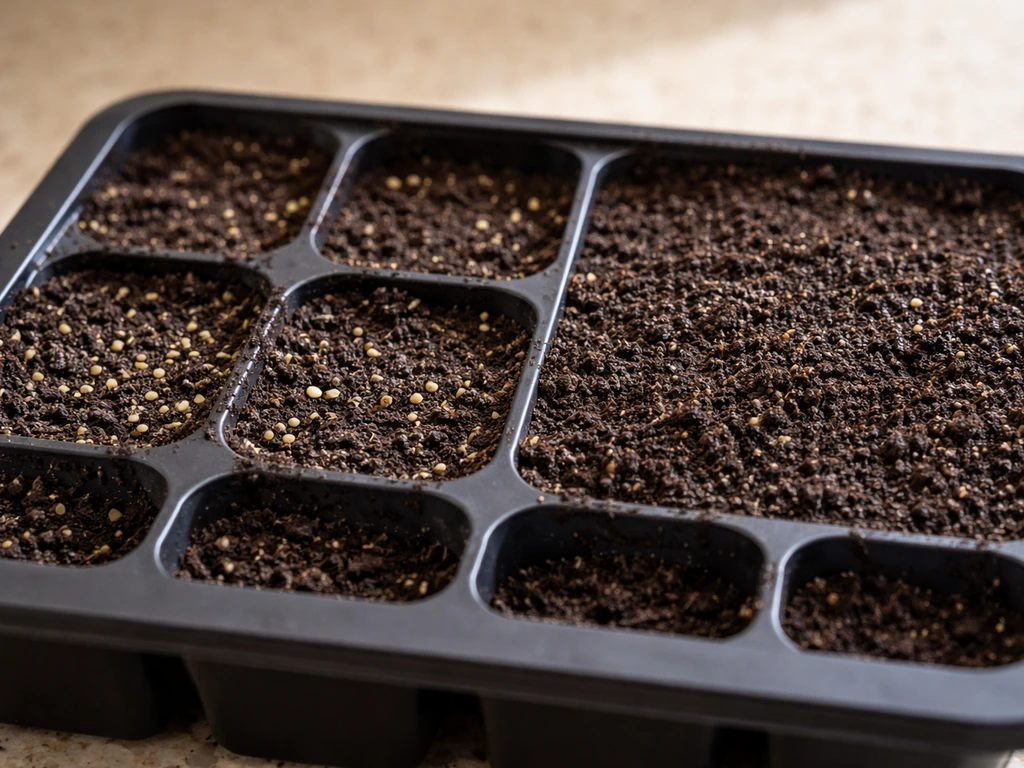
Lettuce seeds need light to germinate and will not sprout well if buried too deep. Keep them at 1/8 to 1/4 inch. If soil temperature is above 75°F, germination drops sharply. Move seed trays to a cooler spot or refrigerate seeds for a day before sowing (a trick called pre-chilling) to improve germination rates in warmer conditions.
Romaine is bolting fast
If your romaine is sending up a flower stalk early, heat is almost always the culprit. Harvest whatever heads are usable right now, cut your losses on the rest, and adjust your planting calendar so the crop matures before temperatures hit 75°F consistently. In spring, that usually means sowing 6 to 8 weeks before your last frost date so the crop finishes in the cool window.
Leaves taste bitter
Bitterness almost always means heat stress or the plant is starting to bolt. Harvest immediately. Outer leaves on an otherwise healthy romaine will always be slightly more bitter than inner leaves, which is normal. Consistent watering also reduces bitterness because water-stressed plants concentrate bitter compounds faster.
Tip burn (brown, crispy leaf edges)
Tip burn is a calcium deficiency caused not by lack of calcium in the soil but by poor calcium movement inside the plant. It is almost always linked to irregular watering or low humidity around inner leaves. Water more consistently and ensure good airflow. In containers, switching to bottom watering often helps. This is one of the more common issues with indoor romaine specifically.
Pests: aphids and slugs
Aphids cluster on the undersides of leaves and in the tight center of forming heads. A strong blast of water knocks most off. For persistent infestations, insecticidal soap applied in the morning works well. Slugs tend to be a problem in cool, moist conditions: reduce mulch thickness around stems and set out beer traps or iron phosphate bait. Row covers also keep both pests out while the plants are young.
When to harvest and how to keep lettuce coming
Full romaine heads are ready when they feel firm when gently squeezed and the inner leaves have filled in, usually 60 to 80 days from seeding. You have two main harvest approaches. Cut the whole head at the base with a clean knife for a one-and-done harvest. Or use the cut-and-come-again method: slice off the outer leaves, leaving the inner core and growing point intact. The plant will regrow, giving you 2 to 3 more harvests before quality declines, though regrowth heads are typically smaller than the first.
To keep fresh romaine coming through spring and fall, succession planting is your best tool. Every 2 to 3 weeks, sow a new round of seeds or set out a new batch of transplants. By the time you are harvesting the first planting, the next is ready to move into that space. Three successions in spring and two in fall is a realistic goal for most home gardeners, giving you 8 to 10 weeks of near-continuous harvest before summer heat or hard freezes shut things down.
Your simple starter schedule
If you are ready to start today (early May), depending on your location you may be right at the tail end of spring romaine season or heading into a fall planning window. For a fall crop, count back 70 days from your first expected frost date: that is your target transplant date outdoors. Start seeds indoors 4 to 6 weeks before that. For example, if your first frost is October 15, transplant outdoors around August 6 and start seeds indoors around June 15 to July 1.
- Pick a slow-bolt variety: 'Jericho,' 'Little Gem,' or 'Parris Island Cos' are all reliable beginner choices.
- Decide on your setup: container on a balcony, raised bed in the yard, or indoor grow light setup.
- Prep soil or container mix with compost and check that drainage is good.
- Sow seeds at 1/8 to 1/4 inch depth and keep the surface moist until germination (7 to 14 days).
- Thin to 6 to 8 inch spacing once seedlings reach 2 inches.
- Water to maintain consistent moisture (about 1 inch per week outdoors, daily checks in containers).
- Feed with a nitrogen-balanced fertilizer every 2 to 3 weeks.
- Watch temperatures: deploy shade cloth or harvest early if heat above 75°F is coming.
- Harvest at 60 to 80 days, then replant for your next succession.
Romaine rewards attentive beginners more than almost any other vegetable. The learning curve is mostly about timing and temperature, and once you get one successful crop under your belt, every planting after that becomes easier to manage. If you are wondering how does romaine lettuce grow, focus on getting the temperature and timing right so it can form a head before heat triggers bolting. Start simple, pay attention to the thermometer as much as the calendar, and you will be pulling crisp homegrown heads well ahead of what you can buy at the store.
FAQ
Can I grow romaine in summer if I can’t keep temperatures under 75°F (24°C)?
You can try, but plan for a shorter window and harvest earlier than a full 60 to 80 days. Use shade cloth when days approach 80°F, water more consistently to avoid moisture stress, and switch to slow-bolting varieties like Jericho. If you regularly see multiple days above 80°F, romaine is likely to bolt before heads fully form.
What’s the best way to prevent bolting besides choosing the right season?
Use a practical “heat response” plan: when temperatures creep upward, move containers to the coolest spot you have (morning sun, afternoon shade, near a wall that blocks wind, under an overhang). For beds, install shade cloth temporarily and keep soil evenly moist. Also avoid nitrogen-heavy feeding late in the cycle, since fast, lush growth can be more sensitive to stress.
How do I know if my romaine is ready to harvest or if I should wait a few more days?
Don’t rely only on days. Pick up the plant and check firmness, inner leaf fill, and the feel of the head when gently squeezed. If the head feels tight and the inner leaves look filled, harvest even if the calendar says you are early, since waiting during warm spells increases bitterness and bolting risk.
Why are my inner leaves bitter even though the outside looks fine?
Inner bitterness often happens when plants experience uneven watering or brief heat spikes. Make watering consistent, and consider bottom watering in containers to reduce wet foliage and keep moisture stable. If bitterness is starting, harvest the usable portion right away and adjust the next succession to mature earlier.
What should I do if my romaine bolts after I already planted it?
Harvest any heads that are still usable to avoid total loss, then start a new succession immediately if you have time in your cooler window. Bolting is usually temperature and day-length driven, so you’ll get the best results by changing at least one variable next round (variety, planting date, or shade strategy), not just watering more.
Is it better to use seeds or transplants for beginner romaine?
Transplants are often easier for beginners because you can time the final temperature window more accurately, especially for fall crops. If you direct sow, keep in mind germination drops sharply when soil gets above 75°F, so you may need to sow earlier in the day, in a cooler spot, or use pre-chilling to boost sprouting.
How often should I water romaine, and how can I tell if I’m overwatering?
Use soil feel as your guide: when the top inch dries out, water again. In beds, too much water can contribute to fungal problems if airflow is poor, but the bigger risk is irregular moisture that stresses the plant. In containers, if the surface stays wet for long periods, reduce watering frequency and ensure drainage holes are not clogged.
Does romaine need fertilizer beyond compost, and what mistake should I avoid?
Compost can be enough for many home gardens, but romaine typically benefits from light feeding as it grows. Avoid heavy nitrogen late in the season because it can increase tip burn and make leaves more prone to quality issues. If you see older leaves yellowing mid-season, use a diluted liquid feed rather than increasing strength abruptly.
Can I grow romaine indoors year-round, and what lighting setup actually works?
Year-round indoor growth is possible, but lighting is the limiting factor. A common mistake is using a window alone, which usually won’t produce full heads. Use an LED grow light positioned close enough (often a few inches above seedlings) and run long daily cycles, and keep temperatures stable since indoor control is your biggest advantage.
Why am I getting tip burn, and how do I fix it without overcorrecting?
Tip burn is usually tied to irregular watering or humidity and airflow issues around the inner leaves, not simply missing calcium. Fix it by stabilizing moisture (often bottom watering in containers) and improving airflow so inner foliage dries more evenly. Overcorrecting with extra fertilizer usually won’t solve it.
How do I handle pests like aphids and slugs without harming the crop?
For aphids, a strong water spray knocks many off quickly, and insecticidal soap in the morning helps with persistent clusters. For slugs, reduce hiding spots by keeping mulch away from stems and use baits like iron phosphate. If plants are young, row covers can prevent both pests before they establish.
What spacing should I use if I’m growing compact romaine like Little Gem?
Compact types can be planted closer because they form smaller, tighter heads. A typical approach is 5 to 6 inches between plants for compact varieties, compared with wider spacing for full-size heads. If you’re unsure, prioritize airflow, since crowding increases fungal risk and makes inner leaf development harder.
Can I keep harvesting romaine after cutting, and how many times is realistic?
Yes, if you use the cut-and-come-again method, leave the inner core and growing point, and cut outer leaves cleanly. Many gardeners get 2 to 3 additional harvests, but the later regrowth is often smaller, so expect a gradual decline in size or tightness.