Romaine lettuce takes about 50 to 80 days to grow from seed to harvest, depending on your conditions and whether you're starting indoors or direct sowing outside. If you want the full, step-by-step timeline behind those numbers, see how does romaine lettuce grow for what to do from seed onward. If you're transplanting seedlings rather than starting from seed, expect roughly 60 to 70 days from transplant to a harvestable head. Those are the honest, realistic numbers you should plan around.
How Long Does Romaine Lettuce Take to Grow? Seed to Harvest
Marcus Holloway
21 Apr 2026
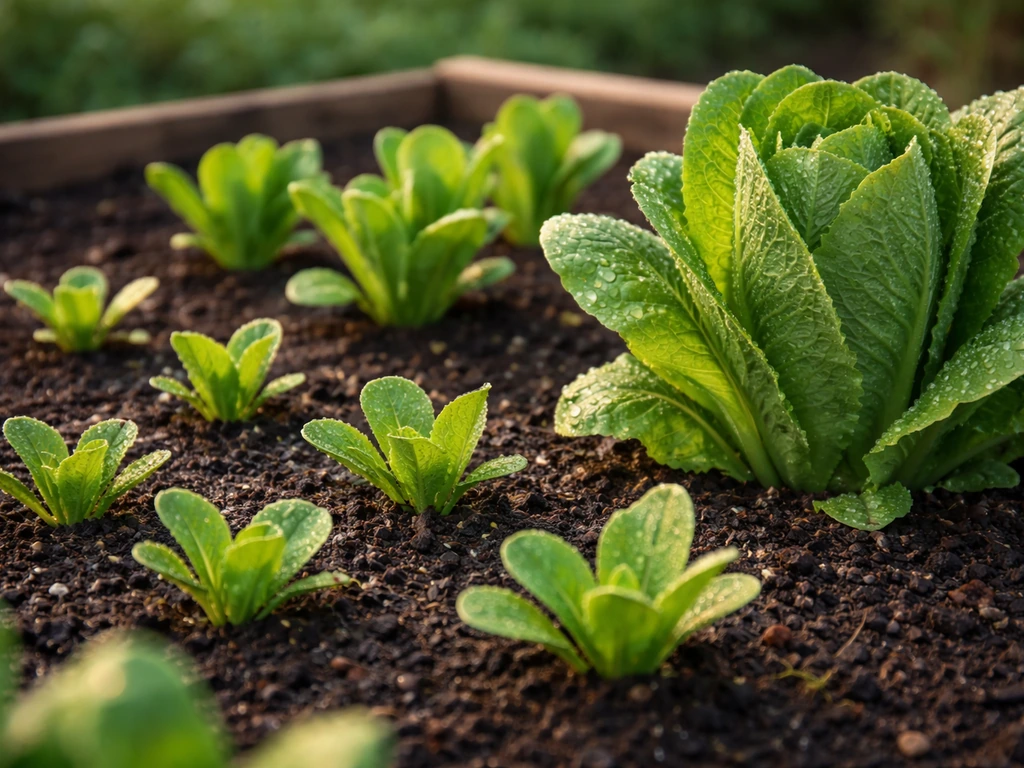
The typical days-to-harvest timeline for romaine
University of Wisconsin Extension puts the standard range at 50 to 70 days to first harvest for romaine, and that lines up with what most home gardeners experience under decent conditions. North Carolina State University Extension puts head lettuce (which includes romaine) at around 60 to 70 days after transplanting, or 70 to 80 days after seeding, factoring in the extra weeks seeds spend germinating and growing into transplant-ready seedlings. So the short answer: plan for 70 days and be pleasantly surprised if it's faster.
One important detail that trips up a lot of beginners: the Days to Maturity (DTM) number printed on your seed packet counts from transplant date outdoors, not from when you started seeds indoors. Penn State Extension makes this clear, and it matters because if your packet says 60 days, you still need to add the 4 to 6 weeks you spent growing seedlings before those plants ever went in the ground. Always read the fine print on timing.
| Starting Point | Expected Days to Harvest | Notes |
|---|---|---|
| Direct sow (seed to harvest) | 70–80 days | Add germination time (4–10 days) plus growing period |
| Transplant (transplant to harvest) | 60–70 days | DTM on seed packet usually starts here |
| Hydroponic (transplant to harvest) | 25–35 days | Controlled conditions speed things up significantly |
| Baby leaf stage | ~30–40 days from seed | Harvest outer leaves before full head forms |
From seed to harvest: the full breakdown
Here's how the time actually adds up when you start from seed. Romaine germinates in about 4 to 10 days at optimal soil temperatures of 40 to 80°F, with the sweet spot for germination being 68 to 77°F according to UC ANR. Once seeds sprout, seedlings need roughly 4 to 6 weeks of indoor growing time before they're ready to transplant outside. Then you add the 60 to 70 days of outdoor growing time from transplant to harvest. Total seed-to-table time? Realistically 10 to 14 weeks (about 70 to 100 days), depending on your conditions.
If you're direct sowing into the garden, skip the transplant step, but factor in that germination eats into that 50 to 70 day window. The plant still needs the same growing time once it's up, so direct-seeded romaine generally runs a bit longer overall than transplanted romaine. If you follow the same basic tips for temperature, light, and timing, romaine lettuce is generally easy to grow at home direct-seeded romaine. That said, romaine that doesn't have to recover from transplant shock sometimes catches up quickly in the right conditions.
What the seed-to-harvest timeline looks like week by week
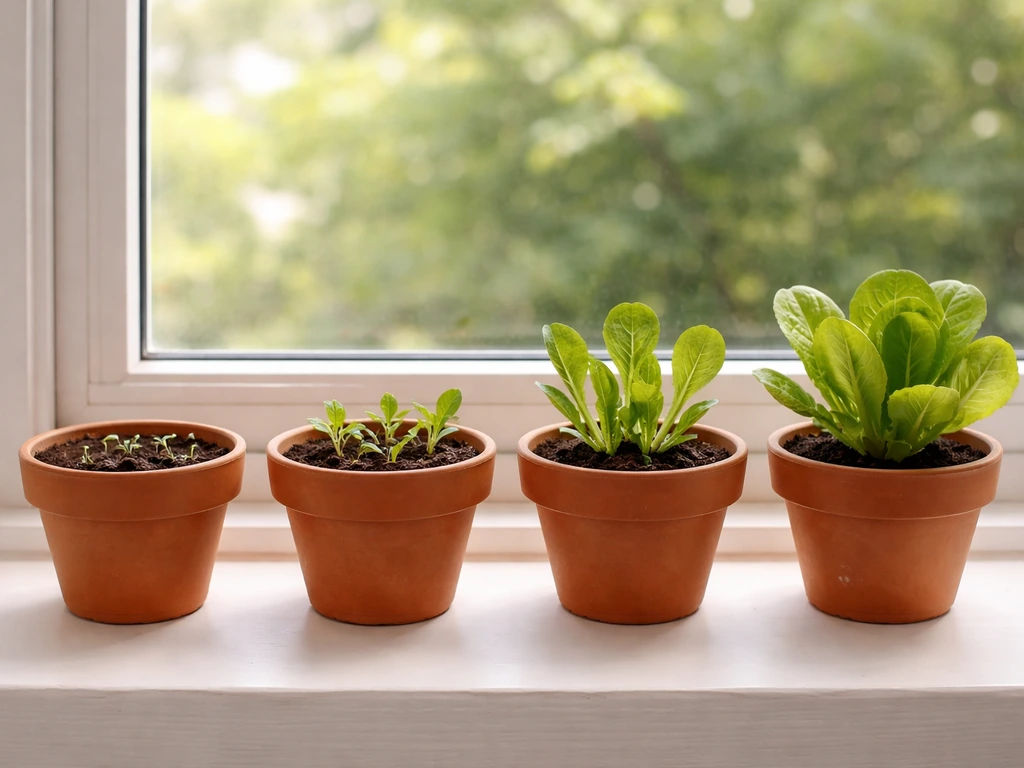
- Days 1–10: Seeds germinate at soil temps between 40 and 80°F (fastest at 68–77°F)
- Weeks 2–6 (indoors): Seedlings grow to transplant size, roughly 3–4 inches tall with a few true leaves
- Transplant day: Harden off for 7–10 days before moving outside permanently
- Weeks 7–16 (outdoor growth): Heads develop; outer leaves become harvestable well before full head size
- Days 60–80 from transplant: Full heads are ready; harvest before bolting begins
What speeds up or slows down romaine's growth
Temperature is the single biggest lever. Romaine grows best when average air temperatures are around 73°F during the day and 45°F at night. Once temperatures push above 75 to 80°F consistently, you're in bolting territory, and the race to harvest begins. According to research from VegetableClimate.com, just a few days at around 32°C (90°F) can cause serious crop damage and dramatically increase bolting risk. On the cold end, near-freezing temps won't kill established plants, but they do put growth nearly on pause.
Light matters too, but it works differently than temperature. Romaine doesn't need blazing sun, and actually does better in partial afternoon shade during warm weather. What triggers bolting, though, is a combination of heat and lengthening days. As day length increases through spring and into summer, romaine reads this as a signal to flower and go to seed, especially if temperatures are also climbing. This is why timing your sowing date is worth thinking about carefully.
Season plays directly into both of these factors. Spring and fall are romaine's sweet spots because both temperature and day length are cooperating. A summer crop in a hot climate will almost always run shorter in usable time (because bolting cuts the harvest window) and often produces inferior flavor. If you're planting right now in late April, you're in a productive window in most of North America, but you'll want to move quickly if your summers heat up fast.
| Factor | Effect on Growth Speed | What to Do |
|---|---|---|
| Temps 60–73°F | Ideal, steady growth | Nothing, you're in the sweet spot |
| Temps above 80°F | Bolting risk, bitter flavor | Provide afternoon shade, harvest earlier |
| Temps near freezing | Very slow growth, near standstill | Use row cover to retain heat |
| Low light (indoors/cloudy) | Leggy, slow plants | Supplement with grow lights (14–16 hours) |
| Long summer days | Triggers bolting | Choose bolt-resistant varieties, time planting |
Outdoor beds vs containers vs indoor growing: does the timeline change?
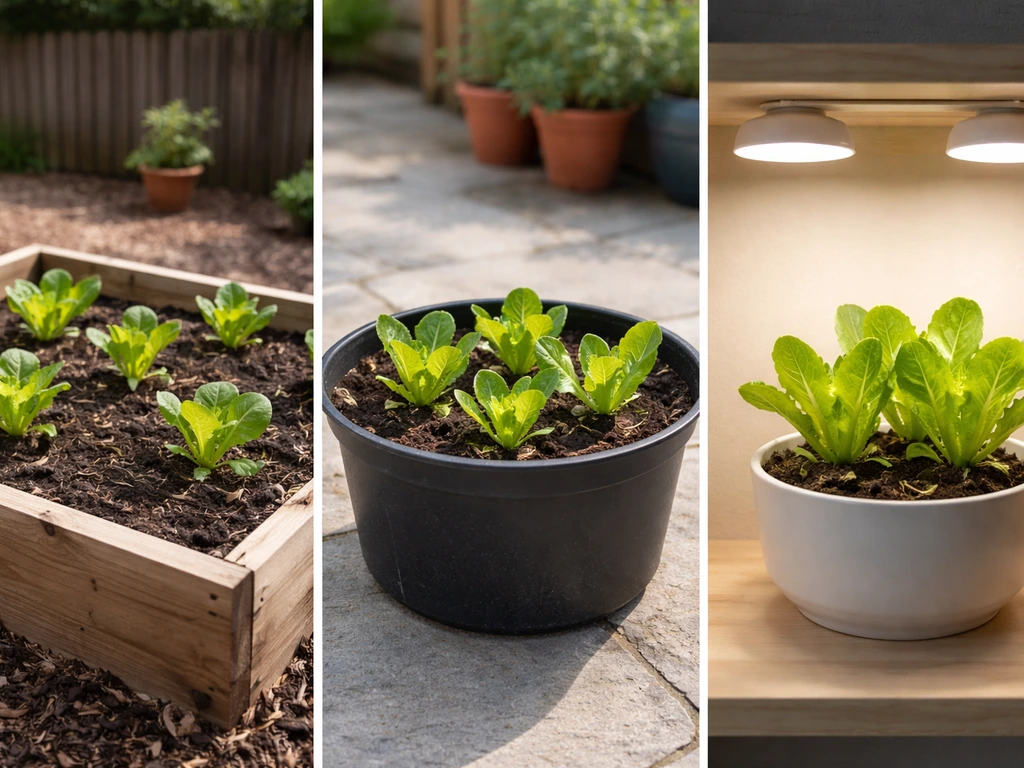
Outdoor beds give romaine the most natural growing conditions and typically produce the most reliable results in the 60 to 80 day seed-to-harvest range. Soil temperatures fluctuate with the season, which means germination and early growth can be slower on a cool spring day, but established plants in good soil usually hit the standard window without issue.
Containers are a bit more unpredictable. The soil in a pot heats up and cools down faster than in-ground soil, which means you can get faster warming in spring (good for early starts) but also faster overheating in summer (bad for bolting). Container-grown romaine also dries out more quickly, and moisture stress causes plants to bolt or stall. If you're growing in containers, check soil moisture daily during warm weather and expect to water more often than you think you need to. On spacing, romaine in containers needs room to develop heads, so don't crowd plants. For the right spacing, plan on giving each romaine plant enough room to develop a full head without crowding enough space to grow.
Indoor growing under grow lights is where things get interesting. Hydroponically grown romaine can go from transplant to harvest in just 25 to 35 days according to Purdue University's hydroponic production research. That's dramatically faster than outdoor growing because you control everything: temperature, light duration, and nutrient availability. Even in soil under grow lights (not hydroponics), indoor-grown romaine tends to mature faster and more predictably than outdoor plants subject to weather swings. The trade-off is that you need to provide 14 to 16 hours of light daily and keep temperatures in the ideal range. If you're curious about whether hydroponics is the right route, romaine is genuinely one of the best candidates for that growing method.
How to tell when romaine is actually ready to harvest
Don't just count days. Use the visual and tactile cues to confirm readiness, because real gardens don't care about your calendar.
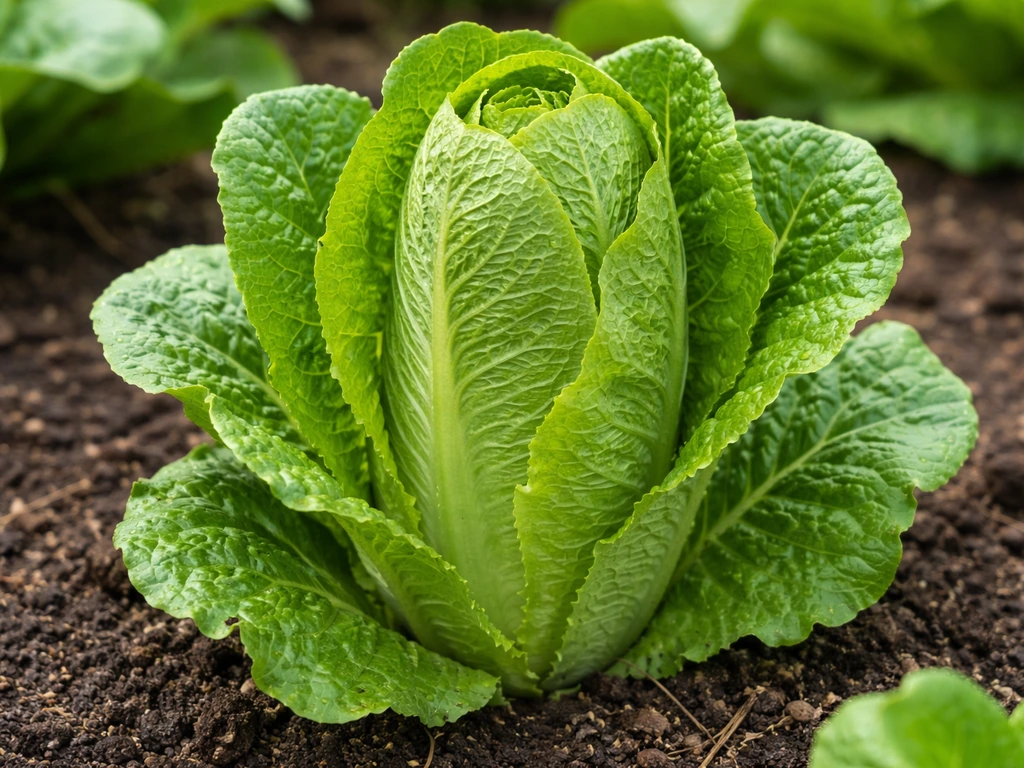
- The head should feel firm and dense when you gently squeeze it, similar to a loose but structured head of cabbage
- Outer leaves should be deep green and fully developed, with inner leaves showing a lighter yellow-green color (this is normal and expected)
- A mature romaine head is typically 8 to 10 inches tall for full-size varieties
- If you see the center starting to elongate or the plant sending up a flowering stalk, that's bolting, and you should harvest immediately regardless of head size
- Leaves that taste slightly bitter are a sign the plant is stressed or overmature, so taste-test a leaf if you're unsure
You don't have to wait for a full head, either. Romaine is excellent harvested as baby leaves starting around 30 to 40 days from seeding. Just trim outer leaves and let the center keep growing. This cut-and-come-again approach extends your harvest window significantly and is especially useful if weather is about to turn warm.
One thing I want to emphasize: don't delay harvest once romaine looks ready. USU Extension is clear that overmature lettuce becomes bitter and tough fast, and once bolting starts you cannot reverse it. If you're heading into a hot week and your romaine looks close, harvest it now rather than waiting for a theoretical perfect day.
When your romaine is growing slower than it should
If you're past the expected window and your romaine still looks undersized or stalled, work through this list of likely causes before giving up on the crop.
- Check soil temperature: If soil is below 40°F, germination stalls and growth nearly stops. Use a soil thermometer and consider row cover or a cold frame to add warmth.
- Check water: Romaine that's inconsistently watered (too dry between waterings) will grow slowly and bitterly. Soil should stay evenly moist, not soggy.
- Check light: Romaine needs at least 6 hours of direct sun outdoors. Shaded plants stretch upward instead of forming heads. Indoors, less than 12 hours of grow light will slow everything down.
- Evaluate transplant stress: If plants sat wilted for several days after transplanting, they can fall weeks behind schedule. Look for new leaf growth as a sign they've recovered. Avoid fertilizing heavily right after transplanting, as this adds stress rather than helping.
- Check for nutrient deficiency: Yellowing older leaves can signal nitrogen deficiency, which significantly slows growth. A balanced fertilizer or compost side-dressing can help.
- Reconsider the variety: Some romaine cultivars naturally run toward the longer end of the 50 to 80 day range. If your packet says 75 days, don't panic at day 60.
Heat-triggered stalling is a special case worth calling out. If temperatures have been regularly above 80°F and your plants look like they stopped growing, they may be preparing to bolt rather than continuing to form heads. At that point, supplementing with afternoon shade cloth (30 to 40% shade rating) can buy you a couple more weeks. If the heat is persistent and the plant is already bolting, harvest whatever is there and start a new crop in fall when temperatures drop.
Your practical next steps for planning the harvest
Here's how I'd approach it if you're starting today, April 21: direct sow or transplant now for a late May to early June harvest in most temperate climates. For more details on planning dates, see when to grow romaine lettuce for your region direct sow or transplant now. If you want to move faster, you can also compare this with hydroponic options in indoor setups to see what timeline you might get grow romaine lettuce indoors.
Count 60 to 70 days from transplant date (or 70 to 80 from seeding) and mark that on your calendar as your target harvest window. Check your local 10-day forecast regularly. If temperatures are heading above 80°F before your target date, plan to harvest early as baby leaves or partial heads rather than lose the whole crop to bolting.
If this is your first time growing romaine, start with a bolt-resistant variety, give it consistent water, and resist the urge to let it go longer than it needs to. The University of Delaware Extension notes that some romaine types are marketed with specific days to maturity, such as “Giant Caesar Romaine” listed at 70 days specific days to maturity for some romaine types.
If you’re selecting seed now, look for the best romaine lettuce to grow for your conditions and bolt resistance goals. The best romaine you'll ever eat comes from a plant harvested at peak, not one that sat in the garden two weeks past its prime. Once you nail the timing once, the whole process becomes intuitive.
FAQ
Why does my romaine take longer than the “days to harvest” on the seed packet?
The packet’s Days to Maturity often assumes ideal temperatures and that plants are growing steadily. If your soil is cool at planting, you can lose a week or more in early growth, and if daytime highs run hot, bolting pressure can stall head formation even before the plant looks ready to harvest.
How can I tell romaine is ready if the head is taking longer than expected?
Look for a firm, formed head (or a visibly thickened center) rather than just height or leaf count. Romaine is also ready when outer leaves pull with slight resistance and the plant no longer seems to be “stretching” or widening rapidly, which often happens as it approaches bolting.
If my romaine is bolting, is there anything I can do besides harvesting?
Once the bolt is underway, you cannot reliably reverse it. The best move is to harvest immediately (whole head or baby leaves) and replant for a cooler window. You can sometimes slow progression with afternoon shade and consistent moisture, but expect quality to drop fast.
What’s the fastest way to get romaine if I need it sooner than 50 to 80 days?
To accelerate harvest, start with transplants instead of direct seeding, or grow under controlled conditions like grow lights (and hydroponics if available). Also prioritize warm but not hot conditions early, since germination is quick in moderate-warm soil, and maturity speeds up when temperatures stay near the ideal range.
Does planting date change how long romaine takes to grow?
Yes. Planting during periods with increasing day length and rising temperatures pushes romaine toward bolting sooner, which can reduce harvestable time even if plants are still “growing.” In contrast, spring and fall usually provide both cooler temperatures and day lengths that cooperate with head formation.
How long from seeding to baby leaves, and do they affect the main head?
Baby leaves can be harvested as early as about 30 to 40 days from seeding. If you trim only outer leaves and leave the center growing point intact, the plant can still form a fuller head afterward, often extending total harvest time.
Should I thin romaine seedlings, and how does thinning affect harvest timing?
Yes, overcrowding can delay head formation and make bolting risk worse by stressing plants. Thin to give each plant enough room for a full head; while thinning can add a few days of “recovery” growth, it usually improves uniformity and helps you hit the expected harvest window.
How much does watering schedule change the time to harvest?
Uneven watering can cause moisture stress, which may trigger earlier bolting or stall growth. If you’re in containers especially, expect to check soil moisture daily during warm weather, because drying cycles can set maturity back by delaying normal head development.
Can I harvest partial heads, and does it change how many days I should wait?
Yes. If temperatures are trending toward 80°F and above, harvesting partial heads or outer leaves can prevent complete crop loss. In practice, you may harvest earlier than the “full head” window, then start a new sowing to target a more favorable temperature stretch.
What should I do if my romaine is past the expected window and looks small?
First verify whether it’s truly stalled (cool soil, nutrient stress, or crowding) versus beginning to bolt. If heat is the issue, add afternoon shade and keep watering consistent, then harvest what you can and replant when conditions improve to avoid tying up the bed too long.