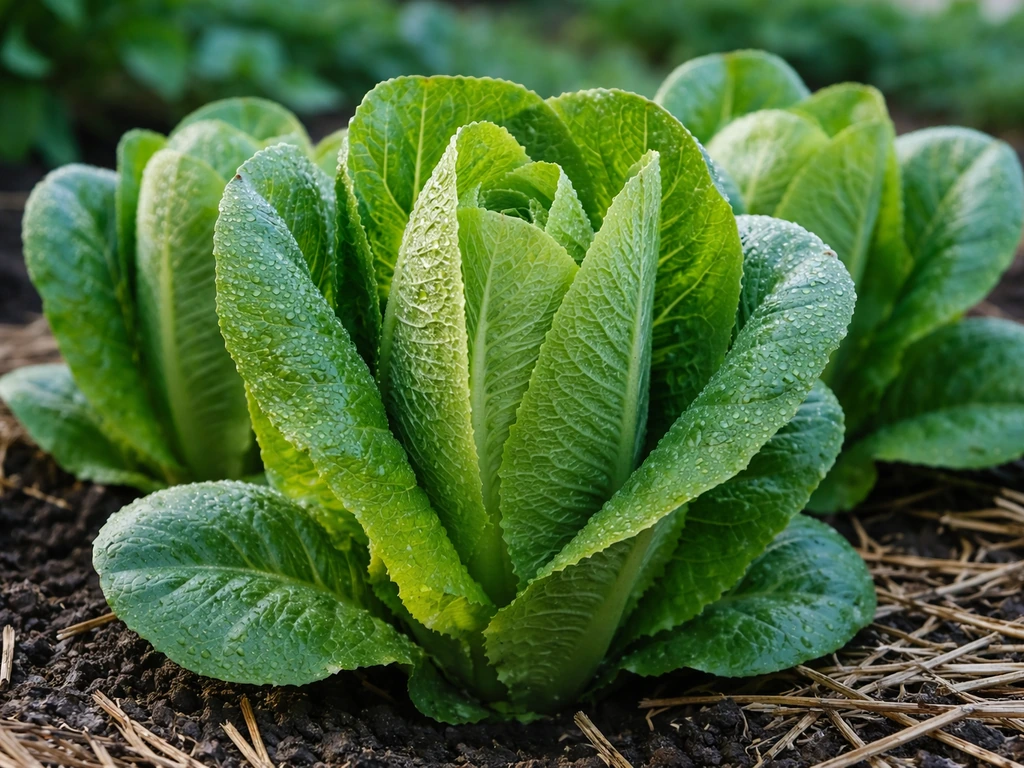
Romaine lettuce grows as a cool-season crop that forms an upright, elongated head over roughly 70 to 80 days from seed. If you want the quickest confidence check before you start, see whether can you grow romaine lettuce in your conditions and adjust the schedule accordingly. It needs daytime temperatures between 60 and 75°F, consistent moisture, and at least 6 hours of sun outdoors (or equivalent artificial light indoors). You can grow it in a garden bed, a container on a balcony, indoors under grow lights, or in a hydroponic system, all with good results as long as you keep it cool, fed, and watered steadily. If you are wondering, this is why romaine lettuce is often easy to grow as long as you keep it cool and give it steady moisture is romaine lettuce easy to grow. If you’re aiming to grow romaine successfully, it truly is easy as long as you keep it cool, give it enough light, and water consistently is romaine lettuce easy to grow. If you want the best romaine lettuce to grow, pick a variety that matches your season so it can form a head before heat triggers bolting.
How Does Romaine Lettuce Grow Step by Step Guide
What romaine needs to grow: temperature, light, and season
Temperature is the single biggest factor controlling whether your romaine thrives or fails. Ideal vegetative growth happens between 60 and 65°F, and quality drops noticeably above 75°F. Once daytime temperatures push consistently past 80°F, romaine starts bolting, sending up a flower stalk instead of building leaves. For germination, seeds sprout across a wide range (technically as low as 32°F and as high as 85°F), but the sweet spot for fast, reliable germination is 60 to 75°F. If your soil is too warm at planting time, germination stalls or fails entirely.
Light matters too, but romaine is not a sun-worshipper the way tomatoes are. Outdoors, 6 hours of direct sun is plenty, and some afternoon shade actually helps in warmer climates by keeping leaf temperature down. Indoors or in a hydroponic setup, you want a Daily Light Integral (DLI) of roughly 12 to 16 mol·m⁻²·day⁻¹, which you can hit by running a grow light at around 110 to 125 µmol·m⁻²·s⁻¹ for 14 to 16 hours a day.
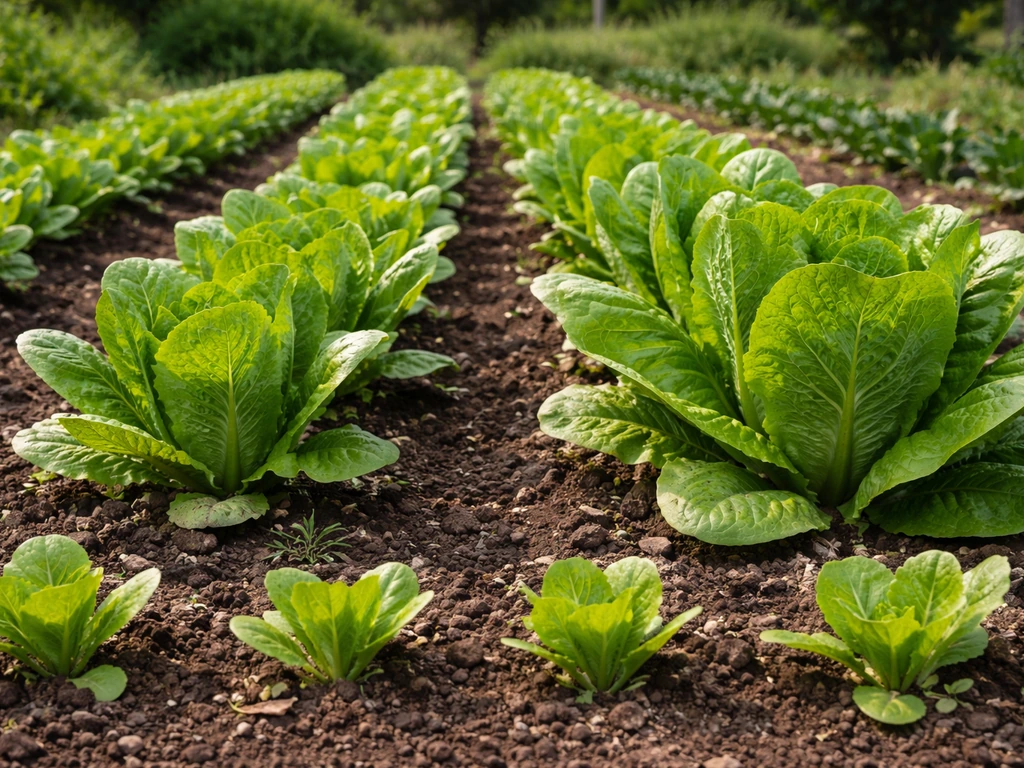
Season-wise, romaine is a spring and fall crop in most climates. For spring, plant early enough that you can harvest before summer heat arrives. For fall, count back 70 to 80 days from your first expected frost, that timing lines up harvest with the cool, short days of autumn, which is exactly what romaine wants. If you try to push it into summer, heat and long day length work together to trigger bolting faster than you'd expect.
Where to grow romaine outdoors
Site selection outdoors comes down to two things: sun exposure and soil. Choose a spot that gets full sun in spring or fall (6 or more hours), or one with light afternoon shade if your region warms up early. Raised beds are excellent for romaine because they drain well and warm up quickly in spring, but on sandy, fast-draining soils, you'll need to water more frequently since consistent moisture is non-negotiable.
Soil should be loose, fertile, and well-drained, with a pH of 6.0 to 6.5. Outside that range, nutrient availability gets skewed and growth slows. Romaine is also sensitive to soil salinity, so avoid over-fertilizing and be cautious with any amendments that add salt. Before planting, work in a couple of inches of compost to improve both water retention and fertility. If you're doing a soil test (and you should for a new bed), focus on getting pH right first, that's the variable that unlocks everything else.
Growing romaine in containers and indoors
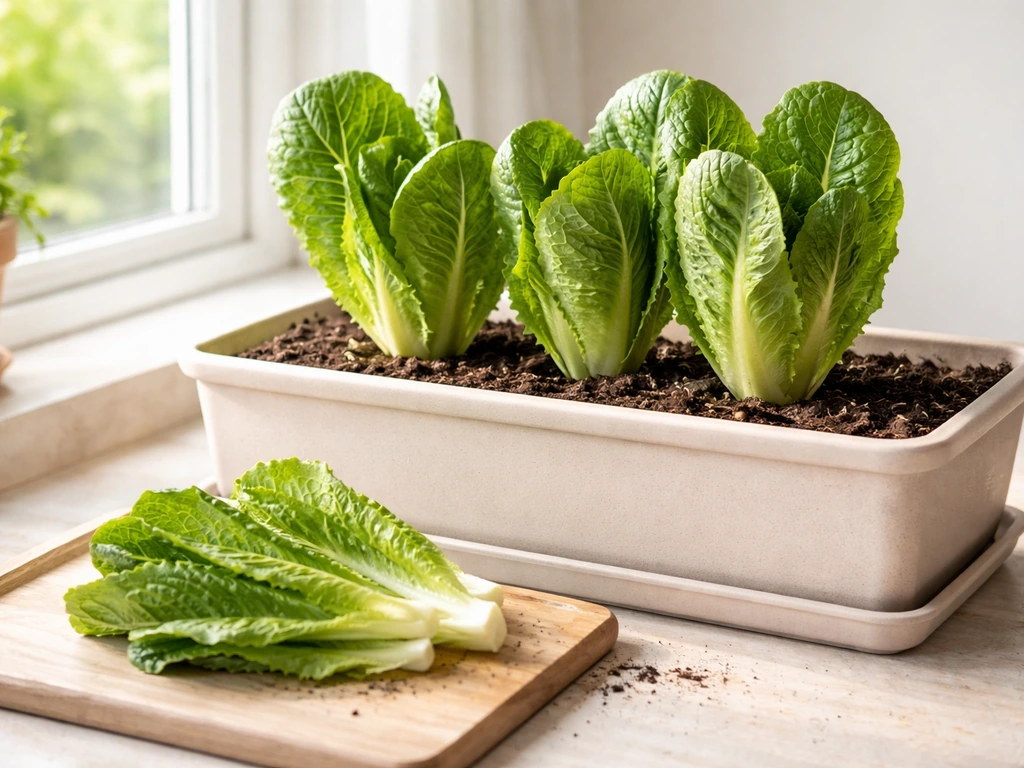
Containers work really well for romaine, and this is one of the easiest ways to control the environment. Use a container that's at least 6 to 8 inches deep, 12 inches deep is better for full-size heads. For diameter, a 12-inch pot gives you room for one solid head, while a wide window box or rectangular planter lets you run a row of plants. Wide, shallow containers often work better than tall, narrow ones because romaine has a relatively shallow root system.
Container material affects how often you water. Terracotta and fabric grow bags breathe, which means they dry out faster, great for avoiding waterlogged roots, but you may need to water every day in warm weather. Plastic pots hold moisture longer. Either works; just check the soil moisture daily by sticking a finger an inch deep.
Indoors, light is your main constraint. A bright south-facing window rarely gives enough intensity for good romaine growth, so most indoor growers add a grow light. Aim for that 14 to 16 hour photoperiod at moderate intensity (around 110 to 125 µmol·m⁻²·s⁻¹). Keep the grow light 6 to 12 inches above the canopy depending on the fixture. Airflow matters indoors too, a small fan running a few hours a day strengthens stems and helps prevent fungal issues from stagnant humid air around the leaves.
Hydroponic romaine: the quick-start overview
Romaine is one of the best crops for hydroponic growing, fast, productive, and well-suited to NFT (nutrient film technique), DWC (deep water culture), and Kratky passive systems. If you've wondered whether romaine grows well hydroponically, the short answer is yes, often better than soil when conditions are dialed in.
For growing medium, expanded clay pebbles, rockwool cubes, or coco coir all work for starting transplants. In a Kratky or DWC setup, seeds are usually started in rockwool or net pot inserts, then moved to the reservoir system once the first true leaves appear.
For water and feeding, keep solution pH between 5.5 and 6.5 (most growers aim for 5.8 to 6.2 as a practical target). EC (electrical conductivity, your measure of nutrient concentration) should sit around 1.0 to 1.2 dS/m during early growth and can be bumped to 1.5 to 1.8 dS/m during active production. Going much higher increases salt stress and risks tipburn. Monitor pH and EC every couple of days, in a small reservoir, these values can drift quickly.
Planting timeline, spacing, and thinning
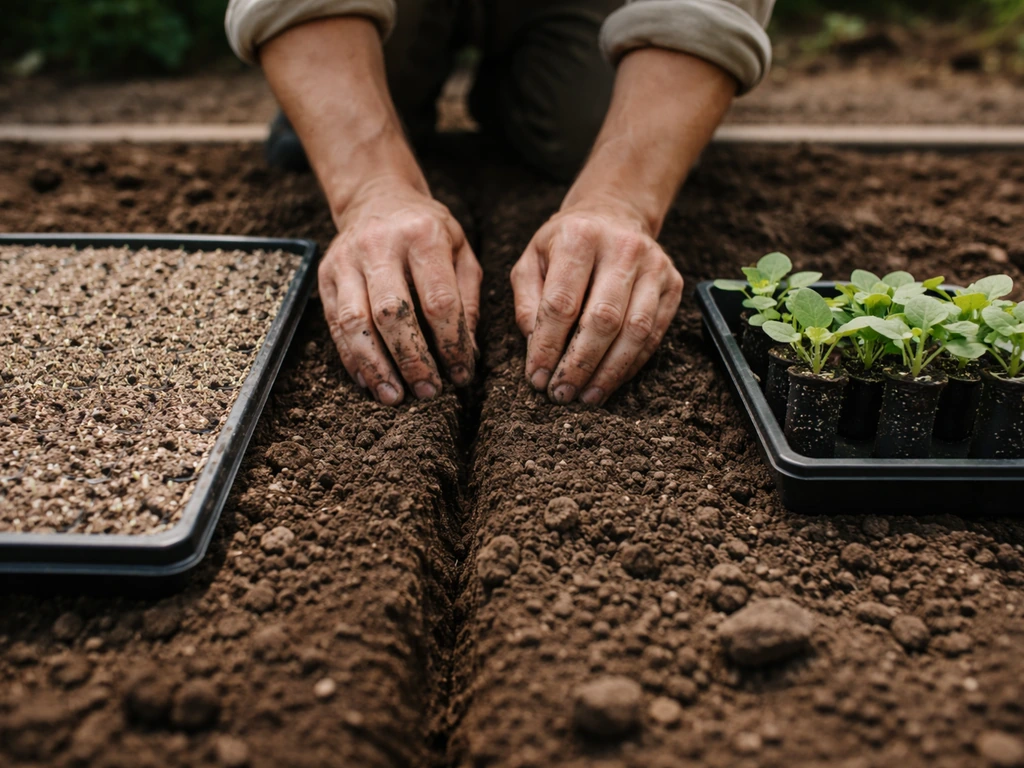
Romaine takes 70 to 80 days from seed to a harvestable head. Mini varieties like Little Gem or Breen mature faster, closer to 43 to 50 days, which makes them a great choice if your cool season is short. Plan backward from your expected harvest window to find your planting date.
Seeds vs. transplants
Direct sowing works fine for romaine, especially in spring. Sow seeds about 1/4 inch deep, keep the soil moist, and expect germination in 7 to 14 days at optimal temperature. If your soil is above 75°F, shade the seedbed until the seeds sprout. Starting transplants indoors 4 to 6 weeks before your outdoor planting date gives you a head start on the season and lets you control germination conditions more precisely. For transplant success, OSU Extension emphasizes producing transplants with consistent germination and growing requirements for the specific crops you are starting, including lettuce control germination conditions.
Spacing and thinning
For full-size romaine heads, space plants 8 to 10 inches apart in rows 12 to 18 inches apart. If you want to know how much space romaine needs to grow beyond these row and plant measurements, use the variety size as your guide 8 to 10 inches apart. If you sow seeds thickly (which is usually easier than spacing tiny seeds perfectly), thin seedlings once they're 2 to 3 inches tall, leaving the strongest plant in each spot. Don't skip thinning, crowded romaine produces weak, spindly plants and is more prone to disease. Thinned seedlings are edible, so toss them in a salad.
Watering, feeding, and keeping romaine from going bitter
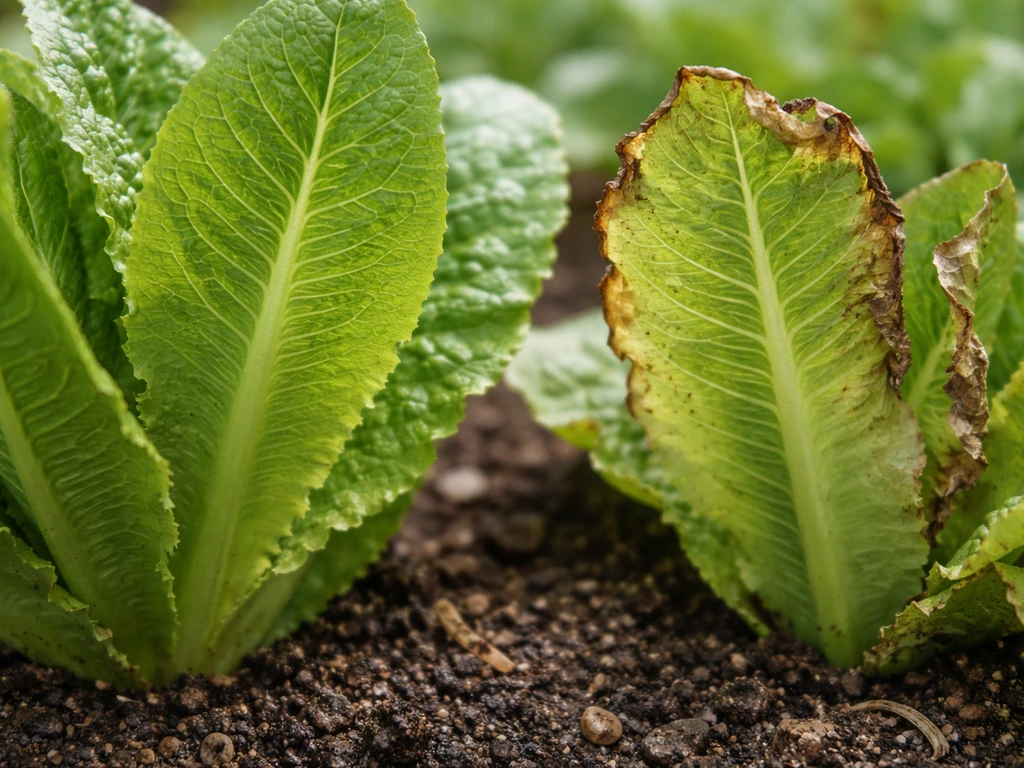
Romaine needs consistent, even moisture, not waterlogged soil, but never bone dry either. A general rule for outdoor plants is about 1 inch of water per week, but you'll need more in hot, dry spells. The best approach is to check the top inch of soil daily and water when it's just starting to dry out. Inconsistent watering (wet-dry-wet cycles) is one of the main causes of tipburn and bitter leaves, because water stress creates a transient calcium deficiency in the rapidly expanding inner leaves, even when calcium is present in the soil.
Excess nitrogen makes tipburn worse, not better. Keep your fertilizer applications moderate, a balanced vegetable fertilizer at half to full label strength every 2 to 3 weeks is usually enough. Heavy nitrogen feeding pushes rapid growth that the plant's water transport system can't keep up with, which is the exact mechanism behind tipburn. If your leaves are healthy and dark green, ease off the nitrogen.
Bitterness in romaine leaves is usually heat or water stress, not a nutrient problem. Romaine harvested during cool weather from consistently watered plants is mild and sweet. The same variety grown through a warm spell with uneven watering tastes harsh. Shade cloth over outdoor plants during unexpected warm stretches can buy you extra time in spring or fall.
Troubleshooting common romaine problems
Bolting (plant goes to seed early)
Bolting happens when romaine shifts from leaf production to flowering, the stalk elongates, leaves become small and bitter, and the crop is basically over. The triggers are prolonged heat (especially consistent days above 80°F), long day length, or even a period of cold followed by warmth. If your plant bolts, there's no reversing it. Prevention is everything: plant on the right schedule so your harvest window falls during cool, short days, and if a heat wave hits, harvest immediately rather than waiting for heads to size up further.
Tipburn (brown leaf edges)
Tipburn shows up as browning or browning-then-death of inner leaf margins, usually starting with the youngest leaves. It's almost always a water stress issue (causing transient calcium deficiency in fast-growing tissue), worsened by excess nitrogen or temperature swings. If you see tipburn, check your watering consistency first, reduce nitrogen, and if you're growing hydroponically, check that your EC isn't too high. Switching to a tipburn-tolerant variety also helps in environments where tipburn is recurring.
Pests
Aphids are the most common romaine pest. Check the undersides of leaves regularly, a strong blast of water knocks them off small plants, or use insecticidal soap if populations are heavy. Slugs and snails tend to show up when the soil surface stays damp; water in the morning rather than evening so the surface dries out overnight. Cutworms are sneaky because they feed at night and hide in the soil during the day, if you find seedlings cut at the base with no obvious pest, dig around the base of the plant and you'll often find the culprit an inch or two down. A cutworm collar (a small cylinder of cardboard pushed an inch into the soil around each transplant) is simple and effective prevention.
Slow germination or poor germination
If seeds aren't sprouting after 10 to 14 days, temperature is usually the issue. Lettuce seed germinates poorly above 85°F, in warm soil, it goes dormant. Move your seed trays somewhere cooler, or shade outdoor seedbeds. Pre-chilling seeds in the refrigerator for a day or two before planting can also help break dormancy when conditions are borderline warm.
Leggy or pale seedlings indoors
Stretched, pale seedlings are a light problem. Either your light source is too weak, too far away, or the photoperiod is too short. Move the fixture closer (within 6 to 12 inches for most LED grow lights), extend the light schedule to 14 to 16 hours, and the next set of leaves should come in more compact and darker green.
| Problem | Most likely cause | What to do |
|---|---|---|
| Bolting / flower stalk | Heat above 80°F or long days | Harvest immediately; adjust planting date next cycle |
| Tipburn (brown inner leaf edges) | Water stress or excess nitrogen | Water consistently; reduce fertilizer; consider tolerant variety |
| Bitter leaves | Heat stress or uneven watering | Shade cloth; harvest before peak heat; steady moisture |
| Poor germination | Soil too warm (above 85°F) | Cool the seedbed; pre-chill seeds; try indoor starts |
| Leggy indoor seedlings | Insufficient light intensity or hours | Lower grow light; extend to 14–16 hrs; check DLI |
| Slugs/snails | Damp soil surface overnight | Water in morning; reduce surface moisture at night |
| Cutworm damage at stem base | Cutworms in soil | Dig around base; use cutworm collar on transplants |
Your next steps based on where you're growing
If you're planting outdoors right now in late April, check your local forecast. If daytime temperatures are staying below 75°F, you have a window for a spring crop, get transplants or seeds in the ground immediately and aim to harvest before summer heat arrives. If temperatures are already climbing, focus on a fall planting instead and count back 75 to 80 days from your first frost date to find your seed-starting date. Count back 75 to 80 days from your first frost date to time when to grow romaine lettuce for a fall harvest.
For container or indoor growing, you can start any time since you control the environment. Get a container that's at least 6 to 8 inches deep, fill it with a quality potting mix (not garden soil, which compacts in pots), sow seeds at 1/4 inch depth, and keep the mix moist and the temperature around 65 to 70°F until sprouts appear. Add a grow light if your window doesn't give strong direct sun for most of the day.
For hydroponics, set up your system, mix your nutrient solution to an EC of around 1.0 to 1.2 dS/m, dial pH to 5.8 to 6.2, start seeds in rockwool cubes under your grow light, and transplant to the system once roots are visible below the cube. From there, romaine in a well-managed hydroponic setup can be harvest-ready in as little as 30 to 45 days from transplant. Whether you go soil, containers, or hydro, romaine is genuinely rewarding once you get the temperature and watering right, it's forgiving of beginner mistakes in most areas except heat.
FAQ
How can I tell if my romaine is about to bolt before the leaves get bitter?
Look for the center to stop bulking and start forming a noticeably tighter, elongated shoot, often with inner leaves becoming smaller and more upright. If daytime temperatures are trending upward toward the low 80s, plan to harvest at the first sign of a central stalk rather than waiting for a larger head.
Should I harvest baby romaine or wait for a full head?
You can do either. For baby heads or leaf harvest, you can cut earlier and get a sweeter, more tender result, especially if your weather is warming. If you want a full head, wait until leaves are firm and the head is filled, but harvest immediately if temperatures spike because bolting cannot be reversed.
What’s the best way to prevent tipburn when my watering is inconsistent?
Use a simple soil-moisture check schedule (top inch dry starts to dry, water then) rather than watering by calendar days. In containers and raised beds, consider adding mulch after seedlings establish to reduce fast drying, and avoid heavy nitrogen because it amplifies tipburn when growth accelerates.
Is romaine safe to grow in partial shade, and how much sun is truly necessary?
Yes, partial shade can work, especially in warm climates where afternoon shade prevents overheating. Aim for at least about 4 to 6 hours of direct sun, then rely on lighter afternoon conditions to keep leaf temperature down and slow bolting.
Can I grow romaine from seed indoors without buying transplants?
Yes. Start seeds in a light-controlled setup with a grow light, keep temperatures around the mid-60s until sprouts emerge, and avoid letting seedlings get leggy by keeping the light close and on for 14 to 16 hours. Harden off for several days before moving outdoors to reduce transplant shock.
Why are my romaine leaves pale and thin even though I have enough water?
Pale, stretched growth usually points to insufficient light intensity or too much distance from the light, not fertilizer or moisture. Raise the light closeness (commonly within 6 to 12 inches for many LEDs) and verify your photoperiod is long enough for compact growth.
Do I need to worry about soil calcium for tipburn, or is it always watering?
Even if your soil has calcium, tipburn often happens because fast-growing inner leaves cannot access calcium during water stress, creating a temporary calcium shortage. Focus first on steady moisture and avoiding high nitrogen, then consider a soil test if tipburn keeps recurring despite good watering.
What spacing should I use if I’m growing multiple romaine varieties in the same bed?
Use the largest mature size among your varieties as your spacing baseline, then thinner or shift smaller varieties slightly if they crowd. If you must choose, err on wider spacing because crowded romaine is more prone to weak growth and disease, and it also dries unevenly.
How do I reduce pest damage without spraying frequently?
Start with prevention: inspect leaf undersides regularly, hand-remove small aphid clusters, and use insecticidal soap only if populations build. For slugs, water in the morning and keep the soil surface less damp, and consider physical barriers or hand-picking during humid evenings.
My seeds sprouted but stopped growing. What’s the most common cause?
Check temperature and light immediately. Lettuce seedlings can stall when soil is too warm, and weak light leads to slow, poor root and leaf development. Shade the seedbed in warm spells outdoors, and keep indoor lights intense enough for the next growth flush.
Can I re-grow romaine after harvesting the head?
Sometimes, if you cut high enough to leave the basal plate and growing point intact, you can get a secondary flush. However, once the plant enters a bolting or flowering phase, regrowth is unlikely and quality declines, so it’s best attempted only when the plant is still leafy.