You can grow excellent lettuce in Utah, but the window is tight and the timing is everything. If you want the Texas version of this plan, focus on heat-tolerant varieties and use shade and row covers to protect plants during warmer stretches grow excellent lettuce. Lettuce is a cool-season crop that thrives between 45°F and 75°F, which means Utah's variable springs, frosty nights, and blazing summers require you to plant early, plant again in fall, and use a few simple tricks to stretch those windows. For the Wasatch Front, that means getting seeds in the ground as early as mid-March under row cover, making your main spring planting around late March to early April, and pivoting to a fall planting around late July to mid-August once the worst heat fades.
How to Grow Lettuce in Utah: Step-by-Step Guide

Utah climate and what lettuce actually needs
Utah's climate is tough on lettuce for two opposite reasons: late spring frosts that can zap young transplants, and summer heat that arrives fast and triggers bolting. The average last freeze date for Salt Lake City is around April 22, though it can arrive earlier or push into May depending on the year. Higher-elevation areas like Springville and communities along the Wasatch Front often see late-April frost timing as well. Meanwhile, summer heat in the valleys routinely pushes daytime temperatures above 90°F by June, which is well past the threshold where lettuce starts bolting.
Lettuce grows best at 59°F to 68°F (15°C to 20°C). Once daytime temps consistently crack 75°F and nights stay above 60°F, bolting risk climbs sharply. At 86°F (30°C) and above, bolting accelerates dramatically. Day length matters too: more than about 14 hours of sunlight combined with heat is the classic bolting trigger. In Salt Lake City, day length hits 14 hours around late May, which means your spring window is roughly mid-March through late May before heat and long days team up against you.
The good news is that Utah has two solid lettuce seasons: spring (March through May) and fall (late August through October). The fall season is actually the more forgiving one once you time it right, because temperatures moderate as the season progresses rather than getting hotter.
Picking the right varieties for Utah's heat and frost
Variety choice can buy you weeks of extra harvest time in Utah. Leaf lettuces are faster-maturing, more cold-hardy, more shade-tolerant, and more heat-tolerant than head lettuces in general, making them the smarter choice for beginners and for anyone working with a short spring window. Butterhead and romaine types are a solid middle ground. Crisphead (iceberg-style) takes the longest and bolts fastest, so it's the hardest to grow here.
For spring planting, look for varieties labeled bolt-resistant or slow-to-bolt. For fall planting, choose early-maturing cultivars that can reach harvest in 40 to 50 days before hard frost hits. Here are specific types and varieties worth seeking out:
- Leaf lettuce (fastest, most forgiving): Black Seeded Simpson, Red Sails, Oakleaf, Salad Bowl — all mature in 40–50 days and handle light frost well
- Butterhead (rich flavor, moderate speed): Buttercrunch, Tom Thumb, Nancy — 55–60 days, decent heat tolerance for heads
- Romaine/Cos: Little Gem, Freckles, Rouge d'Hiver — 55–70 days, Rouge d'Hiver has good frost tolerance for fall
- Heat-tolerant options for late spring: Nevada, Jericho (romaine), Muir — specifically bred for slower bolting in warm conditions
- Cold-tolerant options for early spring and fall: Winter Density, Rouge d'Hiver, Arctic King — handle temps down into the upper 20s°F with light protection
If you can only pick one variety to start with, plant Black Seeded Simpson for speed and ease, and Jericho or Nevada for any planting that will overlap with warmer weather. Both decisions will save you a lot of frustration.
Soil, containers, and indoor or hydroponic setups
Outdoor beds and raised beds
Lettuce has shallow roots and doesn't need deep soil, but it does need well-draining, loose soil with decent organic matter. Before planting, work 2 to 4 inches of well-composted organic matter into the top 6 to 8 inches of your bed. If you want to add a balanced fertilizer at planting time, about 4 to 6 cups of an all-purpose granular fertilizer (something like 16-16-8 or 10-10-10) per 100 square feet worked into the soil is a reasonable starting point. Aim for a soil pH between 6.0 and 6.8 for best nutrient availability; Utah soils tend to run alkaline, so a soil test is worth doing at least once. If your pH is above 7.5, adding sulfur or acidifying amendments can help, but work up gradually.
Raised beds are honestly ideal for Utah lettuce because they warm up faster in spring, drain better (which prevents the rot and mildew issues that come with overwatering), and are easier to cover with row cover or hoops for frost protection. If you're building or filling a raised bed, a mix of topsoil, compost, and a small amount of perlite gives good drainage and fertility.
Containers and pots
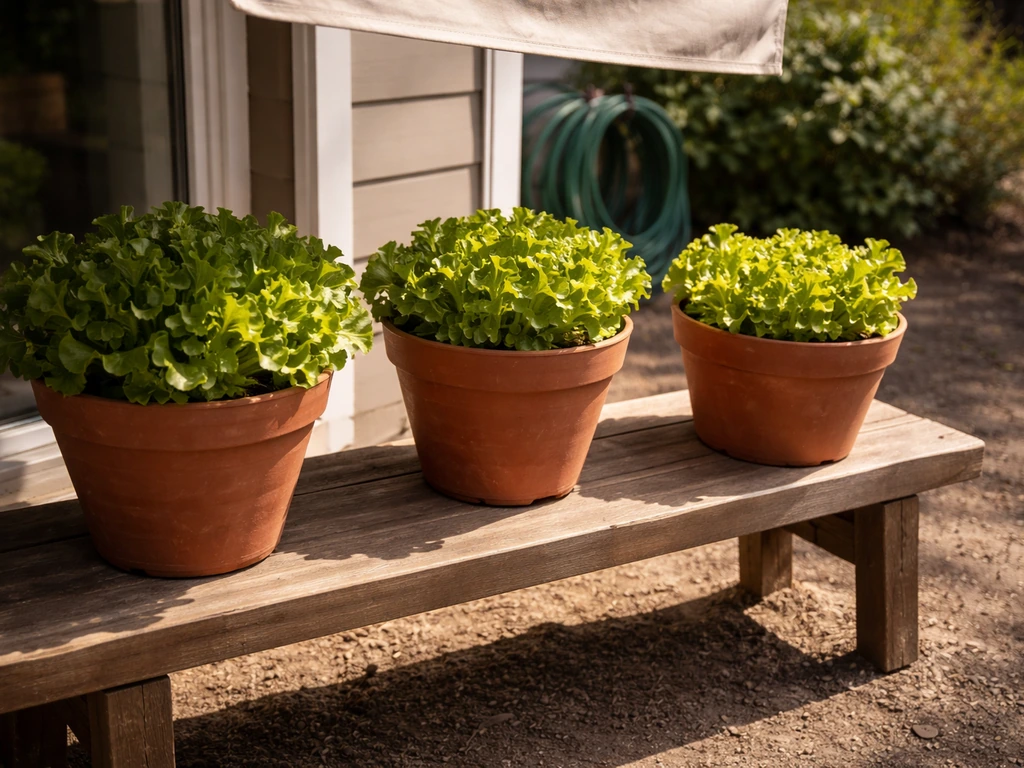
Lettuce is one of the best vegetables for containers, which is a big advantage in Utah because you can move pots to shade during the hottest part of the day. Use containers at least 6 to 8 inches deep and wide enough to give each plant 6 to 8 inches of space (more on spacing below). Fill with a quality potting mix, not garden soil, since garden soil compacts and drains poorly in pots. Container soil dries out faster, so expect to water more frequently, sometimes every day during hot stretches.
Indoor and hydroponic growing
If Utah's wild temperature swings frustrate you, indoor or hydroponic lettuce removes almost all of them from the equation. Lettuce is one of the easiest crops to grow hydroponically, and it thrives in simple systems like Kratky (no pump needed) or NFT (nutrient film technique). For hydroponics, keep your nutrient solution pH between 5.5 and 6.5, with an EC (electrical conductivity) in the range of 1.2 to 1.8 mS/cm. A starting EC around 1.3 is a good target for most lettuce varieties. Keep solution temps below 70°F when possible to discourage root rot.
For lighting indoors, lettuce needs about 12 to 16 hours of light per day if you're growing under artificial lights. LED grow lights work well and don't generate the heat of older HID systems. Position lights 6 to 12 inches above seedlings to prevent the leggy, stretched growth you get when light is too dim or too far away. If seedlings look pale and spindly, move the light closer before doing anything else.
When to plant: your Utah lettuce calendar
The USU Extension's Wasatch Front planting schedule is the most reliable reference for local timing. Here's how I'd translate it into a practical plan, using Salt Lake City's average last frost of April 22 as the anchor: To use this same approach for Michigan, plug in your local last frost date and typical spring temperatures, then build a succession schedule to avoid heat and bolting how to grow lettuce in Michigan.
| Season | Method | Timing | Notes |
|---|---|---|---|
| Spring (earliest) | Direct sow under row cover or cold frame | Mid-March to late March | Soil needs to be at least 40–45°F; use row cover for frost nights |
| Spring (main) | Direct sow or transplants outdoors | Late March to mid-April | Transplants started 3–4 weeks indoors give you a head start |
| Spring (late) | Succession sow, heat-tolerant varieties only | Late April to mid-May | Watch temps; shade cloth may help by late May |
| Summer | Avoid or grow indoors only | June through July | Outdoor lettuce will bolt quickly; indoor hydroponic is viable |
| Fall (main) | Direct sow early-maturing varieties | Late July to mid-August | Aim for harvest before first fall frost, typically October |
| Fall (extended) | Transplants under row cover/cold frame | Mid-August to early September | Row cover adds 4–6°F of protection as nights cool |
For transplants, start seeds indoors 3 to 4 weeks before your intended outdoor planting date. If you want a quick starting point, follow a Colorado lettuce growing schedule and adjust dates based on your local first and last frost how to grow lettuce in colorado. Lettuce germinates best when soil temperature is between 40°F and 75°F; above 80°F, germination drops off sharply, so starting seeds outdoors in midsummer heat rarely works well. Indoors or in a cool garage, germination is much more reliable.
Succession planting is the key to keeping fresh lettuce coming through spring. Instead of planting everything at once, sow a new small batch every 2 to 3 weeks from mid-March through mid-May. Each planting gives you roughly 40 to 60 days to harvest depending on variety and temperature. Stagger them and you can harvest continuously rather than having a glut followed by nothing.
Season extension tools for Utah
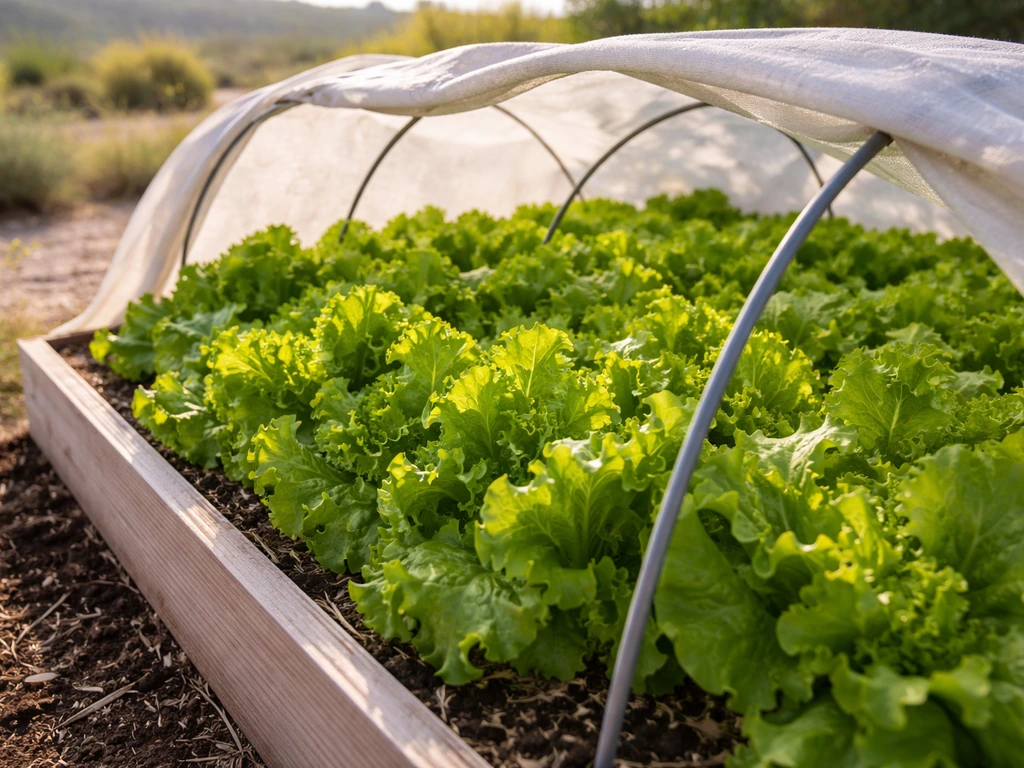
Row covers (floating row covers) are one of the most useful tools for Utah lettuce growers. A lightweight row cover adds 2 to 4°F of frost protection on cold nights and helps warm the soil earlier in spring. For really cold nights in early March, a cold frame can add 10°F or more of protection. One important caveat: on sunny days, you must open or remove cold frame lids and vent row covers, because heat builds up inside very quickly and can damage plants just as badly as frost. This is a common beginner mistake that USU Extension specifically warns against.
Light, water, spacing, and feeding
Light
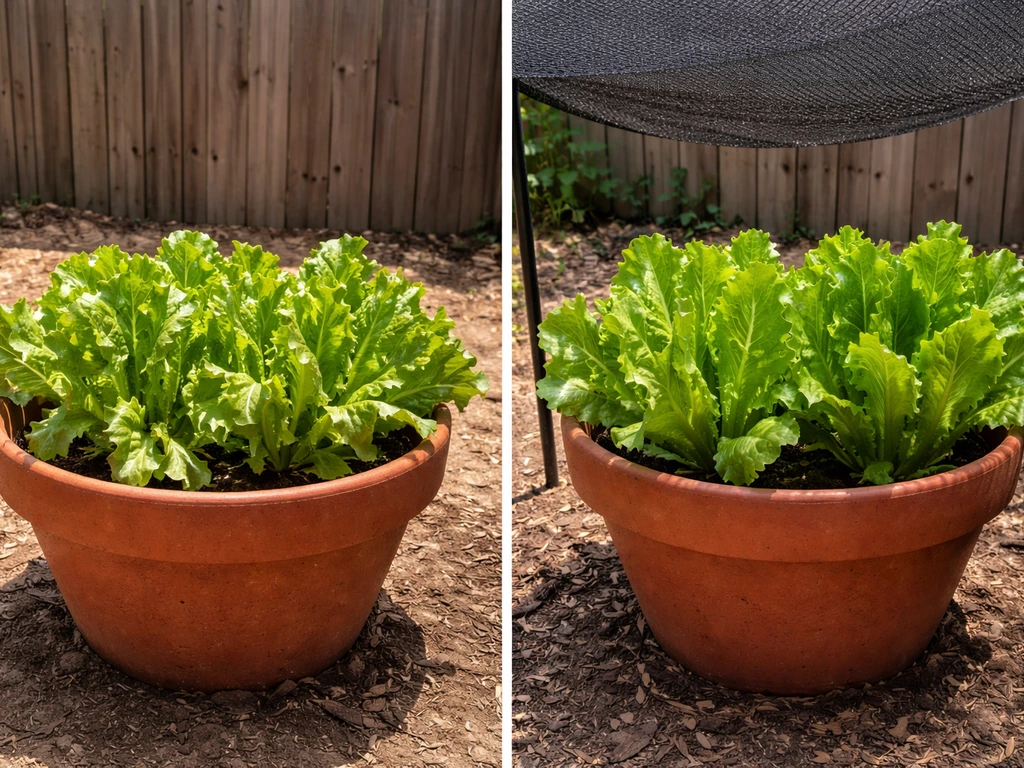
Outdoors, lettuce prefers full sun in spring (6+ hours), but in late spring and summer, afternoon shade actually helps delay bolting. If you want to grow lettuce in Florida, you will need to plan around the state’s heat and choose varieties that handle warmer temperatures how to grow lettuce in florida. If your bed gets afternoon sun in May and June, consider using 30 to 40% shade cloth over the plants during the hottest part of the day. A spot that gets morning sun and afternoon shade naturally (like the east side of a fence or taller plants) is ideal for extending your spring harvest into June. Leaf lettuces tolerate partial shade better than head types.
Watering
Lettuce is about 95% water, and inconsistent watering is one of the fastest ways to drive it to bolt or develop bitter leaves. Keep the soil consistently moist but not waterlogged. If you’re specifically wondering how to grow lettuce in Oklahoma, you can use the same core guidance on temperature control, watering consistency, and spacing to match your local season. In spring, that usually means watering every 2 to 3 days. During hot spells, you may need to water daily. Shallow, frequent watering is better than deep, infrequent watering for lettuce because its roots are shallow. Drip irrigation or soaker hoses work well and keep foliage dry, which reduces mildew risk. Overhead watering is fine in the morning but avoid wetting leaves in the evening.
Spacing
Spacing matters more than most beginners expect. Crowded plants compete for water and nutrients and have poor airflow, which invites disease. Space leaf lettuces 6 to 8 inches apart. Butterhead and romaine heads need 8 to 10 inches. If you're direct sowing, seed more thickly and thin to the right spacing once seedlings are 2 to 3 inches tall. Use the thinnings as baby greens in salads, nothing goes to waste.
Fertilizing
If you prepared your soil with compost and a balanced fertilizer before planting, you may not need to fertilize during the growing season at all, especially for a short spring planting. For a longer planting or if growth looks slow and pale, a light side-dressing of nitrogen (a balanced granular fertilizer or a liquid fish emulsion) every 3 to 4 weeks helps. Lettuce is a light feeder, so don't overdo it. Too much nitrogen late in the season can produce lush leaves but actually encourages bolting.
Dealing with heat, bolting, pests, and disease
Bolting and heat stress
Bolting (when lettuce sends up a flower stalk and turns bitter) is the number one frustration for Utah growers. If you are specifically researching how to grow lettuce in arizona, you can use the same core ideas like keeping plants cool and timing sowings to avoid heat stress. Once it starts, you can't reverse it, but you can slow it down and delay it with the right moves. If daytime temps are pushing past 75°F, here's what to do:
- Add a shade cloth (30–40%) over plants during the hottest part of the day, roughly noon to 4 p.m.
- Water deeply in the early morning to keep roots cool
- Harvest outer leaves frequently to keep the plant producing rather than going to seed
- Switch to heat-tolerant varieties (Jericho, Nevada, Muir) for any late-spring planting
- If plants are starting to bolt, harvest the whole head immediately rather than waiting — the leaves are still usable before the stalk elongates fully
Bitter leaves are usually a sign of heat stress or insufficient water. If your lettuce tastes bitter before it has fully bolted, increase watering frequency and add shade during afternoon hours. Harvesting in the morning rather than afternoon also produces better-tasting leaves because sugars are highest early in the day.
Aphids
Aphids are the most common insect pest on Utah lettuce. They cluster on the undersides of leaves and leave a sticky residue called honeydew that can damage plant quality and invite fungal problems. Catch them early. If you see curled or sticky leaves, flip them over and look. For small infestations, a strong blast of water from a hose knocks aphids off effectively. For larger populations, insecticidal soap spray is the go-to organic option recommended by USU Extension. Apply early in the morning or evening, not during heat of day, and coat the undersides of leaves where aphids hide. Horticultural oil is another option. Avoid broad-spectrum pesticides that kill beneficial insects that would naturally control aphids.
Slugs and snails
Slugs love Utah lettuce, especially in spring when soils are moist and cool. The first line of defense is sanitation: remove boards, leaf piles, and debris near your bed where slugs hide during the day. Reduce watering in the evening if possible. Iron phosphate bait (available at garden centers and safe for pets and wildlife) is an effective and low-impact control option. Check labels for Utah-registered products. Going out with a flashlight at night and hand-picking slugs is tedious but genuinely effective if the population is small.
Powdery mildew and downy mildew
Powdery mildew is widespread in Utah and will show up as a white, powdery coating on leaves, typically later in the season when days are warm and nights are cool. It's ugly but rarely kills a lettuce planting outright. Improve air circulation by spacing plants properly and avoiding overhead watering. Removing heavily affected leaves and disposing of them (not composting) helps slow spread. USU Extension notes powdery mildew can affect many vegetable crops here, so don't be surprised if you see it.
Downy mildew is a different disease and requires free moisture on leaves to take hold. It appears as yellowish patches on the upper leaf surface with a gray or purple fuzzy coating underneath. Prevention is the best approach: water at the base of plants, ensure good spacing and airflow, and clean up plant debris at the end of the season. USU notes that downy mildew can overwinter on infected crop debris, so clearing beds thoroughly in fall matters.
Poor germination and leggy seedlings
If seeds aren't germinating outdoors, the most common culprit is soil temperature. Lettuce germinates poorly below 40°F and stops germinating reliably above 80°F. In early spring, use a row cover to warm the soil before seeding. In summer, starting seeds indoors in a cool spot (around 65°F to 70°F) is far more reliable than direct sowing in hot soil. If indoor seedlings are leggy and pale, they need more light, not more water. Move them closer to a window or lower your grow light to within 6 to 12 inches of the plants.
Harvesting, keeping it going, and storing your lettuce
How to harvest without killing the plant
For leaf lettuce, cut individual outer leaves with clean scissors or a sharp knife, leaving the center growing point intact. Cut about 1 inch above the soil line if harvesting the whole plant at once (which USU Extension recommends for leafy greens), or just snip outer leaves individually for ongoing harvest. The cut-and-come-again method lets a single planting produce multiple harvests over 6 to 12 weeks, depending on temperature. For butterhead and romaine, you can do the same with outer leaves, or cut the whole head at once once it's firm and full-sized. Harvest in the morning when leaves are crisp and cool.
Succession planting to keep the harvest going
The best way to have continuous lettuce through spring is to sow a new small batch every 2 to 3 weeks. A practical Utah spring succession schedule looks like this:
- Sowing 1: Mid-March (under row cover) — harvest late April to early May
- Sowing 2: Early April — harvest mid-May to late May
- Sowing 3: Late April (heat-tolerant varieties) — harvest late May to mid-June before heat peaks
- Gap: June through mid-July — grow indoors/hydroponically if you want lettuce
- Sowing 4: Late July to early August (fall main planting) — harvest September through October
- Sowing 5: Mid-August under row cover or cold frame — harvest into October or early November
For fall plantings, USU recommends choosing early-maturing cultivars and counting back 50 to 75 days from your expected first fall frost date to find your last safe planting window. For most Wasatch Front locations, the first fall frost arrives in October, so working backward makes late July to mid-August the target for fall sowing.
Storing your harvest
Fresh-cut lettuce stores best at 32°F to 35°F with humidity around 95 to 100%. In practical terms, that means your refrigerator's crisper drawer with a damp paper towel wrapped loosely around the leaves. Under these conditions, lettuce typically keeps 1 to 2 weeks. Avoid storing it near ethylene-producing fruits like apples and pears, which accelerate wilting and brown edges. If leaves seem slightly wilted after harvest, soak them in ice water for a few minutes before drying and refrigerating; they'll crisp back up.
Handle harvested lettuce gently. Bruised leaves deteriorate quickly and develop brown edges within a day or two. Use a salad spinner rather than rough towel-drying, store in a loosely sealed bag or container, and you'll extend freshness noticeably.
Your next practical steps
If you're starting now (late June), the most useful thing to do this week is start a batch of heat-tolerant lettuce seeds indoors in a cool room, and plan your fall outdoor sowing for late July. If you are gardening in Southern California instead, the timing and heat-management strategy will be a bit different, so it's helpful to review how to grow lettuce in Southern California. Pick up some floating row cover if you don't have any, since you'll use it for both protecting early spring plantings and extending fall harvests. Test your soil pH if you've never done it; Utah's alkaline soils can silently limit how well your lettuce absorbs nutrients. And choose leaf lettuce varieties first, head lettuce second, and save iceberg-style crisphead for after you've had a couple of successful seasons.
Utah's climate asks you to be a bit more strategic than gardeners in milder states, but the payoff is real: crisp spring lettuce that tastes nothing like grocery store bags, and a productive fall season that runs well into October. The approach is the same as what works for growers navigating similarly wide temperature swings in Colorado and Arizona: work with the cool seasons, protect against the edges of those seasons with simple tools, and don't fight the summer heat. Get the timing and varieties right and lettuce is genuinely one of the easiest and fastest crops you can grow in Utah. If you’re specifically aiming to grow lettuce in Ohio, the same fundamentals apply, but you’ll want to adjust your planting dates and variety choices to match Ohio’s spring and fall temperatures varieties right.
FAQ
How do I choose between seed-starting and buying transplants in Utah?
If nights are still cool in March or early April, transplants can get zapped by cold snaps. For Utah, direct-sowing under row cover is often simpler for spring if your soil can be warmed a bit first. Start indoors only for successions that would otherwise miss the bolt-prone period, then harden off gradually (several hours outdoors, increasing daily) before planting.
Can I grow lettuce in Utah during July if I use shade and row cover?
It can work, but treat it as a “rescue” window, not a guaranteed spring replacement. Use early-maturing leaf types, provide afternoon shade (or cloth) and row cover strictly for heat spikes, and aim for harvest quickly. If daytime heat is already pushing past 85°F consistently, germination and quality often decline even with protection.
What’s the best row cover setup for Utah, and should I leave it on all day?
Keep covers on during cool mornings and nights, but vent them on sunny days to prevent heat buildup. If you see wilting on a warm afternoon, that usually indicates overheating, not thirst. A common mistake is sealing plants in tight on bright days and only “checking later.”
How can I tell if my lettuce is about to bolt versus just needing water?
Bolting typically shows a rapid shift from steady leaf growth to stem elongation and a tightening look, often with bitterness that appears even when soil moisture is adequate. Water stress more often causes limp or curled leaves first. Taste can help, but the sure sign is early flower stalk development.
What soil pH test should I use, and what if my pH is extremely high (above 8)?
If your test reads above 7.5, plan on gradual acidifying rather than one large amendment. Use sulfur or acidifying products in small increments and re-test, because drastic changes can stress plants or swing nutrient availability. If you are unsure, focus first on adding compost and maintaining consistent moisture while you correct pH slowly.
How much should I water lettuce in Utah if I’m growing in a raised bed versus the ground?
Raised beds dry out faster than many in-ground beds, so you typically need more frequent checks (often daily during hot spells). Use the “thumb test,” if the top inch is dry, water. Avoid keeping the bed soggy, because shallow roots in waterlogged soil increase rot and mildew risk.
Do I need to fertilize lettuce in Utah, and how do I avoid nitrogen-driven bolting?
If you used compost plus a reasonable starter fertilizer, many short spring plantings need little or no extra feeding. For longer successions or pale growth, side-dress lightly every 3 to 4 weeks. Avoid heavier nitrogen late in the season, when leafy growth can look good but bolting accelerates and bitterness increases.
What spacing should I use when I’m thinning direct-sown lettuce?
For leaf lettuce, thin to about 6 to 8 inches between plants. If you seeded thickly, thin early to improve airflow, then harvest thinnings as baby greens. Don’t wait too long to thin, because crowded plants can develop disease pressure and may bolt sooner under stress.
How do I manage slugs without harming pets or beneficial insects?
Use iron phosphate bait, and place it so it targets slugs but stays inaccessible to pets (especially dogs that may eat bait). Keep beds tidy (remove hiding spots), and consider trapping after dusk if populations are heavy. Hand-picking at night works well for small outbreaks, but sanitation usually prevents repeat surges.
What’s the difference between powdery mildew and downy mildew, and how should I respond?
Powdery mildew shows as a dry-looking white coating, often later, and improves with airflow and reducing leaf wetness. Downy mildew needs leaf moisture to start and shows yellowish patches with gray or purple growth underneath, prevention focuses on watering at the base, spacing, and cleaning debris. If you mistake them and water overhead when you should be preventing leaf wetness, disease can worsen.
Can I harvest lettuce multiple times from the same plant in Utah heat?
Yes, cut-and-come-again works well for leaf lettuce, but expect fewer or smaller harvests as temperatures rise. Leave the center growing point intact, then harvest outer leaves early in the morning for best flavor and crispness. If you see the plant tightening and starting to send a stalk, harvest quickly since regrowth slows.
How should I store harvested lettuce so it lasts longer in summer?
Use the refrigerator crisper drawer, keep leaves cool at about 32°F to 35°F, and store with high humidity (a loosely wrapped damp paper towel helps). Avoid ethylene-producing fruit nearby. If leaves are slightly wilted, re-crisp them in ice water briefly before drying and refrigerating.
Why did my lettuce seedlings get leggy or pale indoors before I transplanted?
Leggy, pale seedlings usually mean insufficient light intensity or too much distance from the grow light, not a need for more water. Move lights closer (within about 6 to 12 inches), and if transplanting, harden off so sudden sun and temperature shifts don’t shock tender growth.