You can absolutely grow crisp, flavorful lettuce in Arizona, but the timing has to be right. Plant in the cool seasons (September through mid-November and again from late January through March in the low desert), choose heat-tolerant or slow-bolt varieties, and use shade cloth once temperatures start climbing. If you’re in southern California, you can use the same cool-season timing and shading principles, but swap in varieties and planting windows suited to your coastal or inland microclimate cool seasons. Miss that window or skip the shade, and you'll be watching your lettuce shoot up a flower stalk instead of filling out a head. Get those two things right first, and everything else falls into place.
How to Grow Lettuce in Arizona: Varieties, Timing, Care
Marcus Holloway
19 Jun 2026
Best lettuce varieties for Arizona heat and seasons
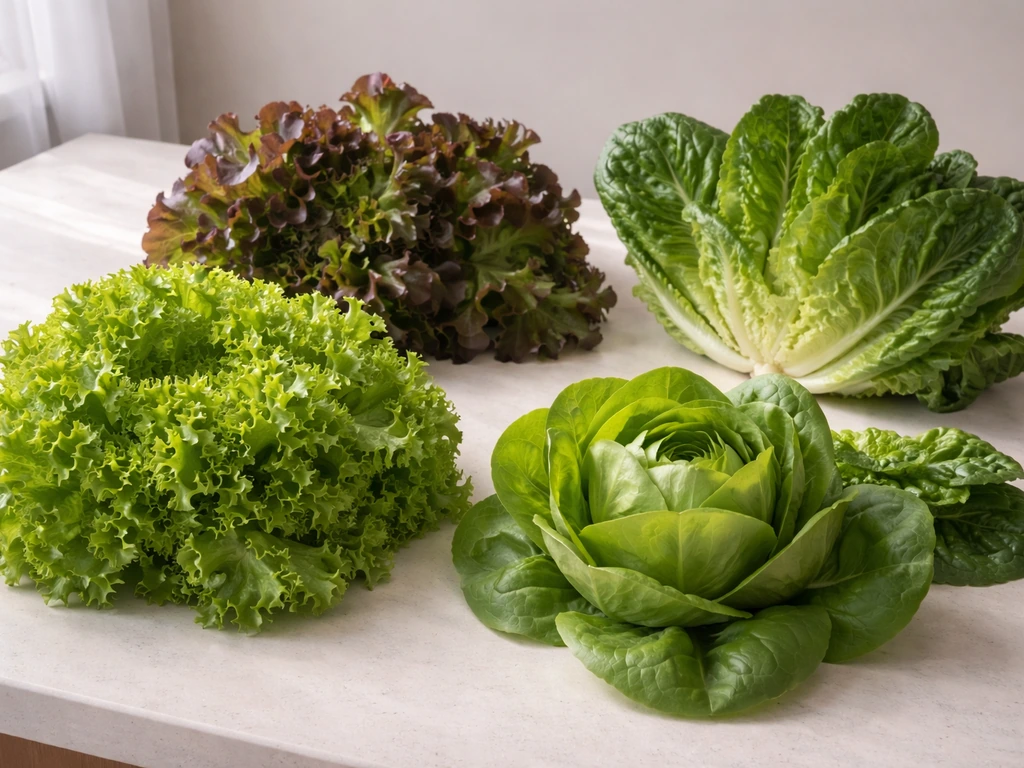
Not every lettuce handles Arizona conditions equally. Loose-leaf types are your safest bet because they mature faster (often 45 to 55 days), which means you can get a full harvest before the heat kicks in. Butterheads are more forgiving than crispheads in warm spells, while iceberg-style heads demand near-perfect timing and cooler nights. For heat tolerance and slow-bolting traits, focus your selections here:
- Black Seeded Simpson (loose-leaf): Fast, reliable, one of the most bolt-resistant leaf types available
- Red Sails (loose-leaf): Holds up well in shoulder-season warmth, good color, and slow to turn bitter
- Jericho (romaine): Bred specifically for hot, dry climates — this one is worth tracking down for Arizona
- Nevada (loose-leaf/semi-head): A UA Extension-favored variety for desert conditions, tolerates heat better than most
- Buttercrunch (butterhead): Matures in about 55 days, handles mild warmth without immediately bolting
- Slobolt (loose-leaf): The name says it all — genuinely slower to bolt than standard leaf varieties
- Little Gem (romaine): Compact, quick to head up, works well in containers
Avoid planting standard iceberg or large crisphead types unless you have a well-timed fall window with consistently cool nights. They need the most time, the most cold, and the least forgiveness when a warm spell hits. In Arizona, that's a gamble. Start with loose-leaf or butterhead, get a feel for your local microclimate, and work up to romaine and heads once you know your site.
Site setup in Arizona: outdoor beds vs shade cloth vs containers
Where and how you set up your growing space matters almost as much as variety choice in Arizona. The intense sun and reflected heat from walls, pavement, and soil surface can cook seedlings even in what should be a mild month. Think carefully before you commit to a spot.
Outdoor ground beds
Ground beds work well during true cool-season windows. If you want a full guide specifically for Oklahoma conditions, focus on timing, heat protection, and watering the same ways outlined for hot climates how to grow lettuce in oklahoma. Orient rows east to west if possible so that morning sun hits the plants and afternoon shade from taller crops or structures provides some relief. Raised beds with dark sides can accumulate heat, so consider lighter-colored materials or add a mulch layer on top of the soil to moderate root-zone temperature. Keep soil temperature below 85°F for best germination and growth, if your soil thermometer reads higher, wait or work on shade first.
Shade cloth
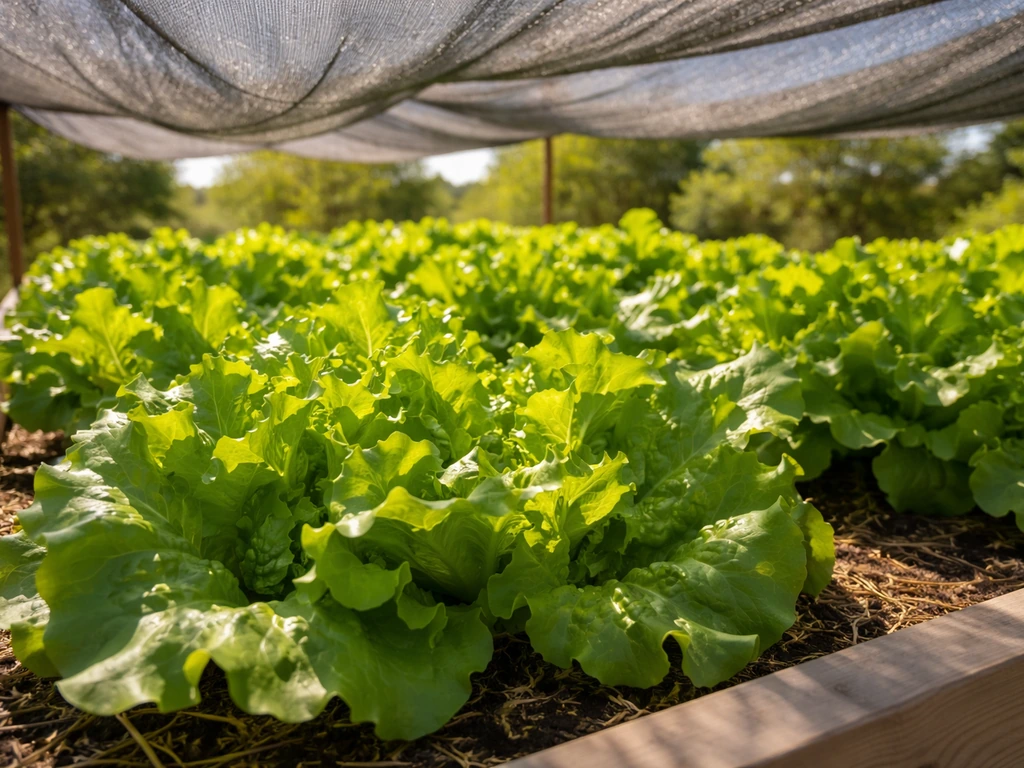
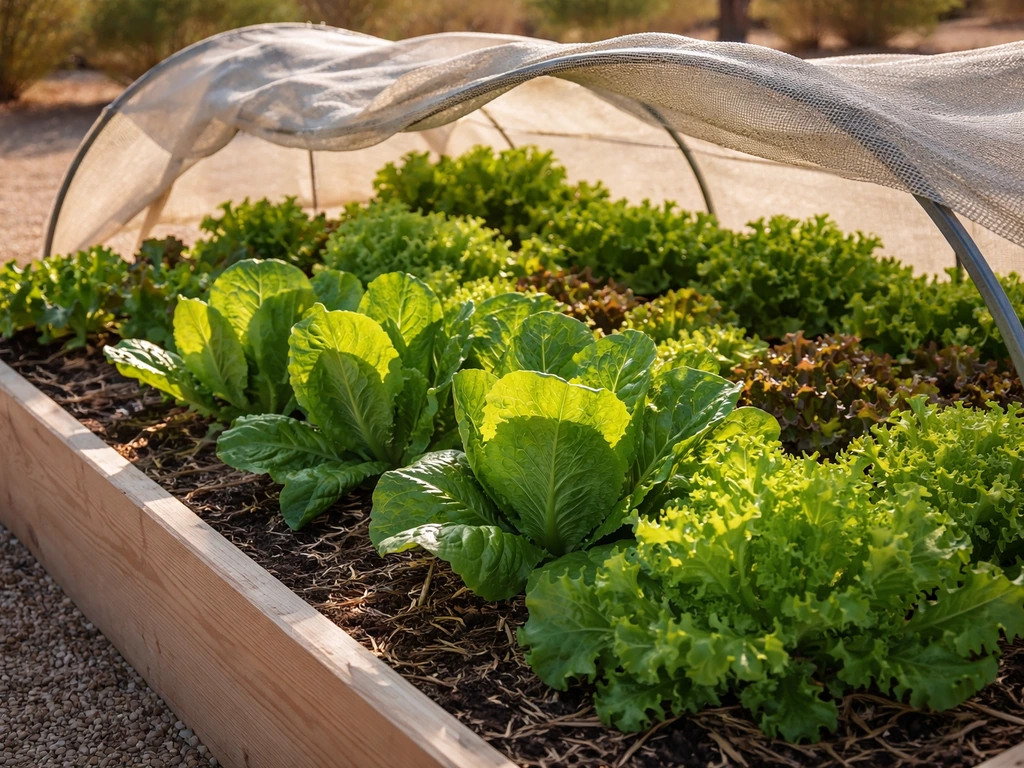
A 30 to 50 percent shade cloth is the single best investment you can make for extending your lettuce season in Arizona. UC IPM recommends 50 percent shade cloth specifically to protect seedlings from sunburn during warmer months, and that aligns well with Arizona's intense radiation. For shoulder seasons (late February through April and again in September/October), a 30 percent cloth is usually enough. Once you're pushing into May or you're trying to squeeze a summer planting, go to 50 percent and expect to fight the heat regardless. String it on a simple PVC hoop frame over your bed, the airflow matters as much as the shade.
Containers
Containers give you mobility, which is a genuine advantage in Arizona. You can move them to catch morning sun and dodge the brutal afternoon west exposure. Use pots that are at least 8 to 10 inches deep and wide enough to give each plant adequate space (more on spacing below). The catch with containers is that they dry out faster and heat up faster than ground beds, especially dark-colored plastic pots sitting on concrete. Go with light-colored or fabric grow bags, set them on wood or a elevated surface off hot pavement, and check moisture daily once temperatures climb above 75°F.
Light and temperature targets for crisp heads and butterheads
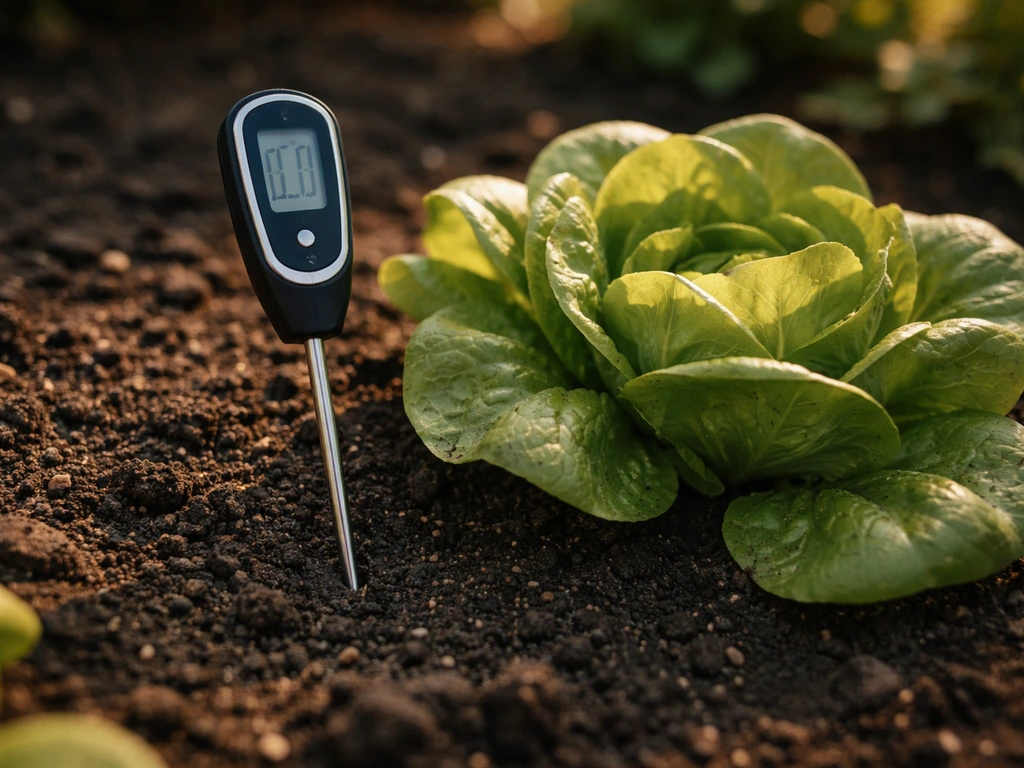
Lettuce is fundamentally a cool-season, moderate-light crop. It wants 6 hours of direct sun in winter and early spring, but it needs afternoon shade protection as temperatures rise. If you want to grow lettuce in Michigan, focus on cool-season timing and varieties bred for spring and fall temperatures, since heat can quickly push plants toward bolting how to grow lettuce in michigan. The critical thresholds to keep in mind: above 80°F, bolting risk increases sharply. Above 86°F, seed germination is inhibited. Those two numbers should drive every decision you make about timing and shade.
In Phoenix and the low desert, November through February offers the most reliable temperatures for growing heads. Morning sun from roughly 7 a.m. to noon, then filtered or shaded conditions in the afternoon, is the ideal daily light pattern. During fall planting (September and October), you'll almost certainly need shade cloth because daytime highs can still reach the 90s. Once you're into December through February in the low desert, you may not need shade at all. When temperatures start climbing again in March, the shade cloth goes back up.
In higher-elevation Arizona locations like Flagstaff, Prescott, or Tucson, the windows shift. If you want the Colorado version of this plan, focus on timing and cool-season protection suited to your local temperatures grow lettuce. Flagstaff gardeners often have a short spring window (May to early June) and a productive fall window (August to September) because of cooler baseline temperatures. Prescott and Tucson sit in between, with broader cool-season windows than Phoenix but still enough summer heat to shut lettuce down hard.
Soil, watering, and fertilizing for fast growth
Soil and salinity
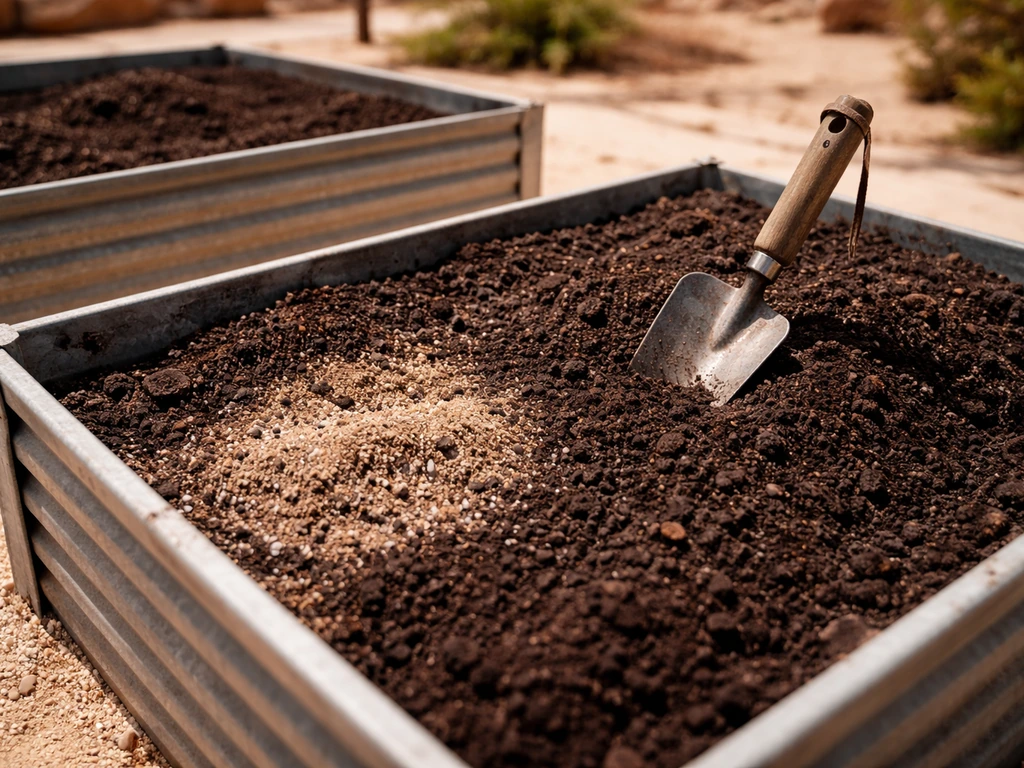
Arizona soils are often alkaline and can carry high salt levels, and lettuce is highly sensitive to both. If you're using native desert soil, amend it heavily with compost (at least 3 to 4 inches worked in) to improve drainage and organic matter. Pre-irrigate new beds before planting to leach salts down through the root zone, this is standard practice in Arizona's low-desert agriculture and worth doing at home, especially if your water has moderate to high mineral content. For containers, use a high-quality potting mix rather than native soil. Avoid mixes with added fertilizer if you plan to feed separately, as salt buildup in containers is already a challenge.
Watering
Consistency is everything with lettuce watering. Drought stress followed by a heavy soak causes tip burn and uneven growth, and in Arizona's dry air, the root zone dries out faster than you'd expect. Drip irrigation or soaker hoses are the best delivery method because they apply water directly to the root zone without wetting the foliage, which reduces disease pressure and waste. Water daily or every other day in cool weather, and potentially twice daily in containers during warmer stretches. Keep the soil evenly moist but not saturated, stick your finger an inch into the soil before watering. If it feels damp, wait. If it feels dry, water now.
If you're using tap water in Arizona, be aware that it can have elevated mineral content. If your lettuce shows tip burn or yellowing and your watering schedule seems right, test your water's pH and mineral levels. Arizona irrigation water commonly runs above a pH of 7.5, which can affect nutrient uptake even in otherwise healthy soil.
Fertilizing
Lettuce is a nitrogen-hungry crop and grows fast when fed correctly. Nitrogen fertility is one of the biggest levers for yield in Arizona soils. Start with a balanced granular fertilizer (something like 10-10-10) worked into your bed before planting. Then about 3 to 4 weeks after transplanting or after thinning seedlings, apply a nitrogen-based sidedress fertilizer (ammonium sulfate at 21-0-0 works well). Keep feeding light and consistent rather than heavy and infrequent. Over-fertilizing with nitrogen late in the season can actually accelerate bolting, so ease off once plants are approaching harvest size.
Planting schedules and spacing (direct sow vs transplants)
When to plant in Arizona
The University of Arizona Maricopa County planting calendar (AZ1005) is your go-to timing reference for the low desert. If you are in Ohio instead, you can use local Ohio gardening guidance to pick the best lettuce planting windows for your spring and fall temperatures planting calendar. For Phoenix and surrounding areas, the two main lettuce windows are fall (September through mid-November) and spring (late January through March). The University of Arizona Cooperative Extension AZ1435 also provides an blank" rel="noopener noreferrer">Arizona-wide planting dates framework by crop type and season, including separate lettuce planting dates for “Lettuce, leaf” and “Lettuce, head.”. UA Cooperative Extension lists Maricopa County frost-date ranges, with average first frost varying from about Nov 21 in Buckeye to about Dec 12 in central Phoenix, and average last frost ranging from about Feb 7 in central Phoenix to about Apr 3 in Mesa, which helps set the baseline timing for cool-season crops like lettuce UA Cooperative Extension frost-date ranges for Maricopa County. The fall window is productive but requires more active management because September is still hot. The spring window can feel short because March temperatures start rising quickly. In higher-elevation cities like Flagstaff or Prescott, your fall planting starts in August and spring planting can extend into May or June.
| Region | Fall Planting Window | Spring Planting Window | Notes |
|---|---|---|---|
| Phoenix / Maricopa Co. (low desert) | Sept – mid-Nov | Late Jan – Mar | Use shade cloth in Sept/Oct; frost risk Dec–Feb is low but possible |
| Tucson / Pima Co. | Sept – Nov | Feb – Apr | Slightly cooler than Phoenix; wider spring window |
| Prescott (mid-elevation) | Aug – Oct | Mar – May | First frost arrives earlier; spring window extends longer |
| Flagstaff (high elevation) | Aug – Sept | May – early June | Short windows; summer temps mild enough for extended spring planting |
Direct sowing
For direct sowing, press seeds into moist soil no deeper than 1/4 to 1/2 inch. Lettuce seeds need light to germinate, so a thin covering of fine soil or vermiculite is enough. Keep the seedbed consistently moist, in Arizona's dry air, this often means misting two or three times a day until germination. During warm soil conditions (September/October in the low desert), consider germinating seeds indoors in a cooler spot and transplanting once seedlings have two or three true leaves. This sidesteps the 86°F germination-inhibition problem entirely.
Transplanting and spacing
Transplants give you a head start and let you skip the fragile germination stage during uncertain weather. Set transplants out in the evening or on a cloudy day to reduce transplant shock. Space loose-leaf varieties 6 to 8 inches apart. Butterheads and romaine do best at 8 to 10 inches. Head-forming types like crisphead lettuce need 10 to 12 inches between plants with 12 to 18 inches between rows. In containers, one butterhead or romaine per 10-inch pot, or space multiple loose-leaf plants 6 inches apart in a larger window box or trough.
Succession planting
Stagger your sowings every 2 to 3 weeks during the cool-season window to keep harvests rolling instead of getting a glut all at once. In the low desert, you might do a first sowing in late September, another in mid-October, and a final one in early November. Each batch will mature at a slightly different time and extend your harvest window. If one sowing catches an unexpectedly warm week and bolts, you haven't lost your entire season.
Pest, disease, and common Arizona problems (bolting, bitterness, tip burn)
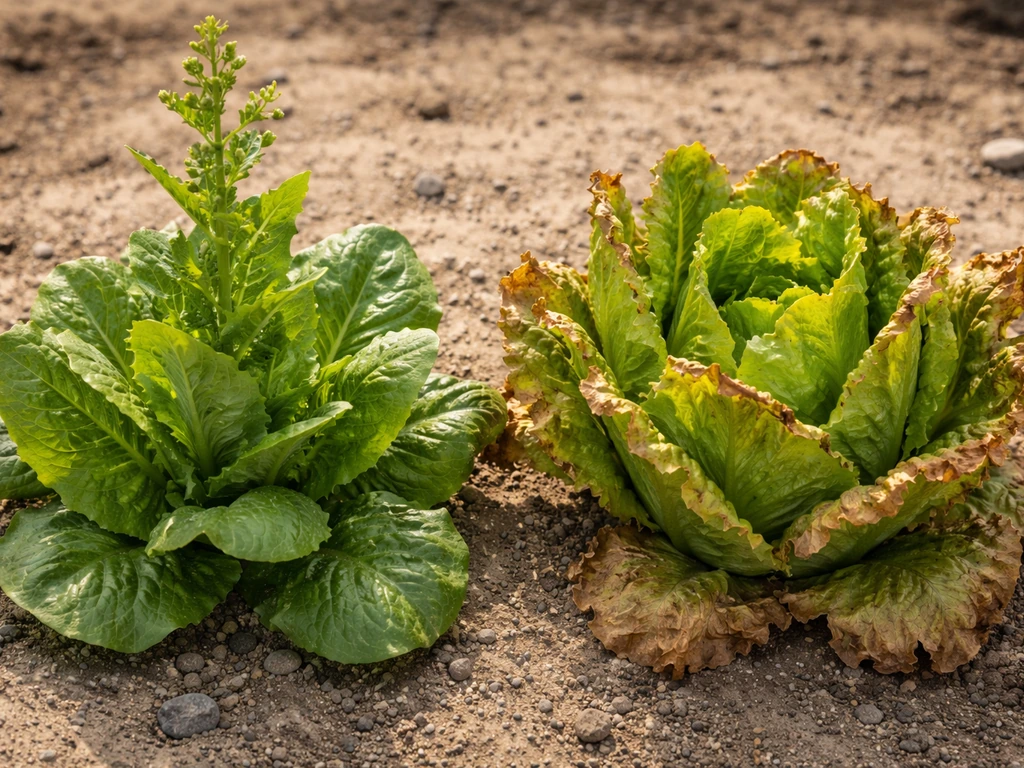
Bolting and bitterness
Bolting is your number-one enemy in Arizona. It's triggered by rising temperatures, lengthening days, and stress, all of which Arizona delivers in abundance. Once a plant sends up a flower stalk, the leaves turn bitter almost immediately and the texture gets tough and unpleasant. The best defense is timing: get your plants in during the cool window and harvest before the heat arrives. If you see the center of the plant starting to elongate and push upward, harvest immediately rather than waiting for a full head. You'll get a usable harvest even if the plant was starting to bolt. Slow-bolt varieties, consistent watering, and shade cloth all buy you extra days.
Tip burn
Tip burn shows up as brown, papery edges on the inner leaves and is the result of water stress causing a transient calcium deficiency in rapidly expanding tissue. In Arizona, inconsistent irrigation is usually the culprit. Lettuce can't move calcium fast enough during heat-driven growth spurts if the root zone dries out. Fix this by switching to drip or soaker irrigation, mulching the soil surface to retain moisture, and watering more frequently during warm stretches. It's not a calcium-deficiency problem you fix with supplements, it's a water consistency problem.
Poor germination
If you're direct-sowing in warm conditions and getting spotty or zero germination, soil temperature is almost certainly the issue. Above 86°F, lettuce seeds essentially shut down. Check your soil temperature with a thermometer 2 inches deep before sowing. If it reads above 85°F, either wait, shade the seedbed heavily, or germinate indoors and transplant. Misting the surface of the seedbed with cool water several times a day also helps reduce seed-zone temperature through evaporative cooling, this is actually a technique used in commercial Arizona lettuce production.
Common pests and diseases
Arizona cool-season gardens deal with aphids more than anything else on lettuce. Check the undersides of leaves and the growing center regularly. A strong spray of water knocks them off. If populations explode, insecticidal soap spray applied in the early morning works well without harming the plant. Slugs and snails are less of an issue in the dry desert climate but can appear in well-irrigated garden beds, especially if you're using heavy mulch. Downy mildew (yellowing patches on upper leaves, gray fuzz underneath) shows up during humid cool nights and is more of a problem in late fall/winter if air circulation is poor. Space plants adequately, avoid overhead watering in the evening, and choose resistant varieties when available.
Harvesting, succession planting, and storage
Harvest lettuce in the morning when leaf tissue is cool, firm, and fully hydrated, flavor and texture are noticeably better than afternoon harvests. For loose-leaf types, start harvesting outer leaves once plants reach 4 to 6 inches tall, leaving the center intact to keep producing. This cut-and-come-again method stretches a single planting over several weeks. For heads and butterheads, cut at the base when the head feels firm and full. Don't wait, once it's ready, it's ready, and delay in Arizona means bolting and bitterness can arrive within days of peak maturity.
After harvest, store lettuce at 32 to 35°F with as high humidity as your fridge allows (98 to 100 percent is the target). In practical terms, this means storing unwashed leaves in a sealed plastic bag or container with a damp paper towel inside. Properly stored, fresh-cut lettuce keeps well for 7 to 10 days. Avoid storing near apples, pears, or bananas, they emit ethylene gas that accelerates browning and decay in lettuce.
Indoor and hydroponic options for Arizona climate control
Indoor growing is genuinely one of the best solutions for Arizona gardeners who want lettuce year-round, including through the brutal summer months. Once outdoor temperatures exceed 90°F consistently, indoor growing with controlled light and air conditioning gives you a reliable path to fresh greens regardless of what's happening outside. This is one area where Arizona gardeners have a real advantage over cooler-climate growers, you have strong motivation and easy access to the controlled-environment approach. If you want to use these same principles for a cooler or different desert climate, see our guide on how to grow lettuce in Utah.
Indoor container growing
A sunny south-facing window works for winter months, but most Arizona homes don't get enough indoor light for lettuce during the season when you'd want to grow it indoors (summer). A simple LED grow light on a 14- to 16-hour timer solves that completely. Full-spectrum LED panels designed for vegetables work well and don't generate the heat that older HID systems do. Position the light 6 to 12 inches above seedlings and 12 to 18 inches above mature plants. The same loose-leaf varieties that work outdoors (Black Seeded Simpson, Red Sails, Buttercrunch) perform well indoors.
Hydroponic systems
Lettuce is arguably the ideal hydroponic crop, and Arizona's dry climate actually supports indoor hydroponic growing better than most places. Without outdoor humidity swings or rain, you have more control over the root-zone environment. For home systems, Nutrient Film Technique (NFT) channels and deep water culture (DWC) buckets or raft systems are the most beginner-friendly options. Target a nutrient solution pH of 5.8 to 6.2 and an electrical conductivity (EC) of around 0.8 to 1.2 mS/cm for seedlings, ramping up to 1.2 to 2.0 mS/cm as plants mature. Keep the nutrient solution temperature below 72°F, warmer solution reduces dissolved oxygen and invites root rot, which is a real concern in a warm house during Arizona summers. A small aquarium chiller or an insulated reservoir helps with this.
The connection between outdoor and indoor growing in Arizona is really about the same core problem: heat management. Outdoors, you fight it with timing, shade cloth, and variety selection. Indoors or in a hydroponic setup, you control it directly with AC and water temperature management. If you're already struggling with the outdoor season ending too quickly in March or April, setting up even a small indoor or hydroponic system to bridge the summer gap makes a lot of sense, and the skills transfer directly. The same lettuce varieties that produce well under shade cloth outdoors also perform reliably in an indoor system. Gardeners dealing with similar heat challenges in places like Texas and Southern California often land on this same combination of cool-season outdoor growing plus some form of indoor or protected growing to stretch the harvest calendar. If you are looking for how to grow lettuce in Texas, use these same heat-management ideas and adjust your planting windows to your local temperatures.
Your next steps
Start by figuring out which growing window applies to you right now. If it's currently June 2026, you're in the dead zone for outdoor low-desert lettuce, this is the time to either set up an indoor grow light system or plan your fall planting for September. Order heat-tolerant seeds like Jericho, Nevada, or Slobolt now so you have them ready. Pick up a 30 to 50 percent shade cloth before September arrives. Set up drip irrigation or at minimum plan your hand-watering schedule for consistency. And if you want year-round lettuce without fighting Arizona's summer, a basic DWC hydroponic kit with an LED light and temperature control is worth the investment, you'll have fresh greens on the table every week regardless of what the forecast says.
FAQ
What lettuce should I grow if I live in Phoenix and want to harvest before it gets too hot?
Start with loose-leaf or butterhead and plan your first sowing so it finishes before late March. If daytime highs start climbing early where you are, prioritize shade cloth at 50 percent and consider harvesting outer leaves 1 to 2 weeks sooner rather than waiting for a full-sized plant.
Can I grow lettuce in Arizona from March to April outdoors?
In many low-desert areas, it’s risky because March can tip quickly into bolting conditions. If you do it, use transplants, heavy afternoon shade (at least 30 to 50 percent), and harvest at the first sign of center elongation. Expect shorter harvest windows than fall plantings.
Why does my lettuce germinate poorly even though I watered the seedbed?
Most often, soil temperature is too high. Check soil temperature 2 inches deep before sowing, and if it’s above 86°F, germination can essentially stall. The fix is to shade the seedbed immediately, keep moisture consistent, or germinate indoors and transplant once you have true leaves.
Is misting enough for lettuce in Arizona, or do I need drip irrigation?
Misting helps with seed-zone cooling, but it usually isn’t enough to prevent tip burn or uneven growth on established plants. For best results, switch to drip or soaker hoses to keep the root zone evenly moist, then mulch to reduce how fast that moisture evaporates.
How do I prevent tip burn specifically in hot Arizona weeks?
Tip burn usually comes from fluctuating moisture during rapid growth, not from a missing fertilizer. Keep watering frequent enough that the soil never swings from dry to saturated, use mulch to stabilize root-zone moisture, and water early in the day if you’re adjusting schedules on short notice.
What shade cloth setup works best, and does it matter if it touches the plants?
Use a hoop frame so cloth stays above the bed with airflow, and avoid letting it rest directly on leaves because that can increase cooling or moisture pockets around the canopy. For seedlings, tighter shade (around 50 percent) is often more forgiving when highs are still in the 90s.
How close together should I plant lettuce in containers to avoid problems?
Give plants enough room for airflow. As a rule, plan for one butterhead or romaine per 10-inch pot, or space loose-leaf plants about 6 inches apart in a larger trough or window box. Crowding increases downy mildew risk during cool, humid nights even in Arizona.
What water should I use in Arizona, and what should I do if my lettuce yellows?
If you suspect water chemistry issues, test pH and mineral content, especially if your tap water runs alkaline. Yellowing plus marginal growth can point to nutrient uptake problems. A quick adjustment is to refresh your container mix or improve soil amendment, then ensure your feeding schedule is consistent rather than sporadic.
How often should I fertilize lettuce in Arizona without triggering bolting?
Use light, consistent feeding rather than heavy doses. A common approach is a balanced fertilizer before planting, then a nitrogen sidedress around 3 to 4 weeks after transplanting or thinning, followed by smaller additional boosts only if growth is slow. Stop pushing nitrogen once plants are nearing harvest size.
How do I tell the difference between bolting and simple slow growth?
Bolting shows as center elongation and a noticeable upward push toward flowering, and leaves often turn bitter soon after. Slow growth is usually tied to temperature, germination stress, or moisture inconsistency. If temperatures are near or above 80°F, assume heat stress is driving the change and act by harvesting promptly or adding shade.
When is the best time of day to water lettuce for Arizona summers?
Water early in the morning so the root zone stays moist through the hottest part of the day without keeping foliage wet overnight. If you’re running twice-daily in warmer stretches, keep the second watering earlier rather than late evening to reduce disease pressure.
How should I store lettuce I grew in Arizona so it stays crisp?
Store unwashed leaves in a sealed bag or container with a damp paper towel to maintain humidity. Keep it as cold and humid as your refrigerator allows (roughly 32 to 35°F, near maximum humidity). Also, separate lettuce from fruit like apples, pears, and bananas because their ethylene speeds browning.
Is indoor lettuce realistic in Arizona summers, or is it only for winter?
It’s realistic year-round if you can control light and keep temperatures stable. When outdoor highs stay above 90°F consistently, outdoor growing often fails, but indoor growing with an LED grow light on a 14 to 16 hour timer and an appropriate variety can produce steady harvests.
Can I bridge Arizona’s summer with a small hydroponic setup?
Yes, that’s one of the most reliable bridging strategies. Choose a beginner-friendly system like DWC or NFT, and control nutrient solution temperature (ideally below 72°F) to prevent root rot. Maintain pH in the lettuce target range (about 5.8 to 6.2) and avoid letting EC drift too high during seedling stages.