You can grow great lettuce in Ohio by planting in early spring (late March to mid-April outdoors) and again in late summer (late July to mid-August) for a fall harvest, targeting soil temperatures between 40°F and 75°F. If you want to grow lettuce in Oklahoma, use the same cool-season timing and heat management strategies, but adjust your planting dates to match your local frost and summer temperatures how to grow lettuce in oklahoma.
How to Grow Lettuce in Ohio: Step-by-Step Guide

Marcus Holloway
31 May 2026
For Michigan gardeners, the same cool-season approach works, but you will want to line up your sowing dates with Michigan’s frost timing and typical spring-to-summer heat swings how to grow lettuce in Michigan. If you want to grow lettuce in southern California, you will need to plan around warm weather and use heat-tolerant varieties for the best chance of success.
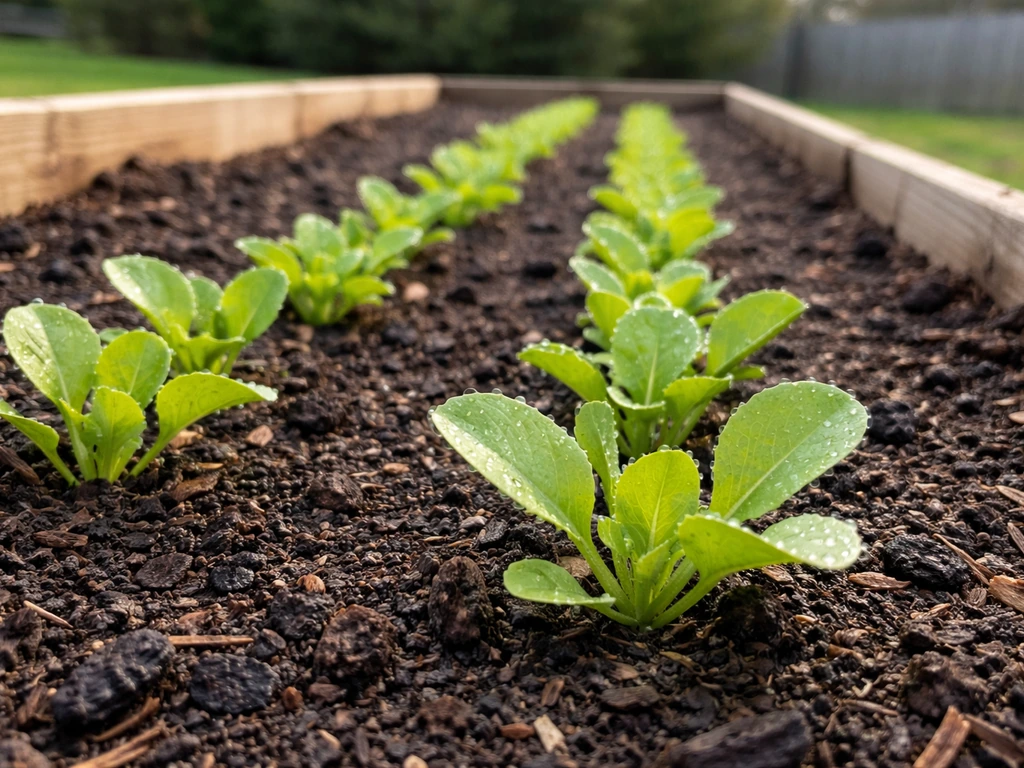
Lettuce in Florida works best when you time plantings for the coolest months and choose heat-tolerant varieties to reduce bolting how to grow lettuce in florida. Spring is your best window because Ohio's cool, moderate temperatures are nearly perfect for lettuce. The key is timing your plantings around Ohio's frost dates, choosing slow-bolting varieties for later plantings, and having a plan for when temperatures spike in June and July.
Ohio's Planting Calendar and Temperature Windows
Lettuce is a cool-season crop, and Ohio actually gives you two solid growing windows each year if you plan around them. If you want a Utah-specific plan, you will still follow lettuce's cool-season windows, but the frost dates and heat timing will shift with your climate grow lettuce in Utah. The trick is understanding when it gets too cold on one end and too hot on the other.
Spring Window
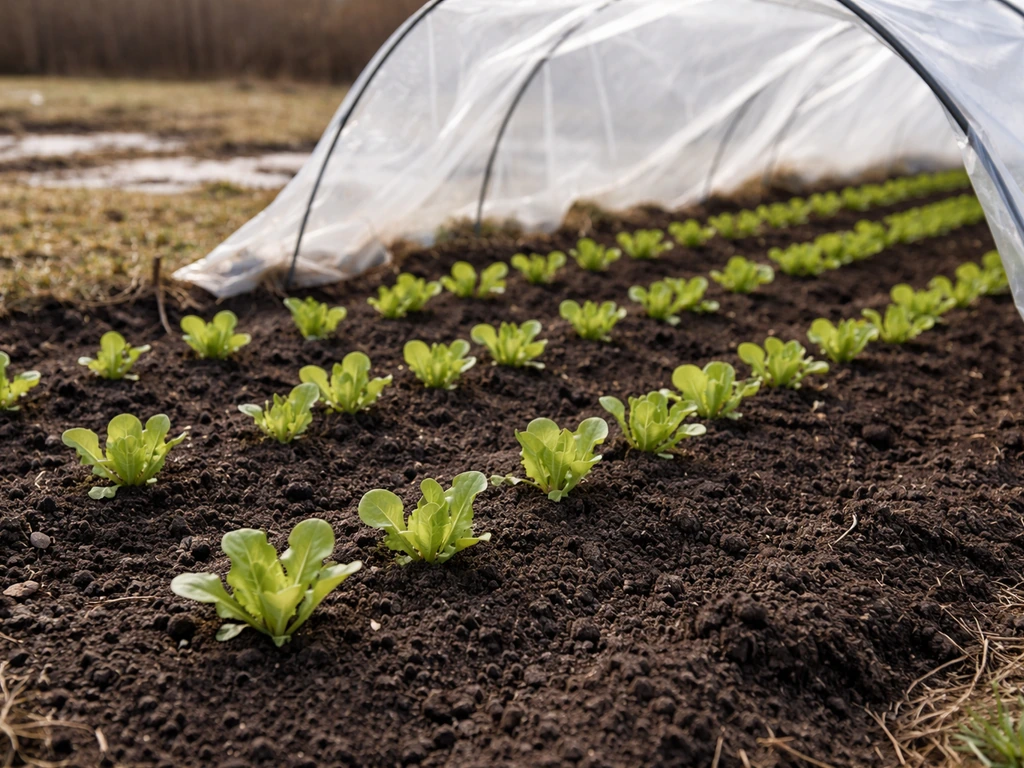
Lettuce seeds germinate in soil as cool as 40°F, which means you can direct-sow outdoors well before your last frost date. Colorado gardeners often face colder springs and bigger temperature swings, so the same cool-season timing and frost planning matter even more how to grow lettuce in Colorado. For most Ohio gardeners, that means starting seeds directly in the ground in late March or early April, even if you still expect a few frosts.
Established lettuce seedlings can handle light frosts down to around 28-30°F, especially with row cover. If you want a head start, sow indoors under lights 4-6 weeks before your target transplant date and move plants outside once they have 3-4 true leaves. Here are approximate last-frost dates to plan around for spring planting:
| Ohio City | Avg. Last Spring Frost | Safe Outdoor Direct-Sow Window |
|---|---|---|
| Cincinnati | Mid-April | Late March (with row cover) to mid-April |
| Columbus | Late April | Early April (with row cover) to late April |
| Cleveland | Late April | Early April (with row cover) to late April |
| Toledo | Early May | Mid-April (with row cover) to early May |
Your real spring deadline is heat, not frost. If you are growing lettuce in southern California, you will need to plan around heat with heat-tolerant varieties and lighter scheduling. Once daytime temperatures are regularly hitting the mid-70s°F and nights stay above 60°F, blank" rel="noopener noreferrer">bolting risk rises fast. That typically happens in late May to early June across most of Ohio. Aim to have your spring crop mostly harvested before that window closes.
Fall Window
Fall lettuce is genuinely underrated and often produces the most tender, flavorful heads of the year. To grow fall lettuce, count back from your first expected frost date. Average first-frost dates in Ohio cluster around October 11-31 depending on where you are: Toledo tends to get its first frost earlier (around October 11-20), while Cincinnati, Columbus, and Cleveland are typically in the October 21-31 range.
PlantMaps lists Ohio first-frost averages that also place major areas like Toledo earlier (mid-October) and places such as Cincinnati, Columbus, and Cleveland in the Oct 21-31 range Average first-frost dates in Ohio cluster around October 11-31 depending on where you are. Lettuce needs 45-60 days to mature from seed, so your fall direct-sowing window runs roughly from late July to mid-August.
Start seeds indoors in late July if you want to avoid germination problems caused by summer heat (more on that below).
| Ohio City | Avg. First Fall Frost | Fall Direct-Sow Deadline |
|---|---|---|
| Cincinnati | Oct 21-31 | Mid-August |
| Columbus | Oct 21-31 | Mid-August |
| Cleveland | Oct 21-31 | Mid-August |
| Toledo | Oct 11-20 | Early August |
One important note: the NWS data for Southwest Ohio shows that hard freeze events can arrive as early as late September in some years, and in the Columbus/Dayton area even sooner. Don't cut it close. Either use row cover to extend your harvest window, or get plants in the ground early enough that heads are mostly mature by late September.
Succession Sowing
Instead of planting everything at once and having a mountain of lettuce for two weeks, sow small batches every 10-14 days. In spring, you can do 3-4 successions starting in late March and ending in late April. In fall, do 2 successions spaced two weeks apart starting in late July. This keeps fresh lettuce coming without waste.
Choosing the Best Lettuce Varieties for Ohio
Variety selection matters more in Ohio than many gardeners realize, mainly because of how quickly conditions can shift from ideal cool weather to bolt-triggering heat. You want varieties that give you flexibility across that transition.
Best Bets for Spring
For spring planting, almost any variety works well because you're growing during the cool window. Loose-leaf varieties like 'Black Seeded Simpson,' 'Oak Leaf,' and 'Salad Bowl' mature fast (45-50 days) and let you do cut-and-come-again harvests, which extends your season without replanting. Butterhead types like 'Buttercrunch' and 'Tom Thumb' are excellent for Ohio springs because they form loose, tender heads and are somewhat slower to bolt than crispheads. Romaine types like 'Parris Island Cos' do well too, though they need a bit more time (70-75 days) so start them early or indoors.
Heat-Tolerant Varieties for Late Spring and Summer Planting
If you're pushing into late April or May plantings, or trying to bridge toward your fall succession, look specifically for varieties labeled 'slow bolt' or 'heat tolerant.' Good options include 'Nevada,' 'Jericho' (a romaine), 'Sierra,' and 'Muir.' Seed companies like Johnny's Selected Seeds organize their catalog by production method and bolt resistance, which makes it easy to compare. Keep in mind that even the most heat-tolerant varieties will eventually bolt under Ohio's summer heat. They buy you weeks, not months, and it's worth being realistic about that.
Fall Variety Choices
For fall plantings, you want varieties that establish quickly from the summer heat and mature before the cold gets serious. Loose-leaf and butterhead types work best here. 'Red Sails,' 'Buttercrunch,' and 'Rouge d'Hiver' (a cold-tolerant romaine) are reliable fall performers in Ohio. Red-pigmented varieties often handle temperature fluctuations better and add some visual interest to the fall garden.
Setting Up an Outdoor Bed or Raised Bed
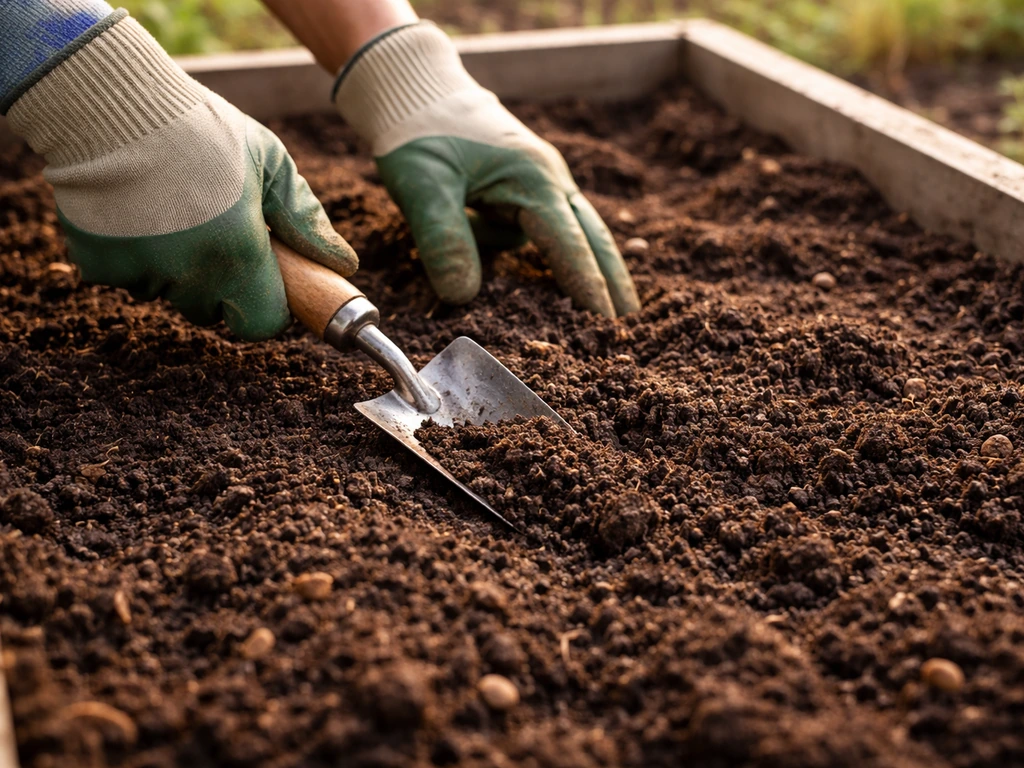
Lettuce's shallow root system (mostly in the top 6-8 inches of soil) makes it a perfect candidate for raised beds, which drain better, warm up faster in spring, and are easier to cover with row cover or cold frames. Whether you're growing in raised beds or in-ground, the setup principles are the same.
Soil Prep
Lettuce prefers loose, well-draining soil with a pH between 6.0 and 6.8. If your Ohio soil is heavy clay (common in much of central and northwestern Ohio), amend it with compost before planting. A 2-3 inch layer of finished compost worked into the top 6 inches makes a real difference in both drainage and nutrient availability. In raised beds, a mix of topsoil, compost, and a small amount of perlite or coarse sand creates ideal conditions. Test your soil pH if you haven't recently; most Ohio garden centers carry inexpensive test kits.
Direct Sowing vs. Transplanting
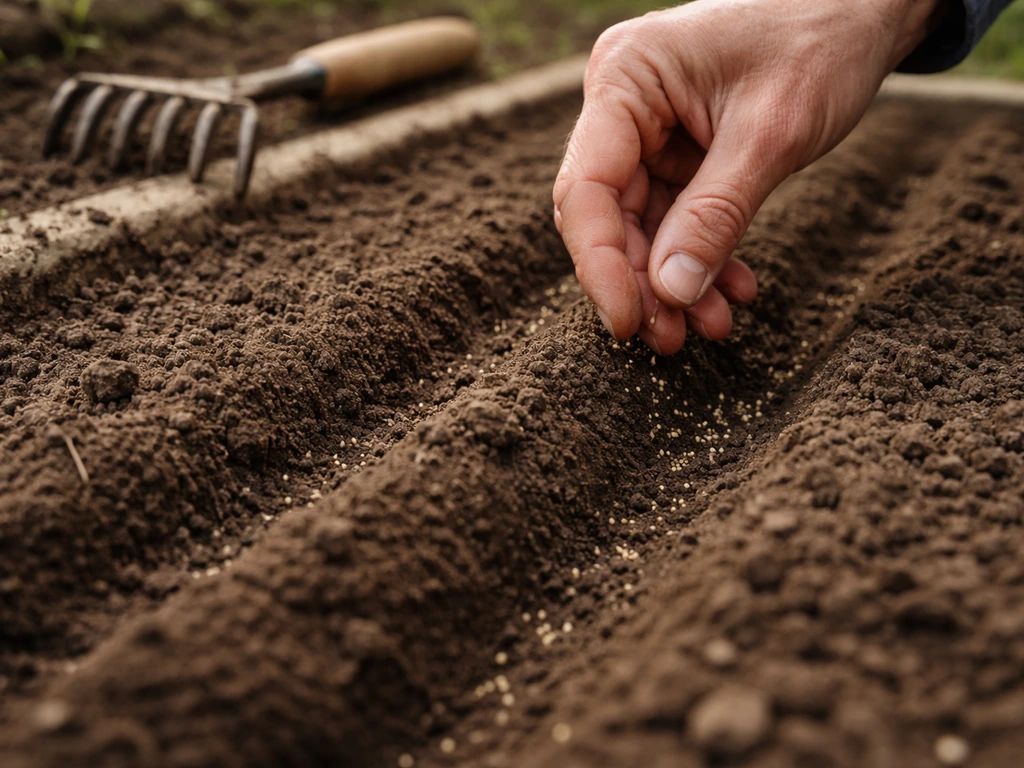
Both methods work well for Ohio. Direct sowing is simpler and works best when soil temps are between 40-75°F. Plant seeds 1/4 to 1/2 inch deep (not deeper, these are tiny seeds and they need light to germinate well) and keep the seedbed moist until germination, which takes 7-14 days. Thin to final spacing once seedlings are 1-2 inches tall. Transplanting gives you a head start and is especially useful for fall planting when you want to start seeds inside in air-conditioned conditions while it's still hot outside. Harden off transplants over 5-7 days before putting them in the ground. For help distinguishing powdery vs. downy mildew on lettuce, UC IPM notes powdery mildew appears as a gray-white powdery growth on upper and lower leaf surfaces, while downy mildew shows different symptoms and structures,see the UC IPM page for details: https://ipm.ucanr.edu/agriculture/lettuce/powdery-mildew/ UC IPM — Powdery Mildew (lettuce).
Spacing
Spacing depends on what you're growing. Loose-leaf varieties grown for baby greens can be broadcast-seeded and harvested at 3-4 inches tall without thinning. For cut-and-come-again leaf lettuce, thin to 4-6 inches apart. Full-size butterhead or romaine heads need 8-12 inches between plants. Rows should be 18-30 inches apart for full-sized heads, or you can plant in a grid pattern in raised beds with 8-10 inches between plants in all directions.
Light and Site
Spring lettuce does best in full sun (6+ hours), but as temperatures rise in late May, afternoon shade actually helps prevent bolting. If your bed gets afternoon shade from a fence, building, or taller plants, that's an asset for stretching your spring harvest. For fall plantings, full sun is ideal because you're working against cooling temperatures rather than rising heat.
Growing Lettuce in Containers on a Patio or Balcony
Lettuce is genuinely one of the easiest vegetables to grow in containers, and its shallow roots mean you don't need deep pots. A 2-3 gallon pot, a window box, or a wide shallow planter (at least 6 inches deep) all work well. Wide, shallow containers are actually better than deep narrow ones because they give you more surface area for more plants.
Use a quality potting mix rather than garden soil, which tends to compact in containers and drains poorly. Fill to within an inch of the rim, moisten the mix before sowing, and scatter seeds lightly across the surface. Press them in gently and cover with about 1/4 inch of potting mix. Keep the container consistently moist during germination. Containers dry out faster than beds, so check moisture daily in warm weather.
One real advantage of containers: you can move them. If a heat wave hits in late May, move your patio containers to a shadier spot for a week. If a late frost threatens in April, bring them inside overnight. That flexibility alone makes containers worth considering even if you have a garden bed available.
For balcony growers with limited space, consider a tiered planter or vertical planter pockets. Loose-leaf varieties work best in these setups because they don't need as much depth or spacing. 'Tom Thumb' is an excellent compact butterhead variety for small containers, forming tennis-ball-sized heads in about 6-inch spacing.
Growing Lettuce Indoors and in Hydroponic Systems
Growing lettuce indoors under lights or in a simple hydroponic setup is genuinely practical, not just a novelty. It lets you produce fresh greens year-round regardless of Ohio's weather, and lettuce is one of the crops best suited to indoor systems because it has modest light requirements compared to fruiting vegetables.
Light Setup
For indoor lettuce under grow lights, you're targeting a PPFD (photosynthetic photon flux density) of roughly 150-250 µmol/m²/s at canopy level. Most full-spectrum LED grow lights marketed for leafy greens will hit this range if positioned 12-18 inches above the plants. Run lights for 14-16 hours per day and give plants 8-10 hours of darkness. One practical tip: measure light intensity at multiple spots across your growing area (corners and center) rather than assuming it's uniform. The edges of a light's footprint are often significantly dimmer, which leads to uneven, leggy growth.
Temperature and Air Circulation
Keep indoor growing temperatures between 60-70°F for best results. Lettuce will grow at temperatures outside this range, but growth slows below 50°F and bolting risk increases above 75°F. A small fan running on low near your growing area improves air circulation, reduces disease pressure, and produces stronger stems.
Simple Hydroponic Options
If you want to try hydroponics, lettuce is the ideal starting crop. A basic Kratky method setup (a non-circulating, passive hydroponic system) requires nothing more than a container, net pots, growing medium like hydroton or rockwool, and hydroponic nutrient solution. Fill the reservoir so the bottom of the net pot is just touching the solution, and the plant develops both water roots (submerged) and air roots (above the solution line). No pump required. Change the nutrient solution every 2-3 weeks and expect harvest in 30-45 days. For larger setups, a deep water culture (DWC) system with an air stone and pump produces faster, larger heads.
Nutrients for Indoor and Hydroponic Lettuce
Lettuce is a light feeder. For hydroponic growing, use a balanced liquid nutrient formulated for leafy greens and keep your EC (electrical conductivity) between 0.8 and 1.6 mS/cm. Higher EC can cause tip burn. For soil-based indoor growing, a diluted liquid fertilizer at half the recommended dose every 2-3 weeks is plenty.
Watering, Fertilizing, Light Management, and Preventing Bolting
Watering
Consistent moisture is the single most important care factor for lettuce quality. Uneven watering (wet-dry-wet cycles) causes stress that accelerates bolting and makes leaves bitter. Aim to keep the top 2-3 inches of soil consistently moist but not waterlogged. One inch of water per week is a reasonable baseline, but Ohio clay soils wet differently than sandy or loamy soils. An inch of water wets sandy soil down about 10 inches but may only penetrate 6 inches in heavy clay, so water more frequently in smaller amounts if you're dealing with slow-draining clay. Mulching with 2 inches of straw or shredded leaves helps retain moisture and keeps soil temperature more stable.
Fertilizing
Lettuce doesn't need heavy feeding. If you've amended your soil with compost before planting, you may not need to fertilize at all for a spring crop. For longer growing periods or fall crops, a light application of a balanced water-soluble fertilizer (10-10-10 or similar) at half the recommended rate every 3-4 weeks is enough. Avoid high-nitrogen fertilizers that push rapid, leafy growth but reduce flavor and heat tolerance. Side-dressing with a thin layer of compost mid-season works well too.
Managing Light and Heat to Prevent Bolting
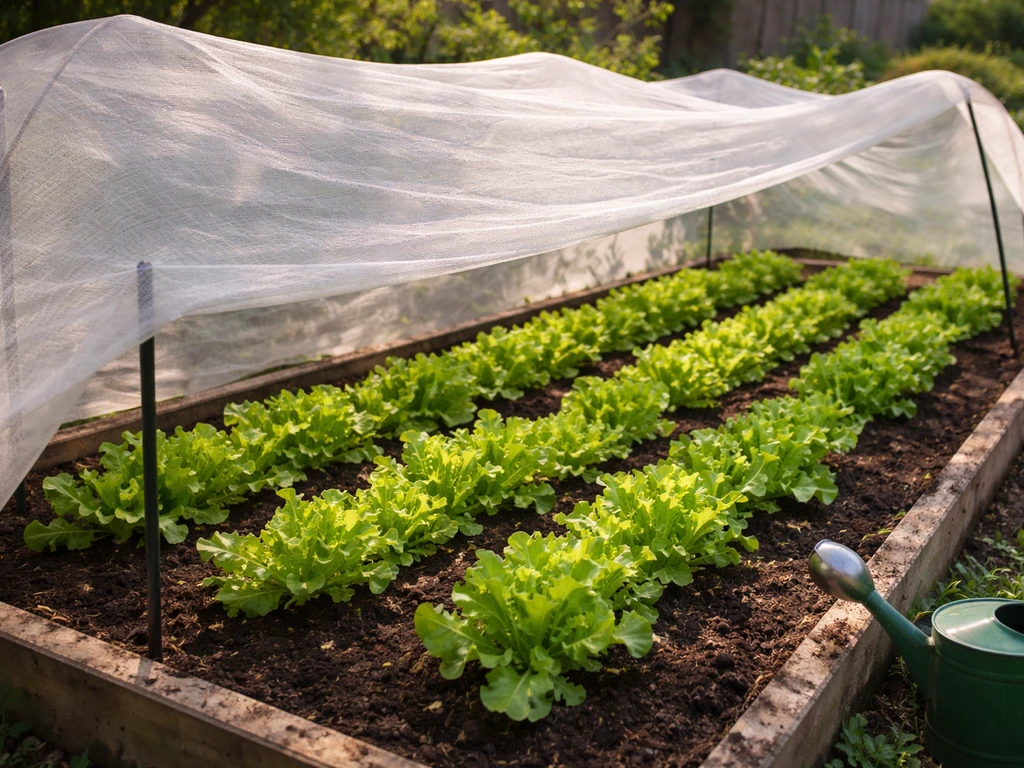
Bolting is triggered by a combination of heat, long days, and moisture stress. In Ohio, you can't control day length, but you can manage heat and moisture. As temperatures start climbing in late May, use these tactics to slow bolting:
- Provide afternoon shade using shade cloth (30-40% shade), taller plants like tomatoes, or a simple lean-to structure.
- Keep soil moisture consistent to reduce heat stress.
- Harvest outer leaves regularly on loose-leaf types, which keeps plants in vegetative mode longer.
- Switch to heat-tolerant varieties for later spring plantings.
- Consider replanting indoors or in a cool basement with grow lights to continue production through summer while outdoor conditions are unfavorable.
When you see a plant starting to form a tall central stalk and the leaves begin to taste bitter, that's bolting in action. At that point, harvest everything immediately rather than waiting. Bolted lettuce is still edible for a short time, but it declines quickly once the flower stalk elongates.
Cold Protection in Spring and Fall
In spring, a single layer of floating row cover (garden fabric) provides roughly 4°F of frost protection and lets you plant 2-3 weeks earlier than you otherwise could. In fall, the same row cover can extend your harvest by 3-4 weeks past your first frost date. Cold frames (a simple box with a clear lid) push protection even further. With a cold frame over your fall lettuce bed, you can often harvest fresh lettuce into late November or even December in southern Ohio.
Troubleshooting Common Lettuce Problems in Ohio
Poor or Slow Germination
If seeds aren't germinating in 10-14 days, soil temperature is usually the culprit. Lettuce seeds go dormant (called thermodormancy) when soil temps exceed 80°F, which is very common during Ohio's late-summer planting window for fall crops. If you're planting fall lettuce in late July or early August and getting poor germination, start seeds indoors in air-conditioned conditions, then transplant outside once they've sprouted. Also check planting depth: if you've buried seeds more than 1/2 inch deep, they may not emerge. These are tiny seeds that need to be near the surface.
Leggy Seedlings
Long, spindly seedlings with stretched stems mean they're not getting enough light. Indoors, move your grow lights closer (to around 12-14 inches above the seedlings) or increase your daily light hours to 16. Outdoors, move transplants to a sunnier spot. Don't bury leggy transplants deeper than they were growing to compensate, as you can with tomatoes. Lettuce needs proper light, not a soil workaround.
Bolting (Premature Flowering)
If plants bolt earlier than expected, check for heat, drought stress, or overcrowding. The only real fix once a plant has bolted is to harvest it immediately. Going forward, switch to slower-bolting varieties, provide more shade, and water more consistently. Also consider whether your timing is off: if you're planting spring lettuce too late (after late April in most of Ohio), you're planting into conditions that favor bolting from the start.
Aphids and Other Insects
Aphids are the most common pest on Ohio lettuce, clustering on the undersides of leaves and in the curled leaves of head types. A strong spray of water knocks them off effectively for small infestations. For persistent problems, insecticidal soap spray works well and is safe to use on food crops. Check plants twice a week during peak aphid season (late spring). Slugs are also common in Ohio's spring garden, especially after rain. Hand-pick at night or use iron phosphate slug bait around your plants.
Downy Mildew and Other Diseases
Downy mildew is the most significant disease issue for Ohio lettuce growers. It's caused by Bremia lactucae and shows up as yellow spots on upper leaf surfaces with grayish-white fuzzy growth on the undersides. It's favored by cool temperatures and long periods of wet foliage, which means it's most likely during Ohio's damp spring weather.
To prevent it, water at the base of plants rather than overhead, give plants adequate spacing for airflow, and avoid working in the garden when leaves are wet. If downy mildew shows up, remove and dispose of affected leaves and improve airflow. [Powdery mildew looks different: it appears as a gray-white powdery coating on both upper and lower leaf surfaces](https://ipm. ucanr.
edu/agriculture/lettuce/powdery-mildew/) and is favored by warmer, drier conditions. Improve airflow and reduce leaf stress to manage it.
Tip Burn and Nutrient Issues
Brown or dead edges on inner leaves (tip burn) are usually caused by calcium deficiency, but it's rarely a soil calcium problem. More often it's a watering consistency issue: uneven moisture disrupts calcium uptake even when calcium is present in the soil. Water more regularly. For outdoor beds, mulching helps maintain the consistency you need. In hydroponic systems, tip burn often means your EC is too high or temperatures are too warm.
Harvesting and Storing Your Lettuce
When and How to Harvest
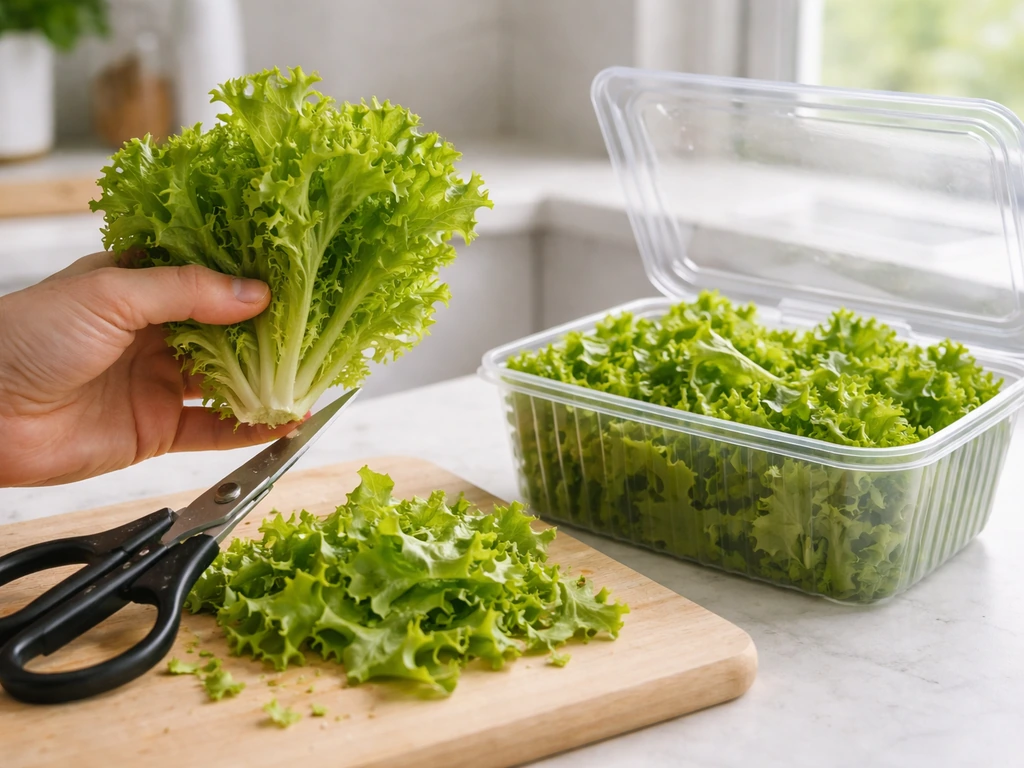
Loose-leaf lettuce can be harvested as soon as leaves are large enough to use (usually 3-4 inches for baby greens, 6+ inches for mature leaves). Use scissors or a sharp knife to cut outer leaves about an inch above the base of the plant, leaving the center growing point intact. The plant will continue producing new leaves. This cut-and-come-again approach can give you 3-4 harvests from a single plant over several weeks.
Butterhead and romaine heads are ready when they feel firm and have reached full size (typically 6-8 inches across for butterhead). You can harvest the whole head by cutting at the base, or remove outer leaves to extend the harvest. Once a head lettuce starts forming a pointed central tip and the leaves cup inward, harvest it soon because bolting follows quickly.
Harvest in the morning when leaves are crisp and cool from the night. Mid-afternoon harvesting in warm weather produces limp, less fresh greens. If you're harvesting in warm weather and can't use the lettuce immediately, drop it into cold water for 10-15 minutes after harvest to crisp it back up.
Storing Lettuce for Maximum Freshness
Lettuce stores best at 32-35°F with high humidity (ideally 98-100%). Your refrigerator's crisper drawer with the humidity setting on high is the right place. Don't wash lettuce before storing if you can help it. Excess moisture accelerates rot. Instead, wrap dry leaves loosely in a paper towel and store in a plastic bag or container with the bag slightly open. Stored this way, fresh lettuce keeps for 7-10 days. Avoid storing lettuce near ethylene-producing fruits like apples and bananas, which cause rapid yellowing and decay.
For the best possible results, harvest and eat lettuce within 2-3 days. Successive sowings every 10-14 days mean you're rarely storing much at once anyway, which is the best approach of all.
Quick Reference: Ohio Lettuce Growing Summary
| Factor | Target/Recommendation |
|---|---|
| Spring planting window | Late March to late April (direct sow); indoors 4-6 weeks earlier |
| Fall planting window | Late July to mid-August (direct sow or transplant) |
| Germination soil temp | 40-75°F (seeds dormant above 80°F) |
| Seed depth | 1/4 to 1/2 inch |
| Soil pH | 6.0 to 6.8 |
| Spacing (leaf types) | 4-6 inches; baby greens can be broadcast |
| Spacing (head types) | 8-12 inches in all directions |
| Water per week | ~1 inch; check daily for containers |
| Fertilizer | Half-strength balanced fertilizer every 3-4 weeks |
| Storage temperature | 32-35°F at high humidity (crisper drawer) |
| Indoor PPFD (grow lights) | 150-250 µmol/m²/s at canopy, 14-16 hrs/day |
Ohio is actually a really good state for lettuce, especially if you take advantage of both the spring and fall windows instead of just one. If you want the Texas version of this plan, focus on heat timing and pick bolt-resistant varieties that match your local conditions how to grow lettuce in texas. The challenges are manageable: time your plantings right, pick varieties matched to the season, and keep moisture consistent.
In Arizona, you’ll need to plan around hot summers and use shade, frequent watering, and heat-tolerant varieties to keep lettuce from bolting time your plantings right. If you’re wondering how to grow lettuce in Colorado, you’ll want to plan around the state’s cooler spring and fall weather windows and protect plants during warm spells. If bolting, pests, or a rough germination rate trips you up in your first season, you haven't failed at anything.
You've just collected information for the next planting, which is only a few weeks away.
FAQ
Can I direct sow lettuce in Ohio instead of starting seedlings?
Yes, but only if you manage a few variables. Direct sowing works better in Ohio when your soil is consistently in the 40°F to 75°F range, and you still need to keep the seedbed moist until germination. If you want to start earlier than late March, using floating row cover can help protect against cold snaps, but avoid leaving it on too long once temperatures rise into the upper 70s to prevent heat stress and moisture swings.
What should I check first if my lettuce seeds are not germinating in Ohio?
Use the soil surface as your guide. Let lettuce seeds germinate near the top, plant about 1/4 inch deep, and if you are getting no sprouts by day 10 to 14, check both soil temperature and depth before assuming seeds are bad. Also make sure you did not bake the seedbed with full sun during hot spells, because lettuce seeds can go dormant when soil temperatures exceed about 80°F.
Should I use row cover in spring, fall, or both in Ohio?
For spring, row cover helps most when you still have cool nights, because it slows cold injury and gives earlier access to planting dates. For fall, it is mainly about extending the season past the first frost, where cold frames often outperform row cover during prolonged chilly weather. If you see aphids or other pests, still vent on warmer days, and inspect under the fabric when temperatures are mild enough for pests to thrive.
My lettuce bolted sooner than expected. What can I do next time in Ohio?
If your lettuce is bolting early, harvesting right away is the only immediate salvage. Then adjust three things for the next batch: shift planting earlier in spring (before late April in most of Ohio), start fall successions early enough that heads are mostly mature by late September, and choose varieties labeled slow bolt or heat tolerant. Even with resistant varieties, expect bolting once days are long and heat arrives, the goal is to harvest before the plant commits to flowering.
Do I need to thin lettuce seedlings in Ohio, or can I keep them crowded?
Broadcasting is fine only for loose-leaf baby greens cut at small sizes. If you are growing cut-and-come-again leaf lettuce, you still need thinning to avoid overcrowding, which increases disease risk and accelerates bolting. For butterhead and romaine heading types, stick to the wider spacing targets (roughly 8 to 12 inches between plants) so air can move through the canopy.
How do I prevent bitter leaves and tip burn in Ohio lettuce?
Yes, and it is often worth it in Ohio because uneven moisture is a common reason for tip burn and bitter leaves. Aim to keep the top few inches consistently moist, not wet then dry. Mulching with about 2 inches of straw or shredded leaves stabilizes soil temperature and reduces watering swings, which also helps slow bolting.
Is raised-bed lettuce actually better than planting in the ground in Ohio?
Growing lettuce in raised beds can be easier than in-ground beds if your soil is heavy clay, because raised beds warm and drain faster and are simpler to cover. However, the real advantage is consistency, you still need a loose, well-draining mix, and compost incorporation matters in both systems. If you use a bed that dries too quickly, you may need more frequent shallow watering during germination.
Can I grow lettuce in containers on a patio or balcony in Ohio, and how do I manage watering?
Absolutely. Container lettuce is a practical solution for gardeners who cannot time plantings perfectly or who want to protect against sudden cold or heat waves. Use wide, shallow pots or planters, keep them consistently moist during warm weather, and remember containers can require daily checks during Ohio summer stretches. The ability to move the containers into afternoon shade during late spring is often what prevents early bolting.
What are the most common indoor or hydroponic mistakes when growing lettuce in Ohio?
Hydroponics can work well in Ohio, but treat it as a temperature and nutrient management job, not a set-and-forget project. Keep indoor temperatures roughly in the 60 to 70°F range, avoid overly warm reservoirs, and watch electrical conductivity, higher EC increases the risk of tip burn. If you see uneven growth, check light uniformity across the whole plant area, corners often get less light than the center.
How should I store lettuce I grow in Ohio so it lasts longer?
You usually should wash right before you eat, not right after harvest, because excess moisture speeds up rot. If you harvest in the morning, you can often store unwashed leaves wrapped loosely with a slightly protected paper towel inside a plastic bag. For leafy lettuce, keep the humidity high, and store near 32 to 35°F when possible.