You can absolutely grow lettuce in Texas, but timing is everything. Colorado has similar challenges because lettuce is a cool-season crop, so use Colorado-friendly planting windows and provide protection during any warm spells grow lettuce in Colorado. Lettuce thrives here in two windows: late winter through early spring (roughly February 1 to April 1) and fall (September through mid-October).
How to Grow Lettuce in Texas: Planting Timeline and Steps
Marcus Holloway
11 May 2026
If you are wondering how to grow lettuce in Michigan, the biggest keys are using cool-season planting dates, keeping temperatures in check, and maintaining consistent soil moisture. If you are wondering how to grow lettuce in Ohio, focus on the same cool-season idea and use spring and fall planting windows matched to your local temperatures.
If you are trying to grow lettuce in Utah, focus on the same cool-season timing and temperature control, then adjust dates to match Utah’s local spring and fall conditions. If you want a Utah-specific plan, focus your planting on Utah’s cool spring and fall windows and protect seedlings from sudden temperature swings grow lettuce in Utah. The brutal Texas summer is not lettuce season, full stop. Nail those cool-season windows and you will pull harvests before the heat ever becomes a problem. Miss them and you are racing against a clock you cannot win.
Can you grow lettuce in Texas (and why heat matters)
Lettuce is a cool-season crop. It germinates best when soil temperatures sit between 40 and 75 degrees Fahrenheit, and it grows fastest when air temps stay in the 60s. Once daytime temperatures push past 80 degrees consistently, lettuce shifts into survival mode. The leaves get tough, flavor turns bitter, and the plant rushes to bolt (send up a flower stalk) so it can set seed before dying. Once bolting starts, you cannot reverse it. The plant is done as a food crop.
Texas summers make this a real constraint. Depending on where you are in the state, summer highs can run 95 to 105 degrees for weeks at a stretch. That is why drought, heat stress, and water limitations have historically made warm-season lettuce production nearly impossible even for commercial growers in regions like Southwest Texas. For home gardeners, the playbook is simple: grow in cool months, protect plants at the edges of those windows, and do not fight the summer. Gardeners who try to push lettuce through a Texas July almost always end up disappointed.
The good news is that Texas winters are mild enough in most of the state that lettuce can survive light frosts, and fall-planted lettuce can even be harvested through December and into January with minimal protection. That makes Texas actually quite good for lettuce if you work with the calendar instead of against it. If you are specifically trying to grow lettuce in Oklahoma, the timing and temperature rules are the same, but your exact planting dates may shift with your local frost patterns.
When to plant lettuce in Texas
The statewide rule of thumb from Texas A&M AgriLife is: spring planting from February 1 through April 1, and fall planting from September 15 through October 15. Those are your target windows for most of Texas. For North Central Texas specifically (the Dallas-Fort Worth area and surrounding counties), the Rockwall County Master Gardener planting guide tightens the spring window to February 1 through March 31 and shifts the fall window slightly earlier to September 1 through September 30. That earlier fall cutoff makes sense because North Texas can get hard freezes earlier than South Texas, and you want the plants established before temps drop below 28 degrees for extended periods.
East Texas follows a different regional calendar because of its humidity and somewhat milder winters. AgriLife's East Texas planting guide lists fall lettuce starting around July 15 and spring lettuce starting around March 1, reflecting a longer mild season than the rest of the state. South Texas gardeners can push the fall window a bit later (into November in some years) and can start spring planting as early as mid-January. If you are gardening in Central Texas (Austin area), the statewide AgriLife dates are a solid starting point.
| Region | Spring Planting | Fall Planting |
|---|---|---|
| North Central Texas (DFW area) | Feb 1 – Mar 31 | Sep 1 – Sep 30 |
| Central Texas (Austin area) | Feb 1 – Apr 1 | Sep 15 – Oct 15 |
| East Texas | Mar 1 and later | Jul 15 and later |
| South Texas | Jan 15 – Mar 1 | Oct 1 – Nov 1 |
One practical note on timing: these dates assume you are direct sowing seeds or setting out transplants into the ground. If you are starting from seed indoors before transplanting, back up your seed-starting date by about four weeks. For a North Texas spring planting in February, that means starting seeds indoors in early January.
Choosing the right lettuce varieties for Texas seasons
Not all lettuce handles Texas conditions equally. For fall and winter growing, when you want plants that can handle light frosts and slower cool-season growth, Texas A&M AgriLife specifically recommends looseleaf varieties like Red Sails and Salad Bowl, and romaine types like Paris Island and Winter Density. These varieties are well-suited to Texas fall conditions. Winter Density is particularly tough and earns its name.
For spring planting, where you need varieties that stay productive as long as possible before bolting in the warming weather, focus on bolt-resistant selections. Burpee’s lettuce variety pages include cultivation notes and days to maturity, which can help you pick bolt-resistant, quickly maturing types for Texas bolt-resistant and fast-maturing lettuce varieties. Looseleaf types bolt later than head lettuces in general, which is why they tend to dominate Texas spring gardens. Varieties bred specifically for slow bolting give you a noticeably longer harvest window. Butterhead types like Buttercrunch also hold up reasonably well in spring. Crisphead (iceberg-style) lettuces are the most heat-sensitive and are genuinely the hardest to succeed with in Texas, especially in spring.
- Looseleaf (Red Sails, Salad Bowl, Black Seeded Simpson): Best all-around choices for Texas. Harvest outer leaves as you go, bolt-resistant, and fast to mature.
- Romaine (Paris Island, Winter Density): Excellent for fall and winter. Slower to mature but flavorful and frost-tolerant.
- Butterhead (Buttercrunch, Tom Thumb): Good spring option; handles mild warmth better than crisphead types.
- Crisphead (Iceberg): Hardest to grow in Texas. Requires the longest cool period; best left to experienced growers with ideal fall conditions.
- Mesclun/salad mixes: Great for beginners because they include multiple looseleaf types and you get a harvest within 40 to 50 days.
Outdoor and container setup
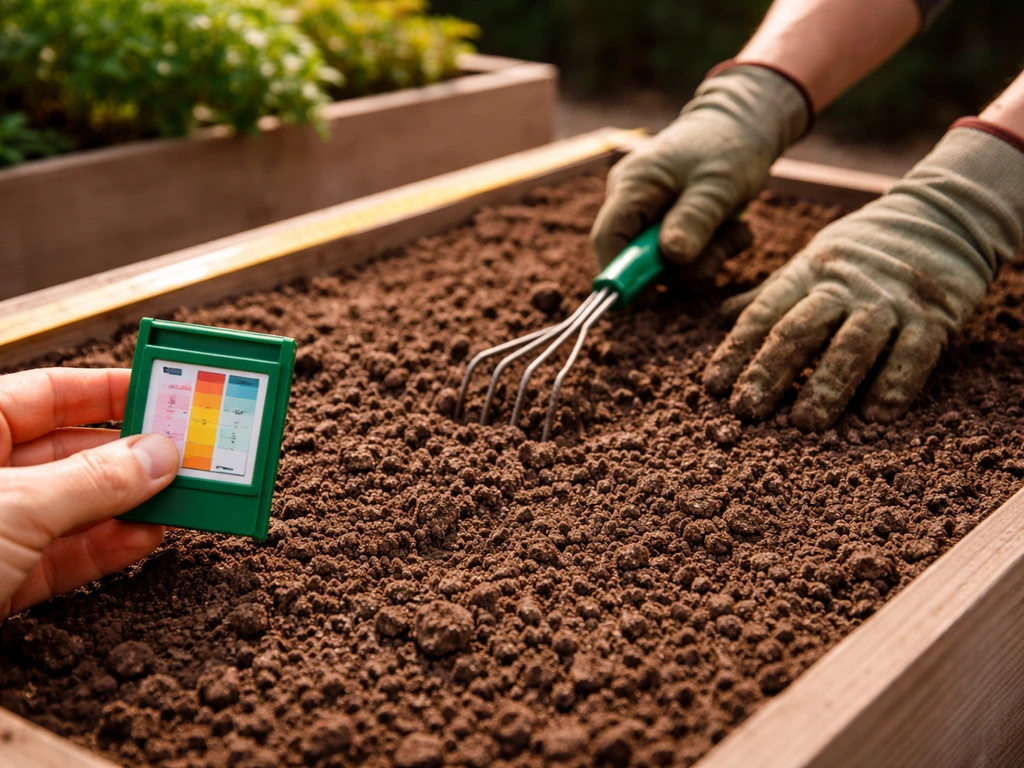
Soil preparation
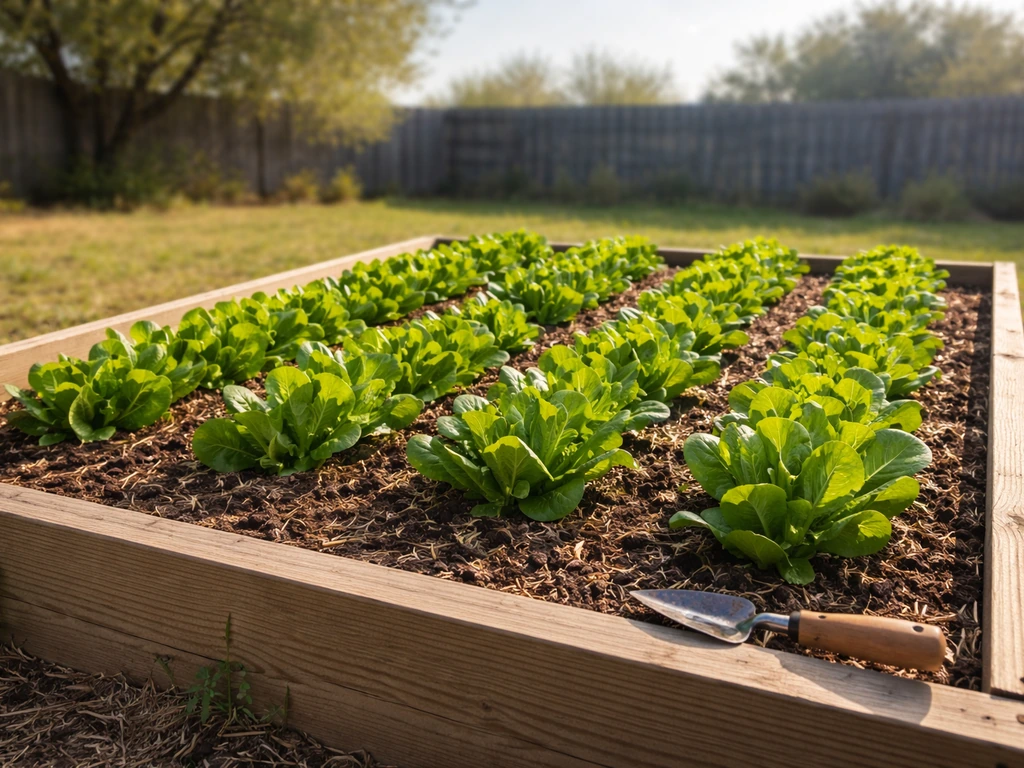
Lettuce does best in loose, well-draining soil with a pH between 6.0 and 7.0. Below pH 6.0, lettuce struggles and you may need to add lime to bring the pH up. Raised beds are the ideal setup for Texas lettuce because they drain well, warm up faster in late winter, and reduce soil compaction during germination. If you are working with native Texas clay or heavy soil, amend it generously with compost before planting. A raised bed filled with a quality mix of topsoil, compost, and a small amount of coarse sand will outperform untreated native soil every time.
Spacing
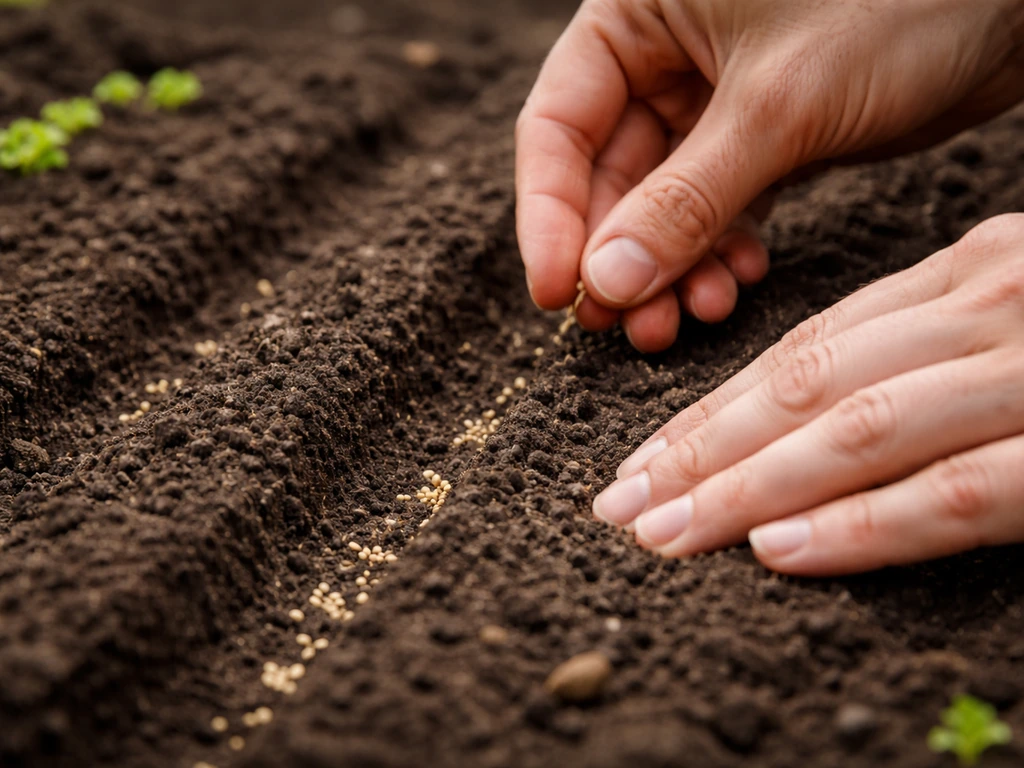
The AgriLife planting guide recommends rows spaced 12 to 24 inches apart, with individual plants spaced 2 to 3 inches apart within the row. If you are doing a more intensive raised bed or container planting rather than rows, aim for about 6 to 8 inches between plants at final spacing for looseleaf types. You can start seeds closer (1 inch apart) and thin as they grow, eating the thinnings as baby greens.
Seeds vs transplants
Both approaches work well for Texas lettuce. Direct sowing is simple and cheap: sprinkle seeds thinly across moist soil, press them lightly in (they need light to germinate, so do not bury them more than 1/8 inch deep), and keep the surface consistently moist until seedlings emerge in 7 to 14 days. Transplants give you a head start and are especially useful for the spring window when you are trying to maximize weeks before it warms up. Set transplants out when they have 3 to 4 true leaves, and water them in well.
Container growing outdoors
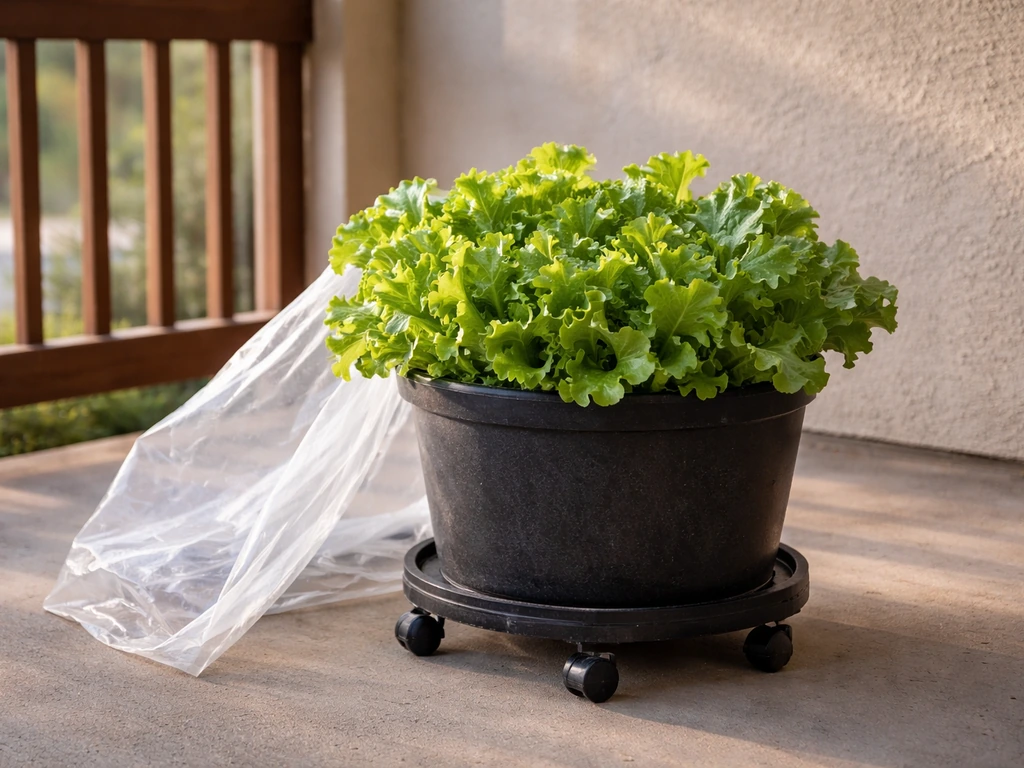
Containers are a strong option in Texas specifically because you can move them. When a late cold snap rolls through North Texas in March, you drag the pot inside overnight. When April warms up faster than expected, you move the container to a shadier spot. Use containers that are at least 8 inches deep and have good drainage holes. A standard 12-inch pot will support two to three looseleaf plants comfortably. Fill with a high-quality potting mix, not garden soil, which compacts badly in pots.
Light, temperature, and watering to prevent bolting and bitterness
Lettuce wants full sun in cool weather, which in Texas means you should give it a spot that gets six or more hours of direct sun during the fall and winter months. If you want a location-specific plan for Ohio, follow this guide on how to grow lettuce in ohio for timing and temperature targets that match your local season. In late spring (March into April), partial afternoon shade starts to become your friend. Anything that blocks the hot western afternoon sun will slow bolting and keep leaves sweeter longer. A shade cloth rated at 30 to 40 percent is a practical investment for Texas spring lettuce gardeners.
Temperature is the single biggest driver of lettuce success or failure in Texas. Ideal growth happens between 60 and 70 degrees Fahrenheit. blank" rel="noopener noreferrer">When temperatures climb consistently above 80 degrees, growth slows and leaves toughen. Heat makes leaves tough and bitter as the plant bolts. Once you see a central stalk starting to elongate from the center of the plant, bolting has begun and the flavor is already deteriorating. You can harvest whatever leaves are still usable at that point, but the plant is finished.
Watering is critical and needs to be consistent. Lettuce has a shallow root system, so it dries out faster than deeper-rooted crops. In cool weather, watering once or twice per week is usually enough if your soil holds moisture reasonably well. As temperatures rise in spring, you may need to water every other day or even daily for containers. The goal is to keep the soil evenly moist but not waterlogged. Dry spells followed by over-watering cause tip burn (brown leaf edges) and can stress plants into bolting faster. Water at the base of the plant when possible to keep leaves dry and reduce disease pressure.
Feeding and day-to-day care
Fertilizing
Lettuce is a light feeder compared to fruiting crops like tomatoes, but it does benefit from nitrogen to support fast leafy growth. Work a balanced granular vegetable fertilizer into the soil before planting, following the package rate. About three weeks after seedlings emerge (or after transplants establish), a liquid nitrogen-focused fertilizer (like fish emulsion or a diluted balanced fertilizer) applied every two to three weeks keeps leaves lush and growing. In containers, because nutrients leach out with every watering, feed more consistently, roughly every two weeks.
Thinning
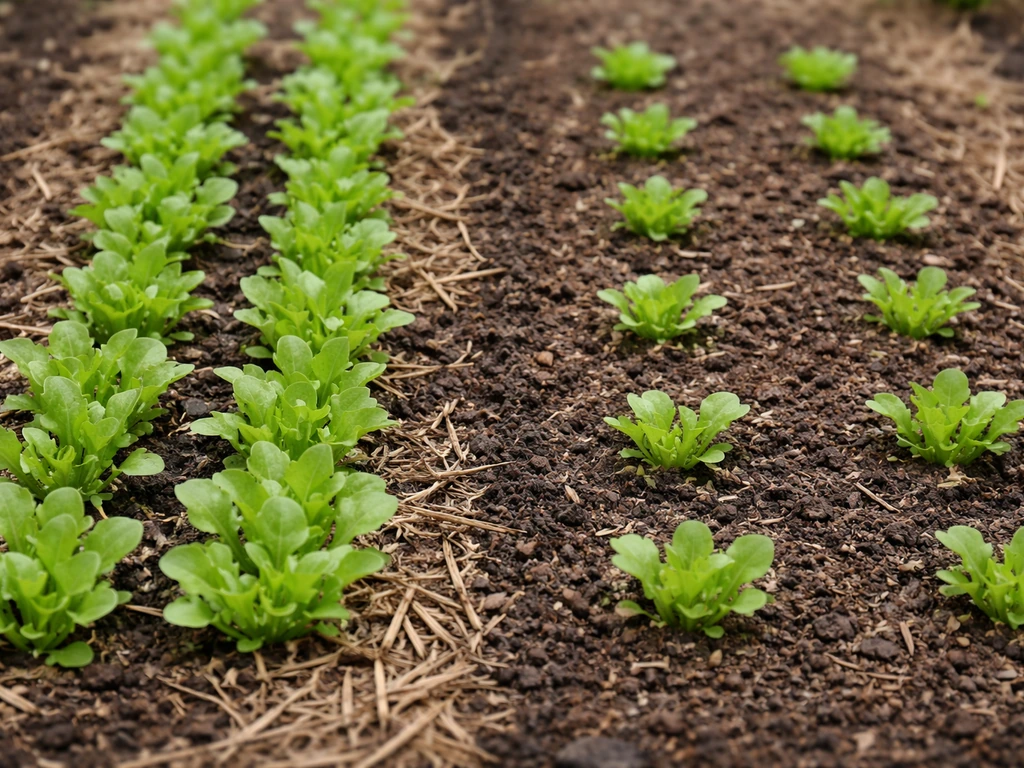
If you direct seeded, thinning is not optional. Overcrowded seedlings compete for water and nutrients and are more prone to disease. When seedlings reach about 2 inches tall, thin to roughly 2 to 3 inches apart. When they are 4 to 5 inches tall, thin again to your final spacing of 6 to 8 inches for looseleaf types. Use scissors to snip thinned seedlings at soil level rather than pulling them, which disturbs nearby roots. Eat the thinnings as micro-greens or baby salad leaves.
Mulching and weeding
A 2-inch layer of straw, shredded leaves, or wood chip mulch around lettuce plants does three useful things in Texas: it keeps soil moisture from evaporating, moderates soil temperature as spring heats up, and suppresses the weeds that compete aggressively with shallow-rooted lettuce. Apply mulch after thinning and keep it pulled back slightly from the base of each plant to discourage rot and slug activity. Weed consistently while plants are young, because weeds are much harder to remove once lettuce fills in and you risk disturbing roots.
Troubleshooting problems
Germination problems
If seeds are not germinating, the most common causes in Texas are soil that is too dry (lettuce seeds need consistently moist surface conditions) or soil that is too warm. Lettuce has poor germination above 80 degrees Fahrenheit. For spring planting pushing toward April, try chilling your seeds in a damp paper towel in the refrigerator for two to three days before sowing. This primes them for better germination when conditions are marginal. Also confirm you are not burying seeds too deep; they need light to germinate and should be barely covered.
Bolting
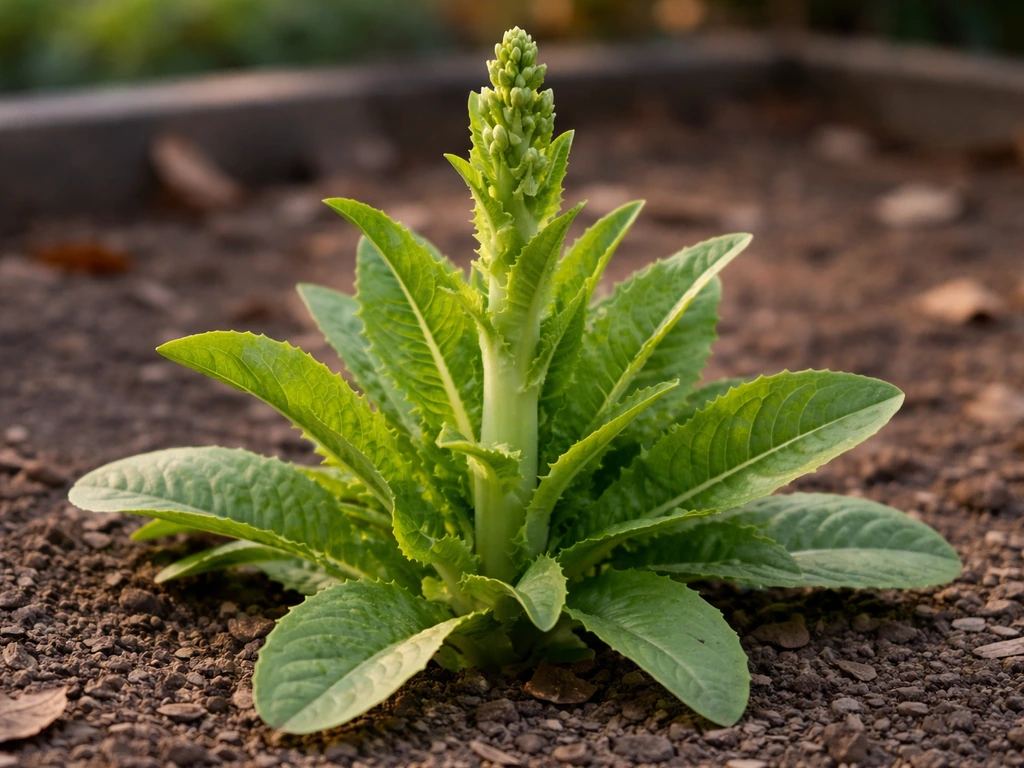
Once bolting starts (you will see the center of the plant pushing up a thick stalk and the leaves becoming more elongated and pointed), it cannot be stopped or reversed. Your options are: harvest every usable leaf immediately, pull the plant, and either replant a fast-maturing looseleaf variety if there are still cool weeks left, or accept that the season is over and plan for fall. Choosing bolt-resistant varieties and providing afternoon shade during late spring are your best preventive tools.
Pests
Aphids are the most common lettuce pest in Texas gardens. Check the undersides of leaves regularly. A strong spray of water knocks them off, and insecticidal soap is effective if populations build up. Cabbage loopers and other caterpillars can chew large holes in leaves; handpick them in the evening or use Bacillus thuringiensis (Bt), which is safe for edible crops. Slugs and snails are especially active in fall when soil moisture is higher; set out beer traps or use iron phosphate bait around the base of plants.
Diseases
Two diseases to know for Texas lettuce are downy mildew and Sclerotinia drop. Downy mildew (caused by Bremia lactucae) shows up as yellowish or light-green patches on the upper surface of leaves, sometimes with a grayish fuzzy growth on the underside. It spreads in cool, humid conditions and can infect seedlings as young as the cotyledon stage. Improve air circulation by thinning properly, avoid overhead watering in the evening, and remove affected leaves promptly. Sclerotinia drop infects the stem near soil level, causing the plant to collapse. It is most common in wet conditions. The best prevention is to avoid overwatering, keep mulch away from the stem base, and rotate where you plant lettuce each season.
Bitter or tough leaves
Bitterness is almost always a heat or water stress signal. South Dakota State University Extension notes that many lettuce varieties may bolt when temperatures reach about 80°F, and once lettuce starts bolting it can become too bitter to eat bitterness is almost always a heat or water stress signal. If your leaves are bitter and you are still within your planting window, check that you are watering consistently and providing afternoon shade. If temperatures have already pushed into the 80s, bitterness is a sign the plant is beginning its end-of-season decline. Harvest what you can and plan for fall. Consistent moisture and cool temperatures are the two biggest factors in keeping lettuce mild and tender.
Indoor container and hydroponic options for Texas gardeners
If you are in an apartment, have limited outdoor space, or simply want to grow lettuce year-round without fighting the Texas summer, indoor growing is genuinely practical for lettuce. It is one of the easiest crops to grow indoors because it does not need pollination, stays compact, and thrives under grow lights.
For indoor container growing, a pot that is 6 to 8 inches deep is plenty for looseleaf varieties. Place it under a full-spectrum LED grow light positioned 4 to 6 inches above the top of the plants and run the light for 14 to 16 hours per day. Keep the room temperature between 60 and 70 degrees. In Texas, air-conditioned interiors during summer actually provide near-ideal lettuce conditions. Water when the top inch of soil feels dry. Feed every two weeks with a balanced liquid fertilizer at half strength.
For hydroponic growing, lettuce is one of the best beginner crops. Simple systems like Kratky (a passive no-pump method) or basic NFT (nutrient film technique) setups work well. Target an EC (electrical conductivity) of 1.2 to 1.8 and a pH of 6.0 to 7.0 in your nutrient solution. These are well-established targets for hydroponic lettuce. Looseleaf varieties like Black Seeded Simpson and butterhead types like Buttercrunch are popular hydroponic choices because of their fast growth rates and compact size. From transplanting a seedling into a hydroponic system to first harvest typically takes 30 to 45 days for looseleaf types under good light.
The indoor route is particularly worth considering for Texas gardeners who want fresh greens in July and August when outdoor growing is simply not viable. Running a small Kratky setup on a countertop or under a shelf during summer, and shifting to outdoor or container growing in fall and spring, means you can have lettuce available almost continuously throughout the year.
Gardeners in similarly warm-climate states like Florida, Arizona, and Southern California often use the same combination of cool-season outdoor windows plus summer indoor growing for exactly this reason. Southern California has similar cool-season growing windows, but you will need to time planting around local coastal temperatures and heat spikes.
If you are specifically asking how to grow lettuce in Florida, the key is matching those cool-season windows and using shade or indoor growing when summer heat pushes temperatures up Florida, Arizona, and Southern California.
Your Texas lettuce game plan at a glance
- Choose your window: Spring (February to early April) or fall (September to mid-October). North Texas: start spring by Feb 1 and fall by Sep 1.
- Pick the right variety: Looseleaf or romaine for best results. Red Sails, Salad Bowl, Paris Island, and Winter Density are proven Texas performers.
- Prep your soil or container: pH 6.0 to 7.0, loose and well-draining. Raised beds are ideal outdoors; 8-inch-deep pots work well on a patio.
- Plant seeds or transplants: Barely cover seeds (1/8 inch). For spring, start transplants indoors 4 weeks before your outdoor date.
- Water consistently: Keep soil evenly moist, water at the base, and never let it fully dry out.
- Thin seedlings: Final spacing of 6 to 8 inches for looseleaf. Eat the thinnings.
- Mulch and protect: 2-inch straw mulch conserves moisture and moderates soil temperature. Add shade cloth in late spring.
- Feed lightly: Balanced fertilizer at planting, then liquid nitrogen fertilizer every two to three weeks.
- Watch for pests and disease: Check for aphids, loopers, downy mildew, and Sclerotinia drop. Act early.
- Harvest before bolt: Begin harvesting outer leaves at 30 to 50 days for looseleaf. Pull the whole crop at the first sign of bolting.
FAQ
How do I prevent lettuce from turning bitter in Texas?
In Texas, the most reliable “no-bitter” rule is to keep lettuce growing through cool conditions and harvest early. If your plants reach April heat (or any week consistently near or above 80°F), the flavor will deteriorate quickly even if you water. Start checking leaf taste about a week before the first sustained warm period, and harvest outer leaves more frequently so the plant is not forced to keep pushing during stressful weather.
What should I do if my lettuce starts bolting in Texas?
If you miss the planting window and everything bolts, do not expect a late “revival.” Bolting changes the plant’s growth chemistry and you cannot reverse it. Your best option is to immediately remove the bolted plants, then replant with a fast looseleaf variety during the next cool period (often fall). If you still have small cool weeks left, choose varieties described as slow-bolting to extend what you can harvest.
How do I choose fall planting dates if I do not know my first frost timing?
For North Texas, the safest way to time a fall planting is to count backward from your first average hard freeze and aim to have the plants established before cold sets in. That means you are not only picking dates, you are also ensuring seedlings have been thinned and are actively growing. A practical target is setting transplants at least a few weeks before nights drop near the high 20s for extended stretches.
Can I direct sow lettuce seeds in containers in Texas?
Yes, but only if you can control heat and moisture. Lettuce can be grown from seed in containers as long as you keep the surface consistently moist, because seeds do not germinate well above 80°F. In spring, containers often overheat on patios, so move them to morning sun plus afternoon shade, and consider a 30 to 40 percent shade cloth when temperatures start climbing.
How much fertilizer should I use for lettuce in Texas, and how often?
The most common fertilizer mistake is feeding too strong too early or too rarely. Lettuce needs nitrogen, but overfeeding can increase soft, disease-prone growth. If using liquid fertilizer, follow the stated rate and keep the schedule steady, especially in pots where nutrients leach. If growth looks pale, increase the next feeding slightly rather than dumping a large amount at once.
Is it better to water lettuce from above or at the soil level in Texas?
Overhead watering is a frequent cause of downy mildew and other leaf problems in humid stretches. If you must water from above, do it early in the day so leaves dry quickly, and avoid frequent evening watering. For best results, water at the base and keep mulch pulled slightly back from the stem so collars do not stay constantly wet.
What is the quickest way to know if my soil pH is right for lettuce?
A simple way to check if your soil pH is in range is to use a soil test before planting, then adjust based on the result rather than guessing. If pH is below 6.0, lime can help but it is not an instant fix, so apply it ahead of time when possible. Also note that container mixes usually start near target pH, so you may need less amendment there.
How do I avoid tip burn and leaf edge problems in Texas lettuce?
Lettuce is shallow-rooted, so irregular moisture often shows up as tip burn (brown leaf edges) and bitter flavor. Instead of waiting for plants to wilt, use a finger test and water when the top inch of soil dries. For containers in Texas spring, that often means very frequent checks during warm spells, sometimes daily.
Will shade cloth help lettuce in Texas, and what percent should I choose?
Yes, and it is particularly helpful for Texas spring because it limits bolting stress. Use shade strategically, not permanently, meaning morning or early-day sun plus afternoon protection usually works best. If you notice plants staying too wet or getting pale, reduce shade slightly and ensure airflow so you do not trade heat stress for disease.
Does refrigerating lettuce seeds really work in Texas, and when should I do it?
Seed chilling can help when conditions are marginal, but it is not a cure for planting into hot soil. If your soil surface is above 80°F, germination will still be poor even with primed seed. The best approach is to wait for cooler soil conditions, pre-moisten the bed, and keep the seed surface lightly moist until emergence.
How can I prevent downy mildew and Sclerotinia drop from coming back each season?
If you are repeatedly losing lettuce to diseases, rotate your planting location and also clean up volunteers. Do not plant lettuce or other related greens in the same bed year after year, and avoid stepping on or handling wet plants, since that can spread spores. In addition, thin on time for airflow and remove badly infected leaves early rather than waiting for the whole plant to fail.
What is the best harvesting method for lettuce in Texas?
You can harvest lettuce multiple times, but how you do it changes success. For looseleaf types, cut or pick outer leaves, leaving the center growing point intact so you can get regrowth. For head-forming types, once the plant starts bolting, leaf quality falls fast, so prioritize whole-plant harvest timing and switch to looseleaf varieties for longer Texas cycles.