You can grow excellent lettuce in Oklahoma, but timing is everything. To tailor those tips to your own backyard, you’ll also want to plan around Ohio’s specific frost dates and typical temperatures grow excellent lettuce. If you are in Utah instead, the same core lettuce ideas still apply, but you will need to plan around Utah’s colder winters and shorter spring and fall growing windows, too grow excellent lettuce in Oklahoma. The same basics apply when you're wondering how to grow lettuce in Florida, but you'll need extra attention to heat, shade, and planting timing grow excellent lettuce in Oklahoma. The state's climate gives you two solid windows: a spring season from late February through mid-May, and a fall season from mid-August through November. If you want to grow lettuce in Michigan, use Michigan's cooler seasons and frost dates to plan your spring and fall plantings so the plants avoid bolting heat how to grow lettuce in michigan. Summer is a write-off for outdoor lettuce unless you're willing to rig up serious shade. Work within those windows, pick heat-tolerant or bolt-resistant varieties, and you'll have more salad than you know what to do with.
How to Grow Lettuce in Oklahoma: Step-by-Step Guide
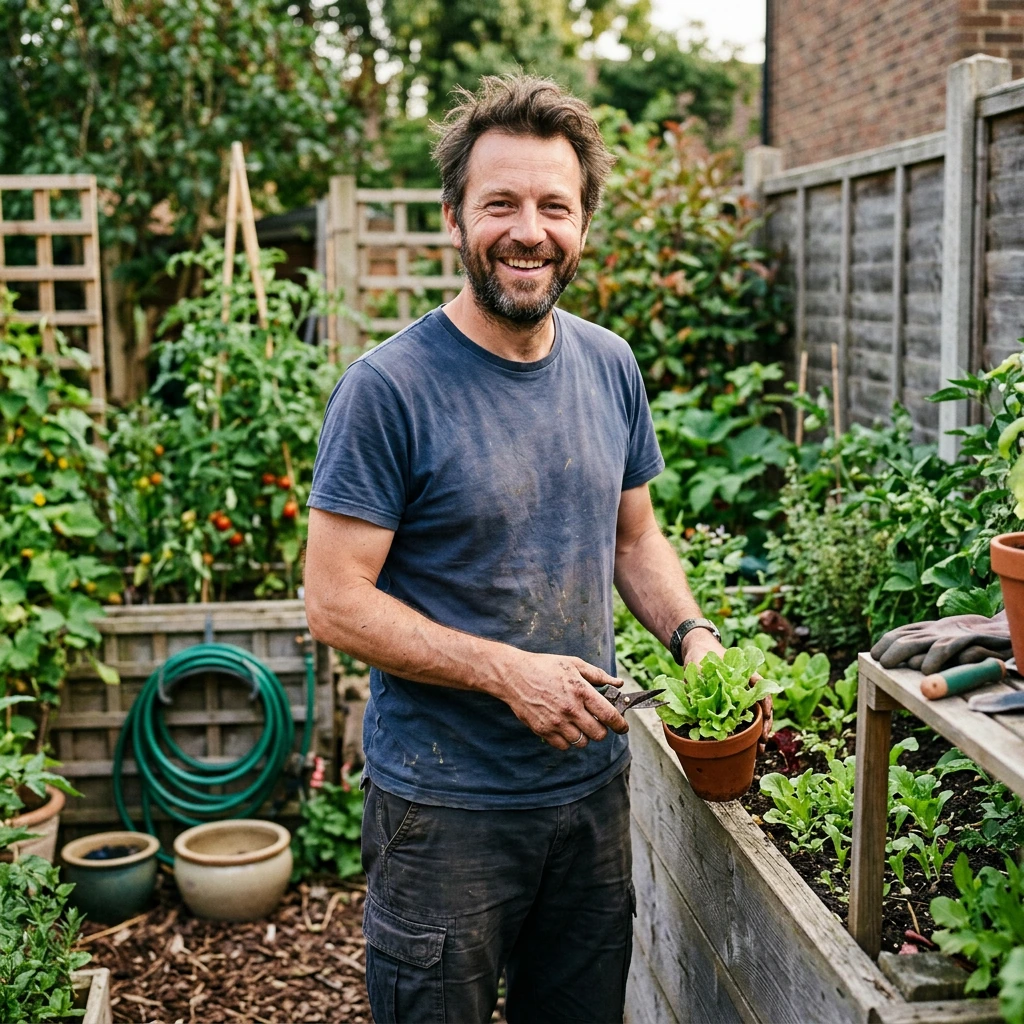
Oklahoma lettuce basics: seasons, varieties, and where to grow
Oklahoma City's last spring frost lands around April 3 and the first fall frost hits around November 3. Tulsa runs nearly identical: last spring frost April 4, first fall frost November 1. Lettuce tolerates light freezes, so you can actually start earlier than those dates suggest. I push transplants outside in late February or early March under row covers without losing sleep over it. The problem isn't late frost; it's the other end. Oklahoma springs warm up fast. If you plant too late in spring, you're racing against 80-degree days that trigger bolting before you get a decent harvest.
For fall, timing works backward from your first frost date. Count back 45 to 60 days depending on variety and you're looking at mid-August to early September for direct sowing. The challenge in fall is that you're starting seeds in hot soil, which suppresses germination. More on that fix in the planting section.
Varieties that actually work in Oklahoma
OSU Extension publishes a state-specific list of vegetable varieties suited to Oklahoma conditions, and the theme for lettuce is clear: go for bolt resistance and loose-leaf types for spring, and you'll have far more success than you would planting a slow-heading crisphead like iceberg. Leaf lettuce is also more shade-tolerant than head types, which matters when you're trying to squeeze extra weeks out of a warming spring.
| Type | Good Oklahoma Varieties | Best Season | Notes |
|---|---|---|---|
| Leaf lettuce | Black Seeded Simpson, Salad Bowl, Red Sails | Spring and fall | Fastest to harvest, most bolt-tolerant, cut-and-come-again |
| Butterhead | Buttercrunch, Tom Thumb | Spring and fall | Slower than leaf but handles mild heat better than crisphead |
| Romaine/cos | Parris Island Cos, Little Gem | Spring and fall | Upright growth; slightly more heat-tolerant than butterhead |
| Crisphead | Iceberg types | Fall only | Too slow for spring in OK; bolt risk is high; better suited to fall |
For spring, Black Seeded Simpson and Salad Bowl are my go-to picks. They're fast (around 45 days), regrow well after cutting, and they don't immediately bolt the moment the temperature nudges past 75. For fall, you have more flexibility since the season is lengthening rather than shortening and heat is declining, so butterheads and romaines are both reasonable choices.
Beds vs. containers: which one to pick
Both work well in Oklahoma, but containers have one big advantage: mobility. When a heat wave rolls in during April, you can move a pot to a shaded spot or carry it indoors. In-ground beds warm up faster in spring (good for early starts) but also retain heat longer heading into summer (bad for bolting). If you're gardening on a patio or have limited space, a 12-inch-deep container or a window box is plenty for leaf lettuce. Raised beds with at least 6 inches of amended soil are the best outdoor option because they drain well and warm up faster than clay-heavy Oklahoma soil.
Setting up your site for Oklahoma conditions
Lettuce wants full sun in early spring and fall, but some afternoon shade becomes an asset by late April. If you're planting in a spot that gets direct western sun from 2 p.m. onward, that late-afternoon heat will shorten your spring season noticeably. Ideally, choose a spot with 6 hours of morning sun and light afternoon shade, or plan to add shade cloth later.
Oklahoma's native soils vary widely. In eastern Oklahoma you're often dealing with clay-heavy, acidic soil. In the western half, soils tend to be sandier with lower organic matter. Neither is ideal straight out of the ground for lettuce. Before planting, work in 2 to 3 inches of compost into the top 6 to 8 inches of your bed. Lettuce roots are shallow, so you don't need to go deeper than that. Aim for a soil pH between 6.0 and 7.0. Most Oklahoma soils are either right in range or slightly acidic, so a basic soil test from OSU Extension is worth doing if you've never grown vegetables in your plot before.
For containers, skip native soil entirely. Use a quality potting mix with good drainage. Lettuce doesn't like waterlogged roots, and standard garden soil compacts quickly in containers and stays too wet. A mix with perlite added (about 20% by volume) gives you the drainage lettuce wants, especially during Oklahoma's spring rain events.
How to plant lettuce in Oklahoma
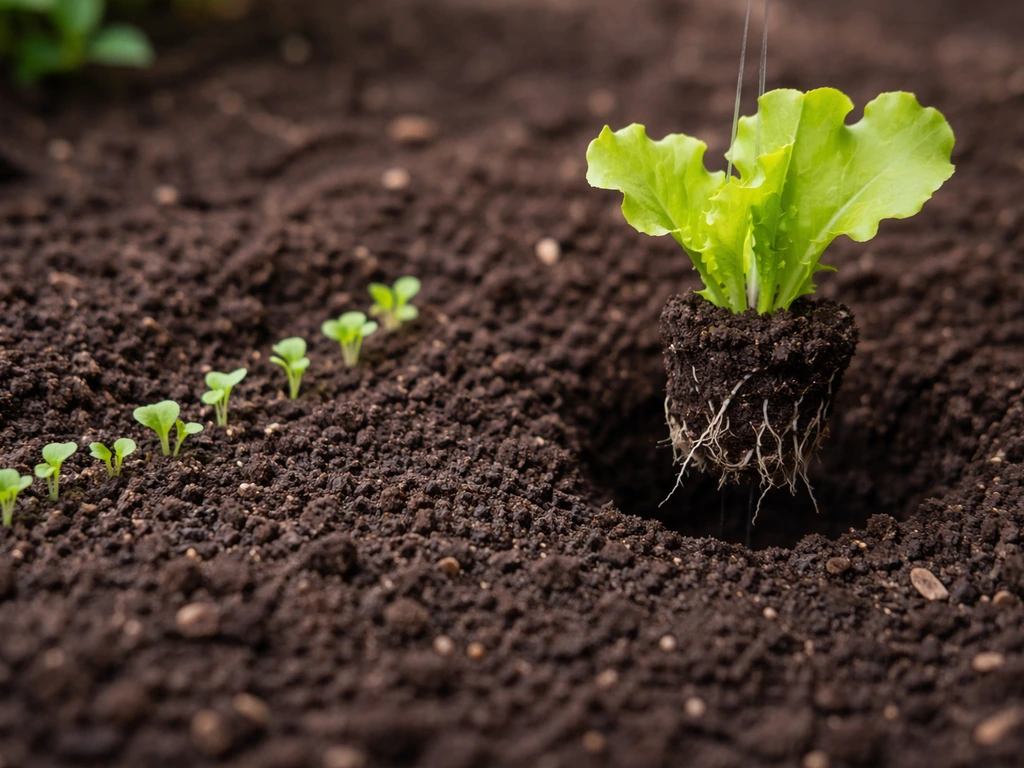
Seeds vs. transplants
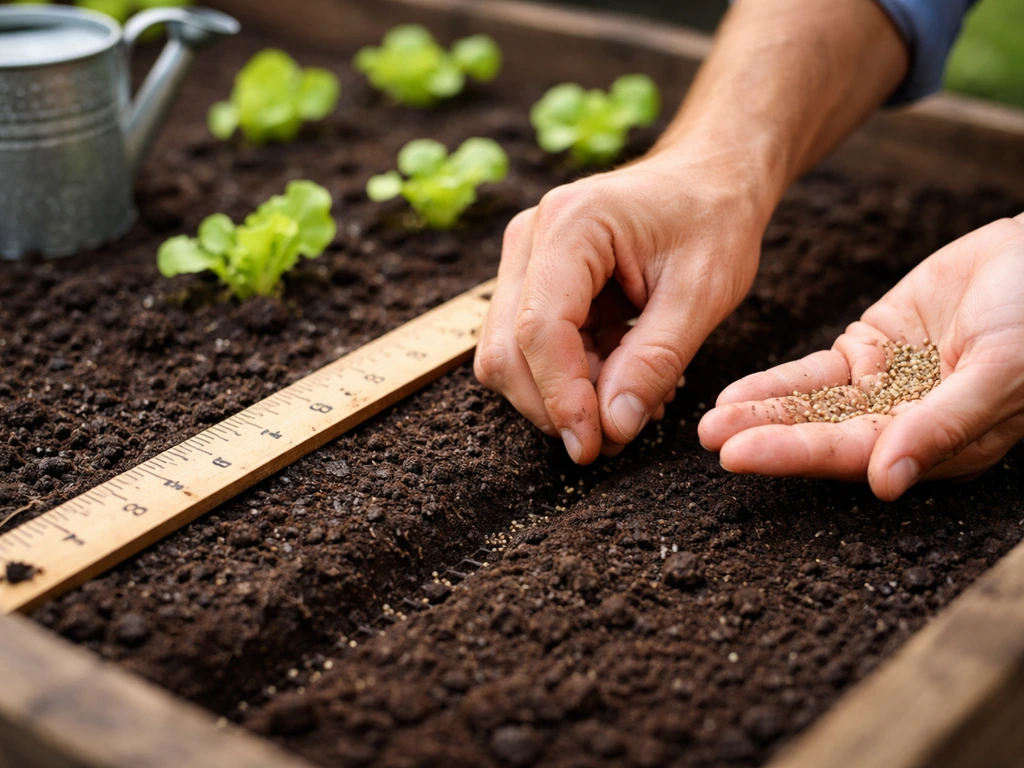
For spring, transplants give you a 3 to 4 week head start and are your best bet if you're trying to squeeze the most out of Oklahoma's short cool window. Start seeds indoors under lights 4 to 6 weeks before your target outdoor transplant date. That means starting indoors in late January or early February for a late-February to early-March outdoor transplant. Lettuce seed needs light to germinate well, so don't bury it. Press seeds lightly onto moist seed-starting mix, barely cover with a thin layer of vermiculite, and keep the flat under grow lights. Germination happens in 7 to 14 days at 65 to 70 degrees.
For fall planting, direct sowing works fine, but the soil is often still warm in August, which can suppress germination. OSU Extension also notes that cool-season crops like lettuce can get a good start when days cool and that fall planting can succeed with proper timing. OSU Extension specifically recommends keeping the seeded flat cool to maximize germination in warm weather. If you're direct sowing outside, water the bed well in the evening to cool the soil, sow shallowly, and cover with a light layer of burlap or row cover to keep moisture in and reduce soil temperature. Check daily and remove the cover once you see sprouts.
Spacing and depth
Direct-sow seeds at about 1/8 inch deep, no deeper. Thin leaf lettuce seedlings to 4 to 6 inches apart for cut-and-come-again harvesting, or 8 to 10 inches apart if you want full heads. Transplants go in at the same final spacing. In containers, you can push plants closer together since you're harvesting young leaves frequently. For a 12-inch pot, three to four leaf lettuce plants work well planted in a circle around the edge with one in the center.
Succession planting
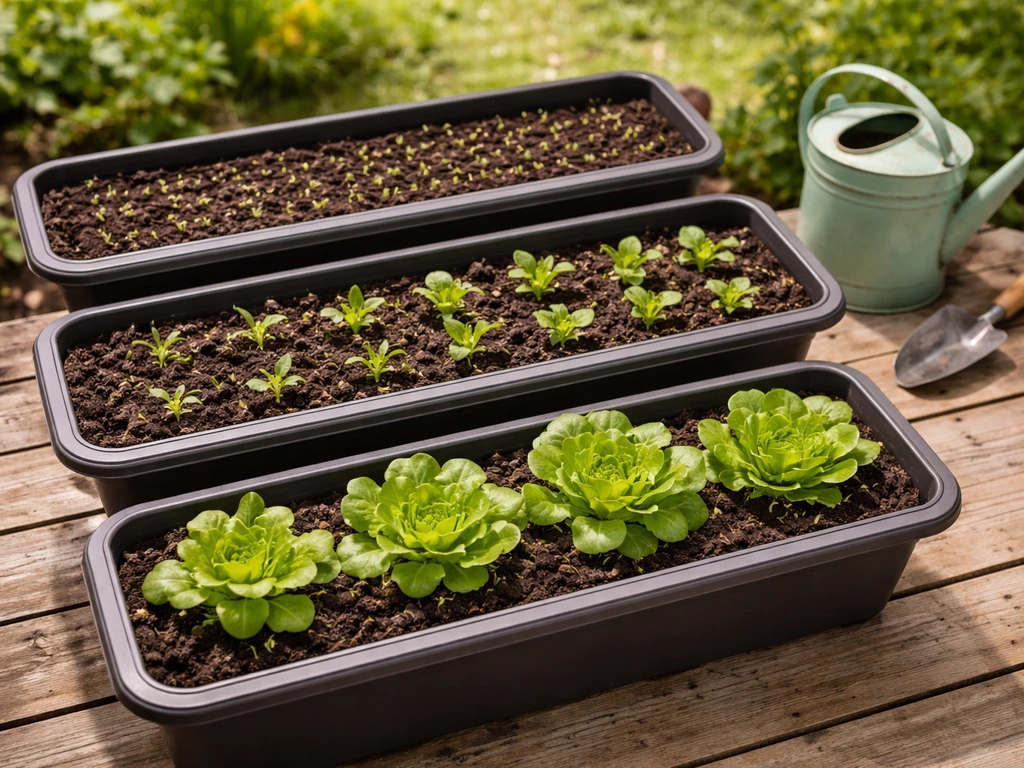
Don't plant all your lettuce at once. Stagger sowings every 2 to 3 weeks so you get a continuous harvest rather than a glut followed by nothing. In spring, you can fit in two or three successions before heat shuts things down. In fall, two successions are usually doable before hard frost. Maturity times are temperature-dependent, so later successions in fall may take longer than the seed packet says as temperatures drop.
Light, water, and feeding for fast growth
In early spring and fall, lettuce wants 6 hours of direct sun daily. Once outdoor temperatures are consistently reaching the mid-70s, start shading afternoon sun. Without shade, leaf margins get scorched and the plant starts putting energy into the flower stalk instead of leaves.
Watering is one of the most important variables in Oklahoma. The state can be dry and windy, which dries out containers fast. In-ground beds may hold moisture longer, but a hot Oklahoma wind on a clear April afternoon can dry the top inch of soil surprisingly quickly. Check soil moisture daily for containers and every other day for beds. You want the top inch to feel barely moist, not bone dry and not soggy. Inconsistent watering stresses lettuce and accelerates bolting. Drip irrigation or soaker hoses set on a timer are worth the investment for beds.
Lettuce is a light feeder but appreciates nitrogen for leafy growth. If you've added compost to your bed, you likely have enough nutrients for a short spring run without supplemental fertilizer. For containers, where nutrients flush out faster, apply a balanced liquid fertilizer (10-10-10 or similar) at half strength every two to three weeks. Don't overfeed with nitrogen late in the season or you'll push lush, soft growth that wilts easily in warm weather.
Pest, disease, and bolting troubleshooting
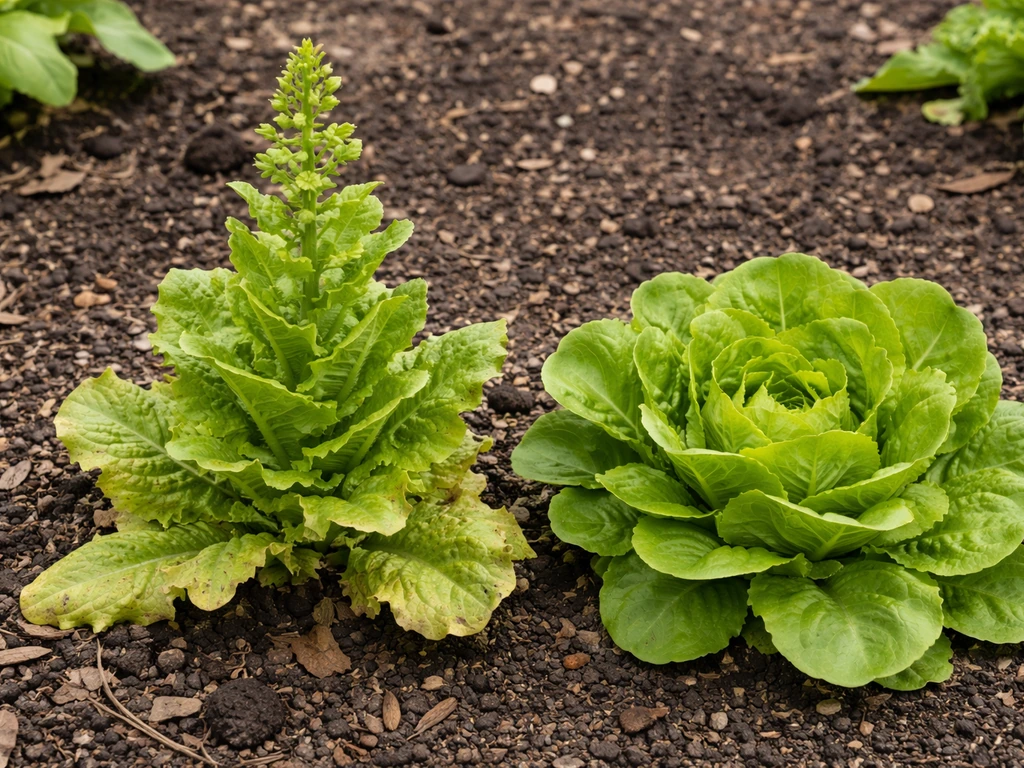
Bolting (the big one)
Bolting is the number one problem for Oklahoma lettuce growers. When days lengthen and temperatures rise, lettuce shifts from vegetative growth to seed production, sending up a tall flower stalk. The leaves turn bitter and the plant is essentially done. If you see the center of your lettuce suddenly getting taller and more upright than the surrounding leaves, bolting has started. Your best move at that point is to harvest everything immediately. If you catch it early, the leaves are still edible. Once the stalk is fully extended, the whole plant tastes too bitter to use.
Prevention is better than salvage. Choose bolt-resistant varieties for spring, plant early, succession-sow rather than letting any planting get overmature, use shade cloth from late April onward, and harvest frequently. The UC Statewide IPM Program explains that bolting risk depends on environmental conditions during development, and choosing resistant varieties can help reduce bolting, which can be useful when planning around heat spells Choose bolt-resistant varieties for spring. Waiting for a "perfect" head to form in Oklahoma spring is often how gardeners lose an entire planting.
Common pests
- Aphids: Clusters of tiny soft-bodied insects on leaf undersides or in the heart of the plant. Knock them off with a strong stream of water or apply insecticidal soap. Check plants every few days in spring because aphid populations explode quickly in warm weather.
- Cutworms: If seedlings are being cut off cleanly at the soil line overnight, cutworms are the likely culprit. OSU Extension specifically flags cutworms as a major Oklahoma garden pest. Place cardboard or plastic collars around seedling stems at planting time, pushing them 1 inch into the soil. Bacillus thuringiensis (Bt) applied to the soil surface is also effective.
- Slugs: More common in wet springs or heavily mulched beds. Slugs feed at night and leave ragged holes in leaves. Iron phosphate baits are safe around food crops and work well.
- Leafminers: Pale, winding trails inside leaves indicate leafminer larvae. Remove and discard affected leaves. Row cover at planting prevents adult flies from laying eggs.
Common diseases
Downy mildew shows up during cool, humid periods with rain or heavy dew, which describes a lot of Oklahoma springs. You'll see yellow patches on the upper leaf surface with corresponding gray-purple fuzzy growth on the underside. Improve air circulation by thinning crowded plants, avoid overhead watering in the evening, and remove infected leaves promptly. Fungicide applications are available but rarely necessary if you catch it early and improve airflow.
Powdery mildew looks different: it presents as gray-white powdery coating on upper and lower leaf surfaces and tends to appear when humidity swings but the weather is drier overall. The fix is the same: better airflow, reduce overhead watering, and remove affected leaves. Powdery mildew is rarely fatal if you act quickly.
Damping off kills seedlings at or just below the soil line, leaving a water-soaked, brown pinched area at the stem base. It happens when seeds or seedlings are kept too wet, especially in cool, poorly drained conditions. Use sterile seed-starting mix, avoid overwatering, and ensure good drainage. If damping off appears in your seed flat, it spreads fast, so remove affected seedlings immediately and let the surface dry slightly between waterings.
Harvesting, regrowth, and storing your lettuce
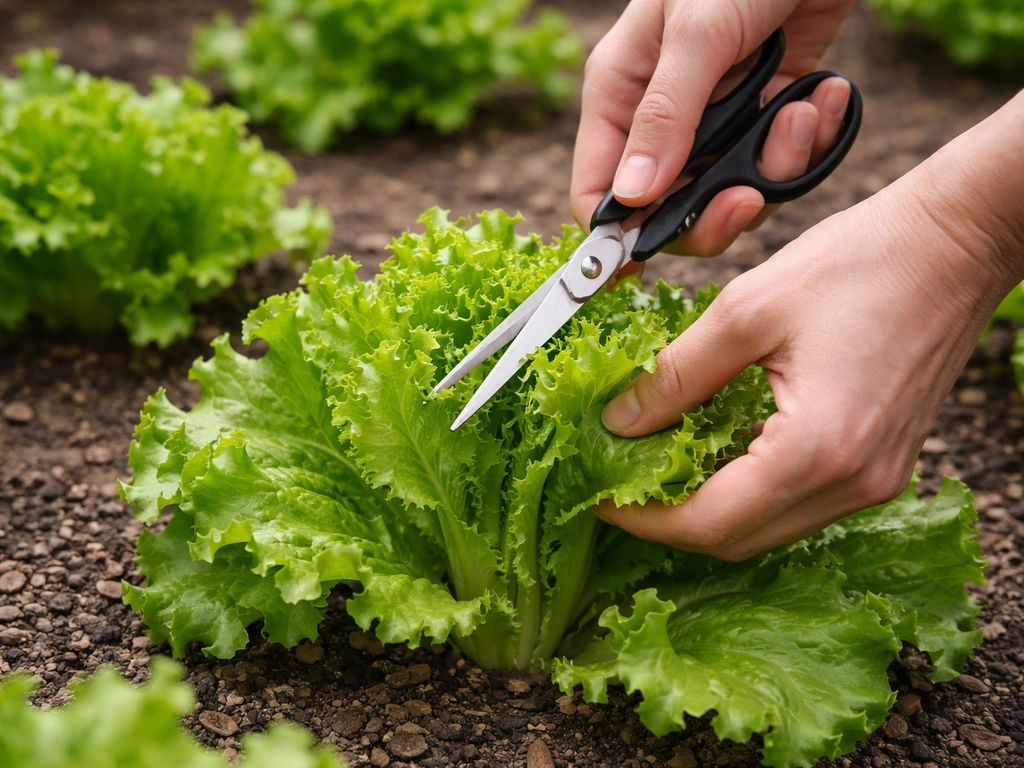
When and how to harvest
For leaf lettuce, start harvesting outer leaves once plants are about 4 to 6 inches tall. This cut-and-come-again approach keeps the plant producing for several more weeks. Use scissors or a sharp knife and cut leaves about an inch above the soil, leaving the growing center intact. Don't wait until the plant looks mature and full; in Oklahoma, that moment of perfection can pass in a week if temperatures spike. Harvest often, harvest young, and you'll get far more total yield.
For butterhead or romaine heads, harvest when the head feels firm and full but before the center elongates. With romaine, cut the whole head at the base about an inch above soil level. Many romaine varieties will re-sprout from the base and give you a second smaller harvest.
OSU Extension notes that lettuce becomes bitter and tough if harvest is delayed past optimal maturity, which in Oklahoma's warm springs can happen faster than you'd expect. When in doubt, harvest earlier.
Storing what you harvest
Harvest in the early morning when leaves are coolest and most hydrated. Rinse immediately, spin or pat dry, and store in a plastic bag or a lettuce keeper in the refrigerator at or below 41 degrees. For best quality, pre-cool lettuce to around 34 degrees as quickly as possible after harvest. Properly stored, fresh lettuce holds its quality for 10 to 14 days. OSU Extension recommends storing in a plastic bag or lettuce keeper to maintain moisture without causing rot.
Extending the season in Oklahoma
Shade cloth in spring
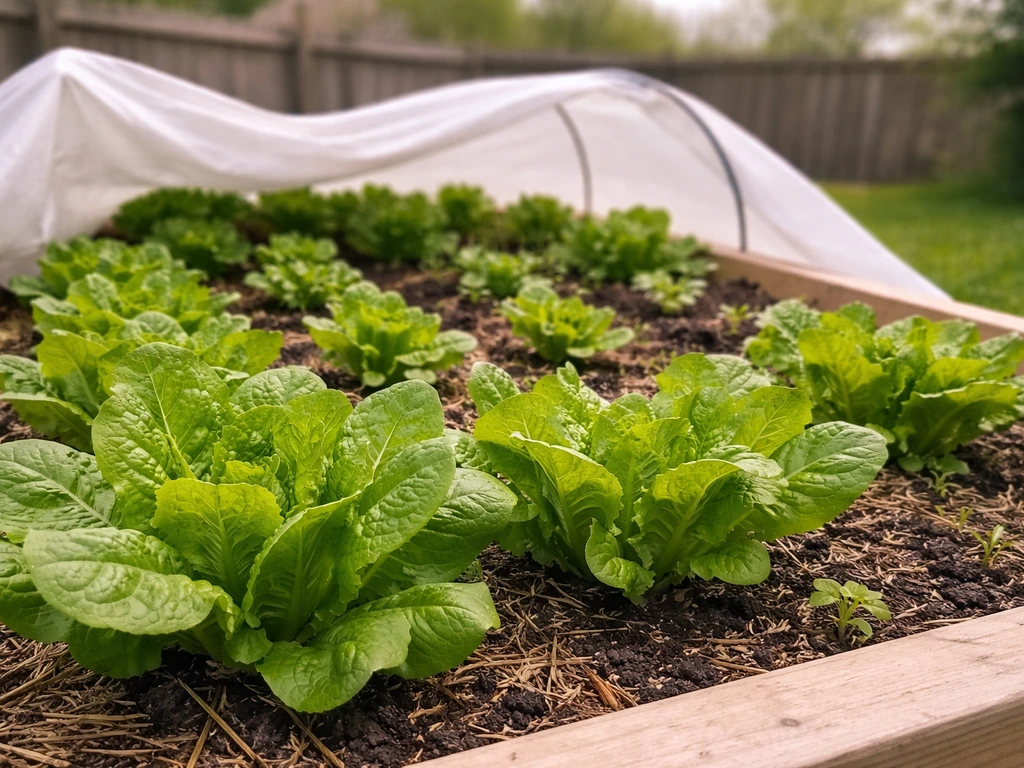
A 30 to 50 percent shade cloth stretched over your lettuce bed from late April onward can add two to four extra weeks to your spring harvest season. It reduces soil temperature, cuts the intensity of direct afternoon sun, and slows the bolting trigger. Use hoops to keep the cloth above the plants so it doesn't trap heat, and anchor the edges so Oklahoma wind doesn't turn it into a kite. This is one of the most cost-effective tools for Oklahoma lettuce growers.
Row covers in fall
In fall, lightweight row cover fabric (floating row cover) extends your season past the first frost dates by protecting plants from light freezes down to about 28 to 29 degrees. OSU Extension supports fall planting of cool-season crops including lettuce, and row covers are the practical tool that makes late-fall harvests possible. Keep covers loose enough to allow some airflow on warm fall days, and remove them during the day when temperatures are above 50 degrees to avoid heat buildup.
Growing lettuce indoors and in hydroponic systems
If Oklahoma's summer heat frustrates you or you want fresh lettuce year-round, moving production indoors is a genuine solution. Lettuce is one of the easiest crops to grow under grow lights. A basic LED grow light set 6 to 12 inches above plants running 14 to 16 hours daily is enough to produce a full cut-and-come-again crop. Leaf lettuce in a simple container of potting mix under lights grows just as well indoors in July as it does outside in March.
Hydroponics takes that even further. A simple Kratky system (a passive hydroponic method using a reservoir with a net cup) or a basic nutrient film technique (NFT) setup can produce lettuce in 30 to 45 days year-round with no soil at all. The yield per square foot is significantly higher than outdoor beds, and you have complete control over temperature and light. For anyone who gardens in an apartment or wants a steady summer supply, this is the most reliable option in Oklahoma's climate.
Oklahoma's climate has more in common with neighboring Texas than with northern states, so if you've looked into growing lettuce in those other Southern and central states, many of the same heat-management strategies apply. If you are wondering how to grow lettuce in Colorado, the key is matching the variety to Colorado’s cool-season windows and planning for heat protection as temperatures rise growing lettuce in those other Southern and central states. If you're specifically wondering how to grow lettuce in Texas, focus on heat management, smart timing, and bolt-resistant varieties growing lettuce in Texas. The core principle is the same regardless of where you're growing: protect lettuce from heat, work with the cool seasons, and don't let any planting sit too long without harvesting. If you want the southern California version of these steps, focus on managing heat, choosing the right varieties, and timing plantings around the region's cooler windows growing lettuce in southern California. The same heat-management approach can also guide you on how to grow lettuce in Arizona, where summer heat makes timing and shade even more important growing lettuce in Arizona. Follow that approach and Oklahoma will give you plenty of good salad months each year.
FAQ
In Oklahoma, should I start lettuce from seed indoors or direct-sow it?
For the longest spring harvest, aim to start with transplants and only direct-sow a small “backup” portion. In Oklahoma’s fast-warming spring, direct-sown seedlings often hit bolting before you get enough leaf size, even if you chose a bolt-resistant variety.
Will shade cloth allow me to keep growing lettuce all summer outdoors in Oklahoma?
Yes, but use it as a temperature tool, not a long-term solution. Apply shade cloth only when afternoon highs are consistently warming (often late April), and keep it ventilated with hoops so airflow prevents fungal problems.
When should I remove row cover in fall so my lettuce does not bolt?
Remove it once average daytime temps are above about 70 F and lettuce is already actively growing in the heat. Keeping row cover on too long can trap warmth under the fabric, which accelerates bolting even if it protects from cold.
My lettuce leaf edges look bad, is it a fertilizer or watering problem in Oklahoma?
Calcium-related issues are not usually the primary cause, but inconsistent moisture can create leaf edge problems that look similar to nutrient disorders. Check soil moisture daily and keep the top inch evenly moist, then correct with balanced fertilizer only if plants look pale or growth stalls.
What’s the most common location mistake that ruins lettuce in Oklahoma spring?
Absolutely, especially if you garden near strong afternoon sun. Western exposure after 2 p.m. is a common culprit, so try morning sun with either afternoon dappled shade or a moveable container to protect from heat spikes.
Can I cut lettuce repeatedly in Oklahoma and still get multiple harvests?
Yes, for leaf lettuce. Cut-and-come-again works best when you harvest the outside leaves regularly and avoid removing the growing center, but crisphead-style varieties generally do not regain quality after repeated cutting.
Why does my fall lettuce direct-sow fail in August, and how can I fix it?
If the soil is warm, germination often fails due to temperature stress. Use the evening-watering trick to cool the seedbed, sow shallow (about 1/8 inch), and keep the seeded area covered lightly until sprouts appear.
How do I prevent damping off and rot when growing lettuce in containers?
Yes, if you irrigate correctly and your container has drainage. Use potting mix, not native soil, and water when the top inch is barely moist. Overwatering or letting trays stand in runoff quickly leads to damping off or root rot.
If my lettuce starts bolting, should I wait for seeds or harvest immediately?
Do it as soon as you see the first signs of bolting, meaning the center is getting taller and the leaves are turning noticeably bitter. Once the flower stalk extends fully, the whole plant becomes too bitter for quality eating.
How can I keep lettuce crisp longer after harvesting in Oklahoma heat?
For cut lettuce, pre-cooling is what saves quality. Cool quickly after harvest to near 34 F, keep it bagged to maintain humidity, and aim to eat within 10 to 14 days for best texture.
I want to push lettuce earlier, how do I harden off transplants safely in late winter?
For a faster spring start, transplant outside under row cover, but harden off first by increasing outdoor exposure over 7 to 10 days. The goal is avoiding shock from sudden sun and wind, not just surviving frost.
What container size is best for lettuce in Oklahoma summer heat?
A pot that is too small heats and dries too quickly, which triggers bolting and bitter leaves. A 12-inch-deep container is a practical minimum for leaf lettuce, and you can go larger if you expect hot windy spells.