Michigan is genuinely one of the better states for growing lettuce, but only if you work with its climate instead of against it. Lettuce is a cool-season crop, and Michigan hands you two reliable cool windows every year: early spring (roughly late March through May) and late summer into fall (August through October). Nail those windows with the right varieties, plant on time, and protect against temperature swings at both ends, and you will pull fresh heads and cut-and-come-again leaves all season long. If you are specifically wondering how to grow lettuce in Utah, the same principles apply, but your timing and temperature management need to match Utah’s hotter summers and cooler shoulder seasons. If you are wondering how to grow lettuce in Texas, the key is timing plantings around heat and using shade to prevent bolting cut-and-come-again leaves. If you are wondering how to grow lettuce in Florida, focus on heat-tolerant varieties and plant during the coolest windows of the year. Here is exactly how to do it. If you want to grow lettuce in Oklahoma instead, you can follow the same cool-season principles but adjust timing to your local weather and heat patterns how to grow lettuce in oklahoma. If you are growing in Arizona, you can use a similar workflow but you will need to plan around intense heat and tighter planting windows how to grow lettuce in arizona. If you are in Ohio, you can use the same cool-season timing and succession planting strategies, with local frost dates guiding your start Here is exactly how to do it..
How to Grow Lettuce in Michigan: Planting and Care Guide

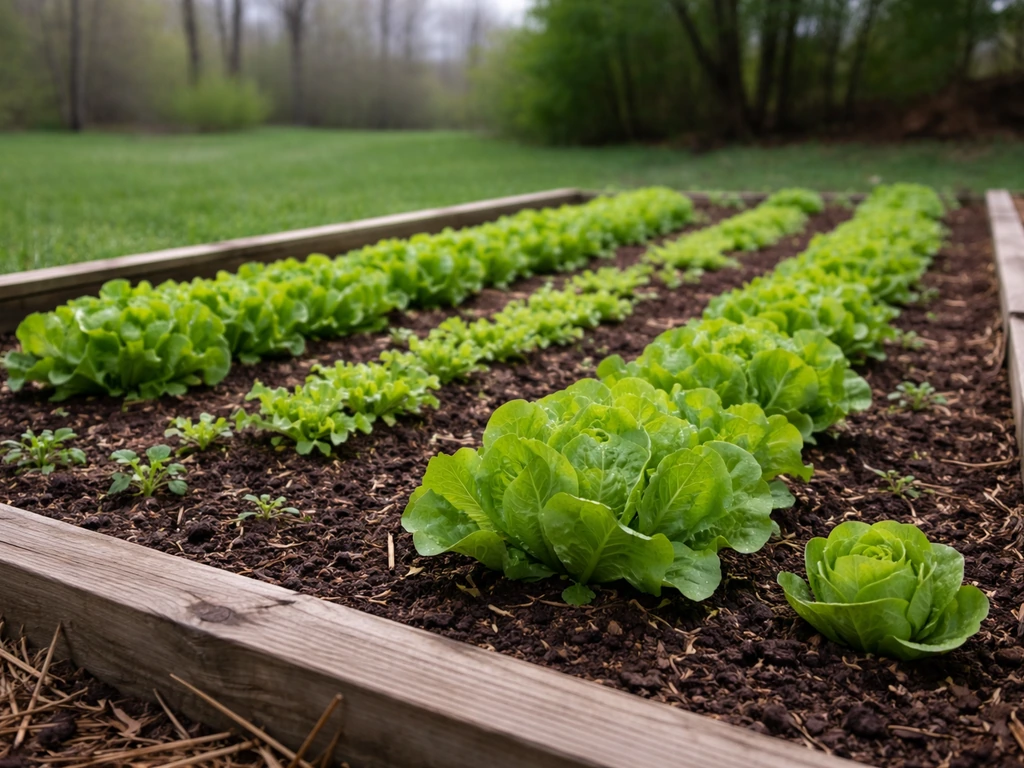
Michigan's lettuce-growing windows and what the climate actually means for you
Lettuce germinates in soil as cold as 32°F and grows best between 45°F and 75°F. Once temperatures consistently push above 80°F, bolting risk rises sharply and leaf quality drops fast. That temperature ceiling is the main thing Michigan gardeners have to plan around.
Your location inside Michigan matters more than you might think. MSU Extension's frost-date data shows a real spread across the state. Detroit-area gardeners can expect a last spring frost (50% probability) around April 24, while Grand Rapids runs April 24 as well, Lansing comes in around April 30, and Marquette in the Upper Peninsula pushes to May 7. Fall first-frost dates are equally variable: Detroit averages October 7 (50% probability), Grand Rapids October 2, and the UP significantly earlier. That gives southern Michigan gardeners a longer window for both spring and fall crops, while UP growers need to lean hard on season-extension tools and fall timing.
The practical upshot: spring lettuce in Michigan needs to go in early and come out before July heat hits. Fall lettuce needs to go in while it still feels like summer (late July to early August, depending on your zone) so it matures in cooler September and October temps. Miss either window and you are fighting bolting, bitterness, or a crop that just stalls.
| Location | Last Spring Frost (50%) | First Fall Frost (50%) | Typical Lettuce Spring Window | Typical Lettuce Fall Window |
|---|---|---|---|---|
| Detroit area | Apr 24 | Oct 7 | Late Mar – early Jun | Aug – early Oct |
| Grand Rapids | Apr 24 | Oct 2 | Late Mar – early Jun | Aug – late Sep |
| Lansing | Apr 30 | ~Sep 30 (est.) | Early Apr – early Jun | Aug – late Sep |
| Marquette (UP) | May 7 | ~Sep 20 (est.) | Mid Apr – early Jun | Late Jul – mid Sep |
Choosing the right lettuce varieties for spring and fall
Not all lettuce handles Michigan's conditions equally. For spring, you want varieties with decent cold tolerance since early plantings face overnight lows that can still dip near freezing. For late spring and early summer harvests, heat tolerance becomes the priority because your window closes fast. Fall crops need cold tolerance again, especially if you are pushing into October.
Spring variety picks (cold tolerance + heat tolerance for late spring)
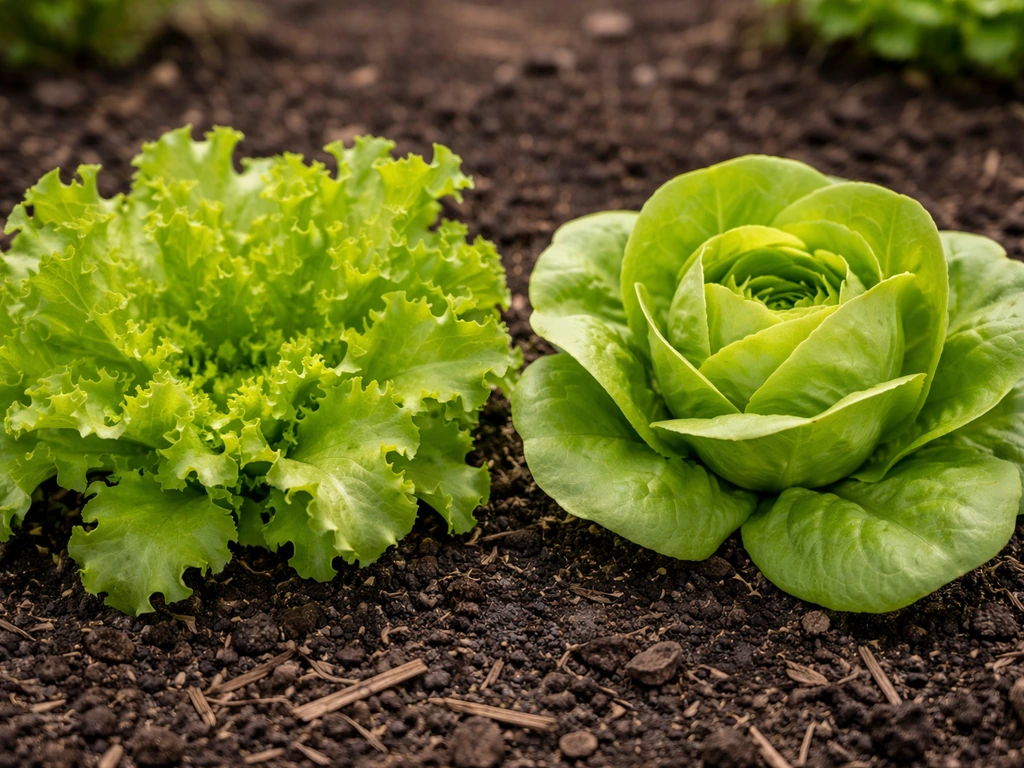
- Black Seeded Simpson: fast-maturing loose-leaf, tolerates light frosts well, usually ready in 45–50 days
- Buttercrunch: a classic butterhead, handles cool soil and mild frosts, slower to bolt than many varieties
- Outredgeous: romaine type, can be harvested as baby greens or grown to a full 10-inch head, handles both cool starts and moderate heat reasonably well
- Emerald Crown and Green Magic: both catalog-listed with solid heat-tolerance ratings, good for late spring planting when bolting risk is higher
- Gypsy: a loose-leaf type noted for heat tolerance in trial data, useful for extending your spring harvest into early summer
Fall variety picks (cold tolerance for maturing in cool temps)
- Winter Density: a compact romaine with strong cold tolerance, excellent for late-season harvests
- Flashy Trout's Back: loose-leaf type, handles cold well and looks great in a fall garden
- Buttercrunch: works for fall too — its thick leaves handle light frosts and taste better after a cold snap
- Monty: listed with both heat and cold tolerance ratings, genuinely versatile across seasons
A quick general rule: loose-leaf types mature fastest (45–55 days) and give you the most flexibility. Butterheads take a bit longer (55–65 days). Romaines and crisphead (iceberg) types are slowest (70–85 days) and make most sense for fall crops where you have time, or spring crops started very early indoors. Avoid iceberg-type crispheads for summer-adjacent plantings in Michigan; they are the least heat-tolerant category.
How to plant: seeds, starts, spacing, and succession schedules
Seeds vs. transplants
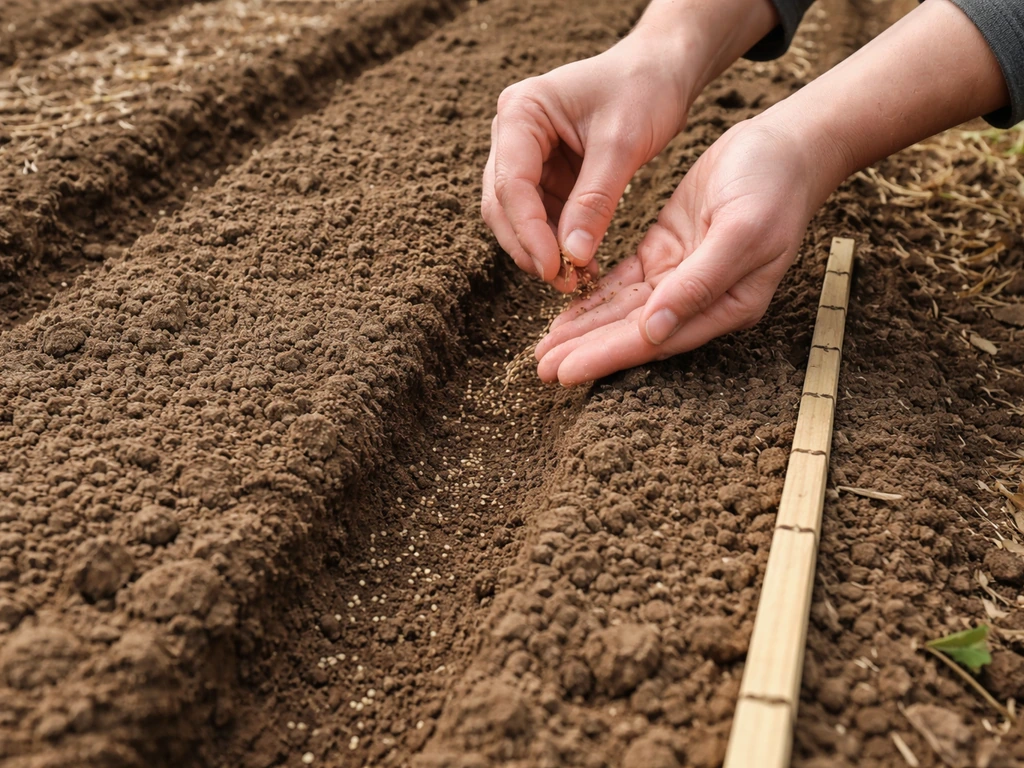
For spring outdoor planting, direct seeding is the standard approach. MSU Extension recommends direct sowing 2 to 4 weeks before your last frost date. For Detroit and Grand Rapids, that means getting seeds in the ground as early as late March into early April. Soil just needs to be workable, not frozen solid. Lettuce seed is tiny, so sow it 1/4 to 1/2 inch deep and keep the soil consistently moist until germination. If you are unsure about depth, a good rule of thumb is to bury a seed about twice its own width.
Starting transplants indoors 4 to 6 weeks before your outdoor planting date gives you a head start, especially in Lansing or the UP where the window is tighter. Harden off transplants over 5 to 7 days before moving them outside. Transplants go in at the same depth they were growing in their cells.
Spacing
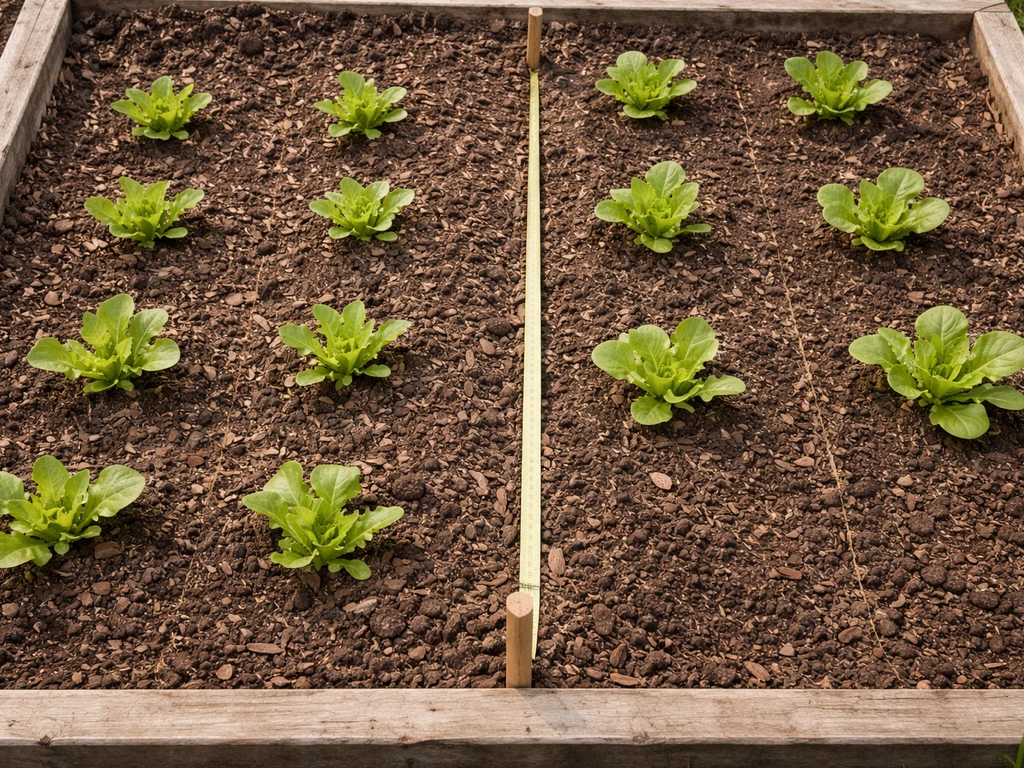
For loose-leaf varieties, 6 to 8 inches between plants works well. Butterheads and romaines need 8 to 12 inches. If you are growing in rows, space rows 18 to 24 inches apart. In a raised bed or square-foot style setup, figure on 1 to 2 plants per square foot depending on the variety. Crowded lettuce gets poor airflow, which invites disease, and plants compete for water and nutrients.
Succession planting schedule
The single best thing you can do for a continuous harvest is plant in succession every two weeks rather than putting everything in at once. If you live farther west, check out how to grow lettuce in southern California, since the hotter, longer growing season changes timing and heat protection. Here is a practical Michigan spring schedule for southern zones (Detroit/Grand Rapids) and a fall schedule to plan your year.
| Planting Round | Direct Sow / Transplant Out Date (Southern MI) | Expected Harvest Window | Notes |
|---|---|---|---|
| Spring 1 (earliest) | Late March – early April | Mid May – early June | Cover with row cover for frost protection; direct seed or use transplants |
| Spring 2 | Mid April | Late May – mid June | Direct seed; warm enough for fast germination |
| Spring 3 | Late April – early May | Early – late June | Last practical spring planting; use heat-tolerant varieties |
| Fall 1 | Late July – early August | Mid September – early October | Direct seed; water well in summer heat to ensure germination |
| Fall 2 | Mid August | Early – late October | Cold-tolerant varieties; cover with row cover in late September |
| Fall 3 (season extension) | Late August | Late October – early November | Needs row cover or low tunnel; UP growers skip this or move indoors |
For Lansing and UP growers, shift all spring dates about one week later and all fall dates about one week earlier to account for your shorter frost-free window.
Outdoor growing: soil prep, sun and shade, watering, and cold protection
Soil prep
Lettuce wants a soil pH between 6.0 and 6.8. If you have not tested your Michigan soil recently, it is worth doing, especially since many areas of the state have naturally acidic soils from organic matter. A basic MSU Extension soil test will tell you where you stand and what to add. Before planting, work in a 2 to 3 inch layer of compost or a balanced granular fertilizer to give your lettuce a nutrient-ready start. Lettuce is a light feeder but it benefits from loose, well-draining soil with consistent moisture retention, so compost does double duty.
Sun and shade
Lettuce needs full sun (6+ hours) in spring when temperatures are cool. As late spring warms up, afternoon shade becomes your friend. A spot with morning sun and afternoon shade will extend your spring harvest by a week or two. For fall crops planted in July and August when it is still hot, afternoon shade is almost essential to prevent stress during the seedling stage.
Watering
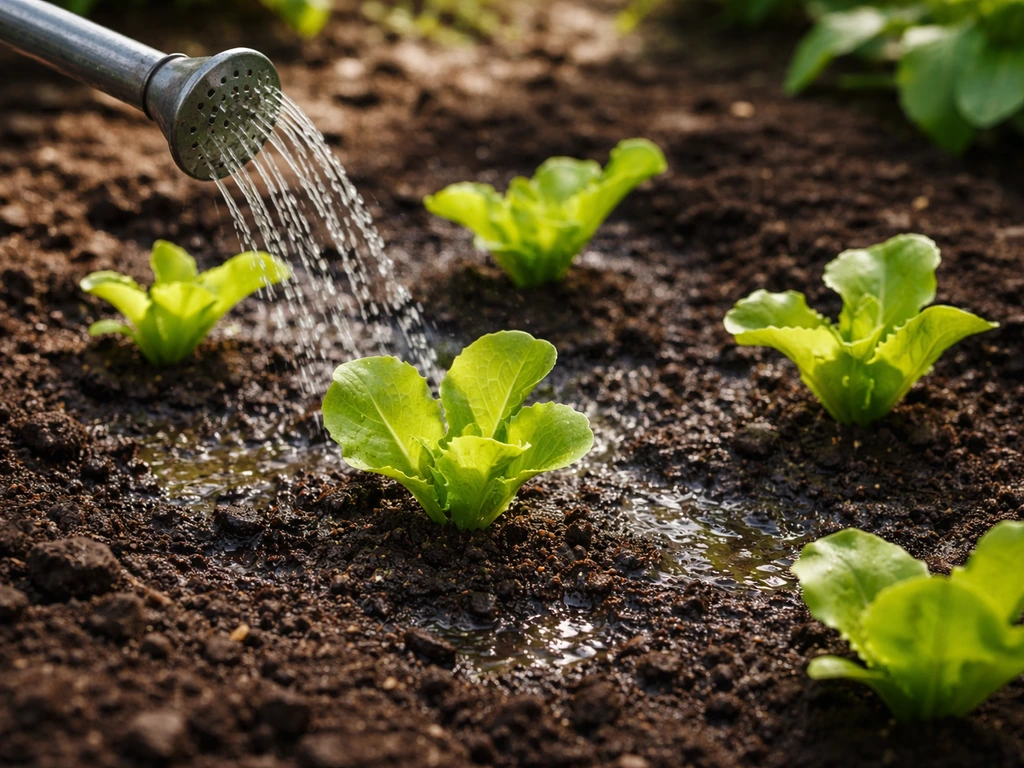
Keep the soil consistently moist but not waterlogged. For most Michigan soils, watering once or twice a week is enough in spring. If you have sandy soil, plan to water more frequently since sandy soils drain fast and dry out between waterings, which stresses lettuce and contributes to tip burn and bitterness. A 1 to 2 inch layer of straw or wood chip mulch around plants helps retain moisture and keeps soil temperatures cooler in late spring.
Cold protection tools
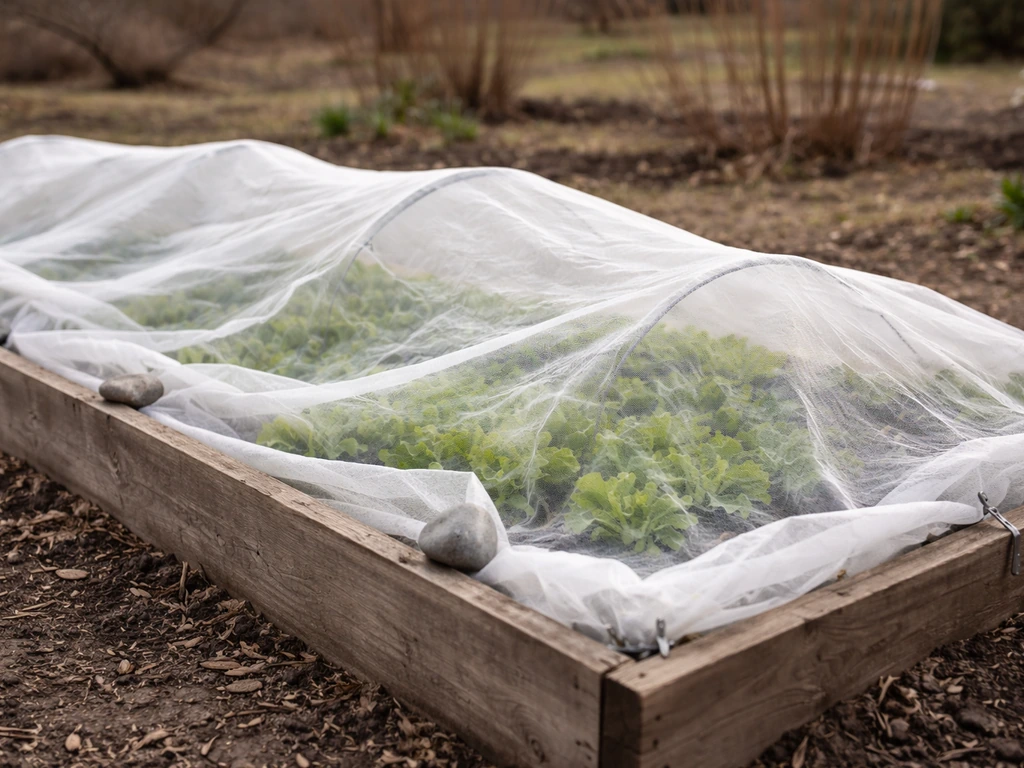
Row covers are the most practical tool for Michigan lettuce growers at both ends of the season. Lightweight floating row covers (1.0 to 1.5 oz/sq yd) add about 4 to 5 degrees of frost protection and let plenty of light through, making them ideal for early spring. Heavier row covers (around 2.0 oz/sq yd) can protect plants down to about 20°F, which is enough to cover most Michigan shoulder-season frosts. Low tunnels made from wire hoops with row cover draped over them are easy to set up over a bed and make a noticeable difference. Cold frames work too, especially for very early spring starts or late fall harvests. The key is having these materials on hand before you need them, not the morning after a surprise frost warning.
Container, indoor, and hydroponic growing: light, water, and setup
If you are an apartment dweller, have limited outdoor space, or just want fresh lettuce in December, container and indoor growing work surprisingly well for lettuce. The rules are different from outdoor beds, so here is what actually matters.
Containers and raised beds
Lettuce does well in containers as shallow as 6 to 8 inches deep, which makes it a great candidate for window boxes, fabric pots, and patio planters. Use a quality potting mix, not garden soil, which compacts badly in containers. Drainage holes are non-negotiable. Container soil dries out faster than ground soil, so check moisture daily in warm weather and water whenever the top inch feels dry. Feed container lettuce with a diluted balanced liquid fertilizer every two to three weeks since nutrients flush out faster with regular watering.
Indoor growing under lights
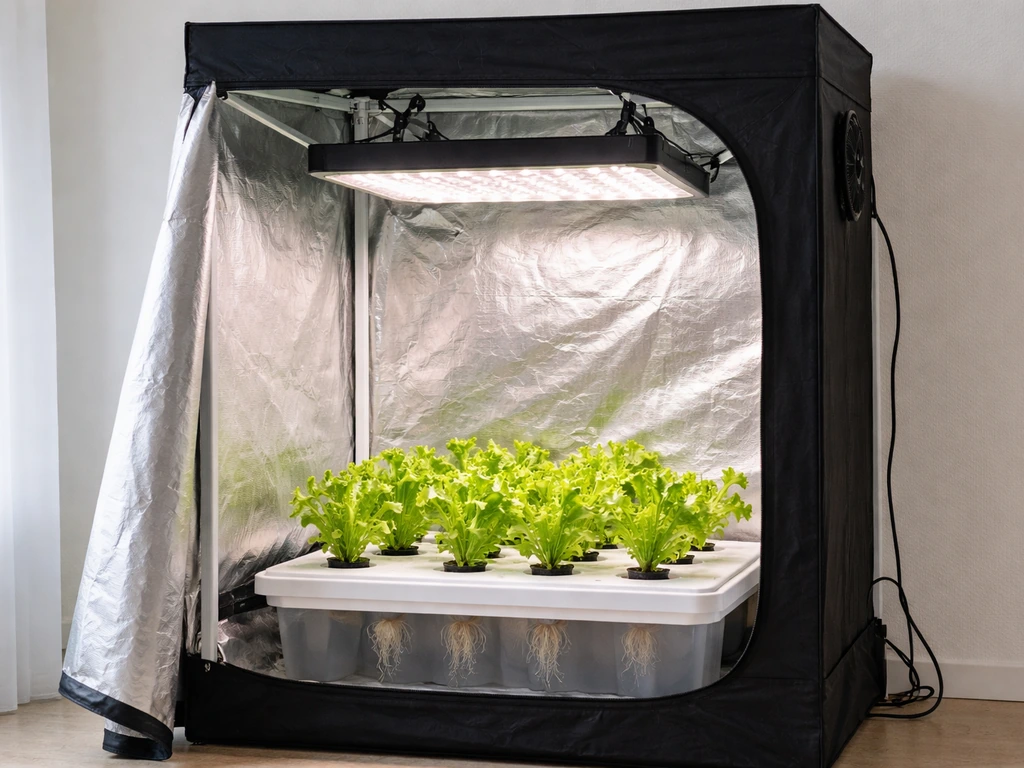
Indoors, a south-facing window does not provide enough light for consistent lettuce growth through Michigan's gray winters. Full-spectrum LED grow lights are the practical solution. Keep lights 2 to 4 inches above seedlings and run them 14 to 16 hours a day. Lettuce grown under insufficient light gets leggy fast, with long pale stems and thin leaves. Keep your indoor growing area between 60°F and 70°F for best results; a warm kitchen windowsill in summer is fine, but a cold basement in winter can slow growth significantly.
Hydroponics basics
Lettuce is genuinely one of the best hydroponic crops for beginners. Simple raft (deep water culture) or nutrient film technique (NFT) systems work well, and lettuce typically matures in about 6 to 7 weeks from transplant in a hydroponic setup. Use a balanced hydroponic nutrient solution mixed to the manufacturer's recommended strength, and change or top off the solution regularly rather than ignoring it. Stagnant, nutrient-rich water encourages algae and bacterial growth, which causes root problems and solution odor. Keep the reservoir covered to block light and minimize algae. Indoors, you still need grow lights on the same 14 to 16 hour schedule described above.
Caring for lettuce through the season: thinning, spacing, and temperature management
Once your seeds germinate and seedlings emerge, thinning is the step most beginners skip and then regret. If you direct seeded, you will likely have too many seedlings in a row. Thin to your target spacing (6 to 12 inches depending on variety) when plants are 1 to 2 inches tall. Use scissors to snip extras at soil level rather than pulling, which disturbs the roots of neighboring plants. The thinnings are edible and taste great in a salad.
Temperature management is the ongoing challenge in Michigan. For spring crops, your job is to protect seedlings from late frosts with row covers while also watching for the opposite problem: if young plants sit at 35 to 41°F for two or more weeks (a process called vernalization), they become primed to bolt later when warm weather arrives. MSU Extension also notes that chicory/endive/globe artichoke/lettuce/radicchio can be vernalized from germination when held at 35, 41°F for 2, 8 weeks, which relates to bolting risk later vernalization from sitting at 35 to 41°F for two or more weeks. MSU Extension's research on this is clear: extended cold exposure in early spring can cause plants to bolt earlier than expected once summer conditions kick in. To reduce this risk, avoid planting so early that seedlings sit in cold soil for weeks on end, and use row covers to warm the microclimate rather than just planting in raw cold ground.
For fall crops, your job flips: you are starting seeds in summer heat and trying to keep soil cool enough for good germination. Water deeply in the morning, provide afternoon shade if possible, and consider covering the seed bed with a light burlap or shade cloth until seedlings emerge to prevent soil crust formation and reduce heat at the surface.
Troubleshooting common problems Michigan lettuce growers face
Bolting (plants going to seed early)
Bolting is the most common frustration for Michigan lettuce growers. Once the plant sends up a central seed stalk, leaves turn bitter quickly and the crop is essentially done. Bolting is triggered by temperatures above 80°F and long days (summer daylength). If your spring plants are bolting in June, you planted a few weeks late or used a variety with low heat tolerance. The fix for next time: plant earlier, use heat-tolerant varieties, and harvest before plants hit 60+ days in the ground. Right now, if you see a center stalk forming, harvest the whole plant immediately. It is still edible.
Poor germination
If seeds are not germinating, the two most likely culprits are soil temperature and moisture. Lettuce germinates in a wide range down to 32°F, but germination is fastest and most reliable when soil is between 60°F and 70°F. In late summer when you are starting a fall crop, soil can actually be too warm (above 75°F) and inhibit germination. Water the bed thoroughly in the evening to cool the soil, or start seeds indoors in a cool spot and transplant out when they reach 1 to 2 inches. Dry soil is the other killer: lettuce seeds need consistent moisture to germinate, so check the seed bed daily.
Leggy seedlings
Leggy, stretched seedlings almost always mean not enough light. Outdoors, this is usually a shading problem. Indoors or under lights, it means the light source is too far away or not running long enough. Move grow lights to 2 to 4 inches above seedlings and increase the photoperiod to 16 hours. If seedlings are leggy from a window, move them under a grow light.
Tip burn and bitter leaves
Brown crispy leaf edges (tip burn) on otherwise healthy-looking lettuce usually indicate a calcium uptake problem caused by inconsistent watering or low calcium levels in the soil. Keep moisture consistent and make sure your soil is not too acidic (below 6.0 pH reduces calcium availability). Bitter leaves without tip burn are usually a heat or stress issue: the plant is producing stress compounds in response to temperature swings or drought. Water more consistently, provide afternoon shade, or harvest earlier before bitterness sets in.
Downy mildew and powdery mildew
Downy mildew shows up as pale yellow patches on upper leaf surfaces with grayish-purple fuzzy growth on the undersides. It is favored by cool, wet conditions with leaf wetness overnight, which describes Michigan spring and fall pretty well. Prevention is better than cure: water in the morning so leaves dry by evening, space plants properly for airflow, and remove affected leaves immediately. Powdery mildew looks different: white powdery coating on upper leaf surfaces, more common in warmer, drier conditions in late spring. Increase airflow and avoid overhead watering if you see it.
Slugs
Slugs are a real problem in Michigan's moist spring and fall conditions. If you see ragged holes in leaves overnight with no insects visible during the day, slugs are almost certainly the culprit. Go out at night with a flashlight and you will find them. Physical removal works. Diatomaceous earth around the base of plants creates a barrier. Beer traps (shallow containers sunk into the soil and filled with cheap beer) catch slugs overnight effectively. Remove mulch close to the base of plants since slugs hide under it during the day.
Quick-reference problem solver
| Problem | Likely Cause | Quick Fix |
|---|---|---|
| Bolting / seed stalk forming | Heat above 80°F or long days | Harvest immediately; use heat-tolerant varieties next planting |
| Poor germination | Soil too dry, too cold, or too hot | Keep soil moist; check soil temp (ideal 60–70°F) |
| Leggy seedlings | Insufficient light | Move lights closer; run 14–16 hours/day |
| Tip burn on leaf edges | Inconsistent watering, low calcium | Water consistently; check pH (keep 6.0–6.8) |
| Bitter leaves | Heat stress or drought | Shade plants, water more, harvest sooner |
| Pale yellow patches / fuzzy undersides | Downy mildew | Water in morning, improve airflow, remove affected leaves |
| White powder on upper leaves | Powdery mildew | Improve airflow, avoid overhead watering |
| Ragged holes, no visible insects | Slugs | Night check, beer traps, diatomaceous earth barrier |
Harvesting, storing your crop, and planning the next round
How and when to harvest
For loose-leaf varieties, start harvesting outer leaves once plants are 4 to 6 inches tall. Take no more than one-third of the plant at a time and it will keep producing for several more weeks. This cut-and-come-again method is the most efficient way to get volume from a small planting. For butterheads and romaines, harvest the whole head when it feels firm and full, before any bolting signs appear. Always harvest in the morning when leaves are cool, hydrated, and crisp.
Storage
Freshly cut lettuce keeps best when you store it dry. Spin or pat leaves dry after washing, wrap loosely in a paper towel to absorb excess moisture, and store in a sealed bag or container in the coldest part of your refrigerator (usually the crisper drawer). Done right, home-grown lettuce stays crisp for 5 to 7 days. Do not wash leaves until you are ready to eat them if you want maximum shelf life.
Planning your next round
The best time to plant your next succession is before you actually need it. If you are harvesting your first spring planting in mid-May, your second succession should already be in the ground. The two-week succession planting rhythm keeps you in fresh lettuce from May through June and again from September into October. When one bed finishes, pull the plants, add a bit of compost, and replant immediately. Lettuce grows fast enough that even a mid-August planting in southern Michigan will produce a full fall harvest before first frost.
If you are also growing in containers or hydroponically indoors, you can stagger those plantings to fill the gap between your outdoor spring and fall crops. Indoor hydroponic lettuce takes about 6 to 7 weeks from transplant to harvest, so a mid-June indoor start produces lettuce in late July or early August, right when your outdoor spring crop has given out and your fall crop has not started yet. That kind of year-round overlap is where Michigan lettuce growing gets genuinely satisfying. The learning curve is real, but it flattens fast once you have been through one full spring-to-fall cycle.
FAQ
Can I grow lettuce year-round in Michigan outdoors?
In most of Michigan, full outdoor year-round lettuce is unlikely because the temperature swings and first and last frost still limit you. A practical approach is spring to fall outdoor growing, then move to containers or an indoor setup (grow lights, 60 to 70°F) for winter harvests. If you try to keep beds outside through winter, you will almost always need cold frames or heavy low tunnels and protection from wind, not just light row cover.
What should I do if my spring lettuce keeps getting damaged by late frosts?
Use row covers as insulation and as a wind barrier. Check that the edges of the fabric are snug to the soil, because drafts around gaps reduce frost protection. For borderline nights, combining a floating row cover with a low hoop tunnel or an extra layer on just the coldest stretch can prevent seedlings from stunting or developing freeze damage.
How do I tell whether my lettuce bolted because of heat or because it was exposed to cold too long?
If it bolts after a period where plants sat in cold conditions (wet, cold soil and prolonged cover use), it can be related to early vernalization. If it bolts quickly once daytime highs cross 80°F and day length is long, heat is the main driver. In either case, the fix for next cycle is different: for vernalization, avoid planting so early that seedlings remain in cold soil for weeks; for heat bolting, switch varieties and move your start earlier in spring or later in summer for fall.
Is iceberg lettuce a bad choice for Michigan at all?
Iceberg is not completely off-limits, but it is usually a poor fit for summer-adjacent plantings because it is the least heat-tolerant category. If you want iceberg, plan it for fall where you can give it 70 to 85 days under cooler conditions, or start it very early with transplants under protection, then harvest before the hot spell.
How long should lettuce seedlings sit under row cover, and when should I remove it?
Row covers are great for frost protection and for smoothing out temperature swings, but you should not leave them on indefinitely during warm, humid periods. Vent or remove on mild days once plants are established, especially to reduce mildew pressure from trapped humidity. A simple rule is to keep cover on for cold nights and chilly mornings, then lift or vent when daytime temperatures rise and the plants look healthy and actively growing.
What can I do if my fall lettuce is not germinating even though I’m watering?
In Michigan summers, soil can stay too warm for best germination (above about 75°F). Watering helps moisture but may not cool the bed enough. Try sowing in the late day when soil is slightly cooler, provide afternoon shade over the seed bed until emergence, or start seeds indoors in a cooler spot and transplant once seedlings have 1 to 2 true leaves.
Why does my lettuce get bitter even when I harvested before bolting?
Bitterness can come from stress, not only bolting. Common causes are uneven watering (dry spells followed by heavy watering), hot afternoon sun hitting small plants, or harvesting too late after drought-like conditions. The fastest improvement is consistent moisture, morning watering, and afternoon shade for summer-stage seedlings, then harvest in the morning before leaves warm up.
How do I prevent tip burn in Michigan lettuce beyond just watering more?
Tip burn often reflects calcium uptake problems tied to inconsistent moisture and sometimes soil pH. Keep the soil consistently moist rather than alternating between drying and soaking. Also confirm pH is not too low (below 6.0 reduces calcium availability). If your pH is borderline acidic, adjusting it based on a soil test before planting gives more reliable results than only changing watering frequency.
What’s the best way to manage slugs if you have raised beds or lots of mulch?
Slugs hide in mulch during the day, so keeping mulch pulled back a bit around the plant base reduces hiding spots. Combine physical removal at night with a barrier method like diatomaceous earth around stems and using beer traps set in the evening. Also inspect the underside of leaves and the soil surface after heavy rain, as slugs surge during wet, cool stretches.
How should I store home-grown lettuce to keep it crisp for a full week?
Store it dry and cool, with moisture control. After washing, spin or pat leaves very dry, then wrap loosely in a paper towel inside a sealed bag or container to absorb extra moisture. Place it in the coldest part of your refrigerator, usually the crisper drawer. If leaves are still wet when stored, they typically soften faster within 1 to 3 days.
If I’m using containers, how do I avoid lettuce wilting between waterings?
Containers dry out quickly, so daily checks are the baseline, especially in sunny Michigan spells. Water when the top inch feels dry, and use a potting mix that holds moisture better rather than heavy garden soil. Adding a thin layer of mulch on the surface of the container soil can slow evaporation. For feeding, switch to diluted balanced liquid fertilizer every 2 to 3 weeks because nutrients wash out faster with frequent watering.
Can I grow lettuce in Michigan without succession planting?
You can, but you will likely get one short harvest window rather than continuous leaves. Lettuce grows fast, so even a single 2-week succession rhythm can dramatically smooth the supply. If you do not want to succession sow in multiple beds, stagger by using smaller sowing batches every 10 to 14 days in the same bed and thin early so the later sowings are not forced to compete for space.