In Southern California, the best times to grow lettuce are September through November and February through April. Those two windows give you the cool temperatures lettuce needs to germinate well, grow fast, and stay sweet before bolting. If you're reading this in June, you're at the edge of the hot season, so your best move right now is to either grow indoors under a grow light or start planning your fall planting for late September. If you want the best results in Utah, focus on cool-weather timing, give lettuce afternoon shade, and use containers or row cover when temperatures swing how to grow lettuce in utah. Everything else in this guide will help you work within those windows and squeeze the most out of every planting.
How to Grow Lettuce in Southern California: Timing Guide
Marcus Holloway
19 Jun 2026
Best planting windows for lettuce in Southern California
Southern California's mild winters are genuinely one of the best advantages you have as a lettuce grower. Unlike gardeners in Michigan or Ohio who are locked out of outdoor growing for months, you can grow lettuce outside almost year-round, just not in summer. Lettuce grows well in Ohio too, as long as you focus on cool-season timing and protect plants from late-spring heat how to grow lettuce in ohio. The two core seasons are fall and late winter/spring, with a possible short window in early winter depending on your specific location.
| Season | Planting Window | Expected Harvest | Notes |
|---|---|---|---|
| Fall (primary) | Mid-September to November | October through December | Best overall window; warm soil speeds germination, cooling air prevents bolting |
| Winter | December to January | January to March | Slower growth — up to 120 days; coastal areas more reliable than inland |
| Spring | February to mid-April | March to May | Good window but watch for early heat inland; harvest before June |
| Summer | Not recommended outdoors | N/A | Germination fails above 80°F; indoor/hydroponic only |
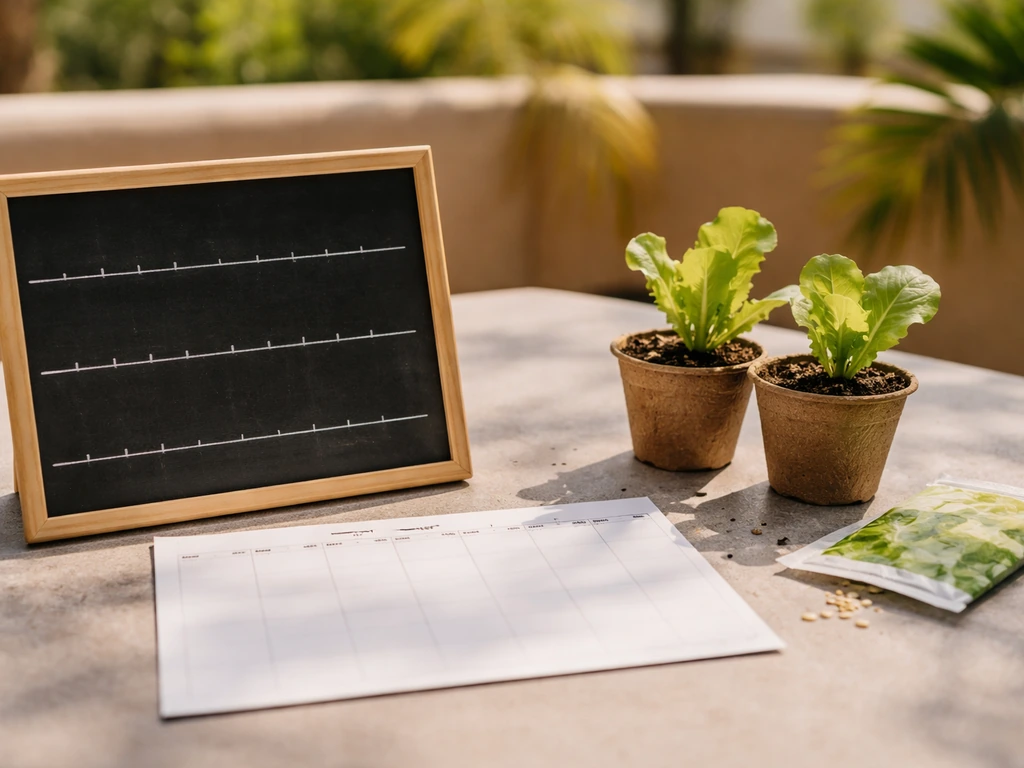
Fall is genuinely the sweet spot. You get warm soil from summer that helps seeds germinate quickly, and the air cools down as the plants mature, which is exactly what lettuce wants. A fall transplant in late September or early October can be ready to harvest in about four weeks under good conditions. Spring works well too, but you need to stay on top of the calendar because inland areas can jump from mild to hot fast, triggering bolting before you've had a chance to harvest.
If you're in a coastal area like San Diego, Santa Monica, or Long Beach, you have a longer usable window than someone in Riverside, the San Fernando Valley, or the Inland Empire. Coastal gardeners can often sneak in sowings well into November and start again in late January. Inland growers need to be more precise and should lean heavily on containers they can move to shadier spots.
How climate and heat affect germination, growth, and bolting
Heat is the central challenge with lettuce in Southern California, and understanding exactly how it affects your plants helps you work around it instead of fighting it. If you're wondering how to grow lettuce in Texas, pay close attention to heat patterns because they strongly influence germination and bolting how climate and heat affect lettuce. There are two separate problems: heat stopping seeds from germinating, and heat triggering bolting in established plants.
Germination and heat
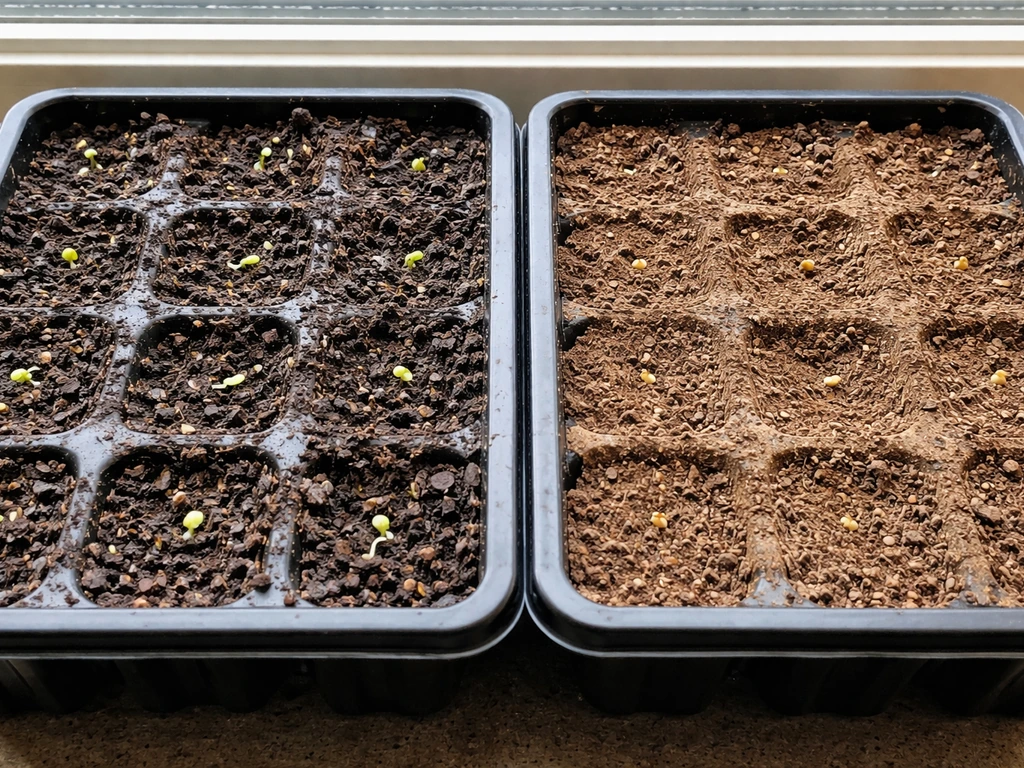
Lettuce seed germinates best between 60 and 75°F. UC Master Gardeners notes that blank" rel="noopener noreferrer">lettuce germinates across roughly 60 to 75°F, with 32°F listed as the minimum in its chart. Once soil temperatures push above 80°F, germination drops sharply, and above 86°F it's largely inhibited. This is why direct sowing in July or August outdoors almost always fails, the soil is simply too hot. If you try to sow in late August to get a jump on fall, start seeds indoors in a cool spot or in a tray placed in shade, then transplant once things cool down in September. You can also refrigerate seeds for a day or two before sowing to break thermal dormancy. Lettuce seeds also have a light-sensitivity component, so don't bury them too deep, 1/4 inch is the maximum. If you're learning how to grow lettuce in Michigan, keeping seeds at the right depth and adjusting timing to cooler temperatures can help you avoid poor germination don't bury them too deep.
Bolting and heat
Bolting, when lettuce sends up a flower stalk and turns bitter, is triggered by several days above 80°F. Once a plant starts to bolt, you can't reverse it. The leaves get bitter fast, the stalk elongates, and the plant is essentially done. Your defenses against bolting are timing (grow during cooler months), variety selection (choose slow-bolting types), and shading during unexpected heat spikes. If you're growing in containers, being able to move plants into afternoon shade when a heat wave rolls through can buy you another week or two of harvest.
The ideal growing temperature for lettuce is around 73°F during the day and 45°F at night. Southern California's coastal fall and spring seasons can hit that almost perfectly. Inland areas are more volatile, which is why container growing is so practical here, mobility is a real advantage. For specific guidance on timing, temperature management, and setup in desert conditions, see our guide on how to grow lettuce in arizona.
Choosing lettuce varieties for local seasons
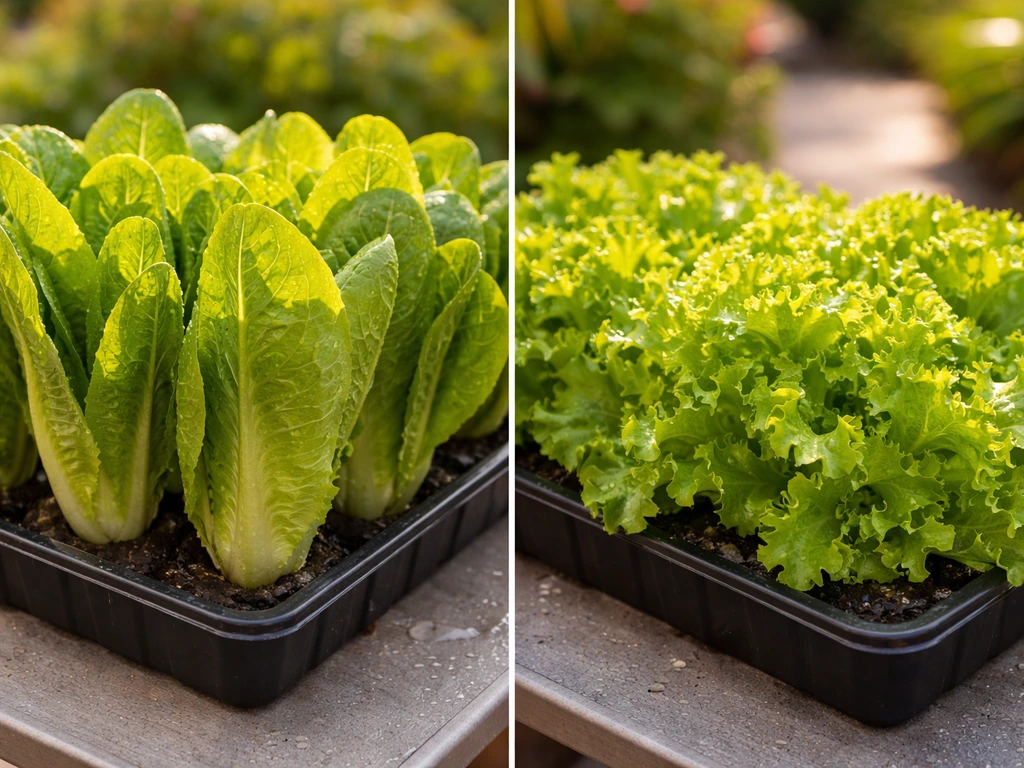
Not all lettuce is equal when it comes to heat tolerance. For Southern California, you want to prioritize varieties labeled slow-bolting, heat-tolerant, or developed for warm climates. Here are the ones that consistently perform well in this region.
- Super Jericho (romaine): Developed for the desert heat of Israel, this is one of the best heat-tolerant romaines available. It stays sweet longer into warm conditions, resists bolting, and even has resistance to lettuce mosaic virus and tip burn. Strong pick for spring and for coastal gardeners stretching into warmer months.
- Black Seeded Simpson (loose-leaf): A classic fast-growing variety that matures quickly — useful for both fall and spring windows when you want a harvest before heat arrives.
- Buttercrunch (butterhead): Good mild-weather performer, does well in fall and spring. Not the most heat-tolerant, so time it carefully inland.
- Nevada (crisphead-style): Rated for heat tolerance, good for spring plantings where temperature spikes are possible.
- Jericho (romaine): Similar to Super Jericho, excellent bolt resistance, reliable in coastal and inland spring gardens.
- Oak Leaf varieties (red or green): Loose-leaf types that handle temperature fluctuation reasonably well, mature fast, and work great as cut-and-come-again greens.
- Forellenschluss / Flashy Trout's Back (butterhead): Beautiful variety with good heat tolerance for a butterhead type; worth trying in fall.
For winter plantings when growth slows down, almost any variety works since you're not fighting heat. Focus on varieties you like to eat. For spring, lean toward the slow-bolting types listed above, especially if you're inland. For fall, pretty much anything goes, it's the most forgiving season for variety selection in Southern California.
Soil vs container vs indoor/hydroponic, what to use
Each growing setup has real advantages here, and the right choice depends on your space and how much flexibility you need. Let me walk through each one honestly.
In-ground or raised bed
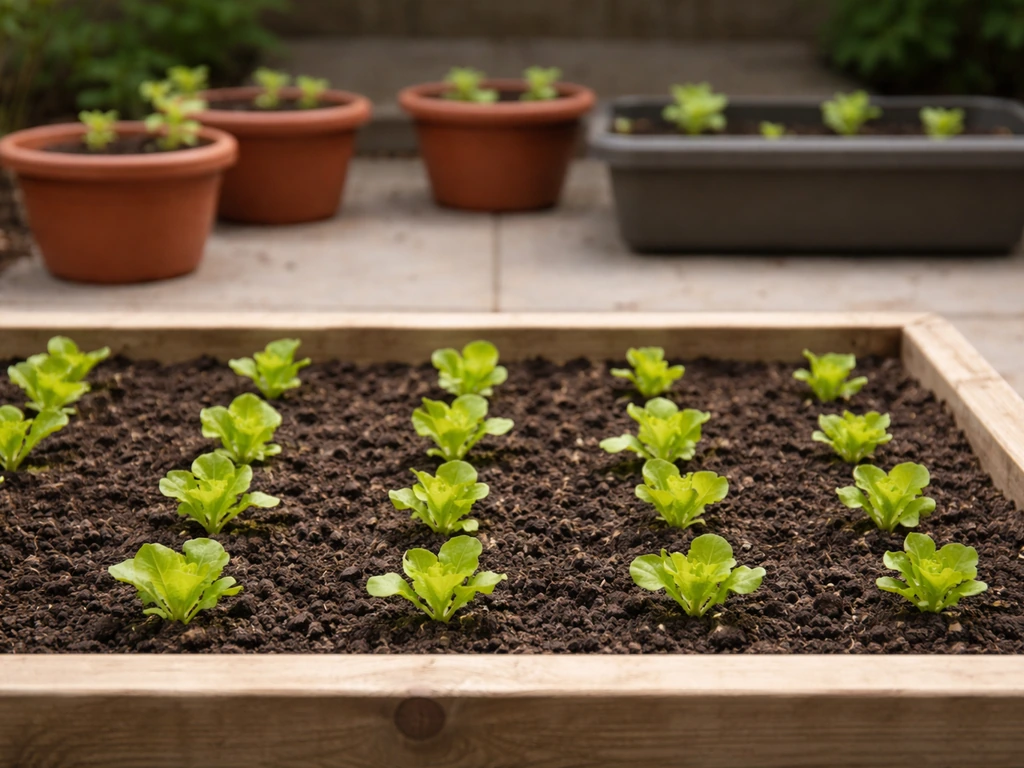
If you have a garden bed, this is the highest-yield option. Lettuce prefers fertile, well-draining soil with a pH between 6.0 and 6.5 (it tolerates as wide as 5.8 to 7.2, but that tighter band is where it thrives). Work in a couple inches of compost before planting each season. Southern California soils are often alkaline and clay-heavy, especially inland, if that's what you're working with, add compost generously and consider a raised bed with a quality mix instead. Good drainage matters: waterlogged roots are a fast path to rot and disease.
Containers
Containers are genuinely the most practical option for a lot of Southern California gardeners, especially those in apartments, condos, or homes with small or paved outdoor spaces. The ability to move pots into shade during a heat wave is a huge advantage in this climate. Use a high-quality potting mix (not garden soil, which compacts in pots) and make sure containers have good drainage holes. A container that's at least 8 inches deep works for loose-leaf types; go 10 to 12 inches deep for romaine or butterhead. Fabric grow bags work especially well because they drain fast and don't overheat as quickly as dark plastic pots.
Indoor and hydroponic growing
This is your best option during summer (June through August) when outdoor growing doesn't work. Lettuce is one of the easiest vegetables to grow hydroponically, it doesn't need a deep root zone, grows fast in nutrient solution, and does great under LED grow lights. A simple Kratky-method container setup or a small NFT (nutrient film technique) system can give you fresh lettuce year-round on a countertop or shelf. Indoors, you control temperature, which eliminates the heat problem entirely. If you don't want to go hydroponic, a pot on a windowsill with a south or west exposure can work in fall and winter, though supplemental light helps a lot.
| Setup | Best For | Heat Control | Yield Potential | Cost to Start |
|---|---|---|---|---|
| In-ground / raised bed | Gardeners with outdoor space | Low (fixed location) | Highest | Low if existing bed |
| Containers | Apartment/patio growers, inland gardeners | High (moveable) | Medium | Low to moderate |
| Indoor / hydroponic | Summer growing, no outdoor space | Full control | Medium to high | Moderate to higher |
Sowing, spacing, light requirements, and watering
Sowing depth and spacing
Sow lettuce seeds 1/4 inch deep, no deeper. They need light to germinate well, and burying them too deep is one of the most common reasons for poor germination. If you're starting in trays, put 2 to 3 seeds per cell and cover lightly. Transplant seedlings into the garden at the fourth week once they have their first true leaves. For direct sowing in beds, space seeds about 6 inches apart for loose-leaf types and 10 to 12 inches apart for full-head varieties (romaine, butterhead, crisphead). You can sow more densely and thin as they grow, the thinnings are edible baby greens, so nothing goes to waste.
Light
Lettuce needs about 6 hours of direct sun in cool seasons. In late spring when temperatures start climbing, afternoon shade (2 to 4 PM) is genuinely beneficial, especially inland, it slows bolting without hurting growth. If you want to dial in timing for your yard, learn the specific steps for how to grow lettuce in Colorado and plan around your temperature swings. In summer if you're growing indoors, a grow light running 14 to 16 hours a day replicates what the plant needs. Avoid planting in full shade outdoors, you'll get leggy, weak plants that stretch toward any available light. Partial shade in hot conditions is a tool; full shade year-round is a problem.
Watering
Lettuce has shallow roots and needs consistent moisture, but it doesn't want to sit in soggy soil. In cool weather, watering every 2 to 3 days is usually enough for in-ground beds. Containers dry out faster, check daily and water when the top inch of soil feels dry. In warmer weather, you may need to water daily. Drip irrigation or a soaker hose works well for beds because it keeps water off the leaves, which reduces fungal issues. If you're hand watering, water at the base, not overhead. Inconsistent watering (drought stress followed by overwatering) causes tip burn, which shows up as brown, crispy leaf edges.
Succession planting and harvesting for continuous greens
How to succession plant
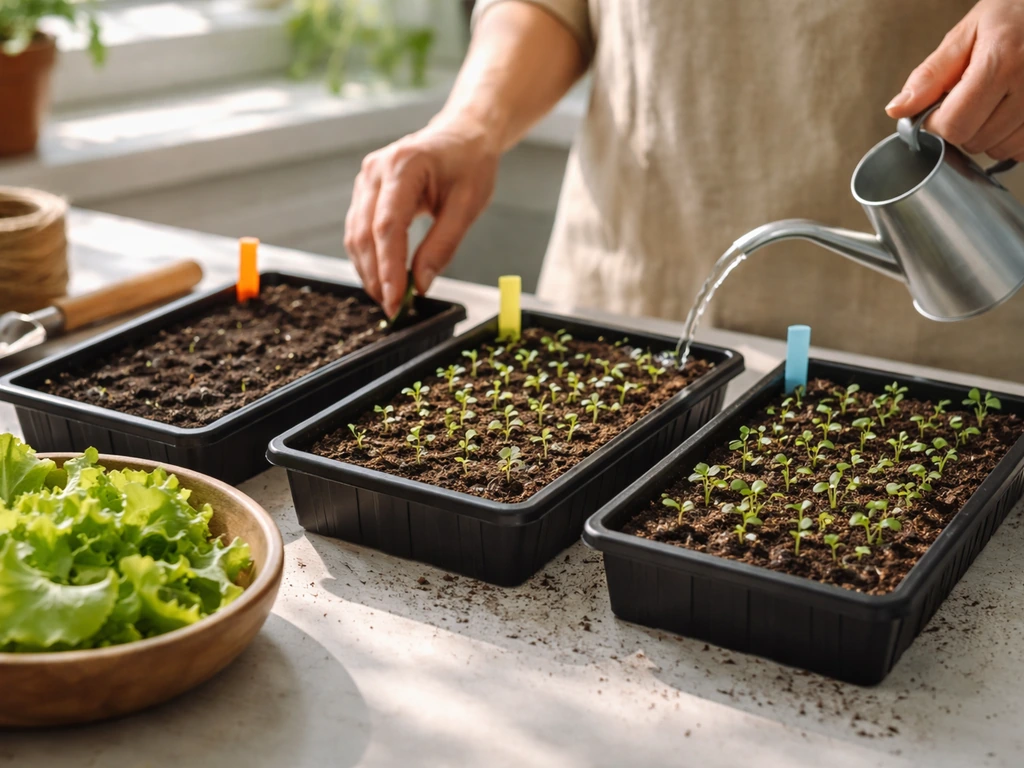
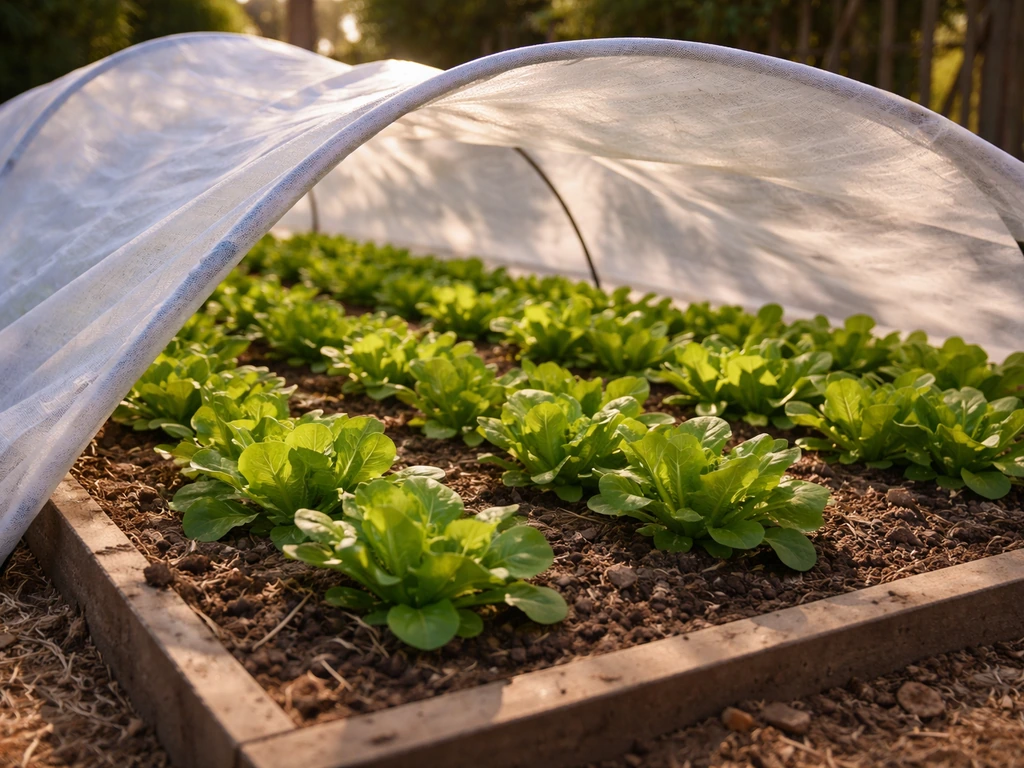
Instead of planting all your lettuce at once and ending up with a glut followed by nothing, sow small batches every 2 to 3 weeks throughout your planting window. Start a new tray or direct-sow a new row while the previous planting is still young. This staggers your harvests so you always have something ready to pick. During the fall window (mid-September through November), you can do 3 to 4 succession sowings easily. For help tailoring those timing decisions to Oklahoma weather, see our guide on how to grow lettuce in Oklahoma fall window (mid-September through November). During spring (February through mid-April), you can fit in 2 to 3 before heat shuts things down inland.
When and how to harvest
Baby lettuce leaves are ready 30 to 45 days after planting, great if you want fast results. For full heads, expect 65 to 80 days in fall and potentially up to 120 days for winter plantings when growth slows. For loose-leaf types, use the cut-and-come-again method: snap or cut the outer leaves and leave the center intact. The plant will keep producing for several more weeks. For romaine or butterhead heads, harvest the whole plant when the head feels firm by cutting it at the base. Don't wait too long, once the plant starts to bolt, flavor drops fast.
Harvest in the morning when leaves are crisp and well-hydrated. Rinse immediately and store in the fridge wrapped in a damp paper towel inside a zip-lock bag, homegrown lettuce keeps well for 5 to 7 days this way.
Your action plan for right now (mid-June)
- This week: If you want fresh lettuce now, set up an indoor container or hydroponic system. Choose a loose-leaf variety, get a grow light or place near a bright window, and sow seeds at 1/4 inch depth. You'll have baby greens in about 5 weeks.
- Late July: Order or purchase seeds for fall planting — Super Jericho, Black Seeded Simpson, Oak Leaf, or Buttercrunch. Check that you have compost or potting mix on hand.
- Late August: Start seeds indoors in trays (not outdoors — soil is still too hot). Keep trays in a cool spot, ideally below 75°F. Refrigerate seeds overnight before sowing if you want an edge on germination.
- Mid-September: Transplant seedlings outdoors or direct sow into prepared beds/containers once nighttime temps are consistently below 70°F.
- Every 2 to 3 weeks through November: Sow a new small batch for succession harvests.
- October onward: Start harvesting outer leaves from the first planting. Keep succession sowings going.
Leggy growth, bolting, and pests, common problems and quick fixes
Leggy, stretched seedlings
If your seedlings are tall and spindly instead of compact and sturdy, they're not getting enough light. Move them to a brighter spot or add a grow light positioned 4 to 6 inches above the seedlings. Leggy seedlings transplant poorly and bolt earlier, catch it early. This is very common when starting seeds indoors on a low-light windowsill.
Bolting
If your lettuce suddenly shoots up a tall central stalk, it's bolting. Taste a leaf, if it's bitter, it's too late for that plant. Harvest whatever you can immediately and pull the plant. To prevent bolting next time: plant earlier in the season, choose slow-bolting varieties like Super Jericho or Nevada, provide afternoon shade when temperatures push above 78°F, and keep plants well-watered (drought stress accelerates bolting).
Poor germination
If seeds aren't sprouting, the most likely cause is soil temperature above 80°F. Move trays to a cooler location. Also check that seeds aren't buried too deep (1/4 inch maximum), that the soil is staying consistently moist (not drying out between waterings), and that your seeds aren't too old, lettuce seeds lose viability quickly, so use fresh seed each season.
Aphids
Aphids are the most common pest on lettuce in Southern California. You'll see clusters of tiny green, white, or black insects on the undersides of leaves. A strong spray of water knocks them off. For persistent infestations, insecticidal soap spray works well and is safe on edibles. Check plants every few days, catching aphids early prevents the infestation from getting out of hand.
Powdery mildew
Powdery mildew shows up as a gray-white powdery coating on the upper and lower leaf surfaces. It's most common in humid conditions with poor air circulation. Prevention is easier than treatment: plant in full sun during cool seasons, space plants so air moves between them, and avoid overhead watering. If you see it developing, remove affected leaves and increase airflow. Planting mildew-resistant varieties where available also helps.
Tip burn
Tip burn looks like brown, papery edges on the inner leaves. It's caused by calcium deficiency at the leaf tips, usually triggered by inconsistent watering or heat stress, not an actual lack of calcium in your soil. The fix is more consistent moisture and, if possible, cooler temperatures. Super Jericho has resistance to tip burn, which is one more reason to lean on it for warmer conditions.
Slugs and snails
If you find irregular holes in leaves or a slime trail, slugs or snails are the culprit. They're most active at night and after watering. Iron phosphate bait (sold as Sluggo) is effective, pet-safe, and breaks down into the soil without harming anything else. Scatter it around plants in the evening.
Growing lettuce in Southern California is genuinely one of the more rewarding things you can do as a home gardener here. The fall season in particular is almost tailor-made for it. Get your timing right, pick a bolt-resistant variety for spring, and use containers to stay flexible through unpredictable warm snaps, and you'll have fresh salad greens on your counter for most of the year. If you're curious how these same strategies apply in other warm-climate states, the approach for growing lettuce in Arizona and Texas shares a lot of the same heat-management principles, with a few regional differences worth knowing. This is also a helpful guide for how to grow lettuce in Florida, where managing heat is the key to preventing bolting the approach for growing lettuce in Arizona and Texas.
FAQ
Can I grow lettuce outdoors in Southern California during June, July, or August?
In Southern California, you can still harvest in summer if you keep plants alive and cool, but it requires moving the setup indoors or into heavy shade. A practical approach is container growing outdoors with the pot moved into afternoon shade during heat waves, or switch to an indoor grow light (14 to 16 hours) during June through August so you are not relying on outdoor temperatures.
How do I pick the best spring planting date if my inland area warms up quickly?
Instead of a single transplant date, plan around temperature bands. For spring, start more like late February or early March, then harvest before inland afternoons reliably sit above about 80°F for multiple days. If nights are staying warm, expect faster bolting and shorten the time between successions (every 2 weeks instead of 3 to 4).
My lettuce seeds sprout slowly or not at all, what should I check first?
Lettuce can germinate poorly even when you sow at the right time, the most common cause is soil heat. Use a soil thermometer, aim for 60 to 75°F for best germination, and shade the tray or bed to keep the root zone cooler. If your soil is already near or above 80°F, start seeds indoors or in a shaded protected spot and transplant once outdoor conditions cool.
Why do my potted lettuce plants bolt faster than my bed-grown ones?
Grow bags and dark plastic pots can heat up fast, which pushes temperatures above the bolting threshold. For containers, use light-colored pots or fabric grow bags, set pots on something that insulates from hot ground (like pot feet), and water early in the day so you can maintain consistent moisture during hot spells.
How can I prevent tip burn in Southern California heat?
Switch from deep watering cycles to steady moisture, lettuce roots are shallow and tip burn often follows uneven watering. A good rule is to water when the top inch feels dry in containers, and in beds water at the base with drip or soaker tubing so moisture is consistent without wetting leaves.
My lettuce tastes bitter, is there a way to fix it or should I replant?
Lettuce that is bitter usually means it has already started bolting. If you see a central stalk or the plant suddenly tastes harsh, harvest and remove that plant, do not expect pruning to fix it. For next time, choose slow-bolting varieties and use afternoon shade when air temperatures are climbing, especially inland.
Is cut-and-come-again harvesting better than harvesting whole plants in warm spells?
For the lowest-risk harvests, use cut-and-come-again on loose-leaf types. Snap outer leaves first, leaving the center to regrow, and keep harvesting before the plant becomes crowded. Once the weather turns warm, stop relying on regrowth and switch to whole-plant harvests to avoid losing flavor.
Can I use indoor lighting to start lettuce earlier than the fall window?
Yes, but don’t treat it like a full substitute for outdoor cool seasons. Indoors, aim for stable temperatures, use a grow light on a timer (14 to 16 hours), and keep air moving to reduce mildew risk. Also, keep seedlings closer to the light, 4 to 6 inches, because leggy seedlings transplant poorly and bolt earlier.
What is the fastest way to control powdery mildew in lettuce?
Focus on air movement and leaf dryness. Plant with enough spacing for airflow, avoid overhead watering, and remove badly affected leaves early rather than waiting. If mildew keeps returning, it usually means your plants are too crowded or staying damp longer than you think.
What’s the best first step if I see aphids on my lettuce?
Aphids are often easiest to control with the least harm by using a strong water spray, then repeating every few days until numbers drop. If they persist, use insecticidal soap and recheck the undersides of leaves, because eggs and surviving aphids can be tucked under foliage.
How do I schedule succession planting so I don’t end up with a glut right before warm weather?
Try succession sowing based on plant age, not just calendar date. Start a new batch every 2 to 3 weeks so you are harvesting while the next batch is still young, and in fall aim for 3 to 4 sowings. If a heat wave hits early, pause sowing for a week and resume once temperatures cool again.