Lettuce grows beautifully in Florida, but only during the cool season. To grow lettuce in Colorado, you’ll want to focus on a similar cool-season approach and choose planting dates that match your local temperatures how to grow lettuce in colorado. Even though this guide focuses on Florida, the same core cool-season approach is what you’ll use when learning how to grow lettuce in Michigan. Winter is your main window, and if you miss it by planting too late or too early, heat will bolt your plants before you get a single decent salad. The sweet spot is roughly October through March, adjusted depending on whether you're in the Panhandle or South Florida. Get that timing right, pick heat-tolerant varieties, and give your plants some shade when temperatures creep up, and you'll have more fresh lettuce than you know what to do with. If you want specific guidance for Arizona, including summer heat timing and local varieties, follow the steps in our guide on how to grow lettuce in arizona. If you’re in southern California, you can use the same cool-season timing and heat-management strategies to grow lettuce successfully grow lettuce in southern California.
How to Grow Lettuce in Florida: Timing, Varieties, Care
Florida Lettuce Timing and Planting Windows
Florida is not one climate, it's several. North Florida (Zone 8b) gets genuine cold winters that actually help lettuce thrive, but frosts can also be a threat. Central Florida (Zones 9a–9b) has a narrower window and milder winters. South Florida (Zones 10–11) barely gets cold at all, which means you're essentially growing lettuce during what the rest of the country calls fall and winter, sometimes stretching into early spring.
| Region | USDA Zone | Best Planting Window | Latest Safe Start |
|---|---|---|---|
| North Florida (Panhandle, Jacksonville) | 8b–9a | Sept–Nov and Feb–Mar | Early March |
| Central Florida (Orlando, Tampa) | 9b | Oct–Nov and Feb | Mid-February |
| South Florida (Miami, Fort Lauderdale) | 10–11 | Oct–Feb | Late February |
UF/IFAS recommends checking with your local Extension office for the most precise dates for your county, since microclimates vary even within regions. As a general rule, lettuce prefers temperatures between 50°F and 75°F. Once daytime highs consistently push above that upper limit, your plants will bolt, turn bitter, and essentially be done. In South Florida, that window can stretch until February or even March if you're using shade cloth and managing heat. In North Florida, you may get a second short planting window in late winter (February to early March) before spring warmth arrives. Summer production in Florida is not realistic for most home gardeners, UF/IFAS is direct about this: commercial lettuce production during summer in Florida normally ceases due to heat.
Choosing Lettuce Varieties for Florida (Including Romaine)
Variety selection matters more in Florida than almost anywhere else, because heat tolerance and bolt resistance determine whether you get crisp heads or a weedy-looking mess by week six. Loose-leaf types are generally the most forgiving because you harvest individual leaves and the plant doesn't need to form a tight head before the heat arrives. Butterhead varieties are a solid middle-ground option. Crisphead (iceberg-style) is the toughest to pull off in Florida because it needs the longest, coolest conditions to form a proper head.
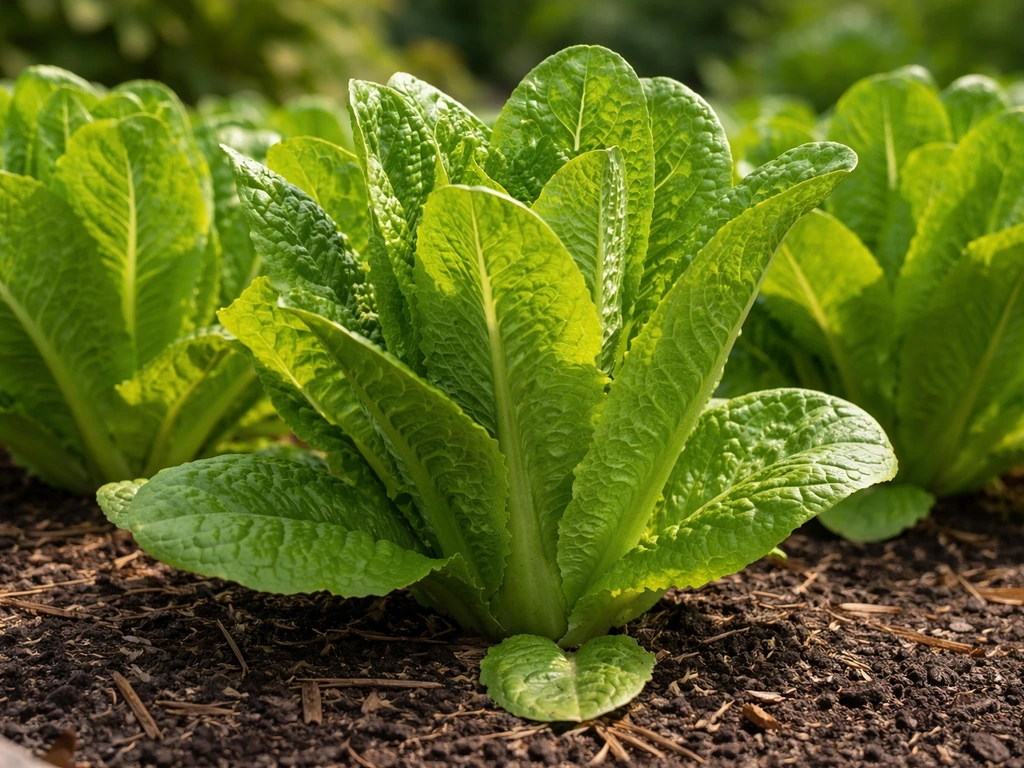
For romaine specifically, UF/IFAS recommends varieties like Parris Island Cos and Outredgeous as reliable performers in Florida conditions. Romaine takes about 60 to 80 days from seed to maturity, which means you need to be strategic about when you start seeds so the plant matures before heat arrives. If you're in Central or South Florida and starting from seed, count backward from your expected heat arrival date and make sure you have that full window available. Starting transplants indoors and setting them out when they're 3 to 4 weeks old can buy you a few extra weeks of cool-season growing time.
- Loose-leaf types (Oak Leaf, Black Seeded Simpson, Red Sails): fastest to harvest, most heat-tolerant, great for beginners
- Butterhead (Buttercrunch, Tom Thumb): forms soft heads, bolt-resistant compared to crisphead, works well in containers
- Romaine/Cos (Parris Island Cos, Outredgeous): upright growth, 60–80 days to maturity, needs full cool-season window, worth the effort for the flavor
- Crisphead/Iceberg: needs the longest cool window, not recommended unless you're in North Florida with a reliable fall-to-spring season
One thing worth noting: UF/IFAS cultivar trials found that some romaine lines bolted early in late-season trials, even within the same variety. That variability is real, and it's a good reason to start seeds on the earlier end of your window rather than waiting.
Preparing Your Soil, Containers, or Indoor Setup
Outdoor Beds
Lettuce roots are shallow, so it doesn't need deep soil, but it does need soil that drains well and holds moisture consistently. Florida's sandy soils drain too fast and need organic matter added to hold nutrients and water. Work in compost or aged manure before planting to improve both moisture retention and nutrient content. If your soil pH isn't in the 6.0 to 7.0 range, nutrient uptake suffers noticeably with lettuce. A basic soil test from your local Extension office is worth doing at least once. Florida's muck soils in the southern part of the state are naturally high in organic matter and can be very productive for lettuce, but pH management is still important there.
Containers
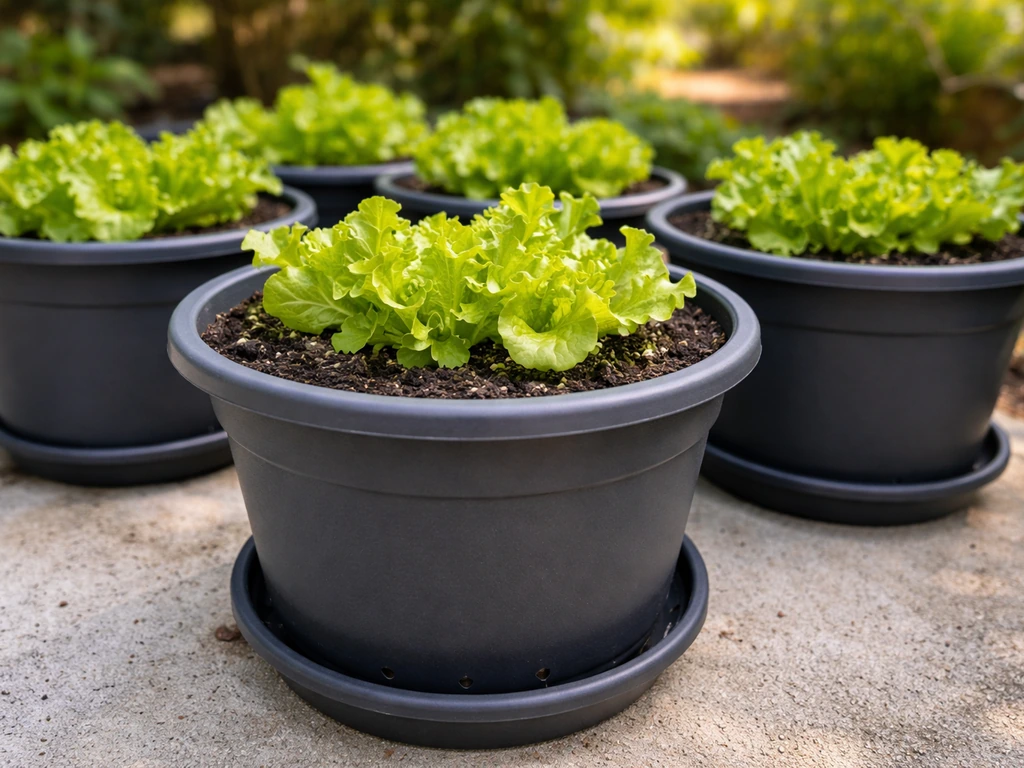
Containers work great for lettuce in Florida, partly because you can move them into shade when the temperature spikes. UF/IFAS recommends at least 2 gallons of volume per lettuce plant, with containers at least 6 to 8 inches deep. A 4-inch pot diameter works for a single compact leaf lettuce plant, but if you want romaine, go wider. Use a quality potting mix, not garden soil, which compacts and drains poorly in containers. Self-watering containers are worth the investment in Florida's unpredictable rainfall pattern. UF/IFAS also advises avoiding self-watering containers that allow standing water around lettuce roots avoid self-watering containers that allow standing water around lettuce roots.
Indoor and Hydroponic Setups
If Florida's heat has you frustrated with outdoor timing, an indoor hydroponic setup solves almost every climate problem. Lettuce is one of the easiest crops to grow hydroponically and thrives in systems like NFT (nutrient film technique) or DWC (deep water culture). Target a nutrient solution EC of 1.2 to 1.8 and a pH of 6.0 to 7.0. Keep the solution temperature below 70°F if possible, as warm water reduces oxygen levels and stresses roots. Indoors, you control the temperature, which means you can grow lettuce year-round even during Florida's brutal summers, something that's basically impossible outdoors.
Managing Light and Temperature to Prevent Bolting
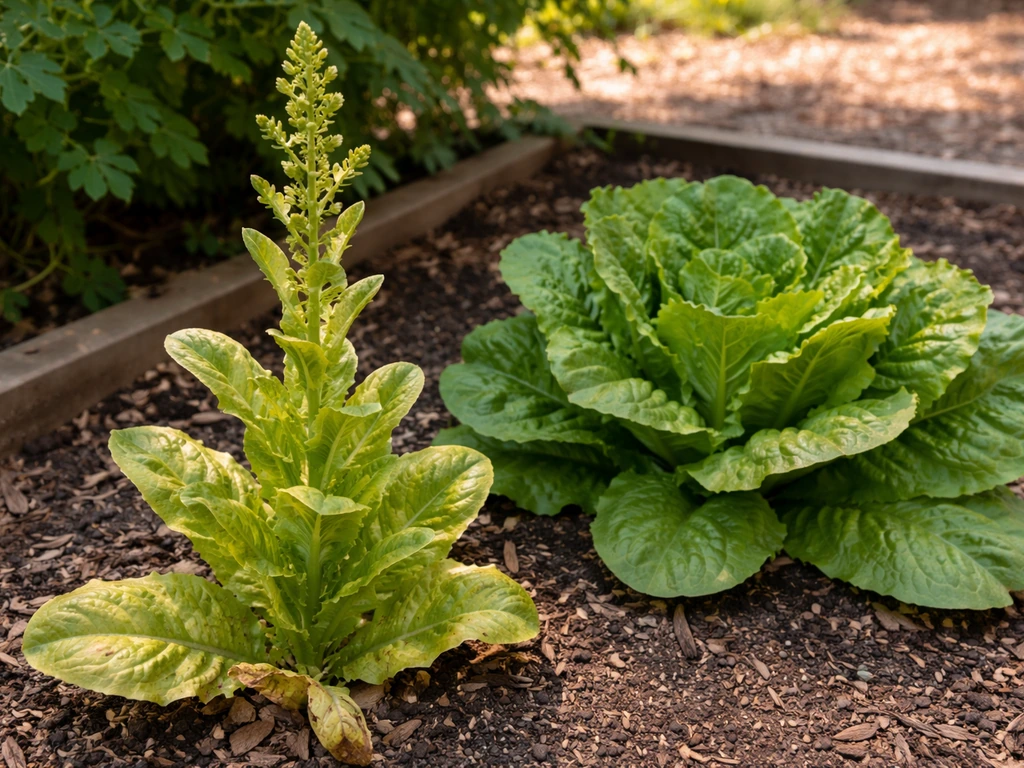
Bolting is the number one reason Florida gardeners get discouraged with lettuce. The plant senses heat and long days, sends up a flower stalk, and the leaves immediately turn bitter and tough. Once a plant bolts, there's nothing you can do to reverse it. Prevention is everything.
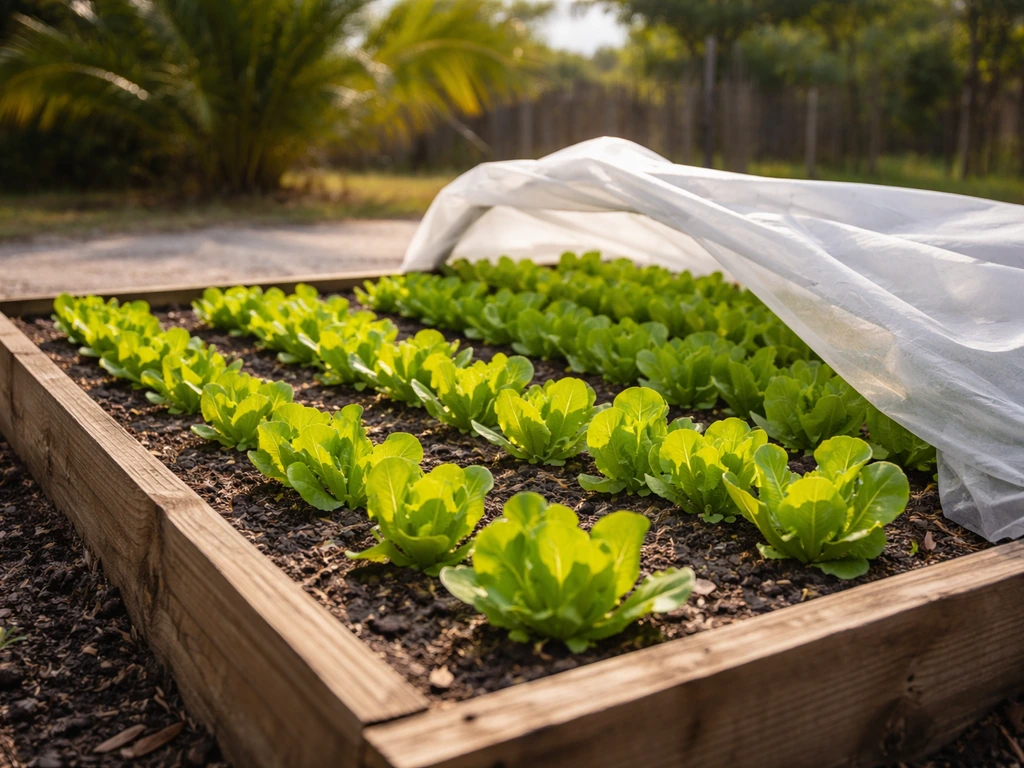
During your core cool-season window, full sun is fine and actually beneficial. But as temperatures start climbing toward the end of your season, shade cloth is your best tool. A 30 to 50 percent shade cloth draped over your bed or container setup can drop the effective temperature enough to extend your harvest by several weeks. UF/IFAS extension guidance specifically recommends this approach for leaf lettuce during warm periods to prevent stress and bolting. You're not trying to grow lettuce in the dark, you're just knocking the edge off intense Florida sun and heat.
- Cool season (Oct–Feb): full sun is ideal, 6+ hours per day
- Late season (Feb–Mar): add 30–50% shade cloth when daytime temps approach 80°F regularly
- Indoors: 12–16 hours of grow light daily at appropriate intensity (lettuce doesn't need intense light, just consistent duration)
- Watch for early bolting signs: center leaves elongating, plant suddenly growing taller, slight bitterness in young leaves
Positioning also matters. In a container setup, you can physically move plants to a shadier spot during the hottest part of the day (typically 11am to 3pm in Florida). Even partial afternoon shade from a fence or building makes a real difference. East-facing spots that get morning sun and afternoon shade are ideal when temperatures start pushing into the upper 70s.
Sowing, Transplanting, and Spacing
Lettuce seeds need light to germinate, so sow them shallow, barely covered with fine soil or vermiculite, no more than 1/8 inch deep. UF/IFAS recommends this shallow sowing approach specifically for romaine. Seeds germinate best around 65°F to 70°F, so if you're starting seeds in September or October in Central or South Florida and it's still warm, germinate them indoors in air conditioning and transplant the seedlings outside when they're 3 to 4 weeks old.
For romaine specifically, UF/IFAS recommends rows spaced 12 to 18 inches apart, with plants thinned to about 8 inches apart within the row. If you're giving plants even more room, 12 inches between plants produces the fullest, most upright heads. For leaf lettuce varieties, you can get away with 6 to 8 inches between plants, which means more plants per square foot and a faster, more abundant harvest.
| Lettuce Type | Plant Spacing (in) | Row Spacing (in) | Container Volume |
|---|---|---|---|
| Loose-leaf | 6–8 | 10–12 | 1–2 gallons per plant |
| Butterhead | 8–10 | 12 | 2 gallons per plant |
| Romaine | 8–12 | 12–18 | 2+ gallons per plant |
| Crisphead | 12 | 18 | 2+ gallons per plant |
If you're direct sowing, sprinkle seeds more densely than final spacing, then thin once seedlings are a few inches tall. Don't skip thinning, crowded lettuce produces weak, leggy plants that are more prone to disease and bolting. Thinned seedlings are edible, so you get a tiny harvest even from the thinning process.
Watering and Nutrients for Fast, Steady Growth
Lettuce is mostly water, which means consistent soil moisture is non-negotiable. Uneven watering leads to tip burn, poor head formation, and bitter leaves. In Florida's sandy soils, you may need to water every day or every other day, especially without rain. Drip irrigation or micro-spray systems work best because they deliver water directly to the root zone without wetting the foliage, which reduces disease risk. One important caution from UF/IFAS: avoid irrigation water with salt levels above 1,000 ppm, as this can kill lettuce outright. If you're using well water in coastal areas, it's worth getting a quick test.
For fertilizer, lettuce is a fast grower with moderate nitrogen needs. In home garden beds, work a balanced granular fertilizer into the soil before planting, then side-dress with a nitrogen source about 3 to 4 weeks into growth. UF/IFAS guidance for Florida lettuce production recommends splitting nitrogen applications: half at planting, the remainder applied about four weeks before anticipated harvest. You don't need heavy feeding, too much nitrogen late in the season can actually encourage lush, weak growth that bolts more easily. In containers, a diluted liquid fertilizer every 7 to 10 days works well because nutrients leach out faster with frequent watering.
For hydroponic setups, monitor your EC (electrical conductivity) regularly and keep it in the 1.2 to 1.8 range. Lettuce grown in solution that's too concentrated will show tip burn on older leaves. Lettuce grown in solution that's too dilute grows slowly and lacks flavor. Adjust gradually rather than making big corrections all at once.
Harvesting, Succession Planting, and Quick Troubleshooting
When and How to Harvest
Loose-leaf lettuce can be harvested starting around 30 to 40 days after transplanting by cutting outer leaves and letting the center keep growing, this is called the cut-and-come-again method. For romaine, you're looking at 60 to 80 days from seed to a full head. Harvest romaine when the inner leaves are tightly packed but before the plant starts to elongate. Cut the whole head at the base with a clean knife. In Florida, harvest in the morning when temperatures are coolest and the leaves are crisp, heat wilts lettuce fast after cutting.
Succession Planting to Keep the Harvest Going
Don't plant everything at once and then have a two-week glut followed by nothing. If you’re specifically wondering how to grow lettuce in Oklahoma, you’ll want to plan around your first and last frost dates and the hottest weeks when lettuce bolts. Start new seeds or transplants every 3 to 4 weeks throughout your cool season window. This staggers your harvest and keeps fresh lettuce coming consistently right up until heat shuts things down. In Florida, your cool-season window is compressed compared to northern states, so plan your succession plantings before the season starts so you know exactly how many rounds you can fit in. If you want to replicate this timing outside Florida, check how to grow lettuce in Ohio for the right planting windows and temperature targets.
Quick Troubleshooting for Common Florida Problems
| Problem | Likely Cause | What to Do |
|---|---|---|
| Bolting (flower stalk forms) | Temperatures too high or days too long | Add 30–50% shade cloth, harvest immediately, adjust timing next season |
| Bitter leaves | Heat stress or bolting beginning | Harvest what you can now; use more shade and earlier planting next time |
| Tip burn (brown leaf edges) | Calcium deficiency or uneven watering | Water more consistently; ensure good airflow; check pH for nutrient availability |
| Leggy, pale seedlings | Not enough light or overcrowding | Thin plants, move to brighter spot or add supplemental light |
| Aphids or caterpillars on leaves | Common Florida insect pests | Check undersides of leaves daily; use insecticidal soap for aphids; hand-pick caterpillars or use Bt (Bacillus thuringiensis) |
| Yellowing lower leaves with gray fuzz | Downy mildew (common in FL) | Improve airflow, avoid wetting foliage, remove affected leaves; choose resistant varieties when available |
| Slow or no germination | Soil too warm or seeds planted too deep | Start seeds indoors in AC, sow shallower (1/8 inch max) |
Aphids, caterpillars (especially Spodoptera species), serpentine leafminers, and banded cucumber beetle are the most common insect threats UF/IFAS identifies for Florida lettuce. Check your plants every few days, especially the undersides of leaves where aphids cluster. Catching problems early makes a big difference because lettuce grows fast but also declines fast if stressed by pest pressure on top of heat.
Florida's unique climate means the biggest adjustments compared to growing lettuce in other warm states, like Texas or Southern California, come down to timing precision and heat management. You have a real, productive window here, it's just narrower than most gardeners expect. Work within it, pick the right varieties, and use shade cloth as your secret weapon when temperatures start climbing, and you'll be harvesting crisp, fresh lettuce from your own yard or patio in the middle of what feels like perpetual summer to the rest of the country. If you're wondering how to grow lettuce in Utah specifically, the same cool-season timing and temperature management principles apply, but you will need to match them to your local spring and fall weather.
FAQ
What’s the best lettuce to grow in Florida if I want the easiest, lowest-fuss option?
Start with loose-leaf types because they tolerate shorter cool periods better. You can harvest leaves (cut-and-come-again) without waiting for a tight head, which reduces the risk of losing the whole crop to late heat.
My lettuce is bolting early in Florida, what are the most common causes?
The biggest drivers are planting too late, letting plants sit in full sun once days warm up, and starting with seed that is already marginal for your season length. Also check spacing and nitrogen timing, overcrowding and heavy late nitrogen can both make bolting happen faster.
How do I know whether my lettuce has enough time to mature before Florida heat arrives?
Work backward from your expected last warm stretch. For romaine, use the full seed-to-harvest window (about 60 to 80 days) and add a buffer of at least 7 to 10 days for slower germination or slower transplant establishment.
Should I start lettuce indoors in Florida even during the cool months?
If it’s still warm where you live, yes. Indoor germination around 65 to 70°F helps you avoid heat-triggered stress, then transplant when seedlings are about 3 to 4 weeks old to gain extra cool-season days.
Does lettuce need full sun in Florida, or can I start with shade?
During the core cool-season window, full sun is fine. Once daytime highs approach the upper 70s, move toward 30 to 50 percent shade cloth or partial afternoon shade (often 11am to 3pm) to keep leaves from turning bitter and tough.
What container size is actually enough for lettuce in Florida heat?
For reliable results, aim for at least 2 gallons per plant, and for romaine, use a wider pot rather than only a deeper one. Shallow containers warm faster and can push roots into stress even if you water well.
Why does my lettuce get tip burn, even when I water regularly?
Tip burn is often linked to inconsistent moisture and sometimes salt buildup. Use drip or micro-spray to keep the root zone steady, and if you use coastal well water, test it, salt levels above about 1,000 ppm can be damaging to lettuce.
How often should I water lettuce in Florida if it’s in sandy soil?
Expect frequent watering, sometimes daily or every other day depending on sun and container size. The goal is consistently moist soil, not wet leaves, so use systems that deliver water to the roots and reduce foliage wetness.
Can I grow lettuce year-round outdoors in Florida?
Typically no, outdoor production is limited to the cool season. You can stretch the season with shade cloth and timing, but during Florida’s hottest months most gardeners see rapid bolting, especially if daytime highs stay above the lettuce comfort range.
What’s the safest way to fertilize lettuce in Florida to prevent bitterness or bolting?
Use a light, split approach. Put some balanced fertilizer in at planting, then side-dress nitrogen about 3 to 4 weeks later, and avoid heavy nitrogen late in the season, it encourages lush growth that can bolt sooner.
How should I harvest lettuce so it keeps producing longer?
For leaf lettuce, use cut-and-come-again by removing outer leaves and leaving the center to regrow. Harvest in the morning when it’s coolest, heat wilts cut leaves quickly, and quick cooling after harvest improves crispness.
What hydroponic issues should I watch for first in Florida?
Monitor water temperature and solution strength (EC) and avoid warm, oxygen-poor water. Keep solution temperature below about 70°F if possible, and adjust EC gradually because too concentrated can trigger tip burn while too dilute slows growth and flavor.
Do I need to thin lettuce seedlings in Florida, and can I use the thinnings?
Yes, thinning is essential. Crowded seedlings become leggy and are more prone to stress, disease, and bolting. The good news is the thinnings are edible, you can harvest them as a small early salad.
Which pests should I target first on lettuce in Florida?
Inspect frequently for aphids, caterpillars (including Spodoptera types), leafminers, and cucumber beetles. Since lettuce declines quickly under stress, early detection on the undersides of leaves matters more than waiting until damage is obvious.