You can grow great lettuce in Colorado, but you have to work with the calendar and not against it. If you want to do the same timing right for warmer weather, see our guide on how to grow lettuce in florida for local tips in Colorado.
How to Grow Lettuce in Colorado: Step by Step Guide
Marcus Holloway
6 Jun 2026
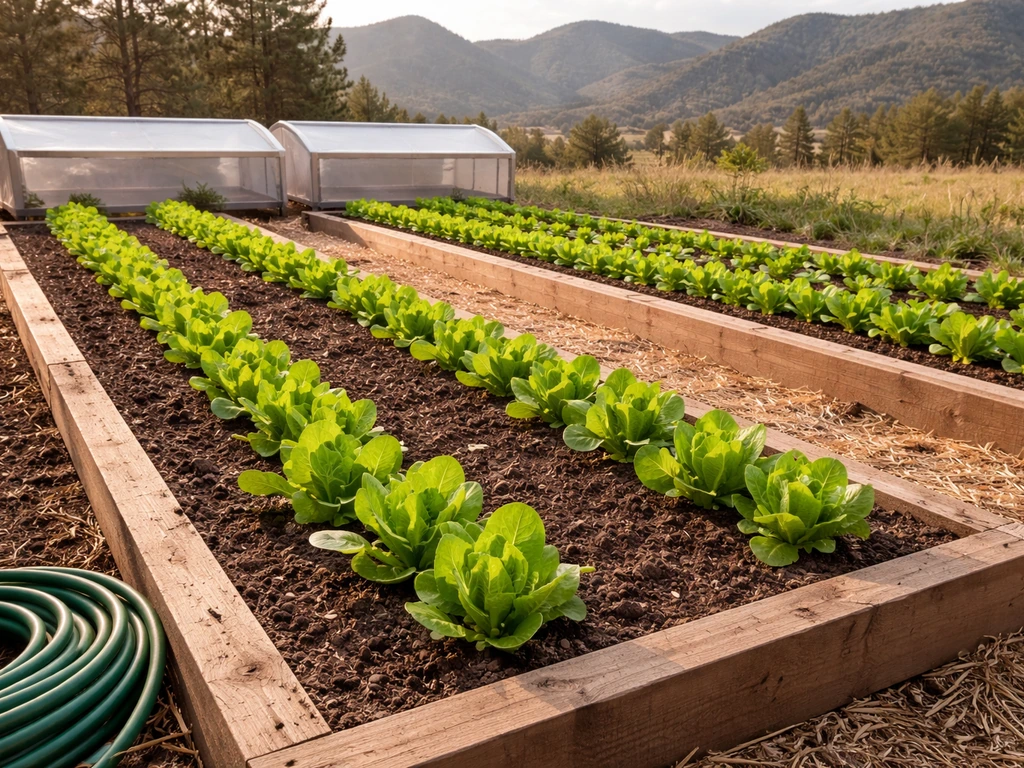
That means planting early in spring (before the heat triggers bolting), again in late summer for a fall harvest, and using row covers or containers to protect against the cold snaps and temperature swings that make Colorado gardens unpredictable. Get the timing right, pick the right varieties, and lettuce is one of the easiest crops you can grow here. If you want the Oklahoma approach instead, focus on planting lettuce early, protecting it from summer heat, and using varieties that mature quickly how to grow lettuce in oklahoma.
Oklahoma gardeners can use the same cool-season approach, but you will need to adjust your planting dates to match local temperatures how to grow lettuce in oklahoma. If you want the same kind of success in Michigan, you can follow a similar approach but adjust your planting dates to your local frost timing easy crops you can grow here. For a detailed Michigan approach, follow the guidance in how to grow lettuce in michigan for timing, varieties, and temperature protection success in Michigan.
If you want to grow lettuce in Ohio, focus on cool-season timing, heat-tolerant varieties, and consistent moisture for crisp heads letuce is one of the easiest crops you can grow here. If you’re specifically in Ohio, you can fine-tune those timings based on local frost dates and typical summer heat so your lettuce stays crisp how to grow lettuce in ohio.
Colorado lettuce basics and why it's tricky
Lettuce is a cool-season crop, and Colorado's climate has plenty of cool seasons, but the problem is they don't last long and they're sandwiched between hard freezes and intense heat. On the Front Range, the average last spring frost is around May 15 and the first fall frost typically hits around October 15, giving you a theoretical outdoor window of five months. In practice, though, temperatures can spike into the 80s and 90s in June, which pushes lettuce to bolt (flower and turn bitter) well before summer officially starts.
At higher elevations, the window shrinks further. At around 9,300 feet (Gilpin County as an example), the last frost can fall around June 10 and the first fall frost around September 15, leaving you with barely three months. And even within those windows, you're dealing with Colorado's notorious temperature swings: nights in the 30s when days are in the 70s, late snowstorms in May, and heatwaves that bake the garden before you've got your first harvest. Soil temperature matters more than air temperature for germination, and lettuce needs soil around 40 to 50°F to sprout reliably, so checking soil temp with a thermometer (pushed a few inches into the ground) is much smarter than going by the calendar alone.
The other Colorado-specific challenge is water. The low humidity and intense sun accelerate soil drying and can cause tipburn (brown leaf edges), which is less about soil calcium and more about inconsistent moisture causing transient calcium deficiency in rapidly expanding leaf tissue. Keep irrigation consistent and you'll mostly avoid it. That combination of short growing windows, temperature extremes, and dry air is why variety selection and timing are the two biggest levers you have as a Colorado lettuce grower.
Best lettuce varieties for Colorado
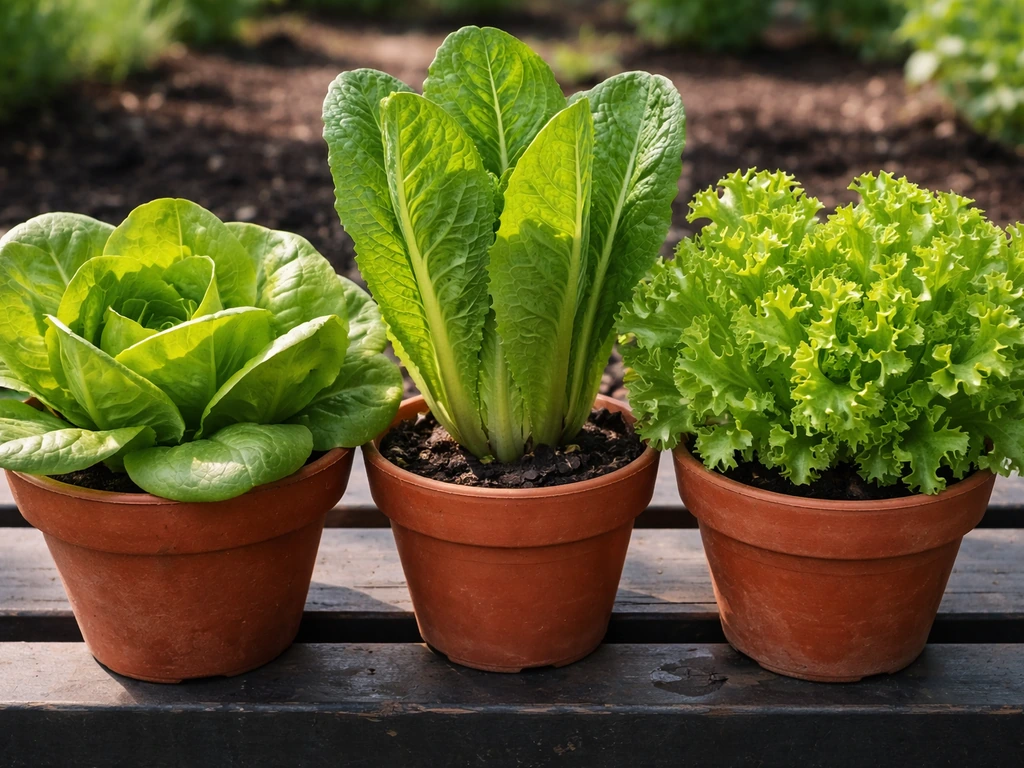
Not all lettuce handles Colorado conditions equally. You want varieties with at least one of three traits depending on the season: bolt resistance for late spring and summer, cold tolerance for early spring and fall, or quick maturity so you can harvest before conditions turn against you. CSU's specialty crops program has done real bolting-resistance evaluations on lettuce varieties, and the results show meaningful differences between cultivars. For example, 'Salad Bowl' holds well early in the season but bolts quickly once heat arrives. 'Paris Island' romaine consistently takes 85 to 95 days and isn't among the slowest to bolt, so timing it carefully matters.
| Variety | Type | Best For | Notes |
|---|---|---|---|
| Buttercrunch | Butterhead | Spring and fall | Reliable, mild flavor, handles light frost well |
| Black Seeded Simpson | Loose-leaf | Spring and early fall | Fast-growing, good before heat arrives |
| Oakleaf | Loose-leaf | Spring and fall | Moderate heat tolerance, bolt-resistant |
| Salad Bowl | Loose-leaf | Early spring only | Holds well in cool weather, bolts fast in heat |
| Paris Island | Romaine | Spring and fall with timing | 85–95 days; plan sowing date carefully |
| Winter Density | Butterhead/Romaine cross | Fall and high-tunnel winter | Cold-hardy; used in unheated tunnel trials |
| Nevada | Loose-leaf | Late spring and summer | One of the better heat/bolt-tolerant options |
| Jericho | Romaine | Summer and late spring | Bred for heat tolerance, slow to bolt |
| Rouge d'Hiver | Romaine | Fall and overwintering | Cold-tolerant, red-tinged, good in frames |
For most Colorado gardeners, I'd start with Buttercrunch and a heat-tolerant loose-leaf like Nevada or Jericho. That combination gives you reliable spring production and a fighting chance through late spring warmth. For fall, Rouge d'Hiver and Winter Density handle cold snaps without turning to mush.
When to plant in Colorado
Spring planting
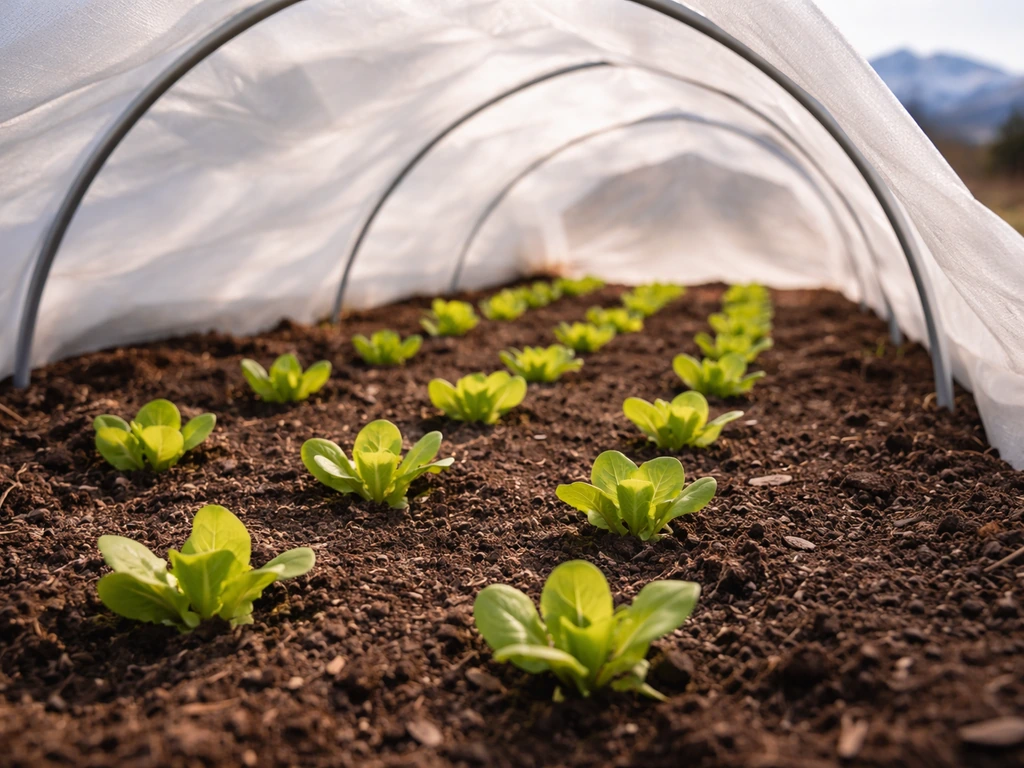
On the Front Range, start seeds indoors or direct-sow under cover 4 to 6 weeks before your last frost, which puts you around late March to early April. Direct sowing outdoors under a row cover works well when soil hits 40°F. CSU recommends planting cool-season crops 2 to 4 weeks before the average last spring frost, so mid-April direct sowing in Denver-area gardens is reasonable if you have frost protection ready. The goal is to get lettuce establishing and producing before temperatures consistently push past 75 to 80°F during the day, because sustained heat above 85°F is when bolting really accelerates.
At higher elevations, push your start date later accordingly. At 9,000+ feet, you may be direct-sowing in late May or even early June. Use a cold frame or row cover aggressively to extend your spring window. Those structures can add up to 10°F of temperature protection, which often means the difference between a full harvest and a frost-killed crop.
Summer heat management
Honestly, if you're in the lower elevations and temperatures are regularly hitting 85°F by mid-June, it's not worth fighting for a summer lettuce harvest outdoors. Shade cloth (30 to 40 percent) can buy you a couple of extra weeks by reducing heat load, and container lettuce on a shaded east-facing patio does better than in-ground beds that absorb heat all day. That said, this is the time I pivot to indoor growing or simply pause and plan for fall. If you live in southern California, the biggest difference is managing lettuce through hotter conditions and choosing the right season to avoid bolting how to grow lettuce in southern california.
Fall planting
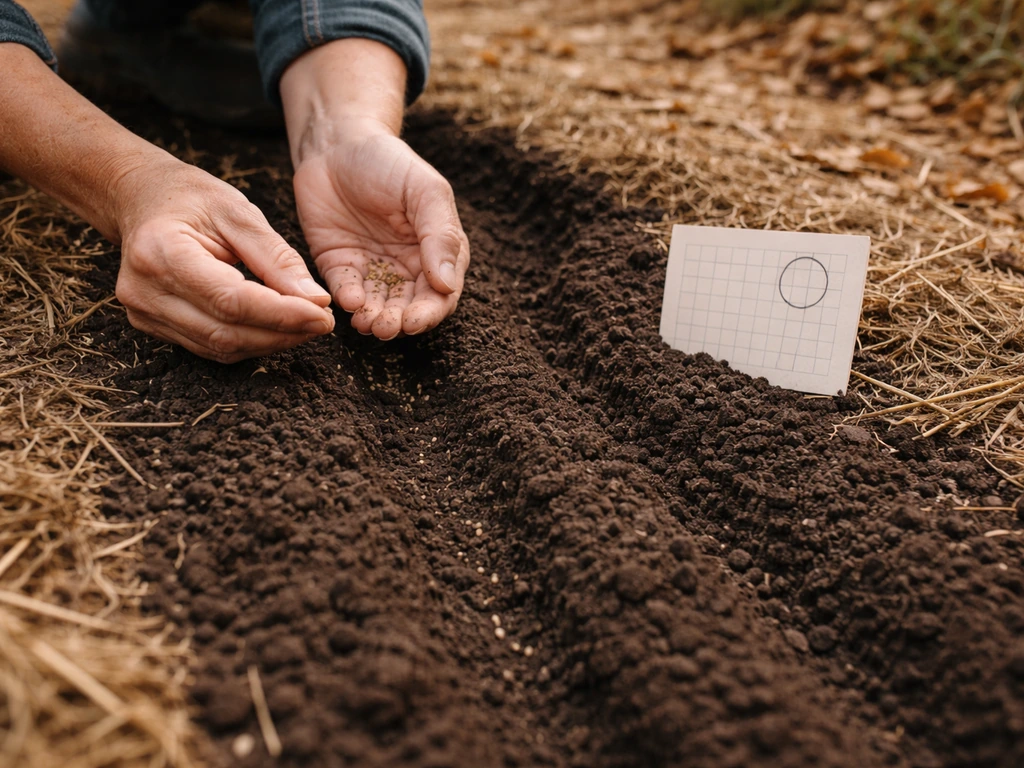
Fall is arguably the better lettuce season in Colorado. Count back 60 to 75 days from your first fall frost (around October 15 on the Front Range) and you get a target sow date of late July to early August. The lettuce grows through cooling temperatures, which actually improves flavor and slows bolting. Keep a row cover ready for nights that dip below 28°F. Lettuce handles light frost (down to about 28°F for brief periods), but a sustained hard freeze without protection will damage or kill plants, especially young seedlings.
Outdoor and container setup
Site and soil
Lettuce needs at least 6 hours of direct sun for solid growth, but in Colorado's hot late-spring sun, some afternoon shade (3 to 4 PM onward) actually reduces bolting pressure. If you're planting near a fence, wall, or taller crops that shade the west side of your garden, that's useful placement in May and June. For soil, work in 2 to 4 inches of compost before planting. Many Colorado soils are alkaline and low in organic matter, which stresses lettuce and makes nutrient uptake inconsistent. A soil test is worth doing once, especially if you're starting a new garden. Target a pH of 6.0 to 7.0 for best results.
Container growing
Containers are genuinely great for Colorado lettuce because you can move them to follow optimal temperatures. CSU Extension specifies a minimum of 8 inches deep for lettuce containers, and at least 6 hours of daily sun. Use a quality potting mix (not garden soil, which compacts and drains poorly in pots) and make sure the container has drainage holes. The mobility advantage is real: move containers to morning sun in May for warmth, then shift to a north-facing or east-facing spot in June when heat becomes the problem. A 12- to 16-inch wide pot or a long window box works well for cut-and-come-again leaf lettuce.
Spacing and succession sowing
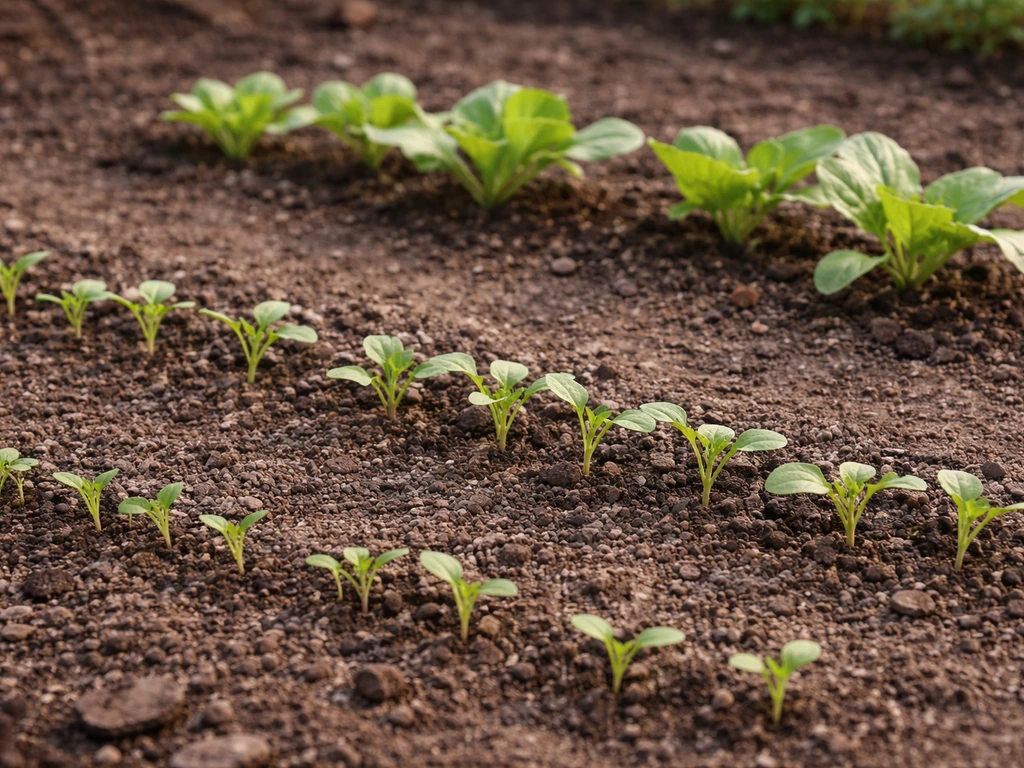
Thin seedlings to about 3 inches apart initially, then as they grow, thin to 6 to 9 inches for leaf types or 10 to 12 inches for head types. Crowding causes poor air circulation (fungal issues), competition for nutrients, and leggy growth. The other big thing: succession planting. Sow a small batch every two weeks rather than all at once. That way you're harvesting continuously rather than watching a whole planting bolt simultaneously. Smaller batches every two weeks is the single most practical change most home gardeners can make to their lettuce setup.
Indoor and hydroponic lettuce options
If Colorado's outdoor season feels limiting, indoor and hydroponic growing lets you produce lettuce year-round with far more control. Lettuce is genuinely one of the best hydroponic crops because it's shallow-rooted, fast-growing, and doesn't need the high light levels that fruiting crops require.
Light
For indoor lettuce, you need a grow light. Full-spectrum LED grow lights work well and run cool enough that they don't heat up the growing space. Give lettuce 14 to 16 hours of light per day and keep the light source 6 to 12 inches above the canopy to avoid leggy stretching. A south-facing window in Colorado can supplement light in winter, but it's rarely enough on its own for dense, quality growth between November and February.
Temperature targets
Indoors, shoot for 60 to 70°F during the day and 55 to 65°F at night. Lettuce grows fastest in that range without bolting stress. A cool basement or garage can work well in winter if you add artificial light. Avoid placing grow setups near heating vents or in rooms that get above 75°F regularly, because heat triggers the same bolting response indoors as it does in the garden.
Hydroponic nutrients
For hydroponics, a balanced lettuce-formulated nutrient solution at an EC (electrical conductivity) of around 0.8 to 1.6 mS/cm and a pH of 5.5 to 6.5 gives consistent results. Monitor both regularly because pH drift is the most common cause of nutrient lockout in hydroponic lettuce. Simple deep water culture (DWC) or kratky setups work well for beginners and require minimal equipment investment. You can grow from seed to harvest in 30 to 45 days hydroponically, which makes it a great way to keep fresh lettuce going through Colorado's outdoor off-season.
Watering, fertilizing, and managing light and warmth to prevent bolting
Watering
Lettuce is about 95 percent water and it shows when plants stress from drought. In Colorado's dry climate, consistent moisture is more important than how much you water at once. Check soil moisture daily during warm weather and water when the top inch is dry. Deep, infrequent watering encourages roots to go deeper, which helps buffer against surface drying. For containers, you may need to water every day in hot weather. Inconsistent watering is the main cause of tipburn and bitter flavor, so don't let the soil cycle between soggy and bone dry.
Fertilizing
Lettuce is a light to moderate feeder. If you amended with compost before planting, a side-dress of balanced granular fertilizer (10-10-10 or similar) about three weeks after transplanting is usually enough for an outdoor crop. For containers, nutrients deplete faster, so a liquid balanced fertilizer every two weeks is a good baseline. Don't over-fertilize with nitrogen late in the season because it pushes soft, sappy growth that's more prone to frost damage and pest pressure.
Preventing bolting
Bolting is triggered by high temperatures, long day length, or prolonged cold followed by heat. In Colorado, the main trigger is heat, especially temperatures consistently above 85°F. Your best tools are: planting heat-tolerant varieties (Jericho, Nevada, Oakleaf), timing plantings to mature before peak heat, using shade cloth (30 to 40 percent) in late spring, harvesting outer leaves frequently so the plant stays in vegetative mode longer, and moving containers to cooler spots. Once you see a central stalk elongating, bolting has started and you can't reverse it. Harvest immediately and start a new succession.
Common problems and how to fix them
Germination problems
If seeds aren't germinating, the most common causes in Colorado are soil temperature being too cold (below 40°F) or too warm (above 80°F, since high soil temps inhibit lettuce germination), planting too deep (lettuce seeds need light to germinate and should barely be covered, just 1/8 to 1/4 inch), or dry conditions that dried out the seed before it could sprout. Check soil temperature with a thermometer and keep the seedbed consistently moist until germination, which typically takes 7 to 14 days in ideal conditions.
Pests
Common Colorado lettuce pests include aphids (look for clusters on the undersides of leaves), cabbage loopers (green caterpillars that chew irregular holes), and slugs (especially in moist, mulched areas or in cold frames). Row covers do double duty: they protect against frost and physically exclude many insect pests. For aphids, a strong blast of water knocks them off, or use insecticidal soap. For cabbage loopers, Bt (Bacillus thuringiensis) is highly effective and safe for edibles. For slugs, iron phosphate bait or diatomaceous earth around the base of plants works well.
Freeze damage
Lettuce handles light frost down to about 28°F, but below that (especially for more than a few hours) you'll see mushy, water-soaked leaves. If a hard freeze is forecast, cover plants the night before with row cover or even old bedsheets. Don't remove covers until the temperature is above freezing in the morning. If plants do freeze and look mushy, wait a day before pulling them. Sometimes they recover if the freeze was brief and shallow. If the crown (the central growing point) is still firm, there's hope.
Bitterness and leggy growth
Bitterness is almost always a sign that the plant is stressed by heat, water inconsistency, or is beginning to bolt. Harvest earlier (outer leaves first) and cool plants down. Leggy growth, where stems stretch and leaves become small and pale, is a light problem. Outdoors, leggy lettuce usually means too much shade. Indoors, it means the grow light is too far away or not on long enough. Move the light closer (6 to 8 inches above canopy) or increase the photoperiod to 14 to 16 hours.
Disease: powdery mildew and other leaf issues
Powdery mildew shows up as a white or grayish powdery coating on leaves, and it's common in Colorado, especially in late summer and fall when humidity fluctuates and nights cool down. Unlike many fungal diseases, it doesn't need wet leaves to spread. Improve air circulation by thinning plants and avoiding overhead watering late in the day. Remove and dispose of affected leaves. Tipburn (brown leaf edges) is usually a water stress issue in Colorado, not a soil calcium deficiency, so keep irrigation consistent and it typically resolves.
Colorado lettuce planting calendar and quick-start checklist
Planting calendar (Front Range, ~5,000–6,000 ft)
| Month | What to Do |
|---|---|
| March | Start seeds indoors under lights; prepare outdoor beds |
| Early April | Direct sow under row cover or cold frame when soil hits 40°F |
| Mid-April to May 15 | Transplant starts outdoors; continue succession sowings every 2 weeks |
| June | Shift to heat-tolerant varieties; use shade cloth; consider moving containers to shade |
| Late June–July | Pause outdoor sowing in lower elevations; grow indoors or in shade structures if needed |
| Late July–Early August | Start fall succession: direct sow outdoors (cool temps returning) |
| August–September | Harvest fall crops; keep row covers ready for cold nights |
| October | Protect with row covers; harvest before hard frost; plant in cold frame for extended season |
| November–February | Grow indoors under lights or in a heated greenhouse/high tunnel |
At higher elevations (7,000 to 9,000+ feet), shift everything 2 to 4 weeks later in spring and 2 to 3 weeks earlier in fall. The mountain window is short, so lean heavily on cold frames, row covers, and fast-maturing varieties.
Quick-start checklist
- Check your local frost dates and altitude to set your spring and fall planting windows
- Test soil temperature before sowing outdoors (target 40–65°F for best germination)
- Amend beds with 2–4 inches of compost; test pH if it's a new garden
- Choose varieties matched to your season: heat-tolerant for late spring, cold-hardy for fall
- Sow in small batches every two weeks rather than all at once
- Keep row covers on hand for any night forecast below 32°F
- Water consistently: don't let soil dry out completely between waterings
- Harvest outer leaves regularly to delay bolting and extend the plant's productive life
- If a stalk starts elongating, harvest immediately and start your next succession
Colorado's climate rewards gardeners who plan in two or three short windows rather than one long season. If your spring crop bolts in June, that's not a failure, it's the cue to pause and set up your fall planting. The gardeners who get the most from Colorado lettuce are the ones who stay flexible, keep succession sowings going, and don't expect the same calendar that works in more temperate climates.
States like Utah and Arizona have their own timing quirks with cool-season crops, but Colorado's altitude variability makes it uniquely worth tracking your specific location's frost dates and soil temps every season. Arizona gardeners should also follow a short, cool-season window and protect lettuce from summer heat Utah and Arizona.
If you're in Utah, you can use the same cool-season logic but adjust your sowing dates to your local frost and summer heat patterns States like Utah and Arizona.
FAQ
Can I grow lettuce outdoors in Colorado through July if I shade it?
Sometimes, but only if your plants can reach harvest quickly and your shade is consistent. If daytime highs are staying above about 85°F for stretches, expect bolting to accelerate even with 30 to 40 percent shade, so treat July as a “last chance outer-leaf harvest” period and start the next succession batch for fall right away.
What’s the best lettuce strategy for Front Range neighborhoods with warm microclimates (city blocks, south-facing yards, near walls)?
Use placement and timing as your first line of control. Favor east-facing or partially shaded spots in late spring, and plan to move potted lettuce or protect in-ground beds with row cover plus afternoon shade starting around June, because reflected heat from walls can raise the local temperature enough to trigger early bolting.
How deep should I sow lettuce seeds in Colorado for reliable germination?
Sow shallow (about 1/8 to 1/4 inch). In Colorado’s temperature swings, shallow planting plus a soil temperature check matters because germination is strongly tied to soil being in the right range. If you bury seeds deeper, they often emerge slowly or not at all, even when air conditions look fine.
How do I know if tipburn is caused by watering problems versus something else?
Treat inconsistent moisture as the likely culprit first. In Colorado, tipburn often tracks with uneven irrigation and rapid leaf expansion, so monitor soil moisture daily during warm weather, water when the top inch dries, and keep irrigation from cycling between soggy and bone dry. If tipburn persists after steady watering, then check your fertilizer strength and overall potting mix drainage.
Should I fertilize lettuce more in containers than in the ground in Colorado?
Usually yes, but lightly and on schedule rather than heavy. Pots dry out and nutrients wash through faster, so a liquid balanced fertilizer every two weeks is a better baseline. Avoid late-season high nitrogen because soft growth can be more frost-sensitive and more vulnerable when temperatures swing.
Can I start lettuce seeds indoors in Colorado and transplant them later without slowing growth?
Yes, and timing is key. Start seeds early enough that seedlings are ready to establish during a cool window, then transplant when soil temperatures are near the germination range. If you transplant into cold soil or overwater after transplanting, plants can stall and become more prone to mildew or stress tipburn.
What’s the safest way to protect lettuce from hard freezes in Colorado without killing plants?
Cover the plants the night before a forecast hard freeze, then keep the cover on until the morning temperature is above freezing. Old bedsheets can work as a backup layer, but avoid removing covers early. If plants do freeze and look mushy, wait about a day before deciding they are finished, because the crown can still survive a brief, shallow freeze.
Why did my lettuce taste bitter even though it didn’t bolt visibly?
Bitter flavor often shows up from heat stress or uneven moisture before you notice major bolting. Harvest outer leaves earlier, keep irrigation consistent, and cool plants down by moving containers to morning sun or using afternoon shade. If bitterness appears, switch to a faster cut-and-come-again cycle instead of waiting for head formation.
How can I reduce powdery mildew in Colorado when humidity fluctuates?
Improve airflow and avoid late-day overhead watering. Thin plants to prevent tight canopies, water at the base, and remove heavily affected leaves promptly. Since powdery mildew can spread without soaking leaves, minimizing plant crowding is often the highest-impact change you can make.
What’s the easiest succession schedule if I want continuous harvest in Colorado?
Sow smaller batches every two weeks rather than planting everything at once. This reduces the odds that all plants bolt simultaneously, and it keeps you harvesting even when one batch hits heat first. If you’re using row covers, plan succession so at least one batch is always outside of the exact “peak stress” period.
Do I need a soil test every year for lettuce, or is it only for new gardens?
Once is usually enough to get you started, then recheck only if conditions change. If you’re planting in the same spot for multiple seasons, do a soil test when you first begin, then only retest if growth is consistently weak, you see recurring nutrient issues, or you amend heavily. Targeting pH roughly in the 6.0 to 7.0 range helps lettuce use nutrients more reliably.