Igloo lettuce is an iceberg-type head lettuce that blank" rel="noopener noreferrer">matures in about 70 days from seed, produces crispy full-sized heads roughly 10–12 inches across, and handles heat a bit better than most icebergs. Sow it outdoors 2–3 weeks before your last frost in spring, or 10–12 weeks before your first fall frost. Keep soil consistently moist, thin to one plant every 8–12 inches, and you will pull solid, supermarket-quality heads without much drama. If you want a location-specific guide for how to grow iceberg lettuce at home in india, use the same spacing and consistent watering principles here as a starting point.
How to Grow Igloo Lettuce: Step-by-Step Guide
Marcus Holloway
10 Jun 2026
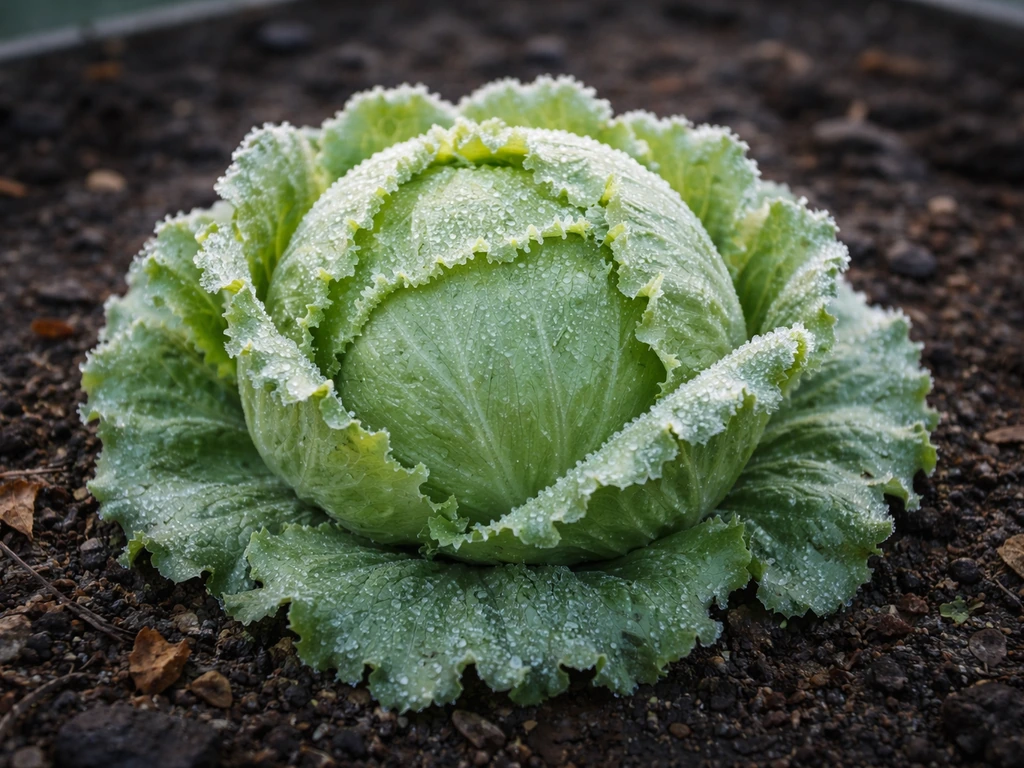
What Igloo lettuce is and when to grow it
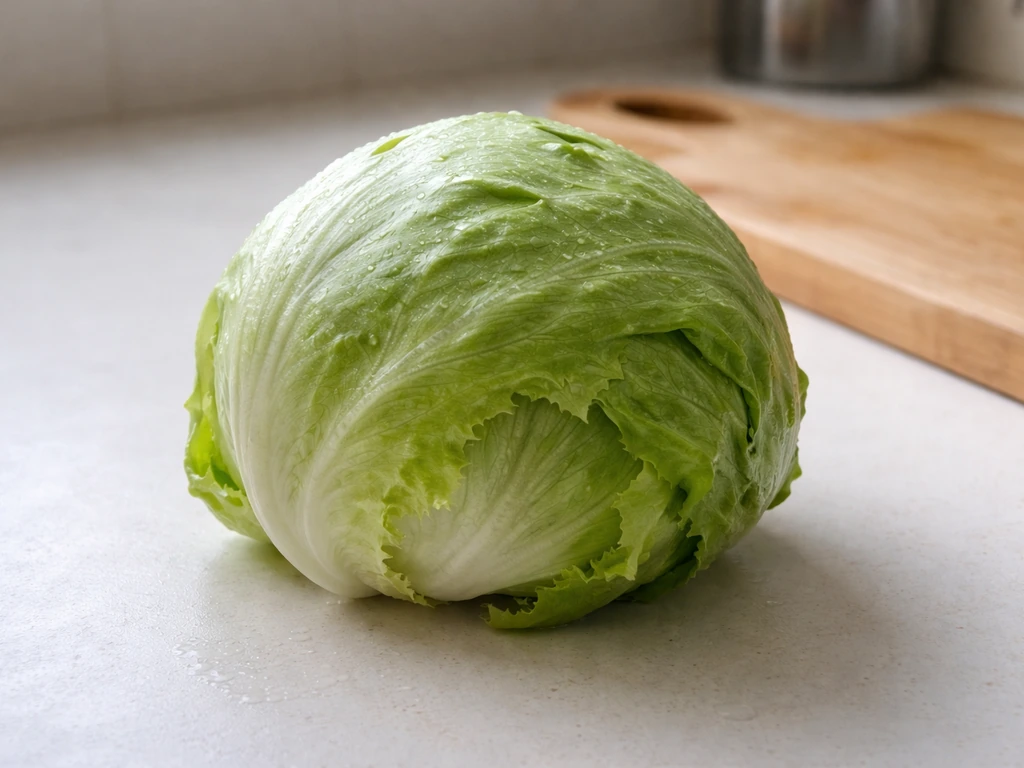
Igloo is a crisphead (iceberg-type) lettuce cultivar that forms a dense, tightly wrapped head similar in size and texture to what you find at the grocery store. It sits at about 70 days to maturity, which is on the earlier end for head lettuces. Two things make it a solid choice over generic iceberg varieties: it has notably better heat resistance, meaning it handles warm spring stretches without bolting as quickly, and it is less prone to splitting at harvest than many other crispheads. If you have had iceberg fall apart on you before, Igloo is worth trying.
Lettuce is a cool-season crop at its core. The ideal temperature window for growing Igloo is 50–65°F. In spring, plant it 2–3 weeks before your last expected frost date so it matures before summer heat arrives. For a fall crop, count back about 70–75 days from your first fall frost and sow then. In mild climates you can also grow it through winter. Avoid trying to grow it straight through peak summer heat unless you have serious shade and can manage temperatures, because even heat-tolerant types struggle once daytime temps regularly exceed 80°F.
Choose your growing setup
Igloo does well in several setups, but head lettuce is more demanding than loose-leaf types, so your choice of setup matters more than it would for a cut-and-come-again variety. Here is how to think through each option.
Outdoor garden bed
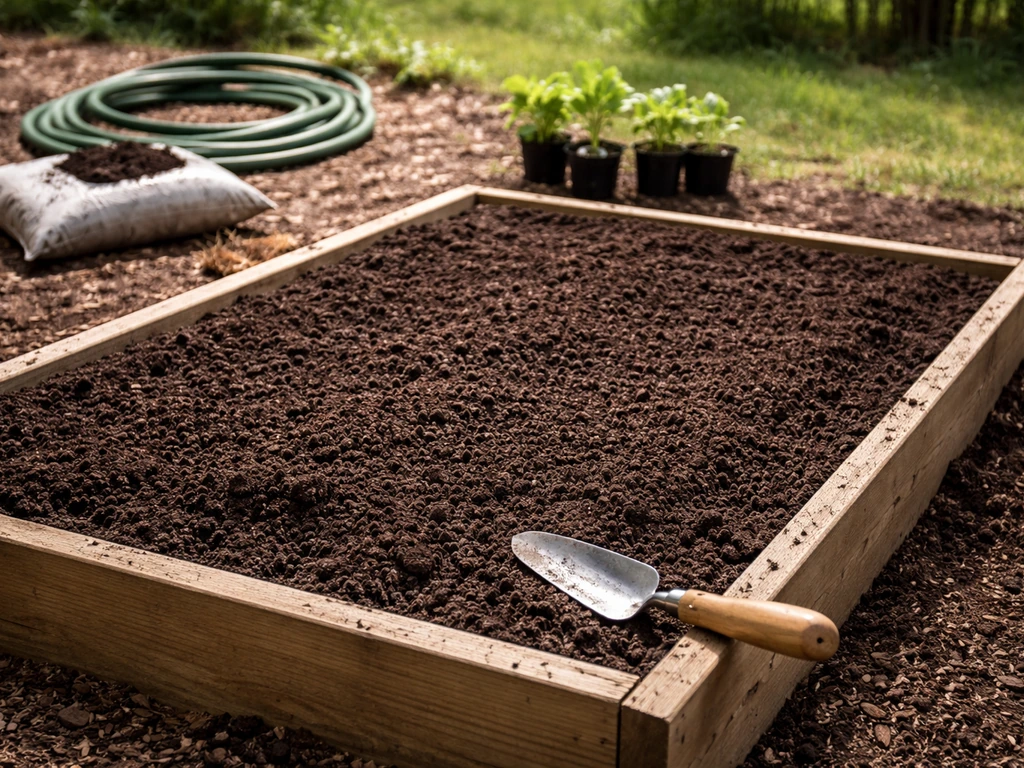
An outdoor bed in well-draining, compost-rich soil is the easiest path to full-sized Igloo heads. Work 2–3 inches of compost into the top 6 inches of soil before planting. You get natural rain, ambient temperature swings that match lettuce's preferences, and plenty of room to space plants correctly. The main risk is heat, so choose a spot that gets some afternoon shade if you are in a warmer climate.
Containers and pots
Containers work well for Igloo if you size them appropriately. Because these plants reach 10–12 inches wide, you want at least a 12-inch-diameter pot per plant, or a wider rectangular planter that lets you space multiple heads 12 inches apart. Use a good-quality potting mix, not garden soil, which compacts and drains poorly in containers. The big advantage of pots is mobility: you can move plants into shade on hot days or bring them indoors when frost threatens. The downside is that containers dry out faster, so consistent watering matters even more.
Indoor growing
Growing Igloo indoors is doable but more work than growing loose-leaf types indoors. Head lettuces need more sustained light and space. You will need a grow light that provides around 12–16 hours of light per day and keeps temperatures in that 60–70°F daytime range. A cool basement or garage near a grow light is ideal. A south-facing windowsill rarely provides enough intensity for full head development, so invest in a dedicated LED panel if you are going the indoor route. Good airflow matters indoors too, both for preventing disease and for calcium uptake in the plant.
Hydroponics
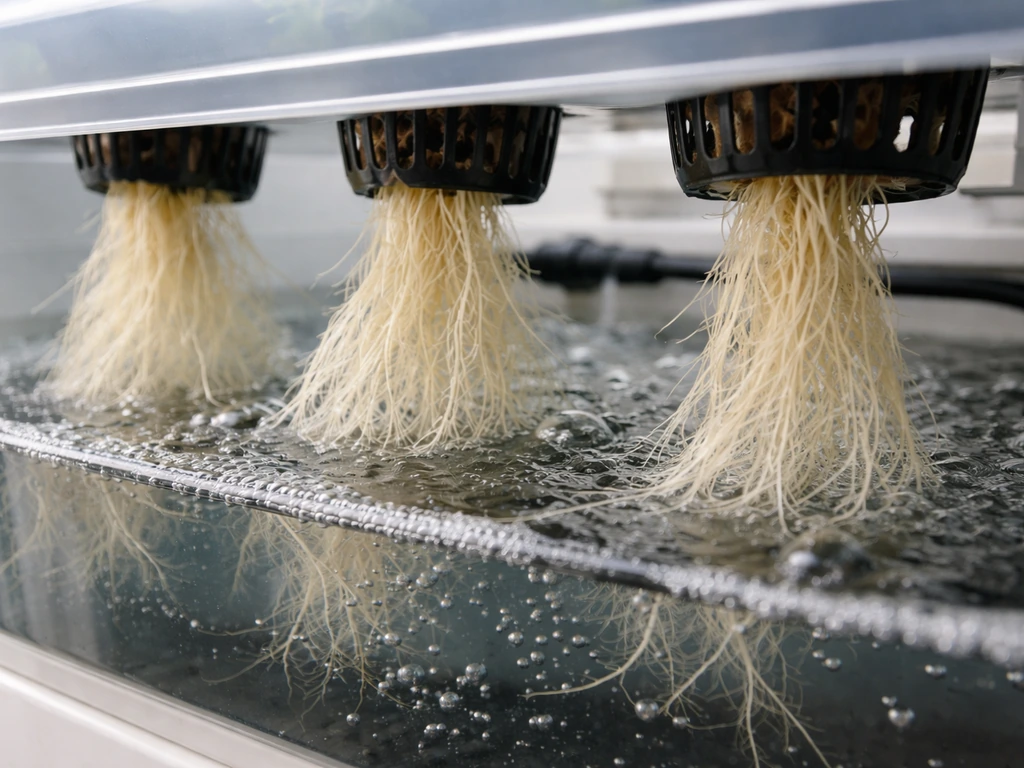
Igloo grows very well hydroponically, and this is actually one of the cleanest ways to get consistent, high-quality heads if you can maintain stable nutrient and water conditions. A nutrient film technique (NFT) or deep water culture (DWC) system both work. The main challenges with iceberg types in hydroponics are tipburn (more on that in the troubleshooting section) and the need for more net pot space than you would give a loose-leaf variety.
Plan for about 12 inches of spacing between plants just as you would in soil. If you are interested in running Igloo or similar iceberg types hydroponically, the same core principles that apply to growing iceberg lettuce hydroponics generally apply here. For growers asking how to grow iceberg lettuce in the Philippines, these same hydroponic principles can help you manage heat and keep quality consistent growing iceberg lettuce hydroponics generally apply here.
Sowing and spacing
Direct sowing outdoors
Direct sowing is my preferred method for outdoor beds and containers. Sow seeds 1/4 to 1/2 inch deep, no deeper. Lettuce needs light to germinate, so burying seeds too deep is one of the most common reasons for poor or uneven germination. If you cover them at all, use a very fine, thin layer of soil or vermiculite so light can still filter through. Sow 2–3 seeds per spot and thin to the strongest seedling once they are 1–2 inches tall.
For head lettuce like Igloo, final spacing should be 8–12 inches between plants within a row and 12–18 inches between rows. Giving plants that room is not optional for good head formation. Crowded Igloo plants will form small, loose, disappointing heads. Thinning feels wasteful, but it pays off. Do it early rather than waiting.
Starting transplants indoors
If you want to get a jump on the season or protect early seedlings from late cold snaps, start seeds indoors 3–4 weeks before your target transplant date. Sow into cell trays or small pots, barely covering with fine media, and keep the germination environment at 65–75°F. Once seeds sprout, move them somewhere cooler: aim for 55–60°F at night and 65–70°F during the day. This cooler air prevents the leggy, weak seedlings you get when starts are left somewhere too warm. Transplant outdoors once seedlings have 3–4 true leaves and temperatures have settled.
One mistake I see often: leaving seedlings in the seed tray too long. If they sit there for 5–6 weeks without being potted up or transplanted, they get stunted or overly leggy. Get them out on time and they will catch up quickly.
Germination troubleshooting
If seeds are not germinating within 7–10 days, check two things: depth (too deep blocks light) and soil temperature. Lettuce seeds go dormant when soil temperatures exceed 80°F. If you are sowing into warm soil in late spring, germination will stall until temperatures cool. On warm days, shade the seed flat to keep soil temperature below 75°F. This single tip saves a lot of frustration for summer-sowing attempts.
Light, temperature, and watering
Light
Outdoors, plant Igloo in full sun to light shade. Full sun (6+ hours) is ideal for vigorous growth and head development. In warmer climates, afternoon shade (2–3 hours blocked in the hottest part of the day) extends your growing window and reduces bolting risk. Indoors, run grow lights for 12–16 hours per day. LEDs designed for leafy greens work well. Insufficient light is the number one cause of weak, leggy indoor plants that never form a decent head.
Temperature
Keep plants in that 50–65°F sweet spot as much as possible. Igloo tolerates light frost, but hard freezes will damage seedlings. On the warm end, temperatures above 80°F consistently will push the plant toward bolting. Use shade cloth, move containers, or adjust grow light schedules to manage temperature. If you know a heat wave is coming, harvest heads that are close to mature rather than gambling on them holding.
Watering
Keep soil consistently damp, not wet, not dry. Uneven watering is the main trigger for tipburn (browning leaf edges inside the head), and it also accelerates bolting. Water when the top inch of soil feels dry, typically every 1–2 days in containers and every 2–3 days in garden beds depending on weather. Drip irrigation or soaker hoses are worth setting up for beds where you are growing multiple heads. Wet the soil, not the leaves, to reduce disease risk. In hydroponics, keep nutrient solution flowing consistently to maintain calcium availability to the plant.
Fertilizing: soil vs hydroponics
In garden beds and containers
Start with a soil that already has good compost worked in at 2–3 inches per bed. Beyond that, feed with a balanced or nitrogen-leaning organic fertilizer scattered around the base of each plant every 3–4 weeks. Lettuce is a heavy nitrogen feeder for leaf and head development. In containers, where nutrients deplete faster, lean toward every 3 weeks rather than 4. Avoid over-fertilizing with high nitrogen late in the season when you are close to harvest, as it can push soft, loose growth.
In hydroponic systems
Use a lettuce-specific hydroponic nutrient formula and aim for calcium levels of 100–150 ppm in your nutrient solution throughout the growth cycle. This is specifically important for Igloo and other iceberg types because tipburn is strongly linked to calcium uptake issues tied to water stress and rapid growth conditions. Keep your EC (electrical conductivity) appropriate for the plant's growth stage: lower for seedlings, gradually increasing as plants mature. Maintain pH between 5.8 and 6.2 for optimal nutrient availability. Good airflow around plants also helps calcium move through the plant, so do not neglect ventilation in enclosed indoor systems.
Common problems and how to fix them
Bolting
Bolting is when the plant stops forming a head and sends up a flower stalk instead. Heat above 80°F is the primary trigger. Once a plant bolts, the leaves turn bitter and you cannot reverse it. Prevention is the only real fix: time your planting correctly so the plant matures before hot weather hits, provide afternoon shade during warm stretches, and water consistently. Igloo's improved heat tolerance buys you some extra time compared to standard iceberg, but it is not heat-proof. If a heat wave is forecast and your heads are 80–90% developed, harvest them early rather than losing them to bolt.
Bitter leaves
Bitterness almost always comes from heat or water stress. If leaves taste bitter, check whether your plants are too hot or have gone dry between waterings. Plants stressed by heat and drought produce bitter compounds as a stress response. The fix is the same as bolting prevention: cooler conditions and consistent moisture. If your outer leaves are bitter but the inner head is still sweet, go ahead and harvest. The inner leaves are protected by the head and are usually fine.
Tipburn
Tipburn shows up as brown, papery edges on inner leaves inside the head. It looks like a disease but it is actually a physiological problem: calcium cannot reach the rapidly growing inner tissue fast enough, usually because water stress has slowed transpiration. The fix is stable, consistent watering so the plant never swings between dry and wet. In hydroponic systems, maintain calcium at 100–150 ppm and keep nutrient solution flowing. Do not bother with foliar calcium sprays on head lettuce because the spray cannot reach the inner leaves where the problem actually occurs.
Weak or leggy growth
If seedlings are tall, floppy, and pale, they are not getting enough light. Outdoors this usually means moving plants to a sunnier spot. Indoors it means increasing light intensity or hours, or getting the grow light closer to the canopy. Also check temperature: seedlings kept too warm (above 70–75°F overnight) stretch toward light and become leggy. Drop nighttime temperatures to 55–60°F and increase light, and new growth will tighten up within a week.
Slow or no germination
If nothing sprouts after 10 days, the seeds are either buried too deep (blocking light), the soil is above 80°F (causing dormancy), or the seeds are too old. Scratch the soil surface to check depth, shade the area to cool it down, and use fresh seed if you have not seen viable germination from this batch before.
Pests and disease basics
Aphids are the most common pest. Check the undersides of leaves and the base of forming heads. A strong spray of water knocks them off; insecticidal soap handles heavier infestations. Slugs are an issue in cool, wet weather: use iron phosphate bait around plants. Powdery mildew and bottom rot can appear in humid conditions with poor airflow. Space plants correctly (do not crowd), water at the base rather than overhead, and remove any damaged outer leaves promptly.
When and how to harvest, and keeping plants productive
Harvest timing
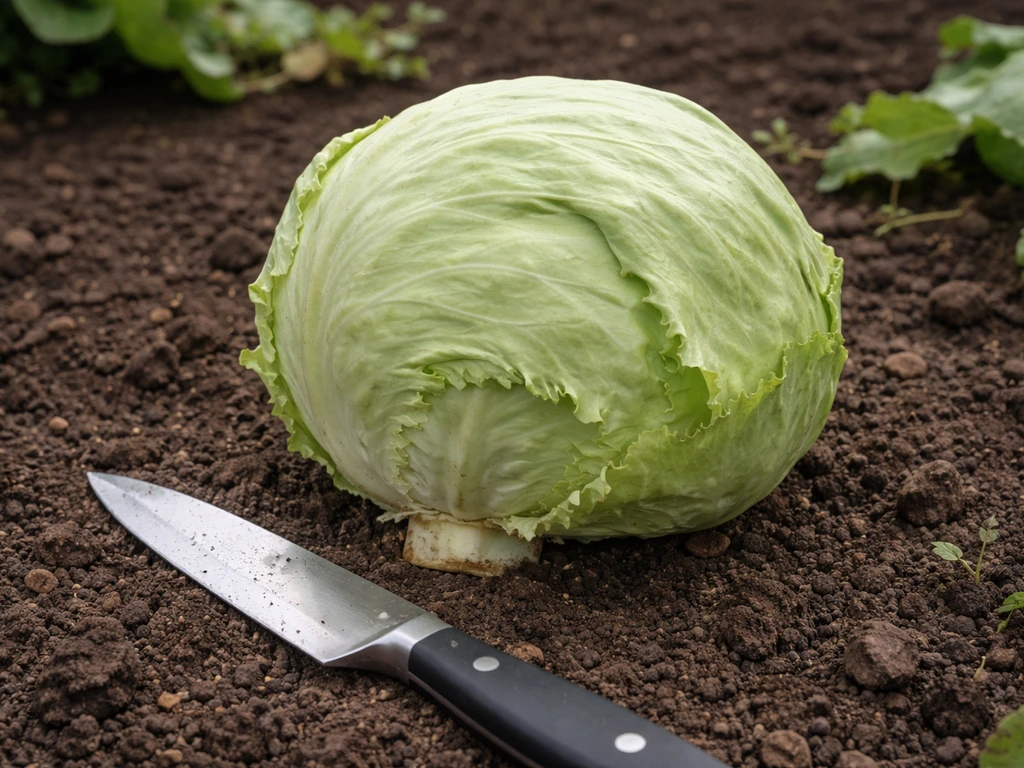
Igloo is ready to harvest around 70 days from seed. The head should feel firm when you squeeze it gently, similar to a grocery store iceberg head. If it feels soft or loose, give it another week. If it feels rock-hard and you can see the center starting to elongate, harvest immediately before it bolts. Do not wait for a perfect calendar date: use the squeeze test.
To harvest, cut the stem at soil level with a sharp knife or pull the whole plant. Remove the outermost loose wrapper leaves and check the inner head for tipburn. A little outer tipburn is common and the inner leaves are usually fine. Rinse, spin dry, and store in the refrigerator wrapped in a damp paper towel inside a bag. Freshly harvested Igloo holds well in the fridge for 1–2 weeks.
Extending your harvest with successive sowings
Because Igloo forms a full head rather than re-flushing like a cut-and-come-again loose-leaf variety, the cut-and-come-again approach does not apply here. Once you harvest the head, that plant is done. The way to keep fresh lettuce coming is successive sowing: plant a new batch of seeds every 2–3 weeks through the cool season. This staggers your harvest so you are not eating 6 heads at once and then waiting two months. In a spring garden, I typically sow 3 rounds: the first 2–3 weeks before last frost, the second about 3 weeks later, and a third shortly after. For fall, work backward from first frost in the same way.
A quick-reference growing summary
| Factor | Recommendation |
|---|---|
| Days to maturity | ~70 days from seed |
| Ideal temperature | 50–65°F |
| Sowing depth | 1/4 to 1/2 inch deep |
| In-row spacing | 8–12 inches between plants |
| Row spacing | 12–18 inches between rows |
| Light (outdoor) | Full sun to light shade |
| Light (indoor) | 12–16 hours per day under grow light |
| Watering | Keep soil consistently damp; never let dry out |
| Fertilizer (soil) | Balanced/nitrogen fertilizer every 3–4 weeks |
| Hydro calcium target | 100–150 ppm throughout growth |
| Germination soil temp | Below 75°F; seeds go dormant above 80°F |
| Harvest cue | Head feels firm when gently squeezed |
Igloo is genuinely one of the more forgiving iceberg-type lettuces to grow at home, and 70 days is a reasonable timeline to plan around. Time your sowing to a cool window, give plants the space they need, keep watering consistent, and you will get heads that rival anything at the store. If you want a more complete walkthrough, including setup, planting schedules, and troubleshooting, see our full guide on how to grow green ice lettuce. If you find yourself wanting to compare how Igloo fits into the broader iceberg lettuce family, or if you are thinking about running it in pots or a hydroponic setup specifically, the same seasonal timing and spacing principles apply across those methods with a few setup-specific adjustments.
FAQ
Can I harvest Igloo early and let it “finish” in the fridge or indoors?
Yes, but only if you immediately cool them and do not damage the wrapped leaves. For best texture, harvest in the morning, keep heads out of direct sun, and refrigerate within about an hour. If you are storing for more than a few days, check for any internal tipburn early, because it spreads faster when heads warm up.
Should I use shade cloth or row covers for Igloo to prevent bolting and disease?
It can, but it changes the risk profile. If you use row cover or shade cloth, confirm you still get enough light for head formation, and ventilate during the warmest part of the day to avoid trapping heat or humidity that encourages mildew and bottom rot.
How do I know the head is ready if I miss the 70-day window?
Look for the combination of a tight head plus a center that is not elongating. If the outer leaves are already very crisp but the center feels loose or starts to stretch, harvest right away rather than waiting for the full 70-day mark. After bolting begins, bitterness and texture changes are rapid.
Is it okay to keep fertilizing up to harvest day, or should I stop?
For soil beds, stop fertilizing when heads are close to harvest, and switch to a lighter approach in the final weeks. Overfeeding nitrogen late makes softer, more fragile inner leaves, which increases tipburn odds even if watering is perfect.
What should I do if I get tipburn even though I water regularly?
If you see brown, papery edges inside, first confirm watering consistency, because calcium transport is usually blocked by water stress. In soil, adjust irrigation to avoid swings, and avoid letting the potting mix dry down fully before watering again. In hydroponics, verify nutrient flow and calcium concentration and do a pH check.
Can foliar calcium sprays fix tipburn on iceberg lettuce like Igloo?
Yes, but start with a small amount and never wet the foliage heavily. Because heads block spray coverage, foliar products rarely reach the inner leaves where the problem starts. If you want to target calcium issues, focus on correcting water stress and nutrient solution calcium and pH.
Why are my heads loose even when they look full-sized?
Use the squeeze test and also check firmness over time, because lettuce continues to tighten after harvest only slightly. If heads are not firm at harvest, you are likely harvesting too early or plants were heat-stressed or underfed nitrogen. If heads keep staying loose despite good timing, re-check spacing and ensure the plants never run dry between waterings.
Can Igloo be grown through winter, and what happens with freezing nights?
Yes, but reduce it risk-wise. When nighttime temps regularly dip near freezing, seedlings can survive brief cold but growth slows and uneven head development can follow. Use the coolest safe window you can, and avoid pushing transplants outdoors until they have 3 to 4 true leaves and temperatures stabilize.
Do I have to direct sow, or can I transplant Igloo?
Try not to. With lettuce, transplanting can stress roots and delay head tightness, especially for head-forming varieties. If you must transplant, keep roots intact, transplant on a mild, cloudy day, and water in thoroughly. Then avoid letting the soil dry out during the first week after transplanting.
What’s the minimum spacing I can get away with for Igloo?
No, because it reduces airflow and usually causes more mildew and bottom rot. For head lettuce, keep 8 to 12 inches between plants in-row and thin early if needed. In pots, crowding also accelerates drying, making tipburn more likely.
How do I adjust watering when spring turns hot?
Water timing matters more than the exact schedule. If daytime temps are warm, water earlier in the day so moisture is absorbed before evening, and avoid overhead watering that leaves leaves wet overnight. In containers, expect more frequent watering after germination and during the final head-tightening stage.
If my Igloo seeds do not sprout, how can I troubleshoot quickly?
Seeds that fail can be either too deep, too warm, or simply old. If germination stalls, verify soil is below 80°F, confirm seeds are only lightly covered, and test a small batch in a cooler spot before re-sowing an entire bed. Using fresh seed is often the fastest fix when temperatures are in range.
What’s the easiest schedule to keep lettuce coming without a big harvest gap?
Yes, especially if you are growing multiple heads at once. Plan successive sowings so each batch reaches harvest in a different week, and remove mature heads promptly so you do not leave partially stressed plants competing for nutrients and moisture.