Green ice lettuce is ready to harvest in about 45 days from sowing, it germinates in 7 to 10 days, and it grows best in cool weather between 45 and 75°F. Sow seeds directly on the soil surface (they need light to germinate), keep them consistently moist, give them 6 to 8 hours of light per day, and you will have tender, frilly leaves ready to cut before most other garden crops are even established. If you mean igloo lettuce, the same cool-weather timing and light-first approach apply, and you can follow a focused guide for how to grow it indoors or out how to grow igloo lettuce. That is the core of it. Everything below fills in the details so your first and every subsequent planting actually works.
How to Grow Green Ice Lettuce Step by Step Guide
Marcus Holloway
1 Jul 2026
What green ice lettuce actually is (and why it matters for your timing)
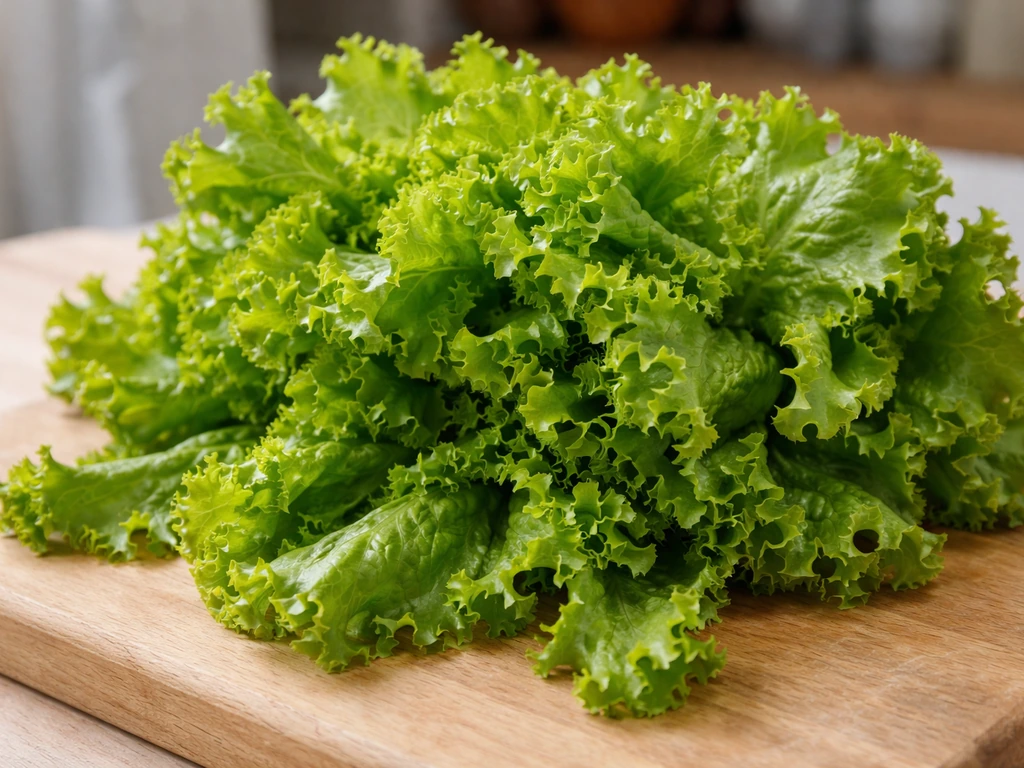
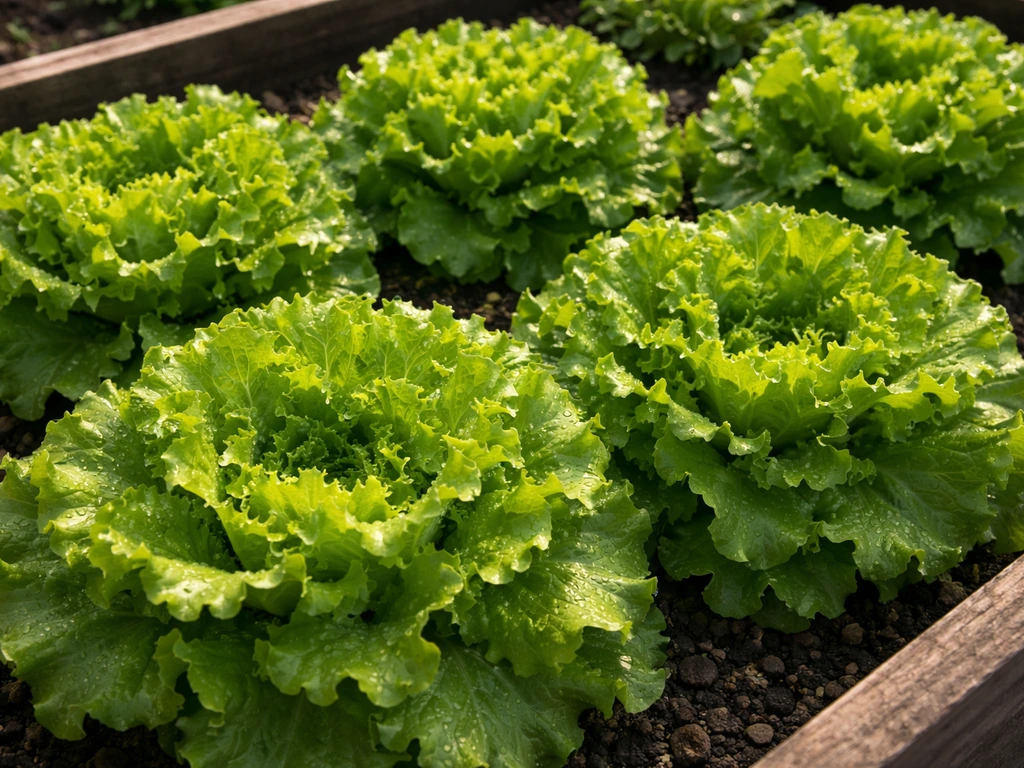
Green ice is a loose-leaf lettuce variety with thick, deeply frilled, glossy green leaves. It is not a romaine, not an iceberg head (though the name might confuse you at first), and it does not form a tight ball. It grows as an open rosette that you can harvest leaf by leaf or cut the whole plant at once. The 45-day maturity figure is from seed to a harvestable plant, which is fast. You can expect your first real cut of leaves well before that if you start harvesting outer leaves early, around 30 to 35 days.
Seasonality is the most important thing to understand about green ice before you plant. Like all lettuce, it is a cool-season crop. It performs best in spring and fall when daytime temperatures stay under 75°F. If you are wondering how to grow iceberg lettuce in the Philippines, focus on the cooler months and protect plants when hot weather moves in spring and fall. Once temperatures push into the high 80s, lettuce bolts, meaning it shoots up a seed stalk, turns bitter, and stops producing usable leaves. Plan your planting windows around that reality, not around when you happen to have time.
Choosing where to grow green ice lettuce
Green ice does not need a lot of space or a traditional garden bed. Here is how to think through your options:
Outdoor raised beds and in-ground rows
This is the easiest setup. Outdoor beds let you direct-sow, space plants correctly from the start, and rely on natural light. You need a spot that gets 6 to 8 hours of sun per day in spring and fall. In summer, partial afternoon shade actually helps by preventing heat stress, so a spot that gets morning sun and afternoon shade is a genuine advantage rather than a compromise.
Containers and pots
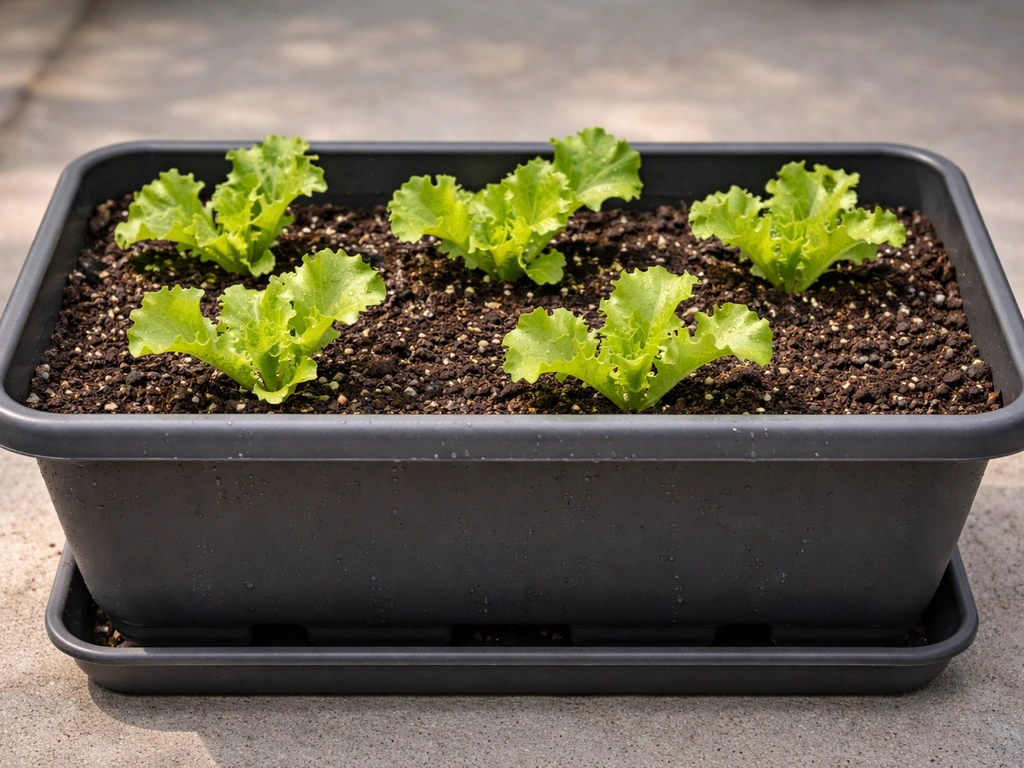
Green ice works well in containers at least 6 to 8 inches deep with good drainage. The advantage here is mobility: you can move the pot to follow cooler temperatures or dodge a heat wave. Use a light, well-draining potting mix. Containers dry out faster than beds, so you will be watering more frequently, sometimes daily in warm weather.
Indoor growing under grow lights
Indoor growing under LED or fluorescent grow lights gives you full-season control. Lettuce is one of the best crops for this because its light needs are modest compared to fruiting vegetables. The target is a Daily Light Integral (DLI) of around 15 moles of light per day. With a quality LED panel, a 14 to 16 hour photoperiod typically achieves that. Keep the lights 6 to 12 inches above the plants to prevent leggy stretching. Temperature control matters just as much indoors as out, so keep your grow space between 60 and 70°F if possible.
Hydroponics
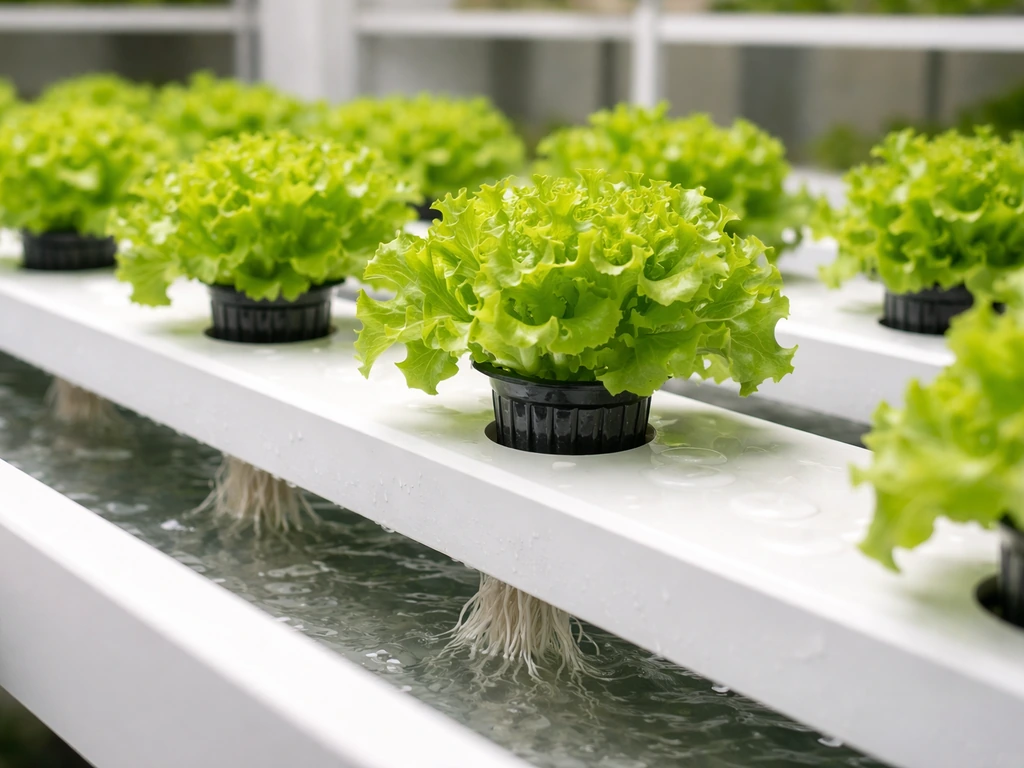
Green ice is well suited to hydroponic systems like NFT (nutrient film technique), DWC (deep water culture), or kratky-style passive setups. The optimal solution temperature is around 70°F, and the ideal nutrient concentration (EC) for lettuce runs between 0.8 and 1.6, with lower EC in early growth and slightly higher as plants mature. Target a pH between 5.5 and 6.5 to keep nutrients available. One heads-up: green ice can bolt quickly even under indoor lights if temps creep up, so keep the reservoir and ambient temperature in check.
Planting setup: seeds, soil, spacing, and timing
Seeds vs. transplants
Direct seeding is the standard approach for green ice and is what I recommend for most situations. The seeds are tiny and inexpensive, germination is reliable (7 to 10 days), and the variety does not have a long enough maturity window to make starting transplants indoors weeks ahead worthwhile in most cases. That said, starting transplants indoors 3 to 4 weeks before your last frost date is a good strategy if you want to get a head start on spring or push a fall planting later into the season. If you use transplants, harden them off over 5 to 7 days before moving them outside.
Soil and growing media
Green ice wants loose, well-draining, moderately fertile soil with a pH between 6.0 and 7.0. A standard potting mix or a garden bed amended with compost works well. Avoid compacted soil, it stunts root growth fast. For containers, a peat or coco-based potting mix is ideal. To make that work well, learn the basics of how to grow iceberg lettuce in containers so the plants stay cool and evenly moist. If you are starting seeds indoors, use a sterile seed-starting mix rather than regular garden soil to reduce damping-off risk.
Sowing depth and seed handling
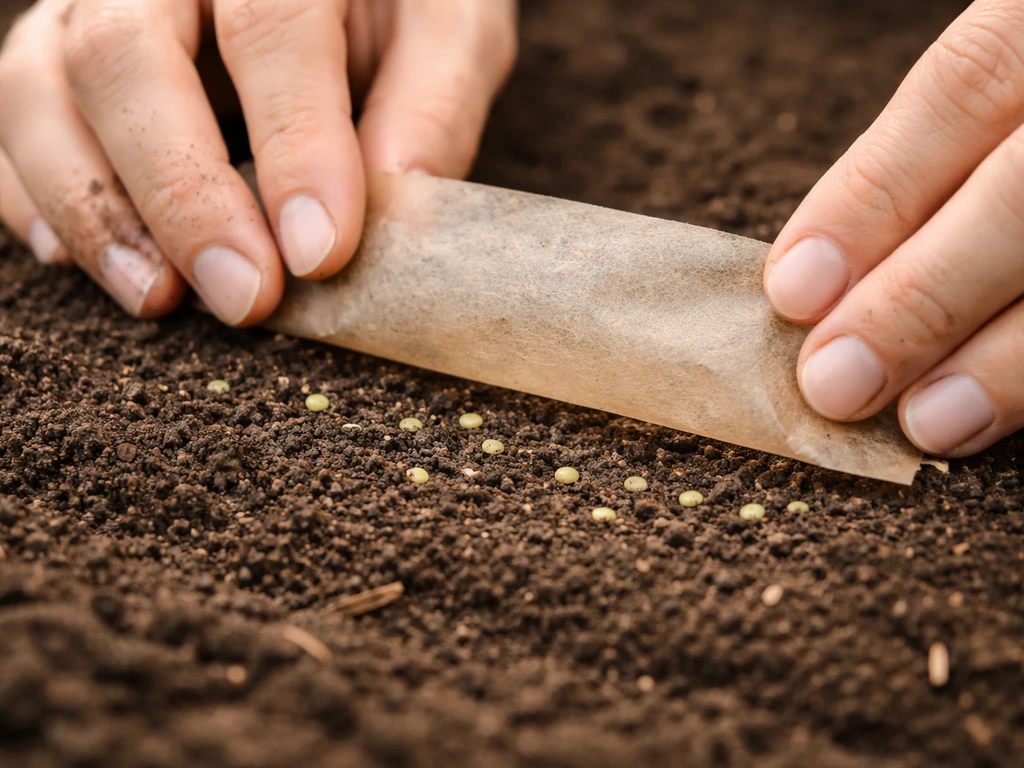
This is one of the most common places people go wrong. Lettuce seeds need light to germinate, so do not bury them. Press them onto the soil surface or cover them with just a paper-thin layer of fine vermiculite to keep them from drying out. If you are direct sowing in a row, place 6 to 7 seeds per foot of row and thin later. Keep the surface consistently moist until germination, because seeds that dry out mid-germination fail without warning. If you bought seeds early and are not planting for a few weeks, store the packet in a sealed plastic bag in the refrigerator until planting time.
Spacing
For full-size plants, space green ice 8 to 12 inches apart within a row, with 12 to 18 inches between rows. In containers or raised beds using a grid approach, 8 to 10 inches between plants in each direction is workable. If you want a cut-and-come-again leaf harvest rather than full heads, you can get away with 6-inch spacing and just harvest before plants crowd each other.
Timing your planting
For spring, sow seeds outdoors 4 to 6 weeks before your last expected frost date. Lettuce seed germinates when soil temperatures are between 40 and 50°F, so you can get it in the ground early. For fall, count back 45 to 60 days from your first expected fall frost and sow then. Fall plantings often produce the best quality leaves because temperatures are cooling rather than rising, which means less bolting risk. In mild-winter climates (Zones 9 to 11), winter is actually prime time. If you are in India, use local spring and winter temperatures to plan your sowing and harvest window so bolting stays unlikely how to grow iceberg lettuce at home in India.
Light and temperature: the two things that make or break green ice
Give green ice 6 to 8 hours of direct sunlight per day outdoors. Less than that and you get pale, leggy, loosely structured plants. More than that in summer is usually fine in spring, but in June through August, afternoon shade becomes genuinely useful.
Temperature is the bigger lever to manage. The sweet spot is 60 to 70°F. At around 80°F, green ice starts putting energy toward bolting rather than leaf production. Some hobbyists in an r/aerogarden thread say bolting can be delayed by using strategies like fans for air movement and even ice-cube approaches in the reservoir bolting starts putting energy toward bolting rather than leaf production. Once it bolts, the leaves turn bitter quickly and the harvest window closes. Purdue's greenhouse research makes this concrete: at 60°F growth slows noticeably, at 70°F you get the best balance of growth rate and quality, and at 80°F you are fighting bolting constantly.
If you are growing indoors under lights, keep the grow space as close to 65 to 70°F as you can. Run lights during the day rather than at night so the ambient temperature during the light cycle stays manageable. For hydroponic setups, reservoir temperature above 75°F accelerates bolting and invites root disease, so monitor it.
Preventing bolting when it gets warm
- Use row cover fabric to buffer temperature swings in spring
- Move containers into shade during afternoon heat waves
- Harvest aggressively once temperatures start climbing so you get the leaves before the plant bolts
- Switch to a fall planting cycle rather than trying to push through summer heat
- For hydroponic systems, drop reservoir temps with frozen water bottles as a short-term fix during heat spikes
Watering and feeding green ice lettuce
Watering
Lettuce has shallow roots and needs consistently moist (not soggy) soil. The classic failure mode is letting the surface dry out between waterings, which stresses the plant and contributes to bitterness. Check soil moisture daily for container plantings: stick your finger about an inch into the mix, and if it feels dry, water. For in-ground beds, every 2 to 3 days is a typical cadence in moderate weather, but every day or more during hot or windy periods. Water at the base of the plants rather than overhead when possible. Wet leaves sitting overnight invite fungal disease, particularly downy mildew.
Signs you are overwatering: yellowing lower leaves, slimy stem base, soil that never fully drains. Signs of underwatering: wilting in the morning (not just midday heat wilt), dry and brittle leaf edges, slowed growth. Both cause problems, but underwatering is more common in container growing.
Fertilizing
Green ice is a fast, leafy crop that needs nitrogen more than anything else. For in-ground beds, incorporate compost at planting and apply a nitrogen fertilizer about 4 weeks in. A practical benchmark: 1/4 cup of a high-nitrogen fertilizer like ammonium sulfate (21-0-0) per 10 feet of row at thinning time. Avoid high-phosphorus lawn fertilizers, and never use anything labeled "Weed and Feed" near your lettuce. If you have not done a soil test, stick with a balanced, low-phosphorus vegetable fertilizer and let compost do most of the heavy lifting.
For containers, a diluted liquid balanced fertilizer (something like a 10-5-5 or similar) every 2 to 3 weeks is usually enough. For hydroponics, use a lettuce-formulated nutrient solution and keep the EC between 0.8 and 1.2 for young plants, stepping up to around 1.4 to 1.6 as plants approach harvest size.
Succession planting and thinning for a steady supply
One sowing of green ice gives you a flush of lettuce over 2 to 3 weeks. After that, production drops off fast, especially if temperatures are rising. The fix is succession planting: sow a new batch every 2 to 3 weeks throughout your cool-season growing window. Three or four staggered rows or pots keeps your kitchen supplied without a glut you cannot eat before it bolts.
Thinning matters more than most beginners expect. If you sow thickly (which is the natural tendency with tiny seeds), you need to thin to proper spacing once seedlings are 2 to 3 inches tall. Crowded plants compete for nutrients and airflow, which produces weak, disease-prone growth. Thin to one plant every 8 to 10 inches for full plants. You do not have to waste the thinnings: they are edible microgreens right off the bat. The goal with thinning is not perfection, just enough space that each plant has room to develop properly. If you start with thoughtful spacing and sow just 6 to 7 seeds per foot of row, you have a lot less thinning to do.
Harvesting green ice lettuce like a pro
Cut-and-come-again harvest
This is the method I use most often and the one that gets the most out of each plant. Starting around 30 days after sowing, begin removing outer leaves when they are 3 to 4 inches long. Use scissors or a sharp knife and cut leaves about an inch above the base. Do not strip the plant bare. Leave the central growing point and a few inner leaves intact and the plant will regrow and produce another flush within 1 to 2 weeks. A single plant can give you 3 to 4 rounds of harvest this way before it either bolts or exhausts itself.
Full head harvest
If you want to harvest the whole plant at once (which makes sense near the end of a season before bolting risk climbs), cut the entire rosette about an inch above the soil line. Some plants will push out a small secondary flush even after a full cut, but do not count on it. The whole-head harvest makes sense for the last succession of the season when you want to clear the bed quickly.
Harvest in the morning after leaves have had time to rehydrate overnight. Refrigerate immediately in a sealed bag or container with a dry paper towel to absorb excess moisture. Green ice holds well for 5 to 7 days in the refrigerator.
Troubleshooting the problems that derail green ice
| Problem | Likely Cause | What to Do |
|---|---|---|
| Slow or no germination | Seeds buried too deep, soil too dry, or old seed | Surface-sow only, mist daily until sprouts appear, use fresh seed from this season |
| Leggy, pale seedlings | Not enough light | Move outdoors or closer to grow lights; target 14–16 hours under LED indoors |
| Bitter leaves | Heat stress or plant has bolted | Harvest immediately; for next planting, choose cooler timing or use afternoon shade |
| Bolting (tall flower stalk) | Temperatures above 75–80°F or day length triggering | Harvest what you can now; replant in fall or move containers to a cooler spot |
| Wilting or yellowing leaves | Overwatering or underwatering | Check soil moisture; for yellowing lower leaves, reduce watering frequency; for dry brittle edges, water more often |
| White or gray fuzzy patches on leaves | Downy mildew | Remove infected leaves immediately, water at soil level not overhead, improve airflow between plants |
| Holes in leaves, slimy trail | Slugs or snails | Use beer traps, set out copper tape around containers, remove debris where slugs hide |
| Seedlings collapsing at soil line | Damping-off fungal disease | Use sterile seed-starting mix, improve drainage, reduce overhead moisture, do not over-sow |
| Ragged holes, caterpillar droppings visible | Caterpillars or cutworms | Hand-pick at dusk, use row covers, check soil around plant base for cutworm larvae |
| Stunted plants with good light and water | Nitrogen deficiency or compacted soil | Side-dress with nitrogen fertilizer, check that drainage is not blocking root development |
A note on downy mildew
Downy mildew is the most common disease problem in green ice, especially in spring when cool nights and leaf moisture create ideal infection conditions. The pathogen needs free moisture on the leaf surface to spread. Watering at the base of plants rather than overhead, spacing plants far enough apart for good airflow, and removing any infected leaves promptly are your main cultural tools. Do not compost infected material.
Slug control specifics
Slugs are a genuine problem for lettuce, especially in wet spring conditions. Beer traps (a shallow container sunk to soil level, half-filled with cheap beer) work reliably and are satisfying. For potted plants, a ring of copper tape around the rim acts as a deterrent. If you use slug bait pellets, choose iron phosphate-based products rather than metaldehyde, which is highly toxic to dogs and other animals.
Quick-start checklist to plant green ice today
- Check your local 10-day forecast: temperatures should stay below 75°F for at least the next 6 weeks, or plan for a fall planting
- Choose your growing setup: outdoor bed, container (at least 6 inches deep), indoor lights, or hydroponic system
- Get fresh green ice seed (check the pack date; germination rates drop significantly in older seed)
- Prepare well-draining soil or potting mix amended with compost
- Surface-sow seeds with no more than a paper-thin covering of fine vermiculite
- Mist the surface to keep moist until germination (7 to 10 days)
- Thin to 8 to 10 inches between plants once seedlings reach 2 to 3 inches tall
- Water consistently at soil level, check moisture daily for containers
- Apply a nitrogen fertilizer at 4 weeks in for in-ground beds, or begin liquid feeding every 2 to 3 weeks for containers
- Start harvesting outer leaves at 30 to 35 days; plan your next succession sowing 2 to 3 weeks after this one
Green ice is genuinely one of the easier lettuces to grow well, and at 45 days it gives you results fast enough to stay motivating. The biggest thing working against most first attempts is timing: trying to grow it through peak summer heat. Get the temperature window right and everything else falls into place quickly. If you enjoy growing loose-leaf varieties, it is worth exploring how other types like iceberg or igloo lettuce compare in terms of head formation, spacing needs, and heat tolerance, since each one has its own quirks worth knowing before you plant. If you are trying to grow iceberg lettuce specifically, the goal is tighter head formation, so focus on consistent cool temperatures and proper spacing loose-leaf varieties.
FAQ
Why won’t my green ice seeds germinate even though I kept the soil moist?
Most failures come from burying the seed too deep or letting the surface dry during the 7 to 10 day germination window. Press seeds onto the surface, or cover with only a paper-thin layer (fine vermiculite). Also keep the planting area cool, around 40 to 50°F, because hot soil slows or stops emergence.
How often should I water green ice when it is in a container?
Check moisture daily because containers dry out faster than beds. A simple test is to stick a finger about an inch into the mix, if it feels dry water thoroughly until it drains. In warm weather this can mean watering daily, but avoid leaving waterlogged mix, which can invite stem rot and root issues.
What is the best way to harvest so the plant keeps producing?
Start leaf-by-leaf around 30 days, when outer leaves are about 3 to 4 inches long. Cut about an inch above the base and leave the central growing point and a few inner leaves. Expect another flush in 1 to 2 weeks, but stop early if temperatures are rising fast toward bolting.
My lettuce tastes bitter, what does it mean and how can I prevent it next time?
Bitterness usually tracks heat stress and inconsistent watering. When daytime temperatures approach the high 70s to 80°F, green ice shifts energy to bolting and leaves can turn bitter quickly. For next plantings, tighten your cool-season window, use partial afternoon shade if needed, and keep moisture consistent rather than letting the surface dry out.
How do I know if I am watering too much or too little?
Overwatering often shows as yellowing lower leaves, a slimy stem base, and soil that never fully drains. Underwatering more often causes morning wilting, dry brittle leaf edges, and slowed growth. In containers, underwatering is more common, so adjust based on the finger test rather than the watering schedule alone.
Can I grow green ice in partial shade and still get a good harvest?
Yes, but aim for enough light to stay productive. Outdoors it typically needs 6 to 8 hours of sun for good structure and color. If you only have 3 to 5 hours, expect paler, looser growth and a shorter quality window, so use succession planting to harvest before bolting risk increases.
Should I remove flowers or seed stalks if my plants bolt?
You can remove seed stalks as a temporary delay, but bolting is a stress response driven mainly by heat, and leaf quality will keep declining. The practical move is to pull and compost once leaves turn bitter, then start a new batch within the next cool spell instead of trying to salvage a failing plant.
How do I prevent downy mildew on green ice?
Reduce leaf wetness and improve airflow. Water at the base rather than overhead, space plants for airflow, and harvest in the morning so foliage is less likely to stay wet overnight. Remove infected leaves promptly and do not compost them, since they can remain a source of spores.
Are there any fertilizing mistakes that commonly ruin green ice flavor or growth?
Avoid using high-phosphorus lawn fertilizers and never use products labeled “Weed and Feed,” as they can disturb nutrient balance and add unwanted chemicals. Green ice mainly needs nitrogen, so either incorporate compost and add nitrogen at about 4 weeks, or use a gentle balanced liquid feed for containers every 2 to 3 weeks.
What spacing should I use for cut-and-come-again harvesting?
If you plan to harvest mostly outer leaves, you can use tighter spacing, about 6 inches, because you are not trying to maximize a single full rosette size. Still thin appropriately, since crowded seedlings can compete and create weak, disease-prone growth.
Can I start green ice indoors instead of direct sowing?
Yes, but it is usually optional. Because green ice matures quickly, direct sowing works best for most gardeners. If you want a head start, start transplants 3 to 4 weeks before the last frost, then harden them off over 5 to 7 days so they do not shock when moved outdoors.
How long does green ice keep after harvest, and what is the best storage method?
It typically holds 5 to 7 days in the refrigerator. Refrigerate immediately in a sealed container or bag, and include a dry paper towel to absorb extra moisture. The key is minimizing added moisture on leaves during storage to reduce spoilage.
Will green ice do well hydroponically, and what temperature pitfalls should I avoid?
It can perform very well in hydroponics, but temperature control is critical. Keep the solution and grow area near the low 70s, and watch for reservoir temperatures above 75°F, since it can accelerate bolting and increase root disease risk even if your light schedule is perfect.