You can grow iceberg lettuce at home in India, but you need to work with the cool season rather than fight it. Sow during October through February in most parts of India, pick a heat-tolerant, slow-bolting variety, give it full sun during those cooler months, keep temperatures below about 22°C (72°F) while the head is forming, and you will get crisp, tight heads in roughly 65 to 80 days. Skip these windows and plant in April or May, and you will get bolting, bitter leaves, and no head formation at all, no matter how well you water or fertilize.
How to Grow Iceberg Lettuce at Home in India

Marcus Holloway
21 May 2026
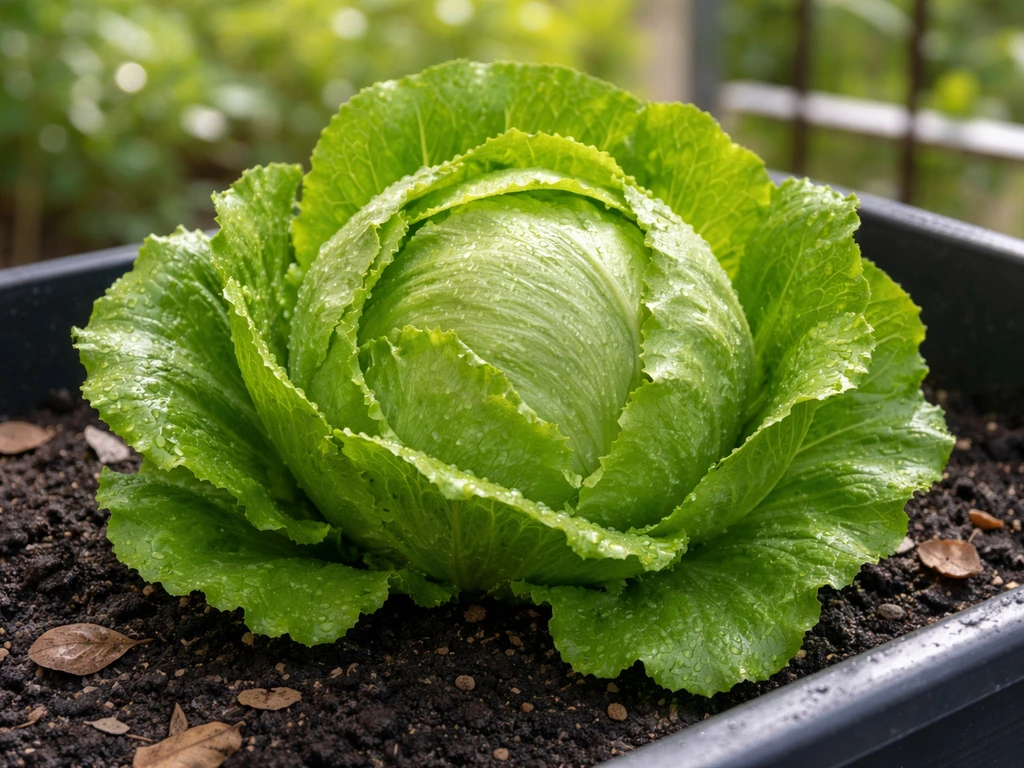
Best iceberg lettuce varieties for Indian conditions
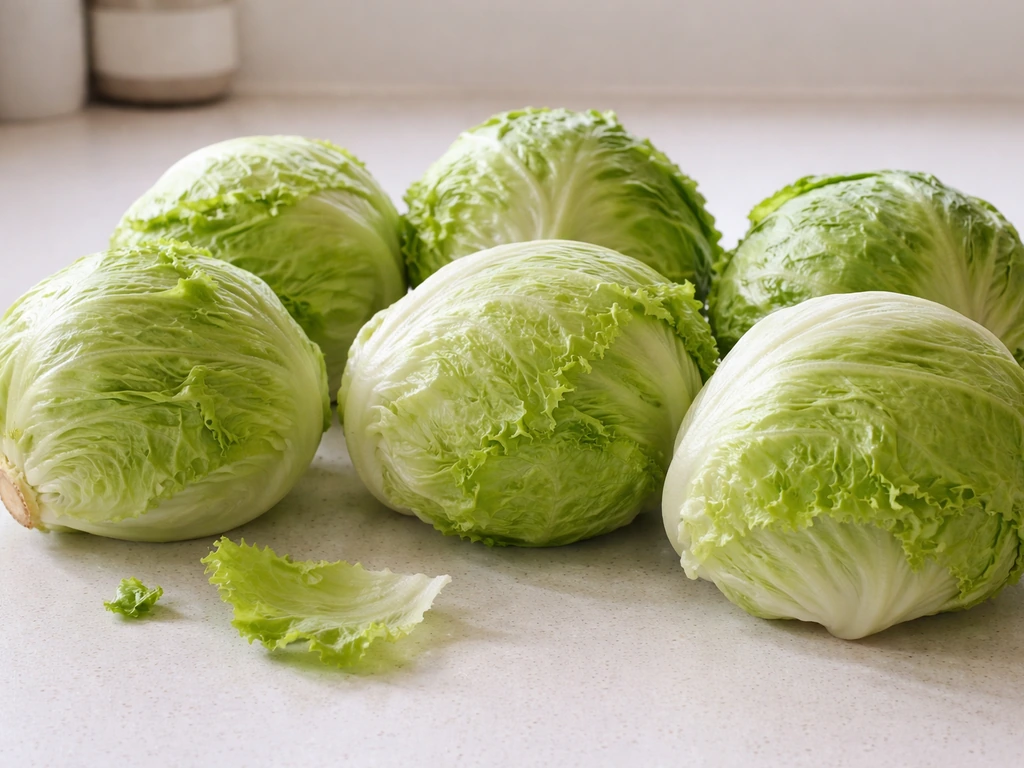
Variety selection is honestly the most important decision you will make. Standard iceberg types bred for temperate European climates will bolt within weeks in India's warmer weather. You need varieties with documented heat tolerance and slow-bolting genetics. Here are the ones worth growing.
| Variety | Days to Maturity | Key Strengths | Best For India |
|---|---|---|---|
| Salinas / Salinas Flattened | 65–80 days | Good heat tolerance, slow to bolt, reliable head formation | Most regions, October–February sowing |
| EM Aurora | ~75 days | Excellent bolting resistance, tolerant of tipburn and several diseases | Longer cool windows, North India plains |
| Great Lakes | 70–80 days | Classic crisphead, widely available, dependable in cool weather | Hill stations, South India Dec–Jan |
| Heat-Resistant Iceberg (Thailand-type) | ~80 days | Specifically selected for warm Asian climates, slow to bolt | Coastal and South India, short cool windows |
| Igloo / Iceberg hybrid types | 65–75 days | Compact heads, good for containers, moderate bolt resistance | Balcony and container growing |
When buying seeds in India, look for labels like 'slow bolting,' 'heat tolerant,' or 'crisphead' on the packet. Salinas is the most commonly available variety in Indian nurseries and online seed stores and is a solid first choice. If you want to explore related varieties, igloo lettuce types share similar growing requirements and are worth comparing when you are planning your sowing calendar.
Choosing the right setup: balcony bed, container, or indoor/hydroponics
Iceberg lettuce is more finicky than loose-leaf types, so your setup matters more than it would for, say, a butter lettuce. Here is how to think about each option for an Indian home.
Outdoor ground bed or raised bed
If you have a garden or even a small patch of ground, this is the easiest setup because you have better soil volume, natural drainage, and room for proper spacing. Ground beds work well in North India (Delhi, UP, Punjab) from October to February when temperatures drop to the 10–22°C range. In South India and coastal regions, stick to December through January when the cool window is shorter.
Balcony and terrace containers
This is the most practical setup for most Indian home gardeners. If you want the fastest path to success, follow a pot-focused guide for how to grow iceberg lettuce in a pot, including variety, pot depth, and watering timing. Use deep pots or rectangular planters with adequate drainage holes. Terrace gardens in North India can get very cold in December and January (sometimes near freezing in hill regions), which is actually ideal for head formation. On a south-facing balcony in Mumbai or Chennai, you will need to be more careful about midday heat even in winter. Shade cloth (30–40%) during peak afternoon hours can help.
Indoor growing and hydroponics
Growing iceberg indoors under grow lights or in a hydroponic setup lets you control temperature and light independently of the season, which is a real advantage in India. If you can maintain the growing space between 15–22°C with 12–14 hours of LED light per day, you can technically grow iceberg year-round indoors. Hydroponic iceberg lettuce is a genuine option, though it requires more setup investment. For detailed guidance on that path, a dedicated hydroponic iceberg lettuce guide covers the system specifics in depth. Container growing is the sweet spot for most readers, balancing accessibility with control.
Soil, pot size, spacing, and seed-starting basics
Pot size and soil depth
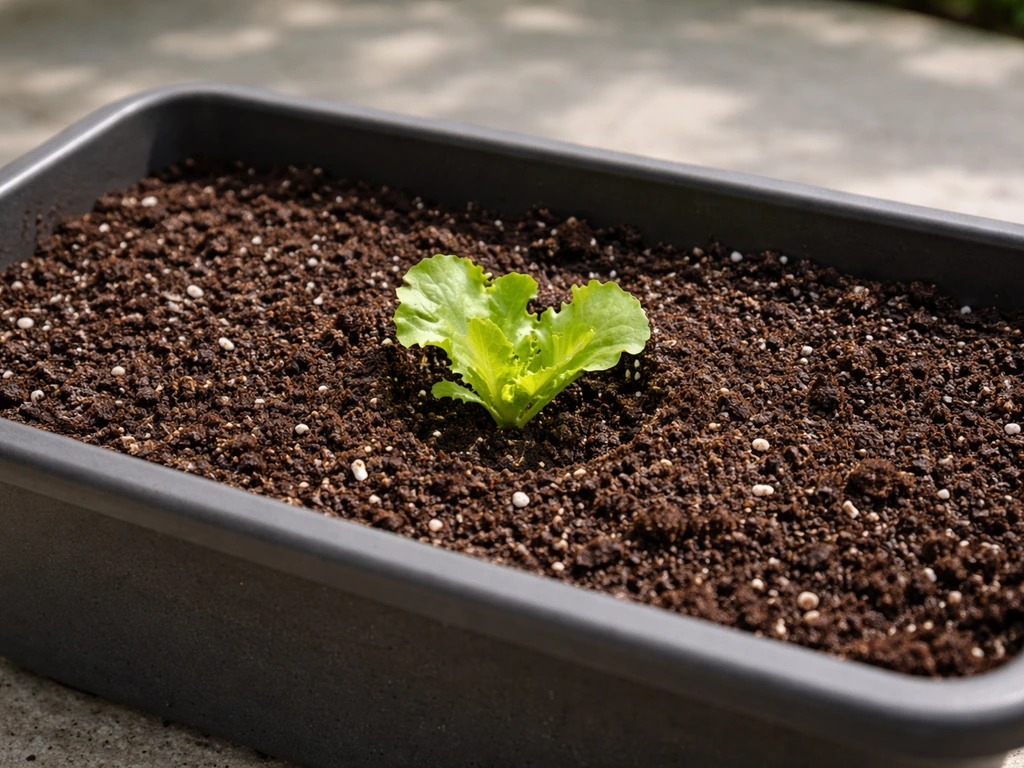
Use a pot or container that is at least 30 cm (12 inches) in diameter and 15–20 cm (6–8 inches) deep per plant. Iceberg roots are not deep, but they need horizontal room and soil volume to hold moisture evenly without becoming waterlogged. A rectangular planter 60 cm long and 20 cm deep can comfortably hold two iceberg plants side by side. If you are growing in individual pots, one plant per 30 cm pot is the right ratio.
Soil mix
Iceberg lettuce needs loose, well-draining, fertile soil with a pH of around 6.0 to 6.8. A good mix for Indian container growing is two parts garden soil or cocopeat, one part vermicompost or well-rotted compost, and one part perlite or coarse river sand for drainage. Avoid heavy clay soil, which will waterlog roots and cause rot during cooler months when evaporation is slow. Always use fresh potting mix or sterilized seed-starting mix for seedlings to prevent damping-off, which is a fungal problem that kills seedlings at the soil line.
Starting seeds and transplanting
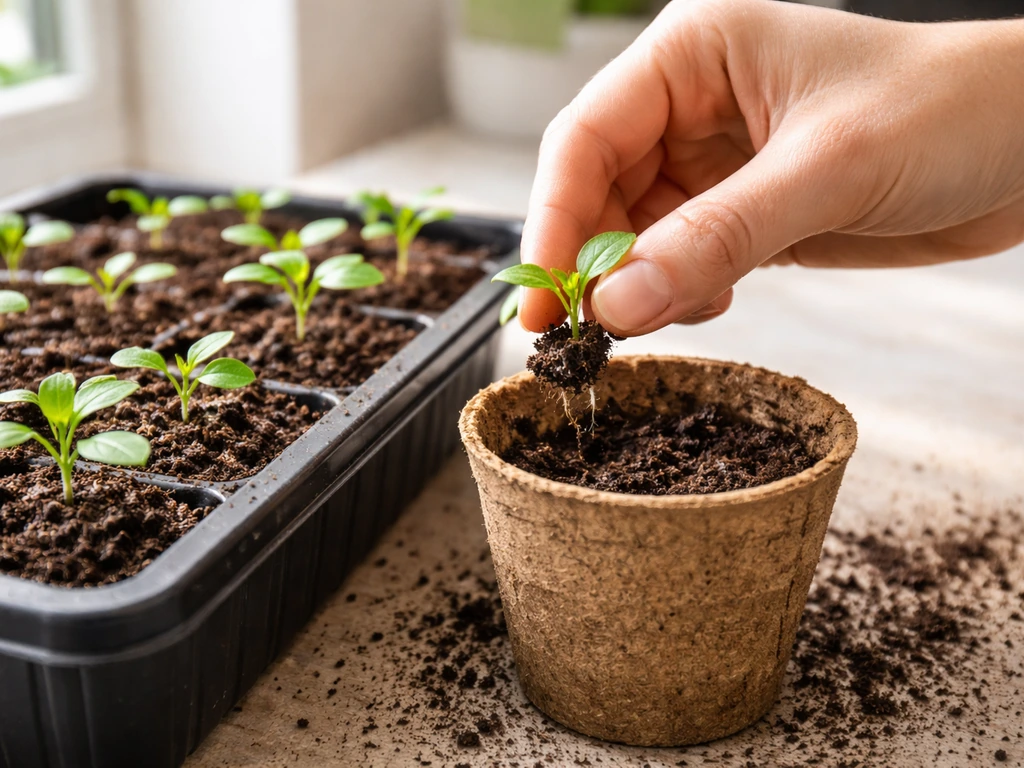
You can sow seeds directly into the final pot or start them in seed trays 3 to 4 weeks before you plan to transplant. Seed trays work better because you can protect young seedlings from weather and then move the strongest ones to containers. Sow seeds about 3–5 mm deep, keep the tray in a cool, bright spot, and expect germination in 7 to 10 days when soil temperature is between 15–20°C (60–68°F). Do not let the seed tray get hot, because germination drops sharply above 25°C.
Transplant seedlings when they are 3 to 4 weeks old and have 3 to 4 true leaves. Water the seedlings thoroughly an hour before you transplant to reduce root disturbance, and transplant in the evening to minimize transplant shock. Lettuce roots are delicate, so handle them carefully and do not let them dry out even for a few minutes. After transplanting, water gently and give the plants 2 to 3 days of light shade before exposing them to full sun.
Spacing
Space iceberg plants 30 to 40 cm (12 to 16 inches) apart in every direction. This is non-negotiable. Crowded iceberg plants do not form tight heads because they lack the airflow and root space they need. If you are growing in a raised bed or ground plot, mark out your spacing before transplanting so you are not tempted to squeeze in extra plants.
Light, temperature, and seasonal timing in India
Light requirements
Iceberg lettuce needs full sun during the cool season, meaning at least 6 hours of direct sunlight per day. In winter in India, the sun is lower in the sky, so make sure your balcony or bed is not shaded by walls or railings during the key morning and midday hours. If you are growing indoors, use full-spectrum LED grow lights for 12 to 14 hours per day, placed about 15 to 20 cm above the plant canopy.
Temperature: the most critical factor
This is where most Indian gardeners struggle with iceberg. Head formation requires daytime temperatures of about 15–20°C (60–68°F) and night temperatures of 7–13°C (45–55°F). Once daytime temperatures consistently exceed 22°C, the plant stops forming a tight head and begins to bolt. In most Indian plains, this window exists from roughly November to February. North India plains and higher-altitude cities like Bangalore, Pune, and Shimla have the most reliable cool windows.
| Region | Recommended Sowing Window | Transplant Timing | Harvest Window |
|---|---|---|---|
| North India (Delhi, Punjab, UP) | Mid-October to mid-November | Early to mid-November | January to February |
| Central India (MP, Maharashtra plateau) | Late October to November | Mid-November | January to mid-February |
| South India plains (Chennai, Hyderabad) | December | Late December | February (tight window) |
| Coastal (Mumbai, Kochi) | December to January | January | February to early March (watch temps) |
| Hill stations and high altitude | September to November | October to November | December to February |
| Indoor/hydroponic (any region) | Year-round if temp controlled | Year-round | Year-round |
If you are in South India or a coastal city, focus on the most heat-tolerant varieties like the Thailand-type or Salinas. Your cool window is short, so start seeds on time and aim to have heads form in January when temperatures are at their coolest.
Airflow matters too
Good air circulation around the plants reduces the risk of fungal diseases and helps the outer leaves dry quickly after watering or rainfall. On a balcony, avoid pushing pots against walls where air stagnates. In an enclosed indoor space, a small fan running intermittently helps considerably.
Watering, fertilizing, and spacing for crisp heads
Watering
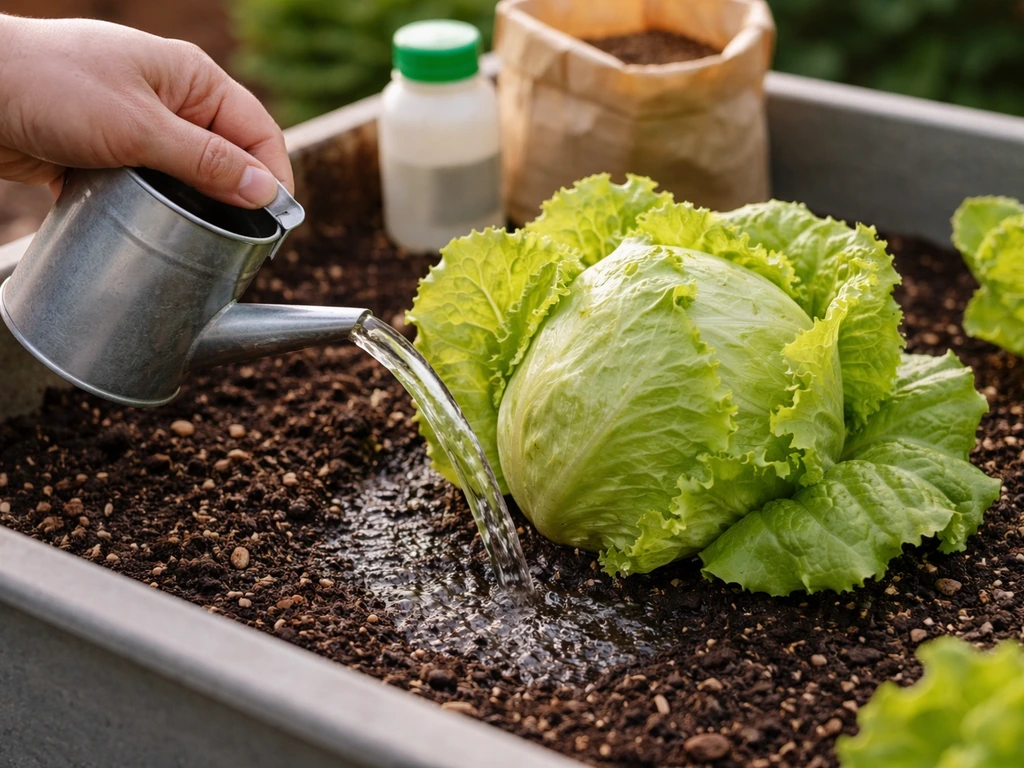
Iceberg lettuce needs consistent, even moisture, not feast-and-famine watering. The goal is to keep the soil evenly moist but never waterlogged. In containers during the Indian cool season, this usually means watering every 1 to 2 days. Stick your finger 2 cm into the soil: if it feels dry at that depth, water thoroughly until it drains from the bottom. During the cooler months (December to January in most of India), evaporation is slow, so be careful not to overwater. Waterlogged roots lead to root rot and poor head formation.
Water at the base of the plant, not over the leaves, especially in the evening. Wet leaves overnight encourage fungal problems. If you must water in the morning, that is fine since the sun will dry the leaves quickly. During India's winter fog season in the north, you may only need to water every 2 to 3 days.
Fertilizing
Iceberg is a moderate feeder. Start with compost-enriched soil and you will not need heavy fertilizing. Apply a balanced liquid fertilizer (like a 10-10-10 NPK or a seaweed-based liquid feed) every 2 weeks from transplanting until the head begins to form, then reduce feeding. Nitrogen drives leafy growth, which is good in the early stages, but too much nitrogen late in the season can cause loose, floppy heads rather than tight, dense ones.
Calcium is important for preventing tipburn on inner leaves, but foliar calcium sprays are not very effective on iceberg because calcium cannot penetrate to the inner head tissues where deficiency shows up. The best fix is consistent, even watering (which aids calcium uptake through the roots) and good airflow.
Spacing reminder
If you are growing in a pot and realize your plants are too close together as they grow, thin them out rather than leaving them crowded. It feels wasteful to remove a healthy seedling, but two crowded plants will both give you poor results, while one plant with full space will form a proper head. Thin to one plant per 30 cm pot or space plants 30 to 40 cm apart in beds.
Pests, diseases, and common troubleshooting
Bolting and poor head formation
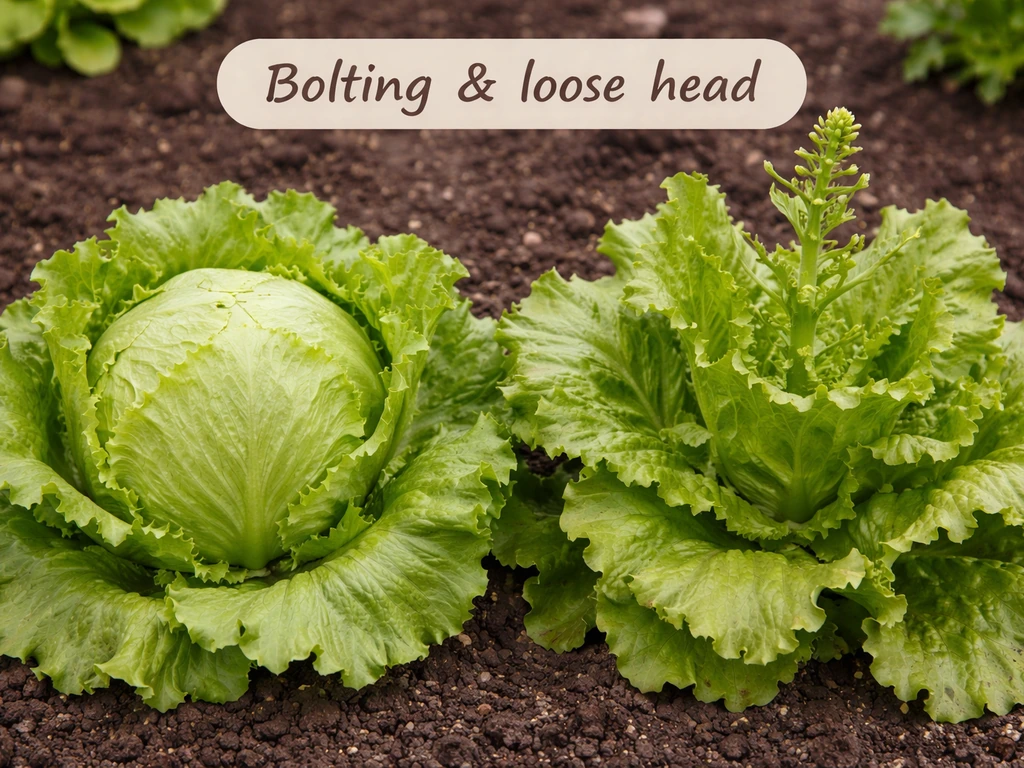
This is the most common failure with iceberg in India. If your plants are sending up a flower stalk or producing loose, open leaves instead of a tight head, the temperature is too high. There is no fix once bolting starts: the plant will not reverse course. The only solution is to harvest whatever you can and plan your next sowing earlier in the season. Prevention is everything: check your local average temperatures for the months you plan to grow and match them to the cool-season window.
Leggy, stretchy seedlings
If seedlings grow tall and spindly rather than compact, they are not getting enough light. Move them to a sunnier spot immediately, or add supplemental lighting if growing indoors. Leggy seedlings rarely recover into strong, compact plants, so it is worth restarting if the stretch is severe.
Bitter leaves
Bitterness is almost always a heat and stress response. Lettuce produces bitter compounds (lactucin) when it is heat-stressed, water-stressed, or beginning to bolt. If leaves taste bitter, it is a sign conditions are getting too warm. Harvest immediately and plan a cooler-season sowing.
Tipburn (brown leaf edges on inner leaves)
Tipburn looks like brown, papery edges on the inner or outer leaves. It is caused by calcium deficiency in the inner leaves, usually because rapid growth outpaces the plant's ability to move calcium from roots to developing tissue. Growing varieties with documented tipburn tolerance (like EM Aurora) helps. Maintaining consistent moisture and avoiding wide swings between wet and dry soil is the best preventive step. Foliar calcium sprays are not effective for inner head tipburn because calcium does not move easily to inner tissues that way.
Aphids
Aphids cluster on the undersides of leaves and inside forming heads. Check your plants every few days, especially as the head tightens. Spray with a neem oil solution (5 ml neem oil plus a few drops of liquid soap in 1 litre of water) or insecticidal soap in the evening to avoid leaf burn. Repeat every 4 to 5 days until the infestation is under control. Do not spray in full midday sun.
Slugs and snails
These are common on balconies and ground beds, especially during foggy or damp winter nights. Place copper tape around the rim of your pots as a barrier (slugs and snails dislike crossing copper). Remove them manually in the evening with a torch if you spot them. Keep the area around pots free of leaf litter and debris where they hide during the day.
Downy mildew
Downy mildew shows up as yellow blotches on the upper leaf surface with fuzzy white or grey-purple mould on the undersides. It is more common during damp, cool, low-airflow conditions, which can coincide with India's foggy winter season. Improve airflow around plants, avoid overhead watering, and remove affected leaves immediately. Choose mildew-resistant varieties if this has been a problem. A copper-based fungicide spray can help as a preventive measure if the disease has been an issue in previous seasons.
Damping-off in seedlings
If your seedlings collapse at the soil line shortly after germination, that is damping-off, a fungal problem. Always use fresh, sterile seed-starting mix and never reuse old mix from a previous damping-off episode. Do not overwater seedlings and ensure good airflow. There is no effective treatment once damping-off appears, so restart with fresh mix and better drainage.
Harvesting, storage, and how to get repeat harvests
When and how to harvest
Harvest iceberg heads when they feel firm and dense when you squeeze them gently, typically 65 to 80 days after transplanting depending on variety. Do not wait too long: once temperatures start rising or the plant sends up a central stalk, quality drops fast. Cut the head at the base with a clean knife, leaving a small stub of stem. Remove any damaged outer leaves before storing.
Storing your harvest
Fresh iceberg heads store best at 0 to 2°C with high humidity (around 90 to 98% relative humidity). In a home refrigerator, place the head (unwashed) in a perforated plastic bag or wrap it loosely in a damp paper towel and store it in the vegetable crisper drawer. Stored this way, it will keep for 3 to 4 weeks. Do not wash the head until just before you use it, as moisture on cut surfaces speeds up decay. Avoid storing near ethylene-producing fruits like apples and bananas, which cause lettuce to brown and develop brown spots quickly.
Planning repeat harvests
Iceberg is not a cut-and-come-again crop the way loose-leaf lettuce is. Once you harvest the head, the plant is done. So succession sowing is the key to continuous supply. Sow a new batch of seeds every 2 weeks during your cool season window. If you start your first sowing in mid-October in North India, sow a second batch in late October and a third in mid-November. Each batch will mature about 10 to 12 weeks later, staggering your harvest over January and February rather than getting everything at once.
Track your local cool window and work backwards. If temperatures in your city start climbing above 22°C by mid-March, count back 75 days (approximately 11 weeks) to figure out your last viable transplanting date. Any transplants going in after that cutoff will likely not form proper heads before the heat arrives. Being honest with yourself about this calendar is the difference between consistently getting good heads and being frustrated every spring.
If you want to grow lettuce outside the cool season or extend your harvest, growing in containers indoors with temperature control or exploring hydroponics are your best options. This section will also help you understand how to grow green ice lettuce as long as you match the same cool-season timing, temperature targets, and consistent moisture needs.
If you want to grow iceberg lettuce hydroponics-style indoors, the setup details matter most, from light and temperature to nutrient solution hydroponics are your best options. In the Philippines, you can still grow iceberg lettuce by planning around the cooler months and using containers or shade to manage heat. The general principles here overlap with growing iceberg lettuce in pots and containers, and those setups make succession planting year-round a real possibility even in a hot Indian climate.
FAQ
Is it possible to grow iceberg lettuce during the hot summer in India if I provide shade?
Shade helps with leaf scorch and some heat stress, but iceberg needs cool day and night temperatures to form a dense head. If daytime stays above about 22°C for long stretches, the plant will bolt and quality will drop, so aim for indoor temperature control or grow in protected containers on a rack with active cooling or night cooling (where feasible).
What’s the best way to tell if my iceberg is getting enough light in an Indian home?
Look for compact growth and thick, upright leaves. If seedlings are leaning and stretching toward the window, they are light-starved, and they rarely recover fully. In balconies, rotate pots every few days, and if you use grow lights, keep them at the stated canopy height and run them on a consistent timer for 12 to 14 hours.
Can I grow iceberg lettuce in shallow balcony pots?
For iceberg, depth matters less than horizontal soil volume, but shallow pots still dry out too fast and become unstable for head formation. Use at least about 15 cm depth, and ensure drainage holes are not blocked. If you only have small containers, you will usually get loose leaves instead of tight heads due to moisture swings.
My lettuce keeps forming a head, but it won’t feel dense. What should I check first?
Density depends heavily on temperature staying in the head-forming range and on spacing and airflow. Check that plants are not crowded (30 to 40 cm apart), confirm they get at least 6 hours of direct sun in the cool season, and avoid high nitrogen after transplanting. Also verify watering is even, dry and re-wet cycles reduce head quality.
Why are my outer leaves crisp but the inner leaves are brown or papery (tipburn)?
Tipburn usually comes from inner leaves getting calcium too slowly, often due to uneven moisture or overly rapid growth. Keep soil moisture consistent, avoid fertilizing heavily with nitrogen late in the cycle, and improve airflow. Foliar calcium sprays generally do not correct inner-head tipburn because calcium cannot reach the inner tissues effectively.
How often should I water iceberg in India if I live in a humid or foggy area?
Watering frequency changes with evaporation, so follow the soil moisture test instead of a strict schedule. Stick a finger about 2 cm into the mix, if it feels dry, water thoroughly until runoff, if it feels damp, wait. In foggy winters, watering every 2 to 3 days is common, but only if the soil is truly drying slightly.
Can I reuse potting mix after I had damping-off in a previous crop?
Avoid reusing old seed-starting mix, especially if you had seedlings collapse at the soil line (damping-off). Use fresh sterile mix, and disinfect or replace trays if possible. Reuse often reintroduces the same fungal spores, and there is no reliable in-home cure once damping-off begins.
What’s the safest way to thin or transplant if my seedlings are already crowded?
Thin promptly rather than waiting for the plants to compete. When transplanting, water seedlings about an hour before so the root ball holds together, transplant in the evening, and do not let roots dry even briefly. If seedlings are severely leggy, consider restarting, because stretched seedlings often fail to become tight-headed later.
How do I prevent aphids from hiding inside forming iceberg heads?
Start checking early and inspect the undersides and the inside of leaf folds as the head tightens. Use neem oil or insecticidal soap in the evening to reduce burn risk, and repeat every 4 to 5 days until the population drops. If you wait until the head is fully tight, sprays may not penetrate well, and control becomes harder.
Do I need to harvest immediately once a flower stalk starts?
Once bolting begins, head quality will not return. Harvest quickly (even if the head is not fully dense) to salvage what you can, remove damaged outer leaves, and then replan your next sowing earlier in the season to ensure head formation occurs before heat triggers flowering.
How should I store iceberg lettuce bought or harvested at home to keep it fresh longer?
Store unwashed, wrap loosely (or use a perforated bag), and keep it in the coldest crisper area. Aim for high humidity by using a damp paper towel inside the bag, but do not wet the cut surfaces unnecessarily. Keep it away from ethylene-producing fruits like apples and bananas to reduce browning and brown spots.
Is succession sowing still necessary if I grow only a few pots?
Yes, even small setups benefit because the cool window is limited and varieties mature in a predictable time span. Instead of sowing once, sow every 2 weeks during the cool months so you have staggered harvests. This also reduces the risk that a sudden warm spell spoils an entire crop at the same stage.