Iceberg lettuce is one of the more rewarding vegetables to grow at home, but it has a reputation for being finicky because most people try to grow it in the wrong season or the wrong conditions. Get the temperature and timing right, and it is genuinely straightforward. Here is everything you need to know to grow it from seed, from a store-bought head, indoors, in a greenhouse, or in water, plus how to fix the most common problems that trip people up.
How to Grow Iceberg Lettuce: Seeds, Regrow, Water
Marcus Holloway
19 Apr 2026
Iceberg lettuce basics: what it needs and a quick success checklist
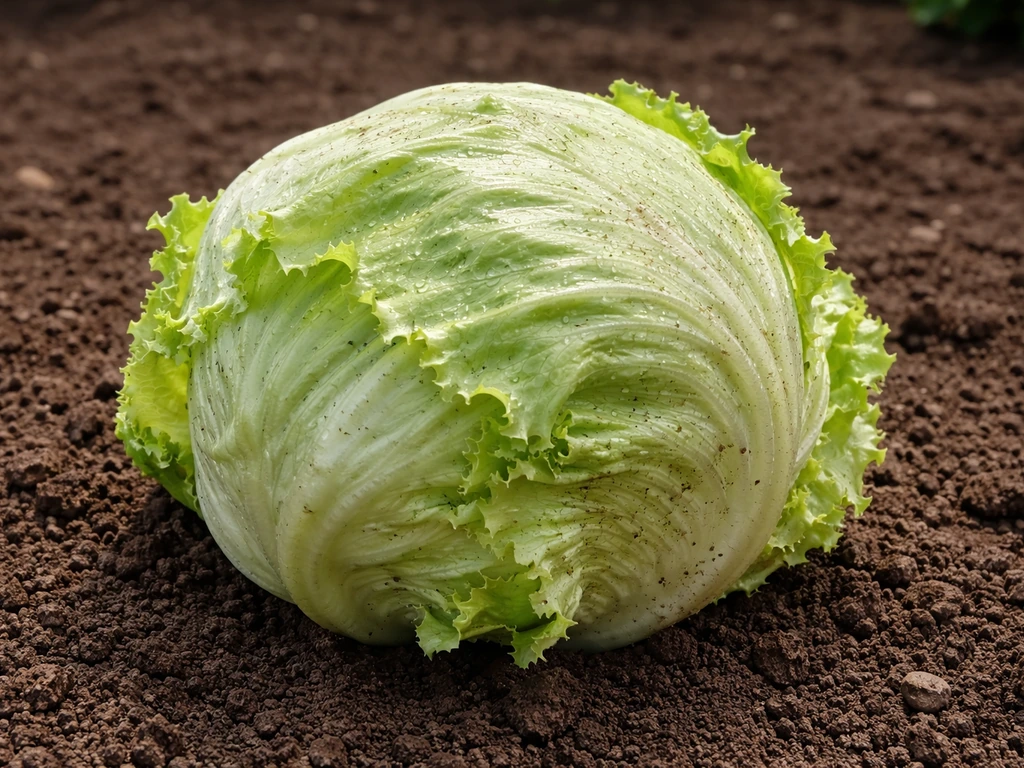
Iceberg is a crisphead-type lettuce and a true cool-season crop. It forms its characteristic tight, crunchy head when temperatures stay in that 60 to 65°F sweet spot, which is the ideal range for head development according to University of Minnesota Extension. Illinois Extension confirms that average daily temperatures between 60 and 70°F are where lettuce genuinely thrives. Push it into heat and you get loose leaves, bitterness, and bolting before the head ever firms up.
The other non-negotiable is soil pH. UC IPM and NC State Extension both place the target between 6.0 and 6.5 (NC State extends slightly to 6.7). If your soil or container mix is too acidic or too alkaline, nutrients lock up and growth stalls even when everything else looks right. A quick soil test before planting saves a lot of frustration.
- Temperature: aim for 60–65°F (day), 45–55°F (night) for best head formation
- Soil pH: 6.0–6.5 (6.7 maximum for outdoor beds)
- Light: 6 or more hours of direct or bright indirect light daily
- Water: 1–2 inches per week; consistent moisture, never waterlogged
- Seed depth: 1/4 to 1/2 inch
- Spacing: thin or transplant to 12 inches apart for full head development
- Season: spring (2–3 weeks before last frost) or fall (back-calculate from first frost)
Growing iceberg lettuce from seed: timing, sowing, spacing, and thinning
Starting from seed gives you the most control and the best chance of a quality head. The timing question is the most important one to get right. USU Extension recommends sowing lettuce 2 to 3 weeks before your last expected frost date for spring crops. For fall crops, count back from your first expected frost date, allowing 70 to 80 days for a crisphead variety to mature, plus 2 to 3 weeks buffer for the slower growth that comes with shortening days. Illinois Extension puts it plainly: complete your spring planting at least a month before the real heat of early summer arrives.
Soil temperature matters for germination too. UNL Extension data shows lettuce has an optimum germination temperature of around 75°F and can sprout in as few as 2 to 3 days under ideal conditions. UC IPM flags that germination is inhibited above 86°F, and a UC Davis soil temperature emergence table confirms that germination slows dramatically at cold extremes as well. The practical window for reliable germination is roughly 40 to 80°F soil temperature, with 65 to 75°F being the sweet spot.
- Prepare your bed or container with well-draining soil or potting mix, amended to hit pH 6.0–6.5.
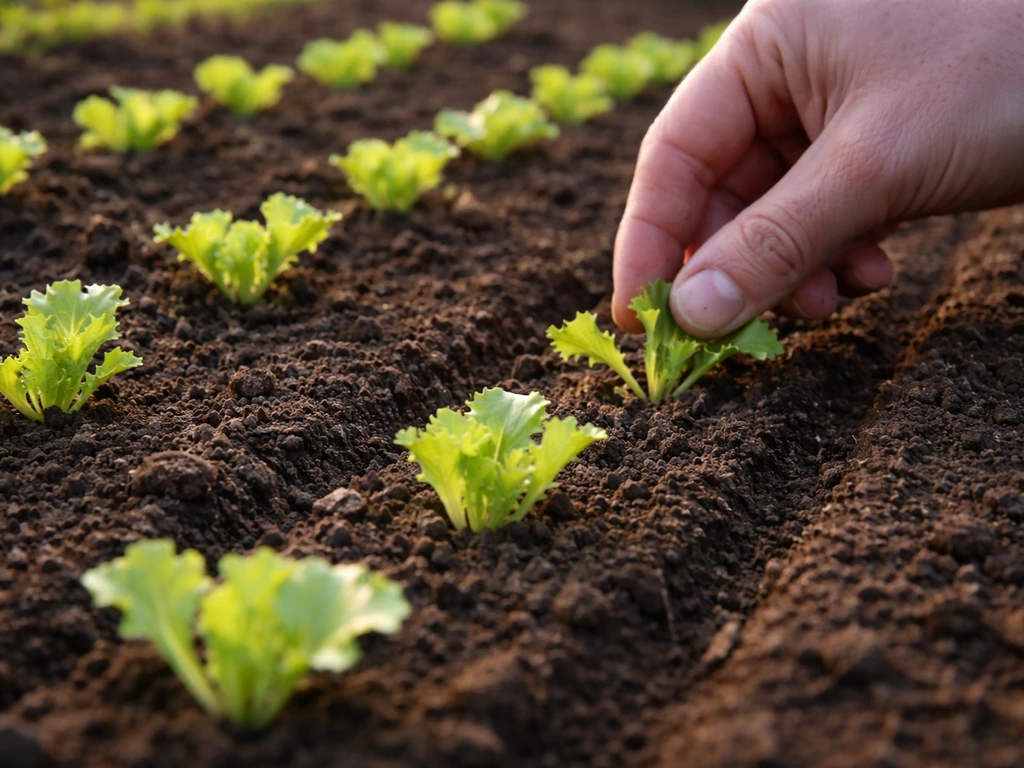
- Sow seeds 1/4 to 1/2 inch deep, spaced about 1 inch apart in rows or broadcast thinly.
- Water gently and keep the surface consistently moist until germination (usually 2–10 days depending on soil temperature).
- Once seedlings reach 2 inches tall, thin to 4 to 6 inches apart for baby leaf harvests, or to 12 inches apart if you want full heads.
- If starting indoors for transplanting, sow 3 to 4 weeks before your transplant date, as UMN Extension recommends for head lettuce, to avoid cold soil damping-off issues.
- Harden off indoor starts over 5 to 7 days before moving them outside permanently.
Illinois Extension flags the two most common germination failures: insufficient moisture and old seed. Keep the surface damp (not saturated) after sowing, and if you are using seed packets from a previous season, expect lower germination rates and sow more thickly to compensate. Illinois Extension also recommends making two or more successive plantings at 10 to 14 day intervals if you want a continuous harvest rather than one large flush.
Regrowing iceberg lettuce from a store-bought head or stem
You have probably seen the videos of people placing a lettuce stump in a glass of water and getting a full new head. I want to be straight with you: the regrowth method works, but it has real limits, especially with iceberg compared to romaine. Here is what you can realistically expect and how to do it properly.
The basic approach comes from kitchen-scrap regrowth guides: cut the outer leaves and save the bottom inch or so of the head (including the base/root node). Place it cut-side up in a shallow dish or snug container with water coming about halfway up the base. Set it in a bright spot, change the water every day or two to prevent rot, and within 1 to 2 weeks you should see new leaf growth emerging from the center. Some sources report that cutting plants back to about an inch from the ground (severe pruning) can trigger similar regrowth when conditions are right.
The honest limitation is that iceberg does not regenerate the way romaine does. What grows back is loose, tender interior leaves, not a new tight crisphead. The regrown leaves are still edible and worth harvesting, but you will not get the crunchy formed head you started with. For that, you need to start fresh from seed. Think of water regrowth as a short-term kitchen bonus, not a replacement for a real growing cycle. If you want to move the sprouted base into soil, do it once roots are 1/2 to 1 inch long, plant shallowly, and keep the soil moist. It may establish and give you a few more weeks of leaf production, but it will not head up again.
Growing iceberg lettuce indoors: containers, light, and temperature control
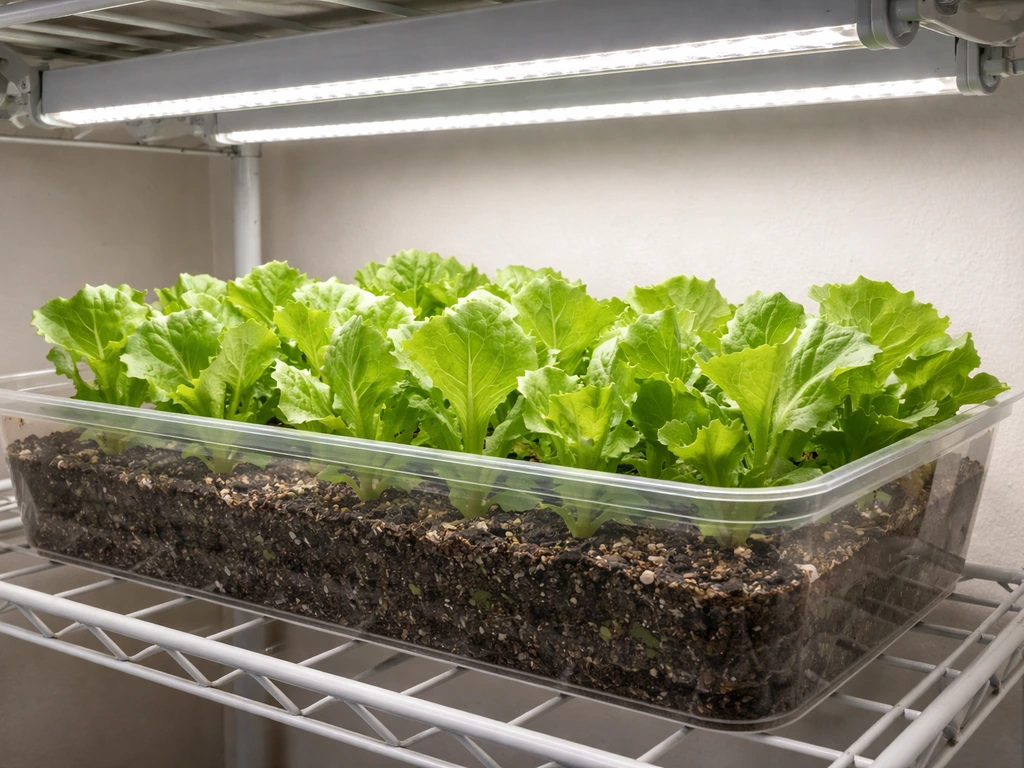
Indoor growing is very doable for iceberg, but the two things that most often kill it inside are not enough light and temperatures that are too warm. Most homes sit at 68 to 72°F, which is manageable but on the high end. Aim to keep your growing area as close to 60 to 65°F as you can, especially at night. A cool basement under grow lights, a sunroom, or a spot near a drafty north-facing window in winter often works better than a warm kitchen counter.
For containers, go bigger than you think you need. If you want the details, this guide covers how to grow iceberg lettuce in containers step by step. A full iceberg head needs about 12 inches of spacing and at least 8 to 10 inches of pot depth. Shallower pots will restrict root development and limit head formation. Use a well-draining potting mix, not garden soil, and make sure the pot has drainage holes. The site has more detail on choosing containers specifically for lettuce if you want to dig into pot selection further.
Light is where most indoor lettuce fails. A south-facing window might work in winter when the sun is low, but in spring and summer the light angle and duration often still fall short for a crisphead to form properly. A dedicated grow light set 4 to 6 inches above the seedlings for 14 to 16 hours per day will reliably outperform any window. Keep the light close to prevent the leggy, stretched stems that happen when seedlings are stretching toward inadequate light. If your seedlings look tall and floppy within the first two weeks, that is almost always a light distance or duration problem, not a watering issue.
Growing iceberg lettuce in a greenhouse: season planning, ventilation, and heat management
A greenhouse extends your season significantly for iceberg lettuce, but it also introduces the biggest risk: overheating. USU Extension makes this very clear: even a well-ventilated high tunnel runs about 10 to 15°F warmer than outdoor temperatures during the day, and on sunny January days it can hit 100°F inside. Iceberg is the worst possible crop to cook in an overheated greenhouse. Ventilation is not optional, it is critical.
For spring and fall production, a greenhouse is excellent. Start seeds 3 to 4 weeks earlier than you would outdoors, give them space (12 inches between heads), and keep the vents open aggressively on any day above 45°F outside. ACES guidance notes that in warmer climates, growers often need 50% shade cloth from April to October to keep greenhouse lettuce viable. Even in cooler climates, shade cloth from late March onward helps avoid the sudden heat spikes that trigger bolting.
Humidity is the other greenhouse challenge. ACES emphasizes reducing humidity through active ventilation, because stagnant, humid air creates ideal conditions for fungal diseases like downy mildew. UC IPM describes downy mildew as producing light green to yellow angular spots on upper leaf surfaces, developing when leaf surfaces stay wet. Drip irrigation inside a greenhouse keeps the foliage dry and reduces this risk compared to overhead watering. For cold nights, row cover or a second interior layer of floating fabric over plants will protect young transplants from cold damage, since SDSU Extension notes lettuce can show cold injury symptoms (water-soaking, delamination) after significant cold exposure.
Growing iceberg lettuce in water or hydroponics
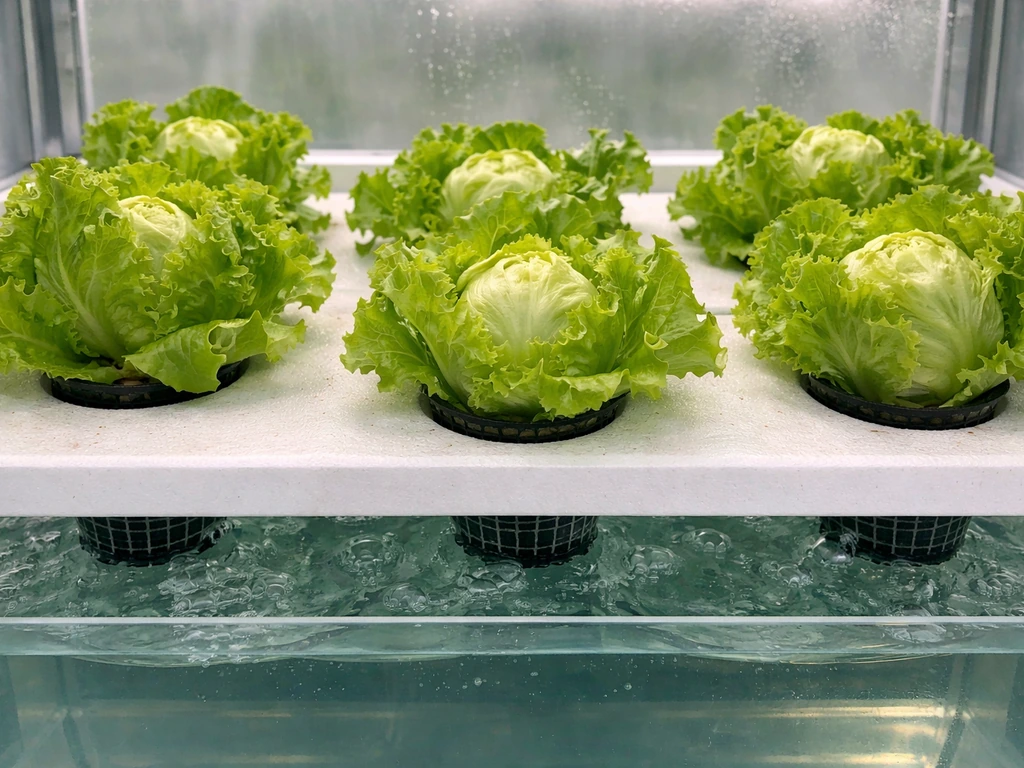
Hydroponic iceberg lettuce is one of the more satisfying projects you can do indoors or in a greenhouse, and it genuinely produces clean, fast heads when you manage the nutrients and pH correctly. The most beginner-friendly setup is a simple deep water culture (DWC) system: net pots holding the plants sit in a reservoir of nutrient solution, with an air stone keeping the water oxygenated.
Missouri Extension's hydroponic guidance stresses three things to monitor consistently: pH, electrical conductivity (EC, which measures nutrient concentration), and dissolved oxygen. University of Missouri Extension’s hydroponic nutrient solutions guidance states that dissolved oxygen over 6 ppm is optimum for hydroponics production. For lettuce, the target pH range in hydroponic solution is 6.0 to 6.5, and Oklahoma State University Extension provides EC target guidance for lettuce as a crop in its hydroponic management tables. If your pH drifts outside the target range, nutrient uptake suffers even if the solution is correctly formulated, so check pH daily when you are starting out and every two to three days once you have a stable system.
ACES provides nutrient concentration targets for hydroponic greenhouse lettuce production, including nitrogen in ppm and solution EC ranges. Start with a balanced lettuce-specific hydroponic nutrient solution, follow the manufacturer's dilution rate, and top off the reservoir with plain pH-adjusted water between full solution changes. Change the full nutrient solution every 7 to 10 days to prevent salt buildup and maintain freshness.
- Fill your reservoir with water and add nutrients per the solution's directions, targeting EC and pH appropriate for lettuce.
- Start seeds in rockwool cubes or rapid rooter plugs until roots emerge (usually 5 to 7 days).
- Transfer seedlings into net pots once roots are visible, placing them so roots will reach the nutrient solution.
- Run the air stone continuously to keep dissolved oxygen levels high in the reservoir.
- Check pH and EC every 1 to 2 days in the first week, then every 2 to 3 days once stable.
- Top off with plain pH-adjusted water between solution changes; do a full reservoir refresh every 7 to 10 days.
- Maintain water temperature between 65 and 72°F to prevent root rot and encourage healthy growth.
For a deeper walkthrough of hydroponic systems specifically, the site covers iceberg lettuce hydroponics in more detail as a standalone topic. If you are growing in pots indoors or outdoors rather than a full hydroponic setup, the container-specific guidance is also covered separately.
Troubleshooting, harvesting, and keeping the supply going
Bolting before the head forms
This is the number one iceberg complaint and it is almost always a heat problem. UC IPM is direct: lettuce bolts and becomes bitter at higher temperatures. If your plants are sending up a tall central stalk and the leaves are starting to taste sharp, the plant has made its decision and there is no reversing it. Cut the plant, use the leaves now, and plan your next planting for cooler conditions. Prevent bolting by sticking to the right season, using shade cloth when temperatures rise above 75°F, and choosing heat-tolerant cultivars. NC State Extension notes that heat tolerance and bolting susceptibility vary significantly by cultivar, so if you are in a warmer climate, look specifically for varieties labeled as heat-tolerant or slow-to-bolt.
Seeds not germinating
If seeds are not sprouting after 10 days, run through this checklist: Is the soil staying consistently moist (not wet, not drying out between checks)? Is the soil temperature above 40°F and below 80°F? Is the seed fresh? Illinois Extension points directly to insufficient moisture and old seed as the two most common culprits. If soil temperature is the issue, start seeds indoors where you can control the environment, then transplant out when conditions improve.
Leggy, weak seedlings indoors
Tall, floppy seedlings that seem to stretch toward the light are getting inadequate light intensity or duration. Move grow lights closer (4 to 6 inches above the canopy) and extend the photoperiod to 14 to 16 hours. If you are relying on a window, the honest answer is that most windows in most seasons do not deliver enough light for iceberg lettuce to form properly. A basic grow light makes an immediate difference.
Aphids and disease
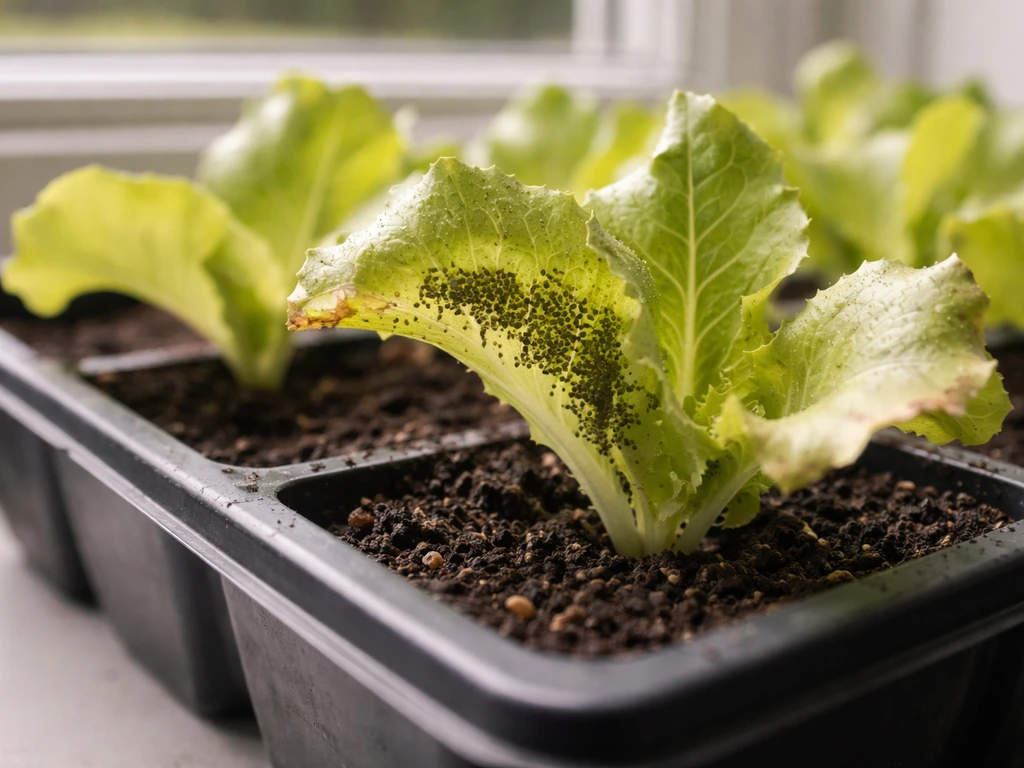
Aphids are the most common insect pest on iceberg lettuce. NC State Extension notes they can also transmit viruses including lettuce mosaic virus, so catching them early matters. Check the undersides of leaves regularly. A strong spray of water knocks them off, and insecticidal soap is effective for heavier infestations. For downy mildew, the preventive approach is everything: keep foliage dry, use drip irrigation rather than overhead watering, and space plants well for airflow. UC IPM is clear that drip irrigation that reduces leaf wetness may reduce severity, though it will not prevent disease when conditions strongly favor it.
Slow growth or no head forming
Slow growth is usually temperature or water related. UC IPM notes that near-freezing temperatures do not damage young plants but do slow growth significantly. If everything looks healthy but progress feels glacially slow, check your overnight temperatures. Inconsistent watering also stresses plants and delays heading. USU Extension recommends 1 to 2 inches of water per week, delivered consistently. Letting the soil dry out and then overwatering creates stress cycles that push the plant toward bolting rather than head formation.
Harvesting and replanting
USU Extension is straightforward on harvest timing for crisphead types: harvest when the head feels firm when gently squeezed. Do not wait for it to look as large as a supermarket head; grocery store iceberg is grown commercially at scale and harvested mechanically. Your home-grown heads will likely be smaller but just as good. Cut the head at the base with a sharp knife, leaving the root system in place. The plant may produce a few more loose leaves after cutting but will not form another full head. For a continuous supply, follow Illinois Extension's advice and make successive plantings every 10 to 14 days through the cool season.
| Growing method | Best for | Head quality possible | Main challenge |
|---|---|---|---|
| Outdoor garden from seed | Most gardeners with a yard or raised bed | Full crisphead | Timing around heat and frost |
| Indoor containers + grow light | Apartment growers, year-round growers | Small to medium head | Light intensity, temperature control |
| Store-bought head regrowth | Quick kitchen experiment | Loose leaves only, no head | Limited yield, does not form a head |
| Greenhouse | Extended season, cool-climate growers | Full crisphead | Overheating, ventilation management |
| Hydroponics (DWC) | Controlled-environment growers | Full crisphead possible | pH/EC monitoring, setup cost |
Iceberg lettuce rewards the gardeners who respect its temperature preferences and plan around them. Get your timing right, keep the soil pH in range, water consistently, and stay ahead of heat, and you will have firm, crunchy heads that genuinely taste better than anything from the supermarket. For a container-focused setup, follow the steps in this guide on how to grow iceberg lettuce in a pot. If you are growing in an igloo setup, you will also need to manage temperature, airflow, and light so the heads can form tight in cool conditions how to grow igloo lettuce. If you are in India, use the same cool-season approach and adjust the sowing calendar to your local temperatures and monsoon timing how to grow iceberg lettuce at home in india. If you are in the Philippines, use these same season, temperature, and watering principles, then adjust your planting schedule to local weather patterns by following how to grow iceberg lettuce in the Philippines.
FAQ
How do I know the right time to thin iceberg lettuce seedlings?
Thin to about 10 to 12 inches between plants once they have a few true leaves. If seedlings are crowded, they compete for light and airflow, which raises the risk of loose heads and downy mildew.
Can I reuse container soil or potting mix for a second iceberg planting?
You can, but refresh it first. Remove old roots, top-dress with compost, and consider sterilizing if you had disease. Also recheck pH, since repeated watering and fertilizer can drift pH outside the 6.0 to 6.5 target.
What’s the best way to water iceberg lettuce in a way that prevents mildew?
Use morning watering so the soil absorbs water and leaves dry quickly. If overhead watering is unavoidable, keep water off the crown and avoid wetting the foliage late in the day, since leaf wetness is a main driver for downy mildew.
Do I need fertilizer beyond compost, and when should I start feeding?
For in-ground and containers, start with a soil test. If you feed, wait until seedlings establish, then apply a modest, balanced rate rather than heavy nitrogen early, since overly lush growth can increase disease pressure and may still not head in heat.
My iceberg heads are forming but they stay small. What should I change first?
Check temperature first, then light. Small heads usually come from heat stress or insufficient light duration. If nights are warm, prioritize cooling the growing area (or shift to a cooler window or shade) rather than adding more fertilizer.
Is there a way to extend the harvest if I can’t plant successive batches?
You can stagger by using the same bed or container for multiple small sowings (even 4 to 7 days apart) instead of one big sowing. Harvesting tender outer leaves first can also buy time, but the plant will not reliably head up again after cutting the base.
What temperature should I aim for at night, and does it matter as much as daytime?
Yes. Night warmth is a common hidden trigger for bolting. Try to keep night temperatures close to 60 to 65°F, not just daytime, especially for indoor setups where rooms run warm overnight.
Can I grow iceberg lettuce from seed in summer if I use shade cloth?
Shade cloth helps, but it cannot fully replace cool-season conditions. If daytime stays above the high end of the lettuce window (roughly beyond the 70s or approaching 80s), you are more likely to get loose leaves and bitterness. If you must try, use heat-tolerant, slow-to-bolt varieties and focus on cooling at night.
How do I prevent lettuce from tasting bitter even when it doesn’t bolt?
Insufficient moisture and irregular watering can create bitterness. Keep soil evenly moist, aim for about 1 to 2 inches of water per week delivered consistently, and avoid letting the soil dry out between checks.
Why are my seedlings not sprouting even though the soil feels damp?
Dampness can still be uneven. Confirm the soil temperature is within the practical germination range (about 40 to 80°F), and ensure the surface stays damp, not waterlogged. Also consider seed age, since older seed often fails even when moisture looks right.
What’s the difference between “loose” heads and failure to head, and what causes each?
Loose heads happen when conditions are slightly off, most commonly heat, inconsistent watering, or light that is too weak. Complete failure to head is often stronger light deficiency, pH problems in containers, or starting too late into warmer weather.
How can I manage aphids if they keep coming back after spraying?
Check the undersides of leaves every 2 to 3 days for a couple of weeks after treatment. If you see recurring aphids, use insecticidal soap again as directed, and consider controlling nearby weeds and keeping plants spaced for better airflow.