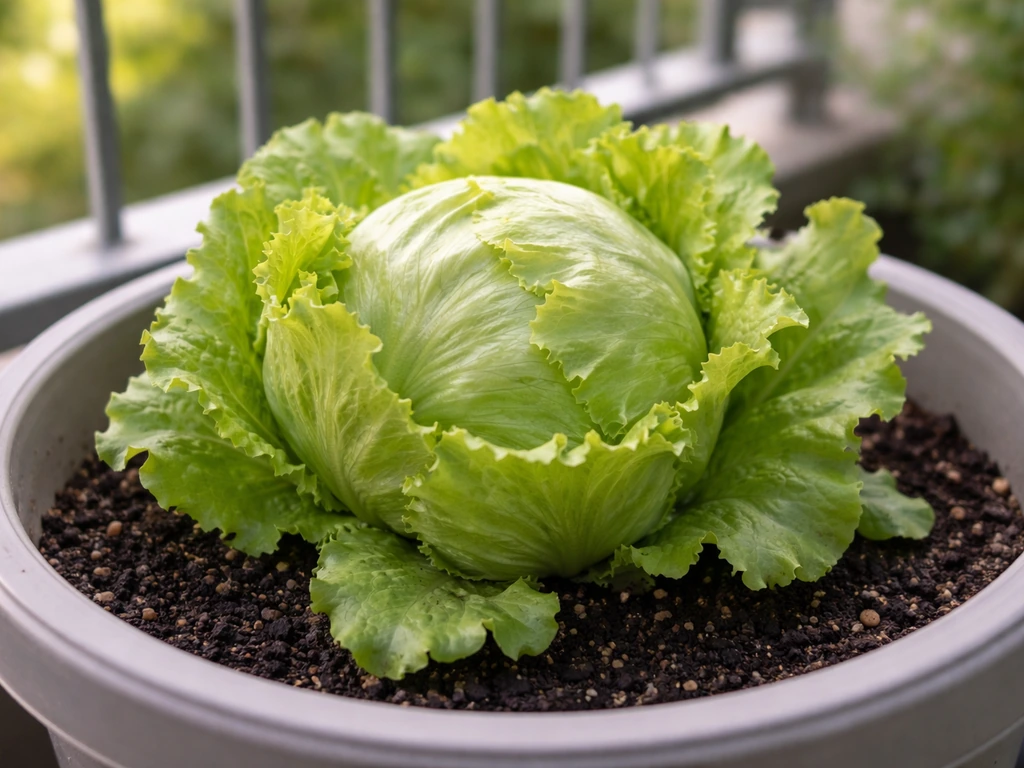
You can absolutely grow iceberg lettuce in containers, but it takes a bit more planning than most leafy greens. If you want to do this in the Philippines, you’ll mainly need to work around the heat and choose a heat-tolerant variety for better results grow iceberg lettuce in the Philippines. Iceberg forms tight, dense heads that need consistent cool temperatures, adequate root depth, regular moisture, and the right variety choice from the start. Get those four things right, and you'll pull crisp heads from your balcony or patio within 57 to 79 days depending on what you plant.
How to Grow Iceberg Lettuce in Containers: Step-by-Step
Marcus Holloway
30 Jun 2026
I'll walk you through every step here, from picking a variety that actually works in pots to staggering your sowings so you're not eating lettuce for three weeks straight and then waiting two months for the next one.
Best iceberg lettuce varieties for containers
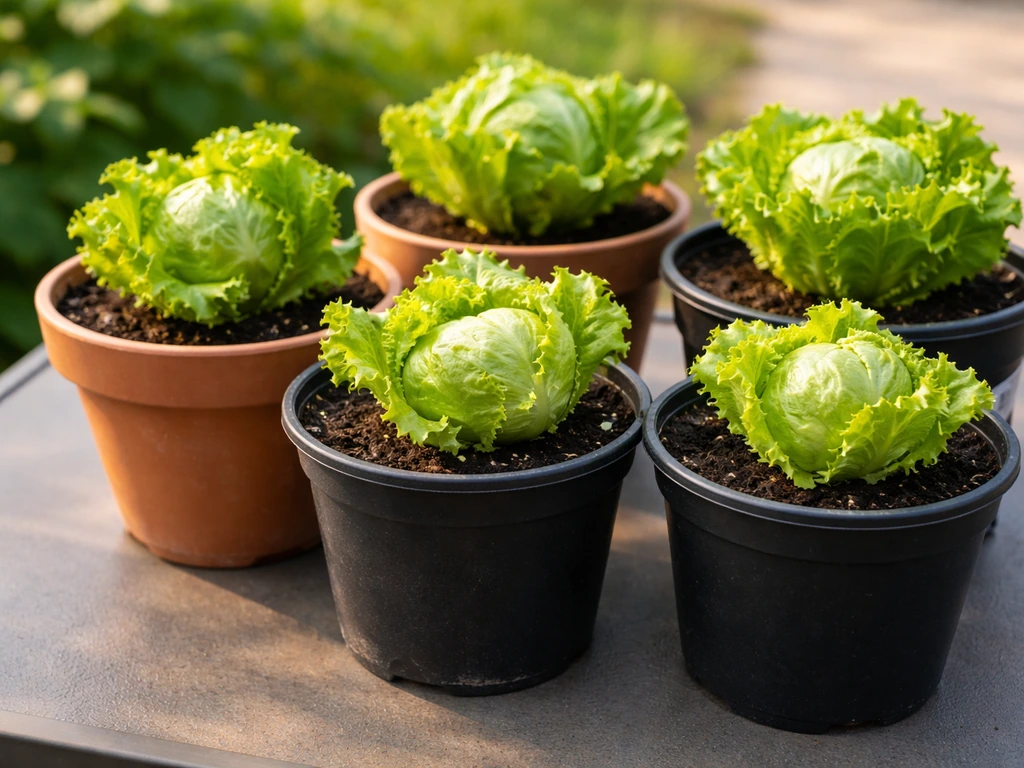
Not every iceberg variety is cut out for container life. You want something that heads up relatively quickly, tolerates a little heat stress without immediately bolting, and doesn't need a massive root zone. Here are the varieties I'd point you toward first:
| Variety | Days to Maturity | Key Trait | Best For |
|---|---|---|---|
| Crispino | 57 days | Slow to bolt, compact spacing (10") | Small containers, quick harvest |
| Minetto | ~34 days from transplant | Heat tolerant, tipburn resistant, slow-bolting | Warm climates, beginner growers |
| Crisphead Iceberg | 70–79 days | Classic crisphead flavor | Cooler seasons, patient growers |
| Silvana | 60–70 days from transplant | Large-framed head, reliable | Larger containers, experienced growers |
| Regency 2.0 | ~70 days | Slow to bolt, performs well in heat | Summer growing, mixed weather |
For most container growers, Crispino is my first recommendation. It matures in 57 days, only needs about 10 inches of spacing, and it's genuinely slow to bolt. Minetto is worth considering if you're in a warmer climate or growing somewhere with temperature swings, since it's specifically bred for heat tolerance and tipburn resistance with a faster harvest window. Avoid large-framed varieties like Silvana unless you're committed to using a really generous pot size.
If you're also curious about growing iceberg in the ground or hydroponically, the variety logic overlaps but the spacing and setup are quite different from what we're covering here. Hydroponic iceberg lettuce follows a similar variety and timing logic, but you manage water, nutrients, and roots in the system instead of potting mix how to grow iceberg lettuce hydroponics.
Container setup: size, soil vs potting mix, drainage
How big does the pot need to be?
Iceberg lettuce needs at least 6 to 8 inches of depth to develop properly. If you want the full walkthrough on how to grow iceberg lettuce in a pot, follow the steps here from pot size to harvest timing. That's deeper than most loose-leaf varieties because the plant has to support a dense head rather than just spreading leaves. A container with at least 2 gallons of volume works for a single plant, but I'd aim for a 5-gallon pot or a wide rectangular planter if you want to grow two or three heads at once. The width matters as much as the depth: you need 10 to 12 inches of horizontal space per plant.
A 12-inch diameter pot fits one plant comfortably. A 24-inch window box or planter can fit two plants at 10 to 12 inches apart. Avoid going smaller than this and expecting the head to form properly. Crowding is one of the fastest ways to end up with bitter, loose lettuce.
Potting mix, not garden soil
Use a quality commercial potting mix, not garden soil or topsoil. Garden soil compacts badly in containers, suffocates roots, and drains poorly. A good potting mix stays loose, allows roots to breathe, and retains just enough moisture without staying waterlogged. Look for a mix that includes perlite or vermiculite for added drainage. Target a soil pH of 6.0 to 7.0, which is the sweet spot for lettuce nutrient uptake. Most quality potting mixes fall naturally in this range, but if you're unsure, a simple pH test strip will tell you.
Drainage: get this right from the start
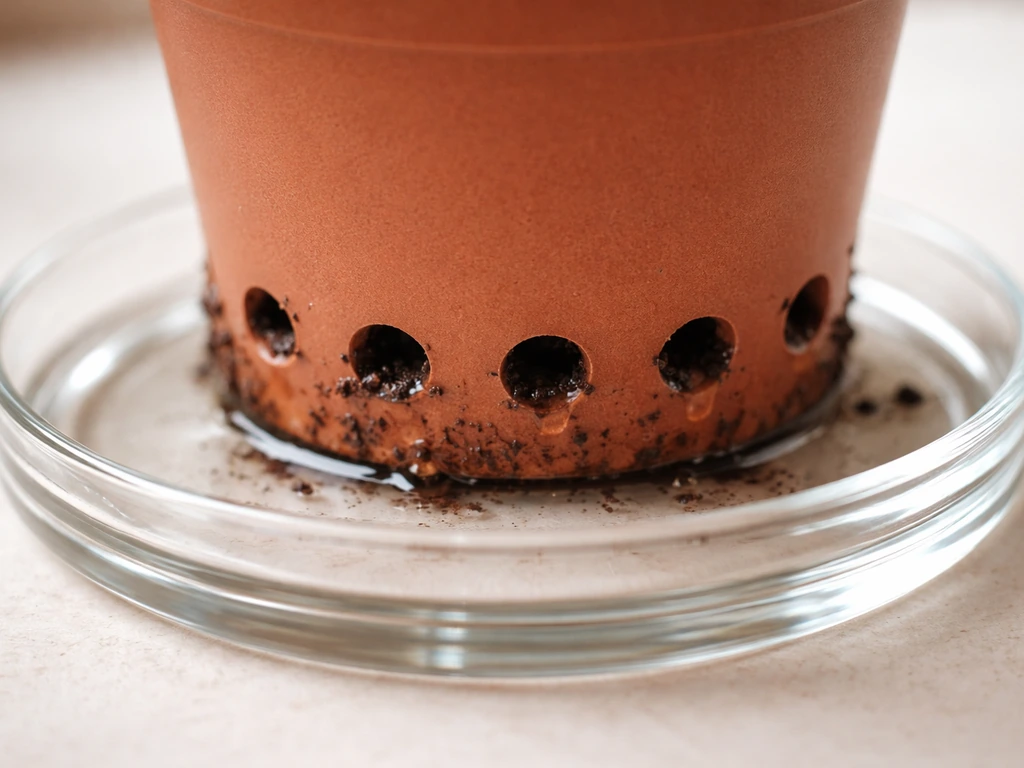
Make sure your container has drainage holes in the bottom. This sounds obvious, but it's worth emphasizing because waterlogged roots are one of the main killers of container lettuce. One thing to skip: don't put a layer of rocks or broken pot pieces at the bottom of the container thinking it will improve drainage. Research from UW Extension actually shows this reduces usable root space without improving water movement. Just use a well-draining potting mix and a pot with holes, and you're covered.
Light and temperature needs for container lettuce
How much light iceberg lettuce actually needs
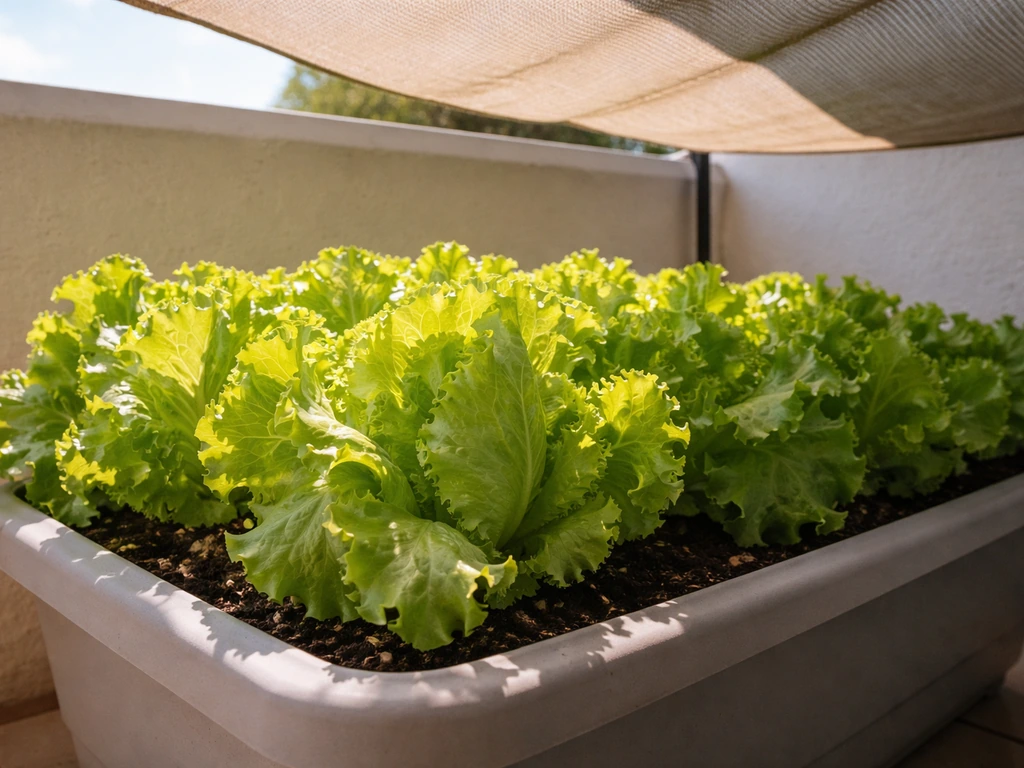
Iceberg lettuce needs a minimum of six hours of direct sunlight per day to grow and head up properly. To get the best results, make sure you’re using a container-friendly method and providing the right light and temperature for iceberg lettuce growth how to grow iceberg lettuce. On a south- or east-facing balcony, that's usually achievable. Indoors, a south-facing window may just barely cut it in summer, but you'll likely need a grow light to supplement in any other season. If you're growing indoors near a window and your heads are loose and floppy rather than tight and crisp, more light is almost always the answer.
One nuance worth knowing: in peak summer heat, a little afternoon shade can actually help. Direct afternoon sun when temperatures push above 75 to 80°F speeds up bolting. So if you're on a west-facing balcony with blazing afternoon sun, consider moving the pot to catch morning sun and shade in the afternoon, or put up a simple shade cloth rated for 30 to 40% shade reduction.
The temperature window that makes or breaks iceberg
Iceberg lettuce is a cool-season crop. To grow green ice lettuce specifically, keep it cool, use a similar container setup, and plan around the same temperature windows to prevent bolting how to grow green ice lettuce. It grows best between 60 and 70°F. Below 50°F and growth slows significantly.
Above 75 to 80°F and the plant starts preparing to bolt. This is the biggest challenge with container iceberg compared to other container greens, because you have to time your growing seasons carefully. Spring (before heat sets in) and fall (once temperatures drop) are your prime windows.
Aim to have transplants in their final container about 4 to 6 weeks before your last frost date in spring, or start seeds about 10 to 12 weeks before your average first fall frost for an autumn harvest.
One advantage containers have over garden beds: you can move them. If a heat wave hits, bring the pot inside or move it to a shaded spot. That kind of flexibility is genuinely useful for iceberg, which is notoriously unforgiving when temperatures spike.
Sowing and transplanting timeline and spacing in pots
Starting from seed vs. buying transplants
Both work, but starting from seed gives you more variety options and better timing control. Sow seeds at about 1/4 inch depth. For the All Year Round lettuce (53 days), SuperSeedy/Pinetree lists germination in about 4 to 10 days and recommends sowing seeds at around 1/4 inch depth [Sow seeds at about 1/4 inch depth. ](https://www.
superseeds. com/products/all-year-round-lettuce-53-days). Germination takes 4 to 10 days at cool room temperature (around 65 to 70°F). If you're starting seeds indoors to transplant later, start them in small cells or trays about 3 to 4 weeks before you plan to move them to the final container.
Buying a nursery transplant saves about 3 weeks of that lead time, which matters if you're working with a short cool season.
Timeline from seed to harvest
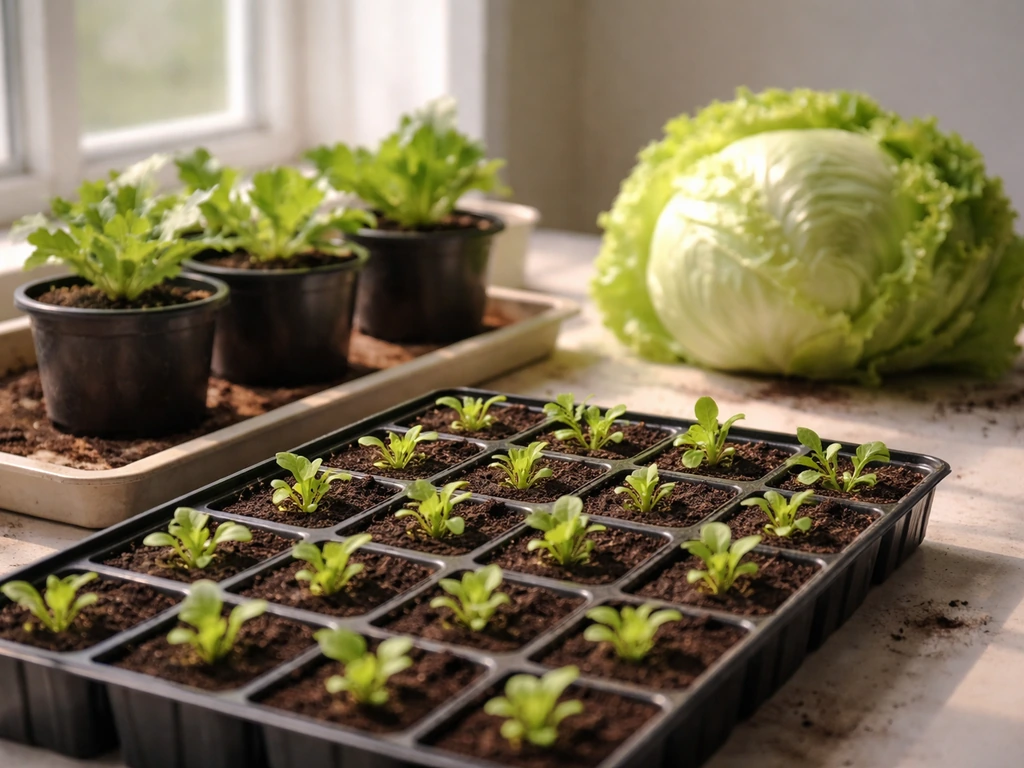
Here's a realistic look at what to expect, depending on the variety you choose:
- Seed germination: 4 to 10 days
- Seedling to transplant-ready size: 3 to 4 weeks
- Transplant to harvest (Crispino): about 57 days
- Transplant to harvest (Minetto): about 34 days
- Transplant to harvest (Silvana / Crisphead types): 60 to 79 days
- Total seed-to-harvest range: approximately 10 to 14 weeks depending on variety and conditions
If you want a consistent supply rather than one big harvest, stagger your sowings every 10 to 14 days from early spring through early summer, then start again in late summer for a fall crop. That rhythm keeps you in lettuce through both cool seasons without a glut or a gap.
Spacing inside the container
Give each iceberg plant 10 to 12 inches of space in every direction. At 10 inches (the minimum for Crispino), a 12-inch pot holds one plant. A 24-inch rectangular planter holds two. Crowding your plants is one of the most common beginner mistakes with iceberg specifically, because unlike loose-leaf lettuce, iceberg needs that airflow and root space to close up into a tight head. If you are growing igloo lettuce, avoid crowding the plants the same way, since airflow and root space still matter for tight heads Crowding your plants is one of the most common beginner mistakes with iceberg specifically. Crowded plants produce bitter, loose, leafy growth instead of proper crisp heads.
Watering and fertilizing schedule to avoid bitterness
How often and how much to water
Container lettuce dries out much faster than in-ground lettuce, especially in warm weather or when pots are in direct sun. Check the soil every day. The goal is to keep the potting mix consistently moist but never soggy. Stick your finger about an inch into the soil: if it feels dry at that depth, water thoroughly until it drains from the bottom of the pot.
In mild weather, that might mean watering every 2 to 3 days. In summer heat, it could be daily. Inconsistent watering, especially letting the soil dry out and then soaking it, is a direct cause of bitter flavor and loose heads. Lettuce stressed by drought essentially starts preparing to bolt.
Cornell IPM also recommends a cultural approach that helps make the environment less favorable for slugs and snails by letting soil and yard surfaces dry out lettuce stressed by drought essentially starts preparing to bolt. .
One practical tip: if you're using terracotta pots, they dry out faster than plastic or glazed ceramic. Either water more frequently or switch to a container that holds moisture a bit better.
Fertilizing without overdoing it
Iceberg lettuce is a moderate feeder. It needs steady nitrogen to build those dense leaves, but too much nitrogen pushes leafy growth at the expense of head formation. Start with a potting mix that includes a slow-release fertilizer, which covers you for the first 4 to 6 weeks. After that, apply a diluted liquid balanced fertilizer (something like a 10-10-10 or a fish emulsion) every two to three weeks. Calcium nitrate is worth considering as your nitrogen source later in the season because calcium supports cell wall integrity and helps prevent tipburn, which is a common issue in maturing iceberg heads.
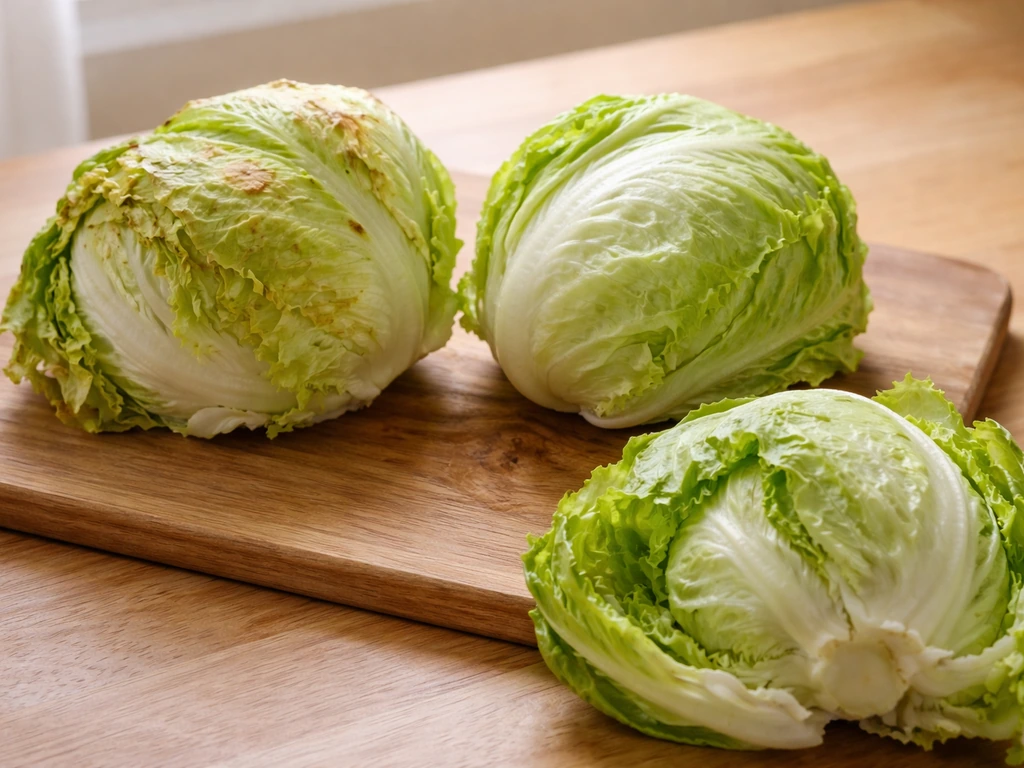
On the topic of tipburn: it shows up as brown edges on inner leaves as the head matures. It's caused by calcium not reaching the innermost leaves fast enough during rapid growth periods. Foliar calcium sprays are sometimes recommended, but research is clear that they don't effectively reach deep inside a forming iceberg head. The better prevention is consistent watering (which drives calcium uptake through the roots) and not pushing overly fast growth with excess nitrogen.
Preventing bolting, pests, and common container problems
Stopping bolts before they start
Bolting, which is when the plant sends up a flower stalk and turns bitter, is triggered primarily by heat and secondarily by long day length. In containers, you have real tools to fight this. Choose slow-bolting varieties like Crispino, Minetto, or Regency 2.0. Time your planting for the cooler parts of the growing season. If temperatures rise above 75 to 80°F, move the container to a shadier spot or bring it inside. A 30 to 40% shade cloth can buy you an extra week or two before bolting hits during a warm spell. Once you see the center of the plant starting to elongate and rise, harvest immediately because the flavor deteriorates quickly from that point.
Pests to watch for on container iceberg
Containers don't protect you from pests, but they do make it easier to inspect and treat your plants. The most common problems with container iceberg:
- Aphids: look for clusters of tiny soft-bodied insects on the undersides of leaves or inside the forming head. Blast them off with water or apply insecticidal soap.
- Leafminers: you'll see pale squiggly trails inside leaves. Remove affected leaves and discard them. There's no spray that works once they're inside the leaf.
- Slugs and snails: look for irregular holes in leaves, especially after wet nights. Let the soil surface dry out between waterings to make the environment less slug-friendly. Use copper tape around the pot rim or iron phosphate bait.
- Cabbage aphid: similar to regular aphids but often waxy blue-gray in color; same treatment applies.
Diseases and environmental problems
Downy mildew shows up as yellowish patches on the upper leaf surface with a grayish fuzz underneath. It thrives when leaves stay wet and air circulation is poor. Space plants properly, water at soil level rather than overhead, and avoid leaving water sitting on leaves. Botrytis gray mold is another fungal issue that appears as a fuzzy gray growth, usually at the base of leaves or on damaged tissue. The fix is the same: improve airflow, remove any dead or decaying leaf material promptly, and keep the potting mix surface from staying constantly wet. Crowded plants in damp conditions are a recipe for both of these problems.
Troubleshooting the most common iceberg container failures
| Problem | Likely Cause | Fix |
|---|---|---|
| Bitter taste | Heat stress, drought, crowding, or overripe harvest | Water consistently, space correctly, harvest before plant bolts |
| Loose head, won't firm up | Insufficient light, crowding, or high temperatures | Ensure 6+ hours of sun, correct spacing, cool the plant down |
| Tipburn (brown inner leaf edges) | Calcium not reaching inner leaves during rapid growth | Water consistently, use calcium nitrate fertilizer, slow growth rate |
| Bolting (flower stalk appearing) | Heat or long days triggering flowering | Harvest immediately, use shade cloth, choose slow-bolt varieties |
| Yellowing lower leaves | Overwatering, nitrogen deficiency, or root rot | Check drainage, reduce watering frequency, apply diluted fertilizer |
| Holes in leaves | Slug, snail, or caterpillar damage | Inspect at night, use iron phosphate bait or copper tape |
Harvesting, storage, and replanting for continuous supply
When and how to harvest
Harvest iceberg heads when they feel firm and dense when you squeeze them gently. Don't wait until they look massive. If the center starts to elongate or the outer leaves look tattered, you've waited too long. Cut the head off at the base with a clean sharp knife, leaving a short stem. You can also pull the whole plant if you're doing a final harvest before replanting. Morning is the best time to harvest when the leaves are still turgid from overnight and temperatures are coolest.
Crisping and storing your harvest
Fresh-cut iceberg from the garden is already crisper than anything from a store, but you can make it even better. Remove the outer leaves and core, then soak the head in ice-cold water for 15 to 30 minutes before using or storing. Pat it dry and wrap loosely in a paper towel inside a sealed container or zip bag. Stored this way in the refrigerator, it keeps well for 5 to 7 days. Don't wash and store it wet, or it'll get slimy faster.
Replanting for a continuous supply
Iceberg is not a cut-and-come-again crop like loose-leaf lettuce. Once you harvest the head, the plant is done. That means your continuous supply strategy is all about succession planting. Start a new batch of seeds every 10 to 14 days throughout spring and again in late summer. Keep a few small pots going as a nursery for seedlings so you always have a transplant-ready plant when a pot opens up after harvest. If you're growing a faster variety like Minetto (about 34 days from transplant to harvest), you can cycle through the same container multiple times in a single spring season.
Between crops, refresh the potting mix or at least top it up with fresh mix and a slow-release fertilizer. Container soil breaks down over successive crops and loses its structure and nutrient content faster than you'd think. Giving it a refresh between plantings keeps your later crops performing as well as your first.
If you want to explore growing iceberg beyond containers, the principles around variety selection and timing carry over well to in-ground beds. If you're wondering how to grow iceberg lettuce at home in India, the same container timing and variety tips can help you plan successful harvest windows despite heat and season shifts. And if you're in a hotter climate or want a year-round setup, hydroponic growing is worth looking into because it gives you much more temperature and nutrient control than any soil-based container approach.
FAQ
Can I grow iceberg lettuce in a container all year long, or only in cool seasons?
In most climates, iceberg in containers works best during spring and fall. Even with shading and moving pots, summer heat above about 75 to 80°F usually pushes bolting, so plan for a cool-season schedule rather than true year-round production.
What size pot should I use if I want multiple iceberg heads?
Use the full horizontal space guideline, not just depth. Aim for 10 to 12 inches of space per plant, so a 24-inch window box or planter can hold two plants if you keep that spacing, not if you pack them closer to save room.
How do I know whether my potting mix is draining well enough?
Do a quick test before planting: water thoroughly, then check that excess drains out within a short time and the top layer does not stay wet for long. If the surface remains soggy for a day, you likely need a more perlite or vermiculite-rich potting mix or a different container.
Is it better to use terracotta or plastic containers for iceberg?
Terracotta dries faster, which means you must water more often to keep growth even. If you tend to miss watering schedules, plastic or glazed containers are more forgiving, helping prevent drought stress that can lead to bitterness and loose heads.
Why are my iceberg heads loose even though my plants look healthy?
The two most common causes in containers are insufficient light and crowding. If they do not get at least 6 hours of direct sun, or if plants are tighter than the 10 to 12 inch spacing, they often form heads that do not tighten properly.
My iceberg is growing but the inner leaves show brown edges, what should I change?
Tipburn-like browning usually means calcium delivery is not keeping up during rapid growth. Focus on steady, evenly moist watering and avoid pushing growth with heavy nitrogen, since foliar sprays often do not reach deep into a forming head.
How do I prevent bolting during unexpected warm weather?
Use your container mobility. Move the pot to morning sun and afternoon shade, or bring it indoors during heat spikes. A 30 to 40% shade cloth can help buy time, but you should still harvest promptly when the center starts to elongate.
Should I water in the morning or evening?
Morning watering is generally best because the pot and leaves can dry during the day. This reduces the risk of fungal issues that like prolonged wetness, especially if you accidentally wet the foliage.
Is foliar feeding or calcium spray worth trying for iceberg in containers?
For tipburn prevention, consistent root-based calcium uptake is usually more reliable than sprays. If you want to supplement, treat it as an optional add-on, but do not rely on it to fix uneven watering or nutrient imbalance.
Can I start iceberg directly in the container instead of transplanting?
Yes, but you will get better timing control with transplants in short cool seasons. If sowing directly, keep the seed depth near 1/4 inch and manage thinning so each plant still gets 10 to 12 inches of space.
How often should I fertilize, and what mistakes cause problems?
Use the slow-release component to cover the first 4 to 6 weeks, then apply a diluted balanced liquid fertilizer every 2 to 3 weeks. The main mistake is overdoing nitrogen, which can produce lots of leafy growth without proper head formation.
Do I need to rotate my containers for uniform head growth?
It helps. Rotate the pot every few days so the plant gets even light exposure, which supports tighter, more uniform head development. Uneven light can contribute to slower head tightening.
What’s the best way to store harvested iceberg for maximum crispness?
Soak cut heads in ice-cold water for 15 to 30 minutes, then pat dry and wrap loosely with a paper towel before sealing in a container or zip bag. Avoid washing and storing while wet, since trapped moisture increases sliminess and spoilage.