You can grow iceberg lettuce in the Philippines, but you have to work with the climate rather than against it. The key is planting during the cooler dry season months (November through February), picking heat-tolerant varieties, and giving your lettuce afternoon shade so it doesn't bolt before it ever forms a head. Get those three things right and you'll have crisp heads in about 70 to 85 days. If you want to grow green ice lettuce specifically, the same timing and heat-management strategies for iceberg lettuce will keep it from bolting too early. Get them wrong and you'll end up with tall, bitter stalks that never headed up.
How to Grow Iceberg Lettuce in the Philippines: A Step-by-Step Guide
Marcus Holloway
23 Jun 2026
Why iceberg lettuce is genuinely tricky here
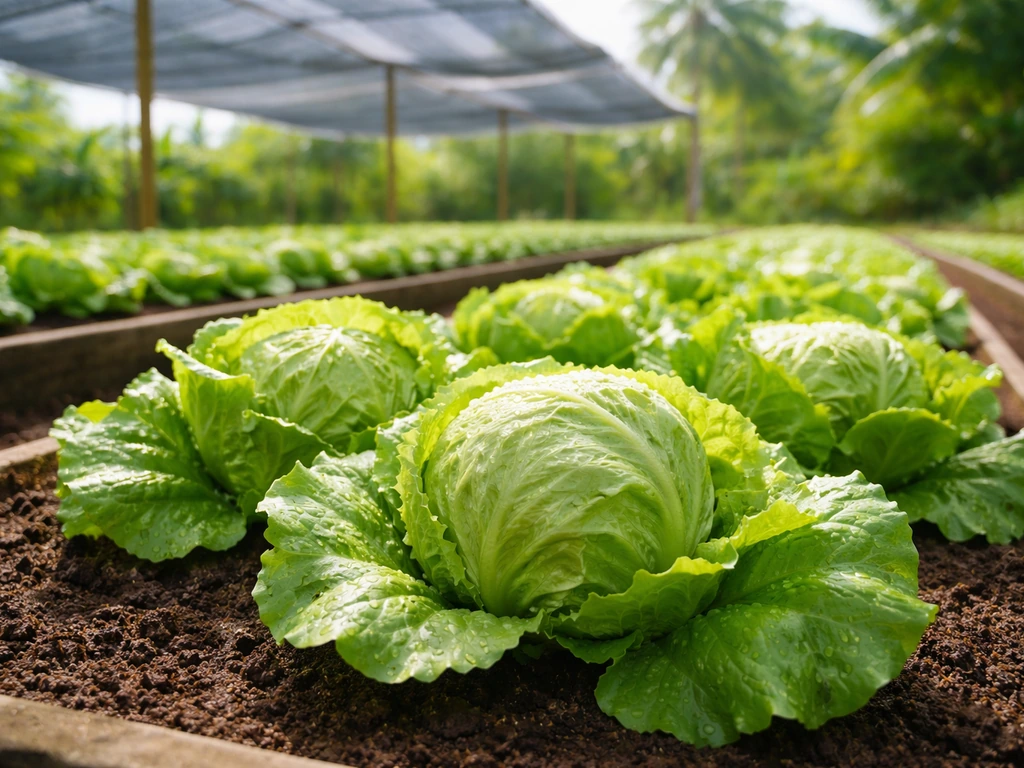
Iceberg lettuce evolved as a cool-season crop. Its sweet spot for growth is 15 to 20 °C, and once temperatures consistently push past 30 °C, it shifts out of head formation and into flowering mode (bolting). The Philippines averages around 26.6 °C annually, with even the coolest month (January) sitting at roughly 25.5 °C in most lowland areas. That means you're already above the ideal range on your best days, and from March through May you're well past the 30 °C threshold where bolting becomes almost inevitable.
The humidity compounds everything. High moisture in the air promotes fungal diseases like downy mildew and encourages rot, especially in the tight, overlapping leaves of a forming head. Pest pressure from aphids, caterpillars, and slugs is also higher in humid conditions. None of this means you can't grow iceberg here. It means you need a plan, and that plan starts with timing.
Best planting time and variety choices
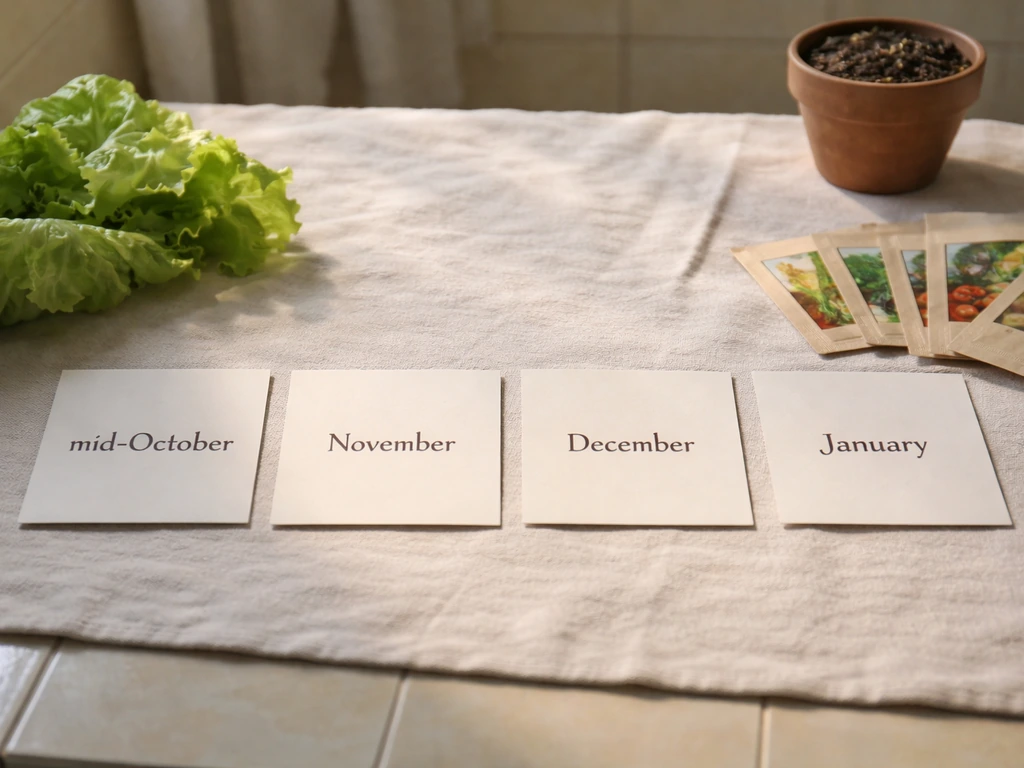
Your best window for planting iceberg lettuce in the Philippine lowlands is mid-October through January. This lets your crop develop during the coolest part of the dry season (November to February), which gives it the best chance to form tight heads before the heat returns. If you're in a highland area like Benguet, La Trinidad, or Sagada, you have a much wider window because temperatures run noticeably cooler year-round, and commercial iceberg production there runs almost continuously.
For lowland growers, variety selection is everything. Standard iceberg varieties bred for temperate climates will struggle. Look specifically for cultivars described as heat-tolerant or bolt-resistant. Ballade is a well-known iceberg-type cultivar developed with warmer climates like Thailand in mind, with around 80 days to maturity and better heat tolerance than standard types. Some local seed suppliers also carry crisphead types labeled as suitable for tropical conditions with maturity around 75 days and stated resistance to bolting and tipburn. The standard iceberg variety can take 85 days or more to mature and is best reserved for highland conditions or very controlled setups.
- Best planting window for lowlands: mid-October to January
- Best planting window for highlands (Benguet, Sagada, etc.): almost year-round
- Avoid planting in March through June in lowland areas — bolting risk is very high
- Preferred cultivars: Ballade (iceberg-type, heat-tolerant, ~80 days), heat-tolerant crisphead types (~75 days), standard Iceberg (~85 days, highland/controlled use only)
Choosing your growing setup
You have three realistic options as a home grower in the Philippines: outdoor ground beds, containers or grow bags, and indoor or shade-cloth setups. Each has real advantages depending on your space and how much heat control you want.
Outdoor ground beds
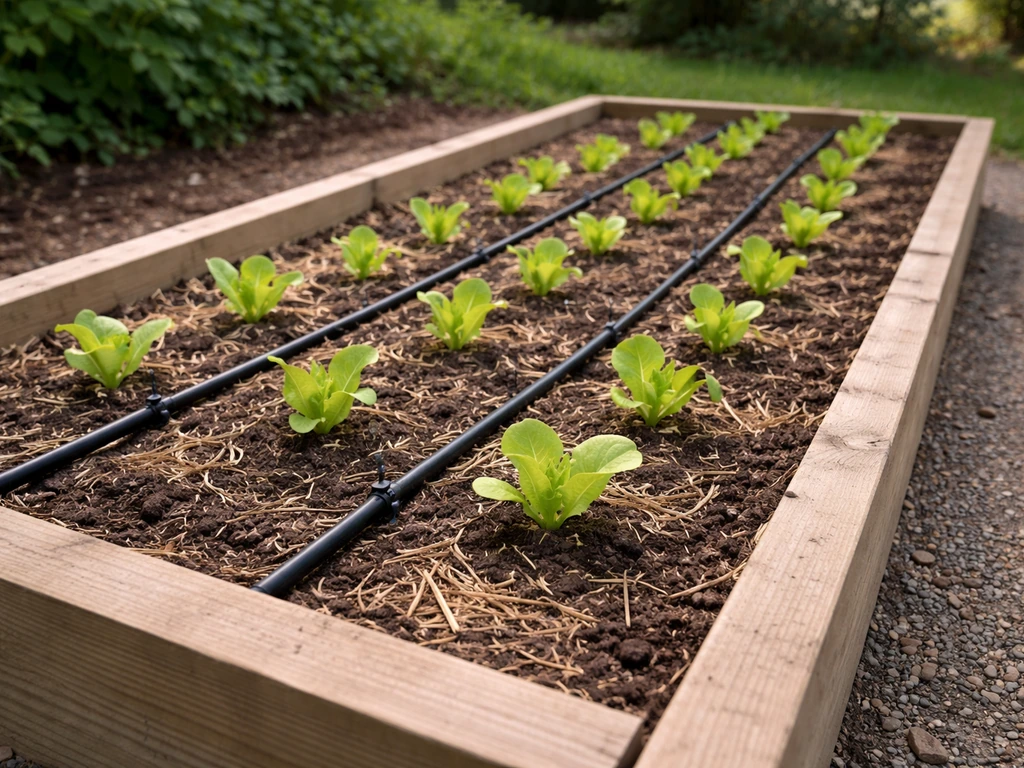
Ground beds work well during the cool season and are the simplest setup. You need raised beds or good drainage because waterlogged soil kills lettuce fast, especially during any surprise rains in October and November. Orient your bed so plants get morning sun and natural or artificial shade from noon onward. A simple bamboo frame with a 30 to 50 percent shade cloth over the bed makes a big difference in afternoon temperature.
Containers and grow bags
Containers are great because you can move them. On a very hot afternoon, you can shift the whole pot into shade. Use at least a 10 to 12 inch pot per plant for iceberg, because the heads need root room to develop. Grow bags filled with a good potting mix also work well and are cheap to source locally. The downside of containers is that they dry out faster, which means more frequent watering checks. If you want to try growing in a container specifically, this method is covered in more detail in guides dedicated to container and pot growing. A dedicated method for growing iceberg lettuce in a pot can help you dial in container size, watering, and shade so your heads form properly growing in a container.
Indoor, shade cloth, or greenhouse-style setups
If you're serious about year-round production, a simple shade house using 50 percent green shade cloth can drop ambient temperature by several degrees and significantly reduce bolting risk outside the cool season. A basic low tunnel or cold frame isn't as useful here for warming purposes, but shade cloth tunnels are practical and affordable. Some urban growers use a covered patio or north-facing window for indoor growing with supplemental LED lighting. Hydroponics is another path worth exploring for year-round lettuce, and it gives you the most control over temperature and nutrients. If you want to try hydroponics, focus on maintaining cool nutrient water temperatures and using a system that keeps roots oxygenated.
| Setup | Heat Control | Cost | Best For | Key Watch-Out |
|---|---|---|---|---|
| Outdoor ground bed | Low (weather-dependent) | Low | Cool season planting, larger batches | Drainage, afternoon sun exposure |
| Containers / grow bags | Medium (moveable) | Low–Medium | Small spaces, balconies, flexibility | Dries out faster, needs daily checks |
| Shade cloth / shade house | Medium–High | Medium | Extending season, reducing bolt risk | Upfront setup cost, ventilation needed |
| Indoor with LED lighting | High (climate-controlled) | High | Year-round growing, apartments | Power cost, space limitations |
Soil, spacing, and watering
Iceberg lettuce needs loose, well-draining, fertile soil with a pH of about 6.0 to 7.0. For outdoor beds, mix garden soil with compost at roughly a 1:1 ratio and add some perlite or coarse sand to improve drainage. For containers, use a quality commercial potting mix or make your own from coco coir, compost, and perlite. Avoid heavy clay soils entirely, they compact, drain poorly, and lead to crown rot in humid conditions.
Spacing matters more than most beginners expect. The DA-CAR technoguide for organic highland vegetable production in the Philippines specifies 30 cm x 30 cm spacing for iceberg lettuce. That's about 12 inches between plants in all directions. Crowding plants together reduces airflow, increases disease risk, and produces smaller heads. Don't be tempted to squeeze in extra plants.
Watering should be consistent and deep rather than light and frequent. Lettuce has shallow roots but it needs even soil moisture to form tight, crisp heads. Water stress leads to tipburn (brown, papery edges on inner leaves) and can trigger bolting. In the cool season with mild temperatures, watering every one to two days is usually enough for ground beds. In India, you’ll have the best results by scheduling sowing for the coolest months, choosing bolt-resistant varieties, and providing afternoon shade to prevent bolting. Containers will need daily watering and possibly twice a day during warm spells. Water at the base of the plant, not overhead, to reduce disease risk. Morning is the best time to water.
Light, temperature, and feeding
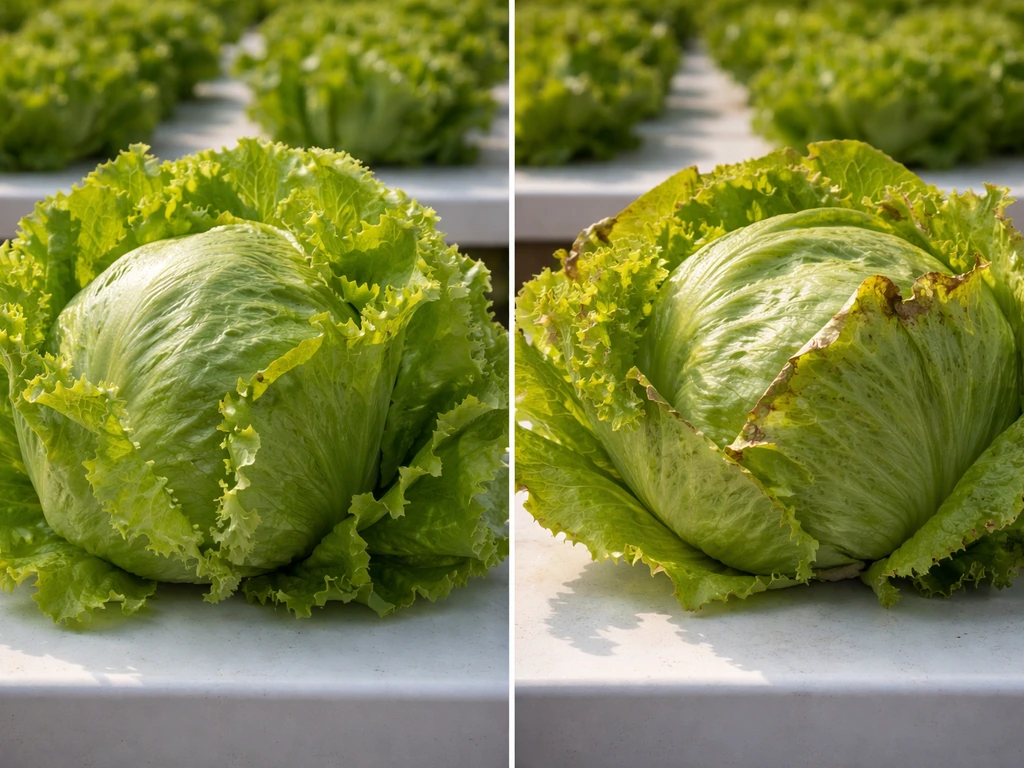
Iceberg lettuce needs about 6 hours of light daily, but in the Philippine lowland context, full sun all day is too intense from February onward. The practical approach is to aim for morning sun (6 am to around noon) and filtered or shaded conditions in the afternoon. A 30 to 50 percent shade cloth handles this automatically. If you're growing outdoors without shade cloth during the cool season, east-facing beds that catch morning sun and are blocked from the harsh afternoon sun by a wall or fence work well.
For temperature management, the goal is to keep your plants below 30 °C as much as possible. Shade cloth helps. Mulching the soil surface with dried grass clippings, rice straw, or coco coir keeps root zone temperatures down and retains moisture. Avoid black plastic mulch during warm periods as it absorbs heat. If you have a thermometer and notice soil temperatures climbing above 28 to 30 °C regularly, it's a sign the location needs more shading or you need to adjust your timing.
Iceberg lettuce is a moderate feeder. Start with compost-enriched soil and add a balanced slow-release granular fertilizer at planting. About three weeks after transplanting, side-dress with a nitrogen-rich fertilizer (urea or ammonium sulfate at a modest rate) to push leaf development. Switch to a lower-nitrogen, higher-potassium feed during head formation (roughly weeks 5 to 8) to encourage compactness rather than leafy sprawl. Avoid overfeeding nitrogen throughout, it produces lush but loose, soft heads that don't store well.
Sowing, transplanting, and your timeline to harvest
Start seeds in a seed tray or small cups filled with a fine seed-starting mix. Sow about 0.5 cm deep (barely cover the seed with fine soil or vermiculite). Keep the tray moist but not soggy, in a shaded but bright spot. Germination typically takes 5 to 10 days. Lettuce seeds need light to germinate well, so don't bury them too deep. Thin to one seedling per cell once true leaves appear.
Transplant seedlings to their final bed or container when they have 3 to 4 true leaves, usually about 3 weeks after sowing. Handle roots gently and water in immediately after transplanting. Transplanting in the late afternoon or on a cloudy day reduces transplant shock. Direct sowing is possible but thinning becomes important, sow in clusters and thin to 30 cm spacing once seedlings are established.
- Days 1–10: Seed germination in tray (keep moist, bright shade)
- Days 10–21: Seedling stage, first true leaves appear, thin to one per cell
- Day 21–28: Transplant to bed or final container at 30 cm x 30 cm spacing
- Weeks 4–6: Rapid leaf growth, side-dress with nitrogen fertilizer at week 3 post-transplant
- Weeks 6–9: Head formation begins, reduce nitrogen, maintain consistent moisture
- Weeks 10–12: Head tightens and matures (total 70–85 days from sowing depending on variety and conditions)
- Harvest when head feels firm and dense when squeezed gently
The full timeline from seed to harvest runs roughly 70 to 85 days depending on the variety and how cool your conditions are. Heat-tolerant types under good shade can come in closer to 75 days. Standard iceberg in highland conditions might run 85 days or more. Don't rush the harvest, a loose head that isn't quite firm yet won't store well and won't taste its best.
Common problems and quick fixes
Bolting (plant shoots up and flowers before heading)
This is the number one problem for lowland Philippine growers. Once a plant bolts, it's over, the leaves turn bitter and the head won't form. Prevention is your only real tool: plant in the right season, choose heat-tolerant varieties, and use shade cloth. Lettuce blank" rel="noopener noreferrer">bolting is strongly linked to heat stress, and temperatures above the cool-season range can trigger earlier bolting. If you’re learning how to grow iceberg lettuce in the Philippines, managing bolting is one of the biggest make-or-break steps. If your plants are bolting consistently, shift your sowing date two to three weeks earlier so the bulk of development happens in the coolest weeks of the year.
Tipburn (brown edges on inner leaves)
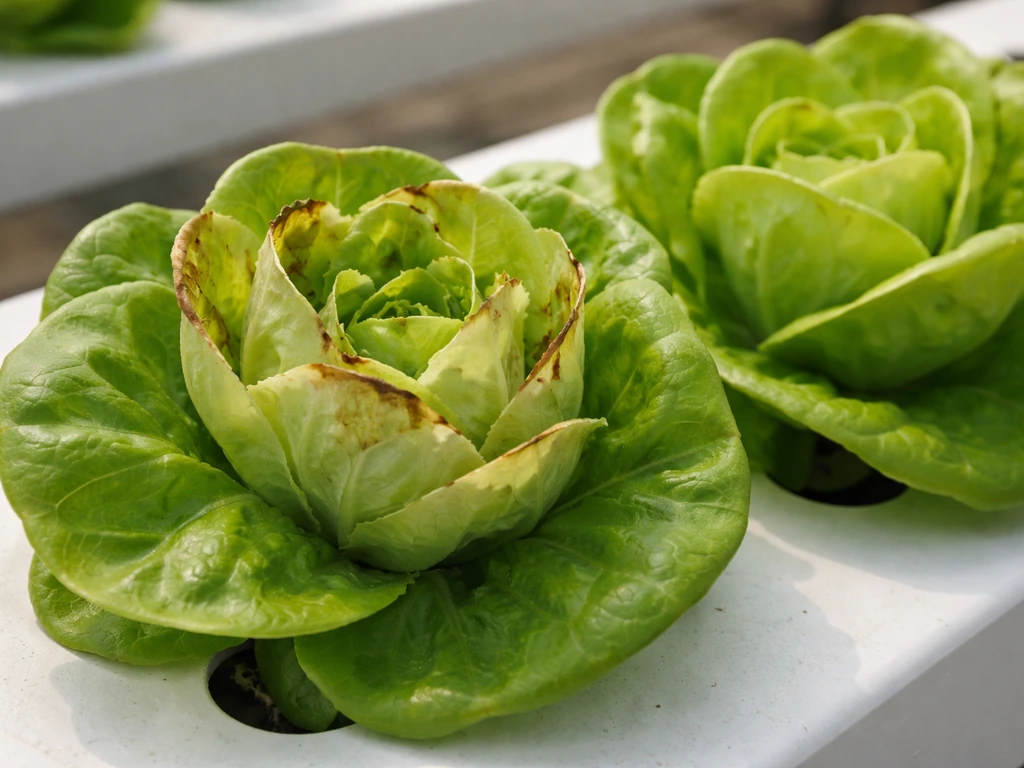
Tipburn in head lettuce is almost always caused by water stress or low air movement leading to a transient calcium deficiency in the rapidly expanding inner leaves, not by low calcium in the soil. The fix is more consistent watering and better airflow around your plants. Applying calcium sprays to the outer leaves does not solve this in head lettuce because calcium can't reach the inner tissue fast enough. Keep soil evenly moist and space plants properly.
Heads not forming (loose, leafy plants)
If your plants look healthy but never form a tight head, the usual causes are heat (above 28 to 30 °C), too much nitrogen fertilizer during the heading stage, inconsistent watering, or a variety that simply isn't a true crisphead type. Review your fertilizer schedule and make sure you're using a confirmed iceberg or crisphead cultivar, not a looseleaf type sold under a confusing name.
Aphids
Small soft-bodied insects clustered on undersides of leaves and in the heart of forming heads. They spread fast and weaken plants. Check plants every few days and knock them off with a strong stream of water. A dilute soap spray (a few drops of dish soap in a liter of water) applied directly to colonies works for mild infestations. For heavy infestations, use a registered insecticide with a short pre-harvest interval.
Caterpillars and cutworms
Caterpillars chew irregular holes in outer leaves; cutworms cut seedlings at the base overnight. For caterpillars, hand-pick in the morning or evening and use Bt (Bacillus thuringiensis) spray, which is effective and safe for edible crops. For cutworms, place a collar (a cut section of plastic bottle) around seedling stems at transplant time to protect the base.
Slugs and snails
More of a problem during rainy periods or in heavily irrigated beds. They feed at night and leave silvery slime trails. Remove by hand-picking at night with a flashlight, or use iron phosphate-based slug bait (safer for gardens with pets and children than metaldehyde). Remove mulch temporarily if populations are high, as they shelter under it during the day.
Downy mildew and fungal rot
Downy mildew shows as yellow patches on upper leaf surfaces with a grey or purplish fuzzy growth on the undersides. It's distinct from powdery mildew, which creates a white powdery coating on leaf surfaces. Both thrive in humid Philippine conditions. Prevention is better than cure: good spacing for airflow, watering at the base not overhead, and removing dead leaves promptly. Fungicides registered for mildew control on lettuce are available locally through agri-supply stores. If rot hits the crown of the plant, it usually can't be saved, pull it and don't replant lettuce in the same spot immediately.
Harvesting, storing, and planning your next batch
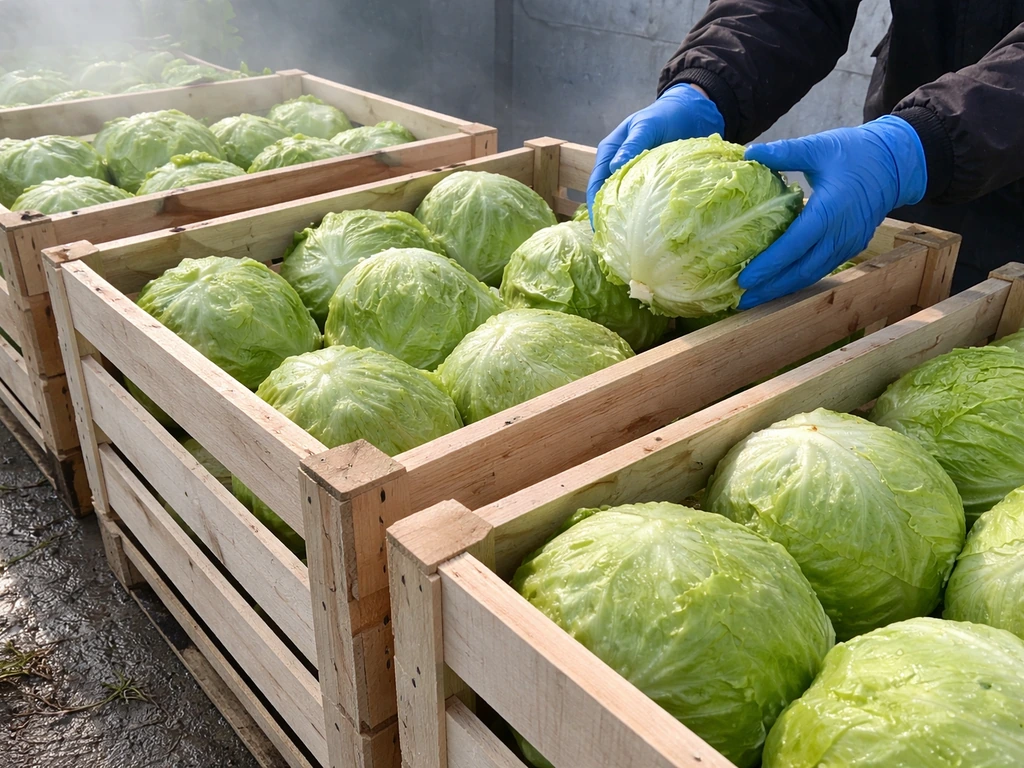
Harvest iceberg when the head feels firm and dense when you squeeze it gently, similar to a firm tennis ball. Loose or soft heads need more time. Cut the head at soil level with a sharp, clean knife in the early morning when temperatures are coolest, iceberg is highly sensitive to heat after cutting, and harvesting during the hottest part of the day degrades quality fast. Remove any damaged outer leaves and keep the good wrapper leaves on for protection.
For storage, cool your heads down as quickly as possible after harvest. Refrigerate at around 0 to 2 °C (your fridge's crisper drawer is fine) with high humidity, wrapping loosely in a damp cloth or perforated plastic bag helps. Properly stored iceberg can last up to 2 to 3 weeks at near 0 °C. Avoid storing near ethylene-producing fruit like bananas, mangoes, or papayas as ethylene causes rapid browning.
For continuous harvest, stagger your sowings every two weeks rather than planting everything at once. Start a new tray of seeds every 14 days during the cool season window and you'll have a rolling supply of heads maturing throughout the season rather than a single glut. If you have limited space, this is easily managed with a small seed tray and a few containers. Keep a simple planting log, just the sow date and variety name in a notebook, and you'll have much better control over your harvest timing.
Your quick-start checklist
- Confirm your planting window: mid-October to January for lowlands, nearly year-round for highlands
- Source heat-tolerant iceberg seeds (Ballade or similar heat-tolerant crisphead type) from a reputable seed supplier or agri-store
- Prepare well-draining, compost-enriched soil or a quality potting mix
- Set up shade cloth (30–50%) over your bed or identify a spot with morning sun and afternoon shade
- Sow seeds 0.5 cm deep in a tray, keep moist, expect germination in 5–10 days
- Transplant at 3–4 true leaves to 30 cm x 30 cm spacing
- Water consistently at the base, never overhead; check containers daily
- Fertilize with balanced fertilizer at planting, nitrogen side-dress at week 3, then switch to lower-N at heading
- Scout for pests every few days; address aphids, caterpillars, and slugs early
- Harvest in the early morning when heads are firm and dense
- Stagger new sowings every 2 weeks for a continuous supply
Growing iceberg in the Philippines takes more planning than growing it in a temperate garden, but it's absolutely doable with the right timing and setup. For a variety-specific approach, see how to grow igloo lettuce and match it to your local timing and temperature patterns. Start with one small batch this coming cool season, note what worked and what didn't, and adjust your next planting from there. Most beginners who fail the first time were either planting in the wrong month or using the wrong variety. Nail those two things and the rest follows naturally.
FAQ
Can I grow iceberg lettuce in the Philippines outside the cool dry season?
Yes, but only if you can consistently shade and cool the crop. If you must grow outside the Nov to Feb window, use a 50 percent shade-cloth setup, grow in containers you can move to the coolest spots, and choose bolt-resistant/crisphead cultivars, expect shorter harvest quality because tight heads will be harder to maintain in sustained heat.
What should I do if my iceberg lettuce starts bolting early?
Heat-tolerant varieties can still bolt if day temperatures stay above your threshold. If your plants are showing early stem elongation or flowering shoots, stop trying to “wait it out” and immediately reseed 2 to 3 weeks earlier for the next batch, because the head will not recover once the plant commits to bolting.
How do I know the right time to harvest iceberg lettuce?
For most lowland home growers, the safest target is a firm head that feels dense when gently squeezed, not a head that looks big but still springy. If you harvest while it is still loose, it will taste flatter and store poorly, and if you delay too long, it becomes more prone to bitterness.
Is it okay to water iceberg lettuce from above (sprinklers) in the Philippines?
No, direct overhead watering usually makes leaf diseases more likely in humid conditions. Water at the base in the morning, and if you do use a sprinkler, water early and avoid wetting the inner leaves and forming head until after the foliage has dried.
My lettuce forms heads but has tipburn. What’s the real cause and fix?
Tipburn often looks like brown, papery edges on inner leaves, and it commonly reflects uneven moisture plus crowding, not a simple lack of calcium in the soil. Fix the watering schedule so the soil stays evenly moist, increase airflow with correct spacing, and pause frequent nitrogen increases during heading.
Why are my iceberg lettuce seedlings growing weak or leggy?
If seedlings are leggy or pale, it usually means insufficient light or the tray is too warm, not a “bad seed.” Move them to a brighter spot with morning light, keep the mix evenly moist but not soggy, and transplant as soon as they reach 3 to 4 true leaves to reduce stress before heading starts.
What if my iceberg lettuce never forms a tight head?
If you only see leafy growth but no tight crisp head, check four common causes: daytime heat, too much nitrogen during weeks 5 to 8, inconsistent watering, and using a variety that is not truly crisphead. Confirm the label is iceberg/crisphead, and adjust fertilizer down in the heading stage.
How can I prevent iceberg lettuce from drying out in grow bags or pots?
If the soil dries too fast, container lettuces often show bitterness, tipburn, and bolting. Use a larger pot (10 to 12 inches minimum), keep soil moisture consistent with regular morning checks, and add mulch on top to reduce evaporation without piling it against the crown.
If my lettuce develops crown rot, can I replant iceberg in the same spot right away?
Do not replant lettuce in the same bed immediately after crown rot. Lettuce is prone to lingering soil and splash-borne pathogens, so remove affected plants, sanitize tools, and rotate to non-host crops, ideally giving the bed a rest period before another lettuce family crop.
How often should I water iceberg lettuce in Philippine lowlands?
Use a schedule based on your weather, not a fixed calendar. In the cool season you may manage with every 1 to 2 days, but during warm spells containers can require daily or twice-daily checks, water at the base, and stop as soon as excess drains so roots are moist but not waterlogged.