
Yes, you can absolutely grow iceberg lettuce hydroponically at home, and it works better than most people expect. Iceberg is a heavier feeder and slower grower than loose-leaf varieties, but with the right temperature, decent light, and a dialed-in nutrient solution, you can pull firm, crisp heads in roughly 70 to 85 days from seed. The keys are keeping roots cool (around 65 to 68°F), maintaining pH between 6.0 and 7.0, running an EC between 1.2 and 1.8, and giving heads enough space and airflow to actually close up tight. Skip any of those and you'll get loose, floppy leaves or a plant that bolts before it heads out.
How to Grow Iceberg Lettuce Hydroponics at Home

Marcus Holloway
18 Jun 2026
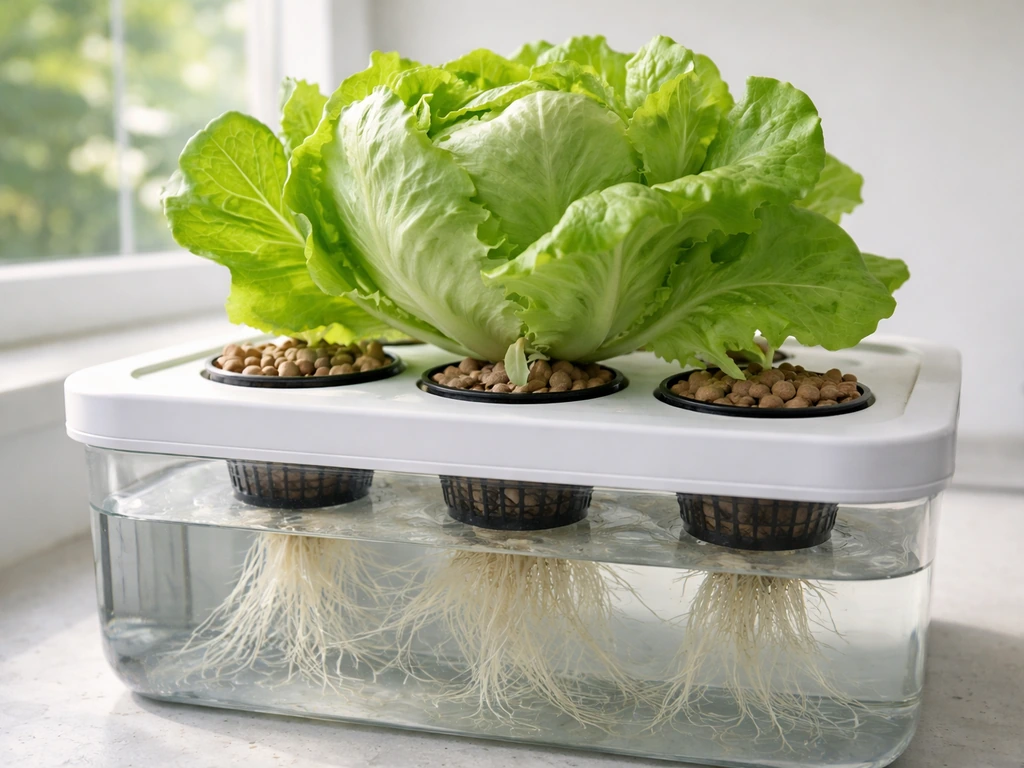
What to realistically expect when growing iceberg hydroponically
Iceberg is not the beginner's lettuce in hydroponics. Loose-leaf types like butterhead or romaine are more forgiving because you just harvest leaves and move on. If you're trying hydroponics for the first time, a related option is to start with a looser lettuce type like butterhead or romaine before you tackle how to grow iceberg lettuce at home in india loose-leaf types like butterhead or romaine are more forgiving.
Iceberg needs to form a dense head, which means you need consistent conditions over a longer window. If temps spike, it bolts. If roots get warm, the head never tightens. If spacing is too tight, the outer leaves can't wrap inward.
That said, once you understand what iceberg actually needs, it's completely doable indoors or in a controlled space. I've seen home growers pull beautiful heads in a 4x4 tent setup in an apartment. Just go in knowing it's a 10 to 12 week commitment, not a quick crop.
One honest caveat: iceberg is more sensitive to environmental conditions than almost any other salad green. UMN Extension specifically flags light availability and heat management as the make-or-break factors for home hydroponic success. If you want a step-by-step plan, use this guide on how to grow green ice lettuce in a hydroponic setup hydroponic success. If your grow space gets warm in summer or you're relying on a south-facing window, plan around those constraints before you start.
Choosing a hydroponic system and gear for iceberg lettuce
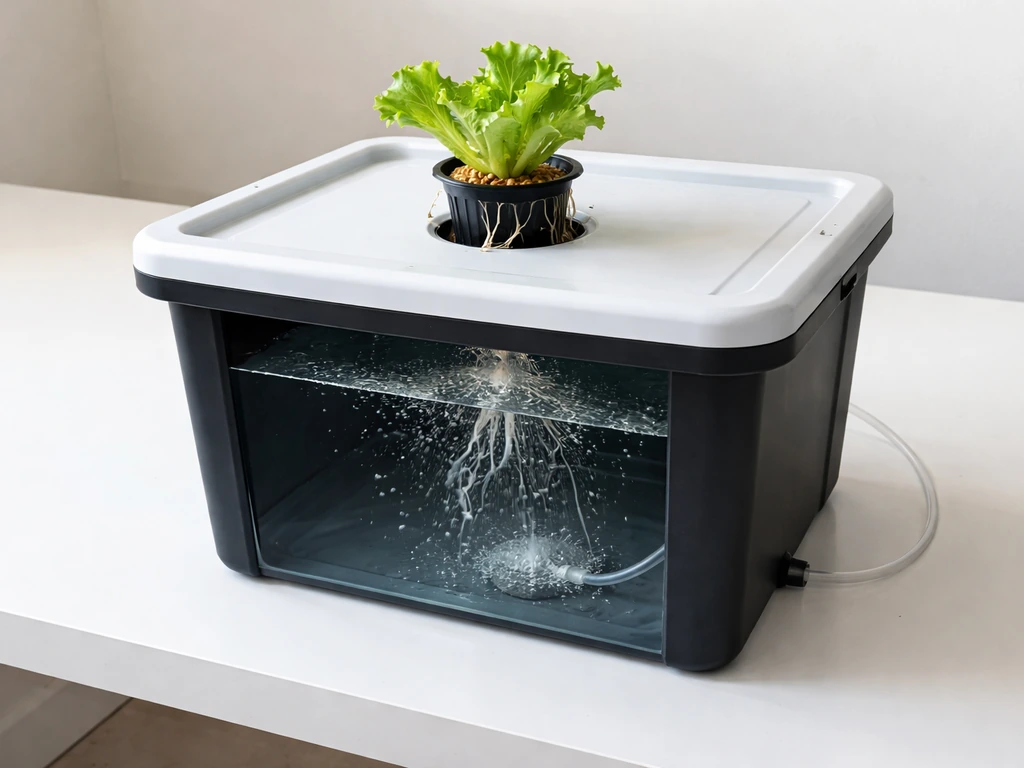
Not all hydroponic systems suit iceberg equally. Because iceberg forms large, heavy heads, you want a system that gives roots plenty of oxygen and room to spread, and that lets you manage root-zone temperature easily. Here are the main options a home grower would realistically use.
| System | How it works | Good for iceberg? | Notes |
|---|---|---|---|
| Deep Water Culture (DWC) | Roots suspended in oxygenated nutrient solution | Yes, best choice | Easy to manage root temps with a water chiller or frozen bottles; scales well |
| Nutrient Film Technique (NFT) | Thin film of solution flows over roots in channels | Good | Channels must be wide enough (at least 4 inches) for iceberg heads; root mass can clog narrow systems |
| Kratky (passive DWC) | Roots sit in static reservoir, no pump | Moderate | Works for smaller heads; harder to control root-zone temp; no oxygenation pump |
| Ebb and Flow (flood and drain) | Trays flood periodically with nutrients | Good | Needs grow media deep enough to support the head weight |
| Aeroponics | Roots misted with fine nutrient spray | Overkill for beginners | Excellent oxygenation but complex; better for experienced growers |
My recommendation for beginners is Deep Water Culture. You get direct control over root-zone temperature (critical for iceberg heading), it's easy to monitor and adjust EC and pH, and a basic setup costs under $50. A 5-gallon bucket DWC can grow one large iceberg head comfortably. For growing several plants at once, a multi-site DWC tote or a simple NFT channel system works well.
Gear checklist for a basic home setup
- Reservoir or DWC bucket (5-gallon per plant for iceberg)
- Air pump and air stone for oxygenation
- Net pots (3-inch or 4-inch diameter)
- Growing medium: hydroton (expanded clay pebbles), rockwool cubes, or perlite
- pH meter (digital, not strips) and pH up/down solution
- EC/TDS meter
- A quality hydroponic base nutrient (two-part or three-part formula)
- Grow light if indoors (details below)
- Thermometer for water and air temperature
- Reflective material or light-blocking cover for the reservoir (prevents algae)
Picking the right iceberg variety and starting seeds
Not every iceberg variety performs equally well in hydroponics. You want varieties bred for faster heading, disease resistance (especially against tipburn and lettuce mosaic virus), and ideally some tolerance to warmer temps if your space isn't perfectly climate-controlled.
Varieties worth trying
- Salinas: The classic commercial iceberg, reliable heading, widely available, performs consistently in hydro
- Ithaca: Good resistance to tipburn and bolting, solid choice for home setups
- Summertime: Slower to bolt in warmer conditions, useful if you can't keep temps perfectly cool
- Igloo: Compact heading type, does well in containers and smaller hydroponic systems (worth noting if you're working with limited space)
- Great Lakes 659: Old-school but dependable, forms tight heads and handles moderate temp swings
Starting seeds and transplanting into your system
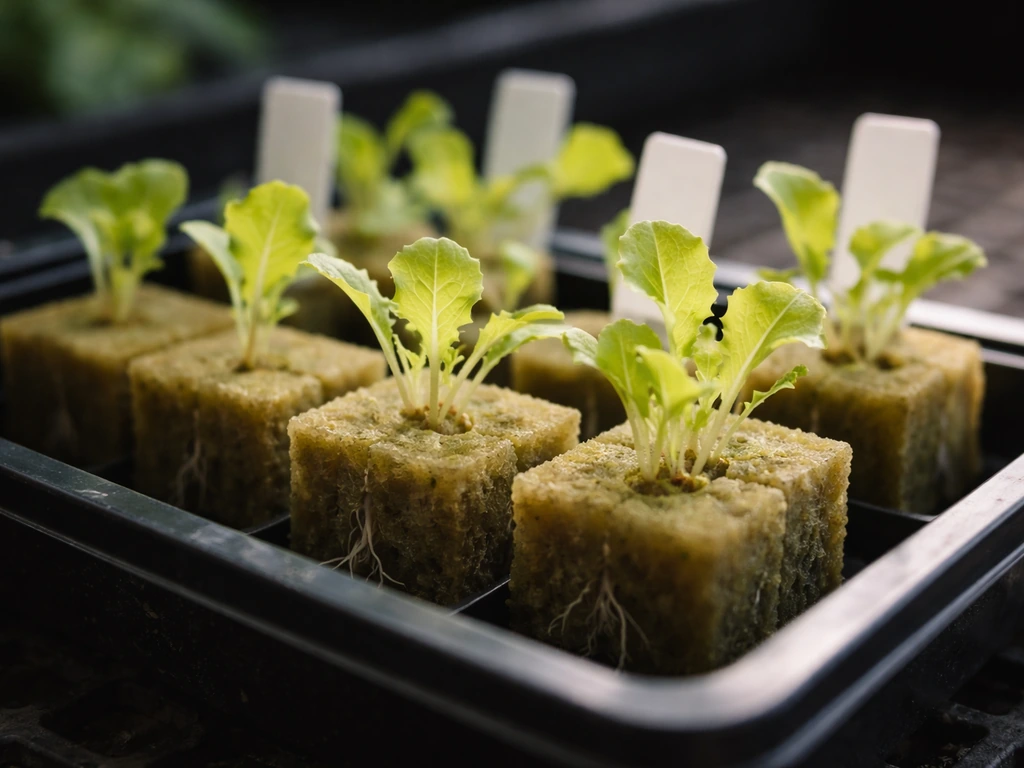
- Soak a 1.5-inch rockwool cube in pH-adjusted water (5.5 to 6.0 pH) for 30 minutes before use.
- Place one iceberg seed per cube, about 1/4 inch deep. Don't bury it deeper.
- Keep cubes moist but not soaking in a tray with a humidity dome. Temperature should be 65 to 70°F for germination.
- Seeds typically sprout in 3 to 7 days. Once you see the seedling, remove the humidity dome to prevent damping off.
- At 10 to 14 days, when seedlings have their first true leaves and roots are just poking from the bottom of the cube, they're ready to transfer.
- Set the rockwool cube inside a 3-inch or 4-inch net pot filled with hydroton. The cube should sit snugly with the roots able to reach down into the reservoir or solution.
- For the first week after transplanting, keep the water level high enough to wick up to the net pot base. Once roots reach the solution, drop the level so an air gap forms above the waterline.
If you're comparing this to growing iceberg in containers or outdoor beds, the seed-starting process is almost identical. To make it work in a pot, focus on using a container big enough for root growth and keep the soil or growing medium consistently moist grow iceberg lettuce in a pot. The difference is where those seedlings end up: in nutrient solution instead of soil. If you've already started seeds for a container grow, you can absolutely transition healthy seedlings into a hydroponic system at the true-leaf stage.
Light, temperature, and airflow: the trifecta for head formation
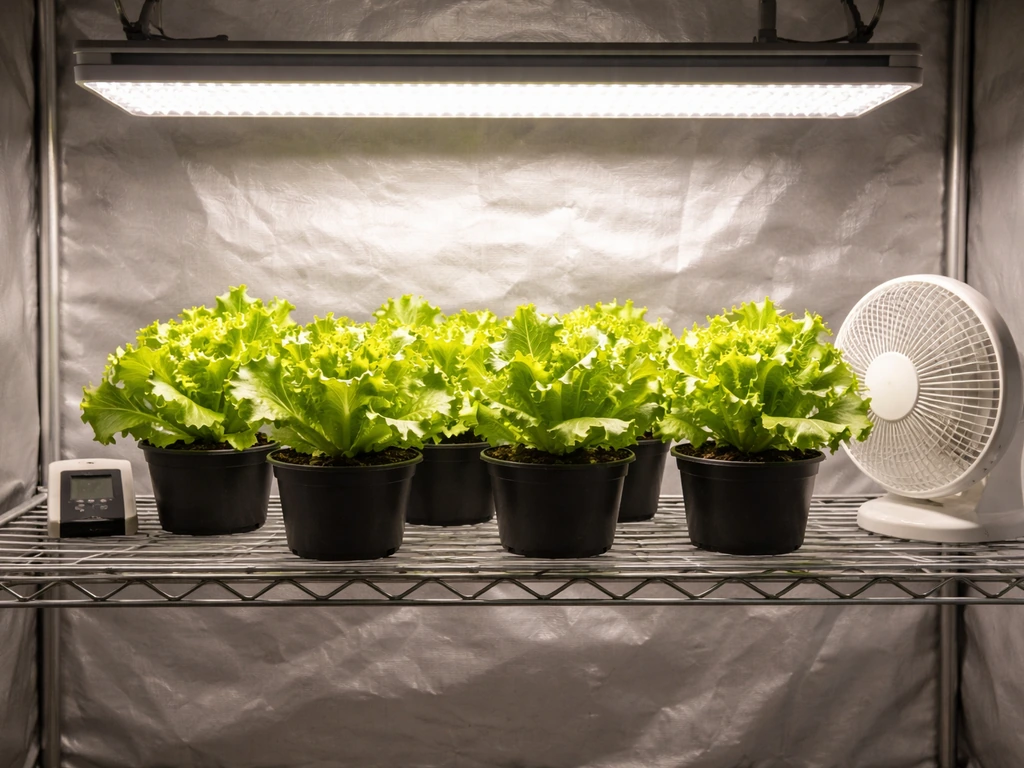
This is where most indoor iceberg failures happen. Getting these three dialed in is what separates a tight, crisp head from a loose, floppy plant that bolts on you.
Light requirements
Iceberg needs a lot more light than most people expect, especially indoors. Aim for 14 to 16 hours of light per day using a timer. A good LED grow light (full spectrum, at least 200 to 300 true watts for a 2x4 space) works well. Keep the light about 18 to 24 inches above the canopy during the vegetative/heading phase. If light is too weak, plants stretch upward instead of producing dense, wrapping leaves. If it's too intense or too close without adequate airflow, you'll accelerate tipburn. Outdoors or in a greenhouse, iceberg wants full sun (6 or more hours) but benefits from afternoon shade in hot climates.
Temperature targets
Air temperature should stay between 60 and 70°F for optimal heading. Above 75°F consistently and you're on borrowed time before the plant bolts. The root-zone temperature is equally critical: research on iceberg in tropical growing conditions found that controlling root-zone temperature was actually the key lever for inducing head formation. blank" rel="noopener noreferrer">Target 65 to 68°F for your nutrient solution, which aligns with what Purdue's hydroponic production guidelines recommend for lettuce. In practice, if your room temp is 68°F, your reservoir will likely creep above that. Use a small aquarium thermometer to monitor it, and if needed, float a frozen water bottle in the reservoir, use an aquarium chiller, or move the reservoir to a cooler location.
Airflow
A small oscillating fan running on low is not optional for iceberg indoors. It does several things at once: it strengthens stems, reduces humidity around the outer leaves (which directly lowers tipburn risk), and helps prevent fungal issues in the dense center of a forming head. Keep the fan circulating air around the plants without blasting directly into them. In an enclosed tent or cabinet, you also need an exhaust fan to pull warm air out and maintain temperature.
Nutrients, pH, and EC: feeding iceberg through the full grow cycle
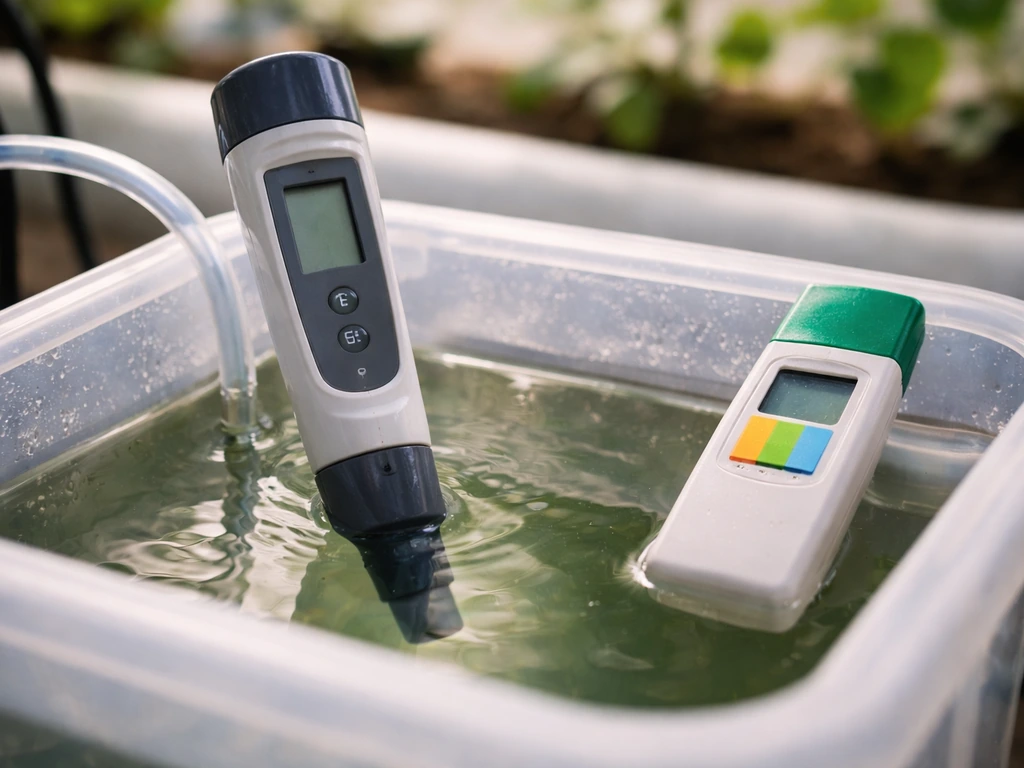
Iceberg lettuce isn't the heaviest feeder in the garden, but it does need a complete, balanced nutrient solution and consistent monitoring. Oklahoma State University Extension's hydroponic EC/pH guide specifically lists lettuce targets as EC 1.2 to 1.8 and pH 6.0 to 7.0. Those are the numbers to work with.
EC and feeding by growth stage
| Growth Stage | EC Target | pH Target | Notes |
|---|---|---|---|
| Seedling (weeks 1-2) | 0.8 to 1.0 | 6.0 to 6.5 | Light feeding; strong solution can burn young roots |
| Early vegetative (weeks 3-4) | 1.2 to 1.4 | 6.0 to 6.5 | Step up nutrients as plant grows |
| Active head formation (weeks 5-9) | 1.4 to 1.8 | 6.0 to 7.0 | Full feeding rate; monitor closely; check solution every 2 to 3 days |
| Pre-harvest (final 1-2 weeks) | 1.2 to 1.4 | 6.0 to 6.5 | Slight taper; some growers flush with plain water the last few days |
For nutrient solution, a two-part or three-part hydroponic base nutrient (like General Hydroponics Flora Series or similar) mixed to the manufacturer's lettuce recommendation is a solid starting point. Iceberg benefits slightly from higher calcium levels because calcium deficiency is directly linked to tipburn. If you're seeing tipburn and your EC and pH are correct, try a cal-mag supplement at a low dose.
pH management in practice
pH is the variable that trips beginners up the most. Even if you mix the perfect nutrient solution, if pH drifts outside the 6.0 to 7.0 range, certain nutrients lock out and you'll see deficiency symptoms despite feeding correctly. Check pH every 2 to 3 days, especially during active growth when the plant is drinking heavily. As OSU Extension points out, pH directly controls nutrient availability, so it's worth the 30 seconds to check. Use pH down (usually phosphoric acid) or pH up (usually potassium hydroxide) to adjust in small increments. Aim for 6.2 to 6.5 as your sweet spot within the allowable range.
Water and reservoir maintenance
Top off your reservoir with plain pH-adjusted water between full nutrient solution changes (roots drink water faster than nutrients, so the EC will creep up if you only top off with nutrient solution). Do a full reservoir change every 7 to 14 days to prevent salt buildup and maintain a fresh nutrient balance. Keep the reservoir completely light-blocked with a cover or black plastic wrap to prevent algae growth. Algae won't kill your plants but it competes for nutrients and oxygen, and it's a pain to clean out mid-grow.
Spacing, support, and knowing when to harvest
Spacing for actual head formation
Iceberg needs more space than almost any other lettuce type in a hydroponic system. Give each plant at least 12 inches of space in every direction, and 14 to 16 inches is better for full-size heads. In a DWC tote, that usually means 4 plants in a 2x4 setup max. Cramping iceberg is one of the fastest ways to prevent heading: the outer leaves need room to wrap inward and create that classic tight ball. In NFT channels, use 12-inch spacing between net pots minimum.
Does iceberg need support?
Once the head starts forming and sizing up, iceberg can get top-heavy in a net pot, especially in DWC where there's nothing anchoring the plant except the net pot and growing medium. If plants are leaning or tipping, use small clips, foam collars, or zip ties loosely attached to a support wire above the plant. This is more of a concern in larger, full-size heads and in systems with vibration from pumps or fans.
Harvest timing and how to cut
From transplant into your hydroponic system, expect iceberg heads to be harvest-ready in 60 to 75 days, putting total time from seed at roughly 70 to 85 days. The head is ready when it feels firm and dense when you squeeze it gently, the outer leaves are wrapping tightly, and the head has good weight for its size. Don't wait for it to look like a supermarket head (those are often harvested at maximum size and then stored for weeks).
Harvest when it's dense but still actively growing for the best flavor and crunch. To harvest, use a clean, sharp knife and cut the head at the base of the stem, just above the net pot. You can leave the root system and net pot if you want to attempt a second harvest, but regrowth from iceberg is usually loose leaves rather than another full head, so most growers just start fresh.
Troubleshooting: when things go wrong with hydroponic iceberg
Head won't form or stays loose
This is the most common iceberg complaint. Nine times out of ten it's one of three things: temperature too high (above 72°F consistently), light too weak (under 12 hours or low-intensity), or spacing too tight. Check those three first. If your root-zone temperature is above 70°F, that alone can prevent heading. Research on iceberg in warm climates found that root-zone temperature control was the primary method for inducing heads to form, so cool that reservoir down before assuming something else is wrong.
Bolting (plant sends up a flower stalk)
If your iceberg suddenly stretches upward, grows a central stalk, and the leaves start tasting bitter, it's bolting. This almost always means temperatures have been too warm, day length is too long (more than 16 hours of light can trigger it in some varieties), or the plant is stressed from root issues or nutrient problems. Once bolting starts, it won't reverse. Harvest whatever you have now and adjust conditions before starting the next round. If you're growing indoors, keep your light timer at 14 to 16 hours and make sure nighttime temps actually drop a few degrees.
Tipburn (brown, papery edges on inner leaves)
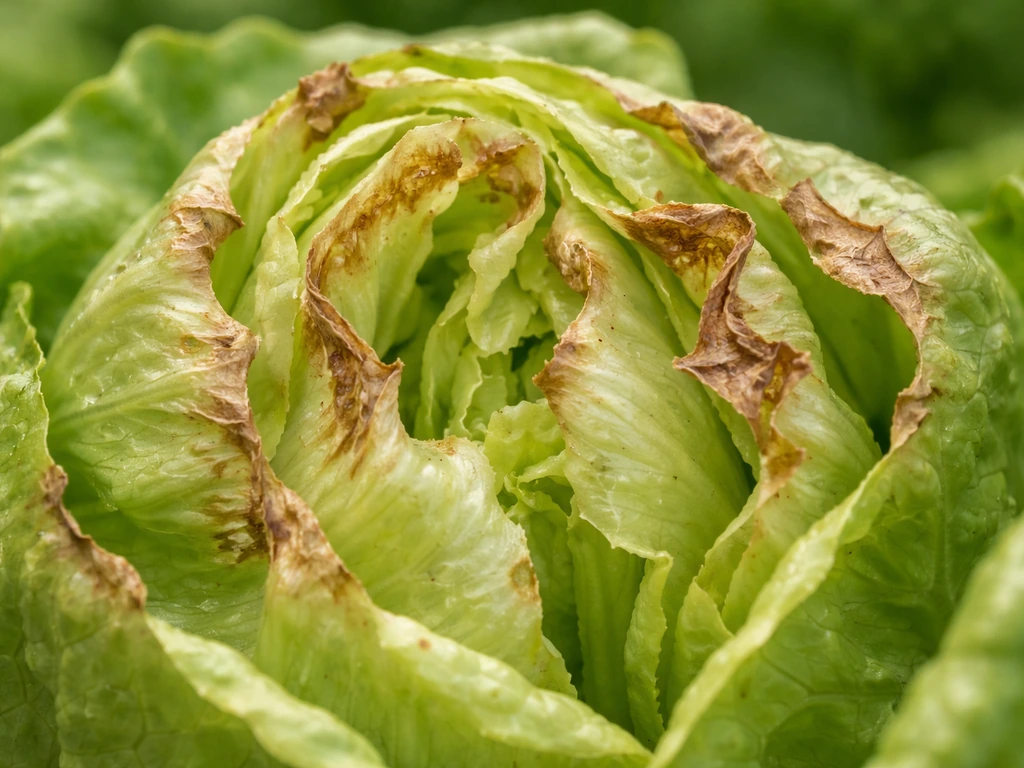
Tipburn looks like the edges of the inner leaves are burning or browning. It's caused by calcium deficiency at the leaf tip, but the underlying cause is usually poor airflow or root-zone issues preventing calcium from moving efficiently through the plant, not necessarily low calcium in your solution. If you see tipburn, increase airflow around the plant first. If that doesn't help within a week, check your calcium level and add a cal-mag supplement. Also verify your EC isn't too high (above 1.8 for iceberg creates salt stress that can mimic tipburn). Make sure pH is in range so calcium can actually be absorbed.
Slow growth
If your iceberg is growing but very slowly, check these things in order: EC is too low (below 1.2 means the plant is underfed), water temperature is too cold (below 60°F slows root activity), light is insufficient, or pH is drifting outside the 6.0 to 7.0 window and locking out nutrients. UMN Extension specifically calls out monitoring EC and pH as essential because the plant's ability to use what you provide depends entirely on those numbers being right. A quick check with your meters is usually enough to identify the issue.
Root rot or brown, slimy roots
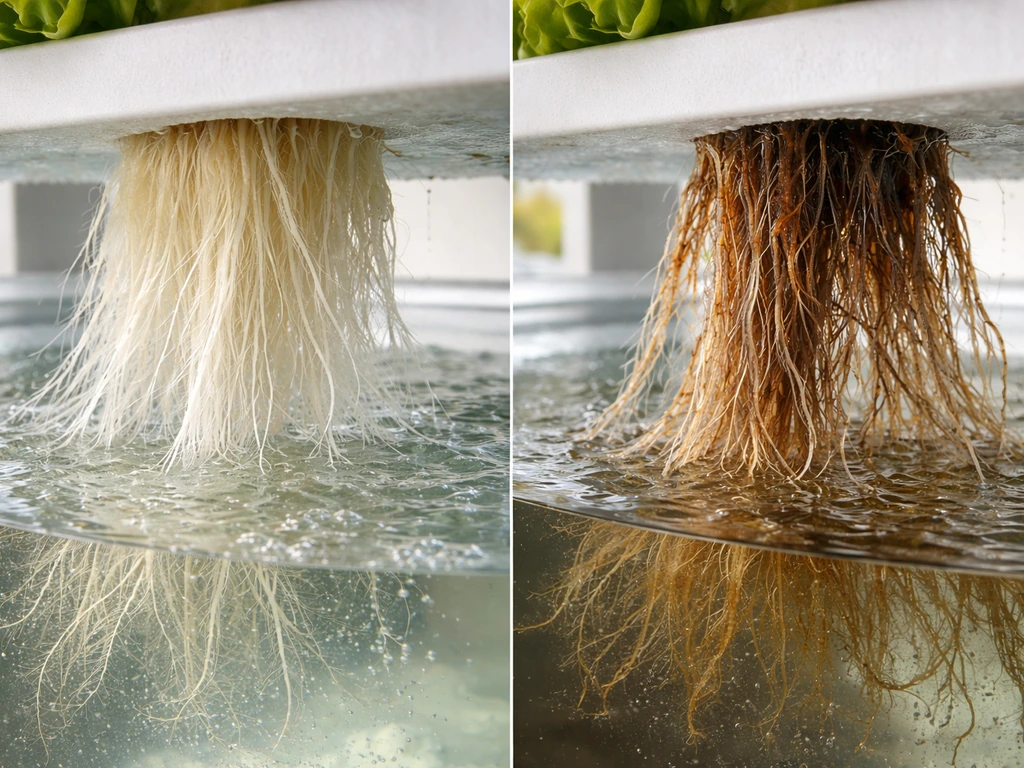
Healthy hydroponic roots are white and slightly fuzzy. If roots turn brown, slimy, or smell bad, you have root rot, usually caused by pythium fungus. This happens when water temperature is too warm (above 72°F accelerates it dramatically), oxygen is insufficient (air stone not running or undersized), or light is getting into the reservoir (causing algae and bacterial growth). To treat: lower water temp immediately, increase aeration, do a full reservoir change with fresh nutrient solution, and consider adding a beneficial bacteria product like Hydroguard. Block all light from the reservoir. Caught early, plants can recover. If the rot has spread to the stem, it's too late for that plant.
Yellowing leaves
Yellow outer leaves in older plants is fairly normal as the plant ages and redirects energy to the forming head. But if young leaves or the whole plant is yellowing, you're likely looking at nitrogen deficiency (EC too low, or pH too high causing lockout), iron deficiency (pH above 7.0 blocks iron uptake, causing yellowing between leaf veins), or overwatering in systems with a lot of standing water and poor oxygenation. Check pH first. If it's crept above 6.8 or 7.0, bring it back down to 6.2 to 6.5 and watch the new growth over the next week.
A realistic grow timeline to plan around
| Week | What's happening | Key tasks |
|---|---|---|
| Week 1 | Germination | Sow seeds in rockwool, maintain 65-70°F, keep moist |
| Week 2 | Seedling establishment | First true leaves appear; remove humidity dome; check for damping off |
| Week 2-3 | Transplant into hydro system | Move to net pots; start at EC 0.8 to 1.0; high water level for wicking |
| Weeks 3-5 | Vegetative growth | Step up EC to 1.2-1.4; check pH every 2-3 days; ensure spacing is right |
| Weeks 5-9 | Head formation | Most critical window; monitor root-zone temp closely; run EC 1.4-1.8; increase airflow |
| Weeks 9-11 | Head sizing and hardening | Head firms up; taper EC slightly; watch for tipburn; squeeze test for density |
| Week 11-12+ | Harvest | Cut at base when head is firm and dense; total seed-to-harvest roughly 75-85 days |
Growing iceberg hydroponically is more involved than growing loose-leaf lettuce or even romaine in a similar setup, but the payoff is real: crisp, sweet heads you grew yourself, year-round, without a garden bed. If you've already grown iceberg in pots or outdoor beds, the hydroponic version follows the same biological logic, just with water instead of soil doing the delivery work. The fundamentals are the same: cool roots, good light, room to head up, and consistent feeding. Get those right and you'll have better results than most people expect on the first try.
FAQ
How do I keep the reservoir cool without overcooling or creating temperature swings?
If you use ice packs or frozen bottles to cool the reservoir, swap them before they melt fully (don’t let cold water warm slowly for hours). Also stir the reservoir gently so the temperature equalizes, otherwise only part of the root zone cools and you may still get weak or uneven heading.
What’s the best way to clean a hydroponic setup between iceberg rounds?
Aim to remove as much nutrient residue from the net pot and growing medium as you can, then rinse the system with clean water and run it empty for a few minutes before refilling. Lettuce tolerates salt buildup poorly, so if you skip a proper full reservoir change (7 to 14 days), the next batch often shows drift in EC and pH that you cannot “fix” with small adjustments.
Should I retest pH and EC right after transplanting iceberg seedlings?
Don’t rely on reservoir pH alone. After you transplant, check pH and EC again 12 to 24 hours later because young plants can shift the readings as they begin uptake, especially in DWC where oxygen and mixing can be uneven at first.
Can I use tap water for iceberg hydroponics, or do I need RO/treated water?
Yes, you can use tap water, but only if you account for its alkalinity. If your tap starts very hard, you may see pH climb quickly even with correct nutrient mixes, so consider mixing with water adjustments, then calibrate your plan around how fast pH drifts between checks (every 2 to 3 days is a good minimum).
How do I tell if my air pump and aeration are actually sufficient for iceberg?
In DWC, you can reduce root rot risk by confirming real oxygenation, not just that the air pump is on. Check that bubbles reach the entire bucket, and ensure the airstone size is sufficient, because low aeration can look “fine” until roots brown and slimy.
What’s the easiest way to harvest iceberg over multiple weeks instead of all at once?
If you want to extend the harvest window, stagger planting by 1 to 2 weeks instead of trying to grow everything at once. Iceberg is a slow, consistent-condition crop, so uniform schedules make it easier to keep light and temperature steady for every head.
My iceberg is forming but won’t tighten into a dense head. What should I check first?
If your plant forms a head but it stays loose, first verify light duration and intensity, then check spacing. In cramped setups, the outer leaves cannot wrap inward, so even with correct temperature and nutrients the head never “closes,” and you may mistake it for a nutrient problem.
If my iceberg starts bolting, is there any way to salvage a decent head?
When you see bitter leaves during bolting, harvest immediately and do not try to “wait it out.” After bolting starts, the plant’s internal priority shifts, and subsequent conditions changes usually only improve flavor in remaining outer leaves, not head density.
Why does tipburn show up on only some plants in the same reservoir?
If tipburn appears on only one or two plants, it’s often localized airflow or uneven root-zone conditions rather than a whole-reservoir issue. Move plants so air reaches the outer leaves evenly, confirm all reservoirs or buckets run comparable temperatures, and check spacing around the problem plant.
Can iceberg regrow in hydroponics for a full second head after the first harvest?
For a second harvest, you can leave the root system, but expect mostly loose regrowth, not another tight iceberg head. Before keeping it, decide whether you have enough time for another 60 to 75 days, because most growers get better results starting a fresh batch.
EC and pH look okay, but my iceberg is still growing slowly. What else could be wrong?
If EC is within target but growth is slow, look for pH drift and insufficient dissolved oxygen. Cold roots under 60°F slow uptake, and a pH that creeps toward the upper range can lock out nutrients even though EC looks correct.
My pH keeps bouncing after adjustment, how can I stabilize it?
If pH drifts after you adjust it, it usually means the adjustment method is too large or the reservoir is not mixing well. Add pH down or up in small increments, then wait and recheck after a mixing period, rather than repeatedly overshooting.