You can grow romaine lettuce in the Philippines, but you have to work with the climate rather than against it. The key is timing your planting during the cool dry season (November through February), choosing a slow-bolting variety, and giving your plants some shade and consistent moisture. Do those three things and you will get a full head or a steady supply of cut leaves within 65 to 70 days.
How to Grow Romaine Lettuce in the Philippines Step by Step
Marcus Holloway
27 Jun 2026
Best romaine varieties for the Philippines
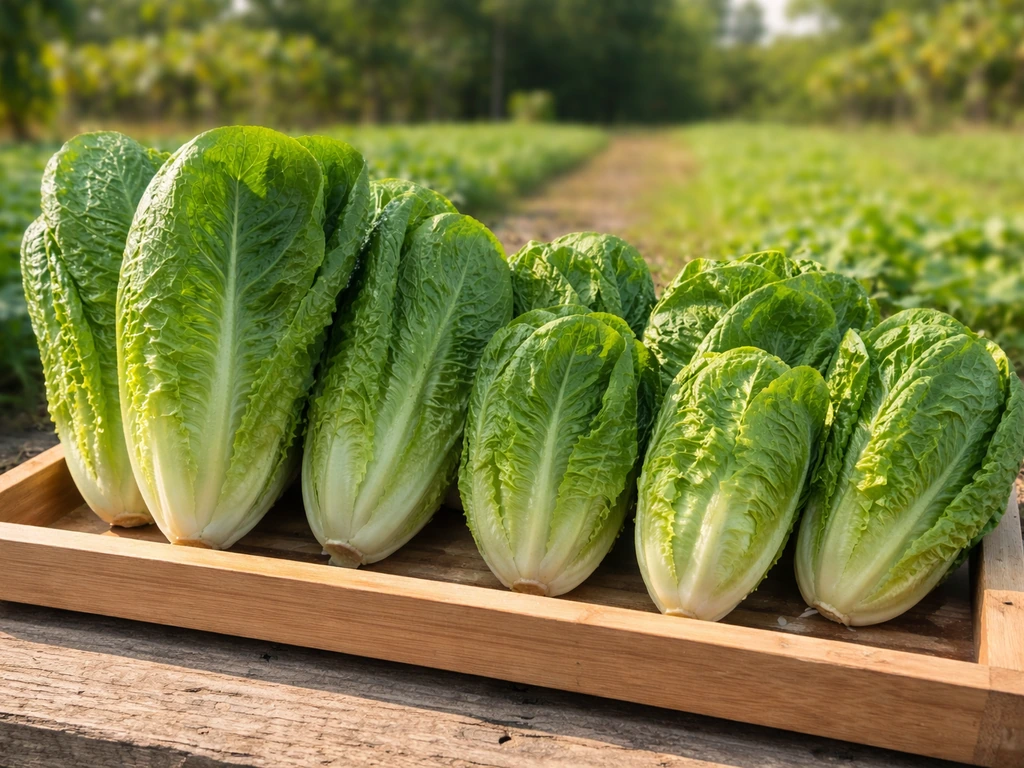
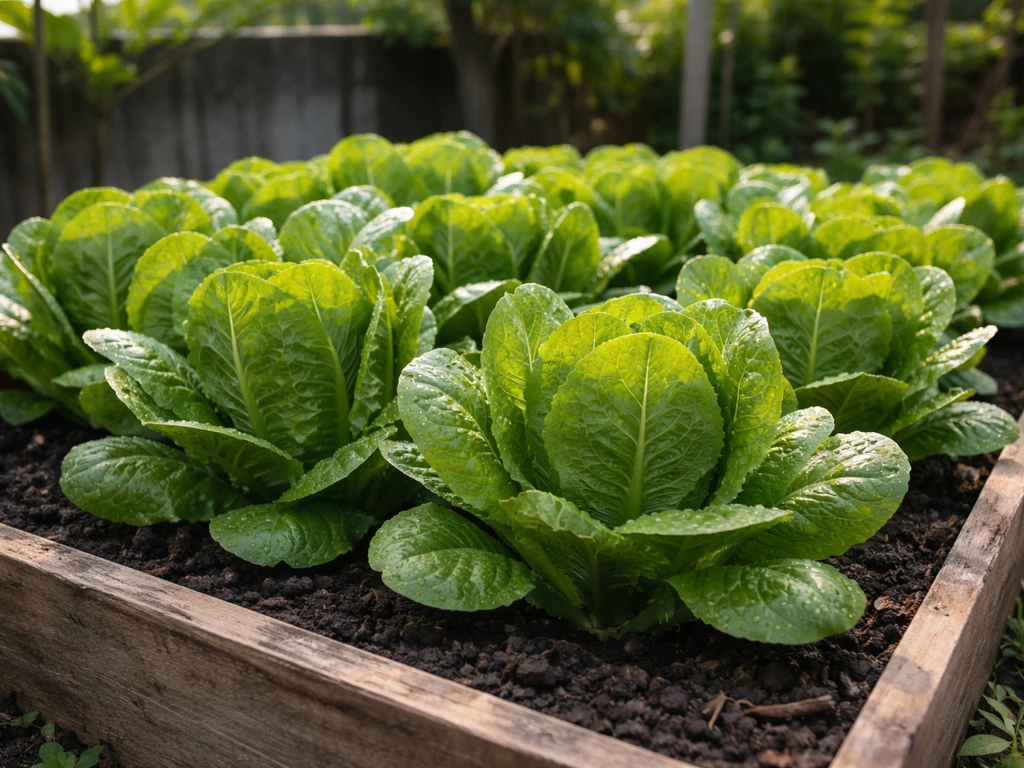
Not every romaine variety handles heat and humidity well, so picking the right one upfront saves a lot of frustration. Parris Island Cos is the variety I recommend most for Philippine conditions. It is vigorous, forms a dense white heart, tolerates many common lettuce diseases, and is consistently described as slow-bolting with around 65 days to maturity. That slow-bolt trait matters enormously here because bolting is the number one reason romaine fails in a tropical climate.
Little Gem is another solid choice if you want smaller, faster heads. It is compact enough for containers and pots, matures in about 55 to 60 days, and handles warmth slightly better than full-size romaines. If you are growing for baby leaves rather than full heads, almost any romaine variety works because you are harvesting before the heat triggers a bolt. If downy mildew is a recurring problem in your area, prioritize varieties labeled as mildew-resistant when you can find them, since no garden-safe chemical spray reliably controls that disease once it appears.
Site and container setup: soil beds, raised beds, and pots
Romaine is flexible about where it grows, which is good news whether you have a backyard, a balcony, or just a windowsill. Growing romaine lettuce in a cup can work well if you match the container size and keep the moisture consistent how to grow romaine lettuce in a cup. The non-negotiables are: at least 20 to 25 cm of root depth, good drainage, and a growing medium that holds moisture without staying soggy. In the Philippine climate where humidity runs high, waterlogged roots are a fast path to rot.
In-ground or raised beds
If you have garden space, a raised bed gives you the best control over drainage and soil quality. Aim for a bed that is at least 20 cm deep. Mix in plenty of compost or aged vermicast to lighten the soil and improve drainage. Native Philippine soil can be heavy and clay-like, so the raised bed lets you sidestep that problem entirely.
Pots and containers
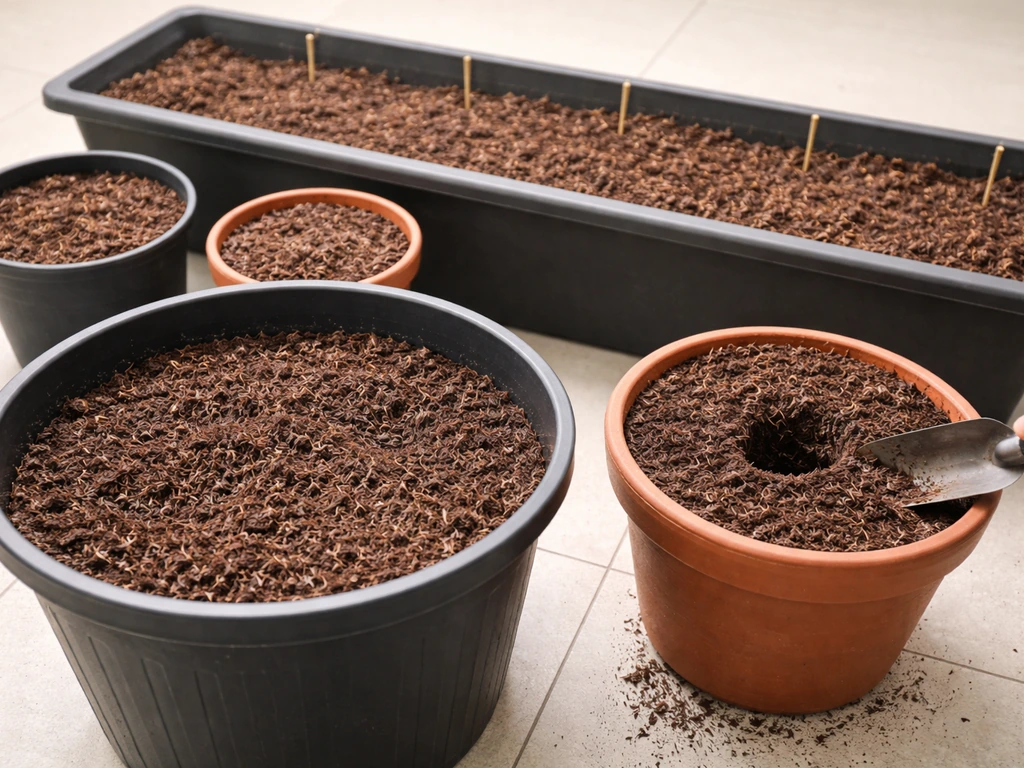
For container growing, use pots at least 25 cm deep and 30 cm wide per plant, or a long trough for a row. A good local substrate mix is coco peat and rice hulls in roughly a 5:1 ratio, which is well-documented in Philippine agricultural bulletins. You can also add a small portion of aged compost or vermicast for nutrients. That combination drains well, keeps roots aerated in humid conditions, and is affordable and widely available here. Avoid anything that stays wet for more than a day after watering, as root rot sets in fast during rainy months. If you are interested in growing romaine without soil entirely, a water-based or hydroponic setup is genuinely effective for this crop in Philippine conditions.
Indoor growing
Growing romaine indoors in the Philippines is one of the better solutions to heat and pest pressure. In Texas, you can use the same slow-bolting focus and heat management to keep romaine growing successfully slow-bolting variety. You get temperature control (especially with aircon), protection from rain during typhoon season, and a cleaner growing environment. The tradeoff is light: romaine needs at least 6 hours of bright light, so a south-facing window or a simple LED grow light is essential indoors. Indoor container growing with coco peat mixes works exactly as described above.
When to plant: a Philippines sowing calendar
Timing is everything with romaine in the Philippines. The country has two main seasons: a dry season that splits into cool dry (December through February) and hot dry (March through May), and a rainy season that runs roughly June through November, with typhoon activity peaking from July through October. Romaine wants the cool dry window most of all. Romaine is best started during the cool dry season, so if you are wondering how to grow mini romaine lettuce, plan your sowing to match that timing cool dry window.
| Month | Season | Suitability for Romaine |
|---|---|---|
| November | Transitioning to cool dry | Good — start seeds now for best timing |
| December | Cool dry | Best — ideal germination and head development temperatures |
| January | Cool dry | Best — prime growing window |
| February | Cool dry | Good — finish early plantings before heat builds |
| March | Hot dry starts | Risky — bolt risk increases; use shade cloth |
| April–May | Hot dry | Poor — high bolt and germination failure risk |
| June | Rainy season begins | Poor — excessive rain, disease pressure |
| July–October | Peak rainy/typhoon season | Avoid — typhoon damage and fungal disease risk |
| October–November | Transitioning out of wet season | Fair — start preparations for next cool season |
If you are in the upland areas like Benguet or Bukidnon where temperatures stay cooler year-round, you have a much wider window and can grow romaine almost any month. For lowland and urban growers in Metro Manila or Cebu, stick tightly to the November to February window for outdoor growing. Indoor growers with climate control can extend this significantly.
Light, temperature, and water: what romaine actually needs
Temperature
Romaine seeds germinate best between 13 and 18 degrees Celsius (55 to 65°F). Once temperatures consistently push above 27 degrees Celsius (80°F), germination rates drop significantly and established plants start heading toward bolt. Head lettuce in general can struggle when daytime temperatures exceed 24 degrees Celsius (75°F) for extended periods. In the Philippine lowlands during cool dry months, daytime temperatures of 24 to 28°C are common, which is borderline, so you want every other condition dialed in: good shade, consistent moisture, and a slow-bolting variety.
Light
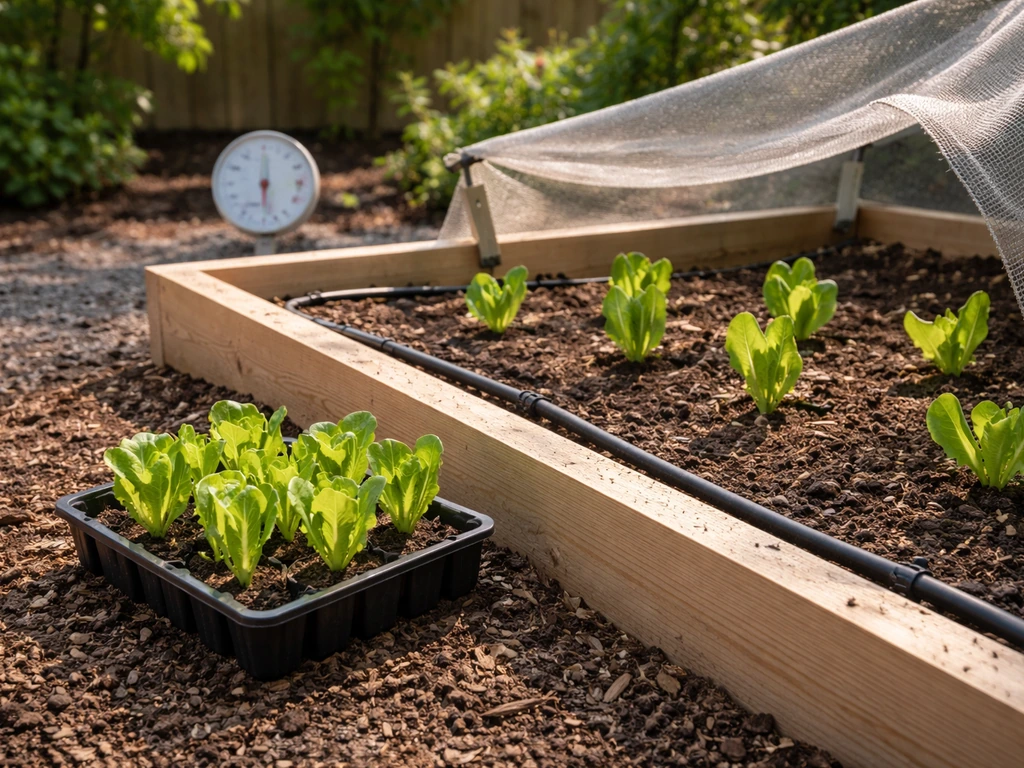
Romaine needs 6 to 8 hours of sunlight for full head development. In the Philippines during peak summer, direct afternoon sun is harsh and accelerates bolting. A practical approach is to position beds or containers where they get morning sun (6 am to 11 am) and afternoon shade. A 30 to 50% shade cloth stretched overhead during the warmer months makes a real difference and is inexpensive at most agri-supply stores.
Watering
Keep the soil or growing medium consistently moist but never waterlogged. In container setups, check moisture daily during dry season. Stress from inconsistent watering, going too dry then too wet, is one of the triggers for both bolting and tipburn (brown leaf edges). Water in the morning so leaves dry out during the day, which reduces fungal issues. Avoid overhead watering if you can, especially in humid weather, and go for drip, pour-at-the-base, or bottom-watering for containers.
Planting depth, spacing, and transplanting
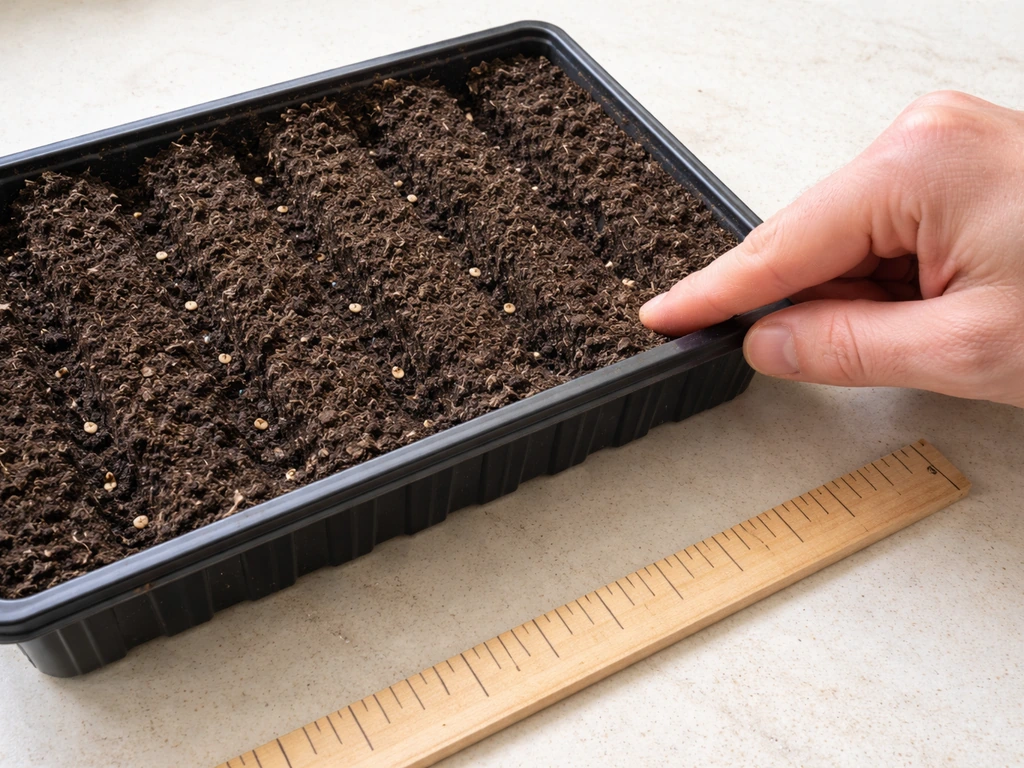
Sow seeds about 3 to 6 mm (roughly a quarter inch) deep. Any deeper and germination slows noticeably. You can sow directly into your final container or bed, or start in seedling trays and transplant after 3 to 4 weeks. I prefer seedling trays first because it lets me control germination conditions (cooler spot, consistent moisture) and then move the strongest seedlings to the main growing area.
For full heads, space plants 25 to 30 cm (10 to 12 inches) apart in all directions. If you are growing for cut-and-come-again baby leaves, you can get away with 10 to 15 cm spacing. When thinning, snip seedlings at soil level rather than pulling them out, which disturbs neighboring roots. Thin to one plant per spacing point once seedlings have two to three true leaves.
When transplanting from seedling trays, do it in the late afternoon or on a cloudy day to reduce transplant shock. Water thoroughly right after transplanting and keep the area lightly shaded for the first two to three days while the plant adjusts.
Feeding your romaine for leafy growth
Romaine is a leafy crop, so it favors nitrogen. For in-ground or raised bed growers, work a generous amount of aged compost or vermicast into the bed before planting. That alone can carry the plant through much of its growth. For container growers using coco peat and rice hulls, you need to add fertility because that mix has almost no natural nutrients.
Start fertilizing about two weeks after transplanting or when seedlings are 5 to 8 cm tall. Use a balanced liquid fertilizer (something like a 14-14-14 or a fish emulsion) at half the recommended rate every 10 to 14 days for the first month. As the plant starts forming a head, you can ease off nitrogen slightly and make sure it is getting adequate potassium for strong leaf tissue. Organic options like fermented plant juice (FPJ) or diluted fish amino acid (FAA), both popular in Philippine natural farming circles, work well and are gentler on the plant.
Do not over-fertilize with nitrogen. Too much pushes lush, soft growth that attracts aphids and is more susceptible to tipburn. If you see the inner leaves browning at the edges, that is tipburn, linked to calcium not reaching rapidly expanding tissue fast enough. The fix is usually not more calcium fertilizer but rather more consistent watering and slightly slower growth conditions, which means backing off on nitrogen and ensuring the plant is not water-stressed.
Troubleshooting pests, diseases, and bolting
Bolting
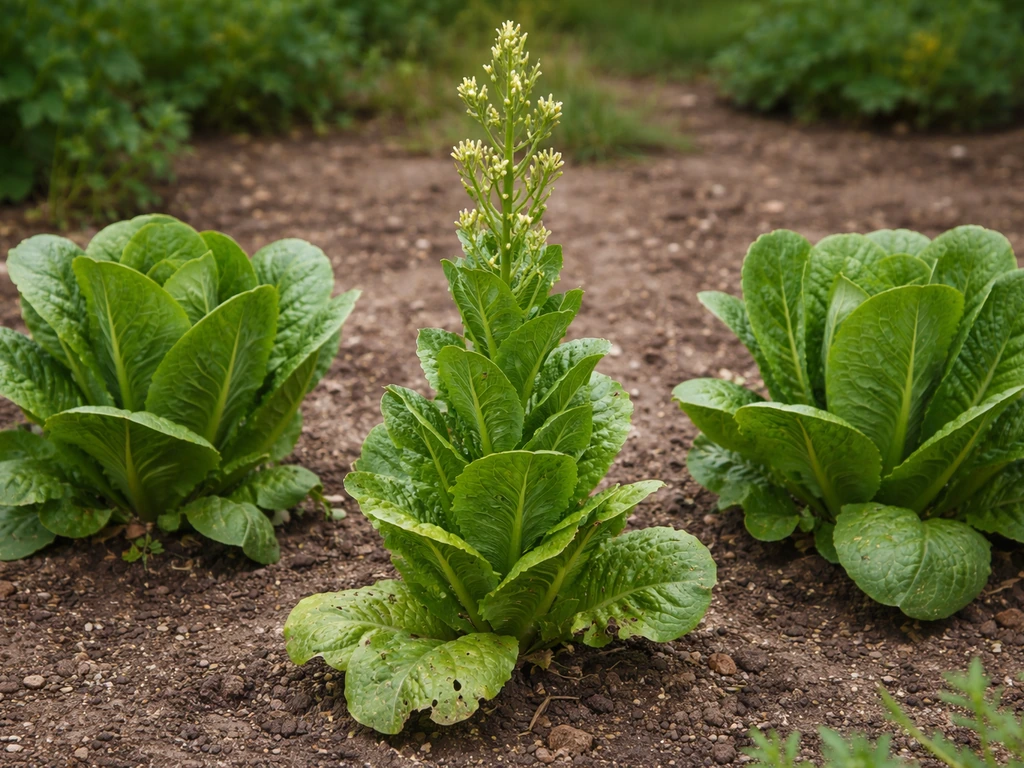
Bolting is when the plant sends up a flower stalk, making leaves bitter and the harvest pointless. Heat is the main trigger in the Philippines, especially warm nights that prevent the plant from cooling down. If you see the center of the plant elongating and leaves getting narrow, it is bolting. Once that starts, you cannot reverse it. Harvest whatever usable leaves are left immediately. Prevention is everything: time your planting right, use shade cloth, water consistently, and choose a slow-bolting variety like Parris Island Cos.
Aphids
Aphids are among the most common lettuce pests identified by the Philippine Agricultural Training Institute. They cluster on the undersides of leaves and in the heart of forming heads. Blast them off with water spray early in the morning. For persistent infestations, diluted neem oil spray (following package dilution rates) is effective and safe. Check plants every two to three days during the growing season.
Caterpillars (semiloopers)
Semiloopers and other caterpillars chew ragged holes in leaves. The most effective organic control is Bacillus thuringiensis var. kurstaki (Btk), a naturally occurring soil bacteria that targets caterpillar larvae. It only works when the caterpillar ingests it, so thorough coverage of leaf surfaces is critical. Apply in the evening when caterpillars are most active. Btk is widely available at Philippine agri-supply stores. Rotate with manual picking to reduce the chance of resistance developing. A Produce Grower article on Btk use also emphasizes good timing and thorough coverage, and cautions that relying on Bt alone over repeated sprays can contribute to resistance problems Rotate with manual picking to reduce the chance of resistance developing.
Downy mildew
Downy mildew shows up as yellow patches on the top of leaves with fuzzy white or grayish mold on the underside. It thrives in cool, damp, humid conditions, making it a real risk during the transition months. There are no reliable garden-safe chemical controls for downy mildew once it appears. Remove and dispose of infected leaves or entire plants immediately to stop it spreading. Improve air circulation by not overcrowding plants, water at the base (not overhead), and grow resistant varieties. Prevention is the only practical strategy here.
Slugs and snails
During and after rainy periods, slugs and snails can shred young seedlings overnight. Beer traps, crushed eggshell barriers around the base of containers, or copper tape around pot rims all help. Hand-picking at night is surprisingly effective if you are willing to go out with a flashlight.
Harvesting, storing, and keeping the supply going
When and how to harvest
For full-head romaine, harvest at around 65 to 70 days from transplanting when the head feels firm and the leaves are well-developed. Cut the whole plant at the base with a clean knife. For cut-and-come-again harvesting, start picking outer leaves at around 30 to 40 days, taking no more than a third of the plant at a time. The plant will continue producing from the center. This approach is great for containers and gives you a longer harvest window before the plant bolts.
Storing harvested romaine
Romaine stores best near 0 to 2 degrees Celsius. At that temperature, postharvest research shows romaine can last up to about 21 days. In a standard Philippine refrigerator, wrap the head loosely in a slightly damp paper towel and place it in the vegetable crisper drawer. Expect 7 to 10 days of good quality that way. For cut leaves, store them in a sealed container or bag with a dry paper towel to absorb excess moisture. Do not wash until you are ready to eat, as moisture shortens shelf life.
Replanting for a continuous harvest
The best strategy in the Philippine cool season is succession planting: start a new batch of seeds every two to three weeks from November through January. That way, as one planting is being harvested, the next is maturing. A single planting will give you a harvest window of two to three weeks at best, so succession planting is the only way to keep fresh romaine on the table consistently. After February, switch your energy to heat-tolerant greens like kangkong or pechay and pick the romaine growing back up when November comes around again.
If you want to grow year-round regardless of season, that is where indoor growing with climate control and grow lights becomes genuinely worth the extra setup. The same principles apply, you just trade seasonal planning for environmental management. Similarly, growing romaine in water through a simple wick or deep water culture setup is another year-round option that sidesteps the soil drainage issues that come with humid tropical conditions.
FAQ
What should I do if my romaine is trying to bolt before 65 days in the Philippine lowlands?
If your nights are still warm, shift from full-head production to baby-leaf harvesting (cut-and-come-again). You can also increase morning sun, reduce nitrogen, and add a thicker layer of organic mulch to reduce temperature swings around the roots, which helps delay bolting.
Is overhead watering okay for romaine in the Philippines, especially during rainy season?
Spray the leaves only when the foliage has enough time to dry before evening, and in humid months prioritize base watering (drip or pour-at-the-base). If you already have frequent wet leaves, increase spacing slightly and use morning watering so any dampness evaporates by late afternoon.
My romaine has brown, burnt leaf edges (tipburn). Should I apply more calcium fertilizer?
Romaine often needs “calcium availability” more than “more calcium.” In practice, keep watering steady, avoid letting the mix cycle between dry and waterlogged, and back off nitrogen if growth is very fast. Also check that your potting mix is draining well so calcium can move with consistent transpiration.
How do I thin romaine properly without stunting the remaining plants?
Aim for a gradual thinning rather than pulling seedlings, snip at the soil line, then let the remaining plants spread into the spacing. If you see slow growth after thinning, do a light side-dress with a diluted nitrogen-friendly feed (at half strength) instead of a heavy application.
Why is my romaine seed not sprouting, and what should I adjust first?
If your seeds do not germinate well, first check soil temperature and keep it within about 13 to 18°C during germination if possible. Second, do not plant deeper than 6 mm, and keep moisture consistently damp (not wet), since crusting or drying out between waterings can break germination.
What are the most common mistakes that cause container-grown romaine to rot in humid Philippine weather?
Choose container/trough sizes that let you maintain stable moisture, and keep one plant per space so roots do not compete. In practice, per-plant depth and width matter, and a coco peat plus rice hull mix works best when watered so it is never waterlogged for more than about a day.
How can I manage downy mildew once it appears on my romaine?
Do not treat “downy mildew” by spraying preventively once you see symptoms. Remove and dispose of infected leaves or the whole plant early, then improve airflow and keep water off the leaf surfaces. Starting with resistant varieties is your best long-term lever.
What is the most effective aphid control routine for romaine, step by step?
For aphids, the early window matters. Blast with water in the morning, check the undersides and the heart area, and only use neem for persistent outbreaks. Also reduce excess nitrogen because lush growth attracts aphids quickly.
How do I use Btk correctly for semiloopers on romaine?
Btk works when caterpillars ingest it, so you need thorough coverage of leaf surfaces and you must apply at times when caterpillars are active (often evening). If you apply during full sun or miss the underside coverage, control will look ineffective.
When exactly should I harvest romaine, full heads versus baby leaves?
Harvest rules differ by goal. For full heads, wait until the head feels firm and leaves are fully developed. For cut-and-come-again, take only outer leaves (no more than about one-third of the plant at a time) so the center can keep producing.
What’s the best way to store romaine lettuce I grew at home so it lasts longer?
For storage, do not wash before refrigeration, and keep airflow minimal but not sealed airtight. Loosely wrap the head with a slightly damp paper towel in a crisper drawer, and for cut leaves use a dry paper towel in a sealed container to prevent sogginess.