Mini romaine lettuce is one of the most beginner-friendly crops you can grow at home. Start with a compact variety like Little Gem or Breen, sow seeds about 1/4 inch deep in rich, loose soil, keep the soil consistently moist, give the plants 6 hours of sun (or 14–16 hours under a grow light), and you'll be harvesting crisp, sweet little heads in as few as 30 days for cut leaves or 50–60 days for full compact heads. The whole process is forgiving, fast, and genuinely satisfying.
How to Grow Mini Romaine Lettuce Step by Step
Marcus Holloway
3 Jul 2026
What mini romaine actually is (and picking the right seeds or transplants)
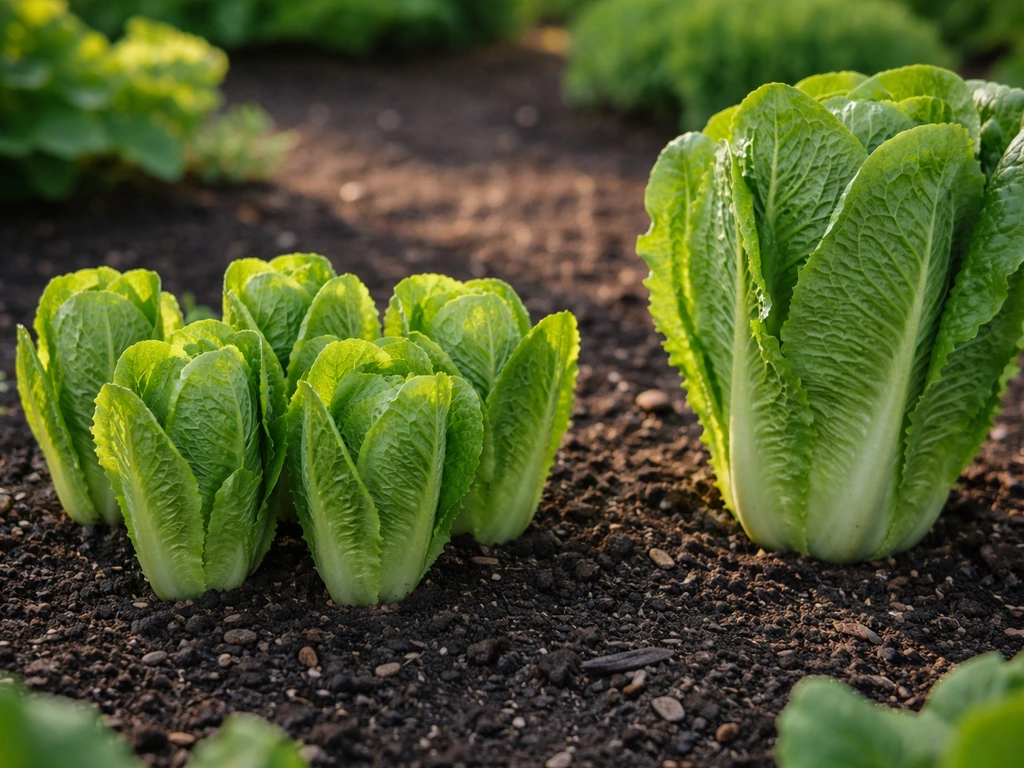
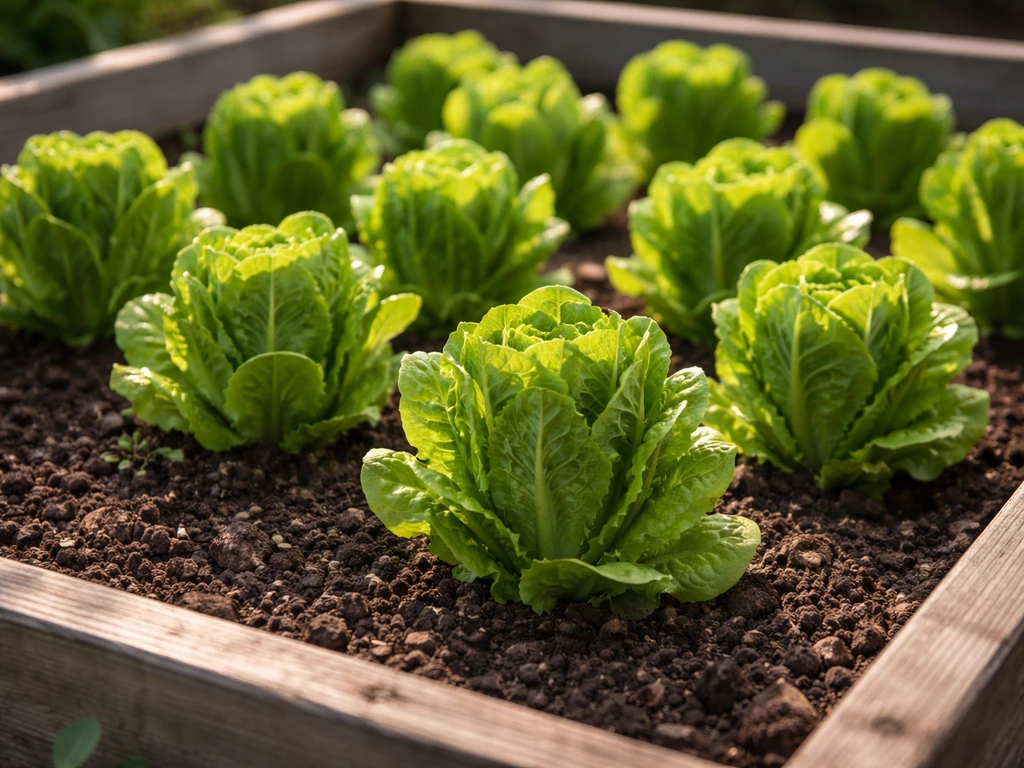
Mini romaine isn't just a marketing term. These are true compact romaine-type lettuces that form small, upright heads roughly 6 inches tall and 4 inches wide when fully mature. They're not immature full-size romaine heads harvested early. They're bred to stay small, which makes them ideal for containers, small garden beds, and indoor setups where a standard romaine would crowd itself out.
The two varieties I recommend for beginners without hesitation are Little Gem and Breen. Little Gem (sold by Botanical Interests, among others, explicitly as a mini-romaine type) produces sweet, buttery petite heads and is widely available as seed packets at garden centers. Breen, from Johnny's Selected Seeds, is an organic option that forms a very compact mini head quickly and is notably slow to become oversized, which gives you more flexibility in harvest timing. Both are reliable, well-documented performers.
Seeds vs. transplants: seeds are cheaper and you get much more flexibility over timing. Sowing directly or starting your own transplants indoors is the way to go for most gardeners. That said, if you're late in the season or just want to skip the germination step, buying lettuce starts from a nursery is totally fine. Just make sure the transplants look compact and dark green, not leggy or pale, and harden them off for a few days before planting outdoors.
Where to grow it: outdoor beds, containers, and indoors
Mini romaine is genuinely versatile. I've grown it all three ways and each has real advantages depending on your situation.
Outdoor garden beds
This is the easiest and highest-yield option if you have the space. Mini romaine does especially well in raised beds where you control the soil quality. Outdoor beds drain well, plants get natural light, and you can succession-sow for continuous harvests throughout spring and fall. The main challenge outdoors is heat: romaine bolts (goes to seed) fast once temperatures consistently hit the mid-70s°F and above, so timing your planting around cool weather is critical.
Containers and pots
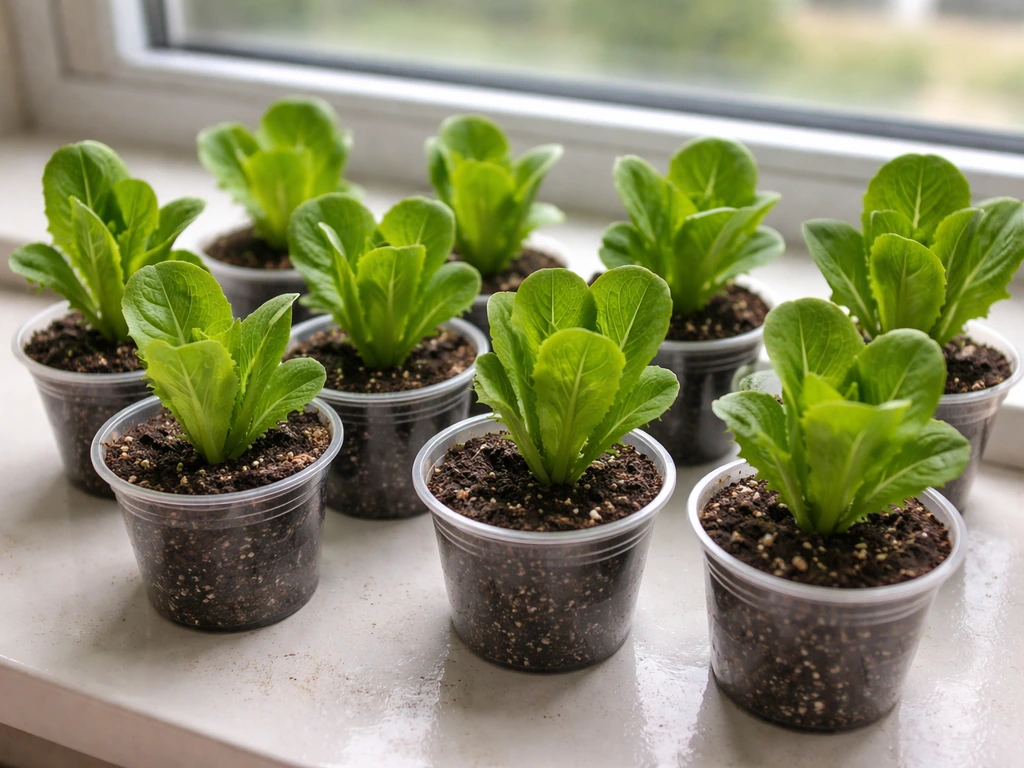
Mini romaine is one of the best lettuces for containers precisely because of its compact size. If you specifically want to grow romaine lettuce in a cup, focus on using a container-friendly variety and a compact spacing plan how to grow romaine lettuce in a cup. A pot at least 8 inches deep works, but 10–12 inches gives roots more room and dries out less quickly. Window boxes, grow bags, and half-barrels all work well. Containers let you move plants to shadier spots during a heat wave, which is a real advantage over in-ground planting. The downside is they dry out faster, so you'll water more often.
Indoor setups
If you're growing indoors, a bright south-facing windowsill can work in winter but usually falls short in summer when the sun angle shifts. A full-spectrum LED grow light hung 6–12 inches above the plants at 14–16 hours per day is the reliable indoor option. Mini romaine does particularly well indoors because the heads stay small and don't need deep root space. If you want to explore soil-free growing, mini romaine is also a strong performer in basic hydroponic setups like kratky containers or NFT systems, where it tends to grow even faster than in soil.
Soil, containers, spacing, and how to sow
Soil and container setup
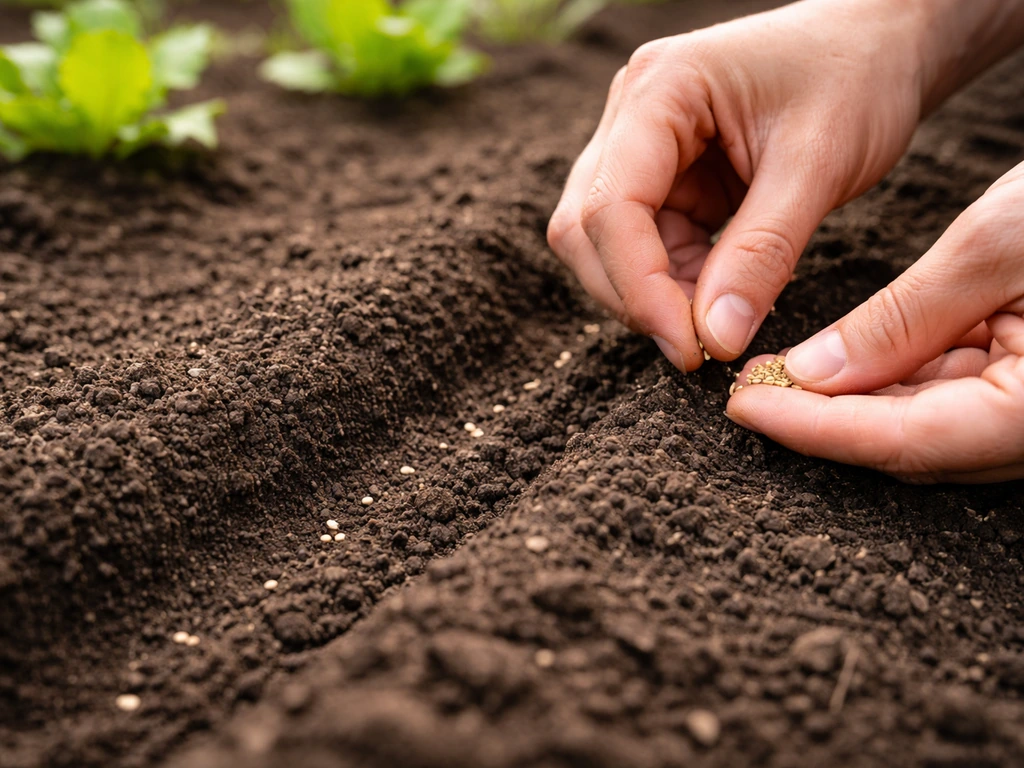
Lettuce needs loose, well-draining soil with good organic matter. For outdoor beds, a mix of garden soil amended with compost works well. For containers, use a quality potting mix, not garden soil, which compacts and drains poorly in pots. I add a handful of perlite to container mixes to improve drainage further. Aim for a slightly acidic to neutral pH of 6.0–7.0. Make sure any container has drainage holes because waterlogged roots are the fastest way to kill lettuce.
Spacing
For mini romaine grown as full compact heads, space plants on a 6-inch grid. This is tighter than full-size romaine (which wants 8–12 inches) and takes advantage of mini romaine's compact nature. If you're growing for cut-and-come-again leaf harvests rather than full heads, you can sow even more densely at about 2–3 inches apart and thin as you harvest.
Sowing steps
- Moisten your soil before sowing so seeds don't wash around when you water.
- Make a shallow furrow or depression about 1/4 inch deep.
- Drop 2–3 seeds per spot if direct sowing for heads, or scatter seeds thinly for leaf harvests.
- Cover lightly with a thin layer of soil or fine vermiculite and gently firm down.
- Keep the surface consistently moist but not soaked. Seeds germinate in 3–7 days at 60–70°F.
- Thin seedlings to your target spacing once they have their first true leaves. Use scissors to cut thinnings at soil level rather than pulling, to avoid disturbing neighbors.
If starting transplants indoors to move outside, sow in cell trays 3–4 weeks before your planned outdoor planting date. Lettuce seedlings are ready to transplant when they have 3–4 true leaves.
Light, temperature, and watering
Light needs
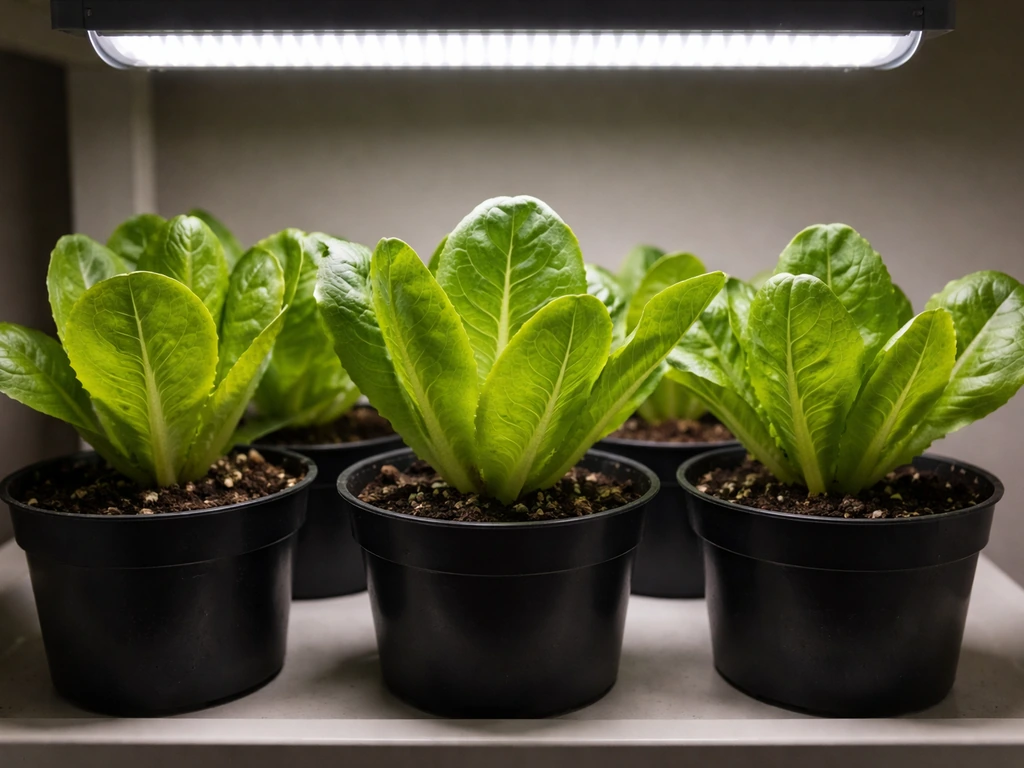
Mini romaine grows best with 6 hours of direct sun outdoors. It tolerates partial shade (4–5 hours), which can actually be useful in warmer months since afternoon shade slows bolting. Indoors, natural light from a south- or west-facing window works from fall through early spring, but for reliable year-round indoor growing, a full-spectrum LED grow light set to 14–16 hours per day at a distance of 6–12 inches above the canopy makes a real difference. Leggy, pale plants with stretched stems are almost always a light problem.
Temperature
Mini romaine is a cool-season crop. It thrives at 60–70°F and tolerates light frost (down to about 28°F). Once daytime temperatures consistently hit 75–80°F, bolting risk increases fast. Outdoors in most climates, that means your prime growing windows are early spring (before summer heat) and fall (after summer heat breaks). In hot climates like Texas or the Philippines, you'll need to grow during cool-season windows or rely heavily on shade cloth and containers you can move around.
Watering
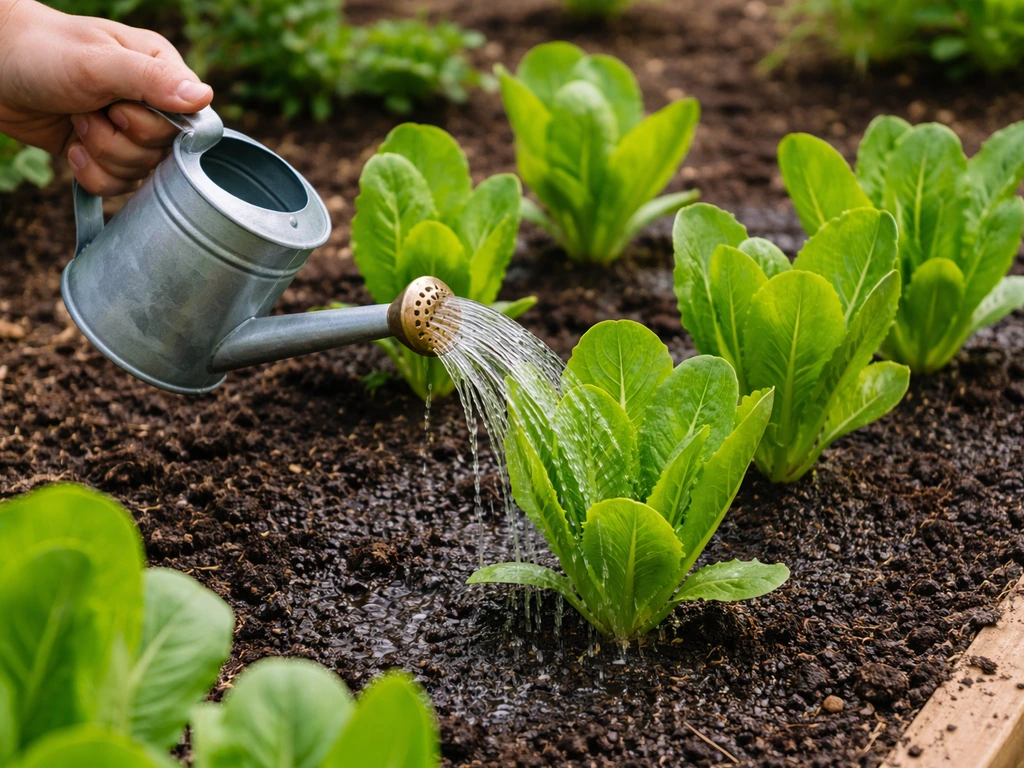
Lettuce is mostly water, so consistent moisture matters more than almost anything else. Keep the top inch of soil moist but never soggy. In outdoor beds, that typically means watering every 2–3 days in mild weather and daily in hot or windy conditions. Containers dry out faster, often needing water daily once the weather warms. Indoor plants in a stable climate usually need water every 2–3 days. Stick your finger an inch into the soil: if it feels dry at that depth, it's time to water. Water at the base of the plant rather than overhead to reduce disease risk. If you want to grow romaine in water, use clean equipment and keep the roots submerged while ensuring bright light for steady leaf growth how to grow romaine in water.
Feeding and managing growth for tender, fast heads
Mini romaine is a fast-growing, leafy crop, so it benefits from nitrogen-rich feeding but doesn't need a complicated fertilizer schedule. Here's a simple approach that works:
- Work a balanced slow-release granular fertilizer (something like 10-10-10 or a vegetable blend) into the soil at planting time according to package directions.
- Two to three weeks after transplanting or thinning, give plants a liquid nitrogen-rich feed, such as fish emulsion or a diluted balanced liquid fertilizer. This is the growth push that keeps leaves tender and fast-growing.
- Repeat the liquid feed every 2–3 weeks if the growing period extends beyond 6 weeks.
- Avoid heavy feeding late in the season when plants are close to harvest. Too much nitrogen at the end can make leaves taste bitter.
For containers, because nutrients leach out with frequent watering, lean toward every-2-week liquid feeding rather than relying solely on the slow-release amendment. For indoor hydroponic setups, a balanced lettuce-specific nutrient solution at an EC of around 0.8–1.6 mS/cm covers nutrition without overcomplicating things.
Growth timeline and how to harvest
Here's an honest timeline for mini romaine from seed:
| Stage | Days from Sowing | What to Look For |
|---|---|---|
| Germination | 3–7 days | Seed leaves (cotyledons) emerge |
| First true leaves | 10–14 days | 2–4 true leaves visible; thin to final spacing |
| Baby leaf harvest | 21–30 days | Leaves are 3–4 inches long; harvest outer leaves |
| Full compact head | 50–60 days | Head is 5–6 inches tall and firm; ready for whole-head harvest |
| Bolting risk | 60–75+ days (or heat) | Central leaves elongate and taste bitter; harvest immediately |
Cut-and-come-again harvesting
For ongoing leaf harvests, use clean scissors to snip outer leaves 1 inch above the soil line, leaving the central growing point intact. The plant keeps producing new leaves from the center. This works well for dense plantings and gives you greens in about 3 weeks. Each plant can typically provide 2–3 cut harvests before flavor degrades or growth stalls.
Whole-head harvest
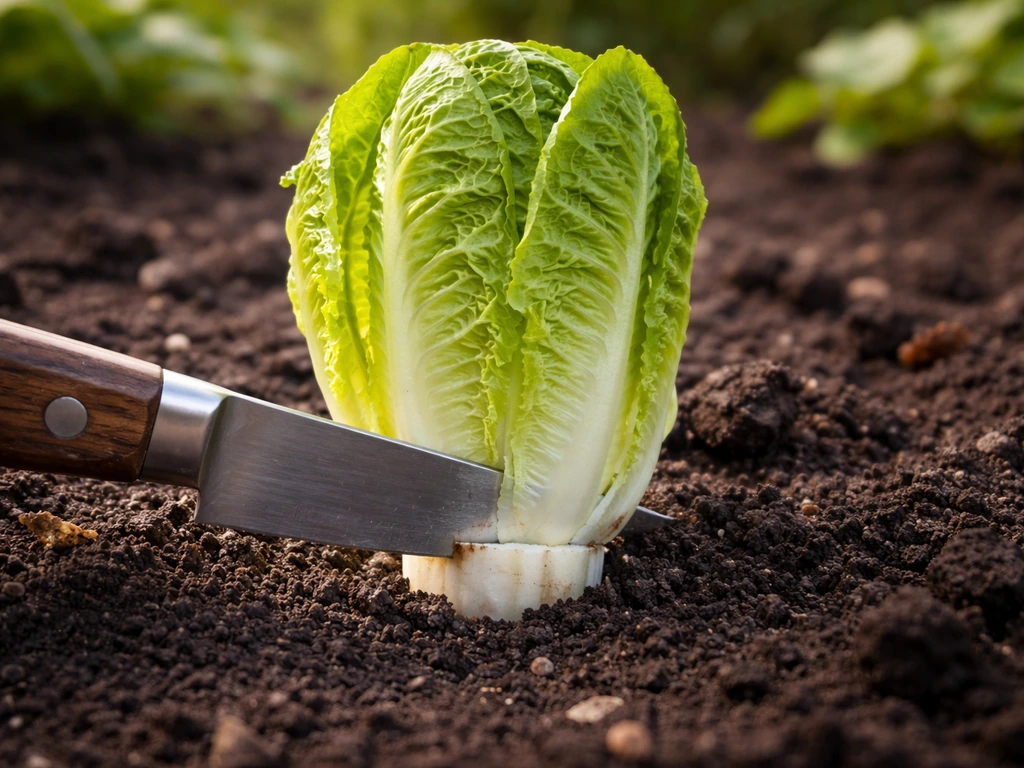
For full compact heads, wait until the head feels firm when you gently squeeze it and the inner leaves are tightly packed. Cut the whole head at the base with a sharp knife, leaving the root in the soil. Some gardeners get a small regrowth from the stump, though quality is usually reduced compared to a fresh planting. The sweet spot for harvest is when heads reach that 5–6 inch height and before any upward bolting starts from the center.
What to do when things go wrong
Bolting (going to seed too fast)
Bolting is the number one mini romaine problem and it's almost always caused by heat or day-length stress. If your plant sends up a tall central seed stalk, harvest it immediately. The leaves from a bolting plant are edible but increasingly bitter. Prevention is better than fixing: plant in cool weather, provide afternoon shade in warm months, mulch the soil surface to keep roots cool, and choose slow-bolt varieties like Breen.
Bitter leaves
Bitterness usually means the plant is stressed: heat, drought, or late-stage bolting. If your leaves taste bitter, check whether the plant is too warm or too dry. Consistent watering and cool temperatures keep romaine sweet. If a whole planting tastes bitter and it's mid-summer, it may simply be time to pull the plants and wait for fall.
Slow growth or leggy plants
If seedlings are stretching toward the light (long, thin stems with leaves spaced far apart), they need more light. Move outdoor containers to a sunnier spot or drop your indoor grow light closer to the canopy. Slow overall growth in otherwise good light conditions usually points to nutrient deficiency or soil that's too compacted and waterlogged. Check that water drains freely and give a dose of liquid fertilizer.
Poor germination or transplant shock
If seeds aren't germinating within 10 days, soil temperature is the most likely culprit. Lettuce seeds germinate poorly above 80°F, and germination slows significantly below 45°F. Use a soil thermometer and aim for 60–70°F. For transplant shock, make sure you harden off indoor-started seedlings by setting them outside in a sheltered spot for an hour the first day, increasing exposure over 5–7 days before planting out fully. Wilting right after transplanting is normal; water well and keep out of full sun for the first day or two.
Pests and diseases
Aphids cluster on the undersides of leaves and in the center of heads. Knock them off with a strong jet of water or apply insecticidal soap. Slugs and snails are a nighttime problem outdoors and leave irregular holes in leaves. Set out beer traps or use copper tape around containers. Tip burn, where the edges of inner leaves turn brown, is a calcium deficiency often caused by inconsistent watering or poor air circulation, especially indoors. Keep watering consistent and ensure some airflow around indoor plants. Damping off (seedlings collapsing at soil level) is a fungal problem caused by overwatering and poor drainage. Use sterile seed-starting mix, avoid overwatering, and give seedlings airflow.
Keeping the harvest going all season with successive planting
One sowing of mini romaine gives you a harvest window of about 2–3 weeks before quality starts dropping. The trick to having fresh lettuce consistently is successive sowing: starting a new small batch of seeds every 2–3 weeks rather than planting everything at once.
In spring, start your first sowing as soon as soil temperatures reach 45°F, which often means late February or March in temperate climates. Sow a new batch every 2–3 weeks through mid-spring. As temperatures approach 75°F consistently, pause new outdoor sowings. This is a good time to shift to an indoor setup or a shaded container garden, using a bolt-resistant variety like Breen, to bridge the summer gap.
Resume outdoor sowings in late summer, about 8–10 weeks before your first expected fall frost, so heads mature during the naturally cooler fall window. Fall-grown romaine is often the sweetest and most trouble-free of the year. In mild-winter climates (zones 8–10), you can continue growing outdoors through winter with minimal protection.
For year-round indoor growing, an LED grow light setup keeps you independent of seasons entirely, and mini romaine's compact size makes it practical even in a small apartment. If you're growing in a warm climate and dealing with near-constant heat, the approach used for growing romaine indoors or even in a hydroponic system is the most reliable path to consistent harvests. If you want to do the same in the Philippines, focus on timing around heat and give seedlings afternoon shade so they stay sweet and compact growing romaine indoors.
The key mindset shift for continuous lettuce is to treat each sowing like a small, rolling project rather than a single crop. Stagger your plantings, harvest decisively before bolting, and start the next batch before you've finished the current one. Once that rhythm clicks, you'll rarely be without fresh mini romaine.
FAQ
How do I know when mini romaine is ready to harvest for full compact heads?
For mini romaine heads, test firmness by gently squeezing the outer leaves together. If it feels airy, wait a few days, if it feels springy and the inner leaves are tight, cut at the base. Avoid harvesting too early because loose heads often taste more watery and can bolt sooner after cutting.
What should I do if my mini romaine starts bolting?
If your plants bolt from the center, bitterness usually increases quickly. Pull the plant or harvest immediately and use the leaves right away, then restart with a fresh, cool-season sowing. A common mistake is waiting “one more week,” which makes the whole head progressively bitter.
My mini romaine tastes bitter, how can I fix it or prevent it next time?
Use the taste test plus the weather check: bitter leaves are most often heat or uneven watering. If it’s warm, give afternoon shade or move containers to bright morning sun only. If it’s dry, water deeply but consistently (aim for the top inch to stay moist) rather than frequent shallow sprinkles.
How should I harvest mini romaine leaves without stopping regrowth?
For cut-and-come-again harvesting, avoid stripping leaves too close to the growing point. Leave about 1 inch of leaf length above the soil and keep the center intact so it can regrow. Over-harvesting the outer ring is a fast way to slow regrowth.
What spacing should I use for mini romaine if I want heads versus just leaves?
Spacing depends on your goal. For full mini heads, the 6-inch grid works best, crowded plants stay small but are more prone to airflow issues. For leaf harvests only, you can sow closer (about 2–3 inches), then thin as you harvest to reduce humidity around the inner leaves.
Can I grow mini romaine in light frost or cold weather, and do I need to cover it?
Lettuce can tolerate light frost, but it still needs protection from rapid swings. Cover plants with a row cover or low tunnel during cold snaps, especially at night, and remove it during the day if temperatures rise. Don’t cover permanently in warm weather because it traps heat and can trigger bolting.
How can I keep mini romaine from bolting in hot weather, especially in containers?
Warm soil speeds bolting even if air temps seem okay. Use mulch to insulate roots, and for containers choose a pot material that doesn’t overheat (light-colored plastic or glazed ceramic). If afternoons are hot, move pots to a spot that gets morning sun and shade after early afternoon.
What causes mini romaine seedlings to grow slowly after germination?
If seedlings sprout but stall, check soil temperature first, then drainage. Lettuce can “pause” in soggy mix, and it can also struggle in overly compacted soil. Make sure the growing medium stays moist but drains freely, and consider thinning if the tray is overcrowded.
How do I water mini romaine correctly indoors or in pots without overdoing it?
A practical rule: water when the top inch is dry, then water until excess drains from the container. For indoor setups, use a shallow dish under the pot but empty standing water. Underwatering causes bitterness, overwatering causes damping-off, so consistent but not waterlogged is the target.
How do I tell if my mini romaine needs fertilizer, and how much should I use?
Nutrient needs are real once plants start making new leaves. If growth is pale and slow, use a mild liquid feed at reduced strength, then reassess in 5 to 7 days. A common mistake is over-fertilizing early, which can burn tips and stress plants even faster in heat.
If I grow mini romaine hydroponically, what are the most common issues to watch for?
Mini romaine in hydroponics can grow fast, but fast growth can mean faster tip burn if the solution is off. Keep the EC in the recommended lettuce range and monitor pH regularly, then change the solution on schedule rather than stretching it out. Also ensure strong, consistent light intensity to prevent stretched, weak heads.
My transplanted mini romaine looks pale or leggy after planting, what can I do?
If your transplants look leggy, it usually means they didn’t get enough light before planting out. Hardening off helps the plant recover, but it won’t fix weak light conditions. Increase light before transplanting, and after planting keep them shaded for a day or two while roots re-establish.