Growing romaine lettuce is one of the most rewarding things you can do as a home gardener, and it is genuinely not complicated. You sow seeds (or plant starts) in cool weather, give them decent light and consistent moisture, and harvest in 50 to 70 days. That is the short answer. The longer answer involves picking the right variety, getting your timing right so the plant does not bolt before you get to eat it, and knowing what to watch for along the way. Everything below is what I wish someone had handed me the first time I tried to grow a head of romaine from scratch.
How Do I Grow Romaine Lettuce A Step by Step Guide
Marcus Holloway
17 Apr 2026
Choosing the right romaine variety and getting started
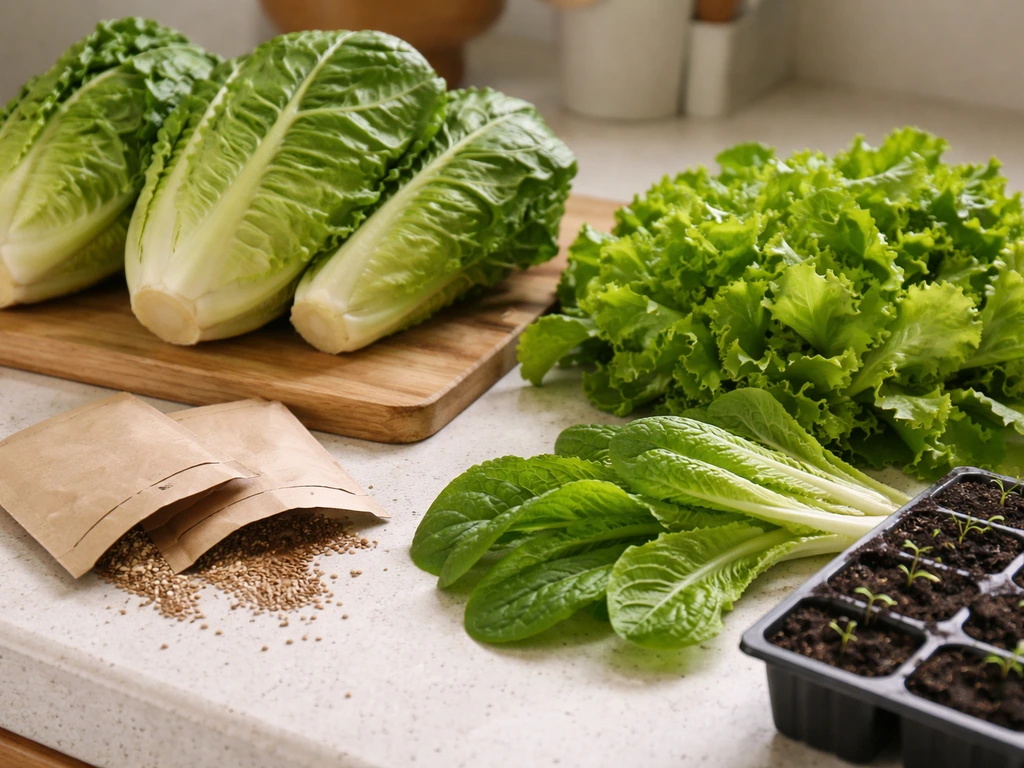
The variety you choose makes a real difference, especially when you are working with a short cool season or a small space. The two most useful categories to know are full-size romaine and mini romaine.
'Parris Island Cos' is the classic full-size romaine and one I keep coming back to. It takes about 72 days to maturity, forms a tall, upright head, and has excellent flavor. It is widely available and performs well in outdoor garden beds. If you have the space and the cool weather window, this is a great starting point.
'Little Gem' is the variety I recommend most often to beginners and anyone growing in a tight space. It is a compact mini-romaine that matures in roughly 50 to 55 days and has a reputation for tolerating both heat and light frosts better than most. If you want to grow mini romaine lettuce in a smaller plot or container, Little Gem is the easiest place to start. That shorter days-to-maturity window also means you can squeeze in more plantings per season.
Beyond variety, the most important thing you can do right now is nail your start date. Romaine is a cool-season crop. For a spring crop, count back 50 to 70 days from the time your average daytime temperatures consistently hit 75°F, and that is when you want your transplants in the ground (or your seeds in the soil a few weeks before that). For a fall crop, count back from your first expected frost date. Most gardeners get two full windows per year.
Best location and light for romaine (garden vs indoors)
Romaine needs at least 6 hours of direct sun per day outdoors. A south or east-facing bed is ideal. In early spring or fall, full sun is your friend. In late spring or summer, some afternoon shade actually helps by keeping soil temperatures down and slowing the urge to bolt. If your only outdoor spot gets afternoon shade from a fence or tree, that is not a dealbreaker for romaine the way it would be for tomatoes.
If you are growing indoors, a sunny south-facing windowsill can work, but most windowsills do not deliver enough light for full heads. A grow light positioned 2 to 4 inches above the seedlings for 14 to 16 hours per day gives much better results. There is a full breakdown of what works and what does not if you want to grow romaine lettuce indoors, including which grow light setups are worth the investment. One thing to know up front: indoors, you will likely be harvesting leaves rather than full heads unless your light setup is strong, which is still completely worth doing.
For balcony or patio setups, a south or west-facing spot with at least 6 hours of sun works well. Containers on a balcony heat up faster than in-ground beds, so you will need to be more attentive to watering and bolting risk as temperatures climb.
Soil, containers, and bed prep (including soil-based growing)
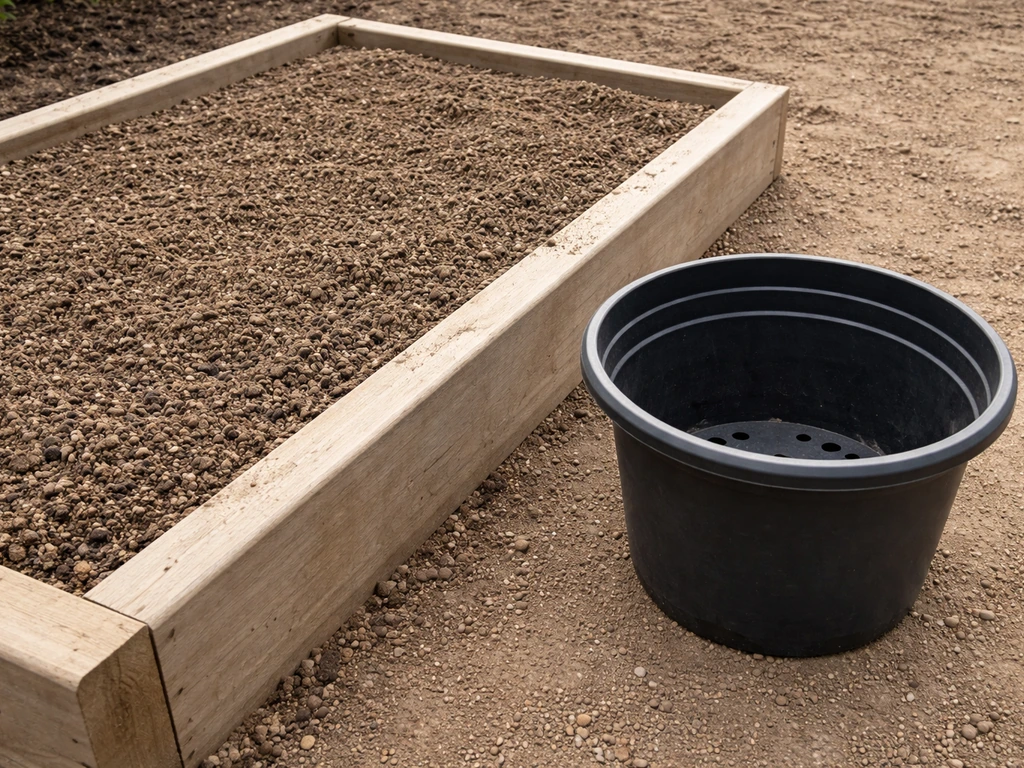
Romaine is not fussy about soil as long as it drains well and holds some moisture. For an outdoor bed, aim for a loamy, well-draining soil with a pH between 6. Aim for a loamy, well-draining soil with a pH around 6.0 to 6.5 for best lettuce growth, according to UC IPM cultural guidance a pH between 6. 0 and 7.0. Work in 2 to 3 inches of compost before planting. Romaine has a relatively shallow root system, so the top 6 to 8 inches of soil quality matter most. Uniform seedbed preparation really does pay off here: lumpy or clumpy soil leads to uneven germination depth, which means patchy emergence and inconsistent plant sizes.
For containers, use a pot at least 8 inches deep and 12 inches wide per plant (larger is better). Fill it with a good-quality potting mix, not garden soil, which compacts too much in containers and drains poorly. Adding perlite at about a 20% ratio improves drainage and aeration noticeably. Make sure your container has drainage holes; waterlogged roots are one of the fastest ways to kill romaine.
If you are interested in a soil-free approach, romaine actually grows surprisingly well in water. Growing romaine in water using a basic hydroponic or kratky setup is a real option for apartment growers with limited outdoor access. You can also start small with a single plant in a cup, which is a great way to test the process before committing to a full setup. Learning how to grow romaine lettuce in a cup is a surprisingly effective beginner method that requires almost no upfront investment.
Sowing vs transplanting, and spacing/timing
You have two options for getting plants in the ground: direct sowing (planting seeds straight into the bed) or starting seeds indoors and transplanting seedlings. Both work. Here is when to use each.
Direct sowing is simpler and works well when you have a long enough cool season ahead. Sow seeds about 1/4 inch deep (no deeper than 3/8 inch) and keep the soil consistently moist until germination, which usually takes 7 to 14 days. One important note: lettuce seed germination is inhibited above 86°F, so if your soil is warm, you will get poor germination or none at all. In that case, chill your seeds in the fridge for a day or two before sowing, or wait for a cooler window.
Transplanting gives you a head start, especially for spring planting when you want to get a crop established before heat arrives. Start seeds indoors 4 to 6 weeks before your transplant date. Harden off seedlings over a week by gradually exposing them to outdoor conditions before planting out.
Spacing matters more than most beginners expect. Full-size romaine like Parris Island Cos needs 12 to 15 inches between plants in the row and about 18 to 24 inches between rows (or at minimum 15 to 18 inches for a home bed). Cramped plants compete for light and airflow, which increases disease pressure. For mini varieties like Little Gem, you can get away with 8 to 10 inches between plants. In a container, one full-size romaine plant per 12-inch container is the right call.
Watering, feeding, and managing temperature/bolting risk
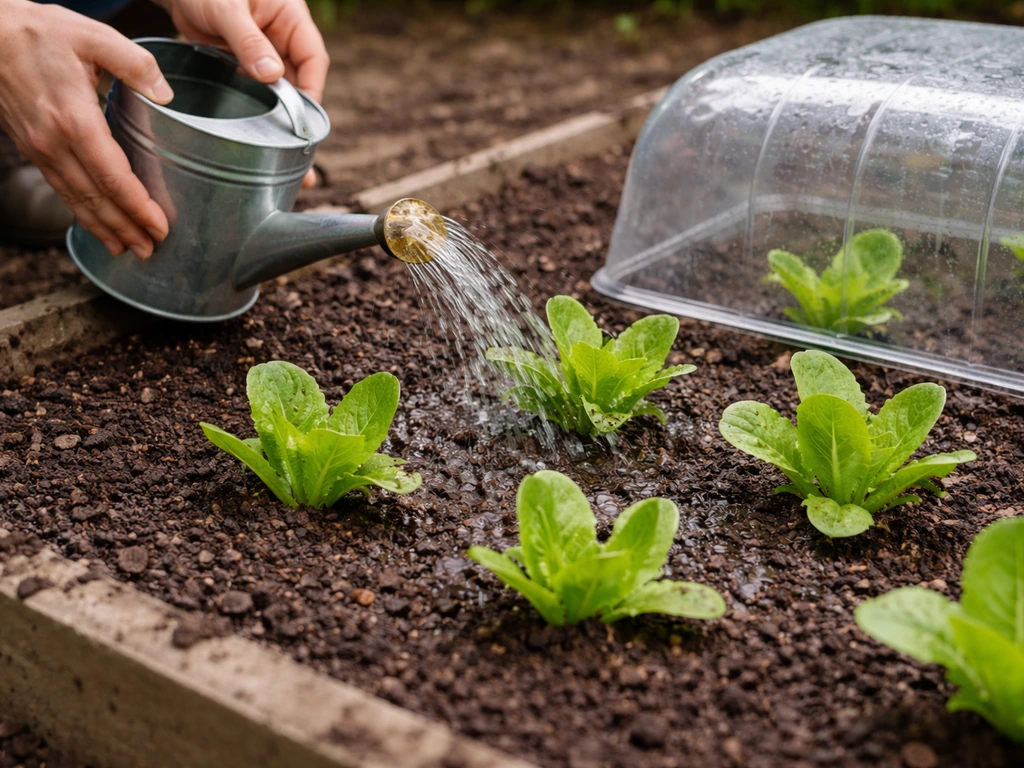
Romaine needs consistent moisture. The goal is to keep the top inch of soil evenly moist without letting it get waterlogged. In outdoor beds, this usually means watering deeply every 2 to 3 days, more often in warm or windy weather. Water at the base of the plant rather than overhead to reduce the chance of fungal issues. Containers dry out faster than beds, sometimes needing daily watering in warm weather.
For feeding, romaine is a leafy green and benefits from nitrogen. A balanced fertilizer (something like 10-10-10) worked into the soil at planting, followed by a light liquid nitrogen feed every 3 to 4 weeks, keeps plants growing steadily. Do not over-fertilize: too much nitrogen late in the season can push excessive leaf growth at the expense of head formation and may make plants more susceptible to tip burn.
Temperature management is where most beginners lose their crop. Romaine ideally wants daytime temperatures around 65 to 73°F and nights around 45 to 55°F. Once daytime temperatures push above 75°F consistently, or nights stay above 60°F, the plant gets the signal to bolt (send up a flower stalk). Bolting makes leaves bitter and tough. Bolting is also triggered by long days: more than about 14 hours of daylight accelerates the process. This is why spring romaine needs to be harvested before your summer day lengths and heat arrive together.
To delay bolting, choose heat-tolerant or bolt-resistant varieties, time plantings carefully, and consider using shade cloth over your bed once temperatures start climbing. A cold frame or row cover can protect young plants in early spring and extend your fall season by several weeks, giving you more usable growing time in cool conditions.
If you are growing in a hot climate like Texas, the timing challenge is more acute, and growing romaine lettuce in Texas requires working around the heat windows more deliberately than in temperate zones. If you are learning how to grow romaine lettuce in the Philippines, focus especially on timing and heat management so your plants do not bolt.
Similarly, tropical growing environments require a fully different seasonal approach, as anyone trying to figure out growing romaine lettuce in the Philippines will find.
Pest and disease troubleshooting
Romaine is relatively easy to grow, but a handful of pests and diseases can cause real problems if you are not watching. The most common issues I see are aphids, slugs, downy mildew, and lettuce drop (Sclerotinia). Here is how to handle each.
- Aphids: These cluster on the undersides of leaves, especially in cool damp weather. The simplest fix is to spray them off with a strong stream of water from a hose. Do this in the morning so leaves dry quickly. Repeat every few days until the population collapses. Avoid broad-spectrum pesticides that kill beneficial insects like ladybugs, which are natural aphid predators.
- Slugs: These feed at night and leave irregular holes in leaves, often with slime trails. Remove debris and mulch near the base of plants to eliminate hiding spots. Slug bait products are effective when slug damage is noticeable, but habitat management (keeping the area around plants tidy and dry) is the first line of defense.
- Caterpillars and other chewing insects: Scout plants early and often, especially on young transplants. Hand-pick larvae when you spot them. Bacillus thuringiensis (Bt) is an effective, low-impact treatment for caterpillar problems.
- Downy mildew: Shows up as yellow patches on the upper leaf surface with a grayish fuzz underneath. It thrives in cool, humid conditions. Improve air circulation by not overcrowding plants, water at the base rather than overhead, and remove affected leaves promptly.
- Lettuce drop (Sclerotinia): A soilborne fungal disease that causes the base of the plant to rot and collapse. If you see white cottony growth at the soil line, remove and discard the infected plant immediately. Do not compost it. Rotate where you plant lettuce each season to reduce soilborne disease buildup.
The best general advice for pest and disease management is to scout your plants every time you water. Catching a problem when it involves a handful of aphids is much easier than dealing with a full colony a week later. Early intervention almost always works; late intervention rarely does.
Harvesting, storage, and getting repeat growth
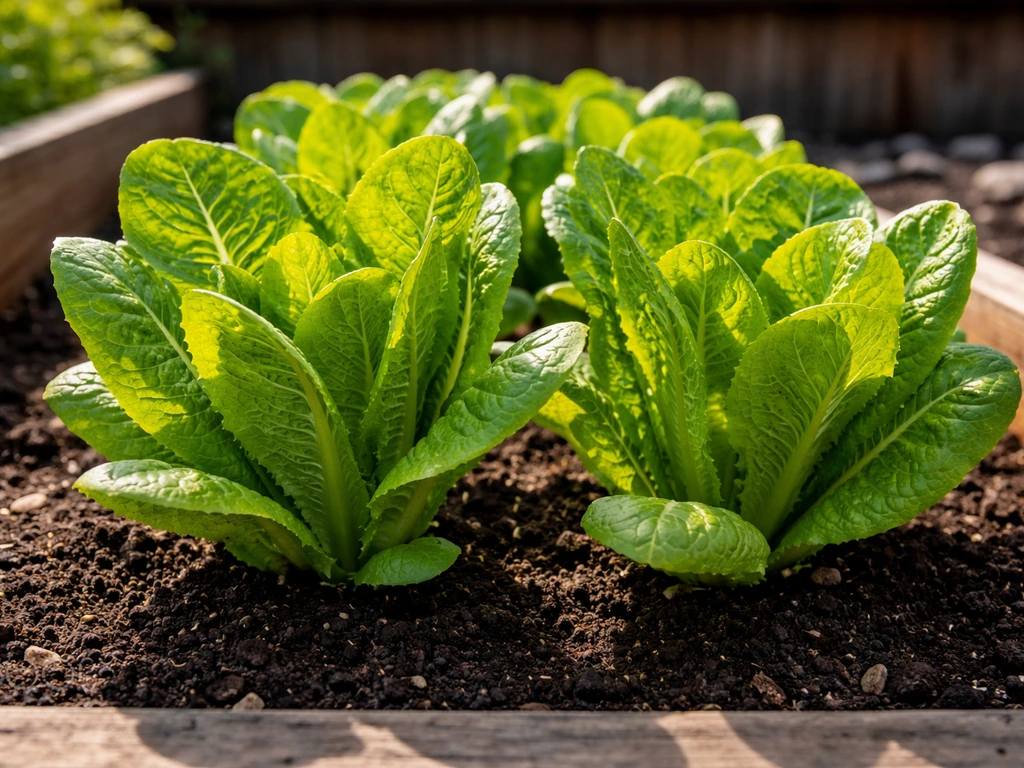
Romaine is ready to harvest when the head feels firm and full, typically 50 to 70 days after seeding depending on the variety. The outer leaves should be a rich green and the inner leaves will be lighter and more tender. Do not wait too long: if you delay harvest, especially in warming temperatures, leaves become bitter and tough. When in doubt, harvest a little early rather than too late.
To harvest a full head, cut it at the base with a sharp knife, about an inch above the soil. You can also harvest outer leaves continuously from the time plants are 4 to 6 inches tall, leaving the center to keep growing. This cut-and-come-again method works especially well with young plants and extends your harvest window by several weeks.
After cutting, rinse the leaves and let them dry before storing. Wrap them loosely in a slightly damp paper towel and seal them in a bag or container in the refrigerator. Store them as soon as possible after harvest to preserve quality. Properly stored romaine can last up to around 21 days in the refrigerator, though in practice most home-harvested heads are at their best within the first week. The key is keeping the temperature consistent and cold.
If you cut a plant at the base and leave the roots in the ground, you may get some regrowth from the remaining stump. This is not as reliable or productive as a fresh planting, but it can give you a few extra leaves. A better strategy for continuous supply is succession planting: sow a new batch of seeds every 2 to 3 weeks during your cool season. That way you are always a few weeks from a fresh harvest somewhere in the garden.
Your simple starting checklist for today
If you are ready to start today, here is a practical action list to get you moving without overthinking it.
- Check your local average last frost date and current forecast to confirm you are in a cool growing window (or plan for a fall planting).
- Choose your variety: Little Gem for small spaces and faster results, Parris Island Cos for a traditional full-size head with more flavor.
- Decide where you are growing: outdoor bed, container on a balcony, or indoors under lights. Each setup has slightly different requirements.
- Prepare your bed or container with well-draining, compost-amended soil (or quality potting mix for containers).
- Sow seeds 1/4 inch deep, or set out transplants at 12 to 15 inch spacing for full-size types.
- Set a reminder to check plants every time you water, and scout the undersides of leaves for aphids or slugs from week one.
- Mark your expected harvest date on a calendar based on your variety's days to maturity so you know when to start checking heads.
Romaine lettuce is one of those crops that rewards attentiveness more than expertise. You do not need perfect conditions or years of experience. You need cool temperatures, consistent water, decent light, and the habit of checking in on your plants regularly. Start with one variety in whatever space you have, see what happens, and adjust from there. Most people who grow romaine once end up growing it every season.
FAQ
My romaine seeds won’t germinate, what should I troubleshoot first?
If your romaine seeds do not sprout, first check soil temperature. Lettuce seed germination drops sharply when soil is above about 86°F, even if air feels only moderately warm. A quick fix is to sow during the coolest part of the day, keep the seedbed shaded, or chill seeds in the fridge for a day or two, then sow again when temperatures cool.
Why is my romaine turning bitter or tough?
The most common reason for bitter romaine is harvest timing, especially heat or long daylight pushing the plant toward bolting. Start checking firmness a week before you expect maturity, and harvest as soon as the head feels full. If you notice the center starting to elongate, cut the head or begin leaf harvesting immediately rather than waiting.
How can I tell when my romaine is ready, especially if it feels like it’s not forming?
For heads, “firm and full” is the practical target. If the outer leaves look healthy but the head is loose after the usual days-to-maturity window, it often means inconsistent moisture or fertilizer that was too light early. Also verify you planted the right days-to-maturity variety, since mini types and full-size romaine can differ by 2 to 3 weeks.
What’s the fastest way to handle aphids on romaine?
If aphids show up, avoid waiting for a full infestation because lettuce responds best to early control. Start by blasting plants with a strong stream of water to dislodge small clusters, then monitor daily. If colonies keep returning, treat in the morning and focus on the undersides of leaves, and remove badly infested leaves so you do not spread pests while thinning.
How do I prevent slugs from wiping out my romaine?
Slugs are easiest to manage preventatively. Put down barriers around the bed, remove weeds and debris where slugs hide, and consider hand-picking at dusk or early evening. If you use bait, follow the product label carefully because romaine is often harvested quickly and you want the timing to match safe re-entry and harvest intervals.
What can I do to reduce downy mildew and other leaf diseases?
Downy mildew risk rises with wet foliage and poor airflow. Water at the base instead of overhead, space plants as recommended, and avoid watering late in the day so leaves can dry. If you see patches, remove affected leaves right away and do not compost them if your pile does not reach high heat.
What causes tip burn on romaine, and how do I stop it?
Late harvest is a major cause of tip burn and leaf-edge browning. To reduce it, keep nutrients steady and avoid extra nitrogen close to the finish line. Also check watering consistency, because irregular dry-down followed by heavy watering can stress leaf edges, especially in containers.
Can I harvest romaine leaves continuously and still get a full head later?
Yes. You can continue cutting outer leaves while the center grows, but do not remove more than about a third of the plant at once. If you harvest a lot at once, the plant often stalls and becomes more likely to bolt when heat arrives.
How should I schedule succession planting to avoid losing everything to bolting?
For successional planting, stagger sowing so new plants reach harvest readiness every 2 to 3 weeks. In practice, that means making a second sowing even if the first patch is still small, so you do not end up with everything ready at the same time and then losing the crop to bolting or heat.
My indoor romaine looks leggy. Is my light setup the problem?
If you are getting spindly, weak plants, lighting is usually the issue indoors. A sunny window often cannot deliver enough intensity for dense heads, so increase light duration or move a grow light closer (within safe distance for your fixture). If growth is pale, extend the photoperiod toward the higher end of the recommended range and keep plants close to the light to prevent legginess.
What’s different about growing romaine in containers on a balcony or patio?
In containers, the two biggest edges are faster drying and root overheating. Use the largest feasible pot size, keep a consistent watering rhythm, and consider adding a light mulch on the soil surface to slow temperature swings. When heat spikes, a move to partial afternoon shade can buy time and reduce bolting pressure.