You can absolutely grow romaine lettuce in Texas, but timing is everything. Plant in spring from February through early March (late March at the absolute latest), or go for a fall crop starting in mid-September. Outside those two windows, Texas heat will bolt your lettuce before you get a single good head. Stick to those windows, pick a heat-tolerant variety, give afternoon shade during warm spells, and you'll have crisp romaine without much drama.
How to Grow Romaine Lettuce in Texas Step by Step
Marcus Holloway
2 Jul 2026
Texas planting calendar and when bolting actually happens
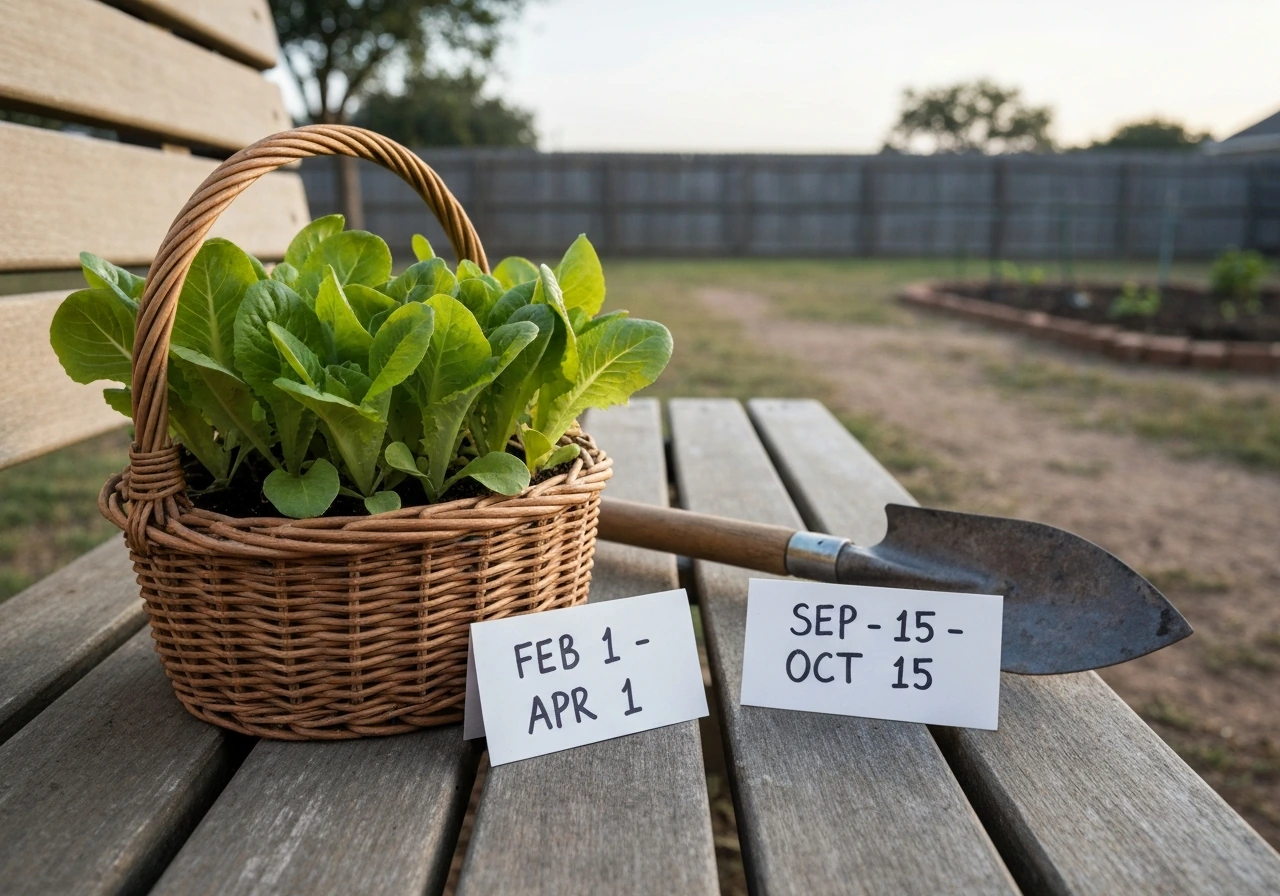
Texas A&M AgriLife puts the official lettuce planting window at February 1 through April 1 for spring, and September 15 through October 15 for fall. Those dates apply broadly across most of Texas, but your specific region matters. North Texas gardeners run a little cooler and can push toward that April 1 edge. South Texas growers near the Gulf or Rio Grande Valley should be starting seeds in late January for spring and can often extend the fall window a bit later into October or even November.
Bolting is the main enemy here. Romaine bolts when temperatures climb consistently into the mid-to-upper 70s°F and above, especially when long days (more than 14 hours of daylight) combine with heat. By mid-April in most of Texas, daytime highs are already threatening that threshold. By May, it's essentially over for outdoor romaine unless you're running serious shade and cool irrigation. Plan your spring crop so it's fully mature and harvested by mid-April. Romaine takes 40 to 65 days depending on variety, so count backward from April 15 and you'll see that a February start makes sense.
For fall, the challenge is the opposite: you're starting seeds when it's still blazing hot in September, but you're racing toward the first frost in November or December. In North Texas, first frost often arrives in mid-November. In South Texas, you may not see frost until January if at all. Check your specific area's frost dates before finalizing your fall planting schedule. The sweet spot for fall romaine is soil temperatures dropping below 80°F in September, which in most years means you want to be transplanting starts rather than direct seeding to save time.
| Region | Spring Planting Window | Fall Planting Window | Notes |
|---|---|---|---|
| North Texas (Dallas/Fort Worth area) | Feb 1 – Mar 15 | Sept 15 – Oct 1 | First frost mid-Nov; wrap up fall harvest by then |
| Central Texas (Austin/San Antonio) | Feb 1 – Mar 20 | Sept 15 – Oct 10 | Spring heats up fast; prioritize early Feb start |
| East Texas | Feb 1 – Mar 15 | Sept 15 – Oct 10 | Higher humidity; watch for fungal disease |
| South Texas / Rio Grande Valley | Jan 15 – Feb 28 | Oct 1 – Nov 15 | Mild winters allow extended fall window |
| West Texas / Panhandle | Feb 15 – Mar 15 | Sept 1 – Oct 1 | Panhandle cools earlier; protect from late freezes |
Romaine varieties that actually work in Texas heat
Not all romaine is created equal when it comes to heat tolerance. Standard romaine varieties bred for cool Pacific Coast conditions will bolt fast in Texas. You want varieties specifically described as slow-bolt or heat-tolerant. Here are the ones I'd reach for first.
- Jericho: Developed in the desert heat of Israel, this is arguably the best romaine for Texas conditions. It matures in 40 to 50 days, is genuinely slow to bolt, and handles warm spells better than most varieties you'll find at a local nursery.
- Super Jericho: A step up from Jericho with even stronger bolt resistance and disease resistance built in. Matures in 50 to 55 days. If you can only choose one variety, this is it.
- Winter Density: A compact romaine type that's bolt-resistant and can be harvested as early as 28 days for baby leaves or left to 54 days for full heads. It's a good pick for fall planting and succession growing.
- Rouge d'Hiver: A French heirloom with reddish-bronze leaves and good cold tolerance, maturing in 55 to 65 days. Better suited to fall planting than spring in Texas since it prefers cooler conditions.
- Little Gem: A mini romaine that matures quickly (around 30 to 45 days), which is a real advantage in Texas where you're always racing the heat. Small size also makes it ideal for containers.
Avoid generic 'Romaine' or 'Cos' varieties with no heat-tolerance claims on the packet. They'll grow fine in cooler climates but will give you two or three weeks of nice growth before sending up a seed stalk in Texas spring heat. Spending a little more on Jericho or Super Jericho seeds is worth it.
Soil, containers, and setting up your growing space
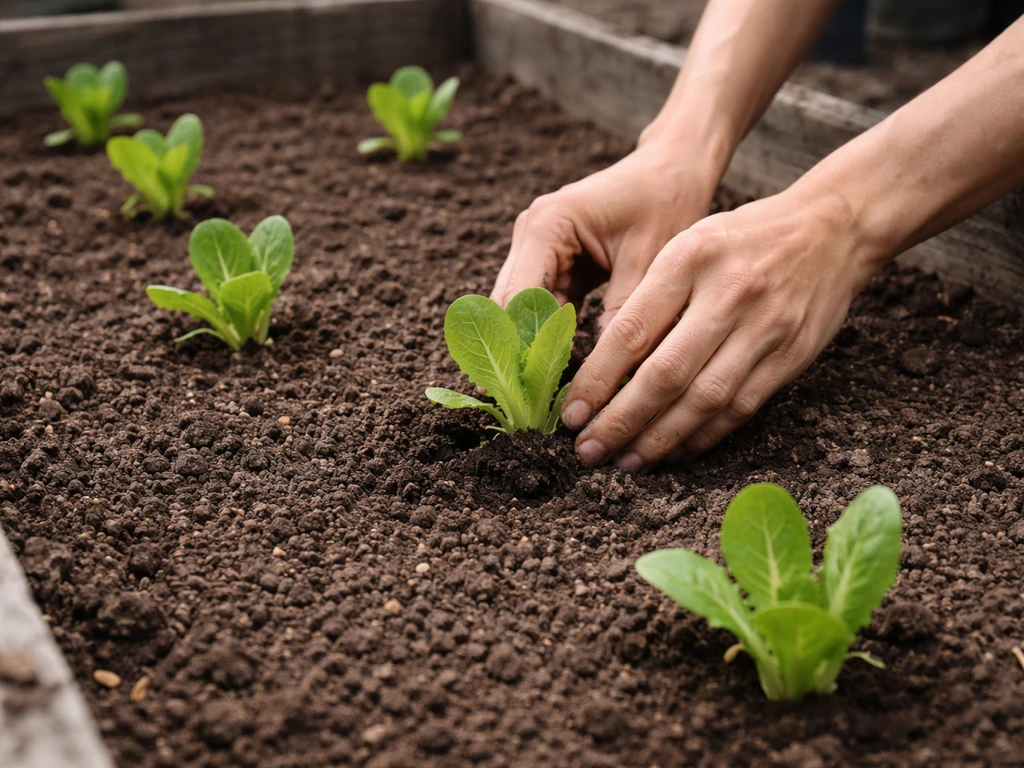
For outdoor garden beds
Romaine wants loose, well-draining soil with a pH between 6.0 and 6.5. Texas soils vary wildly: heavy clay in Dallas and Central Texas, sandy loam in some East Texas areas, rocky alkaline soils in the Hill Country. Whatever you're working with, work in 2 to 3 inches of compost before planting. That single step fixes more problems than anything else. If you have heavy clay, consider adding gypsum at about 3 to 4 pounds per 100 square feet to improve soil structure. For a general preplant fertilizer, a balanced formula like 5-10-10 or 6-12-12 applied at 1 to 2 pounds per 100 square feet gets you started well. If you're planting a fall crop right after a fertilized spring garden, cut that rate roughly in half since there's residual nutrition in the soil.
For containers and raised beds
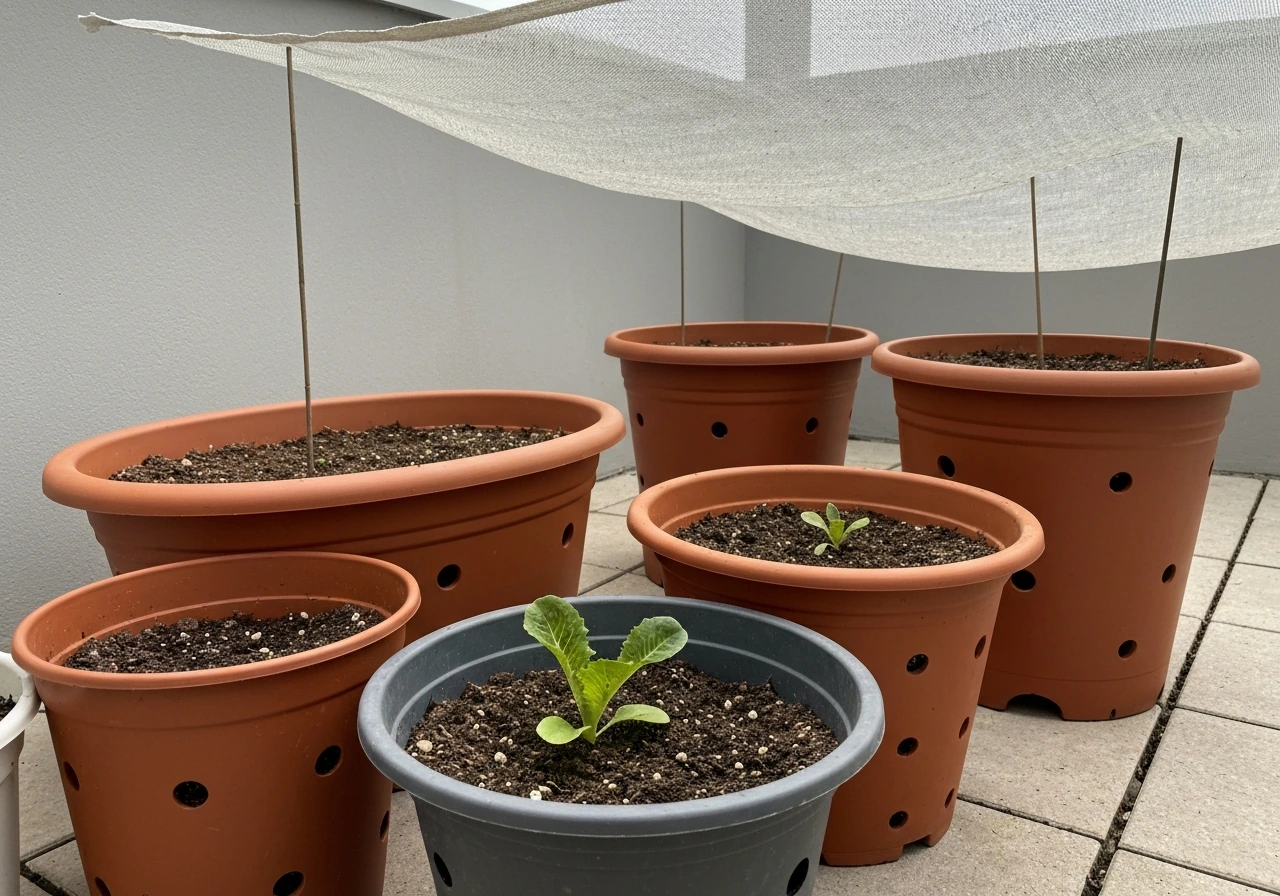
Container growing is genuinely one of the smarter approaches for Texas romaine because you can move pots to follow shade as the season progresses. Use wide, shallow containers: at least 12 inches wide and 8 inches deep for leaf types, a bit deeper (10 to 12 inches) for full heading types. Add about an inch of coarse gravel at the bottom to improve drainage, which is important since containers in Texas sun can go from moist to bone-dry fast. Fill with a high-quality potting mix, not garden soil, which compacts badly in pots. Raised beds work brilliantly too: the elevated soil warms up faster in early spring (helpful for February planting) and drains better than flat ground.
If you're in an apartment or have limited outdoor space, romaine grows surprisingly well on a balcony or patio as long as you can manage heat and light. That's closely related to the challenges of growing romaine lettuce indoors, where light management is the main variable. If you want better results indoors, focus on steady light, cool temps, and consistent watering so the plants do not bolt growing romaine lettuce indoors. Outdoors in Texas, heat management is the bigger concern.
Light, temperature, and keeping romaine cool enough to produce
Romaine wants full sun in cool weather, but full Texas sun in March or April will stress your plants and trigger bolting. The sweet spot is morning sun with shade starting around 1 to 3 p.m. In fact, AgriLife's fall guide specifically recommends positioning plants where they get full sun with shade after 3 p.m. as a practical approach for managing afternoon heat on cool-season crops. Morning sun dries dew off leaves (reducing disease pressure) while afternoon shade keeps leaf temperatures from spiking.
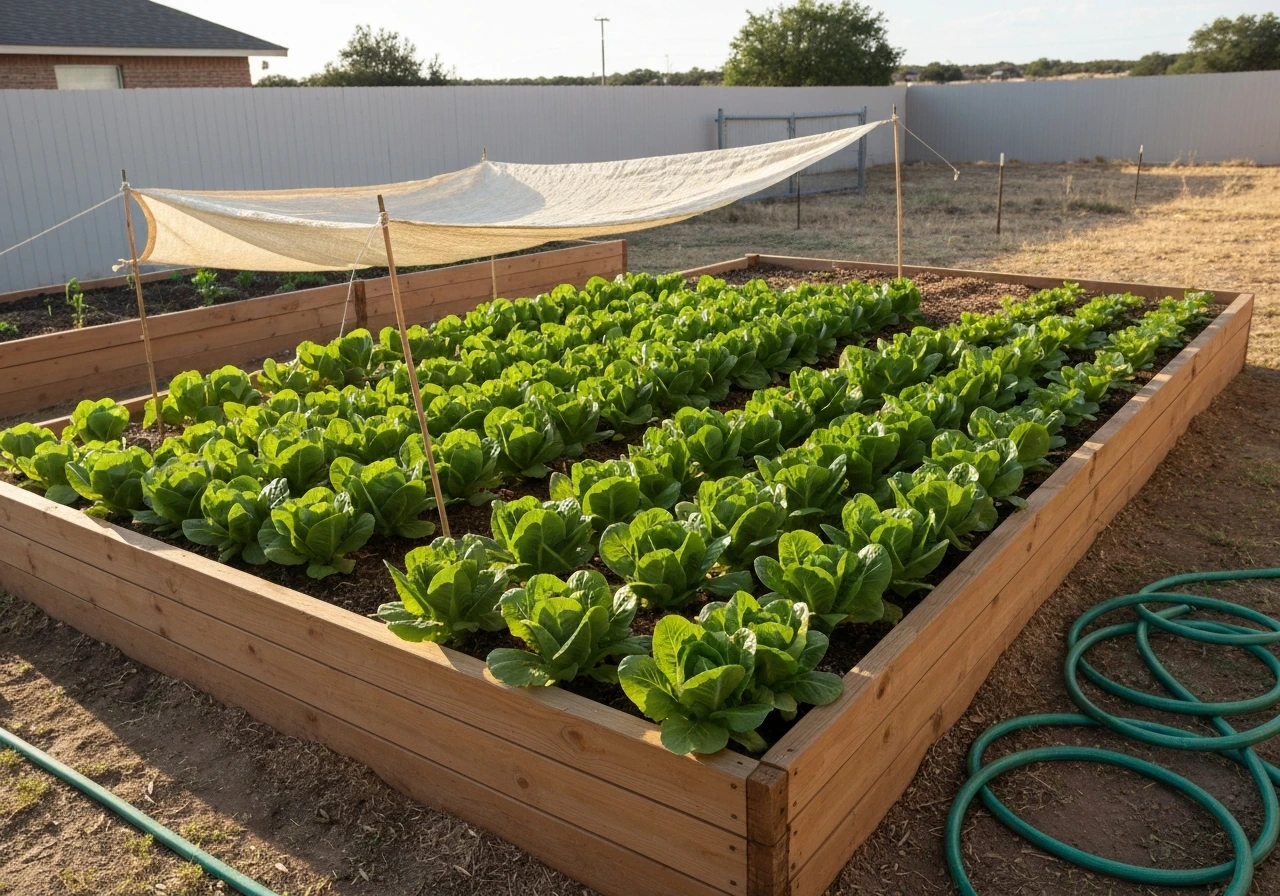
Shade cloth is one of the most useful tools you can buy for Texas lettuce. A 30 to 50 percent shade cloth stretched over your bed can reduce leaf temperature by 10°F or more, which is often the difference between productive romaine and a bolted mess. Put it up proactively when daytime highs start hitting the high 70s°F consistently, not after the damage is already done. Just be aware that in early spring or fall, shade cloth can also act like a greenhouse and trap heat if it's too close to the plants. Keep a few inches of airflow between the cloth and the plant tops.
Row covers are useful for frost protection in fall but use them carefully in spring. They trap heat, which is the opposite of what you want when temperatures are already climbing. If a late cold snap threatens your spring transplants, a row cover overnight is fine. Just pull it off during the day.
Watering and feeding your romaine
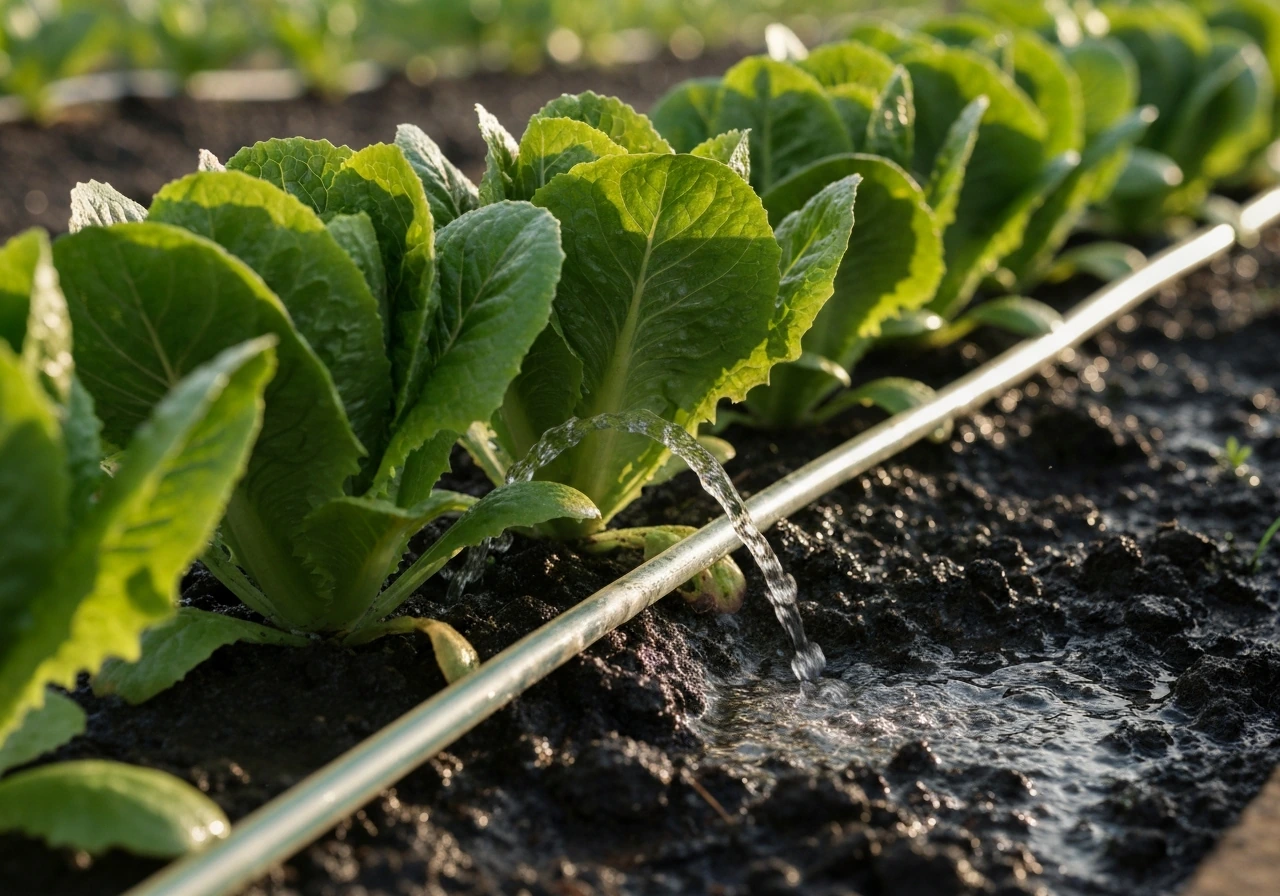
How much water, how often
Romaine needs about 1 to 2 inches of water per week. In cooler weather (early spring or fall), once a week is usually enough. As temperatures climb, you may need to water twice a week or more for containers, which dry out much faster than garden beds. The goal is consistent moisture, not wet-dry extremes. Uneven watering causes tip burn (brown leaf edges) and contributes to bitterness, two of the most common complaints from Texas gardeners.
Always water in the morning. This gives foliage time to dry before night, which significantly cuts down on fungal disease pressure. If you're using overhead sprinklers or a hose, morning watering matters a lot. Drip irrigation is even better for Texas lettuce because it keeps leaves dry entirely and delivers water directly to the root zone. Mulching around your plants (1 to 2 inches of straw or shredded leaves) also helps retain moisture and keeps soil temperatures cooler.
Fertilizing through the season
Romaine is a leafy crop, so it needs consistent nitrogen to keep pushing new growth. After your preplant fertilizer, side-dress with a nitrogen-rich fertilizer about 3 to 4 weeks after transplanting. A light application of a balanced vegetable fertilizer or even a fish emulsion drench every 2 to 3 weeks works well for container plants. Don't over-fertilize with nitrogen late in the season (especially spring), since it can actually encourage bolting by pushing rapid growth when plants are already heat-stressed. For fall plantings, follow the AgriLife guidance and use roughly half the fertilizer rate you'd use in spring if the bed was well-amended previously.
Spacing, thinning, and succession planting for a steady supply
For full-size romaine heads, space plants 12 to 15 inches apart within rows, with about 18 to 24 inches between rows. That spacing sounds generous but it matters: crowded plants compete for moisture and nutrients, get less air circulation, and are more prone to disease. If you're growing in containers or raised beds and want mostly baby leaves rather than full heads, you can plant much closer (4 to 6 inches apart) and harvest young.
If you direct seed (which works fine in spring if temperatures are below 75°F), sow seeds about half an inch deep and half an inch apart, then thin to your final spacing once seedlings are 2 to 3 inches tall. Don't skip thinning. I know it feels wasteful to pull out perfectly good seedlings, but crowded lettuce produces poorly and is more disease-prone.
Succession planting is how you go from one harvest to a steady supply. Instead of planting everything at once, stagger plantings every 2 to 3 weeks. In spring, you might have three successions: one in early February, one in late February, and one in mid-March. That spreads your harvest from late March through late April. In fall, one or two successions work well given the shorter window before frost. Winter Density and Jericho are both well-suited to succession growing because of their shorter days to maturity.
Texas pests, diseases, and the fixes that actually work
Aphids
Aphids are the most common lettuce pest in Texas and they can colonize a plant fast, especially in spring. Check the undersides of leaves every few days. Early infestations are easy: blast them off with a strong stream of water from a hose. For heavier infestations, insecticidal soap spray works well and is safe on edibles. Texas A&M frames aphid management around integrated pest management (IPM) principles: try the least disruptive method first (water, then soap, then targeted organic sprays) before reaching for anything stronger. Avoid broad-spectrum insecticides that kill the beneficial insects that naturally keep aphid populations down.
Cabbage loopers and caterpillars
Cabbage loopers and other caterpillars chew ragged holes in romaine leaves. Bacillus thuringiensis (Bt) is the go-to organic fix. It's a naturally occurring soil bacterium that kills caterpillars when they eat treated foliage but is completely safe for humans, birds, and beneficial insects. Apply it in the evening since UV light degrades Bt quickly. Reapply after rain.
Slugs
Slugs are more of a fall and humid-East-Texas problem than a spring issue in dry parts of the state. They do their damage at night and hide under debris and mulch during the day. Iron phosphate slug bait (sold under brands like Sluggo) is safe around pets and wildlife and works well. Keeping mulch pulled back slightly from plant stems also reduces slug habitat.
Downy mildew and fungal issues
Downy mildew shows up as yellowish or light-green patches on the upper leaf surface, with a grayish fuzz on the underside. It's more common in fall in humid East Texas and during periods of cool, wet weather. Prevention is more effective than treatment: water in the morning, space plants well for air circulation, and avoid getting foliage wet at night. If you catch it early, removing affected leaves and improving air circulation can stop the spread. Preventative copper-based fungicide applications on a consistent schedule can provide good control if downy mildew is a recurring problem in your garden. Powdery mildew is less common on lettuce but also responds to improved air circulation and reduced overhead watering.
Bolting and bitter leaves
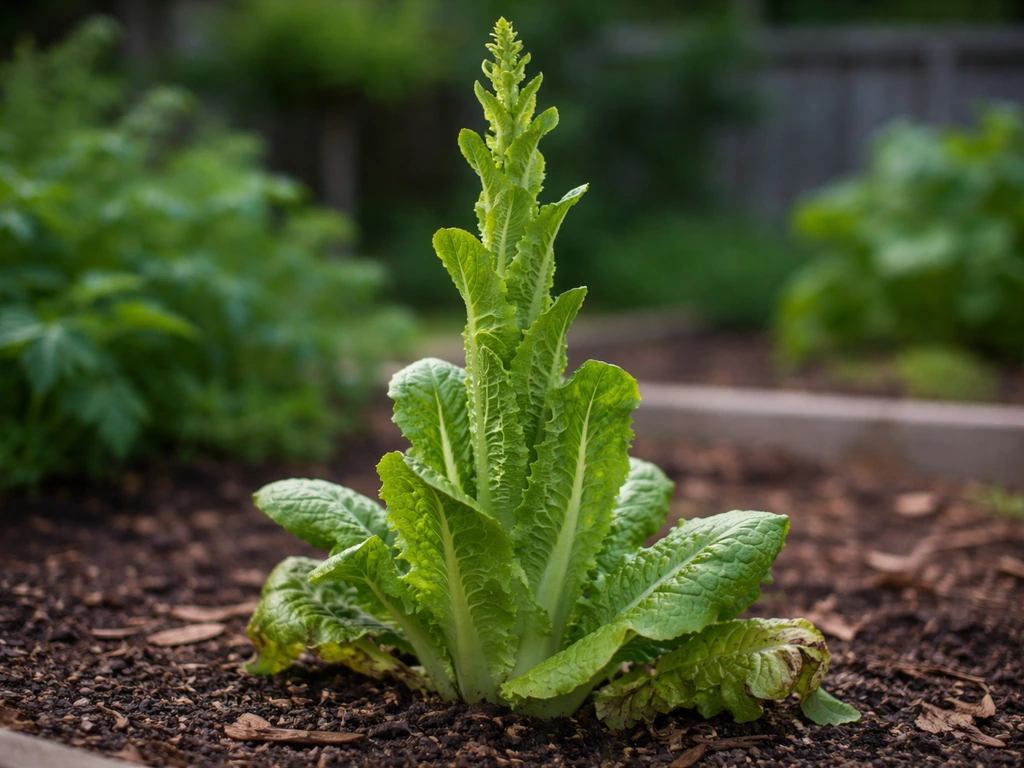
If your romaine is sending up a tall central stalk with smaller leaves, it's bolting. Once a plant bolts, the leaves turn intensely bitter and the plant is essentially done. You can't reverse bolting, but you can harvest whatever leaves are still usable immediately. To prevent it next time: start earlier (January or February instead of March), choose Jericho or Super Jericho, add shade cloth when highs consistently hit the upper 70s°F, and make sure watering is consistent. If you are in the Philippines, you will also need to plan around local heat and seasonal rainfall so your romaine can avoid bolting grow romaine lettuce in the Philippines. Irregular watering and heat stress together are the fastest path to bolting. Bitter leaves without obvious bolting are usually a sign of heat stress and inconsistent moisture, both of which are fixable.
Poor germination or stalled seedlings
If seeds aren't germinating, the most likely culprit in Texas is soil temperature. Lettuce seeds germinate best between 60 and 70°F. If you're direct seeding in late spring when soil is already warm, germination drops sharply above 75°F and stops almost entirely above 80°F. The fix: start seeds indoors 3 to 4 weeks before your target transplant date, where you can control temperature. If seedlings sprout but then stall, check watering (dry spells hit small seedlings fast in Texas) and make sure they're getting adequate light.
Harvesting romaine and getting more out of each plant
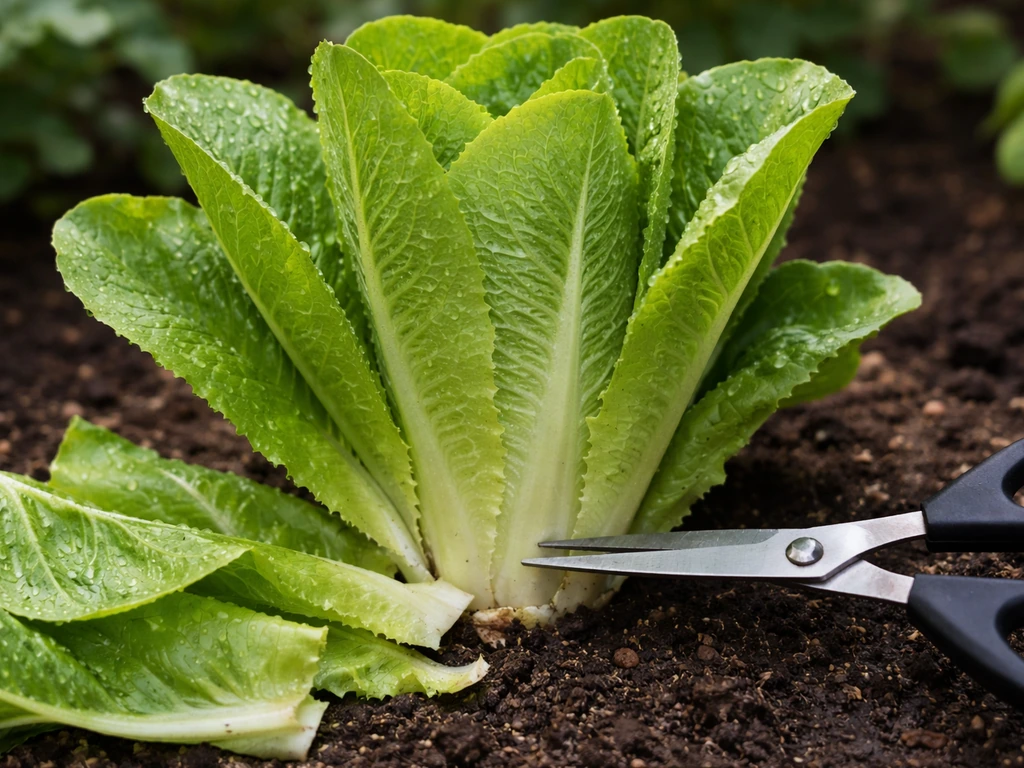
You have two main harvest approaches: cut-and-come-again, or full-head harvest. For cut-and-come-again, use scissors to snip outer leaves when they reach 4 to 6 inches long, leaving the center growing point intact. The plant keeps producing new leaves from the center for several more weeks. This is the smarter method for Texas, where your window is short and you want to maximize yield before heat hits.
For a full head, wait until the head feels firm and leaves are 6 to 8 inches tall, then cut the whole plant at the base with a knife, leaving about an inch of stem. Sometimes that stub will sprout new leaves (especially in fall), giving you a second smaller harvest from the same plant. For heading varieties, harvest before the inner leaves start to open up and elongate, which is an early bolting signal.
Harvest in the morning when leaves are crisp and cool. Romaine that's been sitting in afternoon Texas sun is wilted and tastes worse. If you want to grow romaine in water instead of soil, you can use a simple hydroponic or countertop water method to keep roots hydrated and plants producing how to grow romaine in water. Once cut, rinse and dry the leaves, then store in perforated plastic bags in the refrigerator. Properly stored romaine keeps well for up to two weeks, which means even a modest planting can keep your salad bowl stocked for a solid stretch.
If you end up with more romaine than you can use before it starts to turn, the best approach is to harvest everything, wash and dry it, and store in the fridge rather than leaving it on the plant in warming weather. Romaine left in the ground when temperatures spike will bolt and become unusable within days.
Your simple Texas romaine action plan
Here's how to put all of this together in a practical sequence you can follow right now, regardless of what month you're starting. For mini romaine, you can use the same Texas timing and bolting management, just plan on harvesting baby heads a bit sooner practical sequence.
- Check today's date against the planting windows in the table above for your part of Texas. If you're outside the February-April or September-October windows, start planning your next planting date rather than planting now in the heat.
- Order or buy Jericho, Super Jericho, or Winter Density seeds. If you're at a local nursery, look for any variety explicitly labeled heat-tolerant or slow-bolt.
- Prepare your bed or containers: dig in 2 to 3 inches of compost, apply preplant fertilizer at 1 to 2 lb per 100 sq ft (half that for fall in an already-fertilized bed), and check that drainage is good.
- Start seeds indoors 3 to 4 weeks before your outdoor transplant date if soil is still warm, or direct seed once soil is consistently below 75°F.
- Pick your location with morning sun and afternoon shade in mind. Set up a shade cloth structure (30 to 50 percent shade) before temperatures consistently hit the upper 70s°F.
- Water 1 to 2 inches per week, always in the morning. Mulch to retain moisture and cool the soil.
- Stagger plantings every 2 to 3 weeks for continuous harvests.
- Start harvesting outer leaves at 4 to 6 inches for cut-and-come-again, or wait for full heads. Harvest in the morning. Store in the fridge in perforated bags for up to two weeks.
Texas is not an easy place to grow lettuce, but romaine is one of the more forgiving lettuces when you choose the right variety and respect the planting calendar. Get those two things right and most of the other challenges become manageable. The gardeners who fail with Texas romaine almost always either planted too late in spring or chose a variety that wasn't built for heat. Fix those two things first and you're most of the way there.
FAQ
Can I grow romaine year-round in Texas using indoors or shade houses, or will bolting still be a problem?
You can extend production, but bolting risk won’t disappear. Indoors or in a shade house, keep light steady and cool and manage day length, because long bright days can still push bolting. If you can’t control temperatures, succession planting with slow-bolt varieties is the safest way to keep quality through summer.
What’s the best way to protect romaine from a sudden warm spell in early spring?
Add shade cloth proactively as soon as daytime highs start staying in the high 70s. Pair it with morning watering and consider drip irrigation so moisture stays consistent. If you only get a one-night spike, a temporary overnight row cover can help, but remove it during the day to prevent heat buildup.
How do I tell the difference between bitterness from heat stress versus true bolting?
Bolting usually shows a clear change in structure, a tall central stalk with smaller leaves, and then the plant becomes essentially done. Heat-stress bitterness can show up as unpleasant taste while the plant still looks like normal leaf growth. If it’s just bitter leaves without stalk formation, improve watering consistency and add afternoon shade before it escalates.
Should I start romaine from seed or buy transplants in Texas?
For Texas spring, direct seeding can work only if soil stays below about 75°F, but that’s harder to guarantee. Starting seeds indoors and transplanting tends to produce more predictable timing, especially for fall where you want quick establishment before heat drops. Use transplants when your window is tight or when you consistently hit warm soil.
My romaine seedlings come up but then stall or die back. What should I check first?
Check temperature and watering consistency. Lettuce seeds and small seedlings hate hot soil and dry-out cycles, so a brief dry spell can cause stalling fast. Also make sure they get enough light, because leggy growth often follows low light and can collapse later.
How much fertilizer is too much for romaine in Texas, and can it worsen bolting?
Yes. Extra nitrogen late in spring can encourage fast, tender growth right when heat stress is highest, which can lead to more bolting. Keep side-dressing to about 3 to 4 weeks after transplanting, and for fall use a reduced rate if your bed was recently fertilized.
What spacing should I use if I’m growing romaine for baby leaves instead of full heads?
Tighter spacing is fine for baby leaves because you’ll harvest early. Use about 4 to 6 inches between plants, but still avoid overcrowding to maintain airflow and reduce leaf-disease risk. If the leaves stay wet for long periods, even baby plantings can develop mildew problems.
Can I grow romaine in containers on a balcony in Texas without it bolting?
Often yes, if you can manage both light and moisture. Use wide containers at least 12 inches across, and plan for frequent watering because pots dry quickly. Move pots to morning sun and afternoon shade as temperatures climb, and consider shade cloth during high-70s stretches.
Do I need shade cloth all season or only during the hottest weeks?
Use it as a tool tied to conditions, not the calendar. Install it when highs begin hovering in the upper 70s°F consistently, then remove or open it back up when temperatures drop enough that leaf temperatures stay manageable. Leaving heavy shade in cooler weeks can slow growth and increase humidity-related disease pressure.
What are common causes of tip burn on romaine in Texas?
Tip burn is usually linked to uneven watering, where the soil swings from too dry to too wet. Containers are especially prone because they dry faster in Texas sun. Maintain consistent moisture, mulch to buffer swings, and prefer drip irrigation so leaves stay drier.
How should I manage pests if aphids show up repeatedly?
Use an IPM sequence: hose-off early infestations, then use insecticidal soap for outbreaks, and only escalate if needed. Also avoid broad-spectrum sprays because they can kill beneficial insects that suppress aphids. Inspect undersides of leaves every few days so you catch colonies before they explode.
If I see mildew, should I treat or just remove leaves immediately?
Start with prevention and fast containment. Remove affected leaves early and improve airflow by spacing and avoiding overhead watering at night. If downy mildew keeps returning in humid East Texas conditions, preventative copper-based applications may be warranted on a schedule, but start by addressing watering and airflow first.
What’s the most reliable harvest timing to avoid ending up with unusable romaine?
Harvest in the morning when leaves are cool and crisp, and don’t wait for a perfect look if temperatures are climbing. For spring, plan the bulk harvest by mid-April, since delayed harvest often means bolting and bitterness within days. For cut-and-come-again, remove outer leaves at 4 to 6 inches and keep the center growing point intact.