You can absolutely grow romaine lettuce in a cup, but the cup needs to be bigger than most people expect, it needs a drainage hole, and you need to keep it consistently moist in a bright spot. Get those three things right and you can go from seed to first harvest in about 45 to 65 days, even on a windowsill or balcony. Almanac states heading romaine is ready to pick about 65 days after planting go from seed to first harvest in about 45 to 65 days.
How to Grow Romaine Lettuce in a Cup: Step by Step
Marcus Holloway
24 Jun 2026
Pick the right cup and setup
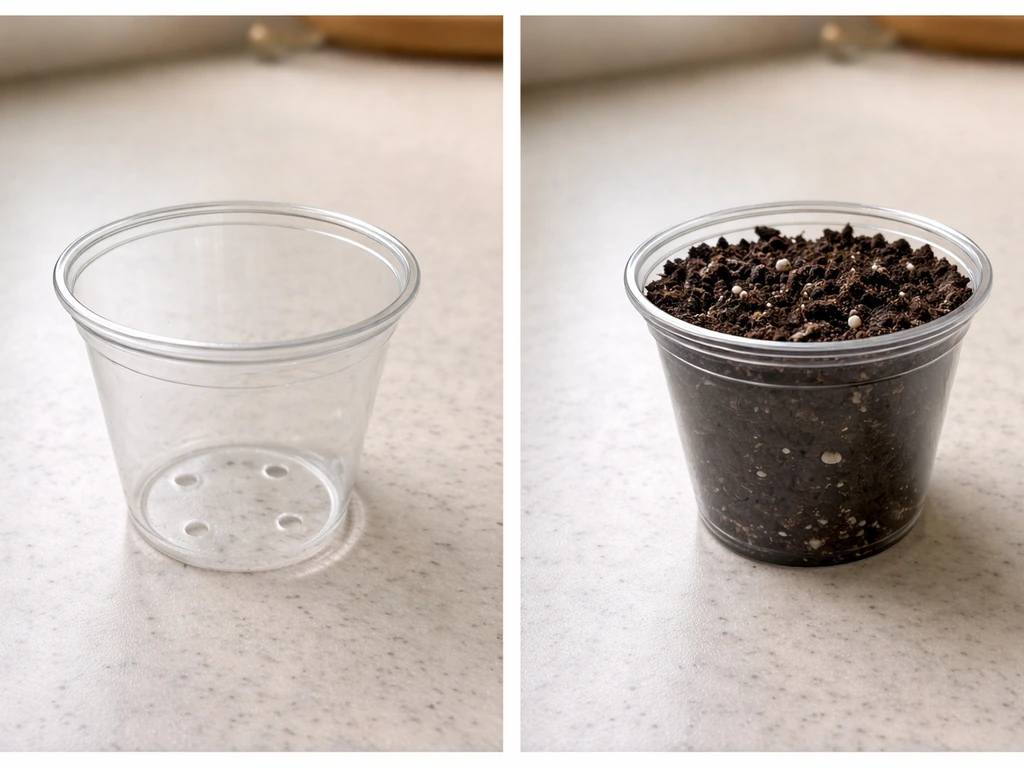
The word "cup" here matters because it sets expectations. A small 8 or 16 oz disposable cup is enough to germinate seeds or regrow a romaine base, but it will max out quickly. Romaine is a shallow-rooted vegetable, but it still needs at least 6 to 8 inches of growing medium depth to develop properly. An 8-inch-deep container is a practical minimum. If you want a full head (or close to one), aim for a cup, pot, or container that holds at least 1 quart of soil and is 8 inches deep. Yogurt containers, large plastic deli cups, and 32 oz drink cups all work as long as you modify them.
Drainage is non-negotiable. Poke or drill at least 3 to 5 holes in the bottom of your cup before you do anything else. Wet, airless soil is where root rot starts, and roots in a container cannot escape poor conditions the way they can in the ground. If your cup sits in a saucer, dump the saucer after each watering so the cup is not wicking back up into standing water.
For the growing medium, skip garden soil entirely. It compacts in containers, drains poorly, and will suffocate your roots. A standard bagged potting mix works well. If you want to make it even better, mix in about 20 to 25 percent perlite by volume to improve drainage and air flow. Coconut coir or peat-based mixes are also good bases. Before planting, wet the potting mix thoroughly and let it absorb the water fully. Dry potting mix repels water at first, which means your seeds or roots sit in a dry pocket even after you water.
Seed-start vs. transplant: how to plant romaine in a cup
You have two routes: starting from seed or transplanting a seedling (or regrowing from a store-bought romaine base). Both work in a cup, but they have different timelines and demands.
Starting from seed
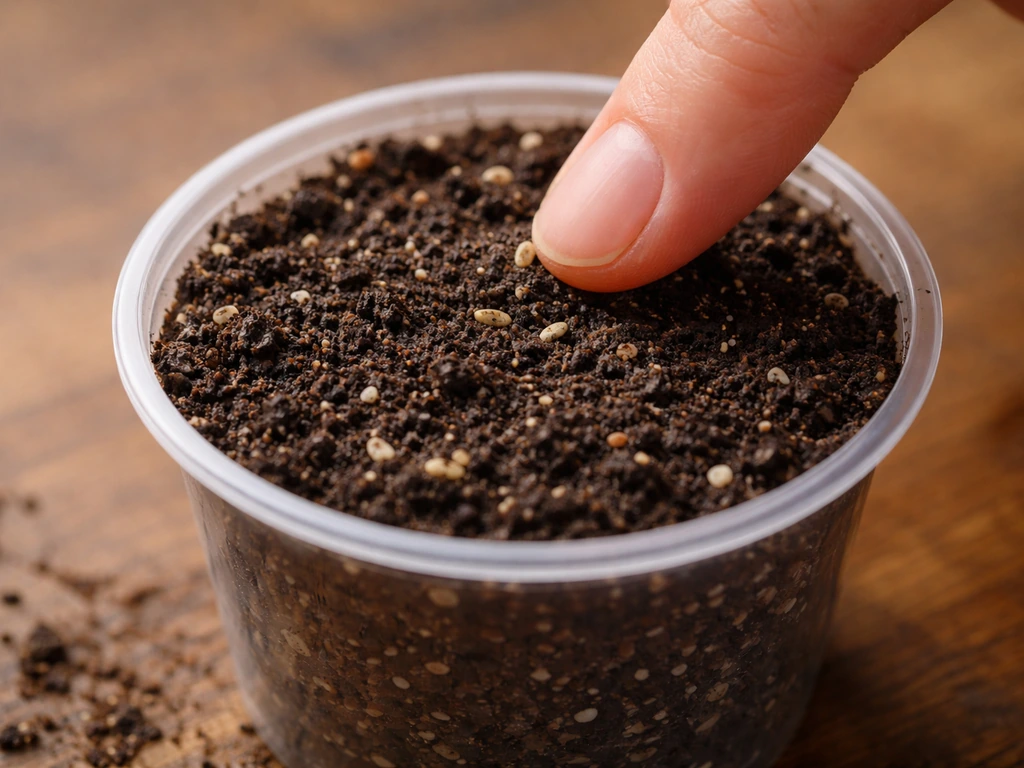
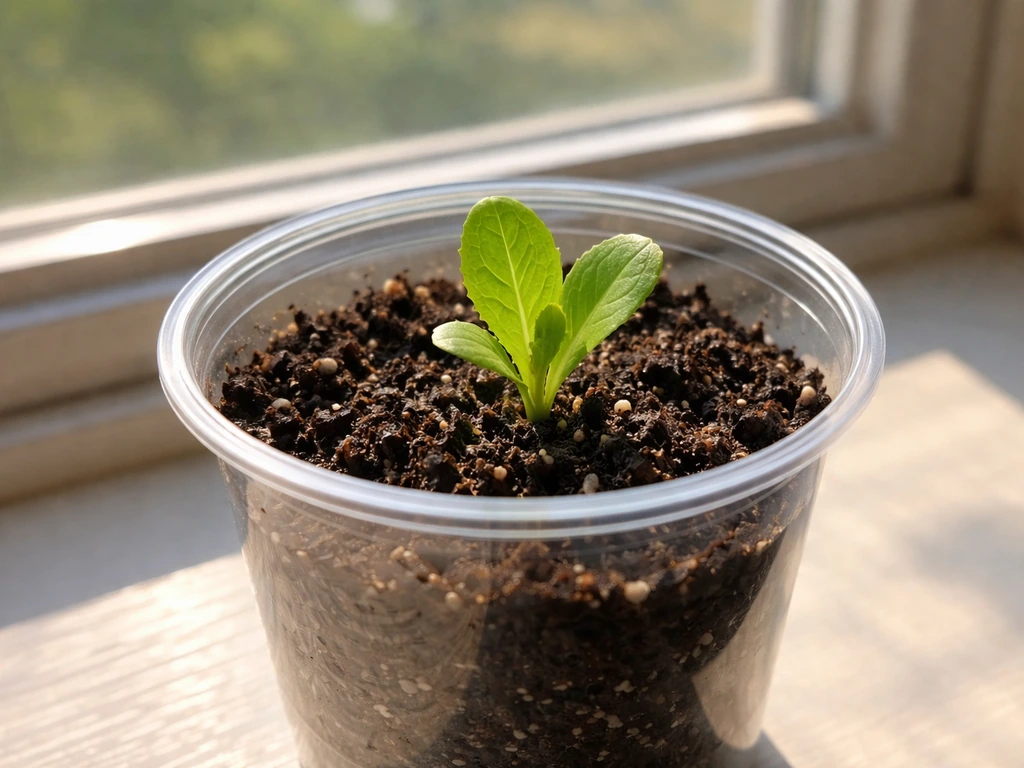
Fill your prepared cup to about 1 inch from the top. Press 2 to 3 seeds into the surface and cover with roughly 1/4 inch of potting mix. Romaine seeds need light to germinate well, so do not bury them deep. This same seed-start method works great for mini romaine lettuce, so you can keep the plants compact and harvest small, tender leaves.
Mist the surface lightly, cover loosely with plastic wrap or a clear bag to hold humidity, and place in a warm spot (65 to 70°F is ideal). You should see sprouts in 7 to 14 days. Once seedlings appear, remove the cover and move them to your brightest spot. When seedlings reach about 2 inches tall, thin down to one plant per cup by snipping the extras at the soil line with scissors.
Pulling them risks disturbing the roots of the plant you want to keep.
Transplanting a seedling
If you have a seedling that is 3 to 5 weeks old (started in a seed tray or small cell), transplanting into a cup shortens your wait. A transplant-to-harvest window can be as short as 30 to 40 days. Plant the seedling at the same depth it was growing before, firm the soil gently around it, and water it in well. Avoid planting too deep as burying the crown can cause rot.
Regrowing from a store-bought base
Placing a cut romaine base in a cup of water is a popular trick, and it does produce new leaves fairly quickly. The regrowth is real but limited because the plant has no root system capable of pulling full nutrition. You will get a flush of small, tender leaves, but the plant will not develop into a full head. Think of it as a bonus harvest, not a replacement for growing from seed. For a full guide on the water-based approach, the topic of how to grow romaine in water covers that method in much more depth. If you want the full step-by-step water method, this guide explains how to grow romaine in water in more depth.
Light and temperature for romaine in a cup
Romaine needs a lot more light than most people give it. Indoors at a window, you need a south or west-facing window that gets at least 6 hours of direct or very bright indirect light per day. An east-facing window often falls short, and north-facing will not work without a grow light. If your seedlings start stretching tall and thin within the first week or two, low light is almost certainly the cause.
A grow light is the most reliable fix for indoor cups. A basic LED grow light kept 4 to 6 inches above the plant for 14 to 16 hours per day will produce compact, healthy growth. Longer days than that can actually trigger bolting, so stick to 14 to 16 hours and give the plant true darkness for the rest.
Temperature matters almost as much as light. Romaine is a cool-season crop that performs best between 60 and 70°F during the day and 45 to 55°F at night. At temperatures above 75 to 80°F, growth slows, leaves become bitter, and the plant starts moving toward bolting. If you are growing outdoors in a warm climate, watch your daytime highs carefully. A cup on a shaded patio in summer will do better than one baking in full afternoon sun. The detailed breakdown of growing romaine in different indoor conditions is covered more fully in the guide on how to grow romaine lettuce indoors.
Watering schedule and avoiding over or underwatering
Cups and small containers dry out fast, especially in warm or sunny conditions. In a hot room or on a sunny balcony, you may need to water once or even twice a day. In a cool indoor space, every other day might be fine. The best way to check is the finger test: press your finger about an inch into the soil. If it feels dry, water. If it still feels moist, wait.
When you water, water thoroughly. Slow, deep watering until water runs out the drainage holes is much better than frequent light sprinkles that only wet the top inch. Light watering trains roots to stay near the surface and starves the lower root zone. After watering, empty any saucer within 30 minutes so the cup is not sitting in water.
Overwatering in a small cup leads to damping off in seedlings, a fungal condition that causes the stem near the soil line to go mushy and collapse. It happens fast and cannot be reversed once it sets in. The fix is preventive: good drainage holes, a well-aerated mix, and resisting the urge to water before the top inch of soil dries out slightly. Good air circulation around your cup also helps reduce the risk. Underwatering causes leaves to go limp and eventually dry out at the tips, and repeated water stress makes the leaves bitter and pushes the plant toward bolting.
Feeding and soil amendments for your cup
Fresh potting mix typically has enough nutrients built in to get you through the first few weeks without adding anything. After about 3 to 4 weeks, or if you notice yellowing on the older (outer) leaves, it is time to start feeding. A diluted balanced liquid fertilizer (something like a 10-10-10 or a general-purpose vegetable formula) applied at half the recommended dose once a week is a straightforward approach. Because you water small cups frequently, nutrients leach out faster than they would in a larger pot, so regular light feeding beats one large dose.
Avoid over-fertilizing with nitrogen-heavy products once the plant is established and you are getting close to harvest. Excess nitrogen late in the game pushes leafy, lush growth but also makes the plant more susceptible to bolting and can produce a strong, slightly bitter taste. If you pre-amended your potting mix with compost, go lighter on added fertilizer since compost releases nutrients slowly as you water.
Harvest timing and how to cut your romaine
Here is a realistic timeline to set your expectations:
| Stage | Approximate Time from Seed |
|---|---|
| Germination | 7 to 14 days |
| Seedling (thinning stage) | 2 to 3 weeks |
| Baby leaf harvest possible | 25 to 35 days |
| Full loose-leaf harvest | 40 to 50 days |
| Mature romaine head (if container is large enough) | 60 to 70 days |
In a small cup, a full romaine head is unlikely because the rooting volume is limited. What you will get are healthy, flavorful leaves that you can harvest continuously. The cut-and-come-again method works well here: use clean scissors to cut outer leaves when they reach 4 to 6 inches long, leaving the inner growth point (the center rosette) completely intact. The plant keeps producing new leaves from the center for several more weeks if you keep up the light, water, and occasional feeding.
If you want a full harvest all at once, cut the entire plant off about 1 inch above the soil line. Sometimes a small stump will regrow a second flush of leaves, but it is unreliable in a cup. A cleaner approach for ongoing production is to succession sow: start a new cup of seeds every 2 to 3 weeks so you always have a plant at the right stage for harvesting.
Troubleshooting common problems in a cup
Leggy, stretched growth
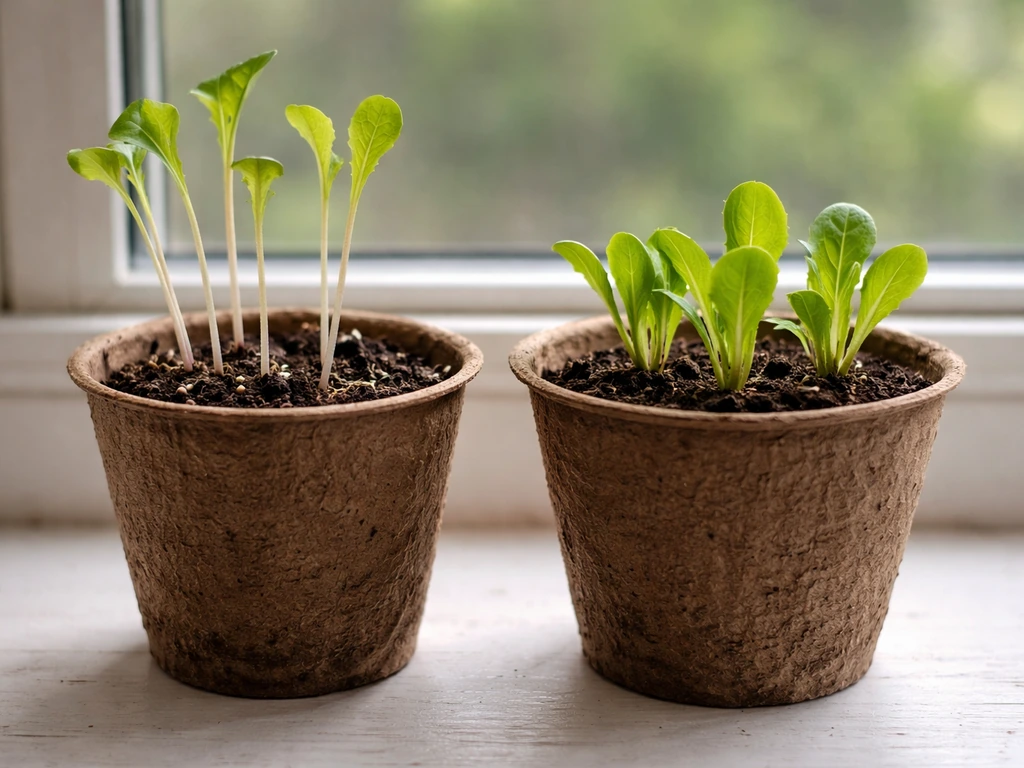
If your seedlings are tall, thin, and floppy within the first 1 to 2 weeks, insufficient light is almost certainly the cause. Long stem sections between leaves are the telltale sign. Move the cup to a brighter window immediately or add a grow light. You cannot undo legginess in a seedling, but catching it early and increasing light will stop further stretching. Leggy seedlings can be transplanted slightly deeper to stabilize the stem.
Bitter leaves
Bitterness in romaine is almost always heat-related or stress-related. If your cup has been sitting in temperatures above 75°F, or if it dried out repeatedly, the plant is likely starting to bolt (shift from leaf production toward flowering). Move it to a cooler location, keep watering consistent, and harvest what you can now. Once bitterness sets in, it does not reverse. Prevention is the key: keep temps in the 60 to 70°F range and never let the soil dry out completely. In Texas, aim for the right seasons and protect plants from extreme heat so your romaine stays leafy instead of bolting how to grow romaine lettuce in Texas.
Bolting
Bolting means the plant is sending up a flower stalk. You will notice a central stem elongating rapidly, leaves getting smaller and more pointed, and the plant getting taller quickly. Heat, long days (more than 16 hours of light), and water stress are the main triggers. If it happens, harvest everything edible immediately before the leaves become completely bitter. To prevent bolting in future cups, keep the plant cool, give it 14 to 16 hours of light (not more), and maintain consistent soil moisture.
Slow growth or small leaves
If your plant is alive but barely growing, check these in order: light first (is it getting at least 6 hours of strong light?), then temperature (is it below 50°F or above 80°F?), then nutrients (has it been more than 4 weeks without feeding?), then container size (is the cup too small and roots are pot-bound?). A cup that is root-bound will stall completely. If you pull the plant out and the roots are circling densely at the bottom, transfer it to a larger container.
Damping off in seedlings
If a seedling suddenly collapses at the soil line with a pinched or mushy stem base, that is damping off. It is caused by fungal pathogens that thrive in overly wet, poorly aerated conditions. There is no saving a plant that has already collapsed. For prevention: use fresh, clean potting mix, do not overwater, make sure drainage holes are clear, and improve air circulation by running a small fan nearby or opening a window. Avoid planting seeds too deeply, as that extra time germinating underground increases exposure time.
Aphids and other pests
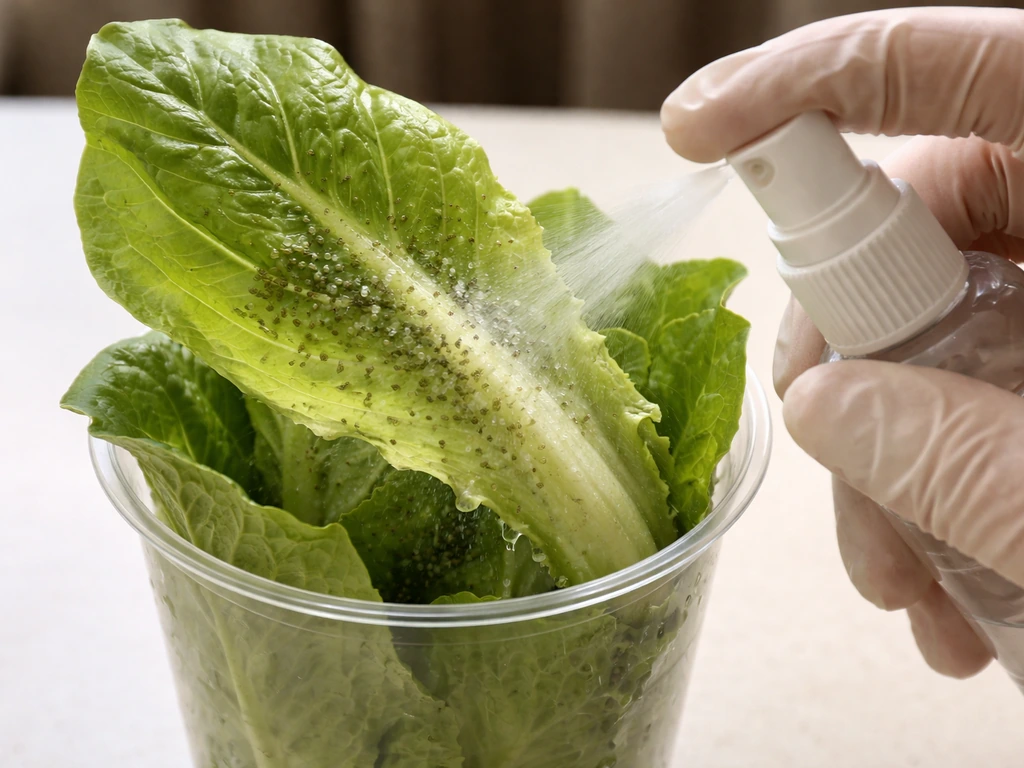
Small clusters of soft-bodied insects on the undersides of leaves or near the center of the plant are almost always aphids. They are the most common pest on indoor and container romaine. A spray of insecticidal soap solution (mixed according to label directions) directly on the affected areas works well and is safe for food crops. Make sure to coat the undersides of leaves where aphids hide. Repeat every 3 to 5 days until the population is gone. Catching them early before populations build is the most important thing.
What to do next once you have the basics down
Once you have successfully grown one cup of romaine, the natural next move is to start two or three cups at staggered intervals so you always have fresh leaves coming. If your single-cup yields feel disappointing, upgrading to a wider, deeper container (think a 6 to 8 inch pot or a window box) will make a noticeable difference in leaf size and how long the plant produces before bolting. The growing principles are exactly the same, just with more root room. If you are interested in exploring different growing setups, the guides on how to grow romaine lettuce indoors and how to grow mini romaine lettuce are worth reading next, since mini varieties are especially well-suited to tight cup-sized spaces.
FAQ
What type of cup is best for growing romaine lettuce, and does material matter?
Use any container that is at least 8 inches deep and has drainage holes, but non-porous plastic dries out more evenly than terra cotta. If you use terra cotta, expect more frequent watering because it wicks moisture through the sides, which can stress the plant and increase bitterness risk.
Can I reuse the same cup and potting mix after a failed attempt?
You can reuse the cup, but sanitize it first (wash, then disinfect) and clear any salt or mush from previous soil. For mix, replace it if you had damping off or root rot, because pathogens can persist in old, contaminated potting mix, especially when moisture was too high.
How do I know if my cup is getting enough light without guessing?
If you see leaves thickening and staying compact, light is probably adequate. If seedlings become tall, thin, and floppy within 7 to 14 days, that is a strong sign the light is too weak, and you should move to a south or west window or raise your grow light closer.
Do I need to soak or pre-germinate romaine seeds before planting in a cup?
No, you can sow directly as long as you keep the surface evenly moist during germination. Pre-soaking can speed things up slightly, but it also increases mold risk in a cup if the surface stays too wet and drainage is poor.
How often should I water when growing romaine in a cup?
Check with the finger test about 1 inch down, water only when it feels dry there, and then water thoroughly until excess drains out. In hot indoor spots or direct sun, daily watering can be necessary, but in cooler rooms every other day is often enough.
What is the correct way to water, and is misting enough?
Misting is fine only for the seedling stage to keep the top lightly moist. After seedlings are established, switch to slow, deep watering so the lower part of the mix gets wet, because frequent surface-only watering trains shallow roots and leads to stress.
Why are my romaine leaves turning bitter, even though I’m watering?
Bitter flavor usually comes from heat and repeated moisture swings. Make sure your day temperatures stay under about 75°F, use consistent watering, and harvest outer leaves earlier. Once bitterness starts, it generally does not fully reverse.
My romaine is bolting, what should I do immediately?
Harvest edible leaves right away before they become completely bitter, and remove the bolting plant’s growing top if you want to slow further leaf decline. For future cups, avoid long photoperiods indoors, keep temperatures cooler, and do not let the soil dry out between waterings.
Can I start romaine seeds and keep them in the same cup the whole time?
Yes, cup-size plants work well for continuous harvest of outer leaves. However, if you want a larger, more head-like plant, you may need more than a single-cup setup, because 1 quart of soil is usually the practical minimum for near-full size.
What should I do if my seedlings are leggy, can I fix it?
You can stop additional stretching by increasing light immediately, using a bright window or a grow light. If the seedlings are still healthy, you can transplant slightly deeper to help them stabilize, but do not bury too far because that can increase rot risk.
How do I fertilize romaine in a cup without overdoing it?
After about 3 to 4 weeks, use a diluted balanced liquid feed at roughly half-strength once per week, then adjust based on leaf color. If older outer leaves are yellowing, feed lightly, but avoid nitrogen-heavy products late in the cycle because that can push bolting and harsher taste.
How do I harvest romaine from a cup without stopping production?
For cut-and-come-again harvest, cut only the outer leaves at about 4 to 6 inches long, leaving the center rosette intact. Use clean scissors each time. If you cut the center, the plant will usually stop producing new leaves.
Can I regrow romaine from a grocery-store head and get multiple harvests?
You will get a small, quick leaf flush, but it usually will not develop into a full head because there is no meaningful root volume. For multiple harvests, treat it as a short bonus and then start a seed or seedling cup to maintain your real supply.
How can I prevent aphids in indoor or balcony romaine?
Check undersides of leaves and the center rosette every few days, aphids often show up there first. If you catch them early, insecticidal soap applied directly to the underside usually works best, and you should repeat every 3 to 5 days until no aphids remain.