You can absolutely grow lettuce in the Philippines, but you have to work with the climate rather than against it. The biggest keys are picking heat-tolerant varieties, using shade netting to drop temperatures by several degrees, and harvesting fast-maturing types before the heat triggers bolting. Loose-leaf and romaine varieties are your best friends here. Set yourself up with those basics and you'll be cutting fresh greens at home within 40 to 75 days depending on what you grow.
How to Grow Lettuce in the Philippines: Complete Guide
Marcus Holloway
3 Jun 2026
If you are wondering how to grow lettuce in Ireland, the approach is similar, but you'll want to plan around Ireland's cooler, wetter seasons and choose suitable varieties and protection. If you're in Australia, the same ideas about variety choice and heat management will help you plan a successful lettuce growing setup grow lettuce in Australia.
Best lettuce varieties for the Philippines climate
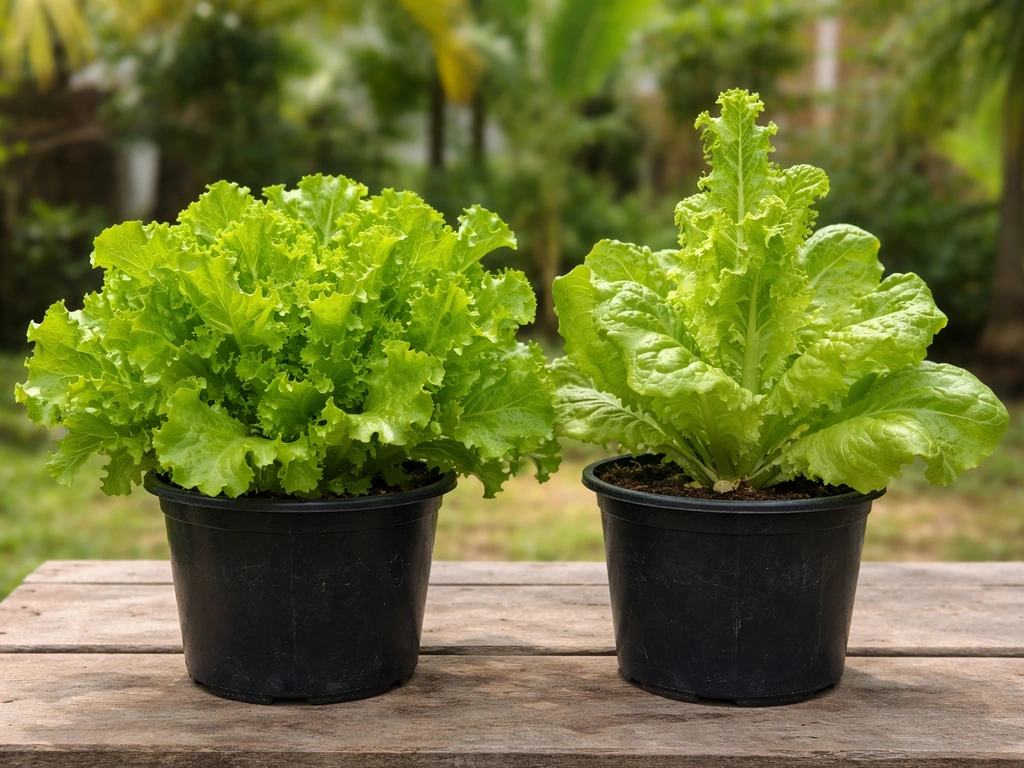
Not all lettuce handles heat and humidity equally, and in the Philippines that distinction matters a lot. Crisphead (iceberg) types are the most heat-sensitive and will bolt and turn bitter before they ever form a proper head. Avoid them unless you have a climate-controlled indoor setup. These are your better options:
- Loose-leaf varieties (green oakleaf, red oakleaf, grand rapids): these are the easiest win in Philippine conditions. They mature in about 40 to 45 days, so you're harvesting before the heat really stresses the plant. They also tolerate partial harvest, meaning you cut outer leaves and keep the plant producing.
- Romaine/cos varieties (Paris Island Cos, red romaine): more heat-tolerant than butterhead and crisphead types. They take around 70 days to full maturity but you can start taking outer leaves much earlier. Good for both containers and raised beds.
- Butterhead varieties (Buttercrunch, Tom Thumb): mature in roughly 55 to 75 days. They're softer-leaved and slightly less heat-resistant than romaine, but they work well in containers under shade where you control the microclimate better.
- Little Gem (a compact romaine/butterhead cross): matures in 50 to 55 days, stays small, and does well in pots and tight spaces—great for apartment balconies.
If you're just starting out, go with a loose-leaf variety first. The short growing cycle means you get results (and confidence) fast, and the forgiving harvest style suits beginners perfectly. Once you know your microclimate, experiment with romaine or butterhead.
Choosing a growing setup
The Philippines gives you a lot of setup options, and each one has a real advantage depending on your space and budget. Here's how to think through each one.
Outdoor ground beds
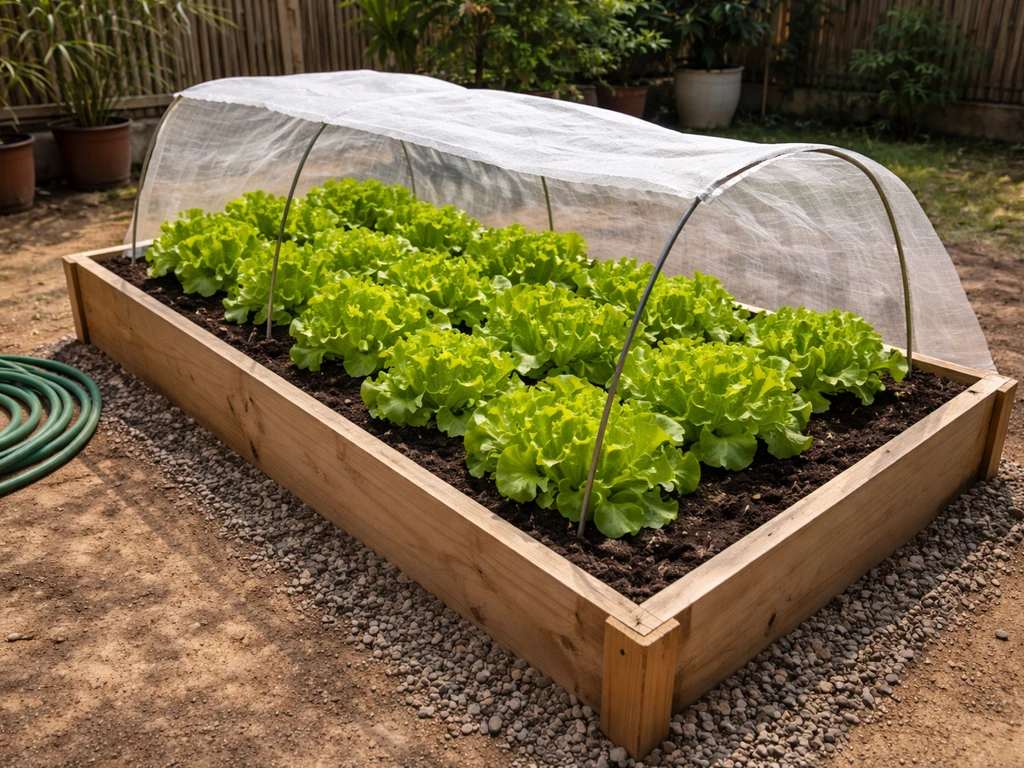
If you have yard space, a raised or in-ground bed works well during the cooler months (November through February is ideal). Prepare the soil well, make sure drainage is excellent, and always use shade netting overhead. Direct-ground growing during the hot dry season (March to May) is hard on lettuce unless you have heavy shade cover.
Containers and balcony setups
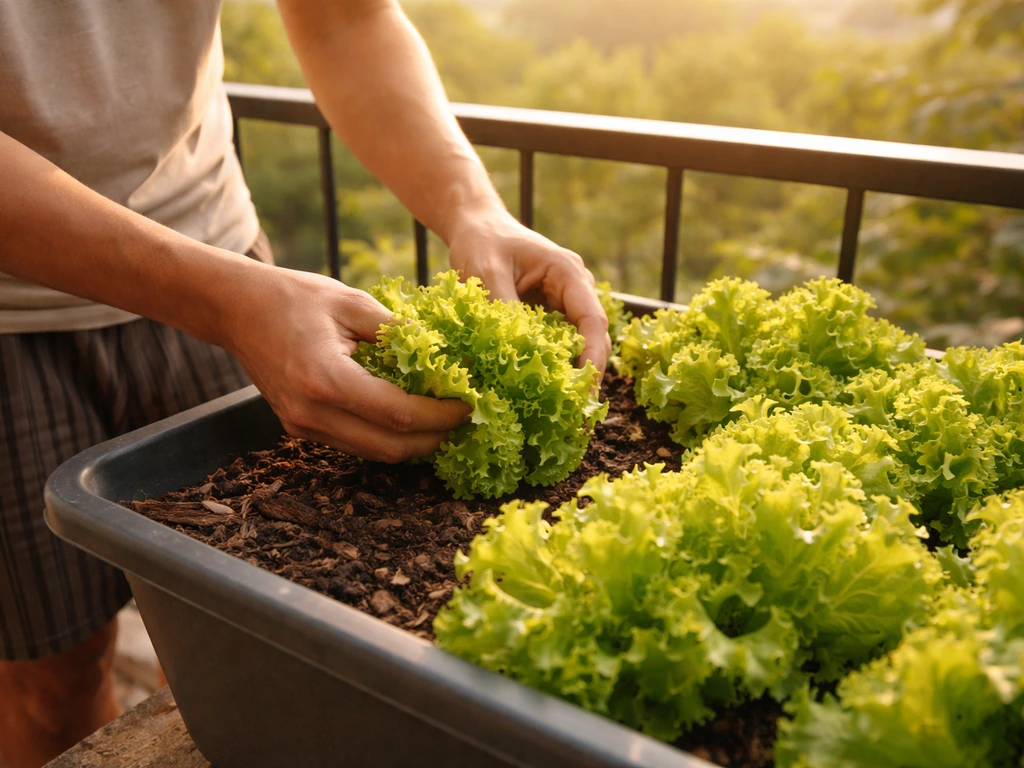
This is honestly the most practical setup for most Filipino home gardeners, especially in urban areas. If you also want a step-by-step visual walkthrough, search for how to grow lettuce on YouTube and follow a channel that matches your setup how to grow lettuce youtube. Pots, grow bags, styrobox containers, and window boxes all work. The advantage is mobility: you can move plants out of harsh afternoon sun, bring them inside during typhoons, and position them wherever conditions are best. Use containers at least 20 to 25 cm deep for good root development.
Indoor growing
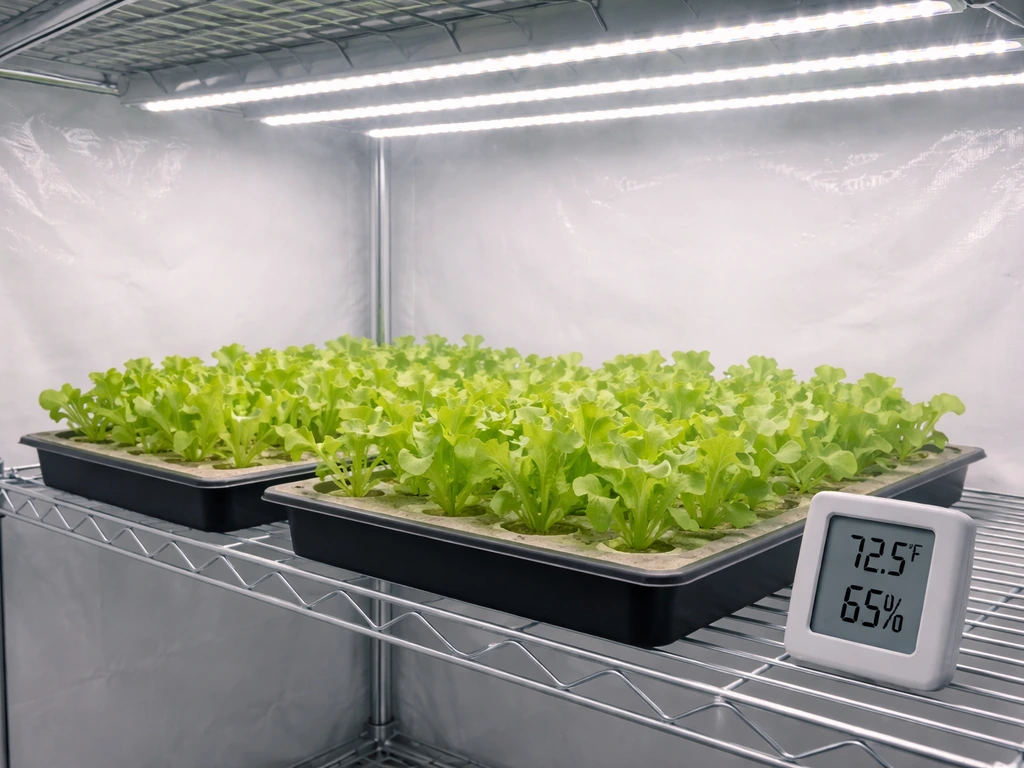
Growing lettuce indoors under LED grow lights lets you sidestep the Philippine heat almost entirely. You control temperature, light hours, and humidity. It requires upfront investment in lights but gives you year-round production regardless of season or typhoon weather. This approach is particularly good if you live in a condo or apartment with no outdoor space.
Hydroponics
Hydroponics has taken off in the Philippines because it solves several local problems at once: no soil-borne pests, faster growth, and more control over nutrients. NFT (nutrient film technique) and kratky (passive hydro, no pump needed) systems are both popular for home lettuce growers here. Lettuce is actually one of the easiest crops to grow hydroponically, and if you're curious about it, it's worth the learning curve. Growth rates in hydro are noticeably faster than in soil.
Site conditions: light, temperature, airflow, and shade
Lettuce wants about 6 hours of light daily, but in the Philippines the intensity of that sun is the real issue, not the duration. Direct midday sun in lowland areas will cook your lettuce, especially during the dry season. Here's how to manage each factor: If you want a complete, step-by-step walkthrough, see the how to grow lettuce pdf guide for a printable planting plan and timelines.
| Factor | Ideal condition | Philippine reality + fix |
|---|---|---|
| Light | 6 hours daily, moderate intensity | Filter midday sun with 30–50% shade netting; morning sun (before 10am) is fine |
| Temperature | 15–22°C for best growth | Lowland PH averages 28–35°C; use shade cloth, water in cool hours, grow highland varieties or use indoors/aircon |
| Airflow | Good air movement reduces disease | In humid rainy season, space plants well and avoid crowding to reduce fungal pressure |
| Rain/monsoon | Consistent moisture is good; waterlogging is not | Ensure raised beds or containers drain freely; cover pots during heavy rain to prevent rot |
If you're in Benguet, Bukidnon, or other highland areas, you're in luck: temperatures there are close to ideal for lettuce, and you can grow almost year-round with minimal shade intervention. In Metro Manila, Cebu, Davao, and other lowland areas, shade netting is non-negotiable during most of the year. A 40 to 50% shade net makes a real difference and is inexpensive to set up over a small bed or container area.
Planting lettuce: seeds vs seedlings, spacing, soil, and depth
Seeds vs seedlings
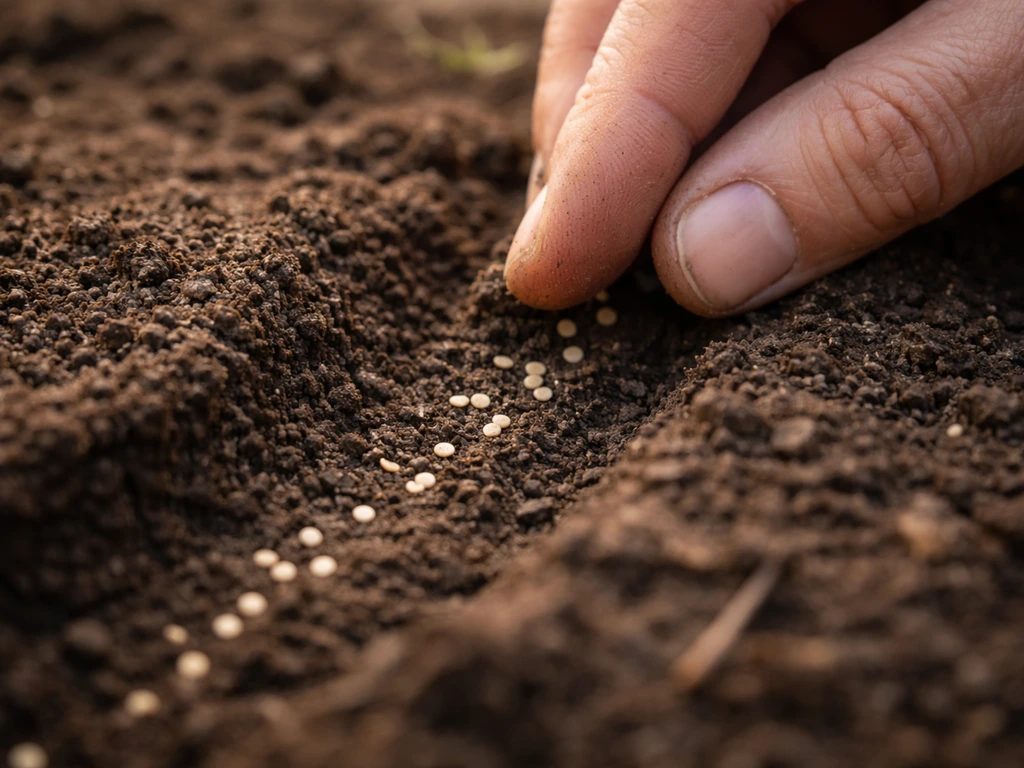
You can start from seed or buy seedlings from a nursery. Starting from seed is cheaper and gives you more variety options, but it adds about 2 to 3 weeks to your timeline. Sow seeds in a small tray or seedling tray first, keep them in a shaded, sheltered spot, and transplant when they have 3 to 4 true leaves and a solid root system. Don't transplant fragile sprouts with only 1 or 2 leaves; they won't survive the stress well. If you buy seedlings from a local nursery, check the roots before buying, they should be firm and white, not brown and mushy.
Seed depth and germination
Sow seeds no more than ¼ inch (about 6mm) deep. Lettuce seeds are tiny and need light to germinate properly, so planting too deep is a common beginner mistake. In Philippine temperatures (typically 28 to 32°C in lowland areas), germination happens in about 7 to 10 days if you keep the seedling tray moist and shaded. If your area is very hot, soak seeds overnight before sowing to speed things up.
Spacing
For full heads (romaine, butterhead), space plants 10 to 12 inches apart with rows at least 18 inches apart. For loose-leaf varieties harvested by the cut-and-come-again method, you can get away with slightly tighter spacing, around 6 to 8 inches between plants. Overcrowding in Philippine humidity is a fast track to disease, so don't be tempted to squeeze too many plants in.
Soil and growing medium
Lettuce needs loose, well-draining soil with good organic matter. In the Philippines, a mix of garden soil, compost, and cocopeat (about 1:1:1) works really well, and cocopeat is widely available locally. It holds moisture without waterlogging, which is exactly what you want during the rainy season. For containers, a commercial potting mix amended with compost is fine. Aim for slightly acidic to neutral pH, around 6.0 to 7.0. Avoid heavy clay soils, which compact easily and hold too much water during monsoon rains.
Watering and nutrition schedule
Lettuce is about 95% water, so consistent moisture is critical, but sitting in waterlogged soil will kill it. In the Philippine climate, you'll typically water once daily during the dry season, usually in the early morning. During the rainy season, natural rainfall often covers most of your watering needs, but check soil moisture daily anyway because container soil can dry out faster than you think under a covered area.
A simple rule: stick your finger about an inch into the soil. If it's dry at that depth, water it. If it's still moist, skip the day. Never let lettuce completely dry out, but also never let it sit in water. Good drainage is your insurance policy.
Feeding schedule
Lettuce is a fast-growing, leafy crop, so it needs consistent nitrogen to produce lush, green leaves. Here's a simple schedule that works well for Philippine home growers:
- At planting: mix compost or vermicast into the soil or container mix as a base nutrient source.
- Week 2 to 3 after transplanting: apply a diluted liquid fertilizer high in nitrogen (like fish emulsion or a balanced liquid fertilizer at half strength). Foliar spray works well for container plants.
- Week 4 to 5: repeat the liquid feeding. If leaves are yellowing, increase nitrogen slightly.
- Week 6 onwards: for slow-maturing varieties (romaine, butterhead), continue every 10 to 14 days. For fast loose-leaf types, you may already be harvesting by now.
For hydroponic setups, use a balanced lettuce nutrient solution (EC around 1.2 to 2.0 mS/cm, adjusting up slightly in heat) and keep pH between 5.5 and 6.5. Mix strength and frequency depend on your system, but check and top up the reservoir every 2 to 3 days in warm weather when evaporation is high.
When and how to harvest, succession planting, and storage
Harvesting
Loose-leaf varieties are ready to start harvesting as early as 30 to 40 days after transplanting. Use the cut-and-come-again method: harvest the outer leaves when they're big enough to eat (usually about the size of your hand), and leave the inner growing point intact. The plant will keep producing new leaves. You can get multiple harvests this way before the plant eventually bolts.
For romaine and butterhead, you can either harvest the whole head at 60 to 70 days or do what I do with butterhead: take outer leaves regularly from around day 45 onward and then cut the whole head before it bolts. Always harvest in the early morning when leaves are crisp and hydrated, not in the heat of the afternoon.
Watch for signs that bolting is about to happen: the center of the plant starts growing tall and pointed rather than compact, and leaves begin to taste bitter. Once you see that, harvest everything immediately. Bolted lettuce is not worth waiting on.
Succession planting
If you want a continuous harvest instead of one big flush and then nothing, succession planting is the answer. Start a new tray of seeds every 2 weeks. By the time you're harvesting the first batch, the second batch is ready to transplant, and so on. For Philippine conditions, this rolling system also helps you time plantings to avoid the worst heat peaks of the dry season (March to May) and typhoon months (June to October). During the rainy season, focus on fast-maturing loose-leaf varieties so you're not fighting disease pressure on slow-growing heads for 70-plus days.
Storing fresh lettuce
After harvesting, get the lettuce into your refrigerator as quickly as possible. Store it at 0 to 2°C (32 to 36°F) with high humidity, around 90 to 100% relative humidity ideally. A practical home method: wrap unwashed leaves loosely in a slightly damp paper towel, put them in a zip-lock bag or sealed container, and refrigerate. Romaine stored this way stays fresh for up to 21 days; loose-leaf types are best used within 5 to 7 days. Don't wash until just before eating, as excess moisture accelerates decay.
Common problems in the Philippines and how to fix them
Bolting (early flowering)
This is the number one problem for Philippine lettuce growers. When temperatures consistently hit 30°C and above, lettuce shifts from leaf production to flowering (bolting), and the leaves become bitter and inedible. The fix is a combination of prevention and speed: choose fast-maturing varieties, use 40 to 50% shade netting to reduce heat stress, water consistently in the morning, and harvest early rather than waiting for a 'perfect' head. If your plants are bolting frequently, consider switching to a fully indoor setup with grow lights, or limit outdoor growing to the cooler months.
Aphids
Aphids are a very common pest on Philippine lettuce, especially in dry, warm conditions. They cluster on the undersides of leaves and the growing tip, sucking plant sap and causing leaves to curl and yellow. If you catch them early, a strong stream of water can knock them off. For persistent infestations, spray with insecticidal soap or diluted neem oil, making sure to cover the undersides of leaves. Spray in the early morning or late afternoon, never in full midday heat, and repeat every 5 to 7 days. Try to preserve beneficial insects like ladybugs, which are natural aphid predators.
Semiloopers (caterpillars)
The DA-ATI in the Philippines specifically lists semiloopers alongside aphids as key lettuce pests. These are the looping caterpillars that chew ragged holes through leaves, especially during the rainy season. Check plants daily and pick off caterpillars by hand if numbers are small. For larger infestations, Bt (Bacillus thuringiensis) spray is an effective, low-toxicity option that targets caterpillars without harming humans or beneficial insects.
Snails and slugs
During the monsoon season, snails and slugs become a serious problem, especially for ground beds and containers at ground level. They eat large chunks out of leaves overnight. Use snail and slug bait (metaldehyde or iron phosphate pellets, available locally at garden shops) scattered around the base of plants. Repeat applications about once a week for two to three weeks to break the cycle. Keeping the area around your plants clear of debris also removes their daytime hiding spots.
Downy mildew
Downy mildew thrives in exactly the conditions the Philippines provides: warm temperatures, high humidity, and wet leaves. You'll see pale green or yellow spots on the upper leaf surface and a grayish or purplish fuzzy growth on the underside. It spreads fast in rainy weather. Prevention is key: space plants properly for airflow, avoid wetting leaves when watering (water at the base), and remove infected leaves immediately. A copper-based fungicide applied early can help slow spread. If the whole planting is badly affected during a prolonged wet spell, it's often better to harvest what you can, clear the bed, and replant with fresh plants after improving drainage and air circulation.
Septoria leaf spot and other fungal issues
Septoria leaf spot becomes a serious issue after prolonged periods of high humidity and frequent rainfall, making it a real monsoon-season threat. It appears as small, irregular brown or tan spots on leaves. Like downy mildew, the management approach is the same: improve airflow, avoid overhead watering, remove affected leaves promptly, and use a copper fungicide as a preventative during extended rainy periods.
The DA-ATI also notes that lettuce is susceptible to general fungal rotting, particularly at the base, if you see plants collapsing at the stem with a dark, mushy rot, that's likely Pythium or a similar soilborne pathogen, typically caused by overwatering or poor drainage. Fix drainage first, and consider using a different, fresh growing medium for the next planting.
Growing lettuce in the Philippines is genuinely doable, and once you've done it once, you'll get faster and more confident with each planting. If you want step-by-step guidance tailored to New Zealand conditions, check our guide on how to grow lettuce nz. If you're wondering how to grow lettuce in Palworld specifically, the same basic ideas about light, timing, and protecting crops from harsh conditions help you plan efficiently.
Start with a loose-leaf variety, get your shade situation sorted, and do your first succession planting two weeks in. You'll have fresh lettuce on the table more consistently than you'd expect. Growers in tropical climates like South Africa and India face similar heat and humidity challenges, and the same core principles apply: fast varieties, shade management, and succession planting are the universal solutions for hot-climate lettuce success.
Growers asking how to grow lettuce in India can use the same core playbook: choose heat-tolerant varieties, manage shade, and do succession planting South Africa and India. If you want the full, step-by-step guide for your local conditions, see how to grow lettuce in South Africa. If you need a full step-by-step plan for your local conditions, see our guide on how to grow lettuce in South Africa.
FAQ
When is the best time to start lettuce seeds or seedlings in the Philippines?
Yes. For Philippines lowlands, aim to transplant seedlings during the cooler or less rainy stretches (often late October to February). If you must plant in hotter months, use 40 to 50% shade netting immediately after transplant and plan to harvest quickly, since bolting can begin sooner than expected.
How can I prevent lettuce from bolting if I still want romaine or butterhead?
Don’t wait for perfect heads in hot weather. For romaine and butterhead, harvesting outer leaves first (instead of holding for full tight heads) buys time and reduces the chance the plant flips to flowering before you finish using it.
What’s the safest transplant size for lettuce seedlings in Philippine conditions?
If you use seed trays, transplant only when you have 3 to 4 true leaves and a root ball that holds together. If seedlings feel easy to pull or the roots are sparse, give them extra days in the tray, because stressed transplants in Philippine heat often fail or bolt early.
Can I grow lettuce in the tropics without being able to move containers or adjust shade?
Yes, but treat it as a stopgap. In-ground or container lettuce exposed to scorching afternoon sun often needs relocation or added shade during peak hours. If your setup cannot move (like a fixed bed), raise the shade net height and create a longer shaded window around 11 a.m. to 3 p.m.
What is the best way to water lettuce to avoid fungal problems?
Choose the irrigation method based on drainage and disease risk. For soil or containers, water at the base and avoid wetting leaves to reduce mildew and leaf spots. If you’re using sprinklers, switch to morning schedules and consider a simple drip line to keep foliage drier.
How do I know if my lettuce is getting too much sun even with shade netting?
Light is less about the number of hours in the tropics and more about intensity. If leaves get pale, scorched, or wilted during midday, increase shade or raise the netting. A quick test is to check leaf condition after 2 to 3 days in the same spot, then adjust shade accordingly.
What should I watch for when growing lettuce hydroponically in the Philippines heat?
Hydroponic tip: keep roots oxygenated and avoid letting nutrient solution warm up. In warm Philippine weather, shade or insulate the reservoir and check pH and EC more frequently during hot afternoons, since lettuce can react with slow growth or bitterness when conditions drift.
How do I plan succession planting so I don’t lose everything to one disease or heat spike?
Use multiple small successions, not one big planting, and align spacing with your variety. Loose-leaf plants can be closer, but do not overcrowd, since high humidity can spread downy mildew quickly. If you see the first spots, increase airflow immediately and remove affected leaves.
Is it okay to use a lot of compost or cocopeat in containers during the rainy season?
Yes, but only when you control moisture. Lettuce can rot from standing water, so if using compost-heavy mixes, ensure cocopeat or coco-based components are balanced and the container has strong drainage holes. Always check that the bottom isn’t staying soggy after heavy rain.
How should I harvest and store lettuce so it lasts longer in the Philippines climate?
For harvest timing, pick when leaves are crisp, usually early morning, and refrigerate promptly. If you need to delay, keep harvested leaves shaded and cool, don’t let them sit warm, since warm storage speeds up decay and bitterness.