You can grow lettuce almost anywhere in New Zealand, year-round, with the right variety and a bit of timing know-how. Sow cool-season varieties like cos, butterhead, and looseleaf types from late summer through autumn and again in early spring, keep soil consistently moist, give them at least 6 hours of light, and you'll be cutting leaves in as little as 30 days. To learn the best timing for your area in the Philippines and avoid common lettuce issues, see our guide on how to grow lettuce in the Philippines cutting leaves in as little as 30 days. The main thing that kills NZ lettuce crops isn't neglect, it's heat. Pick the wrong time or the wrong spot, and your plants bolt before you've had a single salad.
How to Grow Lettuce NZ: Varieties, Planting, Timing
Marcus Holloway
17 Jun 2026
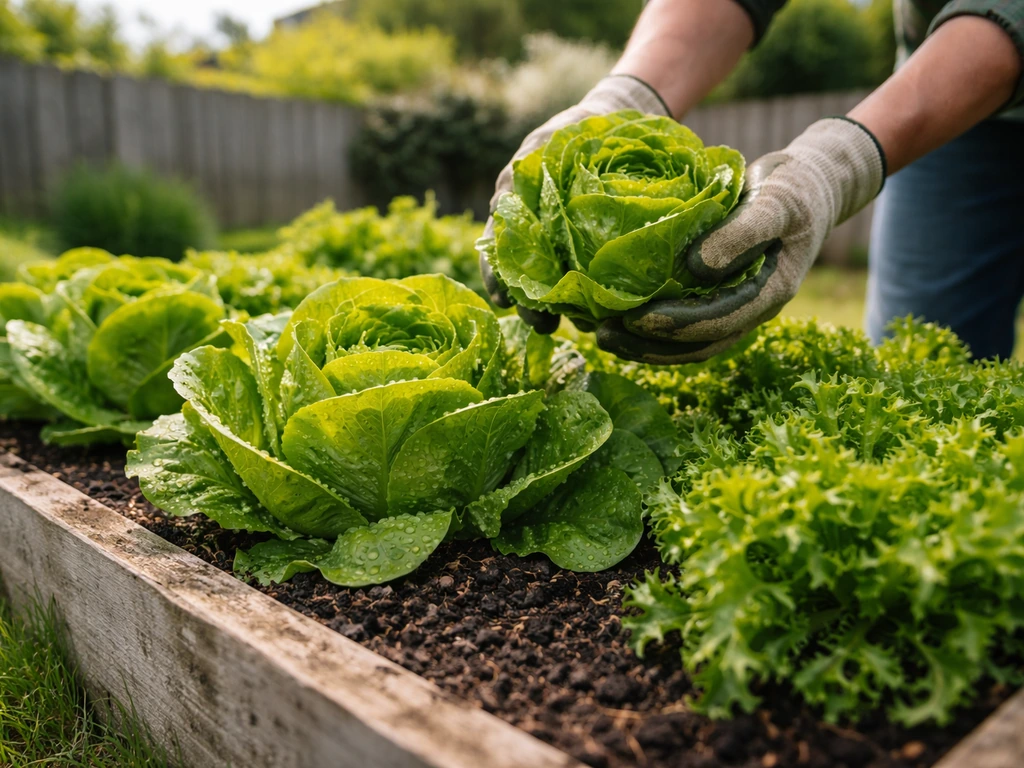
Best lettuce varieties for NZ conditions
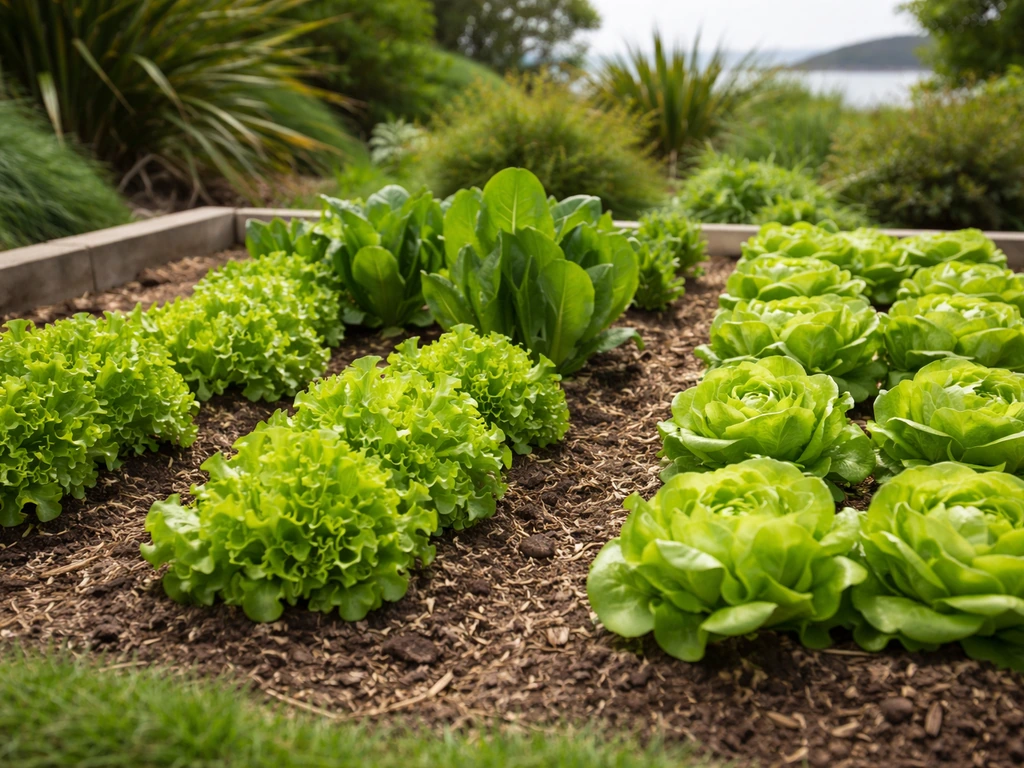
Not every variety handles the NZ climate equally well. Summer heat, coastal humidity, and the swing between warm days and cool nights all influence which types thrive. Here are the categories worth focusing on, with specific picks that perform well locally.
Looseleaf and cut-and-come-again types
These are the most forgiving option, especially for beginners. 'Cocarde' is one of my favourites, an heirloom looseleaf that's notably slow to bolt, giving you baby leaves from around 30 days and full maturity at roughly 60 days. That bolt resistance makes it useful well into spring when temperatures start climbing. Other good looseleaf picks include Oak Leaf (red or green), Lollo Rossa, and mixed mesclun blends. Cut leaves from the outside, and the plant keeps producing.
Cos and romaine types
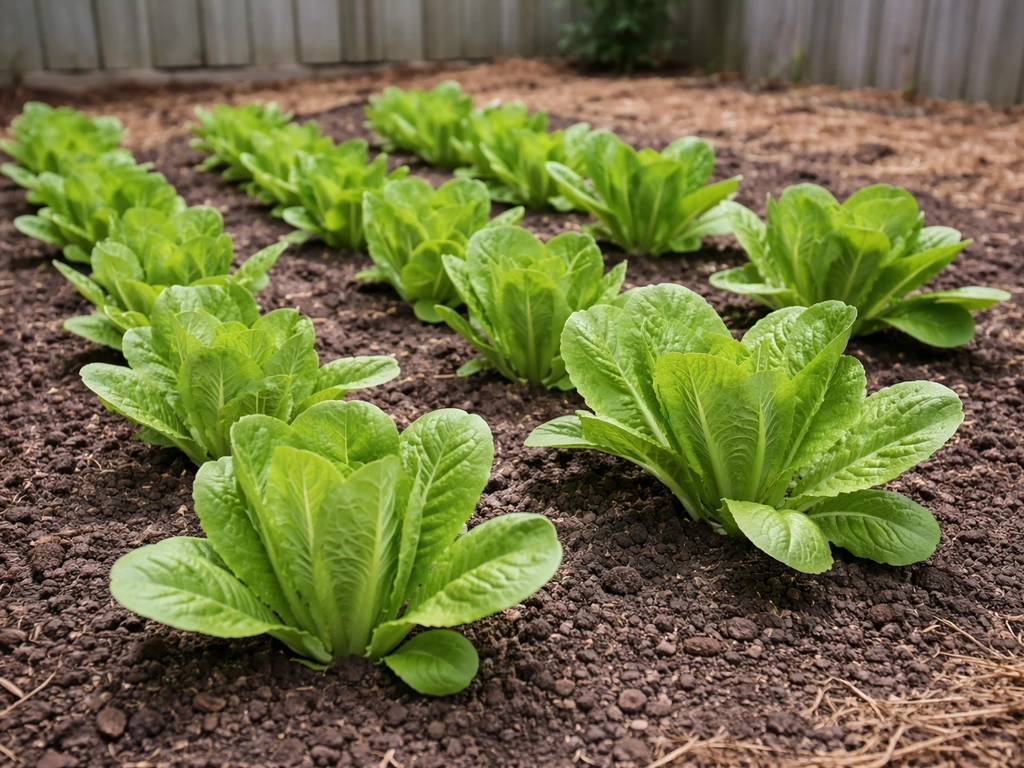
Cos lettuce suits NZ conditions well, particularly in spring and autumn. Green Cos is widely available from NZ seed suppliers and performs best when sown in spring or autumn, avoiding the hottest summer months. If you want something more compact, Tamago is a mini green cos variety with heads around 17 to 20cm tall, harvesting earlier and fitting nicely in containers or tight beds. It's worth noting it's an open-style head, so it's more forgiving to grow than tight crisphead types.
Butterhead and crisphead types
Butterhead varieties like Buttercrunch and Yatesdale are popular for their soft, sweet leaves and relatively compact heads. Yatesdale in particular has disease-resistant breeding, which is useful in humid NZ conditions. Crisphead (iceberg) types are the least recommended for home growers because they need a long, consistently cool growing season to form tight heads properly. Stick to butterhead if you want the same texture with far less fuss.
| Variety type | Best NZ season | Days to harvest | Bolt resistance | Best use |
|---|---|---|---|---|
| Cocarde (looseleaf) | Spring, Autumn, mild Winter | 30 (baby), 60 (full) | High | Cut-and-come-again, containers |
| Green Cos | Spring, Autumn | 55–70 | Medium | Outdoor beds, containers |
| Tamago (mini cos) | Spring, Autumn | 45–55 | Medium | Small spaces, pots |
| Butterhead / Buttercrunch | Autumn, Spring | 55–70 | Medium-low | Outdoor beds |
| Yatesdale | Spring, Autumn | 60–75 | Medium (disease resistant) | Outdoor beds, humid areas |
| Oak Leaf / Lollo Rossa | Spring, Autumn, mild Winter | 30–50 | High | Containers, indoor, raised beds |
Setting up your outdoor growing space

Soil preparation
Lettuce has shallow roots and needs loose, well-draining soil with plenty of organic matter. Dig in compost before planting, aiming for a fine, crumbly texture. If your soil is heavy clay, raised beds or containers are a much better bet than fighting the drainage issue. A slightly acidic to neutral pH of around 6.0 to 7.0 is ideal. Mulching around your plants once they're established helps keep the soil moisture consistent and, importantly, keeps roots cool during warmer spells. If you’re growing lettuce in South Africa, use the same basics but pay extra attention to heat management with afternoon shade and consistent moisture.
Raised beds
Raised beds are one of the best setups for lettuce in NZ. You control the soil quality completely, drainage is excellent, and you can position them to get morning sun with afternoon shade in summer, which delays bolting. If you are looking at how to grow lettuce in Ireland, raised beds are also a great option because you can manage drainage and position plants for the best sun and protection from wet weather. Fill with a good quality veggie mix or blend two-thirds compost with one-third topsoil. Beds 30cm deep are plenty for lettuce. A bed that's 1.2m wide lets you reach the middle without stepping on your soil.
Container growing outdoors
Containers work brilliantly for lettuce, especially on balconies or patios. If you want step-by-step visuals for how to grow lettuce in your space, this guide also pairs well with the “how to grow lettuce youtube” style video walkthroughs. Use pots at least 20cm deep and wide. A window box 60cm long can easily hold 4 to 6 looseleaf or cos plants. Use a quality potting mix (not garden soil, which compacts in pots) and ensure the container has drainage holes. Because pots dry out faster than garden beds, you'll need to check moisture daily in warm weather. The upside is you can move the pot into shade on hot days to slow bolting.
Growing lettuce indoors in NZ
Windowsill growing
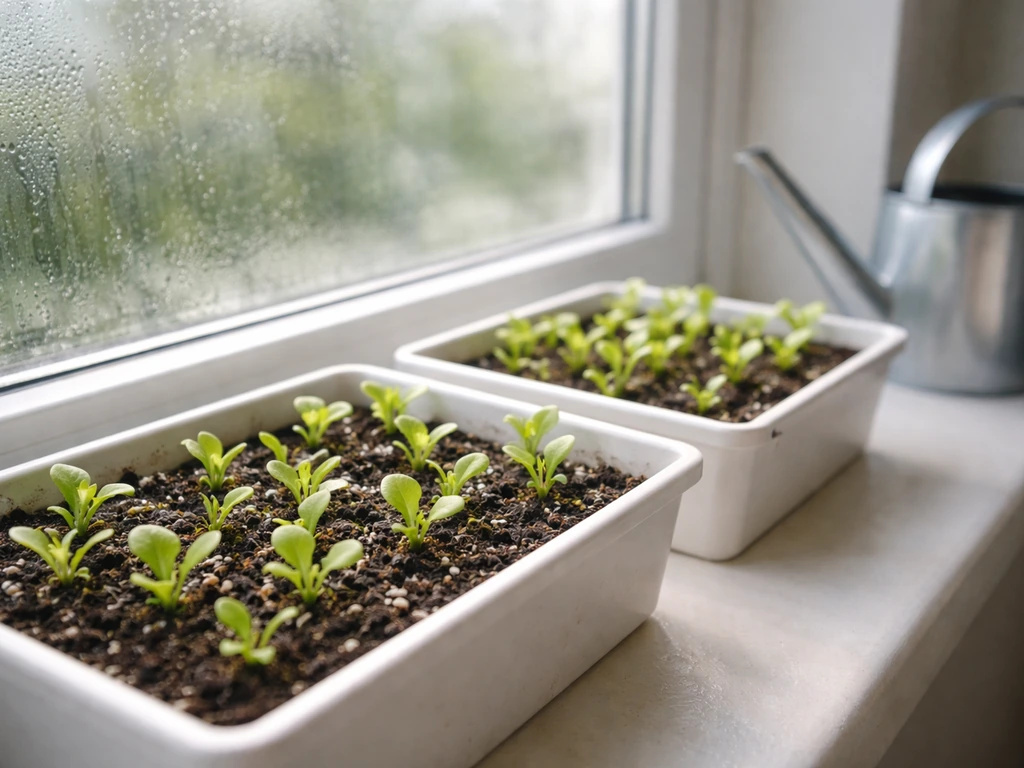
A north-facing windowsill (north-facing gets the most sun in the Southern Hemisphere) can sustain lettuce through autumn and winter when outdoor temperatures drop. Use shallow containers 15 to 20cm deep, filled with seed raising mix or a fine potting mix. Looseleaf varieties like Oak Leaf or Lollo Rossa work best indoors because they don't need to form a head. Expect slightly slower growth than outdoors due to lower light intensity, but baby leaves are still achievable in around 35 to 45 days from a good window.
Using grow lights
If your windowsill doesn't get enough direct light, a simple LED grow light changes everything. Lettuce needs around 12 to 16 hours of light per day indoors under artificial lighting. Full-spectrum LED panels designed for vegetables work well, and you don't need anything expensive. Position the light 15 to 30cm above the plants and use a timer so you're not guessing. Under grow lights, looseleaf lettuce can produce faster than outdoors in winter because temperatures are stable and light is consistent. This is a great setup for apartment growers.
Starting seeds indoors for transplanting
If you're planning to transplant into an outdoor bed, start seeds in trays indoors using a quality seed raising mix. If you prefer, you can also use a lettuce grow guide in PDF form to follow the steps from seed to harvest. A formulation like Yates Black Magic Seed Raising Mix works well because it's designed for this purpose and includes fungicide protection that helps prevent damping-off diseases like pythium, which can wipe out a tray of seedlings fast. Sow seeds about 5mm deep, water gently, and keep the tray in a warm spot (18 to 22°C is ideal for germination). Transplant seedlings when they're 3 to 4cm high, which usually takes 2 to 3 weeks.
Hydroponics and fast-growing systems
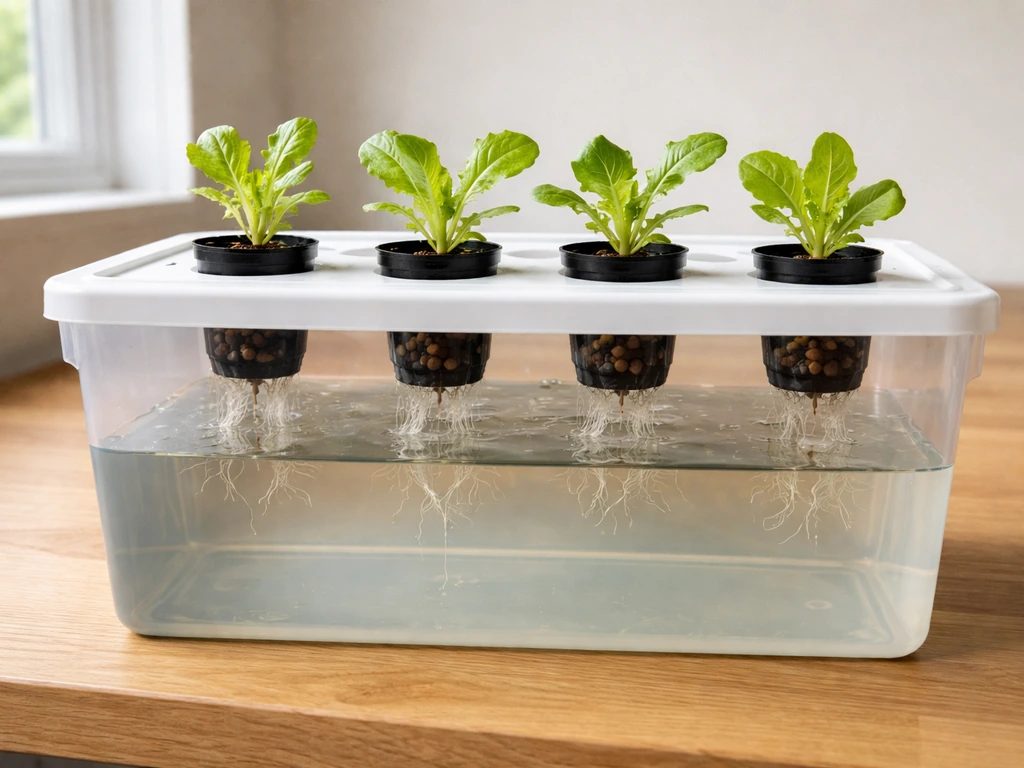
Lettuce is one of the best vegetables for hydroponic growing, and NZ has a growing community of home hydroponic growers. If you meant Palworld, you can use the same lettuce basics, then apply Palworld-specific farming steps for the best results how to grow lettuce in Palworld. The most common systems for home use are NFT (nutrient film technique), DWC (deep water culture), and simple Kratky passive setups. Lettuce thrives in all three, and the results are faster than soil. Under good conditions, looseleaf lettuce can be ready to cut in 25 to 35 days in a hydroponic system.
Simple Kratky system
The Kratky method is the easiest entry point for beginners. You fill a container (even a mason jar or plastic tub works) with diluted hydroponic nutrient solution, suspend a net pot with the seedling so roots just touch the water, and as the plant drinks the solution, an air gap forms that keeps roots oxygenated. No pump, no electricity needed. It's genuinely low maintenance and grows excellent lettuce indoors. Top up the solution every week or two and keep the container away from direct sunlight to prevent algae.
What you need to get started
- A container or purpose-built NFT/DWC kit
- Net pots and growing medium (rockwool cubes or hydroton clay pebbles)
- Hydroponic nutrient solution formulated for leafy greens
- pH testing kit (target pH 5.5 to 6.5 for lettuce)
- A grow light if growing indoors (lettuce needs 12 to 16 hours under lights)
- Looseleaf or cos lettuce seeds (bolt-resistant varieties like Cocarde are ideal)
Planting, spacing, and the NZ crop calendar
When to sow in New Zealand
The NZ climate varies significantly from Northland to Southland, but the general planting windows are consistent: sow in late summer to autumn (February to April) for a cool-season autumn and winter crop, and sow again in spring (August to October) for a spring harvest before summer heat kicks in. If you are growing in a warmer Indian climate, the key steps for temperature, timing, and moisture align closely with how to grow lettuce in india. In milder Northern regions, you can get away with sowing year-round by choosing sheltered spots in winter and shaded positions in summer. In cooler southern areas, focus your main sowing on spring and late summer.
| Region | Main sow window 1 | Main sow window 2 | Harvest window | Notes |
|---|---|---|---|---|
| Northland / Auckland | Feb–May | Aug–Oct | Year-round with care | Can sow year-round; shade needed Dec–Feb |
| Waikato / Bay of Plenty | Feb–May | Aug–Oct | Mar–Jun, Sep–Nov | Protect from frost in winter |
| Wellington / Hawke's Bay | Mar–Apr | Aug–Sep | Apr–Jun, Sep–Nov | Wind protection important |
| Nelson / Marlborough | Feb–Apr | Aug–Oct | Apr–Jun, Sep–Nov | Good growing climate overall |
| Canterbury / Otago | Mar–Apr | Sep–Oct | Apr–May, Oct–Nov | Shorter windows; frost risk June–Aug |
| Southland | Mar–Apr | Sep–Oct | Apr–May, Oct–Nov | Frost hardy varieties preferred in winter |
Sowing and spacing
Direct sow seeds 5mm deep and about 2cm apart, then thin seedlings to final spacing once they're a few centimetres tall. Looseleaf varieties can grow as close as 15 to 20cm apart. Cos and butterhead types that form heads need 25 to 30cm between plants. If you're transplanting seedlings started in trays, wait until they're 3 to 4cm tall (usually 2 to 3 weeks from germination), harden them off for a few days by leaving them outside in a sheltered spot, then plant at the same spacings. Water in well with a diluted liquid fertiliser at transplant time to reduce transplant shock.
Succession sowing for continuous harvest
Rather than sowing one big batch, sow small amounts every 2 to 3 weeks during your growing window. A single tray of 10 to 15 seedlings every fortnight gives you a steady supply rather than a glut followed by nothing. This is one of the most practical things you can do for consistent fresh lettuce.
Light, temperature, and watering
Light requirements
Outdoors, lettuce needs a minimum of 6 hours of direct sunlight per day for good growth. In summer, afternoon shade actually helps more than it hurts, since it slows bolting. In winter, maximise sun exposure by positioning beds or containers against a north-facing wall or fence. Indoors, a north-facing window is your best natural option. Under grow lights, provide 12 to 16 hours per day using full-spectrum LEDs.
Temperature
Lettuce is a cool-season crop that grows best between 10 and 20°C. It tolerates light frosts (down to about -2°C briefly) but will bolt quickly once daytime temperatures consistently exceed around 24°C and nights stay above 15°C. That's roughly the equivalent of high summer in most of NZ. The combination of heat and temperature swings, warm days followed by cool nights in spring, is what triggers bolting most commonly. Shade cloth rated at 30 to 50% can extend your season by a few weeks in spring.
Watering
Keep the soil consistently moist but not waterlogged. Lettuce has shallow roots, so the top 10cm of soil drying out is enough to stress the plant and trigger bolting. Water in the morning so foliage dries during the day, which reduces fungal disease risk. In containers and raised beds, check moisture daily in warm weather. A finger test (push your finger 2cm into the soil) is more reliable than any schedule. Feed weekly with a liquid fertiliser, a fish and seaweed concentrate works well, to keep growth rapid and leaves sweet.
Pests, diseases, and how to fix common problems
Slugs and snails
Slugs are the number one lettuce pest in NZ and they operate year-round, not just in winter. Seedlings are the most vulnerable stage. Physical barriers around your seedlings help a lot: a ring of wood shavings, sawdust, or crushed shell around the base of plants makes it harder for slugs to cross. Slug pellets applied regularly around the planting area add another layer of protection. Check under boards, pots, and debris near your garden, as these are daytime hiding spots. If you're losing seedlings overnight and can't see damage, go out at night with a torch and you'll almost certainly find the culprits.
Aphids
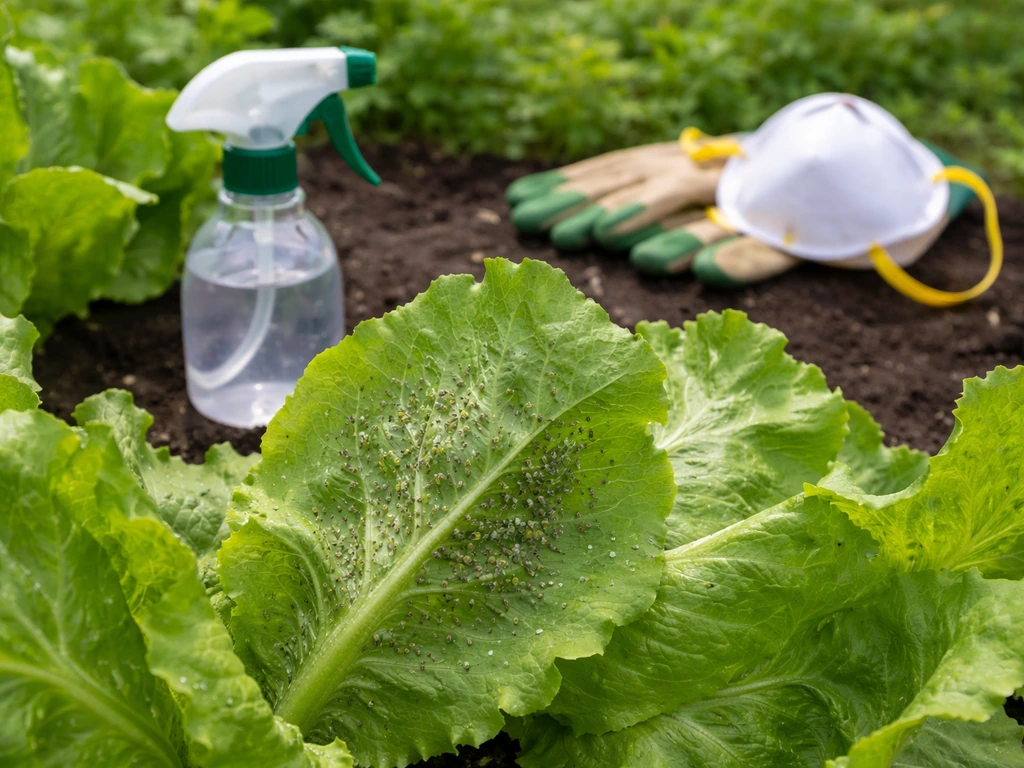
Aphids cluster on the underside of leaves and in the heart of developing heads. A strong spray of water from a hose knocks most of them off. For persistent infestations, insecticidal soap or neem oil applied in the early morning works well. Check plants twice a week during spring because aphid populations can explode quickly in warm conditions.
Downy mildew
Downy mildew is a real issue for NZ lettuce growers, especially in humid areas or during wet autumn and spring periods. It shows up as pale yellow patches on the upper leaf surface with a grey or purple fuzzy growth on the underside. Lettuce is a known host for downy mildew, and once you see symptoms, it spreads fast in cool, damp conditions. Improve airflow by spacing plants correctly and avoiding overhead watering. If downy mildew is present in your area, preventive fungicide applications before symptoms appear are more effective than trying to treat established infections. Choosing disease-resistant varieties like Yatesdale reduces the risk.
Bacterial soft rot
Bacterial soft rot causes water-soaked, slimy decay in leaves and heads, often accompanied by a bad smell. MPI’s guidance on bacterial soft rot outlines symptoms in lettuce and other tissues, supporting it as an important plant health threat for New Zealand. It typically enters through wounds or damaged tissue and spreads rapidly in warm, wet conditions. There's no chemical cure once it's established. Remove and dispose of affected plants immediately (don't compost them), improve drainage, and avoid wetting foliage. Rotate your lettuce growing location each season to reduce soil pathogen build-up.
Bolting
Bolting, where the plant sends up a flower stalk and leaves turn bitter, is triggered by heat and long days. It's not a failure, it's just the plant doing what it's programmed to do. The fix is timing: sow during cooler months, choose bolt-resistant varieties like Cocarde, provide afternoon shade in spring, keep watering consistent (water stress accelerates bolting), and harvest regularly. Once a plant bolts, it won't recover. Pull it out, compost it, and replant.
Slow germination or poor seedling growth
If seeds aren't germinating, the most common reasons are soil temperature too cold (below 7°C germination is very slow), seeds sown too deep, or the seed raising mix drying out between waterings. Lettuce seeds need light to germinate well, so keep them near the surface (no deeper than 5mm). If seedlings are growing very slowly, check light levels first, then check if they need feeding. Once transplanted into garden beds, a weekly liquid feed makes a significant difference to growth speed.
Quick troubleshooting reference
| Problem | Likely cause | Fix |
|---|---|---|
| Seedlings disappearing overnight | Slugs or snails | Physical barriers + slug pellets; check at night with a torch |
| Pale yellow patches on leaves, fuzzy underside | Downy mildew | Improve airflow, avoid wet foliage, consider preventive fungicide |
| Slimy, smelly rotting leaves | Bacterial soft rot | Remove plant immediately, improve drainage, rotate crops |
| Plant sends up tall stalk, leaves bitter | Bolting (heat/long days) | Shade cloth, bolt-resistant varieties, harvest more frequently |
| Seeds not germinating | Soil too cold or too deep | Check soil temp (aim for 10–20°C), sow at 5mm depth max |
| Slow, pale, leggy growth | Not enough light or nutrients | Move to brighter spot, feed weekly with liquid fertiliser |
| Clusters of small insects under leaves | Aphids | Water blast + insecticidal soap or neem oil |
| Leaves with holes, slime trails | Slugs | Night patrol, pellets, physical barrier around plants |
Growing lettuce in NZ really does come down to timing and temperature management. Get those two things right and everything else is relatively easy. Start with a bolt-resistant looseleaf variety like Cocarde or Oak Leaf, sow in late summer or early spring, keep the moisture consistent, and feed weekly. Whether you're growing in a raised bed in Christchurch, a pot on an Auckland balcony, or under a grow light in a Wellington apartment, the same principles apply. If you're curious about how NZ approaches compare with other Southern Hemisphere climates, growing lettuce in Australia follows very similar seasonal logic with some regional differences worth exploring. If you're in Australia, you can follow the same cool-season timing and temperature management, but adjust for local heat patterns and growing seasons growing lettuce in Australia.
FAQ
How do I stop lettuce from bolting in the hottest part of summer in NZ?
Treat summer as a “production window” problem, not a watering problem. Use looseleaf or open-headed types, sow in the afternoon shade (for example, under a shade cloth or beside taller brassicas), keep consistent moisture, and harvest baby leaves often so you are not waiting for full size before heat spikes.
What’s the best lettuce type to grow if I want the easiest success rate in NZ?
Looseleaf with bolt resistance is usually the least stressful. Cocarde-style looseleaf and oak leaf types typically handle NZ temperature swings better than crispheads because you can cut regularly before plants try to form a full head.
Should I thin seedlings, and how much spacing do I really need?
Yes, thinning matters because dense plants create humid microclimates that favor mildew and slow airflow. Use close spacing for looseleaf (about 15 to 20 cm), and give cos and butterhead more room (about 25 to 30 cm) so they can form without staying wet between waterings.
My lettuce keeps getting waterlogged even though I’m watering. What should I adjust?
If water stays in the root zone, reduce the frequency and improve drainage. Use raised beds or containers with quality potting mix, and water early morning so the top layer dries by afternoon. A finger test 2 cm down should guide you more than a calendar schedule.
Can I reuse potting mix or soil for lettuce next season?
It’s better to refresh or partially replace mix, especially if you’ve had downy mildew or soft rot. For containers, discard old top mix and avoid planting lettuce (or other susceptible brassica-adjacent greens) in the exact same spot repeatedly without a break.
Why are my lettuce seeds not germinating even though I’m watering correctly?
Three common misses are sowing too deep, mix drying out between waterings, and starting when soil is too cold. Keep seed depth very shallow (no deeper than about 5 mm), maintain gentle moisture, and aim for germination warmth closer to the recommended range.
Is it okay to water lettuce leaves, or should I always water at the soil?
Water at the soil whenever possible. Overhead moisture raises the chance of downy mildew and other leaf issues, particularly in humid weather, so switch to morning soil-level watering or drip where you can.
How do I manage slugs if I want to avoid pellets?
Use an integrated approach: physical barriers (sawdust, crushed shell, or wood shavings) around seedlings, remove hiding spots like boards and debris, and check at night with a torch. Pellets can help as a secondary layer, but barriers plus consistent inspection often reduce the need.
What’s the safest way to use insecticidal soap or neem oil on lettuce?
Apply early morning so leaves dry quickly and avoid spraying in full sun or heat. Target the underside of leaves where aphids sit, and repeat only as needed because frequent treatments can stress plants already coping with cool-season conditions.
How can I tell if my lettuce problem is heat stress or a disease?
Heat stress often shows up as rapid bolting and bitterness with otherwise “healthy” leaf appearance. Downy mildew typically has pale yellow patches on top with fuzzy grey or purple growth underneath, and soft rot often turns water-soaked and smells. If you can, inspect the underside and the base of leaves early.
Can I grow lettuce indoors without grow lights, using just a window?
Yes for looseleaf, but it depends on direct light. A north-facing window helps, but if plants look pale or leggy, supplement with a full-spectrum LED and run a timer for long daily light (roughly 12 to 16 hours).
How do I harvest lettuce so it keeps producing?
For looseleaf, harvest from the outside leaves and avoid cutting the crown. Take frequent light harvests rather than removing everything at once, and keep moisture steady after cutting so regrowth continues instead of triggering bolting.
When should I feed lettuce, and what dose approach works best?
Feed after seedlings establish and then keep a gentle weekly rhythm, rather than heavy feeding all at once. Use a liquid fertilizer at the label rate for leaf crops, and if growth is slow after transplanting, start feeding once roots have settled to reduce shock.