Lettuce grows best in Australia during the cooler months from autumn through to early spring, roughly March to October depending on where you live. For specifics on planting and timing in the Philippines, see our guide on how to grow lettuce in the Philippines. Sow seeds directly or plant seedlings into loose, well-drained soil with a pH between 6.0 and 6.8, keep temperatures around 15 to 20°C, water consistently, and choose bolt-resistant varieties for your climate zone. Get those fundamentals right and you will have a continuous supply of fresh lettuce from your backyard, raised bed, balcony pots, or even indoors under grow lights.
How to Grow Lettuce in Australia: A Step-by-Step Guide
Marcus Holloway
27 Jun 2026
Picking the right lettuce varieties for Australian seasons
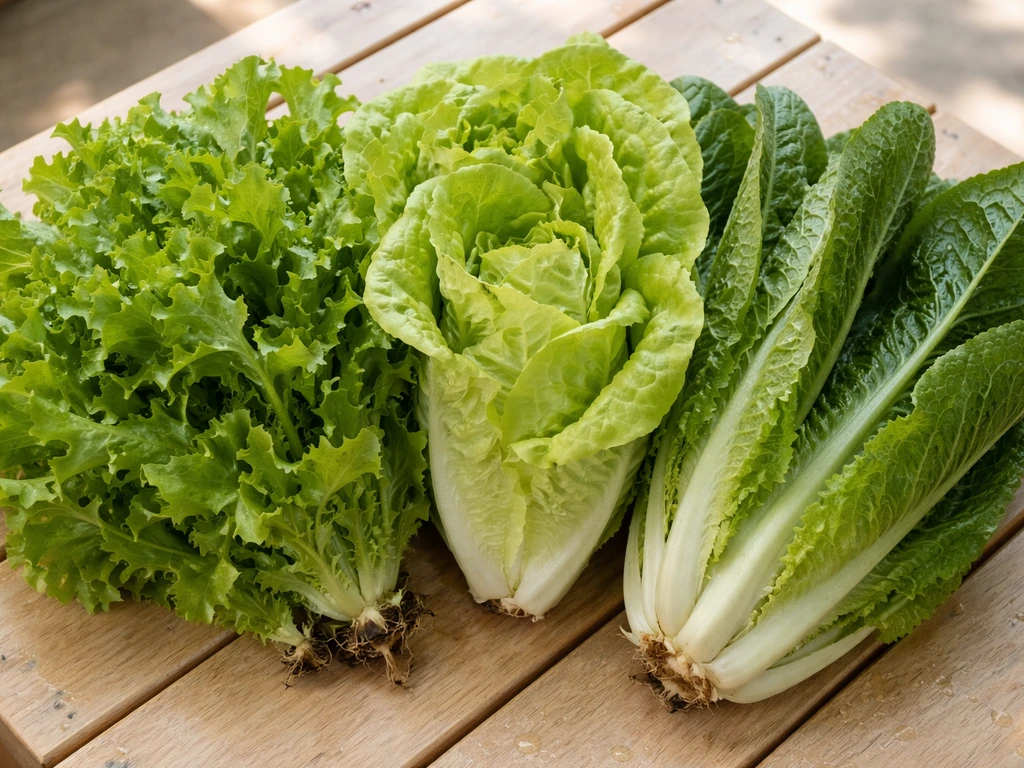
Australia's climate varies enormously from tropical Darwin to cool-climate Hobart, and variety choice matters more here than almost anywhere else. The core rule is simple: grow cool-season types in autumn, winter, and spring, and either stop growing or switch to the most heat-tolerant varieties you can find over summer.
For autumn to spring growing across most of Australia, these are the varieties worth your time:
- Cos (Romaine) types like 'Freckles', 'Cos Green', and 'Paris Island Cos': reliable, crisp, slow to bolt, and great for Australian conditions
- Butterhead types like 'Buttercrunch' and 'Tom Thumb': soft, sweet heads that handle mild fluctuations well
- Loose-leaf types like 'Oak Leaf', 'Red Salad Bowl', and 'Mignonette': fastest to harvest, best for cut-and-come-again picking, and more forgiving of warmer spells
- Iceberg types like 'Great Lakes' and 'Saladin': excellent crunch but need consistently cool temps to form tight heads, best in southern states
- Batavia types like 'Sierra' and 'Nevada': bred specifically for heat tolerance, making them a strong choice for QLD, NT, and WA growers or anyone pushing the season
In tropical and subtropical zones (Darwin, Cairns, Brisbane), the growing window is essentially the dry season from April to September. Stick to loose-leaf and Cos types. In temperate zones (Sydney, Perth, Adelaide), you get a longer season but still need to wind down through December and January. In cool climates (Melbourne, Canberra, Hobart, elevated areas), you can grow lettuce almost year-round if you protect it from frosts, though growth slows significantly in winter.
If you are gardening in a hot climate and feel envious reading guides written for cooler countries like Ireland or New Zealand, know that the strategy is not the same. With Ireland specifically, you will also want to plan around cooler temperatures and choose varieties that suit the local season for best results how to grow lettuce in Ireland. Heat tolerance and timing adjustments are non-negotiable here.
Where to grow lettuce: outdoor beds vs pots vs indoor and hydro options
You have real flexibility with lettuce. It is one of the most container-friendly and indoor-friendly vegetables you can grow, which is part of what makes it so practical for Australian apartment dwellers and balcony gardeners. If you like learning visually, you can also use a how to grow lettuce YouTube tutorial to follow each step in real time.
Outdoor garden beds and raised beds
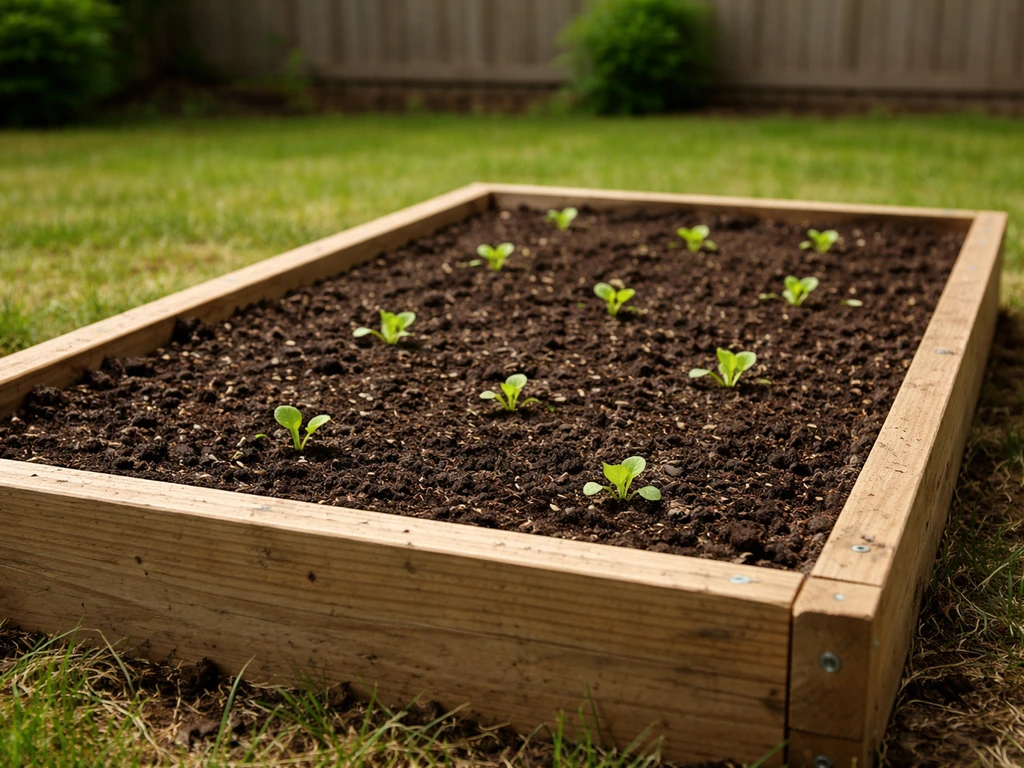
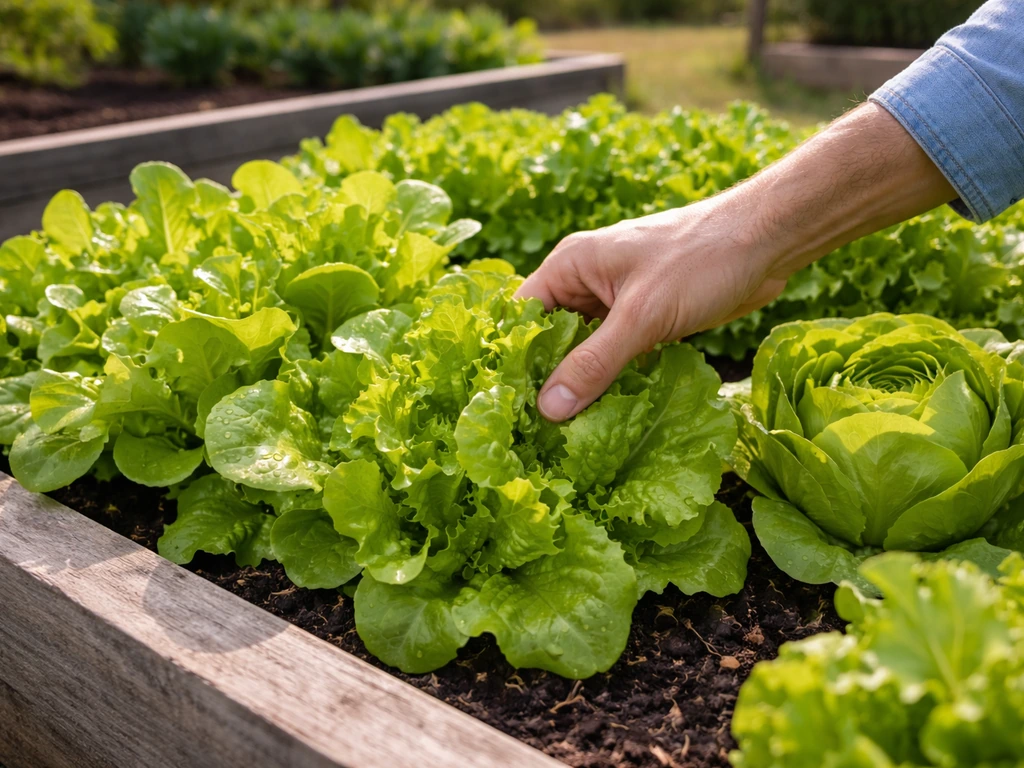
This is the highest-yield option. A raised bed at least 20 to 30 cm deep gives lettuce's shallow roots excellent drainage and room to spread. Outdoor beds also allow you to grow larger volumes for succession planting. The main challenge outdoors in Australia is managing afternoon heat, especially heading into spring. Positioning your bed where it gets morning sun but is shaded from the hot western afternoon sun extends your season noticeably. If you are planning how to grow lettuce in India, the same basics apply, but you will need to match planting dates and shading to local heat and monsoon conditions.
Pots and containers
Lettuce is genuinely one of the best vegetables for pots. Because it is shallow-rooted, you do not need a deep container. A pot or trough 15 to 20 cm deep works well for loose-leaf varieties. For heading types like iceberg or butterhead, go to at least 25 cm depth. The big advantage of pots is portability: you can move them into shade on hot days and back into sun on cool overcast days. This is a game-changer for managing bolt risk in Australian spring. Use at least a 20 to 30 cm wide pot per plant for heads, or a long rectangular trough for a row of cut-and-come-again leaf lettuce.
Indoor growing and hydroponics
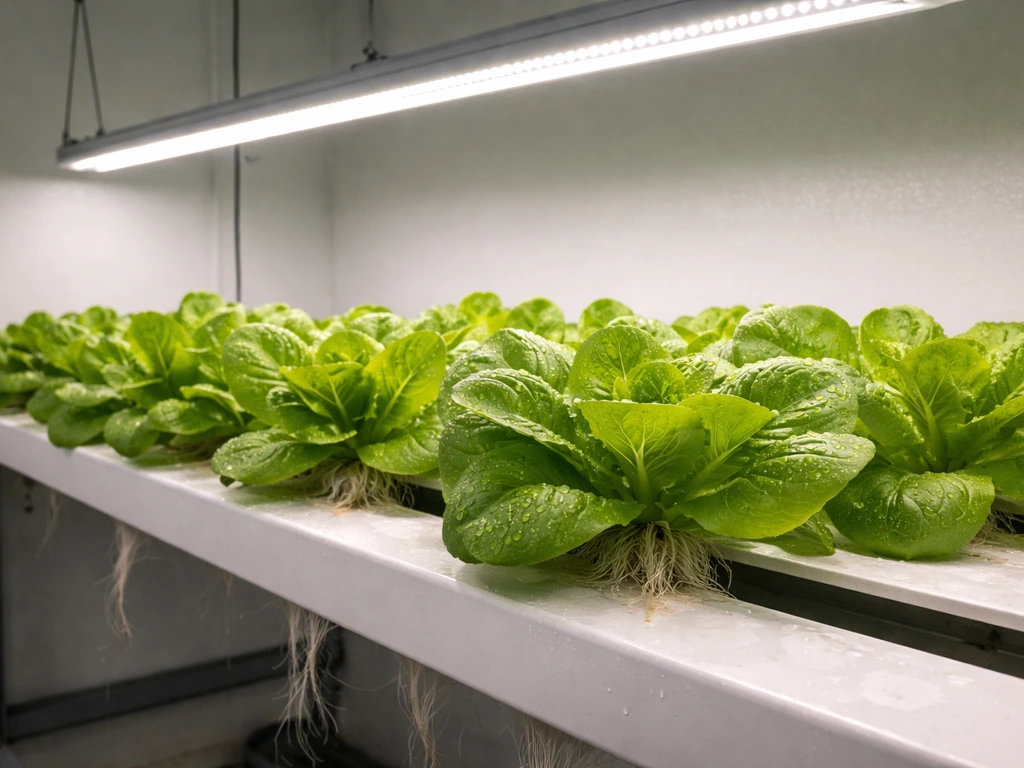
Growing lettuce indoors under LED grow lights or in a simple hydroponic system is one of the most reliable ways to get year-round lettuce in Australia, regardless of whether it is 38°C outside in January or whether you live in an apartment with no outdoor space.
If you want lettuce that keeps producing even when the weather shifts, our guide on how to grow lettuce in Palworld covers the practical steps and timing you need how to grow lettuce palworld. Lettuce is particularly well-suited to hydroponics because it grows fast, has a small root system, and does not need intense light. A simple NFT (nutrient film technique) or deep water culture setup gives you harvests in as little as 4 to 6 weeks.
Indoors under lights, aim for 14 to 16 hours of light per day using a full-spectrum LED positioned 15 to 25 cm above the plants. Temperature control is the main advantage here: keeping your indoor grow space at a consistent 18°C means your lettuce never knows it is summer outside.
Soil or grow-medium setup, spacing, and planting
Lettuce needs loose, fertile, well-drained soil. Heavy clay or compacted soil will stunt growth and invite root rot. Aim for a pH between 6.0 and 6.8 for outdoor beds and pots. If you are unsure about your soil pH, grab a simple soil test kit from any hardware store or garden centre.
Setting up your soil or growing medium
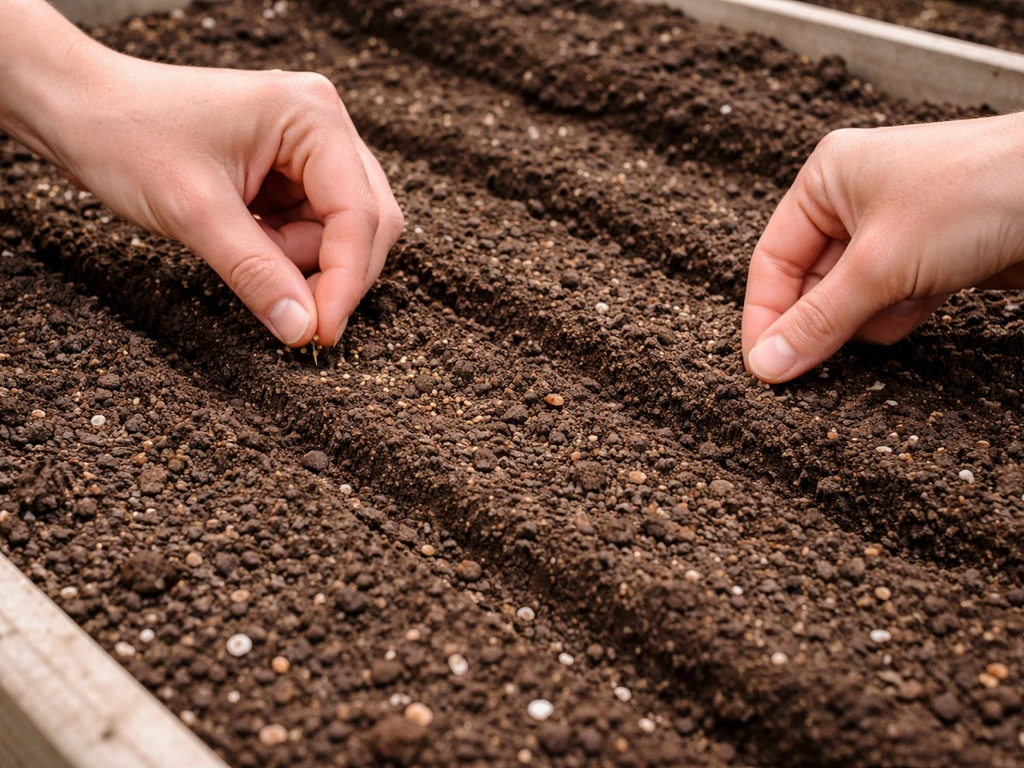
For outdoor beds, dig in a generous amount of compost before planting. A mix of two parts good garden soil, one part compost, and one part coarse sand or perlite gives you the light, well-drained fertility lettuce loves. For pots and containers, use a quality potting mix rather than garden soil, which tends to compact in pots. Add 20 to 30 percent perlite to improve drainage and aeration. For hydroponic setups, use a lettuce-specific nutrient solution at EC levels between 0.8 and 1.6 mS/cm and keep pH between 6.0 and 7.0.
Sowing seeds vs planting seedlings
You can direct-sow lettuce seeds or start with seedlings from a nursery. Direct sowing is cheaper and gives you a larger variety selection, but adds two to three weeks to your timeline. Sow seeds at a depth of about 3 to 5 mm, which is barely covered. Lettuce seeds need light to germinate, so do not bury them deep.
If you are wondering how to grow lettuce from seed, this section explains the correct sowing depth so your seedlings can germinate reliably Lettuce seeds need light to germinate. Germination takes 5 to 10 days at soil temperatures between 15 and 20°C. If your soil is too warm (above 25°C), germination becomes erratic and unreliable. In summer, pre-chill seeds in the fridge for 24 hours before sowing to improve germination rates.
Seedlings from a nursery give you a 3 to 4 week head start and are a great option for beginners. Plant them at the same depth they were growing in their punnet, water in well, and keep soil moist for the first week while they establish.
Spacing
Spacing depends on what you are growing. Crowded lettuce produces smaller, less healthy plants and increases disease risk. Use this as your guide:
| Lettuce type | Plant spacing | Row spacing |
|---|---|---|
| Loose-leaf (cut-and-come-again) | 15 to 20 cm | 25 to 30 cm |
| Butterhead | 25 to 30 cm | 30 cm |
| Cos/Romaine | 25 to 30 cm | 30 to 35 cm |
| Iceberg/crisphead | 30 to 35 cm | 35 to 40 cm |
| Baby leaf (dense sow, thin later) | 2 to 5 cm (thin to 10 cm) | 15 to 20 cm |
When thinning seedlings, do not pull them out, as this disturbs neighbouring roots. Use scissors to snip them at the base. You can eat the thinnings immediately as microgreens.
Light and watering plan to prevent bolting and keep heads crisp
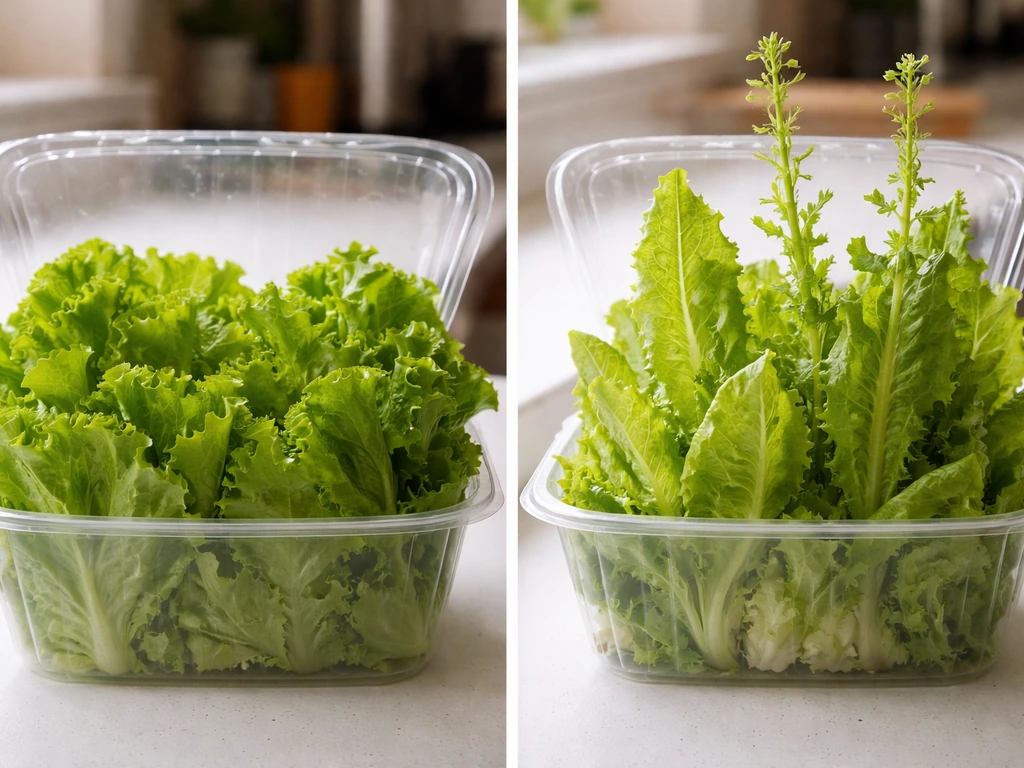
Bolting (when lettuce sends up a flower stalk and turns bitter) is the single most frustrating problem for Australian lettuce growers. Understanding what triggers it lets you prevent it before it happens.
Light requirements
Lettuce needs around 6 hours of direct sunlight per day for strong growth, but full afternoon sun in Australian summers is brutal and accelerates bolting. The sweet spot in most parts of Australia is a position that gets full morning sun from 7am to around 1pm, then dappled shade or shelter in the afternoon. This is especially important in spring when days are lengthening and temperatures are climbing. Long days (more than 14 hours of light) trigger bolting even when temperatures are cool, so if you are growing in late spring, afternoon shade cloth (30 to 40 percent) can help delay flowering by reducing light exposure.
Watering
Lettuce is shallow-rooted, so it dries out faster than deeper-rooted crops and needs consistent moisture. Inconsistent watering causes tip burn, bitter flavour, and bolting. The goal is to keep the top 10 to 15 cm of soil evenly moist without waterlogging it. In warm conditions, that usually means watering every one to two days.
In cooler weather, every two to three days is often enough. Stick your finger 2 to 3 cm into the soil: if it feels dry at that depth, water now. In outdoor beds, a light layer of mulch (2 to 3 cm of sugar cane mulch or straw) around plants dramatically reduces moisture loss, keeps roots cool, and reduces watering frequency. Always water at the base of the plant rather than over the leaves to reduce disease risk.
For gardeners who want a more precise approach, Queensland horticulture research suggests irrigating when soil moisture tension reaches 15 to 20 kPa in warm conditions and 20 to 25 kPa in cool conditions. For most home gardeners, the finger test combined with consistent observation works just fine.
Feeding and temperature management for steady growth
Lettuce is a fast-growing leafy crop that rewards regular, moderate feeding. It is not a heavy feeder like tomatoes or pumpkins, but neglecting nutrients shows up quickly as pale, slow-growing plants.
Feeding schedule
Before planting, work a balanced slow-release fertiliser or a generous amount of well-rotted compost into the top 15 cm of soil. Then, every two to three weeks during the growing season, apply a liquid fertiliser high in nitrogen to encourage leafy growth. Seaweed solution or a diluted fish emulsion both work well and are widely available in Australian garden centres. Avoid overfeeding with nitrogen close to harvest as it can make leaves soft and more susceptible to disease. If your leaves are yellowing from the bottom up, that is a nitrogen deficiency and it is time to feed.
Temperature management
Lettuce grows best between 15 and 20°C. ICL states lettuce requires cool temperatures (15, 20°C) and performs best on light, well-drained fertile soils with pH 6.0, 7.0 cool temperatures (15–20°C). Below 5°C, growth stalls and frost can damage outer leaves. Above 25°C consistently, bolt risk climbs sharply. Here are practical ways to manage temperature in Australian conditions:
- Use shade cloth (30 to 40 percent) in spring to reduce heat stress and delay bolting
- Apply mulch to keep soil temperatures 3 to 5°C cooler than air temperature
- Move container-grown lettuce into shade during heatwaves (above 30°C)
- In cold southern regions in winter, use a cloche, frost cloth, or low poly tunnel to maintain warmth and keep plants producing
- Sow seeds indoors and transplant out once temperatures stabilise if your timing is marginal
One thing I have found genuinely useful in hot climates is growing lettuce under the canopy of taller crops. Planting lettuce on the south or east side of trellised tomatoes or beans gives it natural afternoon shade without any extra effort. It is a simple intercropping trick that extends your lettuce season by several weeks. If you are wondering how to grow lettuce in NZ, the same principles of cool-season planting, consistent moisture, and protecting from heat apply.
Harvesting methods and succession planting for continuous lettuce
How you harvest matters as much as how you grow. Getting it right means more lettuce from fewer plants and a longer productive life from each one.
Loose-leaf and cut-and-come-again harvesting
For loose-leaf varieties, use the cut-and-come-again method. Harvest outer leaves first, taking them from the base, and leave the central growing point intact. The plant will regrow and you can harvest again in one to two weeks. You can do this three to five times from a single plant before quality declines. Always use clean, sharp scissors or snips to avoid bruising. Harvest in the morning when leaves are hydrated and crisp, not in the heat of the day.
Heading lettuce harvesting
For butterhead, cos, and iceberg types, wait until the head feels firm when gently squeezed. For butterhead, this is around 50 to 70 days from transplanting. For iceberg, it is typically 70 to 85 days. Cut the whole head at the base with a sharp knife just above the soil level. If you leave the root in place, the plant sometimes regrows a smaller second head, but it is usually better to replant with a fresh seedling for quality results.
Succession planting to keep lettuce coming
The best way to always have lettuce ready to pick is to sow a small batch every two to three weeks throughout your growing season rather than planting everything at once. Sow six to eight plants at a time, wait two to three weeks, sow another six to eight, and so on. This staggers your harvests so you are never drowning in lettuce one week and then out completely the next. In practice, I keep a small tray of seedlings going on the windowsill or under a light so there is always something ready to go into the ground when a spot opens up.
Troubleshooting common Australian lettuce problems
Most lettuce failures come down to a handful of predictable problems. Here is how to diagnose and fix each one.
Bolting and bitterness
If your lettuce sends up a tall central stalk, it has bolted. The leaves will taste intensely bitter. Bolting is triggered by heat, long days, water stress, and root disturbance. Once a plant bolts, the crop is effectively over for eating. Prevention is the only real solution: choose bolt-resistant varieties like Batavia types, grow in the cooler months, use afternoon shade cloth in spring, keep soil consistently moist, and harvest regularly rather than letting plants get old. If you notice the central leaves starting to elongate and point upward (a sign called 'tipping'), harvest the whole plant immediately before full bolting occurs.
Aphids
Aphids are among the most common pests on Australian lettuce, especially in spring and autumn. They cluster on the undersides of leaves and at the base of young growth, sucking sap and causing distorted, yellowing leaves. If you spot them early, a strong blast of water from a hose knocks most of them off. For larger infestations, spray with diluted neem oil or an insecticidal soap solution, coating the undersides of leaves. Repeat every three to four days for two weeks. Ants farming aphids on your plants are a giveaway: deal with the ant colonies near your beds and aphid populations often drop on their own.
Slugs and snails
Slugs and snails cause ragged holes in leaves, especially overnight. They are most active after rain or watering in humid conditions. Iron EDTA-based snail baits (sold as Multiguard or similar in Australian hardware stores) are safe around pets and wildlife and very effective. Scatter them around the base of plants at dusk. You can also use physical barriers: copper tape around pot rims deters slugs, and crushed eggshells or coarse sand around beds creates an uncomfortable surface for them to cross. Check under pots and boards during the day as these are common daytime hiding spots.
Caterpillars
Cabbage white butterfly larvae and various other caterpillars will happily chew through lettuce leaves, leaving large irregular holes. Check the undersides of leaves for eggs (small yellow cylinders) and hand-pick caterpillars when you spot them. For persistent infestations, spray with Bacillus thuringiensis (Bt), a biological insecticide widely available in Australia under brand names like Dipel. It is safe for beneficial insects and breaks down quickly. Fine insect mesh over beds is the most reliable preventive measure if caterpillars are a recurring problem in your garden.
Powdery mildew and other fungal diseases
White powdery coating on leaves is powdery mildew, most common in humid conditions with poor airflow. Grey or brown water-soaked patches on lower leaves are usually grey mould (Botrytis) or downy mildew. Prevention is the best strategy: space plants properly so air circulates between them, water at the base rather than overhead, and remove any dead or damaged leaves promptly. If you catch powdery mildew early, a spray of diluted potassium bicarbonate or a mixture of one part full-cream milk to nine parts water can slow its spread. For severe cases, remove and bin (not compost) affected leaves and increase airflow.
Tip burn
Tip burn shows up as brown, papery edges on inner leaves. It is caused by calcium deficiency at the leaf margins, which is almost always a water uptake issue rather than a lack of calcium in the soil. Inconsistent watering is the most common cause. The fix is simple: water more consistently, make sure soil does not dry out between waterings, and ensure your pot or bed has good drainage so roots are not waterlogged. Adding a light mulch layer helps regulate soil moisture and significantly reduces tip burn in containers.
Poor germination
If seeds fail to germinate or germinate patchily, the most likely culprit is soil temperature. Lettuce seed goes dormant above 25 to 30°C, which is a real issue for late summer sowings in most of Australia. Sow seeds in the coolest part of the day, use a seed-raising mix rather than garden soil, keep the tray in a cool shaded spot, and try pre-chilling seeds in the refrigerator for 24 to 48 hours before sowing. If germination is still poor, check that you are not burying seeds too deep; 3 to 5 mm maximum is all you need.
Growing lettuce in Australia is genuinely rewarding once you stop fighting the climate and start working with it. Choose the right variety for the right season, nail your timing, keep soil moist and cool, and harvest regularly. Do those things and you will have fresh lettuce on the table within six to eight weeks of planting, and a continuous supply if you succession-sow every few weeks. Start with a packet of loose-leaf seeds, a good potting mix, and a decent-sized pot if space is tight. You will be eating your own lettuce sooner than you think.
FAQ
How do I stop lettuce from bolting when spring temperatures rise in Australia?
If your goal is to avoid bolting, aim for shorter days and lower heat by sowing late morning shade and protecting seedlings from full western sun once temperatures climb. Also, treat late-spring lettuce as a “short window crop”, use bolt-resistant varieties, and switch to loose-leaf types if heads are failing.
How can I tell if I am overwatering lettuce in a pot or raised bed?
In most Australian home conditions, lettuce does not like “wet all the time”. A simple rule is to water until the mix drains freely, then wait until the top 2 to 3 cm dries before watering again. If leaves yellow and you see slow growth plus persistently wet soil, improve drainage or reduce watering frequency to prevent root rot.
Can I grow lettuce year-round in Australia using hydroponics, and what’s the biggest thing people get wrong?
Yes, but do it intentionally. For hydroponics, keep solution temperatures close to your target growing range (around 18 to 21°C if possible), and prevent light from hitting the tank to limit algae. Also, do not raise EC and nitrogen too high, lettuce in hydroponics can become soft and more disease-prone.
Why did my lettuce seeds germinate patchily, even though I watered and sowed at the right depth?
Lettuce seeds need light, so the safest approach is sowing on the surface, then barely covering with mix (about 3 to 5 mm). If you see patchy germination, check that the seed-raising mix is not too warm and that the tray stays evenly moist but not waterlogged.
What’s the difference between tip burn caused by watering and a calcium deficiency problem in lettuce?
Aim for consistent moisture to prevent tip burn, but also ensure good calcium availability by not letting roots cycle from very dry to very wet. In containers, use quality potting mix with added perlite, maintain drainage, and consider a calcium-focused feed only if tip burn persists despite steady watering.
How do I know when to start cut-and-come-again harvesting, and how much can I take each time?
Start cutting when plants are large enough to leave the central growing point intact, usually once outer leaves are a usable size. If you harvest too early or too aggressively, regrowth slows. For best results, cut outer leaves regularly and stop letting the plant become overcrowded, which reduces airflow and increases mildew risk.
My lettuce tastes very bitter and seems tough, what should I check first?
Commonly, it is from temperature and long daylight, even if you keep the soil moist. Try shifting the planting window earlier or later, add afternoon shade cloth (especially from about 1 pm to late afternoon), and choose varieties described as bolt-resistant or heat-tolerant for your zone.
What is the best way to thin lettuce seedlings without reducing overall yield?
Hand-thin by snipping at soil level to avoid disturbing neighbors, then use thinnings as microgreens. If you are getting weak, crowded plants, reduce spacing to improve airflow, and consider succession sowing in smaller batches every 2 to 3 weeks instead of trying to grow everything in one go.
Which lettuce types are best for small balconies and shallow containers in Australia?
If you are tight on space, loose-leaf and mini varieties generally outperform iceberg in small containers. Use a shallow, wide pot for cut-and-come-again leaf, and move the container into dappled shade during the hottest part of the day to reduce bolting risk.
Do I need to test my soil pH before growing lettuce, or can I just add compost and hope for the best?
If you want more reliable success, use a quick soil test for pH (you are targeting about 6.0 to 6.8), then amend accordingly. Also, because lettuce is sensitive to compacted media in pots, prioritize good drainage and avoid garden soil in containers unless you can keep it from compacting.