Yes, lettuce absolutely grows in India, but you have to work with the seasons rather than fight them. Lettuce is a cool-weather crop that performs best between 12°C and 21°C, which means most of India gets a reliable window from October through February. In hill stations and cooler northern regions, you can stretch that window considerably. In hotter plains cities like Chennai, Delhi in summer, or Mumbai, you will need either shade cloth, indoor setups, or hydroponics to get results outside of that cool season.
How to Grow Lettuce in India: Timing, Setup, and Care
Marcus Holloway
31 May 2026
Can lettuce actually grow in India?
The short challenge with India is that most of the country spends a large part of the year well above 25°C, and lettuce simply does not thrive in that heat. Once temperatures push past 24–25°C consistently, lettuce bolts: it shoots up a flower stalk, leaves turn bitter, and the plant essentially gives up on being food. That said, India has enough seasonal variation, altitude diversity, and indoor options that you can grow excellent lettuce if you pick the right time and the right approach. If you are searching for how to grow lettuce in NZ, the same cool-weather timing and temperature targets will guide your choices grow excellent lettuce.
Hill stations like Shimla, Ooty, Munnar, Darjeeling, and Kodaikanal can grow lettuce for a much longer portion of the year because temperatures stay cooler. Growers in Bangalore and Pune have a meaningful cool season from roughly November to February. Plains cities like Delhi, Lucknow, Kolkata, and Chennai are working with a narrower window, but it is absolutely doable. And if you have an indoor space or want to try hydroponics, the season essentially disappears as a constraint altogether.
Best time to grow lettuce in India
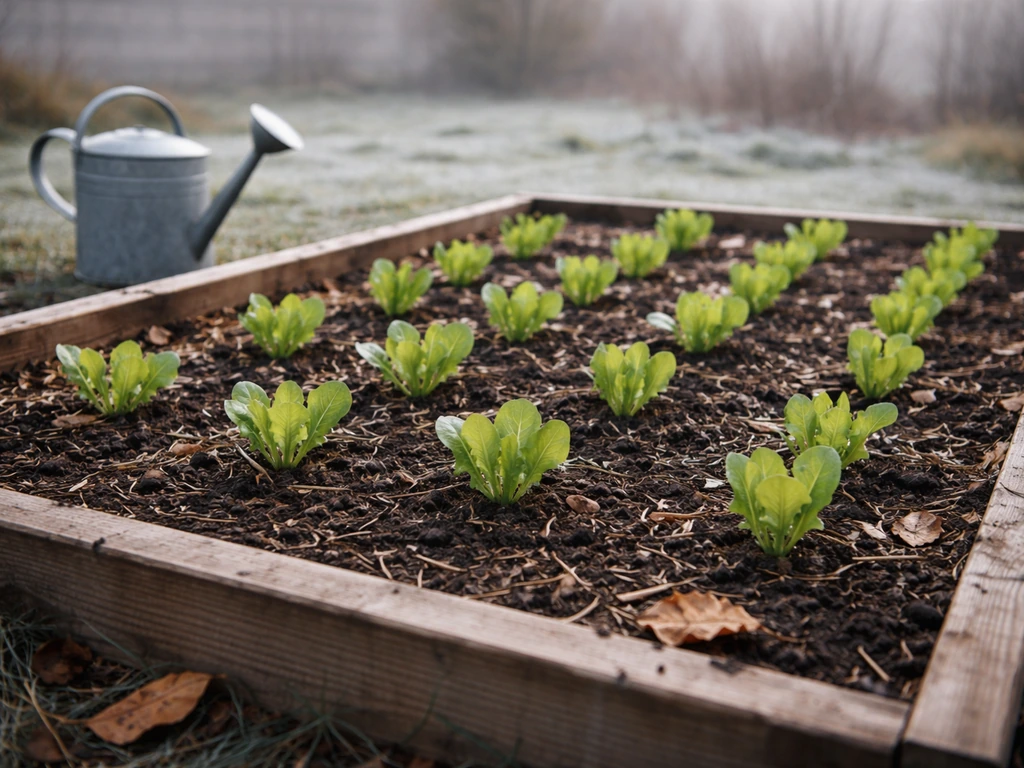
The key rule is simple: sow when daytime temperatures are reliably below 22°C and there is no extreme heat forecast for the next 6–8 weeks. Here is how that maps across the main growing seasons:
Winter season (October to February): the main window
This is the sweet spot for almost every region in India. From October onward, temperatures across the plains and peninsular regions start dropping into the lettuce comfort zone. Sow seeds from mid-October in North India (Delhi, Punjab, UP, Rajasthan) and from November onward in peninsular cities like Bangalore, Hyderabad, Pune, and Chennai. You can keep sowing in batches every 3 weeks through December to extend your harvest. Expect leaf lettuce to be ready in 35–45 days and head types like Iceberg in 60–85 days from sowing. FAO EcoCrop data for lettuce gives similar growing-period ranges, with leaf types typically in the ~35, 45 day window and head types taking longer leaf lettuce to be ready in 35–45 days and head types like Iceberg in 60–85 days.
Pre-monsoon and summer (March to June): generally avoid
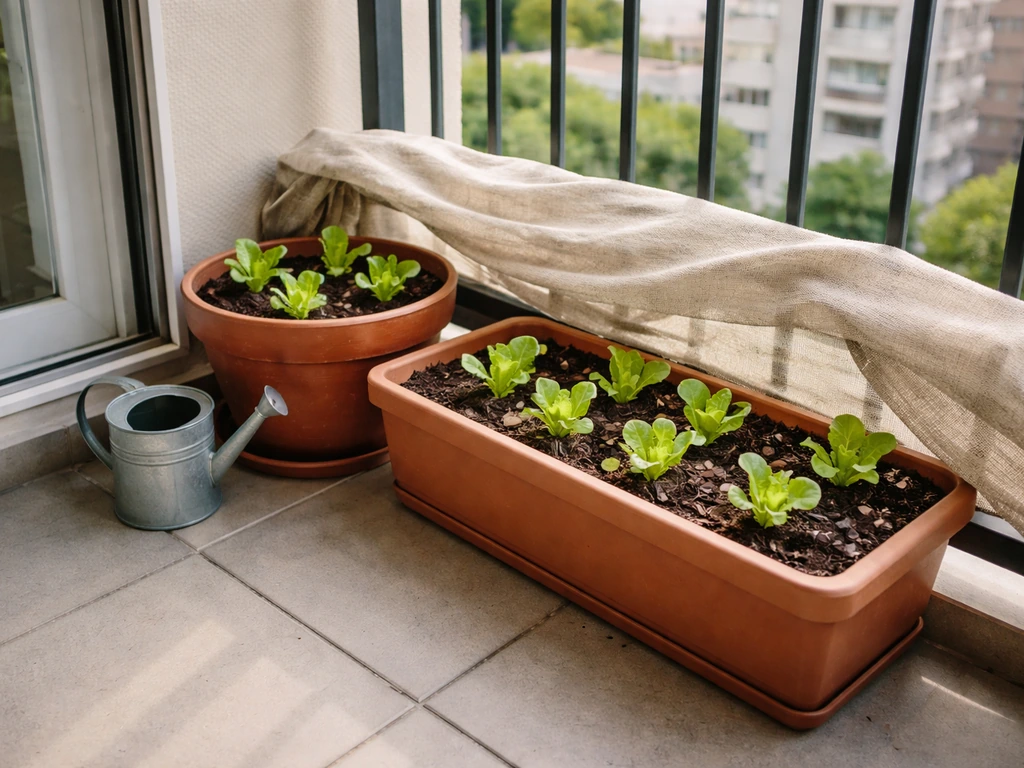
From March onward, temperatures in most of India rise quickly. Lettuce sown in March in plains areas will likely bolt before it gives you a proper harvest. If you are determined to grow in this period, you need serious shade cloth (50% shade minimum), heavy mulching to keep roots cool, and heat-tolerant loose-leaf varieties. Realistically, indoor growing or hydroponics with air conditioning is the more reliable path if you want summer lettuce in most Indian cities.
Monsoon (July to September): challenging but possible indoors
Outdoor monsoon growing is tricky because the combination of humidity, waterlogged soil, and warm temperatures invites fungal disease and root rot. Balcony containers with good drainage can work if you are in a region where monsoon temperatures drop to 22–25°C (some parts of the Himalayas and Northeast India, for example). For most of the country, monsoon is the time to prep your soil, order seeds, and wait for October.
Hill stations and high-altitude areas: year-round potential
At elevations above 1,000 meters, cool temperatures persist much longer, and lettuce can often be grown for 8–10 months of the year. FAO data supports this, noting optimal tropical lettuce production typically occurs above 1,000 m elevation. If you are in Shimla, Ooty, Kodaikanal, Coorg, or Darjeeling, you have far more flexibility than someone on the plains.
| Region | Best Sowing Window | Notes |
|---|---|---|
| North India plains (Delhi, Punjab, UP) | Oct–Dec | Can extend to Jan; avoid Feb+ as temps rise |
| Peninsular India (Bangalore, Hyderabad, Pune) | Nov–Jan | Bangalore has a longer window due to mild climate |
| Coastal regions (Mumbai, Chennai, Kochi) | Nov–Jan | Humidity can be high; good drainage essential |
| Hill stations (Shimla, Ooty, Darjeeling) | Year-round or 8–10 months | Avoid peak summer if temps regularly exceed 22°C |
| Northeast India | Oct–Mar | Cool season is long; monsoon can extend viability |
The right lettuce varieties for Indian conditions
Variety choice makes a huge difference in India. Your goal is to pick types that either complete their harvest before heat arrives, or that resist bolting long enough to give you a decent crop. Here is what I would actually recommend planting:
- Loose-leaf varieties (Red Coral, Green Oak Leaf, Simpson, Salad Bowl): These are the most forgiving for Indian conditions. They harvest fast (35–45 days), tolerate mild heat better than head types, and you can do cut-and-come-again harvesting over several weeks.
- Butterhead / Loose-head (Butter Crunch, Tom Thumb): A good middle ground. Softer leaves, matures in 55–65 days, handles moderate temperatures reasonably well.
- Romaine / Cos lettuce: More heat-tolerant than Iceberg, matures in about 65–80 days, and does well in containers.
- Iceberg / Crisphead: The most demanding variety for India. Needs consistent cool temperatures for the full 70–85 day growing period. Best reserved for hill stations or indoor/hydroponic setups in the plains.
- Heat-tolerant loose-leaf cultivars (Jericho, Nevada, Muir): If available through seed suppliers, these are bred specifically for warm conditions and are worth seeking out.
For anyone starting out in a plains city, I would go straight to loose-leaf varieties. They are faster, more forgiving, and genuinely delicious. Save Iceberg for when you have more experience or better temperature control.
How to grow lettuce at home: containers vs garden beds
Container growing (balconies and terraces)
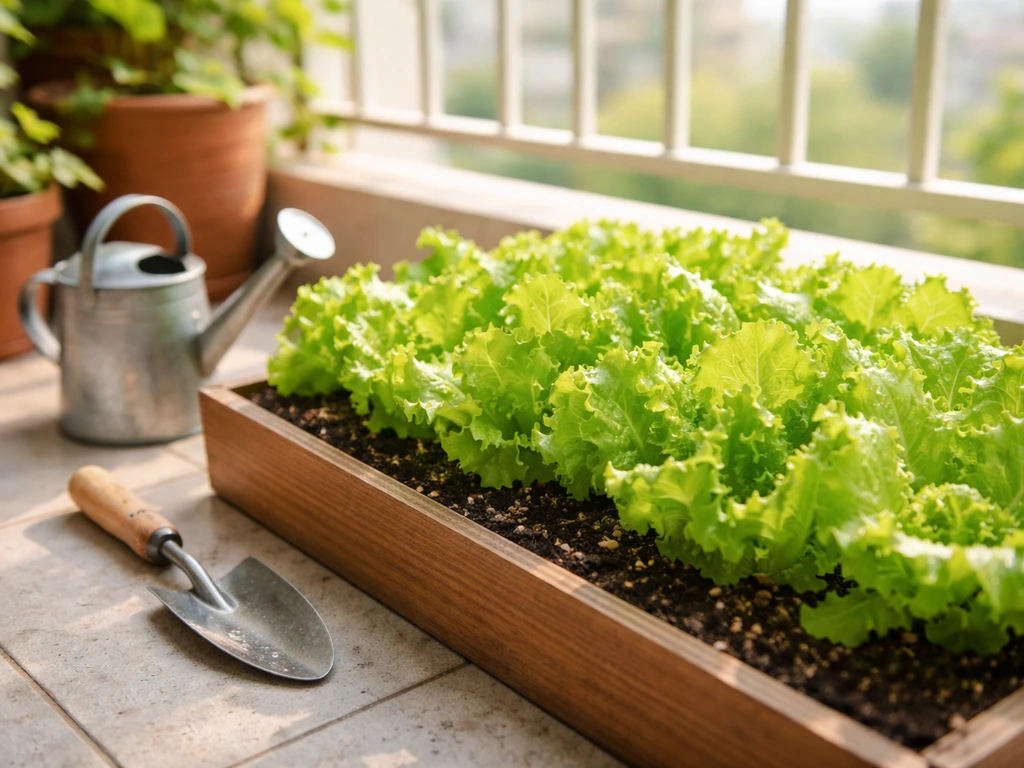
Containers are actually ideal for Indian home gardeners because you can move them to shade when temperatures spike, which gives you a meaningful extra week or two at the end of the season. Use containers that are at least 20–25 cm deep. A 30 cm wide pot can hold 3–4 loose-leaf plants comfortably. Rectangular balcony planters work brilliantly for row sowing.
Fill with a mix of good quality potting mix, some coco peat (about 30% by volume) for moisture retention, and a handful of compost or vermicompost. Coco peat is widely available in India and is genuinely useful for lettuce because it keeps the root zone consistently moist without waterlogging. Ensure every container has drainage holes; lettuce roots rot quickly in standing water.
Garden bed growing
If you have garden space, prepare beds to a depth of 20–25 cm. Lettuce has shallow roots but benefits from loose, friable soil. Mix in a generous amount of compost (aim for about 20–25% organic matter in the soil mix). Soil pH should ideally be between 6.0 and 7.0. Slightly acidic to neutral soil is fine; most Indian garden soils fall in this range, though heavy clay soils in some regions will need loosening with sand or coco peat.
Sowing seeds
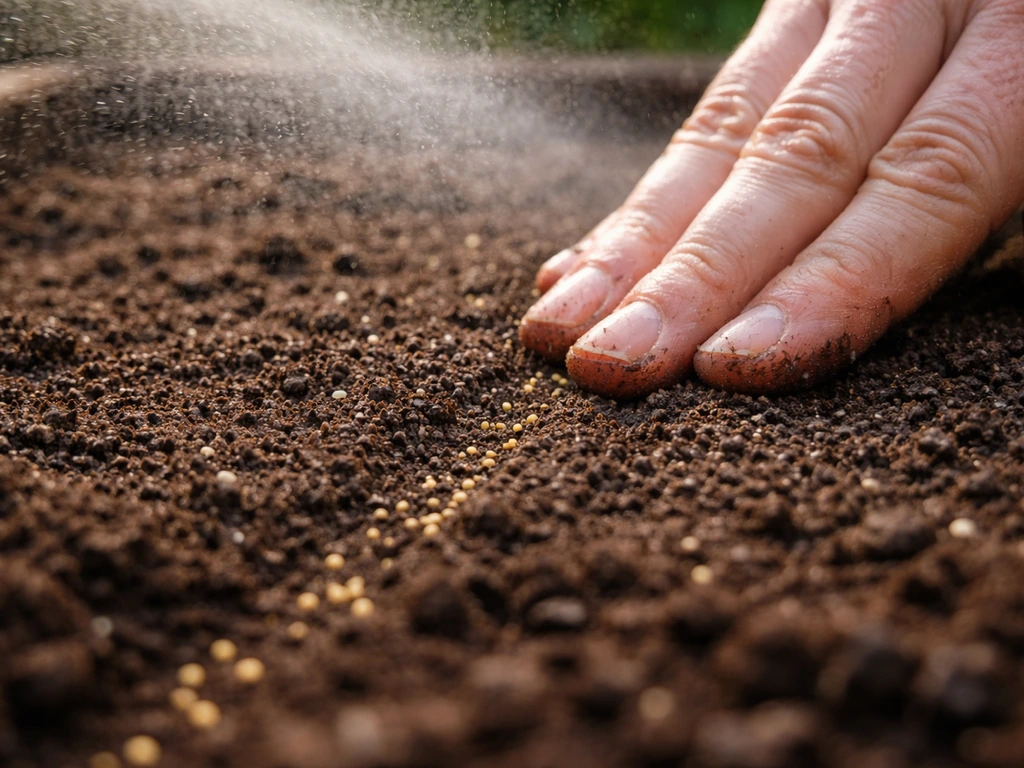
Lettuce seeds are tiny. Sow them shallowly, about 3–5 mm deep, and press gently. They need light to germinate well, so do not bury them. Water lightly with a sprinkler or mist immediately after sowing and keep the surface consistently moist (not soaked) until germination, which takes 5–10 days in cool conditions. If the soil dries out during germination, you will get patchy sprouting. You can start seeds in small trays or directly in the final container or bed.
Transplanting seedlings
If you started in trays, transplant seedlings when they have 2–3 true leaves, which is usually 2–3 weeks after germination. Water seedlings well an hour before transplanting, handle roots gently, and transplant in the early evening to reduce transplant shock. Keep them shaded and moist for the first 2–3 days after transplanting.
Light, water, temperature, spacing, and feeding
Light
Lettuce needs about 6 hours of sunlight per day during the cool season. In winter, that morning sun from 8 AM to 2 PM is ideal. Avoid the harsh afternoon sun, especially from February onward when temperatures start climbing. If your balcony only gets 4–5 hours of direct light, lettuce will still grow, just a bit more slowly. Less than 4 hours and you will see leggy, pale plants.
Temperature
The target range is 12–21°C, with 18°C being the sweet spot for fast, healthy growth. Below 10°C, growth slows significantly. Above 24°C regularly, expect bolting within 1–2 weeks. Night temperatures matter too: cool nights (below 15°C) actually promote leafy growth, while warm nights accelerate bolting. If you are in a plains city and temperatures are consistently above 22°C during the day, shade cloth rated at 30–50% is a useful tool.
Watering
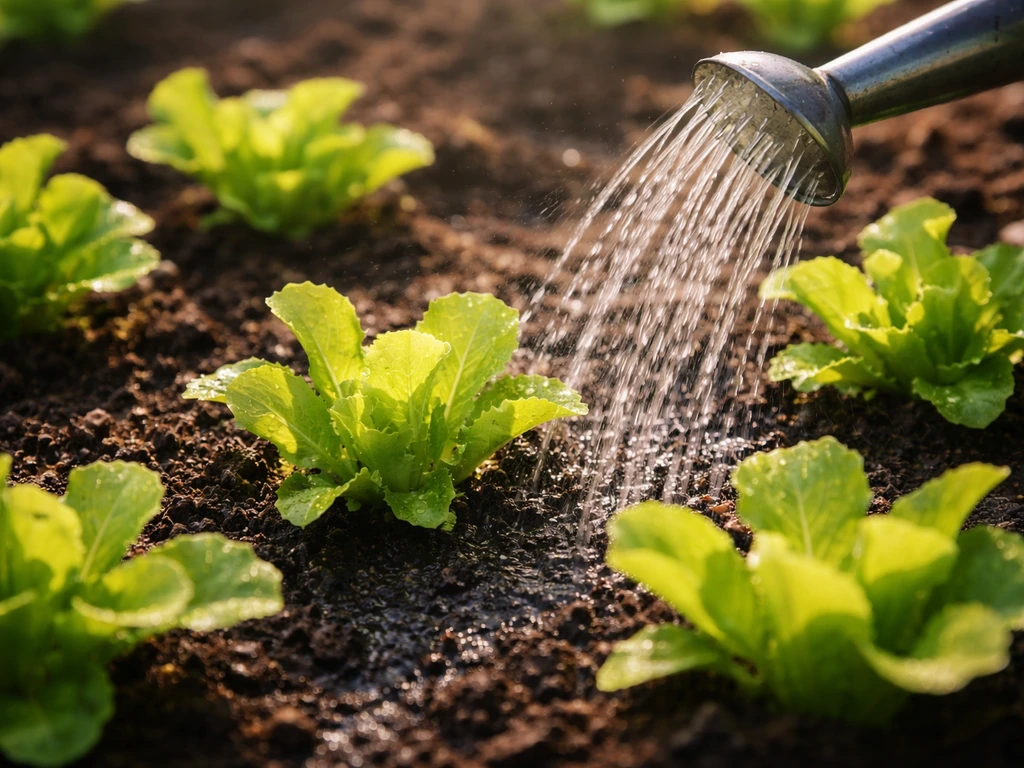
Lettuce is thirsty. The soil should stay consistently moist but never waterlogged. In containers during winter, watering every 1–2 days is typically needed; during warmer spells, you may need to water daily. Stick your finger about 2 cm into the soil: if it feels dry, water thoroughly until it drains from the bottom. Inconsistent watering causes tip burn (brown leaf edges) and can stress plants into bolting early. Mulching with dry grass or straw helps retain moisture and keeps roots cool.
Spacing
- Loose-leaf varieties: 15–20 cm between plants, 25–30 cm between rows
- Butterhead and Romaine: 20–25 cm between plants, 30 cm between rows
- Iceberg/head lettuce: 30–35 cm between plants, 35–40 cm between rows
- For cut-and-come-again growing, you can sow loose-leaf types as dense as 5 cm apart and thin as you harvest
Feeding
Lettuce is a light feeder but responds well to nitrogen, which drives leafy growth. If your starting mix included good compost, you may not need additional feeding for a 35–45 day crop. For a longer season or if plants look pale and slow, apply a diluted liquid fertilizer (fish emulsion, liquid seaweed, or any general NPK liquid with higher N) every 2–3 weeks. Do not overdo nitrogen late in the season; it can make plants more susceptible to aphids. Avoid high-phosphorus bloom fertilizers; those are for fruiting plants, not lettuce.
Indoor and hydroponic lettuce for Indian gardeners
This is genuinely where the game changes for Indian growers, especially in hot, humid cities or for anyone who wants fresh lettuce in summer. If you are looking for lettuce tips in Palworld, the same idea applies: grow it during the coolest window and control heat stress for best results how to grow lettuce palworld. Indoor and hydroponic setups remove the season constraint entirely.
Growing lettuce indoors in containers
A bright windowsill or balcony space that gets 5–6 hours of indirect light works for loose-leaf lettuce indoors. If your indoor space does not get enough natural light, a simple LED grow light (4000–6500K spectrum, 2000–3000 lux at plant level) for 14–16 hours per day will do the job. Keep the room temperature between 18–22°C if possible. Loose-leaf varieties in 20–25 cm deep containers on a kitchen counter or shelf are a genuinely practical option for apartment dwellers.
Hydroponics: the best option for year-round Indian lettuce
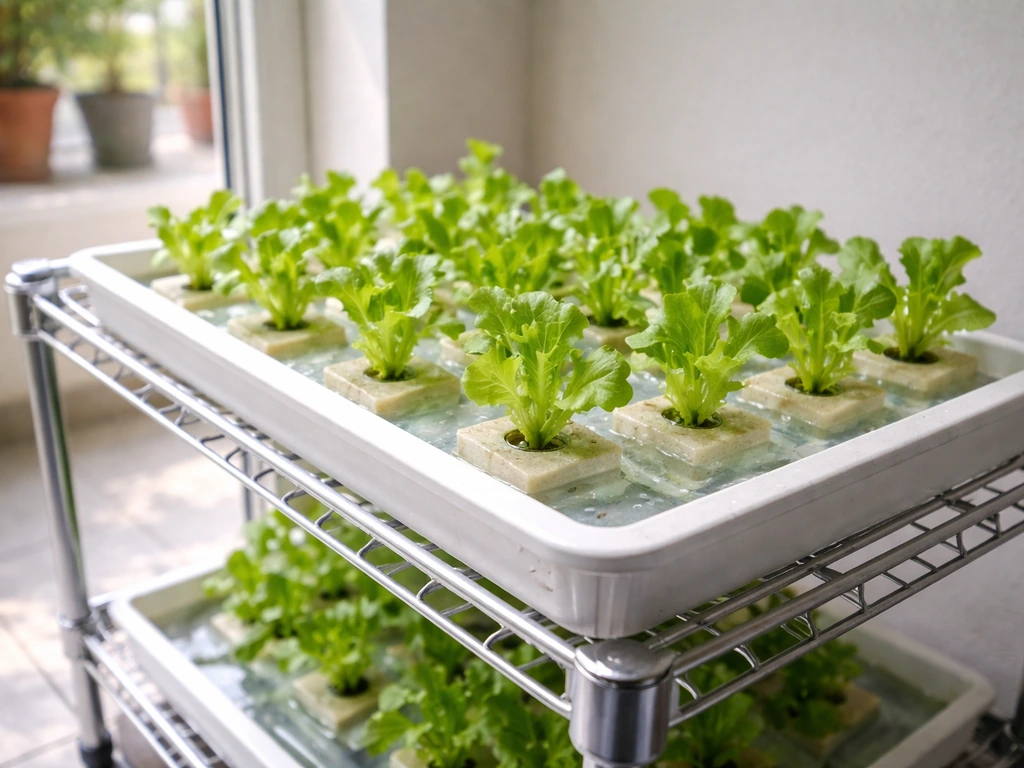
Lettuce is one of the easiest crops for hydroponics and is actually the most commonly grown hydroponic crop in India. NFT (Nutrient Film Technique) and DWC (Deep Water Culture) systems both work very well. You can set up a basic DWC system in a 20-litre bucket with an air pump, net pots, and a simple lettuce nutrient solution. Seeds are started in rockwool or cocopeat cubes and transferred to net pots once sprouted.
The key advantages for India are clear: temperature can be controlled (especially with indoor setups), there is no soil-borne disease, water use is 70–90% less than soil growing, and you get remarkably fast growth. Hydroponic loose-leaf lettuce grown at the correct EC (electrical conductivity around 0.8–1.6 mS/cm) and pH (5.5–6.5) in a controlled indoor space can be ready in 28–35 days from transplant. Many small hydroponic farms across India (Pune, Bangalore, Hyderabad) already operate profitably on this model.
If you are in a city with hot summers and want lettuce all year, a small DWC or kratky setup under grow lights in a spare room or balcony corner is honestly the most reliable path. Starter kits are available from several Indian hydroponics suppliers online for reasonable prices.
Fixing the most common lettuce problems in India
Plant is bolting (sending up a tall flower stalk)
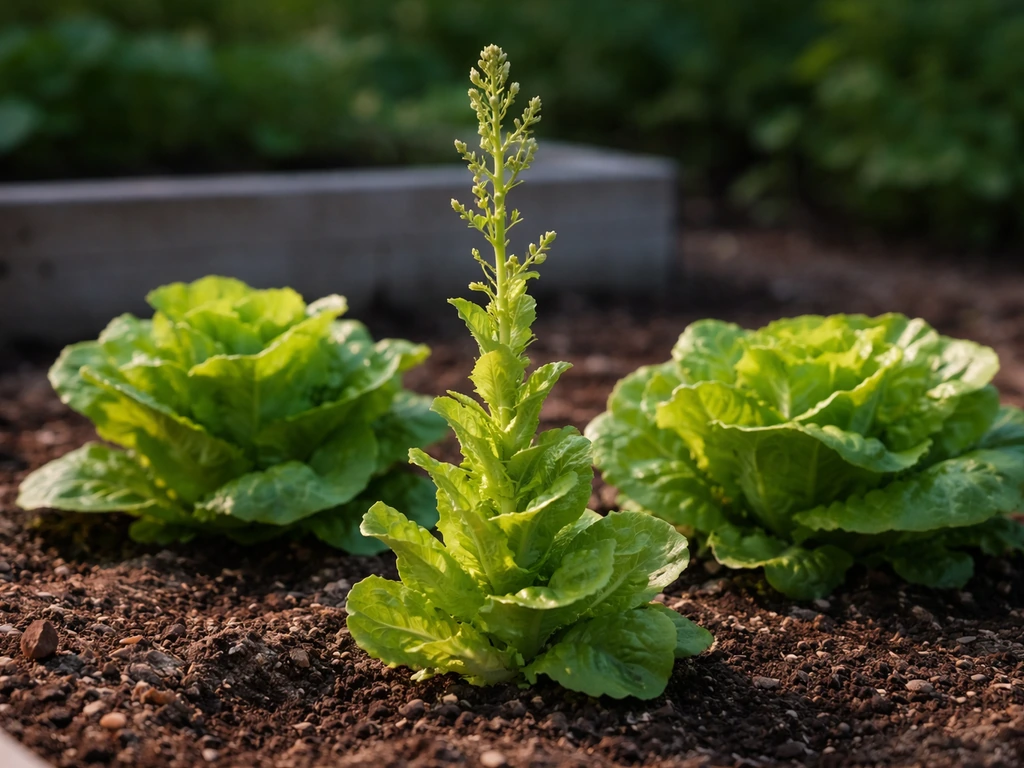
This is the number one issue for Indian growers. Bolting is triggered by heat and long days. If it happens, there is no reversing it, but you can harvest whatever leaves remain immediately before they get completely bitter. To prevent it next time: sow earlier in the season, choose slow-bolting loose-leaf varieties, add shade cloth once day temperatures consistently exceed 22°C, and mulch the root zone to keep soil cooler. Moving containers to shadier spots as the season warms also buys extra time.
Bitter leaves
Some bitterness in lettuce is normal, but harsh bitterness usually means heat stress, bolting, or inconsistent watering. Harvest in the morning when leaves are cool and hydrated. Outer leaves are naturally more bitter than inner ones. If the whole plant tastes very bitter, it is probably on the verge of bolting and you should harvest everything now.
Aphids and pests
Aphids are the most common pest on Indian balcony lettuce. They cluster on the undersides of leaves and on new growth. A strong jet of water knocks them off effectively. Neem oil spray (5 ml neem oil + 1 ml dish soap in 1 litre of water) applied in the evening works well as a follow-up. Check every few days during the cool season. Caterpillars from whitefly or moths can also appear; pick them off by hand or use a diluted neem solution. Avoid chemical pesticides on lettuce since you are eating it fresh.
Slow or uneven germination
Lettuce seeds need moisture and some light to germinate. If they are not coming up within 10 days: check that they were not buried too deep (more than 5 mm is too deep), that the surface stayed consistently moist (not flooded), and that temperatures were not too cold (below 10°C slows germination significantly) or too warm (above 25°C, germination drops sharply). Try germinating seeds indoors and transplanting once sprouted if outdoor conditions are marginal.
Yellowing or pale leaves
Usually a sign of nitrogen deficiency or insufficient light. If the plant is getting 5+ hours of sun and still looks pale, try a diluted nitrogen-rich liquid feed. If it is getting less than 4 hours of direct light, the problem is light, not nutrition.
Root rot or wilting despite watering
This means the drainage is failing. Check that container holes are not blocked, and feel the soil: if it is soggy rather than moist, you are overwatering or the pot is not draining. Remove the plant, check the roots (brown and mushy means rot), trim affected roots, let the pot dry slightly, and replant with better drainage. In monsoon season, this is very common for outdoor containers; bring them under cover during heavy rain.
Tip burn (brown edges on leaves)
This is a calcium deficiency at the leaf edges, usually caused by inconsistent watering rather than actual calcium shortage in the soil. It is common in Indian conditions where temperatures swing and containers dry out unevenly. Water more consistently, and if it persists, check that the soil mix has some lime or calcium source in it.
A simple plan based on your setup
Here is the practical summary: if you have a garden or outdoor beds, start sowing loose-leaf lettuce in October or November, stagger sowings every 3 weeks through December, and harvest cut-and-come-again until February or early March. If you want a quick walkthrough, you can use this guide to create a simple how to grow lettuce pdf plan for your exact setup and calendar. If you are looking to grow lettuce in South Africa, use the same cool-season approach and match planting dates to your local temperatures how to grow lettuce in south africa. You can use the same cool-season approach as you follow in our guide on how to grow lettuce in Ireland, especially for timing and temperature control. If you have a balcony with containers, do the same but keep containers moveable so you can shift them to shade as temperatures rise. If you want lettuce outside the October to February window, go indoor containers with grow lights or set up a basic DWC hydroponic system. If you are in the Philippines, the same cool-weather timing and container or shade strategies will help you grow lettuce successfully how to grow lettuce in the Philippines. That is honestly the most reliable path for year-round fresh lettuce in most Indian cities. Growers in cooler climates like the Philippines, Australia, South Africa, or New Zealand face similar tropical or seasonal constraints, and the core advice maps across: work with cool seasons or control your environment.
Start with a loose-leaf variety, a couple of containers, a good potting mix, and October timing. That combination works reliably for beginners across most of India. Once you have a harvest or two under your belt, experimenting with Romaine, Butterhead, or a small hydroponic setup becomes much less intimidating.
FAQ
How do I harvest lettuce in India so it keeps producing (instead of one single harvest)?
Use cut-and-come-again harvesting, take only the outer 2 to 3 inches (5 to 8 cm) of leaves, and leave the growing point intact. If you harvest the crown or pull out the center leaves, plants often bolt sooner and do not regrow well.
What’s the best way to store lettuce I grow at home so it stays fresh in Indian weather?
Pick plants with firm, crisp leaves and avoid soaking the base when cooling. Let harvested leaves sit in a bowl with clean cold water for 5 minutes, then dry thoroughly and store in the fridge in a perforated container or cloth, this reduces sliminess and bitterness.
My lettuce seeds are not germinating, what are the most common causes in Indian conditions?
Yes, but germination becomes inconsistent if the surface dries even briefly. Keep the top 1 to 2 cm evenly moist with light misting, and avoid burying seeds deeper than 3 to 5 mm, deeper planting is a common reason for poor sprouting.
How important are night temperatures, and how do I use them to prevent bolting?
If nights are warmer than about 15 to 16°C, bolting accelerates even when daytime is tolerable. Watch nighttime forecasts too, and shift sowing earlier or start in shade-controlled containers to delay bolting.
How do I know if my lettuce problem is watering or nutrition, especially in containers?
For containers, consistent moisture matters more than heavy feeding. After the first month, switch from more frequent watering to a stable schedule, and if the leaves are pale but not weak, raise nitrogen only slightly using a diluted liquid feed every 2 to 3 weeks (overfeeding can worsen aphid problems).
What balcony-specific steps help lettuce survive the hottest part of the day in Indian cities?
In many Indian balconies, lettuce grows poorly because of heat buildup in the container. Use light-colored pots, add a top mulch layer, and water early in the morning so the root zone cools before afternoon heat peaks.
If my lettuce starts bolting, should I try to save it or harvest immediately?
Treat bolting as a timing problem: the moment you see a visible flower stalk or leaves turning sharply bitter, harvest immediately and remove the plant to prevent wasted space. To prevent it next time, start batches earlier and use slow-bolting loose-leaf types.
Can lettuce tolerate frost or cold snaps in North India and hill areas?
A light frost can damage tender lettuce, but mild cold is usually beneficial for leaf growth. Cover with a translucent sheet at night during cold snaps, remove in the morning, and do not water late evening when temperatures drop.
What’s the most practical routine to control aphids on balcony lettuce without harming the leaves?
Aphids are easiest to manage by starting early: check undersides and new growth every 2 to 3 days during the cool season. Use a water jet first, then neem as a follow-up, and keep plants spaced for airflow to reduce recurring infestations.
My lettuce has brown crispy leaf edges, what does it usually mean and what should I change first?
If tip burn is on leaf edges, it usually points to irregular watering and root stress rather than a true lack of nutrients. Fix by watering to keep the soil evenly moist, then consider whether your pot is drying too fast (small pots dry out quickly).
Can I grow lettuce year-round indoors with grow lights, and how should I set light and airflow?
Yes, but the goal is to control light quality and heat, not to maximize hours. Aim for about 5 to 6 hours total, prefer morning sun, and if you use shade cloth, place it so airflow continues, stagnant air increases fungal risk.