You can grow lettuce from seed to harvest in as little as 30 days for loose-leaf types, or up to 80 days for crisphead varieties like iceberg. [Sow seeds 1/4 inch deep](https://extension. oregonstate. edu/sites/extd8/files/documents/12281/growinglettuceandgreens0.
How to Grow Lettuce PDF Step-by-Step Home Guide
Marcus Holloway
11 Jun 2026
pdf), keep soil consistently moist, aim for temperatures between 60–70°F, thin seedlings to 4–10 inches apart depending on type, and start harvesting outer leaves once plants are about 4–6 inches tall. If you are also looking for how to grow lettuce palworld, keep these same basics in mind, especially temperature and consistent moisture. That's the core of it.
Everything below fills in the details so you can apply it to whatever setup you're working with, outdoor bed, container, windowsill, or hydroponic system. If you prefer video guidance, search for a “how to grow lettuce” YouTube walkthrough for your specific setup and variety how to grow lettuce YouTube.
Picking the right lettuce variety for your setup
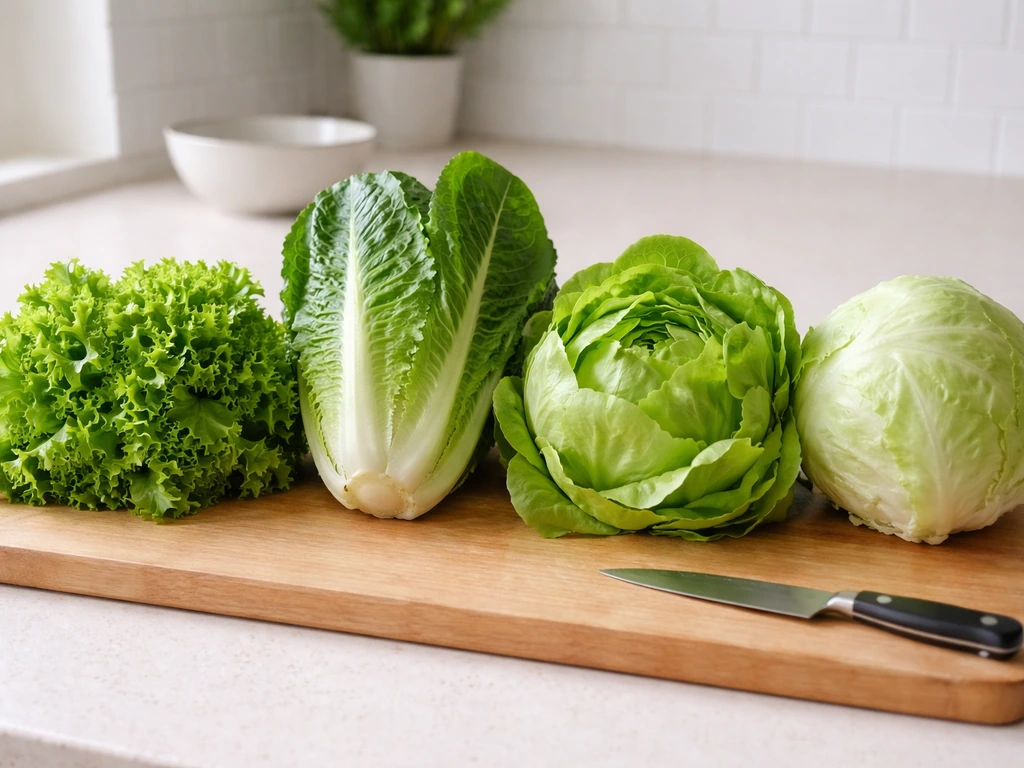
There are five main lettuce types: loose-leaf, cos/romaine, butterhead, crisphead (iceberg), and stem/asparagus lettuce. For most home growers, loose-leaf is the easiest place to start. It matures fastest (around 45–52 days), tolerates more shade than other types, is more cold-hardy, and some varieties handle heat reasonably well. If you're growing in containers, on a windowsill, or somewhere with less-than-perfect light, loose-leaf is your best bet.
Butterhead and romaine are the next step up in difficulty. Butterhead forms small, loose heads and takes about 60–70 days. Romaine comes in around 53–70 days. Both have excellent flavor and are worth growing if you have decent outdoor space or a container with full sun. Crisphead (iceberg) takes the longest at 50–90 days and is the most demanding about consistent moisture and temperature. I'd skip it as a beginner unless you specifically want it.
The most important matching decision is heat tolerance. If you're growing through warm months, look for varieties labeled 'slow-bolting' or 'heat-resistant.' Some loose-leaf varieties like 'Black Seeded Simpson' or 'Oak Leaf' hold up better than others. Butterhead and romaine have heat-tolerant cultivars too. If you're gardening in a consistently warm climate, this single choice will make or break your harvest. If you are growing in the Philippines, also plan for heat and fast bolting by choosing slow-bolting varieties and timing your sowings around cooler periods grow lettuce in the Philippines. Crisphead is the most bolt-prone and is a poor match for warm conditions.
| Type | Days to Harvest | Best For | Heat Tolerance | Difficulty |
|---|---|---|---|---|
| Loose-leaf | 45–52 days | Containers, windowsills, beginners | Moderate (some varieties) | Easy |
| Butterhead | 55–70 days | Raised beds, containers | Low–moderate | Easy–moderate |
| Romaine/Cos | 53–70 days | Outdoor beds, raised beds | Low–moderate | Moderate |
| Crisphead/Iceberg | 50–90 days | Large outdoor beds | Low | Moderate–hard |
| Stem/Asparagus | 60–80 days | Specialty outdoor growing | Moderate | Hard |
How and where to sow: outdoor beds, containers, indoors, and hydroponics
Outdoor beds and raised beds
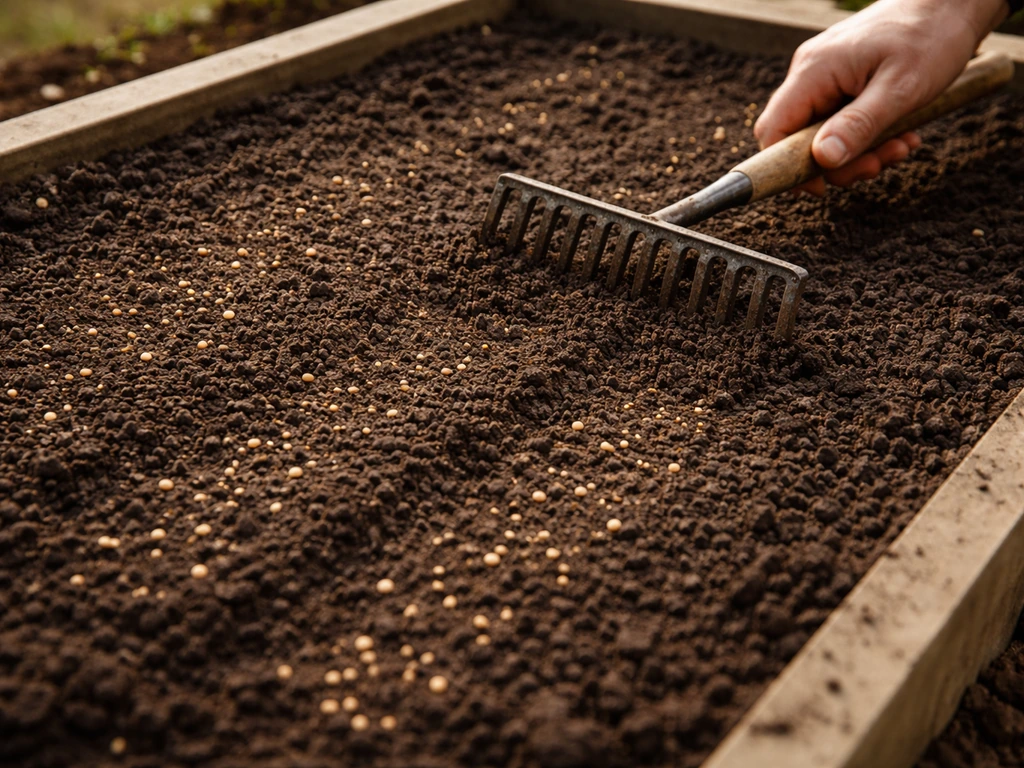
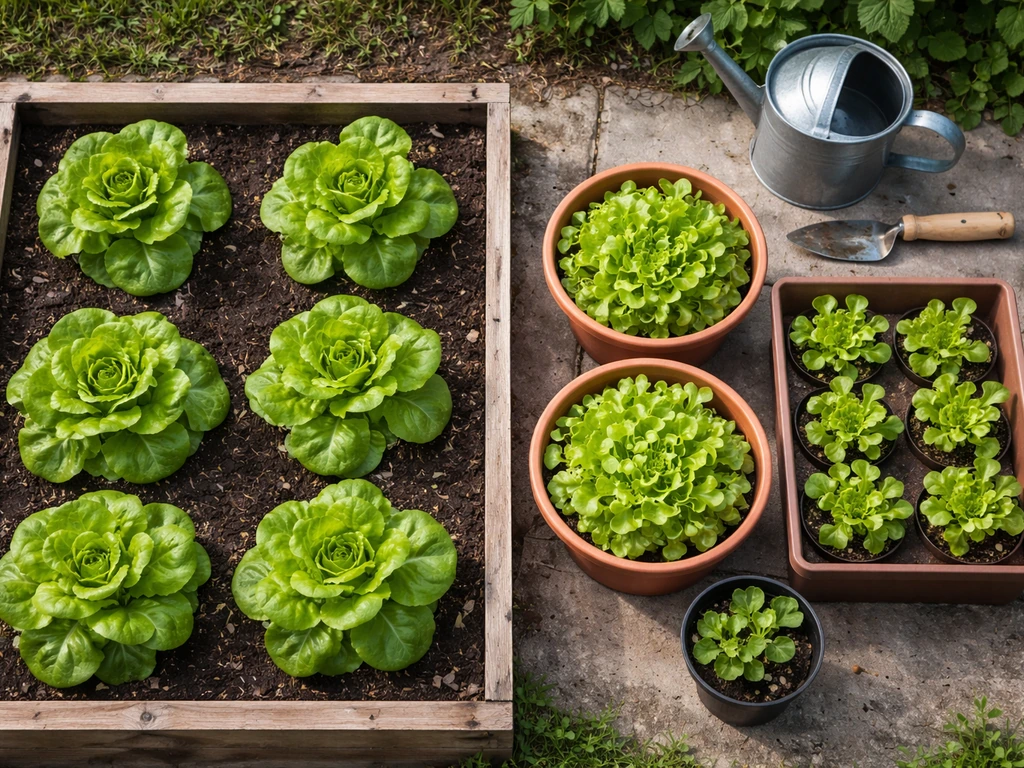
Direct sowing is the simplest outdoor method. Prepare your bed by loosening soil to about 6 inches and raking it smooth. Scatter seeds thinly in rows or broadcast them across a patch, then cover with exactly 1/4 inch of soil. Water gently so you don't wash seeds sideways. Keep the soil evenly moist until germination, which typically takes 7–14 days. Lettuce germinates best when soil temperature is between 60–65°F. At temperatures above 80°F, germination rate drops significantly, so if you're sowing in warm weather, try chilling seeds in the fridge for a day or two before planting.
You can also start seeds indoors 3–4 weeks before your last frost date and transplant seedlings outside. Harden them off over a week by setting them outside for increasing amounts of time before planting them out. Lettuce can handle a light frost, so you can move transplants out earlier than most vegetables.
Container growing
Lettuce is one of the best crops for containers. Use a pot at least 6 inches deep, with drainage holes, filled with good-quality potting mix. Loose-leaf varieties work particularly well in containers since you can harvest outer leaves continuously. Sow seeds the same way as outdoors, 1/4 inch deep, and thin as seedlings establish. A 12-inch pot can support 3–4 loose-leaf plants or 2 butterhead plants comfortably. Containers dry out faster than beds, so check moisture daily in warm weather.
Indoor growing (windowsill and grow lights)
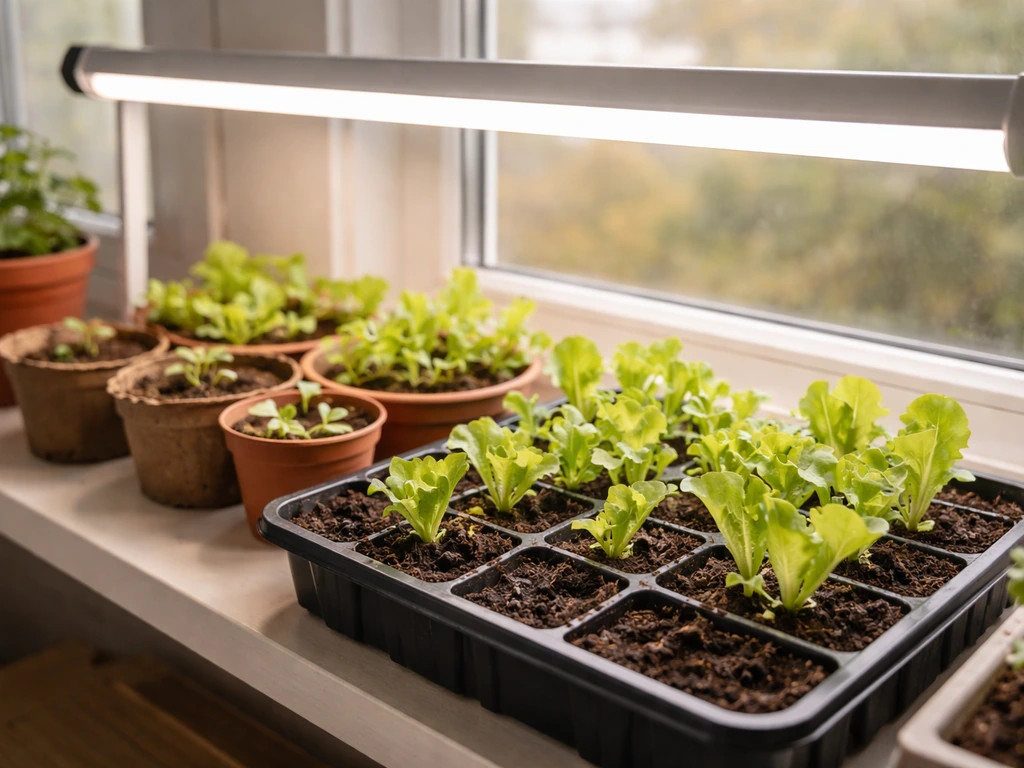
A south-facing windowsill works for lettuce, but results are variable because indoor light intensity is usually low. Loose-leaf varieties are the most forgiving indoors. If you have grow lights, aim for a PPFD of at least 100–300 μmol/m²/s and run lights for 14–16 hours per day with 8–10 hours of darkness. A daily light integral (DLI) of 12–17 mol/m²/day is the target for healthy indoor lettuce. Below that threshold, plants stay alive but produce small, weak leaves rather than the full, lush growth you want.
Hydroponic growing
Lettuce is probably the most popular crop for home hydroponics, and for good reason: it grows faster than in soil. In a Nutrient Film Technique (NFT) or deep water culture setup, expect harvest in 30–45 days after germination. Target a pH of 5.5–6.5 and an EC of 1.0–2.0 mS/cm. Space plants about 8 inches (20 cm) apart. Use the same light setup as for indoor soil growing: 14–16 hours of light per day. Under optimal NFT conditions, harvest can come as fast as 25–35 days. Keep pH and EC consistent and you'll get predictable, fast results.
What lettuce actually needs to thrive: light, temperature, water, and soil
Light
Outdoors, lettuce prefers full sun in spring and fall, and benefits from afternoon shade in summer. In South Africa, focus on the timing that matches your local spring and autumn temperatures, and choose heat-tolerant lettuce if you are growing through warmer months. If you're growing during warm months, position plants where taller crops or a shade cloth will block the hottest afternoon sun. This alone can add several weeks before bolting kicks in. Indoors, natural window light is rarely enough on its own; supplement with a grow light if your windowsill doesn't get 6+ hours of direct sunlight.
Temperature
The sweet spot for lettuce is 60–70°F, with 60–65°F being ideal. At these temperatures, growth is steady, flavor is good, and bolting risk is low. Lettuce can tolerate light frosts, making it a great early-spring and fall crop. Once temperatures consistently push above 75–80°F, growth quality drops and bolting becomes a real risk.
Plan your sowing calendar around this: sow 4–6 weeks before your last frost date in spring, then again 6–8 weeks before your first frost date in fall. For lettuce in New Zealand, use these same variety, temperature, and timing tips and adjust your sowing dates to your local season sowing calendar.
If you are growing in India, plan your sowing around local spring and fall cool periods, since heat and long days can quickly trigger bolting how to grow lettuce in india. If you're growing lettuce in the Philippines, aim for the coolest planting windows and choose heat-tolerant or slow-bolting varieties to reduce bolting how to grow lettuce philippines.
This guidance is especially helpful when planning how to grow lettuce in South Africa, where heat and season timing can vary a lot Plan your sowing calendar. If you're figuring out how to grow lettuce in Ireland, use this same sowing calendar and plan around cool spring and autumn conditions to reduce bolting risk.
Watering
Consistent moisture is non-negotiable for lettuce. The goal is soil that stays evenly moist but never waterlogged. Inconsistent watering causes stress that accelerates bolting and produces bitter leaves. Water at the base of plants rather than overhead when possible, because wet leaves sitting in humid conditions invite downy mildew. In containers, this usually means watering every 1–2 days in warm weather. In raised beds or in-ground plots, check soil 1 inch below the surface: if it's dry, water.
Soil and fertilizer
Lettuce grows best in loose, well-draining soil with a pH of 6.0–7.0. Below pH 6.0, you'll need to add agricultural lime to raise it. Poor pH management reduces phosphorus availability and can cause deficiencies even when you've added fertilizer. For outdoor beds, mix in compost before planting. For containers, use a quality potting mix rather than garden soil, which compacts too much. Lettuce is a light feeder compared to fruiting vegetables. A balanced slow-release fertilizer at planting, or a diluted liquid fertilizer every 2–3 weeks, is usually all it needs. Don't over-fertilize with nitrogen; it encourages soft, disease-prone growth.
Spacing, thinning, transplanting, and your growth timeline
Spacing depends on the type of lettuce and how you're harvesting. For loose-leaf varieties harvested as cut-and-come-again, you can get away with plants 4 inches apart. For butterhead and romaine, space at 6–10 inches between plants and 12–24 inches between rows. Crisphead needs more room: 12–15 inches between plants, 18–30 inches between rows. Cramped spacing leads to poor airflow, increased disease pressure, and smaller yields.
After sowing, thin seedlings once they're 1–2 inches tall. I know it feels wasteful, but crowded seedlings genuinely produce worse plants. Thin by snipping with scissors at soil level rather than pulling, which disturbs roots of neighboring plants. The thinnings are edible, so add them to a salad. Continue thinning in stages over two weeks until you reach your target spacing.
If transplanting seedlings, plant them at the same depth they were growing in their cell or pot. In cool, moist conditions, plant slightly deeper so roots stay hydrated. In hot, dry weather, avoid planting too deeply to prevent crown rot. Water in transplants well and keep them shaded for the first 2–3 days while they settle.
Here's what a realistic growth timeline looks like for a loose-leaf variety sown directly outdoors in spring:
- Day 1: Sow seeds 1/4 inch deep, water gently.
- Days 7–14: Germination; keep soil moist and watch for slugs.
- Days 14–21: First true leaves appear; thin to 4 inches apart.
- Days 21–35: Plants establish; water consistently and apply liquid fertilizer once.
- Days 35–52: Begin harvesting outer leaves once plants reach 4–6 inches tall.
- Days 52–70+: Continue harvesting; watch for bolting signs as temperatures rise.
Harvesting, succession planting, and keeping lettuce fresh
How to harvest
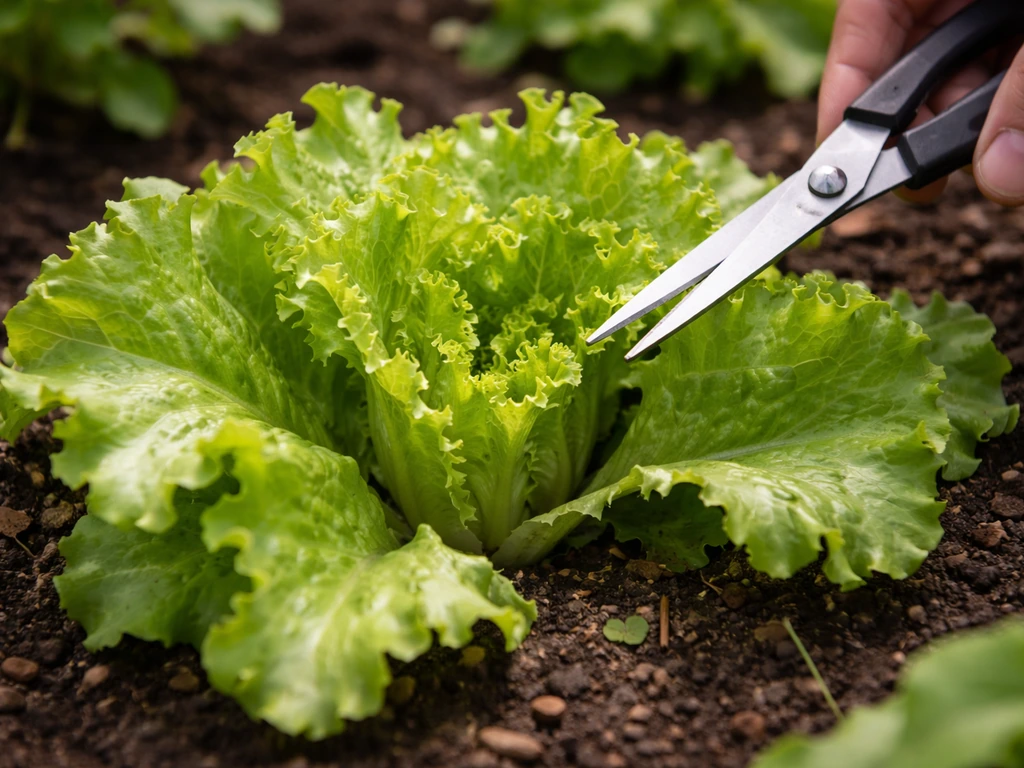
The best approach for loose-leaf varieties is cut-and-come-again: use scissors or a sharp knife to cut outer leaves when they're 4–6 inches long, leaving the inner crown intact to regrow. You can harvest from the same plant multiple times over several weeks. For butterhead and romaine, either harvest the whole head at maturity (cutting at the base) or remove outer leaves progressively. Harvest in the morning when leaves are crisp and hydrated. Avoid harvesting in midday heat.
Succession planting for non-stop lettuce
A single planting of lettuce won't last long before it bolts or you harvest it all. The fix is succession planting: stagger new sowings every 2 weeks during cooler months (when days to maturity are 60–75 days, stretch this to every 3–4 weeks). Keep this going as long as temperatures stay below 80–85°F. By staggering batches, you'll always have young plants coming in as older ones finish. This is genuinely the most underused tactic by beginner lettuce growers.
Storing what you harvest
Wash your harvested lettuce, then dry it thoroughly before storing. Wrap the dry leaves in a dry, lint-free towel, place them in a plastic bag or airtight container, and refrigerate. Crisphead lettuce stores best at 32°F (0°C) and can last 21–28 days at optimal conditions. Loose-leaf and butterhead types have a shorter fridge life, typically 5–10 days. The key is dry storage: wet lettuce in a bag will rot fast.
What to do when things go wrong: troubleshooting guide
Bolting and bitter leaves
Bolting happens when lettuce sends up a flower stalk, which is triggered by heat, long days, or sometimes prolonged cold. Once a plant bolts, leaves turn bitter and the quality doesn't recover. You can't reverse it, so remove bolted plants and replace them. Prevention is the only real cure: use slow-bolting varieties, time your sowings to avoid peak summer heat, use shade cloth or intercrop with taller plants to reduce heat exposure, and succession plant regularly so you're never relying on old plants.
Slow or poor growth
If your lettuce looks stunted or pale, run through this checklist: Is soil pH between 6.0–7.0? Poor pH blocks nutrients even when they're present. Is the plant getting enough light (at least 6 hours of sun outdoors, or adequate artificial light indoors)? Is it too cold (below 45°F) or too warm (above 80°F)? Are you watering consistently? Under-watering stunts growth; over-watering causes root problems. Address the most obvious factor first, then reassess after a week.
Aphids
Aphids cluster on new growth and under leaves, and lettuce is a favorite target. If you spot them early, blast them off with water or use insecticidal soap spray, making sure to cover the undersides of leaves thoroughly. Horticultural oil also works. Both options are safe for edible crops and conserve beneficial insects better than broad-spectrum pesticides. Check plants every few days during aphid season (spring and early summer).
Slugs and snails
Slugs are a serious problem for young lettuce seedlings, especially in damp conditions. If you see irregular holes in leaves or find slime trails, slugs are the culprit. Iron phosphate-based bait (like Sluggo) is effective and safe to use around edible plants. Spread it around the base of plants in the evening. Avoid overwatering or leaving standing water near beds, which attracts slugs.
Rot and disease
Downy mildew is the most common disease problem, appearing as yellow patches on top of leaves with grey fuzz underneath. It thrives in cool, humid conditions when leaf surfaces stay wet. Water at the base, not overhead. Improve airflow by thinning properly and avoiding overcrowded plantings. If growing in containers, raise them off the ground slightly for better drainage. Remove and discard affected leaves immediately; don't compost them.
Germination failure
If seeds don't germinate within 14 days, the most likely causes are soil temperature too high (above 80°F kills germination), soil too dry during the critical first week, seeds buried too deep (more than 1/4 inch), or old seed with low viability. In warm weather, try refrigerating seeds overnight before sowing and keep the soil surface shaded and moist with a light covering of damp burlap or cardboard until sprouts emerge.
Your printable growing plan: a simple checklist for your next batch
Use this as your go-to reference every time you start a new batch of lettuce. It covers everything from setup to harvest in a format you can print or screenshot and take to the garden.
Before you sow
- Choose your variety based on your setup and season: loose-leaf for containers, shade, or beginners; butterhead or romaine for beds with reliable moisture; slow-bolting types for warm months.
- Check soil pH: aim for 6.0–7.0. Add lime if below 6.0.
- Prepare bed or container: loosen soil, add compost or quality potting mix, ensure good drainage.
- Check your sowing timing: soil temperature should be 60–65°F. Lettuce can handle light frost, so you can sow early in spring.
- Plan your succession schedule: mark dates to sow a new batch every 2 weeks (every 3–4 weeks in cool months).
Sowing day
- Sow seeds 1/4 inch deep, either in rows or broadcast across the bed.
- Water gently with a fine spray to avoid washing seeds away.
- Label your planting with the variety name and date.
- If sowing indoors or in hydroponics, set grow lights to 14–16 hours per day.
Weeks 1–3 (germination and establishment)
- Keep soil evenly moist; check daily in warm or dry conditions.
- Watch for slugs: apply iron phosphate bait as a precaution in damp weather.
- Once seedlings reach 1–2 inches, begin thinning to 4 inches apart for loose-leaf, 6–10 inches for butterhead/romaine.
- Apply a diluted liquid fertilizer once plants have 3–4 true leaves.
Weeks 3–7 (growing to harvest)
- Continue watering consistently; never let soil dry out completely.
- Check weekly for aphids; treat with insecticidal soap if spotted.
- Water at the base to reduce disease risk; improve airflow if plants look crowded.
- Begin harvesting outer leaves of loose-leaf types at 4–6 inches tall (usually day 35–52).
- Monitor for bolting: if you see a central stalk elongating, harvest the whole plant immediately before flavor deteriorates.
Harvest and storage
- Harvest in the morning for the best quality and crispness.
- Wash and dry leaves thoroughly before storing.
- Wrap dry leaves in a lint-free towel, place in a bag, and refrigerate.
- Use loose-leaf and butterhead within 5–10 days; crisphead within 21–28 days at 32°F.
- Sow your next succession batch on schedule so you never run out.
Quick-reference numbers to keep handy
| Parameter | Target |
|---|---|
| Ideal air temperature | 60–70°F (15.5–21°C) |
| Soil/germination temperature | 60–65°F (15.5–18°C) |
| Seed depth | 1/4 inch (6 mm) |
| Loose-leaf spacing | 4–6 inches between plants |
| Butterhead/romaine spacing | 6–10 inches between plants, 12–24 inch rows |
| Crisphead spacing | 12–15 inches between plants, 18–30 inch rows |
| Hydroponic pH | 5.5–6.5 |
| Hydroponic EC | 1.0–2.0 mS/cm |
| Indoor light hours | 14–16 hours per day |
| Soil pH | 6.0–7.0 |
| Succession planting interval (warm months) | Every 2 weeks |
| Succession planting interval (cool months) | Every 3–4 weeks |
| Days to harvest: loose-leaf | 45–52 days |
| Days to harvest: butterhead | 55–70 days |
| Days to harvest: romaine | 53–70 days |
| Days to harvest: hydroponic | 30–45 days |
| Refrigerator storage: loose-leaf | 5–10 days |
| Refrigerator storage: crisphead | Up to 21–28 days at 32°F |
Growing conditions vary a lot by location and season. If you're in a warm climate, timing your sowings carefully and choosing heat-tolerant varieties is even more important than it is in temperate zones. The principles here apply universally, but local conditions determine exactly when to sow and which varieties to prioritize. The same basics apply universally, but if you want local guidance tailored to how to grow lettuce in australia, follow that destination guide for timing and variety choices. The most important habit you can build is succession planting: keep new seeds going every couple of weeks and you'll have a near-continuous supply of fresh lettuce without relying on any single batch to last.
FAQ
How do I know if I’m watering lettuce too much or too little?
No, and it usually makes things worse. Lettuce hates soggy roots, so if the surface looks wet but the soil 1 inch down is still moist, pause watering and recheck later. In beds, water deeply enough to reach the root zone, then let the top inch begin to dry slightly before the next watering cycle.
What should I do if my lettuce keeps bolting in hot weather?
If your area often goes above 80°F, the fastest win is variety plus timing. Choose slow-bolting or heat-resistant types, then sow in the coolest window (early morning planting helps in heat). Once nights warm up, shift to smaller, more frequent sowings every 2 to 3 weeks rather than one large batch.
How do I harvest lettuce so it keeps producing instead of stalling?
For cut-and-come-again loose-leaf, you typically want to harvest outer leaves only when they are about 4 to 6 inches long, then leave the center crown untouched. If you cut too low into the crown or harvest the majority of leaves at once, regrowth slows and the plant is more likely to bolt sooner.
Will starting lettuce indoors and transplanting make it mature faster than direct sowing?
About 2 to 3 times longer in time is common for transplants versus direct sowing into the same conditions, because transplants skip germination and early establishment. However, they can temporarily slow if moved into sun that is too intense, so keep them shaded for 2 to 3 days and water at the base right after planting.
Why does my lettuce taste bitter, and how can I fix it?
Yes. If you notice bitter leaves, the main culprits are heat stress and inconsistent moisture. Check that soil stays evenly moist (not waterlogged), and harvest in the morning when leaves are crisp. For best flavor, avoid over-fertilizing nitrogen, since it can increase soft, stressed growth.
How much fertilizer should I use for lettuce, and how do I avoid overfeeding?
Under most home conditions, an all-purpose approach is sufficient: use compost plus a balanced slow-release fertilizer at planting, then do light feedings only if growth is pale or slow. If you are using liquid fertilizer, reduce the concentration and apply every 2 to 3 weeks, because overfeeding nitrogen increases disease-prone, weak tissue.
What’s the most common mistake when growing lettuce on a windowsill or with grow lights?
Aim for consistent, even light distribution rather than relying on a single bright spot. With grow lights, keep plants close enough that they respond (you do not want tall, stretched growth), and rotate containers or trays every few days so leaves develop uniformly. If leaves are thin and small, increase light hours first before adding more nutrients.
How often should I water lettuce in containers, and how do I check moisture correctly?
Use a spare pot or small container as a “test” when you are new. Containers dry out faster than beds, so soil that feels slightly moist on top can still be dry near the roots. Check the soil 1 inch down daily in warm periods, and water at the base until excess drains out.
What can I do to prevent downy mildew if my lettuce keeps getting it?
Downy mildew risk drops when leaf surfaces dry quickly and airflow is good. Remove the most affected leaves immediately, avoid wetting the foliage when watering, and thin to your intended spacing instead of “leaving them crowded for yield.” Do not compost diseased leaves, because spores can remain viable.
My lettuce seeds didn’t germinate, what should I troubleshoot first?
If seeds fail to germinate, measure two things: soil temperature and sowing depth. Seeds often die or fail to sprout when buried deeper than about 1/4 inch or when the surface dries during the first week. Also consider seed age, low viability is common, and you can solve it by using fresher seed or germination-testing a small batch.
Why is my lettuce stunted in hydroponics even though pH and EC look close?
In hydroponics, the plant is not buffered by soil, so swings in pH and EC show up fast as stunted, pale growth. If you see problems, adjust pH toward the target range first, then confirm EC with a calibrated meter. Also check that the system runs reliably, because weak circulation or low dissolved oxygen can slow growth even when readings look okay.