You can grow lettuce almost anywhere in South Africa, but timing and variety choice make or break the crop. Lettuce is a cool-weather plant, so in most of South Africa you'll get your best results from autumn through early spring (roughly March to September), when temperatures sit between 10°C and 24°C. In cooler highland regions like the Highveld and parts of the Western Cape, that window extends a bit. In hotter, more humid areas like coastal KZN, you'll need to work harder to keep plants cool and pick heat-tolerant varieties. Get those two things right and growing lettuce here is genuinely easy.
How to Grow Lettuce in South Africa: Step-by-Step Guide
Marcus Holloway
25 Jun 2026
Best lettuce types for South African seasons
South Africa's climate varies enormously from the Highveld to the Cape to KZN, so choosing the right variety for your season is the single most important decision you'll make. Not all lettuce handles heat the same way, and picking the wrong one in summer is how you end up with a bitter, bolted mess within a few weeks.
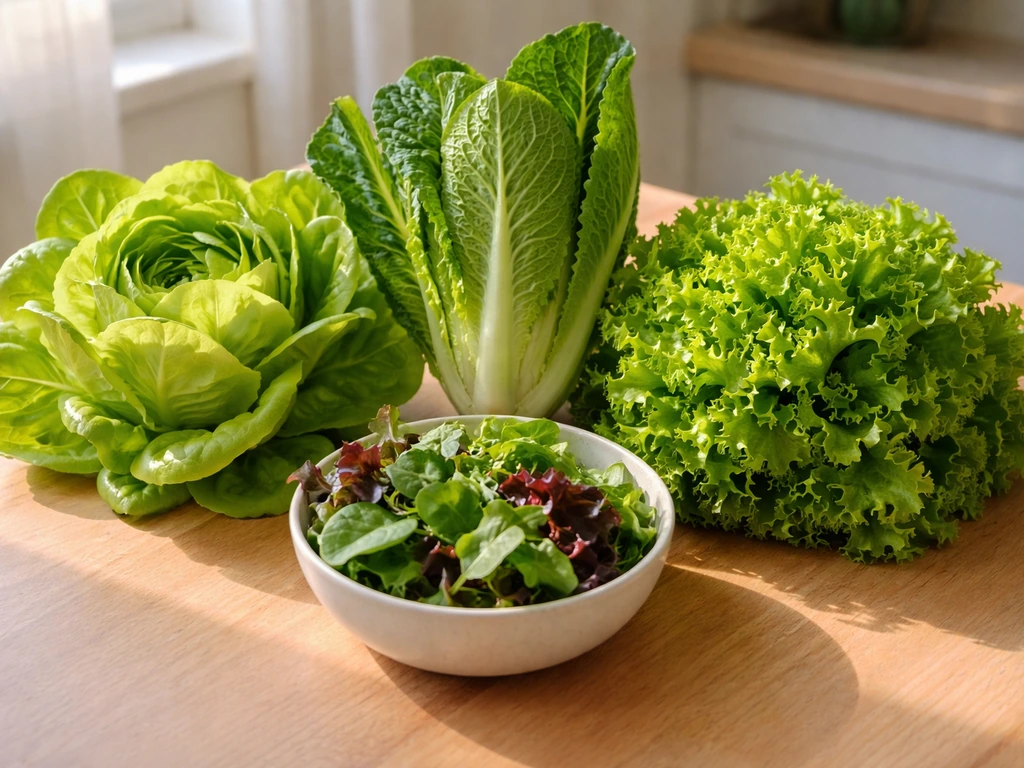
For cool-season growing (autumn through spring in most regions), you have the widest choice. Loose-leaf types like 'Grand Rapids', 'Lollo Rossa', and 'Oak Leaf' are fast, forgiving, and great for cut-and-come-again harvesting. Butterhead types like 'Butter Crunch' and 'Tom Thumb' are popular for their soft texture and mild flavour. Romaine (cos) varieties like 'Parris Island' do particularly well in slightly cooler conditions and have good bolt resistance.
For summer or late spring planting (especially in warmer provinces), you need to go specifically for heat-tolerant varieties. Great Lakes Iceberg is a well-known crisphead type that shows good resistance to bolting even in hot weather, which makes it a smart choice if you're planting when temperatures are trending upward. 'Salad Bowl' (loose-leaf) is another reliable summer performer. Avoid heading varieties that are not specifically labelled bolt-resistant during hot months, they'll go to seed before you get a single harvest.
| Lettuce Type | Best Season (SA) | Notes |
|---|---|---|
| Loose-leaf (Grand Rapids, Lollo Rossa, Oak Leaf) | Autumn, winter, spring | Fastest to harvest, cut-and-come-again, most forgiving |
| Butterhead (Butter Crunch, Tom Thumb) | Autumn, winter, spring | Soft texture, mild flavour, good for containers |
| Romaine / Cos (Parris Island) | Autumn through spring | Good bolt resistance, suits cooler highland regions |
| Crisphead / Iceberg (Great Lakes) | Late spring, summer | Best bolt resistance for hot periods, slower to form heads |
| Salad Bowl (loose-leaf) | Year-round, especially summer | Heat-tolerant, reliable in KZN and other warm coastal areas |
If you're in a region like coastal KZN where winters are mild and summers are hot and humid, your cool season may shift slightly. Focus on varieties with shorter days-to-harvest so you can get crops out before temperatures spike. Glen Seeds notes that days to harvest varies with your specific local climate, soil state, and day length, so treat packet timings as a guide rather than a guarantee.
Site and container setup (outdoor beds, shade, pots, indoor)
Lettuce is one of the most adaptable vegetables you can grow. If you are also looking for video guidance, searching for how to grow lettuce youtube can show you step-by-step methods for your setup. Whether you have a full garden bed, a balcony with a few pots, a sunny windowsill, or a simple hydroponic setup, you can make it work. The setup just needs to match your conditions.
Outdoor garden beds
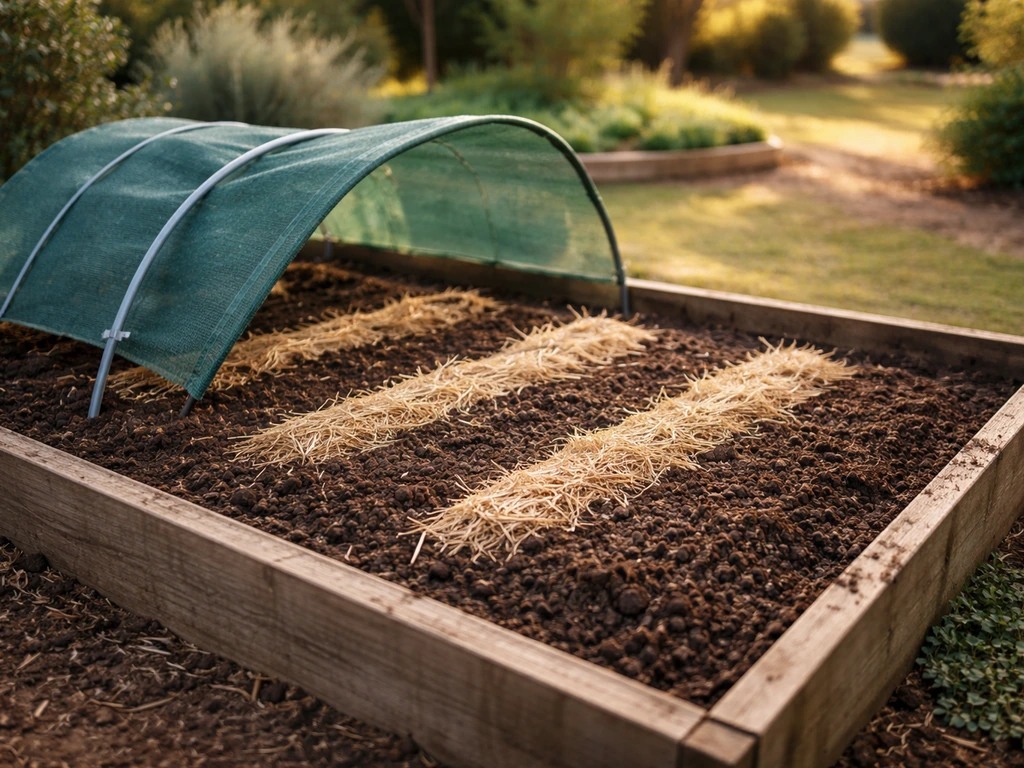
In autumn and winter, choose a spot that gets full sun (6+ hours a day). In spring and summer, you need afternoon shade, especially in hot inland regions. A spot that gets morning sun and is shaded from noon onwards is ideal for preventing heat stress and bolting. Raised beds work beautifully for lettuce because they drain well and warm up faster in winter. If you want a simple way to grow lettuce NZ-style, start with the right spot and then keep soil consistently moist to prevent bolting how to grow lettuce nz. If you're in a very windy location (common on the Highveld), a windbreak like a shade cloth or fence significantly reduces moisture loss from leaves.
Containers and pots
Containers are excellent for lettuce and ideal for apartment balconies or small spaces. Use containers at least 20–25 cm deep. Wider is better than deeper, a wide, shallow trough lets you grow several plants side by side and is easier to water evenly. Terra cotta pots dry out quickly in South African heat, so plastic or glazed ceramic pots are better for moisture retention. In summer, move pots to a shaded area during peak afternoon heat. This is one of the big advantages of container growing: you can literally pick up your plants and move them when a heatwave hits.
Indoor growing near a window
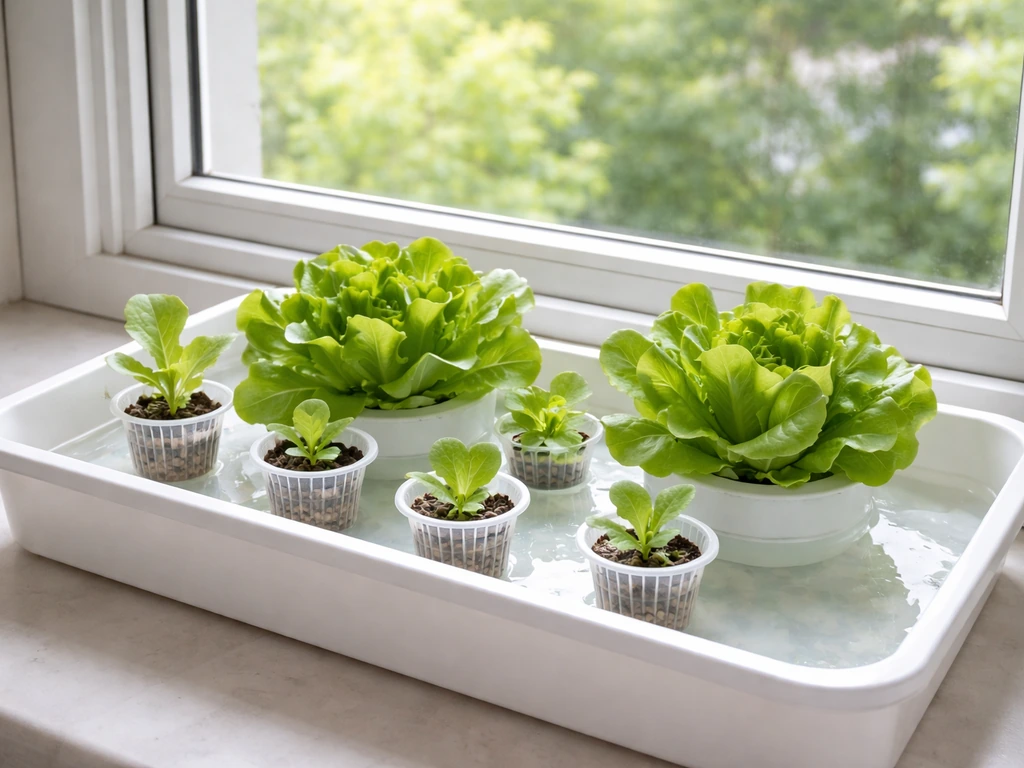
Indoors, lettuce needs a north-facing window (in the Southern Hemisphere, north-facing catches the most sun) with at least 6 hours of bright light. If your window doesn't deliver that, a simple LED grow light for 12–14 hours per day does the job. Keep indoor plants away from heaters or air conditioners that create temperature swings. Loose-leaf varieties work best indoors because they don't need as much light to form heads, and they're ready to harvest sooner.
Hydroponic systems
Lettuce is one of the best crops for hydroponics, and it's the method I'd recommend to anyone in a hot urban environment or with no outdoor space. NFT (Nutrient Film Technique) and Kratky (passive, no-pump) systems both work well. Keep your nutrient solution at around 18–22°C if possible, because warm roots cause the same bolting and bitterness problems as warm air. A simple deep water culture (DWC) bucket or a Kratky jar on a shaded balcony can produce a full head of lettuce in 30–45 days.
Soil, compost, and fertiliser basics for lettuce
Lettuce is a light feeder, but it still needs good soil to thrive. The most common mistake is planting into poor, compacted, or waterlogged soil. Lettuce roots are shallow, so they can't push through hard ground, and they'll rot in soil that doesn't drain.
For outdoor beds, dig in a generous amount of well-rotted compost before planting, roughly a 5–7 cm layer worked into the top 20 cm of soil. This improves drainage in clay soils and water retention in sandy soils. A soil pH of 6.0–7.0 is ideal. Most South African garden soils fall within this range, but if yours is very acidic (common in some highveld and fynbos-adjacent areas), add a small amount of agricultural lime a few weeks before planting.
For containers, use a quality potting mix rather than garden soil, garden soil compacts badly in pots and drains poorly. Mix in about 20–30% compost to add nutrients and improve moisture retention.
For fertiliser, lettuce mainly needs nitrogen for leaf growth. Work a balanced slow-release fertiliser into your soil or potting mix at planting time. Then every 2–3 weeks, give plants a liquid feed with a nitrogen-rich fertiliser (like a fish emulsion, seaweed liquid, or a balanced 3:1:5 liquid fertiliser). Don't overdo it, too much nitrogen late in the season can cause lush but weak leaves that are prone to disease. For hydroponics, use a lettuce-specific or general-purpose hydroponic nutrient solution at about half strength for seedlings, increasing to full strength once plants are established.
Sowing, planting, spacing, and succession timing
Lettuce can be direct sown or started in trays and transplanted. Lettuce can also be grown successfully in India by choosing heat-tolerant varieties for warmer areas and timing sowing around the cooler months how to grow lettuce in india. Both work, but trays give you more control over germination conditions and let you start seeds indoors while the outdoor weather is still too cold or hot.
Sowing seeds
Lettuce seeds are tiny. For a full step-by-step guide and printable charts, see the how to grow lettuce pdf resource. Sow them shallowly, no more than 5 mm deep, and barely cover them with fine compost or vermiculite. They need light to germinate, so don't bury them. Germination happens between 10°C and 24°C, typically within 5–10 days. Above 27°C, germination becomes unreliable and you'll see poor, patchy results. If you're sowing in summer, put your seed trays somewhere cool (an air-conditioned room, a shaded porch, or even your fridge for the first 24 hours, a technique called pre-chilling) to help trigger germination.
Transplanting seedlings
Transplant seedlings when they have 2–3 true leaves, usually around 3–4 weeks after sowing. Harden them off over a few days by putting them outside in a shaded spot before moving them to their final position. Transplant in the late afternoon to reduce transplant shock. Water well immediately after planting.
Spacing
Spacing depends on the variety. Loose-leaf types can be grown as close as 15–20 cm apart if you're harvesting outer leaves regularly. Butterhead and romaine types need 25–30 cm. Heading types (iceberg, crisphead) need 30–35 cm to form a proper head. In containers, you can push spacing tighter since you're controlling conditions more closely, but crowding increases disease risk and reduces yield per plant.
Succession planting for continuous harvests
This is the approach I'd encourage everyone to adopt: sow a small batch every 2–3 weeks instead of all at once. That way, as one batch is ready to harvest, the next is coming through. In practice, for a household of 2–4 people, sowing a row of 6–10 plants every 2–3 weeks gives you a near-continuous supply of fresh lettuce through the cool season. As you approach the hot end of spring, switch to heat-tolerant varieties or move to a shaded or indoor setup rather than stopping entirely. If you want a full step-by-step plan, see our guide on how to grow lettuce in Palworld.
Light, temperature, and watering (including heat and cold handling)
Light requirements
In cool months (autumn and winter), lettuce wants full sun, 6 hours minimum, more is better. In spring and summer, direct afternoon sun is the enemy: it raises soil temperature, stresses roots, and accelerates bolting. Aim for morning sun with afternoon shade, or use 30–40% shade cloth over your beds or containers. Indoors, north-facing windows provide the best year-round light in South Africa.
Temperature management
The sweet spot for lettuce is 10–22°C. blank" rel="noopener noreferrer">At 27°C and above, head development is affected and bolting risk rises sharply. At the cold end, light frost won't kill most lettuce varieties and KZN DARD confirms lettuce isn't badly damaged by winter cold in most of South Africa. If you want to grow lettuce in Ireland, focus on the cool, consistent temperatures and plan your sowing around the local seasons how to grow lettuce in ireland. That said, hard frost (below -3°C) on the Highveld in July can damage or kill unprotected plants. Cover them with frost cloth or move containers indoors overnight if a hard frost is forecast. Prolonged cold can also trigger bolting, so keep plants moving and harvesting before they get stuck in a temperature rut. The UC IPM bolting page explains that blank" rel="noopener noreferrer">bolting can be triggered by prolonged cold temperatures, hot temperatures, and/or long daylight hours.
Watering
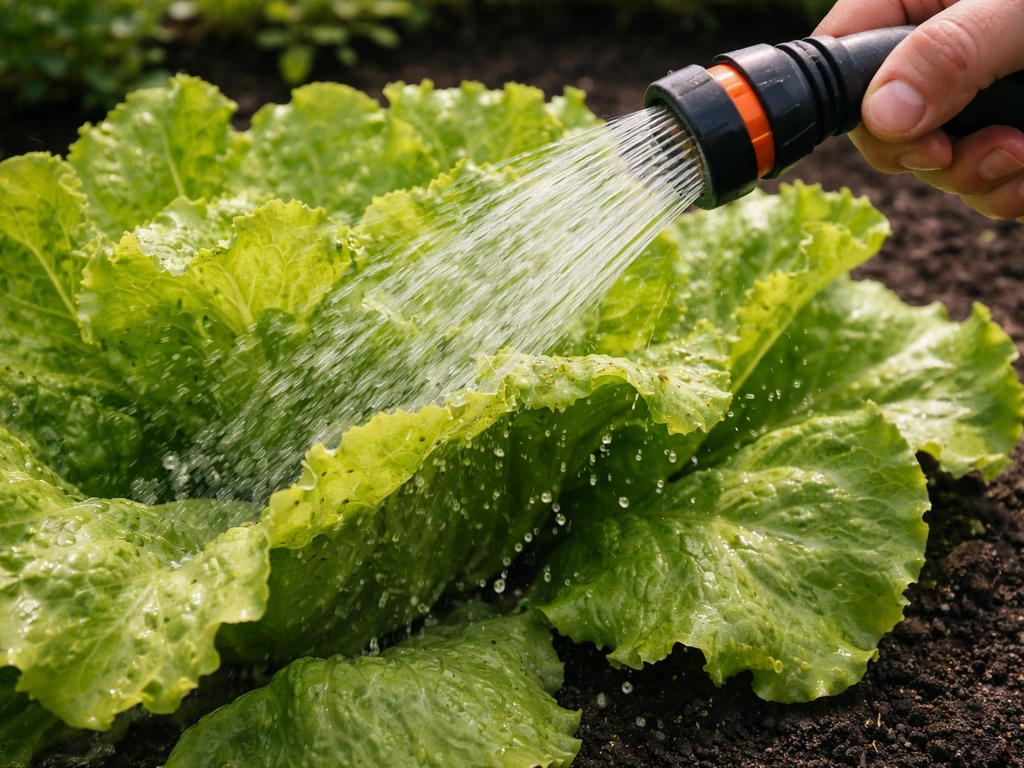
Consistent moisture is everything. Lettuce leaves are mostly water, so irregular watering causes wilting, bitterness, tip burn, and bolting. Water stress directly intensifies bolting, this is one of the clearest links in lettuce growing, and it's the most controllable factor. Aim to keep the soil evenly moist but never waterlogged. In practice, this usually means watering every 1–2 days in warm weather and every 2–3 days in cool weather. Water at the base of plants rather than over the leaves to reduce disease risk. Mulching around plants with straw or fine bark chips dramatically reduces moisture loss and keeps soil cooler in summer, one of the best investments of time you can make for your lettuce bed.
Handling heat waves
If a heat wave hits during your growing season, there are a few practical things you can do fast. Move containers into shade immediately. Put up temporary shade cloth over beds. Water in the early morning and again in the evening rather than midday. Mist the leaves lightly in extreme heat to cool them. If plants have already started to elongate or show signs of bolting, harvest them immediately rather than waiting, once a plant bolts it becomes bitter and the quality drops quickly.
Pest and disease prevention and quick fixes
Lettuce is relatively pest-resistant, but a few common problems do show up in South African gardens. Catching them early makes all the difference.
Common pests
- Aphids: Small, soft-bodied insects that cluster under leaves and on stems. Knock them off with a strong jet of water or spray with a diluted neem oil solution. Check plants weekly, especially during spring when aphid populations explode.
- Caterpillars (bollworm, looper, cutworm): Chew irregular holes in leaves or sever seedlings at the base overnight. Pick caterpillars off by hand if you find them, or use a Bt (Bacillus thuringiensis) spray, which targets caterpillars without harming other insects.
- Slugs and snails: Most active after rain and at night, leaving slime trails and ragged holes. Use copper tape around containers, set beer traps, or sprinkle crushed eggshells around plants. In beds, reduce mulch depth temporarily if slugs are bad.
- Whitefly: Tiny white insects that flutter when disturbed. Yellow sticky traps catch adults, and neem oil spray helps control populations. More common in humid conditions like coastal KZN.
Common diseases and physiological issues
- Bolting (running to seed): Triggered by heat, prolonged cold, or long day length. Choose bolt-resistant varieties, provide afternoon shade, water consistently, and harvest promptly. If a plant starts sending up a central flower stalk, it's too late to stop it — harvest immediately.
- Bitterness: Usually caused by heat stress, inconsistent watering, or overmaturity. Prevent it with consistent moisture, shading in summer, and harvesting before plants mature fully. Temperature deviations are the main cause.
- Tip burn (brown leaf edges): A calcium uptake issue triggered by inconsistent watering or high temperatures. Improve watering consistency and air circulation. Not a disease — no spray will fix it. The cause is physiological.
- Damping off (seedling collapse): A fungal issue where seedlings keel over at soil level. Caused by overwatering and poor drainage. Use a well-draining seedling mix, don't overwater, and improve air circulation around seedlings.
- Downy mildew (yellow patches on leaves, grey fuzz underneath): Common in humid, cool conditions. Remove affected leaves, improve spacing for airflow, and avoid overhead watering. Spray with a copper-based fungicide as a preventative in high-humidity areas.
- Poor germination: Often caused by soil that's too warm (above 25°C), too dry, or seeds planted too deep. Pre-chill seeds, sow shallowly, and keep the germination area consistently moist.
Harvesting, storage, and replanting for continuous crops
When and how to harvest
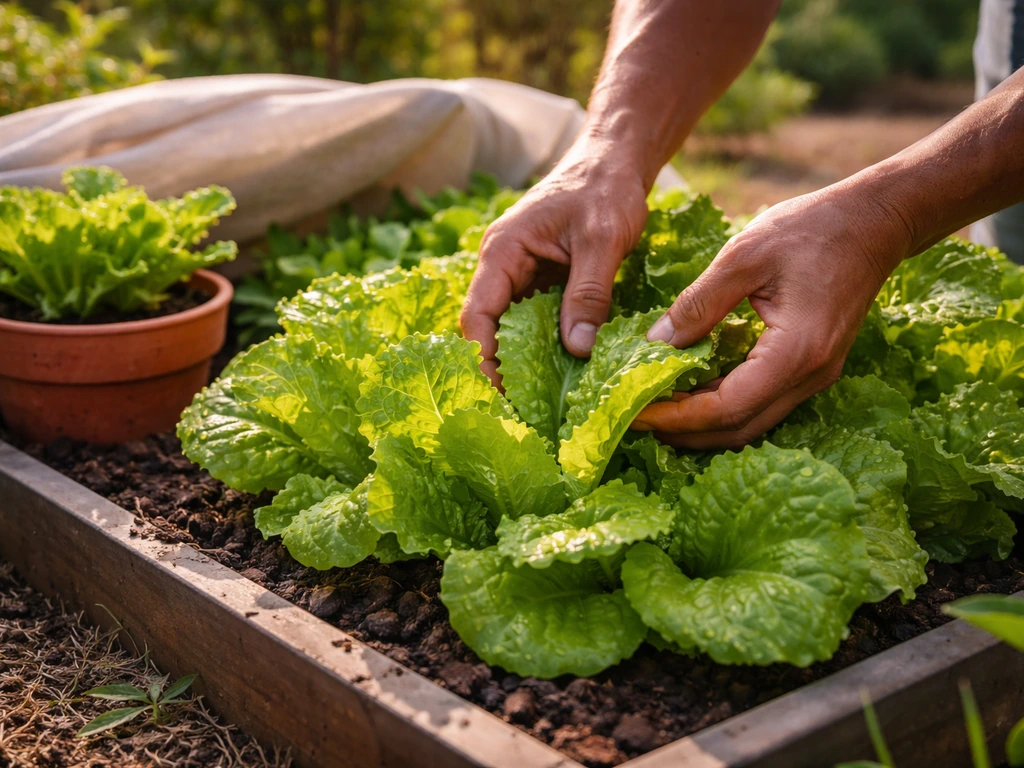
The best time to harvest lettuce is in the morning, after the overnight temperature has cooled the leaves. Lettuce harvested in the afternoon heat is limp and wilts quickly. For loose-leaf types, use the cut-and-come-again method: snip outer leaves from 5 cm above the base with clean scissors, leaving the central growing point intact. The plant will continue producing for several more weeks. For butterhead and romaine, you can cut the whole head at the base when it looks full and firm, or peel outer leaves progressively. For crisphead/iceberg, wait until the head feels dense and firm when gently squeezed, then cut the whole plant at the base.
Don't wait too long to harvest. Once a plant shows signs of bolting (a tall central stem, elongated shape, or the first flower buds), the flavour deteriorates fast. Harvest and eat it, don't hope it'll recover.
Storing harvested lettuce
Freshly cut lettuce lasts longest when kept cold and slightly humid. After harvesting, rinse leaves in cold water, spin or pat dry, and store in a container lined with a damp paper towel in the fridge. Loose-leaf lettuce keeps for 5–7 days this way. Whole heads stored with the core intact last 1–2 weeks. Don't wash lettuce before storing if you're not going to dry it well, excess moisture causes sliminess and rot. If you're growing in a hot climate and harvesting frequently, you may find it easiest to just harvest what you need that day and leave the rest on the plant.
Replanting for a continuous supply
The replanting strategy is simple: when you harvest a plant or a row, sow or transplant the next batch into that same space immediately. Keep compost and a bag of seedling mix on hand so you're never waiting on supplies when a bed frees up. As one cool-season variety finishes in late spring, replace it with a heat-tolerant variety like Great Lakes Iceberg or Salad Bowl. When summer peaks and even heat-tolerant types struggle, shift to indoor or hydroponic growing to keep production going until autumn arrives. This rotation means you're rarely without fresh lettuce, regardless of the season.
Growers in other warm or challenging climates like the Philippines, India, and Australia face similar heat-related timing decisions to South African gardeners, so the core strategies, choosing the right variety for your current temperature window, using shade in summer, and succession planting, translate well across all of them. The specific seasons are just shifted.
FAQ
Why is my lettuce bolting in South Africa even though I’m watering regularly?
If your lettuce keeps bolting, the quickest fixes are to switch to a bolt-resistant or heat-tolerant variety for your current month, and adjust shade so the plant gets morning sun but not afternoon heat. Also check root-zone temperature, warm roots can trigger bitterness even if air temperature looks acceptable.
Can I start lettuce indoors and transplant it outdoors in South Africa?
Yes, but only if you harden them off gradually and transplant in the right time window. Transplant late afternoon or evening, water in immediately, and keep seedlings shaded for 2 to 3 days, otherwise the combination of transplant shock and sun can cause sudden wilting or premature bolting.
My lettuce seeds aren’t germinating well, what are the most common causes in SA?
For sowing depth, keep it very shallow, no more than about 5 mm, and ensure seeds receive light. If your germination is poor, it’s usually because seeds were buried too deep, the mix crusted over, or the temperature stayed above 27°C for too long.
What container size works best for lettuce on a balcony in South Africa?
Use containers at least 20 to 25 cm deep, but focus more on even moisture than on depth. Wider containers or troughs help because watering is more uniform, and they reduce stress that leads to tip burn and bitter leaves.
How do I avoid over-fertilising lettuce when using nitrogen-rich feeds?
Don’t over-fertilize with nitrogen, especially late in the season. Too much nitrogen can make leaves soft and disease-prone, and it can also encourage fast, weak growth that bolts sooner when temperatures rise.
What should I do if my lettuce develops burnt leaf tips or brown edges?
If you see tip burn or browned leaf edges, first check that moisture is truly consistent, then check for salinity buildup from repeated liquid feeds. Flush with plain water (for pots) to reduce excess salts, and resume feeding at lower frequency until new growth looks normal.
How can I grow lettuce successfully in windy Highveld conditions?
In very windy areas like parts of the Highveld, windbreaks help, but you should also consider a finer mulch layer and more frequent checks on soil moisture. Wind increases leaf and soil evaporation, so your watering schedule may need to be more often than a calm-location guideline.
Can I do hydroponics on a warm balcony and still get good lettuce heads?
Yes, but it can fail if the root zone warms up. Use a shaded spot for buckets, keep nutrient solution as cool as you can (around 18 to 22°C), and make sure water is aerated or flowing enough so roots do not stall, which contributes to bitterness and poor head formation.
Which lettuce type is best indoors, and how much light do I actually need?
Choose based on how much light you have. If you have a true north-facing window with 6+ hours of bright light, loose-leaf types are easiest. If light is inconsistent, use a grow light on a timer for 12 to 14 hours and expect slower growth than outdoor beds.
How do I harvest lettuce to keep it crisp and to extend the harvest window?
Harvest in the morning for best texture, and once you see bolting signs, harvest promptly. For loose-leaf, take outer leaves without damaging the growing point, for heads cut only when the head feels dense and firm, otherwise you risk loose heads that spoil faster.
What’s the best way to store lettuce so it lasts longer after harvest in SA?
Store lettuce slightly humid and cold, that reduces wilting and sliminess. Rinse only if needed, then dry well, and keep it in the fridge with a damp paper towel in a sealed container. Whole heads keep longer if the core stays intact.