
You can grow great lettuce in Ireland from early spring right through to late autumn, and even year-round if you have a polytunnel or cold frame. For an Ireland-focused, year-round protected cropping approach including sowing and planting salad crops and [protecting against slugs and frost](https://www. bordbia. ie/globalassets/lifestyle/resources/organic-gardening-english/polytunnel-year-round-plan-accessible.
How to Grow Lettuce in Ireland From Seed to Harvest

Marcus Holloway
28 Jun 2026
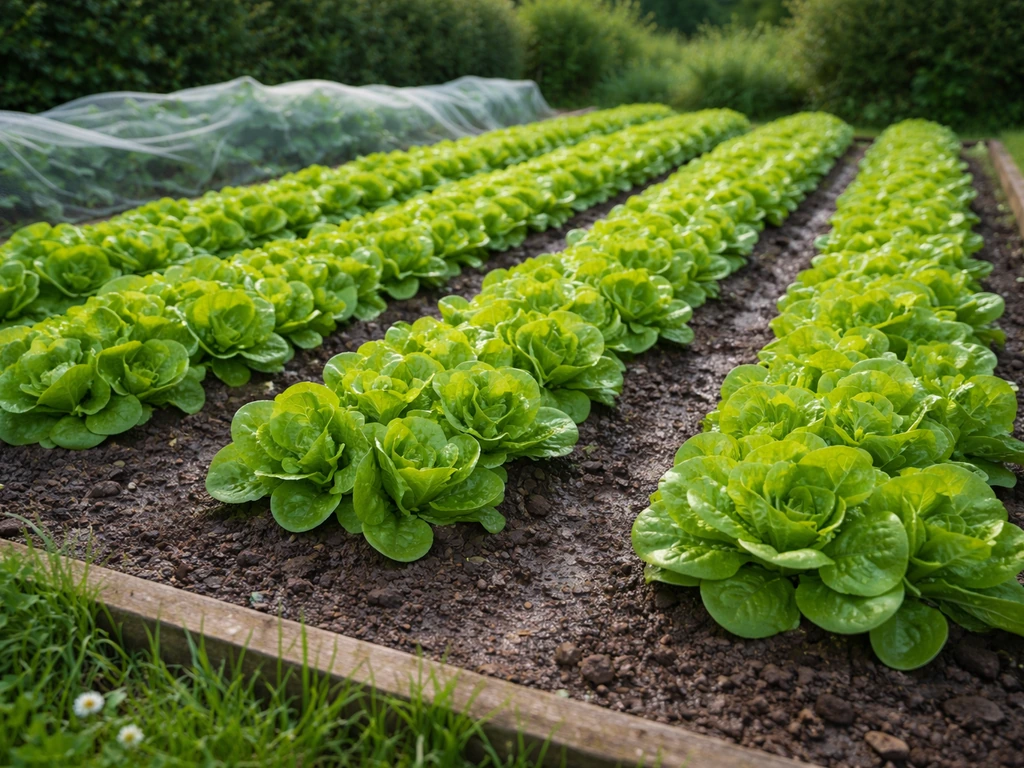
pdf), see Bord Bia’s polytunnel year-round plan. If you’re wondering how to grow lettuce in Australia, the main principles are similar, but you’ll need to adapt timing, varieties, and heat protection to your local conditions grow great lettuce in Ireland. The key is picking bolt-resistant varieties, sowing in short batches every few weeks, and keeping the plants cool and consistently moist.
Ireland's mild, damp climate is actually pretty good for lettuce, the main enemies are slugs, unexpected warm spells that trigger bolting, and poor drainage. Get those three things under control and you'll have more crisp leaves than you know what to do with.
Choosing lettuce varieties for Ireland's climate
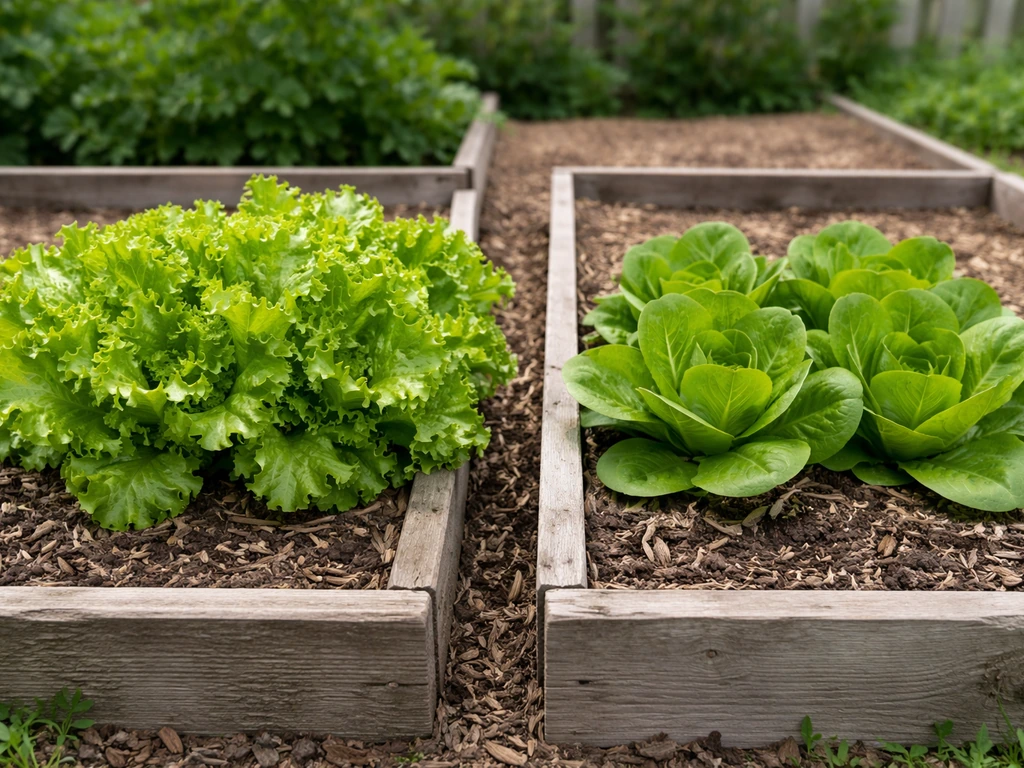
Not all lettuce varieties suit Irish conditions. You want types that are slow to bolt (go to seed), can handle cool and changeable temperatures, and ideally have some resistance to downy mildew, which thrives in our damp weather. Here's how the main groups break down for Irish growers. If you want a reliable guide, follow these steps on how to grow lettuce in NZ, then adapt the timing to your local conditions.
Loose-leaf and cut-and-come-again types
These are the easiest starting point and the fastest to harvest, you can be cutting baby leaves in around 6 weeks from sowing. If you prefer a step-by-step walkthrough, search for a “how to grow lettuce on YouTube” video that matches your space and season fastest to harvest. Varieties like 'Salad Bowl', 'Lollo Rossa', 'Lollo Bionda', and 'Red Oak Leaf' are reliable performers outdoors from late spring to early autumn. They don't bolt nearly as fast as heading types, they recover well after cutting, and you can sow them thickly and harvest continuously. If you only have a container on a patio or windowsill, these are the ones to go for.
Butterhead and cos/romaine types
Butterhead lettuces like 'All Year Round', 'Tom Thumb', and 'Dynamite' are well-suited to Irish outdoor growing and are available from most Irish seed suppliers. They form a soft, loose head and are forgiving in cooler conditions. Cos types like 'Little Gem' and 'Winter Density' are denser and crunchier, 'Little Gem' is widely grown here and does well under a polytunnel or in a sheltered spot. 'Winter Density' lives up to its name and can handle colder conditions into autumn.
Iceberg and crisphead types
Iceberg-style lettuces like 'Webbs Wonderful' are grown in Ireland but they need the most warmth and consistent conditions to heart up properly. They're slower (around 70–80 days to a full head), more demanding, and more prone to bolting in a sudden warm spell. I'd recommend getting comfortable with butterheads and loose-leaf types first, then giving iceberg a go once you have the sowing and watering rhythm sorted.
Winter and protected varieties
If you have a polytunnel or even a cold frame, 'Arctic King', 'Valdor', and 'Winter Marvel' are specifically bred for overwintering. Sow these in August or September, transplant under cover, and you can harvest right through the winter months. It's genuinely rewarding to cut fresh lettuce in January in Ireland, these varieties make it possible.
Best sowing and planting times (outdoor, containers, greenhouse/tunnel)
Timing is where most beginners go wrong, either sowing too early outdoors when soil is cold and wet, or sowing too late in summer and watching plants bolt in the first warm spell. Here's a realistic Irish planting calendar based on how our seasons actually behave. If you’re looking for lettuce guidance tailored to the Philippines, follow these practical tips for warm-weather growing and local timing Irish planting calendar.
| When | Where to sow | What to expect |
|---|---|---|
| January–February | Indoors on a windowsill or under grow lights | Germination in 7–14 days; transplant under cover in March |
| March | Under cover (tunnel, cold frame, or indoors); outdoor sowing risky until mid-month in sheltered spots | First outdoor harvests from May onward |
| April–May | Direct outdoors once soil reaches 7°C+; also in containers | Reliable germination; main outdoor growing season begins |
| June–July | Outdoors, but choose bolt-resistant varieties and avoid sowing during prolonged warm spells | Fast growth; watch for bolting — succession sow every 2–3 weeks |
| August | Outdoors and under cover for autumn/winter crop | Outdoor plants slow as days shorten; tunnel plants carry on well |
| September–October | Under cover only (tunnel, cold frame) | Overwinter varieties for January–April harvest |
| November–December | Polytunnel only, for hardy overwintering varieties | Slow growth but fresh leaves possible all winter |
Teagasc advises that outdoor sowing for salad-leaf types runs from April to August once soil temperatures have warmed up, which aligns with most Irish growers' experience. For protected crops in a tunnel, the window extends significantly in both directions. The real trick is succession sowing: sow a small row or tray every two to three weeks rather than one big batch. If you want a simple, step-by-step plan for lettuce in Palworld, use succession sowing and keep the plants in a consistent growing setup. This keeps you in continuous supply and avoids a feast-and-famine cycle.
Starting seeds indoors
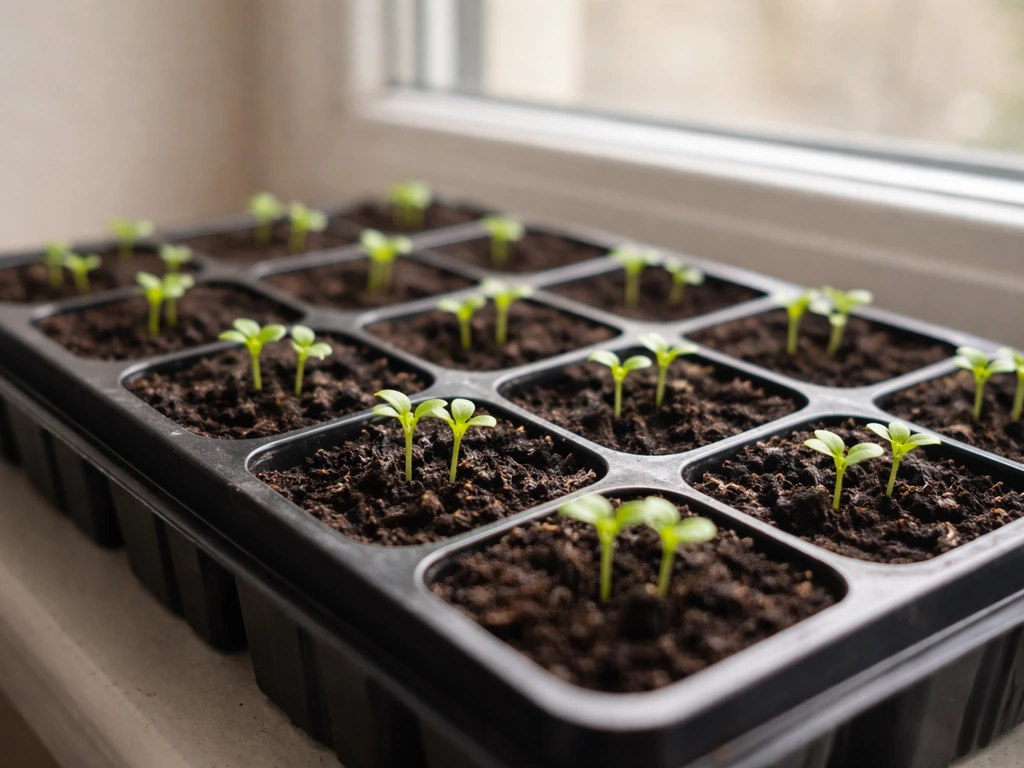
Sow seeds into small modules or a seed tray filled with good quality seed compost, cover lightly (about 3–5mm deep), and keep at around 15–18°C for germination. Lettuce seed actually germinates better in slightly cooler conditions, above 25°C, germination drops off sharply. Once seedlings have two or three true leaves, they're ready to transplant. Harden off outdoor transplants over a week or so before putting them in their final position.
Site setup: soil, containers, spacing, and drainage
Soil preparation outdoors
Lettuce likes a fertile, moisture-retentive but well-drained soil. Dig in well-rotted compost or manure before planting, then rake the surface to a fine tilth. Aim for a soil pH of 6.5–6.8, Teagasc recommends applying lime where necessary to hit this target, as very acidic Irish soils (which are common, particularly in the west) can slow growth and affect nutrient uptake. Before transplanting or direct sowing, work in around 50–60g per square metre of a balanced general garden fertiliser and rake it level.
Raised beds
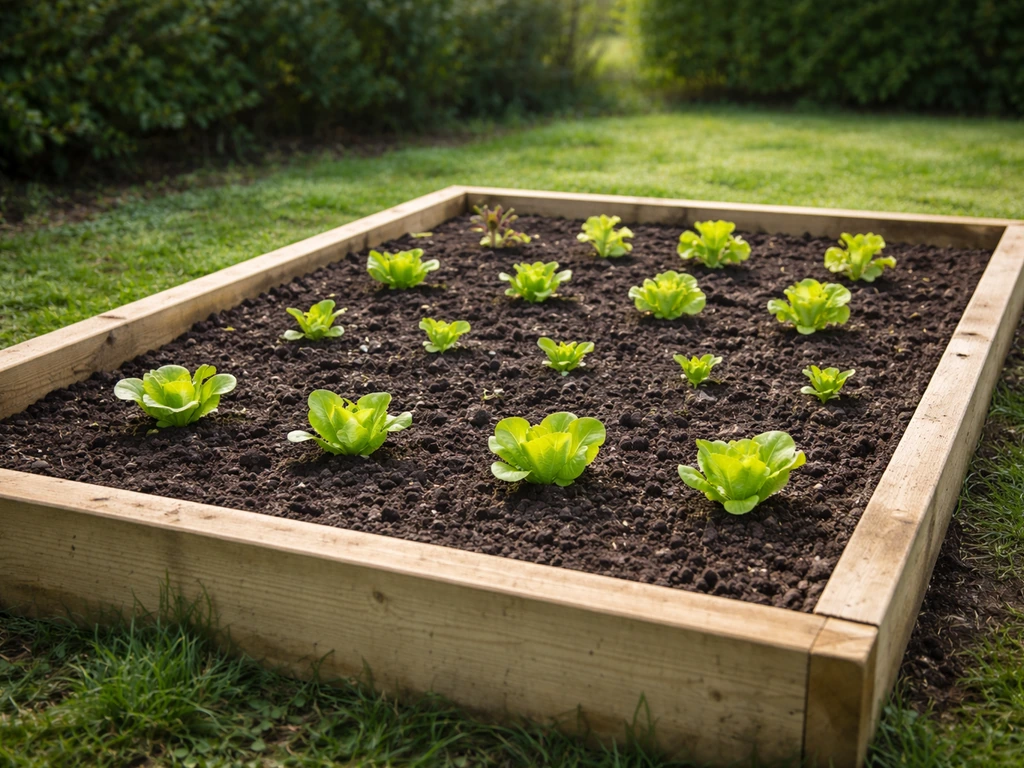
Raised beds are genuinely one of the best setups for lettuce in Ireland. They warm up faster in spring, drain better (crucial in wet Irish summers), and you can build up a decent loamy compost-rich soil mix without fighting whatever's underneath. Even a bed 20–25cm deep makes a real difference. They're also much easier to cover with fleece or netting when the slugs get bad or the weather turns.
Growing in containers
Lettuce is shallow-rooted and works very well in containers, window boxes, and grow bags. Use a container at least 15–20cm deep (6–8 inches) so roots have enough room. Fill with a good quality multi-purpose compost, but avoid using pure compost, it can have a pH above 7, which is too alkaline for lettuce. Ideally mix in around 30% perlite or grit to improve drainage and aeration. Compacted, waterlogged compost is one of the most common reasons container lettuce fails in Ireland, so make sure your pots have drainage holes and never sit in standing water.
Spacing
For heading varieties (butterhead, cos, iceberg), space plants 25–30cm apart in rows 30cm apart. For cut-and-come-again and loose-leaf types, you can sow much more densely, scatter seed thinly across a bed or container, thin to about 10cm apart for baby leaf production, or leave at 5cm and harvest as microgreens-style cuts. Crowded plants in still, humid conditions are an open invitation to disease, so reasonable spacing and airflow matter even for loose-leaf types.
Light and temperature management to prevent bolting
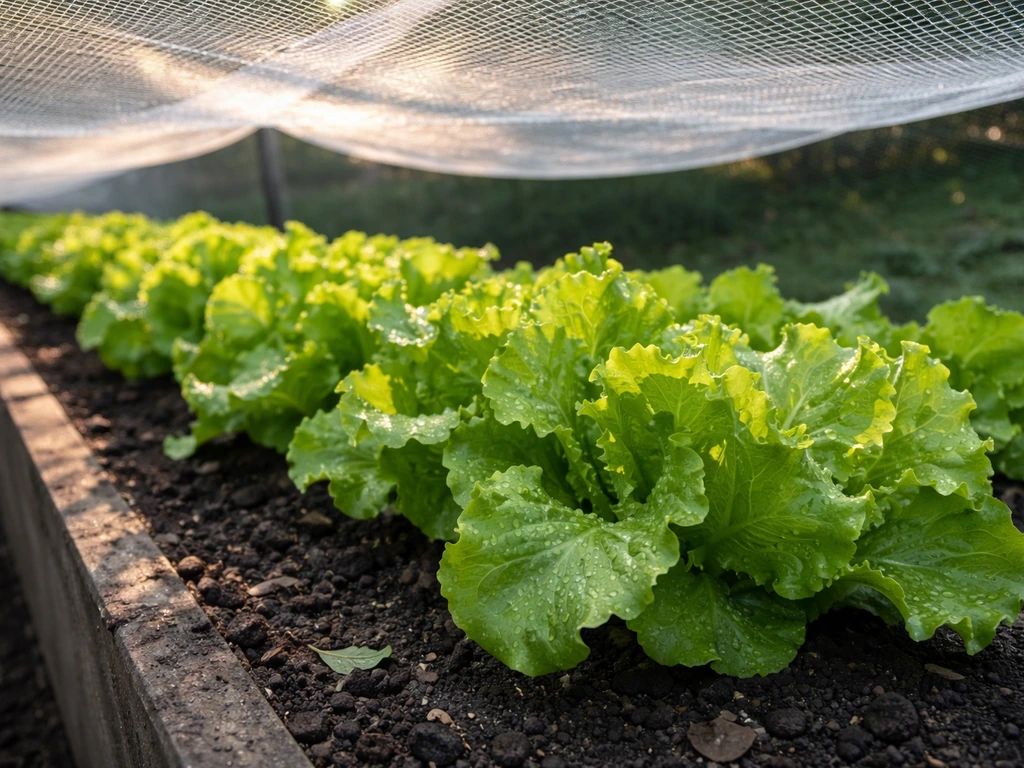
Bolting, when a lettuce plant shoots upward, develops a flower stem, and turns bitter, is the most frustrating thing that happens to Irish lettuce growers, usually during a surprise warm spell in June or July. Bolting is triggered by a combination of heat (especially warm nights), long days, and stress like drought or root disturbance. The RHS notes that bolting in lettuces can also be triggered by adverse weather and changes in day length, and that good growing conditions help lettuce develop usable hearts and leaves before flowering starts Bolting is triggered by a combination of heat, long days, and stress. Once a lettuce has bolted, the leaves become bitter and the plant is effectively over for eating.
To prevent it, choose bolt-resistant varieties for summer sowing (most seed packets will flag this), keep plants consistently watered, and provide some shade during the warmest part of the day if temperatures are pushing above 25°C. If you’re growing in India, focus on heat management with shade cloth, cooler planting windows, and varieties that resist bolting grow lettuce in India.
A piece of shade cloth at around 30–50% density over a raised bed or container makes a real difference during warm spells. In a polytunnel, open vents and doors fully on warm days, temperatures of 25–30°C inside a closed tunnel will push lettuce to bolt rapidly. I've found that growing tunnel lettuce in the shoulder seasons (spring and autumn) rather than peak summer gives far better results in Ireland.
On the cold side, lettuce is hardier than most people think. Most varieties handle light frost, especially if they're under fleece. The real risk in a cold Irish spring is not the temperature but the combination of cold soil and waterlogging, which rots seedlings rather than freezing them. Get drainage right and lettuce is actually pretty resilient down to around 0°C or even slightly below with fleece protection.
Light for indoor and grow-light growing
If you're growing lettuce indoors under grow lights, which works very well in Ireland during the darker months, lettuce needs around 14–16 hours of light per day at a moderate intensity. LED grow lights positioned 20–30cm above the plants prevent the leggy, pale growth you get from a dim windowsill. Without enough light, seedlings become spindly and weak before they've even been transplanted. A south-facing windowsill in summer is usually adequate for container lettuce, but in winter, supplemental light really does make the difference between success and disappointment.
Watering and feeding for healthy, fast growth
Watering
Lettuce is mostly water, it needs consistent moisture to grow quickly and stay sweet. Inconsistent watering (dry then suddenly wet) is a stress trigger that speeds up bolting. In Irish outdoor beds, rainfall usually handles a lot of this from spring through to summer, but during dry spells in May and June (they do happen), water deeply every few days rather than a little every day. Watering in the morning rather than the evening helps reduce the damp conditions that favour slugs and mildew. In containers, check moisture daily in warm weather, pots dry out surprisingly fast, especially terracotta ones.
In a polytunnel, you're responsible for all the water since rain doesn't reach. Water at the base of plants rather than overhead to keep foliage dry, this significantly reduces downy mildew risk. Teagasc notes that allowing plants to get too dry, or conversely keeping them waterlogged, can disrupt nutrient uptake (including calcium) and lead to problems like tip burn on inner leaves. The goal is consistently moist but never soggy.
Feeding
Lettuce is a leafy crop, so it needs nitrogen most. If you've prepared the soil well with compost and a balanced pre-plant fertiliser (around 50–60g per square metre of a general fertiliser), outdoor beds won't need much additional feeding through a normal growing season. For containers, which exhaust nutrients faster, apply a diluted liquid seaweed or balanced liquid fertiliser every two weeks once plants are established. Don't overdo high-nitrogen feeds right before harvest, it can produce soft, sappy leaves that don't keep well and are more attractive to aphids.
Pest, disease, and problem troubleshooting (with fixes)
Here's the honest reality: slugs and snails are the single biggest threat to lettuce in Ireland. Full stop. Everything else is manageable with basic hygiene and care, but slugs can wipe out a newly transplanted tray of seedlings in a single wet night. Get your slug strategy in place before you plant out, not after.
Slugs and snails
Use a combination of approaches rather than relying on one. Ferric phosphate slug pellets (safe around pets, wildlife, and children) are effective and approved for organic growing. Copper tape around containers creates a barrier that slugs dislike crossing. Going out at night with a torch after rain and physically removing slugs is tedious but very effective as a weekly habit. Biological control using nematodes (Phasmarhabditis hermaphroditis) works well in Irish conditions, water them into the soil in April or May when soil is above 5°C and moist. You'll usually see results within two to three weeks. Teagasc acknowledges biological slug control as a valid approach for Irish garden conditions.
Aphids
Root aphids and greenfly (lettuce aphid) are the main species to watch for. Check the undersides of leaves and around growing tips regularly, aphids build up quickly and a small colony becomes a big problem in warm weather. If you catch them early, a strong blast of water knocks most off. Insecticidal soap spray is effective and low-impact. Avoid using high-nitrogen feeds excessively as soft, lush growth attracts aphids. In a polytunnel, introduce biological controls like Aphidius wasps early in the season before populations explode. The RHS emphasises that early interception matters because natural predators take time to catch up to a growing aphid population.
Downy mildew
Downy mildew (Bremia lactucae) is common in Ireland, yellow patches on upper leaf surfaces with grey-white fluffy growth underneath. It thrives in cool, damp, still conditions, which describes an Irish polytunnel in autumn pretty accurately. There are no fungicide sprays available to home gardeners for this disease, so prevention is everything: improve airflow between plants, water at the base rather than overhead, avoid wet foliage overnight, and remove affected leaves immediately. Rotate where you grow lettuce year to year to avoid pathogen build-up in the soil. Choosing mildew-resistant varieties (many modern butterhead and cos varieties have some resistance, check the seed packet) helps significantly.
Bolting
If your lettuce is sending up a tall central stem with smaller leaves, it's bolting. The trigger is usually heat above 25°C, long days in June and July, or stress from drought. Once the flower stem starts, you can't reverse it, the plant is done. Cut it, compost it, and learn from the timing. Prevention is the only fix: use bolt-resistant varieties for summer sowings, keep plants watered, consider shade cloth in warm spells, and sow summer crops in late afternoon shade if your garden has it. Sowing winter-type varieties in late summer (August) instead of extending summer varieties into autumn is a much more reliable strategy.
Poor germination and leggy seedlings
If seeds aren't germinating, the most likely culprits are: soil temperature below 7°C (lettuce germinates best between 10–18°C), seed sown too deep, or very old seed. Lettuce seed only stays viable for 1–3 years, so if you're using old packets, germination rates drop. Leggy seedlings mean not enough light, move them to a brighter spot or use supplemental lighting. Don't bury seedlings deeper when transplanting to compensate; instead, get them more light from the start.
Tip burn and nutrient issues
Brown, papery leaf tips (tip burn) on inner leaves is a calcium/moisture issue, not a disease. It happens when water uptake is inconsistent, the plant can't move enough calcium to fast-growing inner leaves. Keep watering even, improve drainage if the soil is staying waterlogged, and ensure soil pH is in the correct range (6.5–6.8) so calcium is available. Yellow older leaves often signal nitrogen deficiency, a liquid feed will usually sort this quickly.
Caterpillars and other damage
Cabbage moth and other caterpillars occasionally damage lettuce, especially late summer. Check plants regularly and remove caterpillars by hand. Fine insect mesh over beds is the most reliable protection and also keeps out flying aphids, a worthwhile investment for a raised bed. Brassica whites don't typically target lettuce, but tortrix moth and various noctuid caterpillars will. If you see ragged holes in leaves that aren't slug-style, check under leaves at night with a torch.
Harvesting, succession sowing, and storage
When and how to harvest
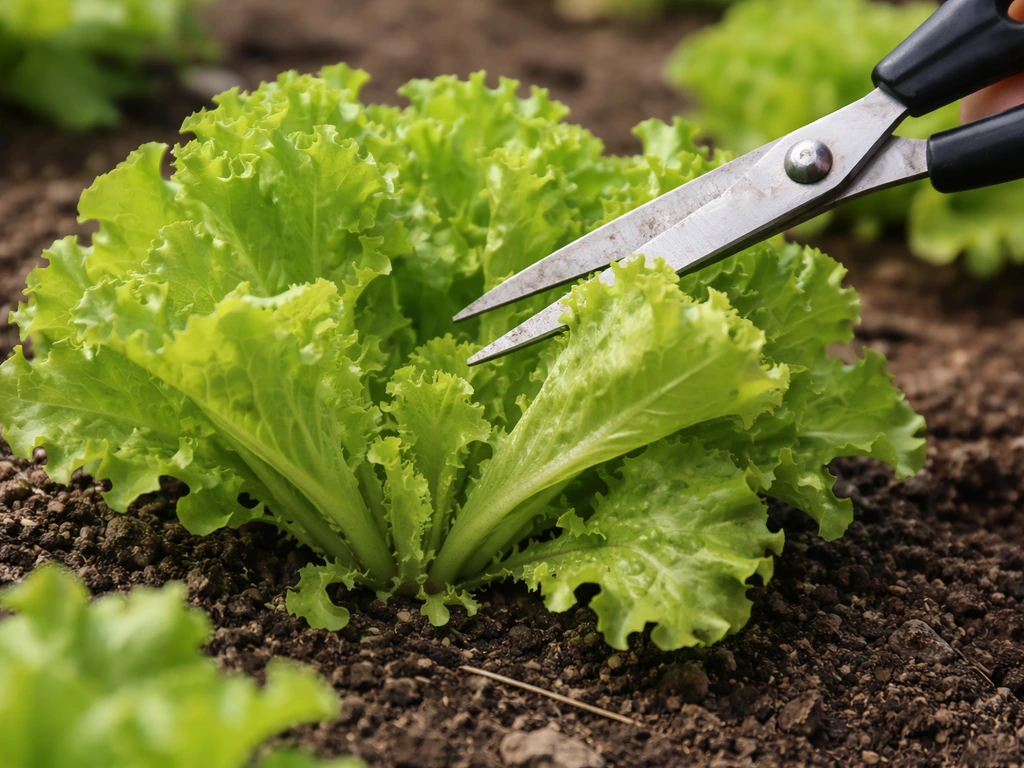
For cut-and-come-again and loose-leaf types, you can start harvesting baby leaves from around 4–6 weeks after sowing. Use scissors to cut leaves about 2–3cm above the base, the plants will reshoot and you can cut again 2–3 weeks later, usually getting three to four cuts per plant before quality drops. Harvest in the morning when leaves are fully hydrated and crisp. The RHS notes that baby leaves wilt quickly after cutting, so only harvest what you plan to use that day or the next.
For heading types (butterhead, cos, iceberg), harvest the whole head when it feels firm and well-filled. Cut the stem cleanly at the base with a sharp knife. In mild conditions, some heading varieties will reshoot and produce a second, smaller harvest, worth leaving the root in the ground for a few weeks to see. Most butterheads reach harvest in 45–70 days from transplanting depending on the season and weather.
Succession sowing to keep the supply going
This is genuinely the single biggest improvement most home growers can make. Instead of sowing one big batch, sow a short row or a small module tray every two to three weeks from March through to August. If you are growing lettuce in South Africa, the same basics apply, but you will need to adjust timing and varieties for your local heat and seasonal patterns grow lettuce in South Africa.
By the time you're finishing one batch, the next is ready to transplant. It takes a few minutes extra planning but completely eliminates the feast-or-famine cycle where you have 20 heads ready simultaneously and then nothing for two months. Keep a simple notebook or calendar note of sowing dates, it's much easier than trying to remember.
Storing your harvest
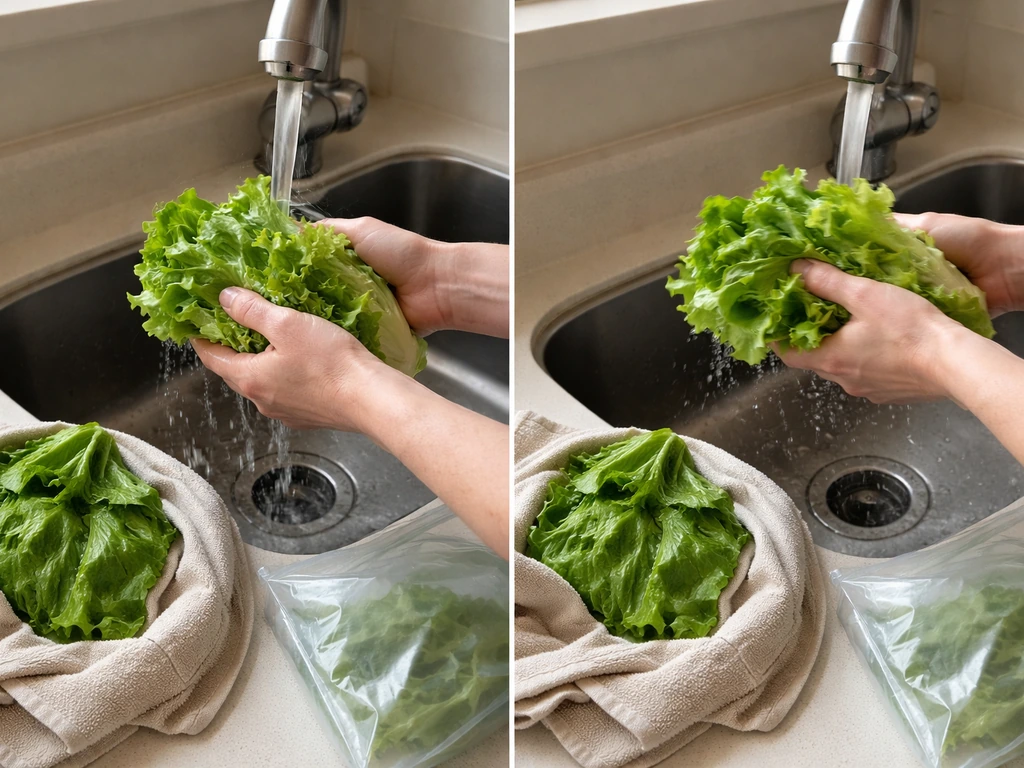
Freshly cut lettuce keeps best if you rinse it in cold water, spin or shake off excess moisture, wrap loosely in a damp kitchen towel or paper towel, and store in a sealed bag or container in the fridge. Done this way, loose leaves stay crisp for three to five days. Whole unwashed heads keep for up to a week in the fridge. Don't store lettuce near apples or pears, they emit ethylene gas that turns lettuce brown and bitter faster. For the best flavour and texture, nothing beats cutting and eating on the same day, which is the whole point of growing your own.
Your simple Irish lettuce calendar at a glance
- January–February: Start seeds indoors under lights or on a bright windowsill; plan variety selections and order seed
- March: Sow under cover (tunnel or cold frame); transplant January/February seedlings into tunnel beds
- April: First outdoor sowings in sheltered spots; succession sow every 2–3 weeks; harden off tunnel seedlings for outdoor planting
- May–June: Main outdoor season; keep succession sowing; watch for slugs and aphids; water during dry spells
- July: Sow bolt-resistant varieties only outdoors; provide shade in warm spells; harvest heading types regularly before they bolt
- August: Sow autumn and winter varieties (Arctic King, Valdor, Winter Density) for tunnel overwintering; wind down outdoor heading types
- September–October: Transplant overwintering varieties into tunnel; clear spent outdoor plants; tidy beds
- November–December: Maintain tunnel lettuces; harvest as needed through winter
Ireland's climate suits lettuce better than most people expect, the challenge is working with it rather than against it. If you want a step-by-step guide you can download, this also covers how to grow lettuce in practical detail. Nail the slug control, sow little and often, choose varieties matched to the season, and you'll have fresh lettuce from your garden for most of the year with relatively little effort. The first season you cut a crisp butterhead in October from your tunnel, or harvest baby leaves in January, makes all the planning worth it.
FAQ
When is it actually safe to sow lettuce outdoors in Ireland?
For best results in Ireland, wait until soil is reliably workable and warmer, typically from April for outdoor salad-leaf types. If your soil stays cold and wet, use a cold frame or row cover to warm the surface, then sow once the ground is at least around 7 to 10°C.
Can I grow lettuce through winter in Ireland without a polytunnel?
Yes, but you usually need extra protection and stricter water control. Keep the crop consistently moist, water at the base, ventilate tunnels on warm days, and expect higher bolt risk than in spring. Overwintering lettuce is much more reliable with overwintering-bred varieties and cover (fleece, tunnel, or cold frame).
How do I plan so I don’t lose everything during a June or July warm spell?
Don’t aim to force one “main crop”. Start baby-leaf sowings earlier, then run succession sowing until late summer, and switch to bolt-resistant or overwintering varieties in August or September for the next window. This reduces the chance that a warm spell hits the most mature plants.
What causes lettuce seeds to not germinate, even if the timing is right?
Lettuce seed viability is limited, usually around 1 to 3 years. If germination is poor, test viability by sowing a small sample, and replace seed if you are consistently getting low sprout rates, especially when soil is in the right temperature range.
Why does my container lettuce keep failing in Ireland?
Because lettuce is shallow-rooted, the most common container failure is waterlogged compost. Use containers at least 15 to 20 cm deep with drainage holes, never let pots sit in a saucer of water, and mix in grit or perlite (about 30%) to improve aeration and prevent stagnant, slug-friendly conditions.
How often can I cut lettuce leaves and what’s the best way to harvest baby leaf?
Aim to harvest only what you need that day. Cut baby leaves about 2 to 3 cm above the base, and harvest in the morning when plants are fully hydrated. Repeated cutting works best for 2 to 3 rounds before quality drops.
Will netting or insect mesh help with pests like caterpillars and aphids, not just slugs?
Yes. A common trick is to use fine insect mesh over beds (secure edges against slugs too), which blocks moths and also reduces aphid entry. Remove mesh during hot spells only if temperature becomes extreme, otherwise keep it but ventilate.
Can I grow lettuce indoors in Ireland during winter, and what are the biggest mistakes to avoid?
It can, but only if you manage light, temperature, and drainage. Under LEDs, give 14 to 16 hours of light, position lights close enough (around 20 to 30 cm), keep seedlings from getting leggy, and maintain consistent moisture without soaking the tray.
What should I do if my lettuce develops brown or bitter leaves inside the head?
If you see browned, bitter edges or inner leaves turning brown, it can be tied to uneven moisture and root uptake, not just low nitrogen. Ensure watering is steady, keep drainage good, and check soil pH around 6.5 to 6.8 so nutrients like calcium are available.
My lettuce bolts even though I water, what else should I change?
If your plants look healthy but bolt quickly, it’s usually heat plus stress (warm nights, long days, or drought-like conditions). Fix the next sowing by using bolt-resistant varieties for summer, add shade during the warmest part of the day, and succession-sow smaller batches so plants aren’t maturing at peak heat.