Lettuce grows best in cool, consistently moist conditions with moderate light, and the exact spot that works for you depends on your space, your climate, and your season. Whether you have a backyard, a balcony, a sunny windowsill, or a spare corner for a hydroponic setup, there is a workable option. The key is matching your location to what lettuce actually needs, and not trying to fight the environment you have.
Where to Grow Lettuce: Best Locations and Conditions
Marcus Holloway
20 Apr 2026
What environment does lettuce actually like?
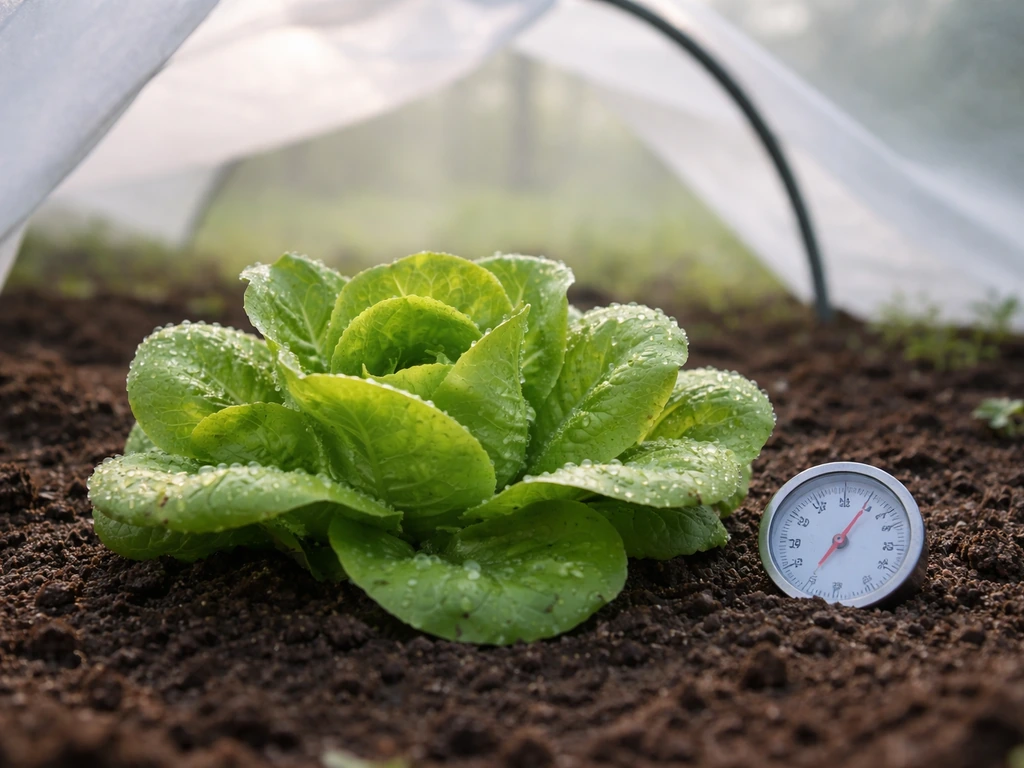
Lettuce is a cool-season crop that thrives when average daily temperatures sit around 60–70°F. If you are figuring out when to grow lettuce in NC, start with these cool-season temperature targets and plan around spring and fall weather cool-season crop. More specifically, it wants daytime temperatures around 65–70°F and nighttime temperatures around 45–55°F. Push beyond that upper range consistently and you will get bolting, which is when the plant sends up a flower stalk and the leaves turn bitter. That is the number one reason lettuce fails in summer.
Bolting is triggered by a combination of heat and long day length. Once nights start staying warm and days stretch into summer, most lettuce varieties race toward flowering. This is why timing your planting around temperature matters as much as picking the right physical spot. For the best time to grow lettuce, plan your planting dates around cool temperatures and avoid the conditions that trigger bolting timing and temperature.
For more on timing and temperature, see when to grow lettuce in your area. If you are growing lettuce in North Carolina, use these local timing tips to plan your best planting dates when to grow lettuce. If you are wondering about your specific window for planting, the timing question overlaps closely with when and at what temperature lettuce grows best, which varies quite a bit depending on where you live.
One thing that often gets overlooked is the microclimate. Your backyard or balcony has hot spots and cool spots. A south-facing wall radiates heat. A corner shaded by a fence or taller plants stays 5–10°F cooler on a hot afternoon. Knowing those microclimates in your space is genuinely useful because in summer, placing lettuce in a spot with morning sun and afternoon shade can extend your harvest by weeks. In spring or fall, a spot that traps warmth can let you start or finish the season earlier or later than your neighbors.
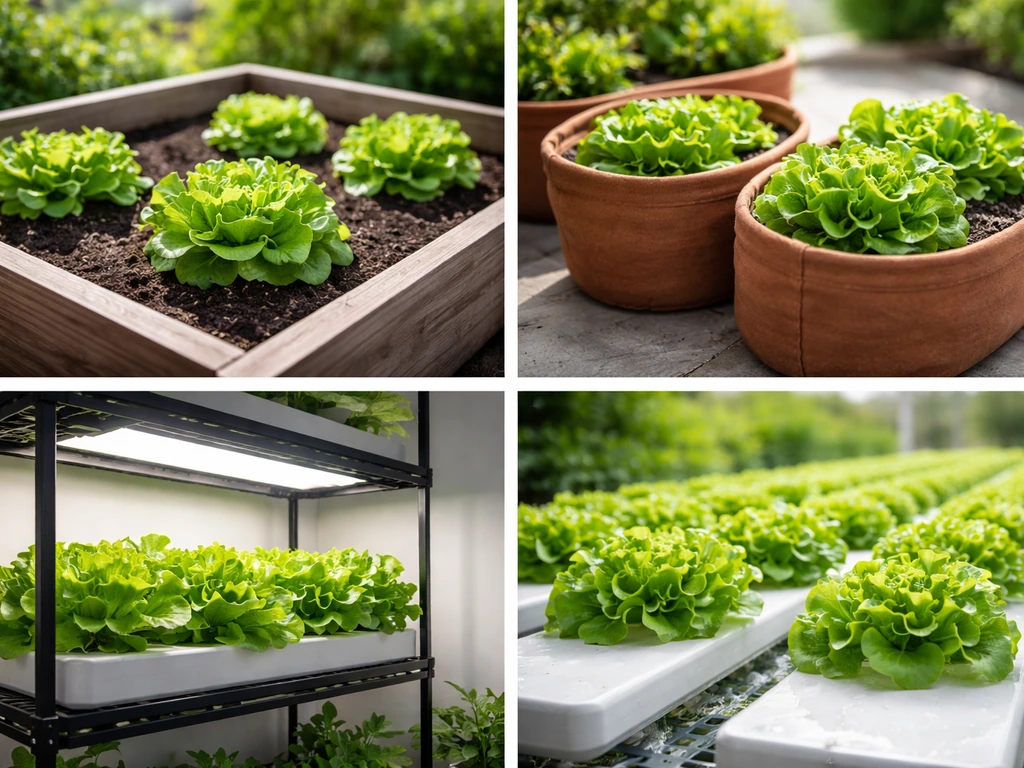
Outdoor spots: beds, raised beds, and containers
In-ground garden beds
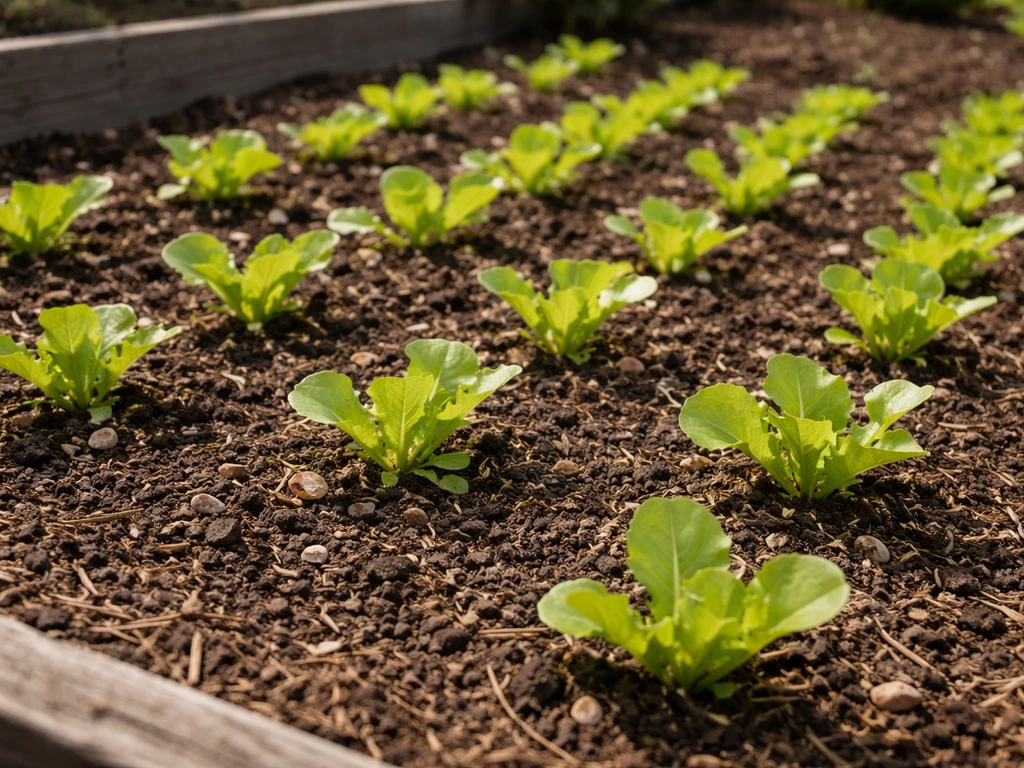
If you have garden space, in-ground beds are reliable for spring and fall lettuce. Look for a spot that gets full sun in cool months (at least 6 hours) but can be partially shaded in warmer months, either naturally by a tree or fence, or by setting up shade cloth. Good drainage matters, but so does moisture retention, so amending with compost helps lettuce roots stay consistently moist without sitting in soggy soil. Adding mulch around your plants is a simple way to moderate soil temperature and slow moisture loss, especially during unpredictable spring weather.
Raised beds
Raised beds are genuinely great for lettuce. They warm up faster in spring, drain well, and you have full control over the soil mix. The downside is they also heat up faster in summer, so if you are pushing into warm weather, raised beds in full sun can become too hot quickly. Position raised beds where they get morning light but some afternoon protection in warmer months, or be ready to drape shade cloth when temperatures climb. If you are in a warmer region like Georgia or the Carolinas, this shade strategy is almost non-negotiable for summer growing.
Containers on patios and balconies
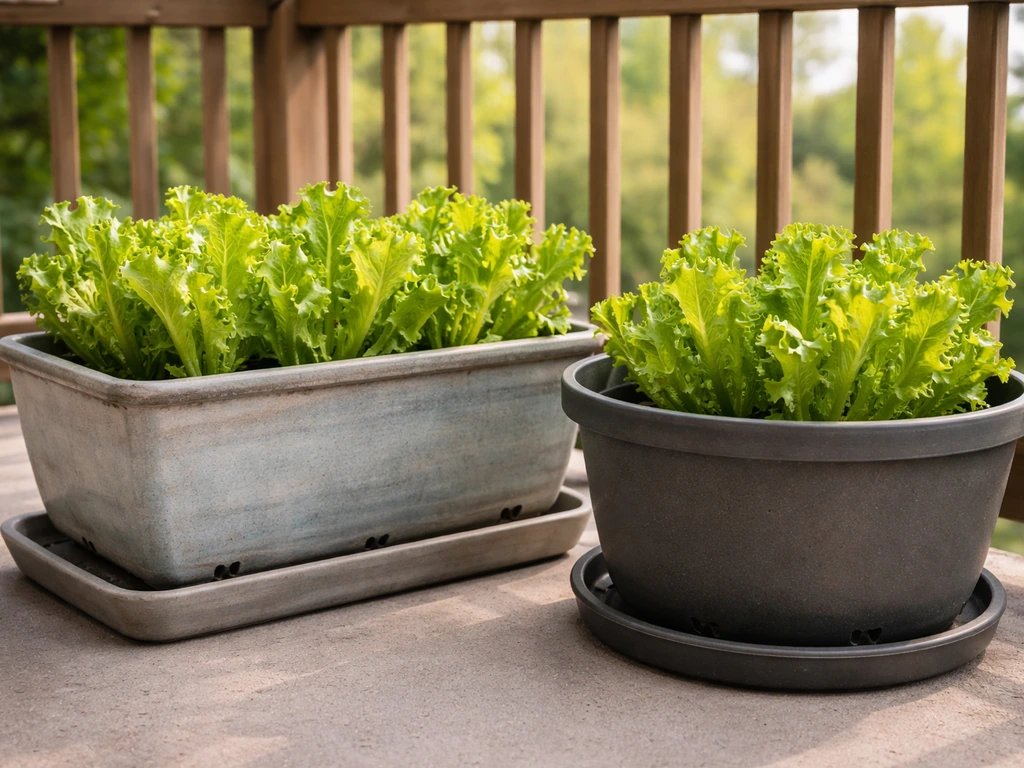
Containers are flexible and work well for lettuce as long as you get a few things right. First, drainage holes are non-negotiable. Lettuce roots sitting in standing water will rot. Second, avoid dark-colored containers when temperatures are warm. Dark pots absorb heat and can raise the potting mix temperature enough to stress roots and accelerate bolting. Lighter colors or terracotta work better in warmer conditions. Water containers more frequently than in-ground beds because they dry out faster, and always water until it drains freely from the bottom. Inconsistent moisture is one of the biggest causes of poor flavor and tipburn (the browning leaf edges you sometimes see on lettuce).
For container placement, move them around based on the season. Spring and fall, position them where they get full sun. As temperatures rise, shift them to a spot with afternoon shade or bring them in on hot days. That flexibility is one of the best arguments for containers if you do not have a large garden.
Growing lettuce indoors: windows, grow lights, and apartment setups
Indoor growing makes year-round lettuce genuinely possible, and it is probably simpler than you expect. The two things you need to manage are light and temperature, and both are controllable inside.
Window setups
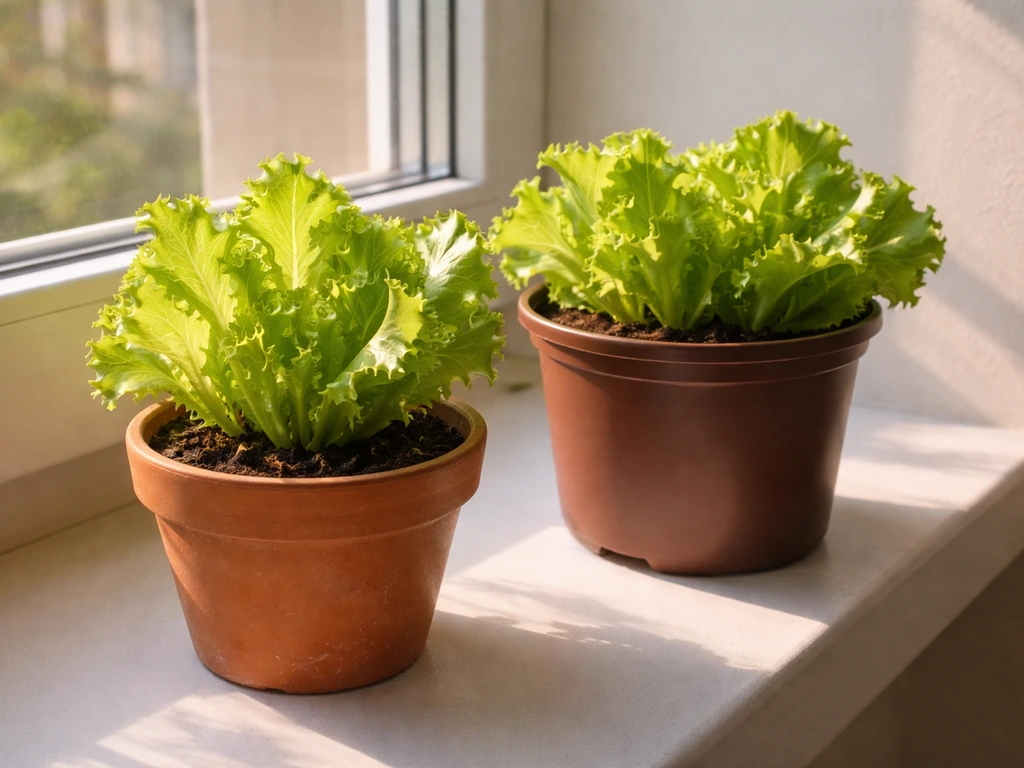
A bright south- or west-facing window can work for lettuce, especially in winter when the sun angle is lower and the light is less intense. Lettuce needs around 6–8 hours of bright light per day when grown at a window. The challenge is that most windows, even south-facing ones, do not deliver consistent or intense enough light year-round, and you will often end up with leggy, slow-growing plants. It works, but it is the minimum viable option indoors.
Grow lights
If you are serious about indoor lettuce, a grow light changes everything. Fluorescent shop lights or LED grow lights positioned a few inches above the plants and run for 14–16 hours per day give lettuce what it needs to grow reliably indoors. That 14–16 hour window mimics the long days that trigger good leaf growth (without the heat that comes with real summer). You do not need expensive specialty equipment to get started; a simple two-bulb fluorescent fixture works well for a small indoor setup. Just keep the light close to the canopy, around 2–4 inches for fluorescents, to avoid the stretch and legginess you get from weak light.
Temperature control indoors
This is actually one of indoor growing's biggest advantages. Most homes stay in the 65–72°F range, which is nearly perfect for lettuce. Keep plants away from heating vents and radiators, which create dry, hot microclimates that cause stress. A spare room, a basement with grow lights, or a kitchen counter away from the stove can all work well. If anything, lettuce tolerates a slightly cool room better than a warm one.
Hydroponic and controlled environment setups
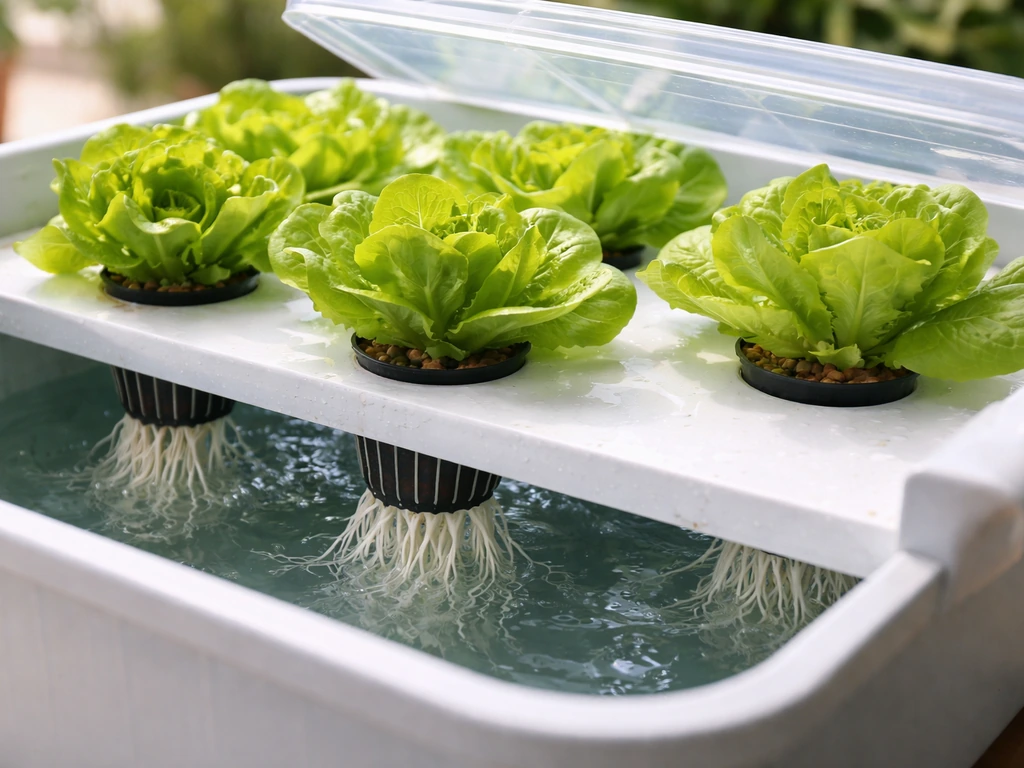
Lettuce is one of the most popular crops for home hydroponic systems, and for good reason. It grows fast, has a shallow root system, and responds well to controlled nutrient delivery. The most common systems for home growers are deep water culture (DWC) and nutrient film technique (NFT), both of which are manageable at small scale.
The nutrient solution is where most beginners make mistakes. For lettuce, you want an electrical conductivity (EC) around 1.2–2. Oklahoma State University Extension's hydroponics EC and pH guidance table for lettuce lists EC 1.2 to 1.8 mS/cm and pH 6.0 to 7.0, with nutrient solution pH typically 5 to 6 2–2.. 0 mS/cm and a pH in the 5.5–6.5 range. Solution temperature matters too: lettuce roots prefer cooler water, ideally around 65–68°F, and you should keep it no higher than 80°F. Warm nutrient solution holds less dissolved oxygen, which stresses roots and invites disease.
For light in a hydroponic setup, lettuce does well at a daily light integral of around 10–20 mol/m²/day. In practice, this means running grow lights 14–16 hours per day at moderate intensity, which aligns with the same guidance used for soil-based indoor growing. Monitor pH and EC regularly, especially in small systems where the solution volume is low and parameters can shift quickly.
Hydroponic setups work best in spaces where you can control temperature year-round: a basement, a climate-controlled garage, or a dedicated indoor space. They are not ideal in uninsulated garages or sheds where summer heat spikes, because warm solution temperatures and warm air temperatures compound each other quickly.
Picking the right lettuce variety for your specific spot
Not all lettuce types perform the same across different environments, and matching variety to location makes a real difference in how long you can harvest before bolting.
| Lettuce Type | Heat Tolerance | Best For | Notes |
|---|---|---|---|
| Leaf lettuce | Good to very good | Containers, indoor, extended seasons | Most forgiving, quickest harvest, widest variety selection |
| Butterhead | Good | Cool-season outdoor beds, indoor growing | Tender leaves, slower to bolt than crisphead |
| Romaine | Moderate to good | Outdoor beds, raised beds, warmer regions | Tolerates more heat than crisphead types |
| Crisphead (iceberg) | Low | Cool climates, spring/fall only | Most sensitive to heat; bolts and tastes bitter quickly in warm weather |
If you are growing in a warm climate or pushing into summer, look specifically for varieties labeled as slow-bolting or heat-tolerant. Seed catalogs often include bolting tolerance ratings, and extension publications from states like North Carolina include specific variety recommendations tested under local conditions. Choosing a variety rated for heat tolerance is not overkill; it is the difference between a productive summer patch and a bitter, bolted mess three weeks after planting.
For indoor and hydroponic setups, loose-leaf types are generally the easiest to manage because they do not need to form a head, which takes longer and requires more consistent conditions. Varieties bred specifically for indoor or hydroponic production tend to be compact and faster, which matters when you have limited vertical space under grow lights.
Getting the conditions right wherever you grow
Light
Outdoors in cool weather, full sun (6+ hours) is ideal. In warm months, partial shade in the afternoon prolongs your harvest significantly. Indoors, 6–8 hours of bright window light is the minimum, but 14–16 hours under grow lights produces much better results. If your indoor lettuce is stretching toward the light and producing small, pale leaves, it is not getting enough.
Temperature
Target 60–70°F average daily temperature. Nights down to 45°F are fine and actually produce sweeter leaves. Consistent temperatures above 75–80°F will push most varieties toward bolting. Oregon State University Extension’s “Five tips for growing great lettuce” also notes that hot temperatures and large temperature swings can contribute to bolting, and it recommends protecting lettuce with shading to manage heat blank" rel="noopener noreferrer">Consistent temperatures above 75–80°F will push most varieties toward bolting.. If you are in a region with hot summers, shift your growing to spring and fall outdoors, or move entirely indoors or into a hydroponic setup where you control the environment.
Soil and growing medium
For outdoor beds, work in compost to improve both drainage and moisture retention. Lettuce roots are shallow (about 6–12 inches), so soil quality in that top layer matters most. For containers, use a quality potting mix, not garden soil, which compacts in pots and drains poorly. For hydroponics, no soil is needed, but your medium (rockwool, coco coir, or net cups with hydroton) should anchor roots while allowing oxygen flow.
Watering
Consistency is the goal. Lettuce is shallow-rooted and drought-sensitive, meaning even short dry periods slow growth and can cause off-flavors. Outdoor beds in cool weather may need watering every 2–3 days. Containers in warm weather may need daily watering. The test is simple: stick your finger an inch into the soil. If it feels dry, water thoroughly until it drains from the bottom. Letting containers sit in saucers of water defeats the purpose of good drainage, so empty saucers after watering.
Airflow
Good air circulation around lettuce plants reduces fungal disease risk and helps manage temperature in dense plantings. Outdoors, this usually takes care of itself. Indoors or in a tent or enclosed hydroponic setup, a small fan running on low is worth adding. It also strengthens stems and mimics the gentle movement plants experience outside.
Which setup is right for you? A quick comparison
| Your Situation | Best Setup | Key Watch-Out |
|---|---|---|
| Beginner with outdoor space | In-ground or raised bed, spring/fall | Avoid planting when temps will exceed 75°F within 4–6 weeks |
| Apartment dweller or renter | Container on balcony or windowsill | Light availability and heat from dark pots; watch afternoon sun exposure |
| Year-round indoor grower | Grow light setup with loose-leaf varieties | Light duration is critical; get a timer so you hit 14–16 hours consistently |
| Tech-comfortable home grower | DWC or NFT hydroponic system | Monitor EC and pH; keep solution temperature at or below 68°F |
| Hot climate gardener | Containers with afternoon shade, or indoors | Variety selection matters most; choose slow-bolting types for any outdoor attempt |
Where to buy lettuce seeds and starts
You have two main options when starting: seeds or transplants (also called starts or seedlings). Seeds give you the widest variety selection and are significantly cheaper per plant. Starts are faster and more convenient if you are behind on timing or just want to skip germination. Both are valid depending on your situation.
Seeds
For the best variety selection, especially if you want slow-bolting or heat-tolerant types, order from specialty seed companies. Look for bolting tolerance ratings listed in the catalog descriptions. Many seed companies publish these ratings and include days-to-maturity information, which helps you plan your timing. Local hardware stores and garden centers also carry seeds, but selection is more limited and often leans toward standard varieties without detailed performance notes.
Starts and transplants
Local nurseries and garden centers sell lettuce starts in spring and fall, usually in 4-packs or 6-packs. When you pick them up, look for compact, dark green seedlings with no yellowing, no leggy stretching, and no signs of wilting or pest damage. Avoid anything that looks like it has been sitting in the sun too long or has roots visibly escaping the bottom of the tray, which suggests it is rootbound and stressed. Ask the nursery staff when they typically receive fresh shipments and try to buy within a day or two of delivery for the best plant quality.
For indoor and hydroponic growers, transplants from a garden center are less common because you will likely start seeds yourself. Germination for lettuce is fast, typically 7–10 days at room temperature, so starting from seed indoors is straightforward and saves money. Start seeds in small cells or rockwool cubes and transplant once seedlings have their first true leaves.
One last thing: buy for your current season and your specific setup. If you are already past the usual planting window, you can still try fast varieties and start them indoors or in a controlled setup is it too late to grow lettuce. A crisphead variety from a convenience rack at a big box store will not serve you well in a warm climate in late spring. Take the extra step to check variety descriptions for bolting tolerance and match that to where and when you are planting. It is a small decision that has a big effect on whether your lettuce thrives or disappoints.
FAQ
Can I grow lettuce in full sun if I keep it well-watered?
Sometimes, but in warm weather full sun usually overwhelms lettuce first through heat stress, not lack of water. Aim for at least morning sun with afternoon shade (or use shade cloth) so the leaves stay cooler, especially once temperatures start trending above the mid-70s.
What if my “cool spot” still gets warm afternoons, should I choose a different lettuce type?
Yes. If your location has hot afternoons, switch to slow-bolting or heat-tolerant varieties and use the coolest microclimate you have (morning sun, afternoon shade, near a fence or wall that stays cooler). This combination is more reliable than trying to brute-force the same variety in the same spot.
How do I decide between raised beds, in-ground, and containers for my exact situation?
Use in-ground or compost-amended beds if you want the most stable moisture and temperature in spring or fall. Use containers if you can move plants into shade during heat spikes. Use raised beds if drainage is your main issue, but plan extra shading for summer because the bed warms faster than the ground.
Do I need to worry about lettuce getting “too much” light indoors?
Generally, the bigger risk indoors is not enough light, which causes stretching and slow growth. If you do use grow lights, keep them close enough to the canopy (and adjust height as plants grow) and ensure consistent daily hours, rather than relying on stronger light from far away.
What’s the best way to prevent bolting if the season suddenly warms up?
Act quickly: move containers to afternoon shade or indoors, switch to a more heat-tolerant variety if you are replanting, and shorten harvest timing by choosing loose-leaf types you can cut sooner. Bolting accelerates when both heat and long days arrive together.
How often should I water lettuce in different locations?
Instead of a fixed schedule, use the 1-inch finger test and water based on dryness. Outdoor cool-season plantings often need watering every few days, containers frequently need daily watering during heat, and hydroponic systems require checks because solution levels and oxygen levels can change quickly in small setups.
Why is my container lettuce tipping at the leaf edges, even when it seems to be watered?
Tipburn is often tied to inconsistent moisture and stress, commonly from uneven watering or water that does not fully saturate and drain properly. Avoid letting pots sit in saucers, and water thoroughly until you see drainage from the bottom, then empty excess.
My lettuce is bitter, but I didn’t see it bolt yet. What else could be wrong?
Bitter flavor can happen when plants experience heat stress or inconsistent moisture before visible bolting. Check your temperature exposure (especially afternoon sun) and make sure the soil or potting mix stays evenly moist rather than alternating dry and soaked.
Can I grow lettuce on a balcony with limited sun?
Yes, but you may need to prioritize the best microclimate and accept a longer path to harvest. Aim for the brightest spot that stays cooler in the afternoons, consider light-colored containers, and if sun is truly limited, indoors or under supplemental grow lights will usually outperform trying to force it.
For hydroponics, how do I keep nutrient solution temperature from creeping up in summer?
The simplest control is temperature management of the space, not just the reservoir. Use an insulated or shaded location, monitor solution temperature frequently, and avoid uninsulated sheds or garages where air and water both rise and dissolved oxygen drops faster.
How do I know whether my lettuce is failing due to light or temperature?
If plants stretch and are pale, it is usually a light problem. If growth stalls and leaves turn off or become stressed during hot afternoons, it is often temperature-related bolting pressure or root-zone heat. Use the finger test for moisture and also check ambient and root-zone temperatures before changing multiple variables at once.
Should I start lettuce from seeds or transplants for the best results in my chosen location?
If you want slow-bolting or heat-tolerant varieties, starting seeds usually gives better selection. If you are behind schedule, transplants can save time, but inspect them closely for compact, non-yellowing growth and avoid seedlings that look sun-stressed or leggy.