In North Carolina, lettuce is a spring and fall crop. For most of the state, that means you're planting outdoors from late January through mid-April in spring, and again from late August through early October in fall. The exact window shifts depending on which part of NC you're in, what variety you're growing, and whether you're working with an outdoor bed, a container, or an indoor/hydroponic setup. If today is May 23, your spring outdoor window has likely closed in most of NC, but fall planting is about three months away and you can still grow lettuce indoors or in a hydroponic setup right now. If you're figuring out where to grow lettuce in North Carolina, start with your region and the outdoor or indoor setup you can realistically maintain year-round.
When to Grow Lettuce in NC: Planting Dates and Plan
NC lettuce seasons by region and climate
North Carolina's geography forces you to think in regions. The coast and eastern Piedmont are warmer and get hot earlier in spring, which compresses the spring window. The mountains stay cooler longer, which stretches both ends of the season. Here's how it breaks down practically:
| Region | Spring Planting Window | Fall Planting Window | Notes |
|---|---|---|---|
| Eastern NC (coastal plain) | Feb 1 – Apr 10 | Aug 25 – Sep 15 | Shortest spring window; heat arrives fast |
| Central NC / Piedmont | Feb 15 – Apr 15 | Sep 1 – Sep 30 | Moderate window; watch late-spring heat spikes |
| Western NC / Mountains | Mar 1 – May 1 | Aug 15 – Oct 1 | Longest window; frost risk extends later into fall |
These ranges come from NC State Extension's regional planting tables and the Southeastern Vegetable Crop Handbook. But the most precise tool for your specific location is NC State's county-by-county first and last frost date PDF. Pull up your county, find your average last spring frost and first fall frost, and use those dates as your anchors. For spring planting, you're typically starting 4–6 weeks before your last frost. For fall planting, count backwards from your first expected fall frost to make sure you can reach harvest before hard freezes hit.
Lettuce is a cool-season crop and temperature is the dominant factor, more than light or soil. It germinates as low as 35°F, grows best in the 45–65°F range, and starts bolting (flowering and turning bitter) once temperatures push into the 70–80°F zone. Eastern NC's spring heats up fast, which is why that fall window closes earlier there too. In the mountains, you get a bonus on both ends.
Best planting dates: spring vs fall and how to succession sow
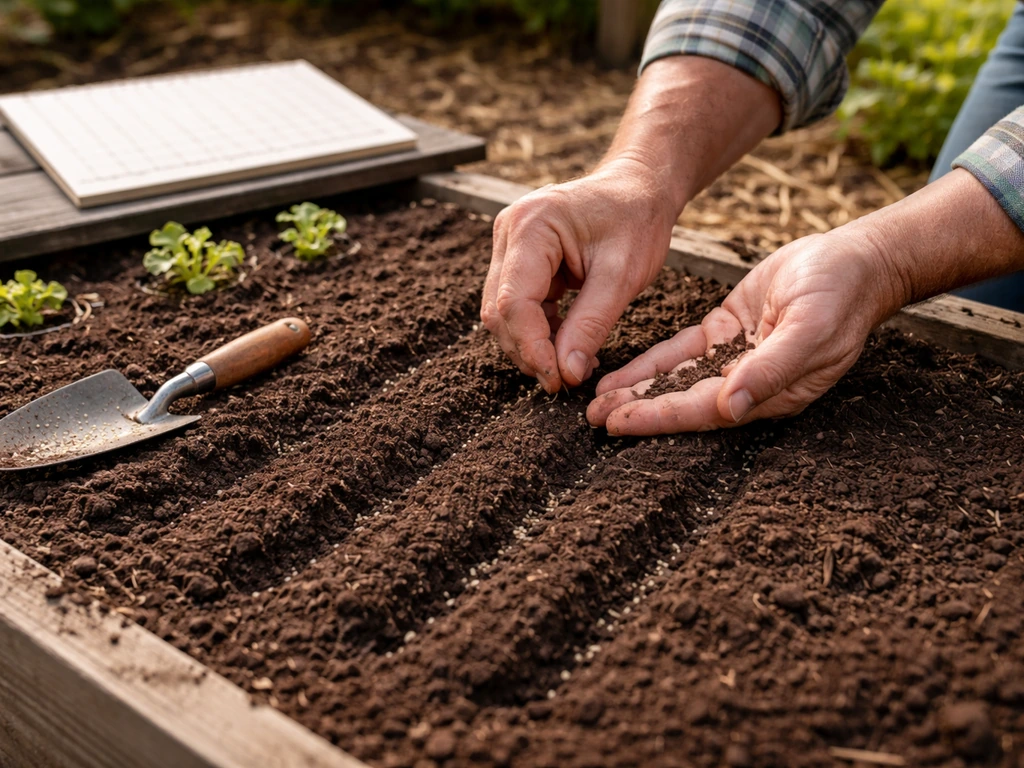
The mistake most people make is planting once and expecting a steady harvest. Lettuce matures fast and then bolts. The fix is succession sowing: planting small amounts every 7–14 days through your available window instead of one big planting all at once.
Spring succession sowing
In eastern NC, your window is roughly February 1 through April 10. Start your first sowing in early February, then sow again every 10 days until you hit mid-April. That gives you 5–6 successions and harvests staggered across late March through May. In the Piedmont, push that first sowing to mid-February and keep going until April 15. In the mountains, start March 1 and you can stretch through early May. For each succession, plant just a short row or a small container's worth. You don't need a lot, and this way you always have something coming in rather than 20 heads ready on the same day.
Fall succession sowing
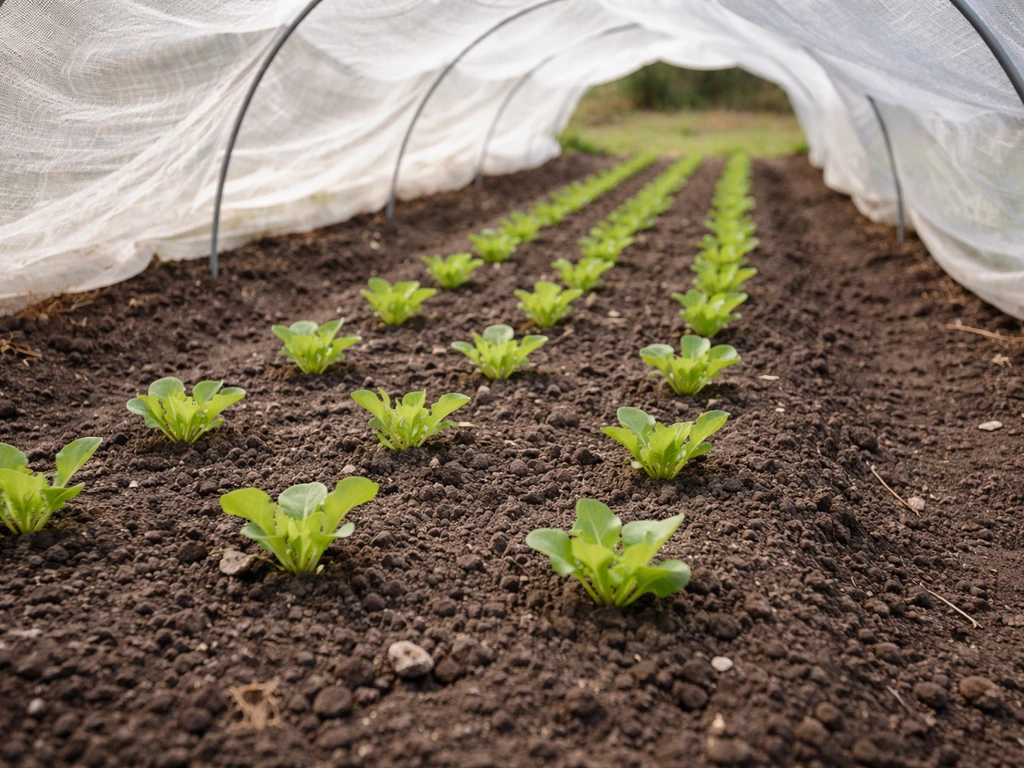
Fall is actually my favorite time for lettuce in NC. The days are getting shorter and cooler, which is exactly what lettuce wants. In eastern NC, begin around August 25 and sow every 7–10 days through September 15. Piedmont gardeners can go from September 1 through late September. Mountain growers should start in mid-August to give plants enough time before hard freezes. Fall-sown lettuce tastes better than spring-sown lettuce in my experience because the cooling trend works in your favor. Just keep an eye on your first frost date and make sure your last sowing can reach harvest before then. Row covers can buy you another 2–3 weeks if you need them.
Another succession strategy worth knowing: plant two or three varieties with different days-to-maturity at the same time. A fast leaf lettuce (40–50 days from seed) alongside a slower butterhead (60–70 days from transplant) will stagger your harvest without requiring you to track multiple sowing dates.
Matching your lettuce variety to the timing
Not all lettuce types handle NC's seasons equally. The variety you choose changes how much timing flexibility you have and when you'll be harvesting.
| Lettuce Type | Days to Harvest (Seed) | Days to Harvest (Transplant) | Heat Tolerance | Best NC Season |
|---|---|---|---|---|
| Leaf lettuce | 40–60 days | 15–45 days | Moderate | Both spring and fall; fastest return |
| Butterhead | 55–75 days | 30–50 days | Low to moderate | Fall preferred; early spring possible |
| Romaine / COS | 60–75 days | 45–60 days | Higher than head types | Both seasons; best for late spring |
| Head lettuce (crisphead) | 70–85 days | 45–70 days | Low | Fall or very early spring only |
Leaf lettuce is the most forgiving choice for NC gardeners because it matures fastest and you can harvest outer leaves as you go, extending production without waiting for a full head. If you're new to growing lettuce in NC, start with a loose-leaf variety and use a seed mix to get variety variety and staggered maturity in one packet.
Romaine types have a meaningful advantage: they tolerate higher temperatures than head lettuce and butterhead. If you want to push your spring planting a little later than the safe zone, romaine is your best bet. For fall, butterhead types like Bibb are excellent because they thrive as temperatures drop and produce beautiful, tender heads just in time for the holiday season.
Head lettuce (crisphead types like iceberg) is genuinely hard to grow in most of NC because it needs the longest window of cool temperatures. Unless you're in the NC mountains or using aggressive season-extension tools, stick to leaf, butterhead, or romaine for more reliable results.
Timing adjustments for outdoor beds, containers, and indoor or hydroponic growing
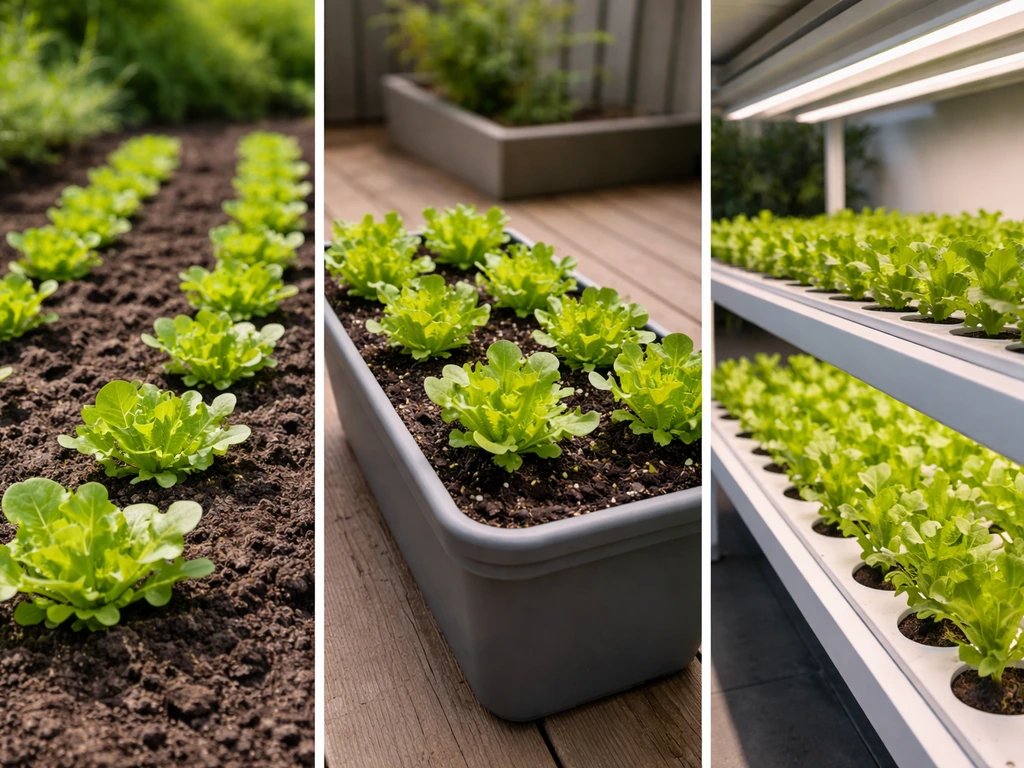
Where and how you're growing lettuce changes your available window and your level of control over timing. Here's how each setup works in the context of NC's seasons.
Outdoor ground beds
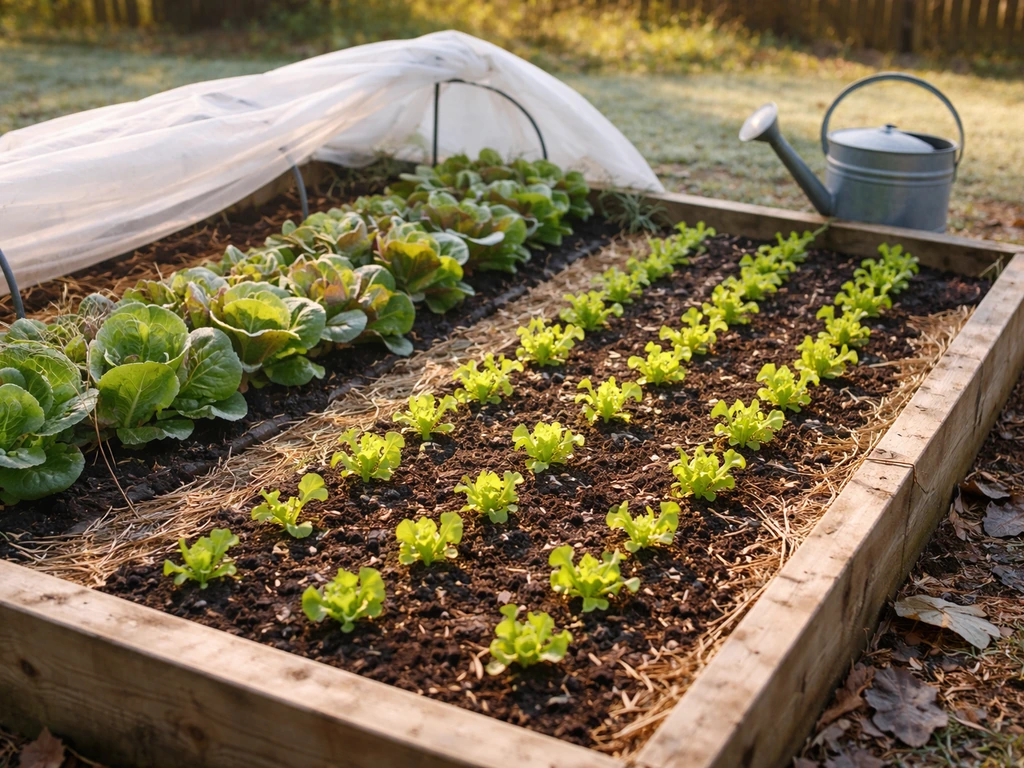
You're most dependent on outdoor temperatures and your regional frost calendar. The planting windows in the table above apply directly. You can extend the season slightly at both ends using row covers (spunbond fabric at 0.5 to 1.25 oz per square yard, supported by hoops to prevent flapping damage). A low tunnel setup can push your spring start 2–3 weeks earlier and your fall end 2–3 weeks later. Avoid black plastic mulch in NC during spring because it raises soil temperature at 2-inch depth by up to 10°F, which accelerates bolting. White or reflective plastic is the right choice if you're using plasticulture, especially when daytime highs are already reaching the low 70s.
Outdoor containers
Containers give you mobility, which is a real advantage in NC. In spring, you can start containers indoors to get a jump on the season, then move them outside once temperatures are consistently above 40°F at night. In summer heat, you can move containers to a shadier spot or bring them inside to slow bolting. In fall, you can protect them from early frost by moving them to a sheltered porch or under an overhang. This flexibility means container growers can often extend both ends of the season by 2–4 weeks compared to in-ground beds. Follow the same regional planting windows as a starting point, but use your ability to move the container as your safety valve.
Indoor growing under lights
Indoors, you're essentially growing year-round if you want to. You're not bound by NC's seasonal windows because you control temperature and light. The main thing to get right is keeping air temperature in the 60–68°F range during the day and making sure your grow lights provide 14–16 hours of light. Leaf lettuce is the best choice indoors because it produces quickly (15–45 days from transplant or 40–60 from seed) and doesn't need the root depth that romaine or head types do. If you're wondering whether it's too late to start lettuce this season because the spring window has passed, indoor growing is your answer for now.
Hydroponic systems
Hydroponics is the most controlled setup of all and the fastest path to harvest. Temperature and light management matter more than the calendar here. Keep nutrient solution temperature between 65–70°F and air temperature between 60–72°F. Leaf lettuce in a hydroponic system can go from seed to harvest in as little as 30–35 days. Because you're not working with soil, pH management becomes your main concern: keep nutrient solution pH between 5.5 and 6.5. Hydroponic lettuce grown indoors in NC has no off-season, but if you're running a system in an unheated greenhouse or garage, you'll need to watch it closely in winter and midsummer when temperatures push outside that 60–72°F sweet spot.
Site conditions checklist before you plant
Before you put a seed or transplant in the ground (or container or system), run through these conditions. Getting these right at sowing time is the difference between a productive planting and one that struggles from day one.
- Light: Lettuce needs at least 6 hours of direct sun outdoors, or 14–16 hours under grow lights indoors. In NC's warmer spring and early fall, afternoon shade (from a building, trellis, or shade cloth) actually helps prevent bolting.
- Air temperature: Target daytime temps of 45–65°F for best growth. Germination can happen as low as 35°F. Avoid sowing when daytime highs are regularly above 75°F.
- Soil temperature: For fastest germination, soil should be between 60–70°F. Seeds still germinate down to 35°F but slowly. Use a soil thermometer; don't guess.
- Soil pH: Target 6.0–6.5 for home gardens and raised beds. Get a soil test if you haven't in the past 2–3 years. NC State Extension offers low-cost testing through your county cooperative extension office.
- Soil moisture and drainage: Lettuce has a high water requirement and short drought stress periods can severely limit growth. Soil should be consistently moist but not waterlogged. In containers, make sure you have drainage holes.
- Moisture retention in containers or media: If using a soilless mix or hydroponic media, aim for consistent moisture and good aeration. Dry-out events between waterings are a common cause of stunted lettuce in containers.
- Mulch choice: If using plastic mulch outdoors, choose white or reflective, not black. Black mulch raises soil temps by up to 10°F and will accelerate bolting in NC's spring.
Step-by-step planting, spacing, and early care
Once your timing and site conditions check out, here's exactly how to get lettuce in the ground and off to a good start.
- Prepare your bed or container. Loosen soil 6–8 inches deep, mix in compost if available, and check your pH. Target 6.0–6.5. In containers, use a quality potting mix, not garden soil.
- Direct sow or transplant based on your timing. Direct seeding works well for leaf types. For butterhead and romaine, starting transplants indoors 4–6 weeks before your planting date and then moving them out gives you better control and faster results once they're in the ground.
- Sow seeds 1/8 to 1/4 inch deep. Lettuce seeds are tiny and need light to germinate, so don't bury them. Just press them lightly into the surface and keep them moist.
- Thin or space plants properly. For leaf lettuce, 4–6 inches apart is enough. Butterhead and romaine need 8–12 inches between plants. Crowded lettuce bolts faster and is more prone to disease.
- Water gently right after planting and keep the surface consistently moist until germination (usually 5–10 days). Don't let the top inch of soil dry out during germination.
- After germination or transplanting, water deeply but less frequently to encourage root development. In NC's spring and fall, overhead irrigation in the morning is fine. Avoid evening watering to reduce fungal issues.
- If you're succession sowing, mark your calendar and sow your next batch 7–14 days after the first. Keep a simple log with the date, variety, and expected harvest date so you can track what's coming.
- For transplants, make sure seedlings spend their first 3 weeks of growth at temperatures below 80°F. This is critical for preventing early bolt triggers, especially in head and romaine types.
- If temperatures are expected to dip below 28°F after transplanting, cover with row cover fabric (0.5–1.25 oz/sq yd) supported by hoops. Remove covers during the day when temps are above 40°F to prevent overheating underneath.
What to do when your timing is off: bolting, heat stress, and cold damage
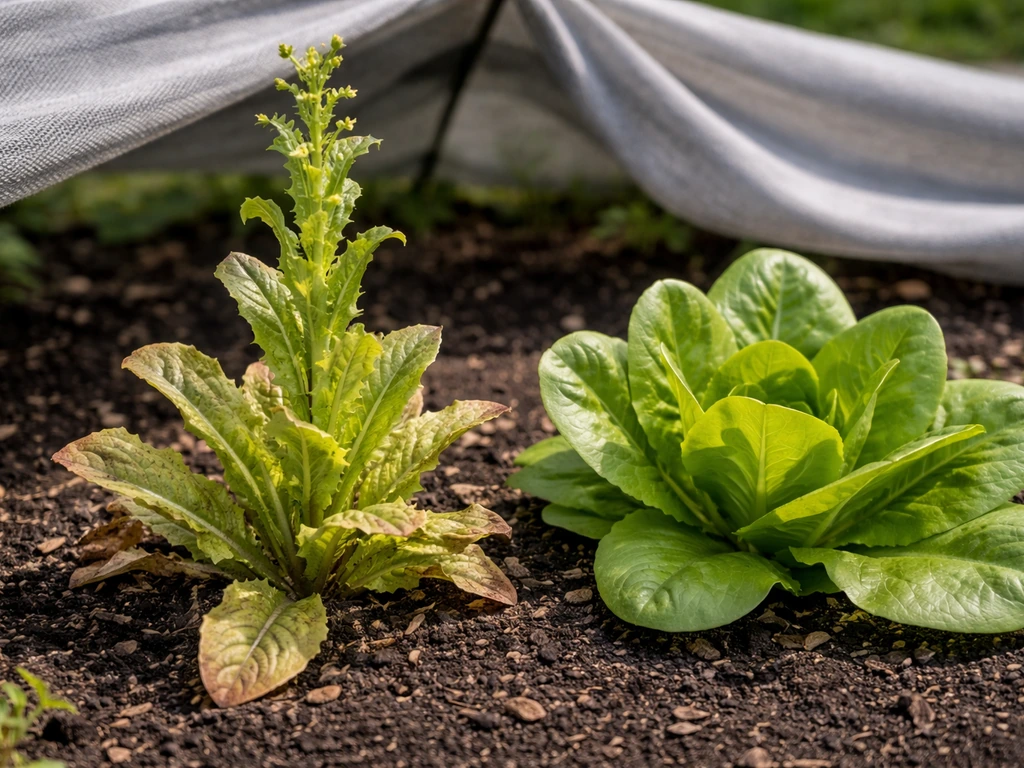
Even with the best plan, things go sideways. Here's how to read the symptoms and respond.
Bolting and heat stress
If your lettuce is sending up a tall central stalk, flowering, or tasting unusually bitter, it's bolting. This is triggered by temperatures in the 70–80°F range, especially combined with long days. Once it starts, you can't reverse it. What you can do: harvest everything usable immediately before the flavor gets worse. The outer leaves are still edible in early bolting. Going forward, note the date this happened and back your next planting up by 2–3 weeks to give more buffer before hot weather. For the current season, shift to a container or indoor/hydroponic setup where you can control temperature, or wait for fall.
If bolting is just starting, shade cloth or moving containers to a shadier, cooler spot can slow it down by a few days and may get you through a last harvest. NC State Extension also notes that shade and temperature management can help prevent bolting and bitterness in heat-sensitive crops such as lettuce and spinach by creating a cooler microclimate. Consistent moisture also helps delay bolting slightly. But if daytime highs are regularly hitting 80°F in NC, your spring outdoor window is done for that planting.
Cold damage and late frost
Lettuce handles light frost surprisingly well and can survive temperatures down to the upper 20s with minimal damage, especially if it's been hardened off. But a sudden hard freeze at 28°F or below can damage or kill young transplants that haven't had time to acclimate. If a cold snap is coming, cover plants with row cover fabric the evening before. If you see frost damage (wilted, translucent, water-soaked leaves), don't pull plants immediately. Wait 24 hours. Mild frost damage often looks worse than it is, and plants frequently recover once temperatures warm up.
If you planted your fall crop too late and a hard freeze is approaching before plants have sized up, you have two options: cover aggressively with row covers or low tunnels to extend harvest a few more weeks, or cut your losses, harvest whatever is usable now, and start fresh indoors for a late-fall container crop. The NC State Climate Office's frost-freeze maps showing earliest/median/latest dates for 28°F, 32°F, and 36°F freezes are genuinely useful here. Knowing whether you're in an early-freeze year versus a late one helps you decide whether to push the season or pack it in.
Planted too early in spring
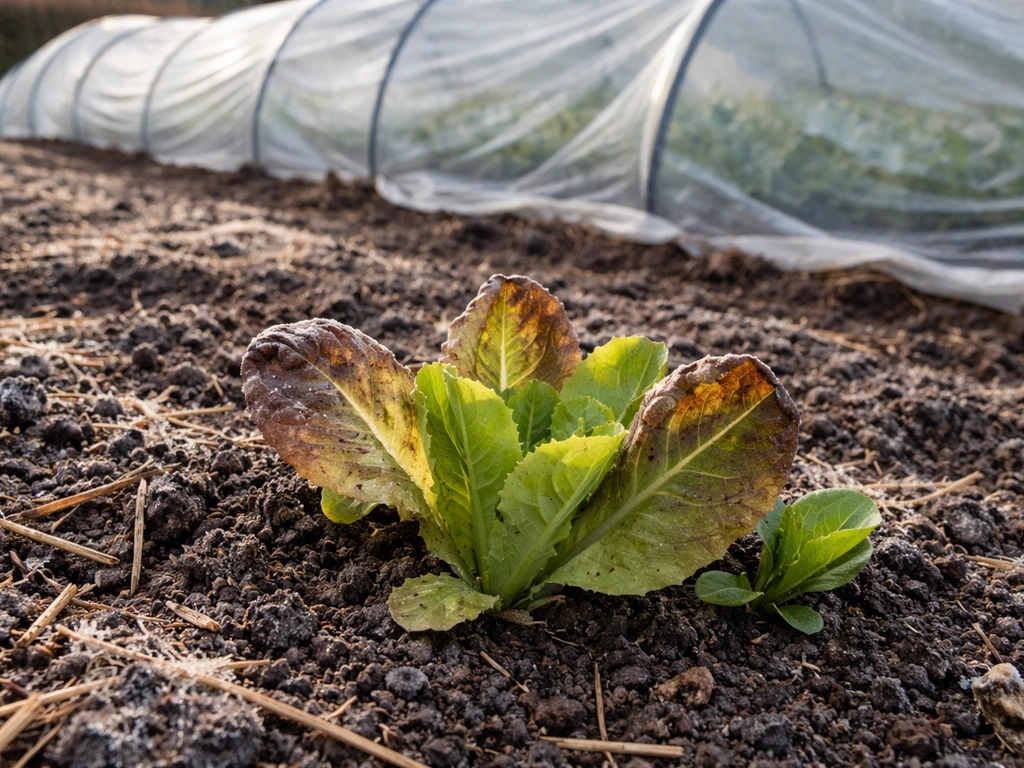
If you got eager and put transplants out before the last frost date and they got hit, check for recovery after 24 hours of warmer temperatures. If only leaf tips are damaged, the plant usually recovers fine. If the growing point at the center of the rosette is mushy or black, that plant is done. Replace it or fill the gap in your next succession. The lesson for next time: harden transplants off for 5–7 days (gradually exposing them to outdoor temperatures) before planting them out, even if the forecast looks fine.
Your next steps today
If it's late May and you're reading this after the spring outdoor window has closed, here's what to do right now: start lettuce indoors in containers under lights, or set up a simple hydroponic system for summer growing. If you are still figuring out when to grow lettuce in your area, start by lining up your sowing dates with your first and last frost. Then mark your calendar for your fall planting window based on your region and start preparing your outdoor bed in July. If you're wondering when to grow lettuce in Georgia, the timing is mostly driven by your local last and first frost dates and the area’s typical spring heat. Fall is the best season for NC lettuce anyway, so use the summer to plan your variety selection, succession schedule, and site setup. By the time late August arrives, you'll be ready to hit the ground running with a lettuce plan that actually matches your climate.
FAQ
Can I grow lettuce in North Carolina in June or early July outdoors?
Usually not reliably in most of NC because consistent daytime highs often reach the bolting-trigger range (70 to 80°F). If you must try, use leaf or romaine, sow in containers in deep shade, keep soil evenly moist, and be ready to move them indoors when heat spikes. For dependable harvests in early summer, switch to indoor or hydroponic growth and treat outdoor planting as a short experiment.
What should I use as my timing “anchor” if my county frost dates look close together?
If your average last spring frost and first fall frost dates are relatively near, don’t assume the full spring window will work. Use last frost to start your first spring succession, but plan a shorter fall window based on the first fall frost date and allow time for harvest before hard freezes. Then limit spring expectations and focus on leaf, butterhead, or romaine that can tolerate more heat variation.
When do I start lettuce if I’m direct sowing instead of transplanting?
Direct sowing generally needs more calendar space because germination and early growth are slower than starting with transplants. A practical approach is to start your first succession at the normal outdoor start window you would use for transplants, but expect harvest to lag by roughly 1 to 3 weeks depending on temperature. If your spring window is compressing fast (coast and eastern Piedmont), direct sowing often works better for fall than spring.
How much should I succession sow each time in a small yard or single bed?
In small spaces, sow only what you can harvest every few days. A useful rule is to plant enough for about 7 to 14 days of eating, then repeat. This reduces waste from heads maturing at once and makes bolting less disruptive because you can keep pulling usable outer leaves while newer sowings catch up.
If lettuce bolts, what’s the fastest way to salvage what’s left?
When you notice bitter taste, harvest immediately and focus on outer leaves that are still usable, rather than waiting for a full head that won’t improve. After cutting, don’t count on regrowth, especially once flowering starts. For the next succession, shift your next sowing earlier or increase shade and start dates by 2 to 3 weeks to rebuild your temperature buffer.
Row covers, low tunnels, and shade cloth, which one should I use and when?
Use row covers primarily to protect from cold snaps and extend harvest at the ends of the season by a couple of weeks. Low tunnels help you gain earlier starts in spring and later finishes in fall, but they still need ventilation on mild days to avoid overheating. Shade cloth is for summer heat management and can slow bolting by a few days, but it does not replace proper cool-season timing.
Is black plastic mulch ever a good idea for lettuce in NC?
Black plastic mulch is risky for spring because it raises soil temperature, which can push plants toward bolting faster. If you use plasticulture, opt for reflective or lighter mulch options when daytime highs are already creeping into the low 70s. If you already laid black plastic, consider removing it during hot stretches and switching to a cooler ground cover or manual shading of the bed.
How do I harden transplants correctly if the forecast looks warm but nights are cool?
Harden off gradually over 5 to 7 days, exposing plants to outdoor conditions a little more each day. Even if daytime temperatures seem fine, watch night temperatures, since cool nights are often when young plants build resilience. Keep transplants protected on the first couple of days if nights are near freezing, then increase exposure as they recover quickly after each step.
What temperature damage should I expect from frost, and how do I decide whether to replant?
Lettuce can handle light frost fairly well, but hard freezes at 28°F or below can kill or severely damage young plants. If you see wilting or water-soaked leaves, wait about 24 hours after the cold passes to check recovery. If the center growing point turns mushy or black, replace those plants and fill gaps with your next succession.
If my fall crop is behind schedule, how do I decide between covering and starting fresh?
First, compare days-to-maturity of your variety against your first hard-freeze timing (28°F or lower is the most decisive for young plants). If you are only a short time from harvest, low tunnels or row covers can buy extra weeks. If plants are far from sizing up and a hard freeze is imminent, it’s often faster to harvest what’s usable and start a late-fall container or indoor crop instead of trying to nurse undersized heads.
How do I prevent lettuce from bolting in containers during warm spells?
Use the container’s mobility as your advantage. Place plants where they get morning sun but afternoon shade, keep moisture consistent, and move containers indoors or under stronger shade when highs approach the bolting range. Succession sowing also helps, so you are not relying on one planting to carry you through the hottest stretch.
What lettuce types are safest for a late start in NC?
If your timing is slipping, leaf lettuce is the most forgiving because it matures quickly and you can harvest outer leaves as they grow. Romaine is also more tolerant of warmer conditions than head lettuce. For a late spring or unstable schedule, avoid crisphead types unless you are in the mountains or have strong season-extension control.