In Georgia, the two best windows for growing lettuce are early spring (roughly late January through March depending on where in the state you live) and fall (late August through October). Summer is basically off the table outdoors unless you have heavy shade and even then it's a struggle. If you're reading this on May 29, your spring window has closed for most of Georgia, but your fall window starts in about 8 to 10 weeks. Mark your calendar for late July or August and plan for that.
When to Grow Lettuce in Georgia: Planting Dates and Tips
Marcus Holloway
29 May 2026
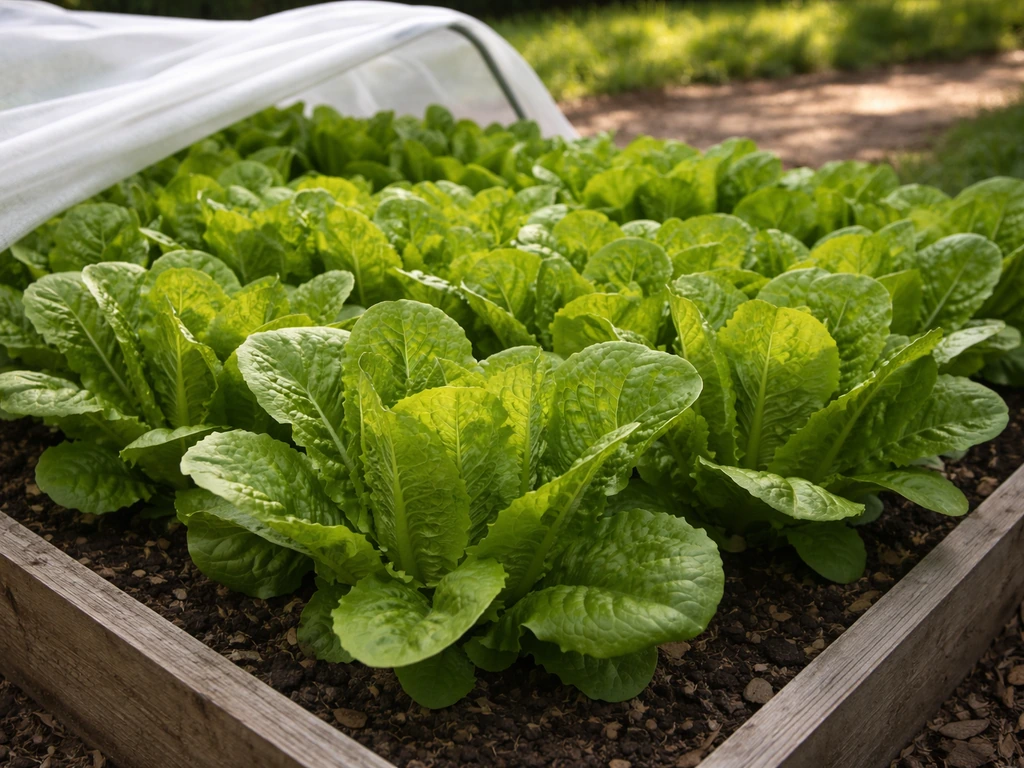
The best seasons for lettuce in Georgia
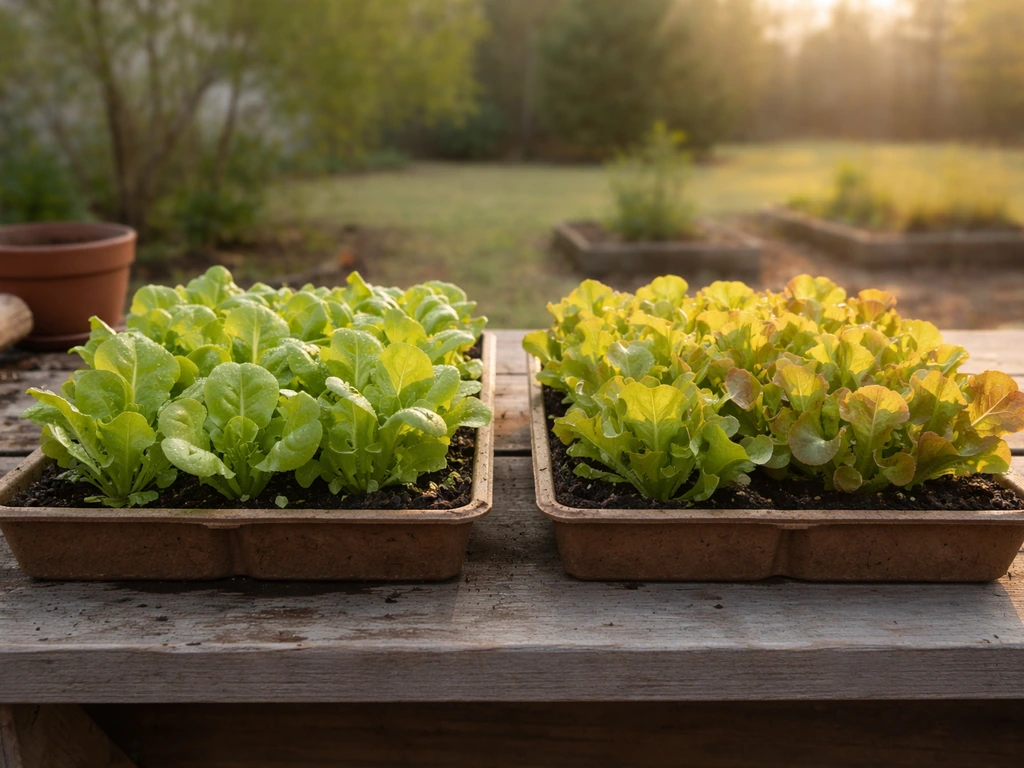
Georgia has two legitimate lettuce seasons, and the exact dates shift depending on which part of the state you're in. The last spring freeze ranges from around February 15 along the coast to April 15 in the north Georgia mountains, so your safe outdoor planting window varies a lot. Here's how to think about it by region.
| Georgia Region | Last Spring Frost (approx.) | Spring Lettuce Sow Window | Fall Lettuce Sow Window |
|---|---|---|---|
| Coastal / South Georgia | Feb 15 | Late Jan – late Feb | Sept – Oct |
| Middle Georgia | Mar 1 – Mar 15 | Late Jan – early Mar | Late Aug – Sept |
| North Georgia / Piedmont | Mar 15 – Apr 1 | Feb – mid-Mar | Late Aug – mid-Sept |
| Mountain Georgia | Apr 1 – Apr 15 | Mar – early Apr | Late July – early Aug |
For spring, the goal is getting lettuce planted early enough that it matures before temperatures consistently climb above 80°F. Lettuce bolts (sends up a flower stalk and turns bitter) when heat settles in, so your spring crop is a race. For fall, you're planting in late summer heat and nursing seedlings through it until cooler weather arrives and the crop really takes off. Fall lettuce in Georgia can be genuinely great because the weather cools slowly and you can harvest well into November or even December in the south.
UGA recommends making new plantings in July, August, and September specifically to enjoy fresh vegetables into fall. For head lettuce in the mountains, the fall planting window is tighter: you need to start by the last week of July and no later than the first week of August, because the season shortens fast at elevation.
How Georgia's climate works against (and for) lettuce
Lettuce performs best around 60°F to 65°F. Once temperatures push consistently above that, you're in bolt territory. Research has shown that temperatures around 33°C (about 91°F) can trigger bolting within just a few days. In Georgia, that kind of heat arrives fast in spring, which is why you'll often see a lettuce planting look great in March and then crash by early May. The coastal and middle Georgia gardener has even less spring time to work with than a mountain gardener does.
Day length also matters. As days get longer heading toward summer solstice, lettuce gets the signal to bolt regardless of temperature. This is why fall plantings in Georgia often outperform spring ones: you're heading into shorter days, not longer ones, so the bolt signal stays quiet longer. If you've tried spring lettuce and been frustrated, fall is worth the effort.
Georgia winters in the southern half of the state are mild enough that overwintering lettuce under a simple row cover is genuinely possible. In north Georgia, a hard freeze will kill unprotected lettuce, but a frost cloth or low tunnel can extend your fall harvest by several weeks. The variability is real, so pay attention to your local frost dates rather than relying on a single statewide rule.
How to build your planting schedule

The best way to plan lettuce timing in Georgia is to work backward from your frost dates. UGA's formula is simple: take your last spring frost date (or first fall frost date), subtract the days to maturity for your variety (most lettuce runs 60 to 85 days), then add 18 days for a harvest window. That gives you your target sow date. If a variety says 70 days to maturity and your first fall frost is October 31, count back 70 plus 18 days and you land around August 4 as your sow date.
Direct sow vs. starting transplants
For spring, starting transplants indoors 3 to 4 weeks before your outdoor planting date gives you a head start and lets you get plants in the ground earlier. Harden them off over a week before putting them outside. For fall, direct sowing works well because soil temperatures in August are warm enough to germinate seed quickly, often in just 3 to 5 days. The catch with direct sowing in fall is that you're seeding into hot, dry soil, so you need to keep the seed bed consistently moist until germination. Sow seeds just 1/8 to 1/4 inch deep, press lightly, and water gently twice a day if needed until sprouts appear.
Succession planting to stretch your harvest
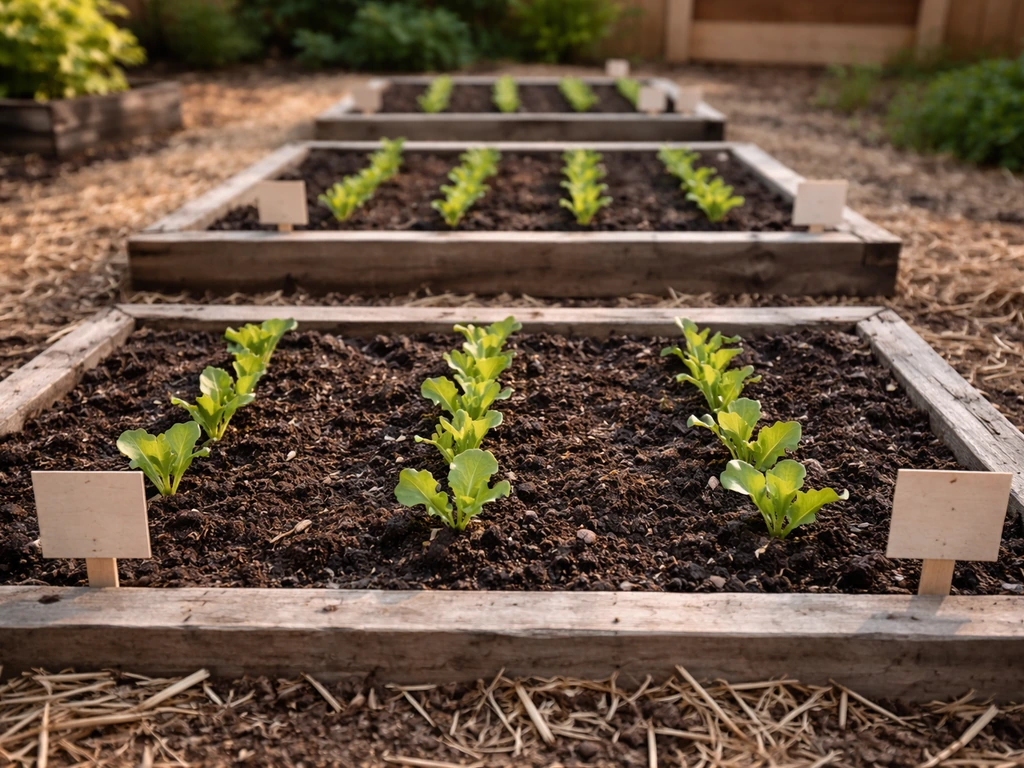
Instead of sowing everything at once, sow a small batch every 2 to 3 weeks. For fall in Georgia, that might mean one sowing in late July (mountains), one in mid-August, and another in early September (south Georgia and coast). Each wave matures a few weeks apart and you get a rolling harvest instead of a glut followed by nothing. In spring, do the same: one sowing in late January or early February, another 2 to 3 weeks later. You'll likely get 2 to 3 successions before heat shuts things down.
Setting up your site in Georgia
Lettuce is a cool-season crop, so you want full sun in spring and early fall but afternoon shade in late summer and early fall when you're starting that fall planting. A spot that gets 4 to 6 hours of morning sun and is shaded from the hot afternoon western sun is ideal for Georgia conditions. If you only have full sun, shade cloth rated at 30 to 40 percent can save your fall transplants from heat stress in August and September.
Raised beds and in-ground beds
Raised beds are excellent for Georgia lettuce because they drain well (lettuce doesn't like wet roots), warm up faster in early spring, and are easy to cover with row fabric when late frosts threaten. Fill them with a well-draining mix heavy in compost. In-ground beds work fine too, but amend heavily with compost if your native soil is the dense Georgia red clay that doesn't drain well.
Containers and hydroponic setups
Containers are a smart choice for Georgia lettuce because you can move them. When August turns brutal, roll the pot into a spot with afternoon shade. When an unexpected cold snap hits in November, bring it inside or onto a covered porch. Use pots at least 6 to 8 inches deep and make sure they drain well. Lettuce in containers dries out faster than in-ground, so check moisture daily. If you're growing hydroponically, lettuce is one of the easiest crops to do that way: it thrives in nutrient film technique (NFT) or deep water culture setups, and you can run it indoors year-round independent of Georgia's seasons entirely.
Day-to-day lettuce care in Georgia
Watering
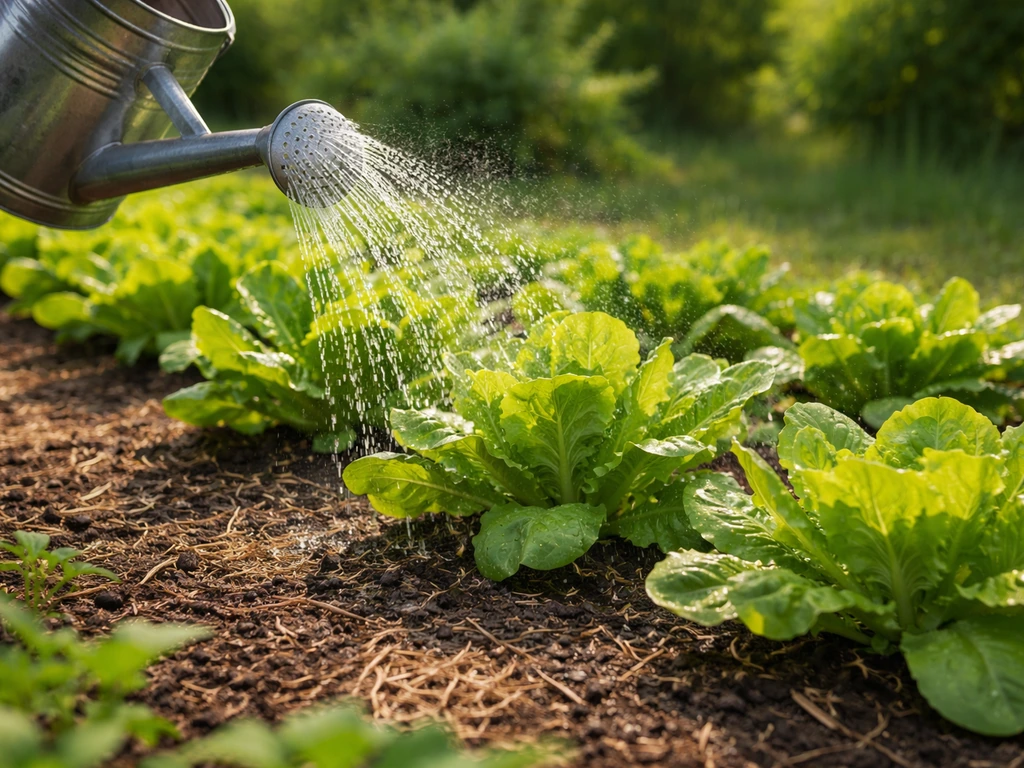
Lettuce is about 95 percent water, so consistent moisture is non-negotiable. In Georgia's warmer months, that means watering every 1 to 2 days for in-ground beds and possibly daily for containers. Water at the base of the plant rather than overhead when possible to reduce foliar disease risk. If you're direct sowing in fall heat, keep the seed bed moist with light, frequent watering until germination. Once plants are established, a 2 to 4 inch layer of mulch around plants helps retain moisture and keeps soil temperatures cooler, which is particularly valuable during Georgia's warm stretches.
Light and spacing
Aim for 6 to 12 inches between plants depending on variety: loose-leaf types can go closer (6 to 8 inches), while head types like romaine or butterhead need more room (10 to 12 inches). Crowding leads to poor airflow and disease. If you sow thickly, thin early. As UGA notes, if fully developed plants get crowded, pull every other one to give the remaining plants more room. Those thinnings are perfectly edible, so nothing goes to waste.
Feeding
Lettuce is a light feeder, but it does want nitrogen for that leafy green growth. A balanced fertilizer at planting and a light side-dressing of a nitrogen-rich fertilizer midway through the season is usually enough. In containers, feed every 2 to 3 weeks with a diluted liquid fertilizer since nutrients flush out with watering.
Which lettuce varieties actually work in Georgia
Variety choice matters more in Georgia than in cooler climates because you need either fast-maturing types that finish before heat arrives, or heat-tolerant and bolt-resistant varieties that give you a buffer. Here are the types worth planting.
| Variety Type | Examples | Days to Maturity | Why It Works for Georgia |
|---|---|---|---|
| Loose-leaf (heat-tolerant) | Black Seeded Simpson, Oak Leaf, Salad Bowl | 45–60 days | Fast to harvest, tolerates warmth better than head types |
| Butterhead (bolt-resistant) | Buttercrunch, Tom Thumb | 60–70 days | Slower to bolt, good for spring and fall |
| Romaine / Cos | Paris Island Cos, Jericho | 70–80 days | Upright habit improves airflow; Jericho is specifically heat-tolerant |
| Summer crisp / Batavian | Nevada, Magenta | 60–75 days | Bred for heat tolerance, excellent for late spring or early fall |
| Red loose-leaf | Red Sails, New Red Fire | 50–60 days | Fast, adds color, holds up decently in warmth |
For Georgia spring planting, loose-leaf varieties are your best bet because they mature in 45 to 60 days, which gives you a better shot at harvesting before heat triggers bolting. For fall planting, you have more flexibility since you're growing into cooler conditions, so you can use butterhead and romaine types without as much risk. Avoid slow-maturing head lettuce for spring unless you're in the mountains where the cool window lasts longer.
Troubleshooting common Georgia lettuce problems
Bolting
If your lettuce sends up a tall central stalk and the leaves turn bitter, it has bolted. The plant is done at that point, so pull it and move on. To prevent bolting next time: choose bolt-resistant varieties, time your planting earlier in spring so it matures before heat arrives, use afternoon shade in warm weather, and mulch to keep soil temperatures down. Once bolting starts, you can't reverse it. Plan to not be in the situation in the first place.
Pests
The most common lettuce pests in Georgia are aphids, armyworms, cabbage loopers, and beetles. Aphids cluster on the undersides of leaves and can be knocked off with a strong spray of water or treated with insecticidal soap. Armyworms and cabbage loopers chew ragged holes in leaves; hand-pick them in the evening when they're active, or apply Bt (Bacillus thuringiensis) as a biological control. Slugs and snails are also a real problem, especially in fall when soil stays moist, and lettuce is one of their favorite targets. Use iron phosphate bait around the plants at dusk.
Diseases
Downy mildew and powdery mildew are both documented lettuce problems. Downy mildew shows up as yellow patches on the upper leaf surface with a grayish fuzz beneath; it thrives in cool, humid conditions. Powdery mildew presents as white powdery spots and is favored by warm, dry conditions, particularly on mature plants. Both diseases are reduced by good airflow, so don't crowd plants, and try to keep foliage dry by watering at the base rather than overhead. If you see either disease spreading, remove affected leaves immediately and improve air circulation.
Tip burn and wilting
Tip burn (brown, papery leaf edges) is a calcium uptake issue usually made worse by inconsistent watering and high heat, both of which are Georgia realities. Keep soil moisture consistent to help. Wilting in the middle of a hot afternoon can look alarming but is often temporary: lettuce sometimes wilts in heat and recovers in the evening. If plants are wilted in the morning, that's a real problem, check soil moisture and water immediately. If soil is already wet, you may have a root rot issue from poor drainage.
What to do right now (late May)
If you're reading this on May 29, the spring season is over for outdoor lettuce in most of Georgia. Don't try to force it in summer heat unless you have a heavily shaded spot and are growing a very heat-tolerant loose-leaf variety, and even then, expect disappointing results. If you are wondering, is it too late to grow lettuce, the answer is often no for a fall crop, as long as you start in time for cooler weather grow lettuce in Georgia. The better move is to plan now for fall. Pull out your local first frost date (typically mid-October to mid-November across most of Georgia), count back 88 days from that date (70 days to maturity plus 18 days harvest window), and write that target sow date in your calendar. That lands most middle and north Georgia gardeners around late July to mid-August. In North Carolina, you can use the same frost-date method to map out a spring and fall planting schedule that helps you avoid bolting heat when to grow lettuce in NC. Start sourcing heat-tolerant or bolt-resistant seed varieties now so you're ready. In the meantime, if you want lettuce year-round, an indoor hydroponic setup completely bypasses Georgia's season limitations and lets you grow continuously regardless of what's happening outside. If you are wondering where to grow lettuce beyond Georgia, look for a cool spot with the right sun pattern for your season grow continuously.
FAQ
What’s the latest you can plant lettuce in Georgia for a fall harvest?
It depends on your first fall frost date and the variety’s maturity time. Use the frost-date method, then add a buffer if you’re in the mountains or growing head lettuce (head types are less forgiving than loose-leaf), since cool weather arrives faster at elevation.
Should I grow lettuce from seed or transplants in Georgia’s fall season?
Both work, but transplants reduce risk if late summer dries out quickly. Direct sowing is often faster to get going, just plan on keeping the top inch of soil consistently moist until germination (3 to 5 days is typical).
My lettuce is growing fast but looks stressed in August. What should I do immediately?
First check heat exposure and moisture consistency. Move container pots into stronger afternoon shade, water at the base, and confirm mulch depth is around 2 to 4 inches. If plants look wilty only during the afternoon and rebound at night, that’s usually heat stress, not a watering failure.
How do I handle bolting if my planting dates slipped?
Switch to loose-leaf or butterhead types that finish faster, and consider afternoon shade plus a lighter seeding rate so the crop doesn’t compete. Also prioritize earlier waves (late July or early August depending on your region) because once day length shortens, the bolt pressure eases.
Can I grow lettuce through Georgia winters without losing the crop?
In the south you can often overwinter under row cover, but plan for ventilation on sunny days to prevent excessive humidity. In north Georgia, treat row cover or low tunnels as essential if you want a continuing harvest, because hard freezes can kill unprotected plants.
What’s the best way to prevent tip burn in Georgia lettuce?
Keep irrigation consistent, avoid letting beds swing between dry and soggy, and ensure calcium availability by using a compost-forward, well-draining mix. If you fertigate or use supplemental feed, don’t over-salt, since excess nutrients can worsen calcium uptake issues.
How often should I water lettuce in-ground versus in containers during fall?
Even in fall, Georgia can have warm spells. In-ground beds typically need watering about every 1 to 2 days, while containers often need checking daily, especially if they sit in partial sun after mid-day.
Is it okay to plant lettuce in full sun in Georgia during fall?
Usually you need some protection for late-summer starts. Full sun can be okay once nights cool, but for early fall transplants, aim for morning sun with afternoon shade, or use a 30 to 40 percent shade cloth when temperatures spike.
Why are my lettuce plants getting disease even though I’m not crowding them?
Leaf wetness can be the hidden cause. Water at the base, avoid overhead irrigation, and remove any diseased leaves early. If you’re using row cover, don’t seal it too tightly during humid weather, since trapped moisture increases mildew risk.
How do I schedule multiple lettuce harvests so I don’t get a glut?
Use succession sowing every 2 to 3 weeks, then stop the final batch earlier for your location if a cool-down arrives quickly (like in higher elevations). For head lettuce, reduce the last sowing rate because it matures into shorter cooler windows where variability is higher.
Can I harvest lettuce earlier than the “days to maturity” listed on the seed packet?
Yes, with loose-leaf especially. You can start cutting outer leaves as plants reach usable size, which effectively shortens the time you’re exposed to bolt-prone weather while still leaving the center to regrow.