Sow lettuce seeds 1/8 to 1/4 inch deep, and make sure your soil (or growing medium) is at least 6 inches deep for leaf types and 8 to 12 inches deep for head-forming types like romaine or butterhead. Those two numbers answer most of the question right there. Everything else is about adjusting for your specific setup, whether that's a raised bed in the backyard, a pot on a balcony, or a tray under grow lights on a shelf.
How Deep Soil to Grow Lettuce Seedlings and Roots
Marcus Holloway
2 Jun 2026
Root depth and planting depth basics for lettuce
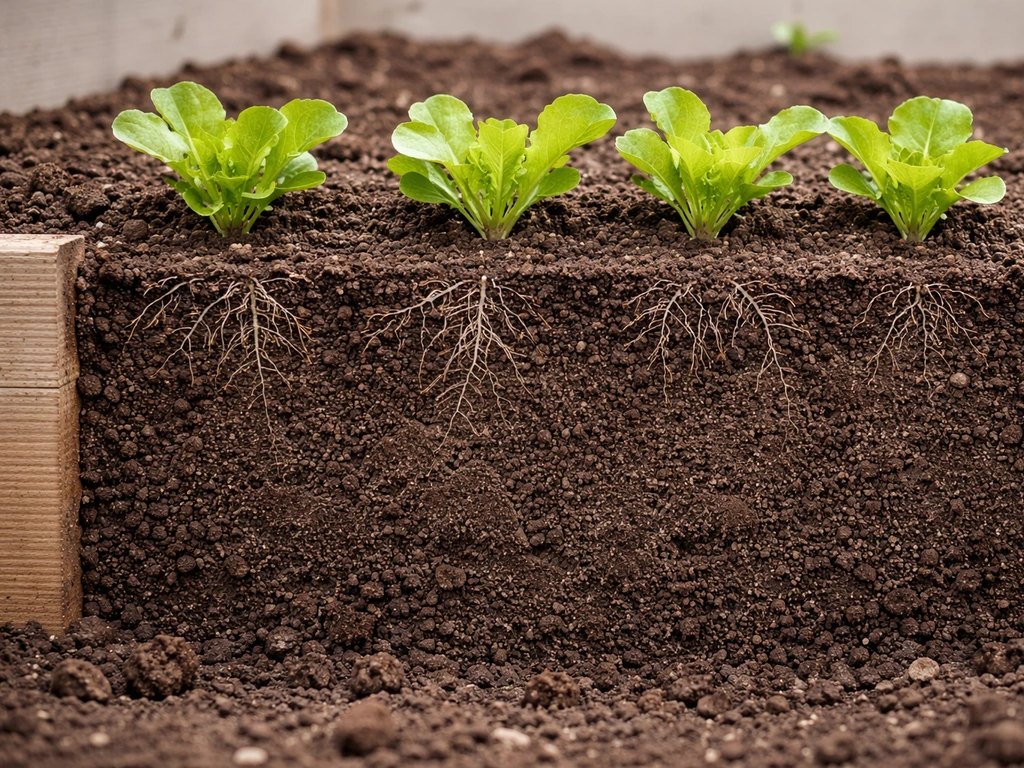
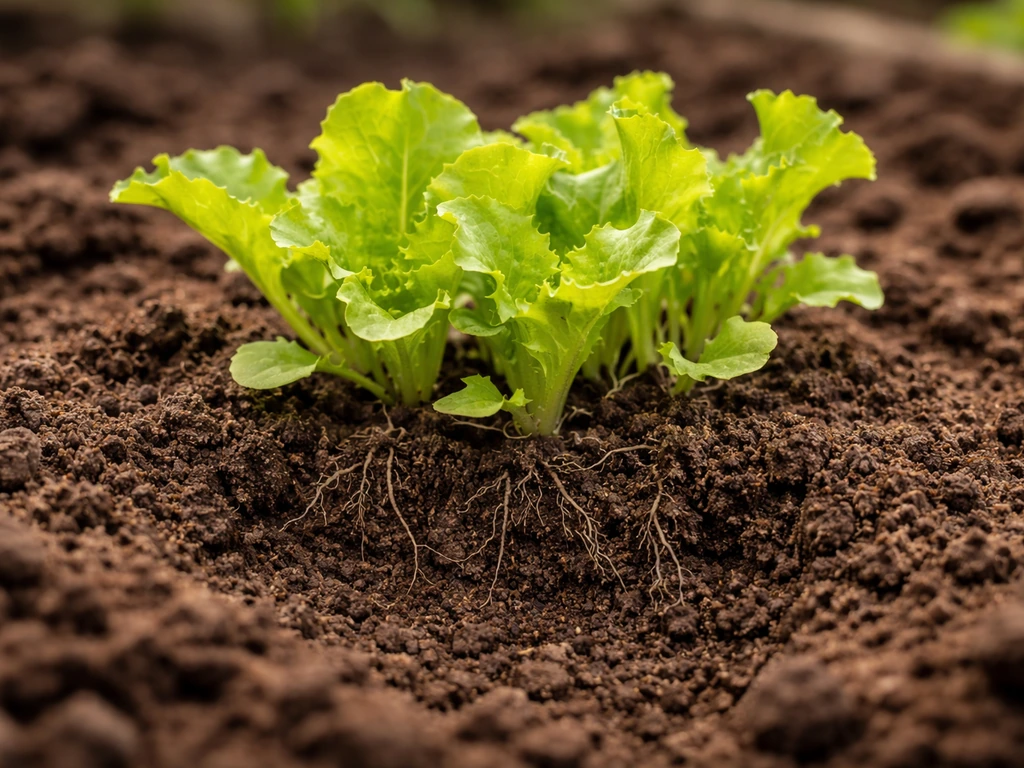
Lettuce is a naturally shallow-rooted crop. Most of its active feeding roots sit in the top 6 inches of soil, which is why it's one of the friendliest vegetables for small containers, window boxes, and thin raised beds. That said, lettuce roots can push deeper when conditions allow. Research from Utah State and similar university extension programs puts the effective rooting zone at blank" rel="noopener noreferrer">anywhere from 6 inches (used for irrigation scheduling in many guides) up to 18 to 24 inches when the soil profile is ideal and the plant has the space to spread. Direct-seeded lettuce tends to develop deeper roots than transplanted lettuce, simply because the taproot has never been disrupted.
What this means practically: you don't need deep soil to grow lettuce successfully, but you do need enough depth to hold consistent moisture without staying waterlogged, and enough room that the roots aren't fighting for space right at the surface. Six inches is a real floor, not just a suggestion. Below that and you'll fight drought stress, heat stress, and uneven watering constantly.
The planting depth for seeds themselves is extremely shallow. Seeds go in at 1/8 to 1/4 inch, covered very lightly, and the seedbed should be firmed gently so the seed makes good contact with moist soil. Lettuce seeds actually need some light to germinate well, so burying them deeper than 1/4 inch can kill germination rates noticeably. Transplants are handled differently: you set the root ball into the soil and cover the roots, but you don't deep-plant the stem the way you would with tomatoes. Keep the crown at or just above the soil surface.
How deep to prepare soil in different setups
In-ground garden beds
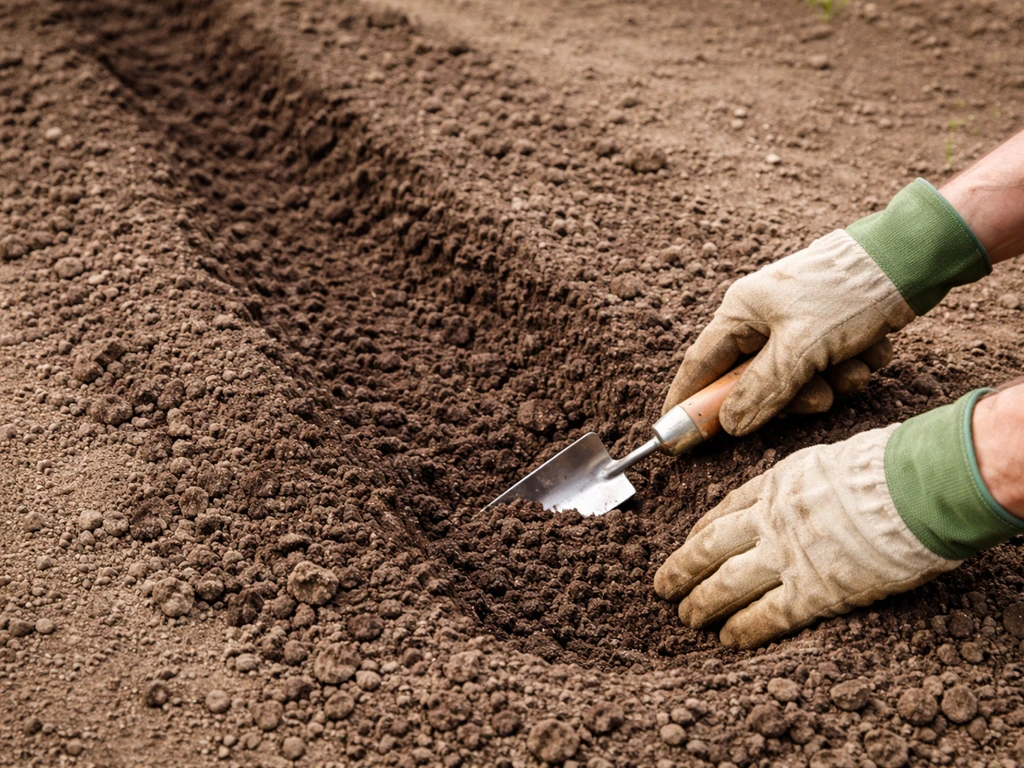
For a standard in-ground garden bed, loosen the soil to at least 6 to 8 inches before planting. Choosing the best soil to grow lettuce means aiming for a loose, well-draining mix with enough depth to keep moisture steady without waterlogging loosen the soil to at least 6 to 8 inches. If your native soil is compacted, clay-heavy, or drains poorly, work in compost and try to loosen to 10 to 12 inches so roots aren't hitting a hardpan layer just as they start to develop. The goal is a loose, crumbly seedbed at the top 2 to 3 inches so those tiny seeds can make good contact with the soil, with firm, well-draining structure beneath.
Raised beds
Raised beds are ideal for lettuce because you control the soil mix from the start. University of Illinois Extension recommends filling raised beds to at least 6 to 12 inches for good root development in most vegetables, and lettuce sits comfortably at the low end of that range. A 6-inch deep raised bed will grow excellent leaf lettuce. If you're growing romaine or head types, bump that to 8 to 10 inches if you can. The bigger benefit of raised beds is drainage: that freely draining environment means lettuce roots stay oxygenated, which is something they really need.
Containers and planters
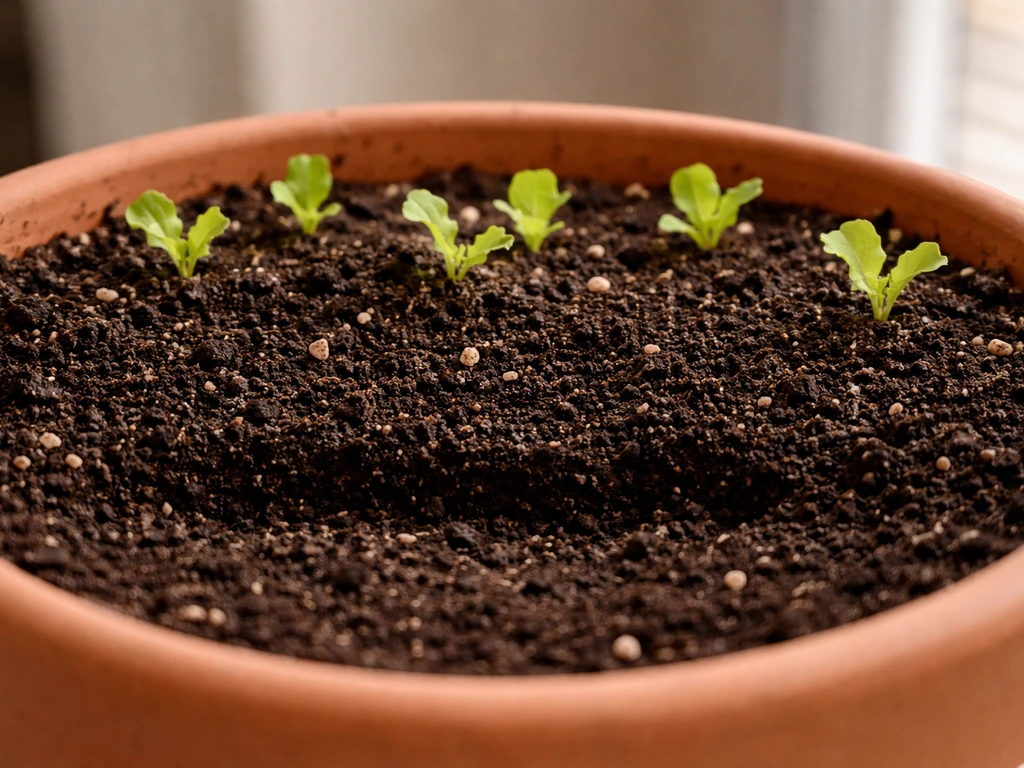
For containers, aim for at least 6 inches of soil depth for loose-leaf types, and 8 to 12 inches for romaine or butterhead. A container with blank" rel="noopener noreferrer">6 to 8 inches of good potting mix will work well for most of the lettuce varieties home gardeners typically grow. As a general rule, aim for about 6 to 8 inches of pot depth for lettuce in containers, which helps keep moisture consistent and supports healthy root growth how deep a pot to grow lettuce. A common question is how much soil to grow lettuce in a pot, and the depth guidelines below will help you size it right container with 6 to 8 inches. One thing to watch: very deep pots aren't necessarily better. Extra soil below the root zone tends to stay wet, and soggy soil around lettuce roots leads to rot. Picking a pot that matches the crop's actual root depth is smarter than planting lettuce in a 16-inch deep container just because it looks substantial. For more guidance on sizing, the pot depth question pairs closely with choosing the right container volume overall.
Indoor growing and grow-light setups
Indoor lettuce grown under lights follows the same soil-depth rules as containers, because you're almost always using trays, pots, or grow bags indoors. Shallow trays (4 to 6 inches) work fine for cut-and-come-again leaf lettuce harvested young. If you want full heads, go deeper, 8 inches minimum. The main variable indoors is that temperature and humidity stay more controlled, which actually reduces some of the depth-related stress that hits outdoor plants in summer heat. Keep the growing medium well-draining, specifically use a quality potting mix rather than garden soil, which compacts badly in trays and containers.
Hydroponic systems
Hydroponics doesn't use soil depth in the traditional sense, so the question shifts slightly. What matters is the net pot or growing media depth (usually 1.5 to 2 inches of clay pebbles, rockwool, or foam to anchor the plant), and how much root zone clearance you have below the media into the nutrient solution. Lettuce roots in a DWC (deep water culture) system will hang freely 4 to 8 inches or more into the reservoir. As long as roots can access solution and oxygen, lettuce grows fast and produces well hydroponically even without any soil at all.
Spacing, seed vs transplant depth, and how depth affects germination
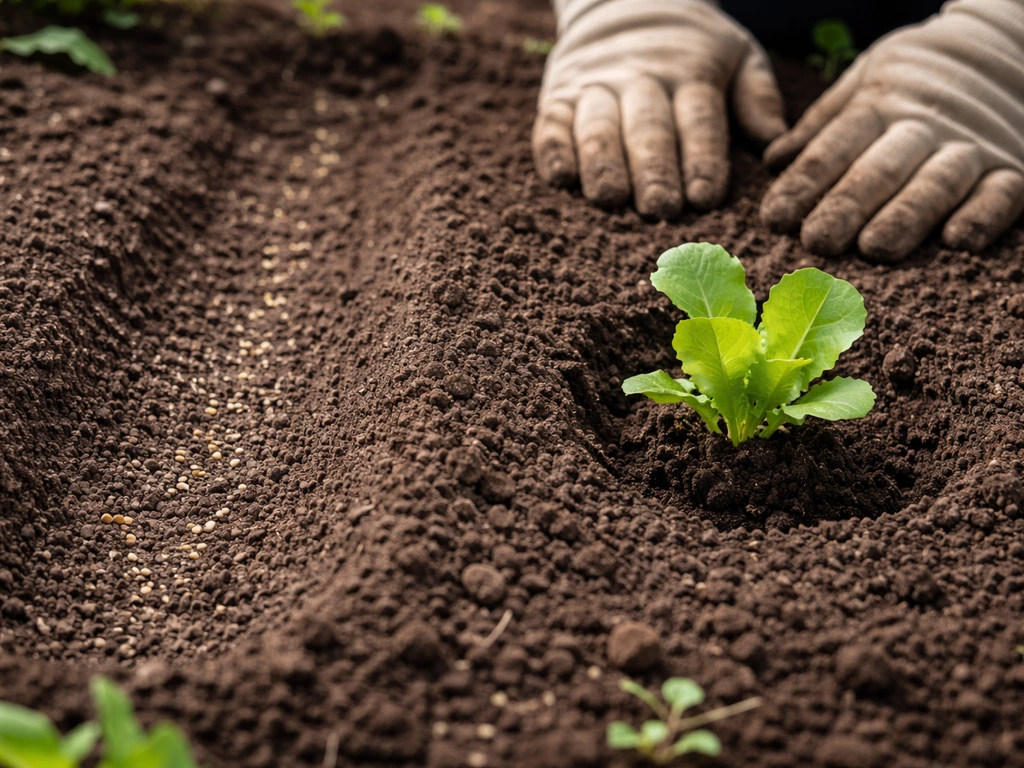
When direct seeding, the 1/8 to 1/4 inch depth rule is critical. Lettuce seeds are tiny and the seedling doesn't have much stored energy to push through a thick layer of soil. Too deep and the seedling exhausts itself before reaching light. The ideal approach is to make a very shallow furrow, drop seeds in, and cover them with just a thin pinch of soil or fine vermiculite, then gently tamp. Keep that surface consistently moist until germination, which typically takes 7 to 14 days depending on soil temperature. The sweet spot for germination is 60 to 70 degrees F. Too cold and germination slows dramatically. Too warm (above 75 to 80 F) and lettuce can go dormant, a phenomenon called thermoinhibition.
Transplants go in differently. You dig a hole just large enough for the root ball, set the plant so the crown sits at soil level (not buried), backfill gently, and firm the soil around the roots. Don't bury the stem. Covering the crown or planting too deep causes rot right at the soil line. As noted earlier, transplanted lettuce tends to stay shallower-rooted than direct-seeded plants, which affects how frequently you'll need to water later.
Spacing interacts with depth more than most people realize. Cramped plants compete for the same shallow soil volume, drying it out faster near the surface and increasing disease pressure when leaves trap humidity at the base. Leaf lettuce typically gets thinned to about 6 to 8 inches apart, while head types need 10 to 12 inches or more. A good rule of thumb for how far apart to grow lettuce is to thin leaf types to about 6 to 8 inches and give head types 10 to 12 inches or more. Getting spacing right keeps the root zone of each plant from being overcrowded, which matters especially in shallow soil where that root competition is most intense.
Adjusting planting depth by lettuce type
The seed planting depth (1/8 to 1/4 inch) is consistent across varieties. What changes is the soil depth you need beneath the plant as it matures. Here's how to think about it by type:
| Lettuce Type | Seed Depth | Minimum Soil Depth | Notes |
|---|---|---|---|
| Loose-leaf (e.g., Red Sails, Oak Leaf) | 1/8 to 1/4 inch | 6 inches | Most forgiving; works in shallow containers and window boxes |
| Butterhead (e.g., Buttercrunch, Boston) | 1/8 to 1/4 inch | 6 to 8 inches | Slightly larger root system; prefers a bit more depth for head development |
| Romaine / Cos (e.g., Paris Island, Little Gem) | 1/8 to 1/4 inch | 8 to 10 inches | Taller plant with more developed root zone; give it room |
| Crisphead / Iceberg | 1/8 to 1/4 inch | 10 to 12 inches | Largest head type; needs the most soil depth and space |
| Baby leaf / microgreens | 1/8 inch or surface scatter | 2 to 4 inches | Harvested very young; shallow trays work perfectly |
Leaf lettuce is the most flexible variety for limited-depth situations, which is why it's the go-to recommendation for window boxes, balcony planters, and shallow indoor trays. Romaine and crisphead types will struggle if their roots bottom out against a container floor or hit compacted subsoil early, so those types genuinely benefit from that extra 2 to 4 inches of depth.
Watering and early care after planting at the right depth
Once your seeds or transplants are in at the right depth, watering becomes the most important daily task. After direct seeding, the top 1/2 inch of soil must stay consistently moist until germination. That might mean watering lightly once or twice a day in warm, dry weather. Don't let the surface crust over, because a dried soil crust can physically prevent seedlings from emerging even when the seed itself is viable.
After transplanting, water thoroughly immediately after planting to settle the soil around the roots and eliminate air pockets. Then water consistently but not excessively. Lettuce roots in the top 6 inches are going to dry out faster than deeper-rooted crops, so you'll likely need to water every 1 to 3 days depending on temperature and container vs ground conditions. Containers dry out faster than ground beds, and raised beds fall somewhere in between.
A light mulch layer (1 to 2 inches of straw, shredded leaves, or similar) over the soil surface helps retain moisture and keep the root zone cooler during hot weather. Don't pile mulch right up against the base of the plant stems, though. Leave a small gap to keep the crown dry and reduce rot risk.
For fertilizing, lettuce is not a heavy feeder but it does appreciate consistent nitrogen to keep leaves lush. A balanced all-purpose fertilizer worked into the soil at planting, or a diluted liquid feed every 2 to 3 weeks, is usually plenty. Don't over-fertilize with high nitrogen at the expense of root development early on.
Troubleshooting: lettuce not sprouting, bolting, rotting, and shallow rooting
Seeds not germinating
If your lettuce seeds aren't sprouting after 10 to 14 days, depth is one of the first things to check. Seeds planted deeper than 1/4 inch often fail to emerge. Gently scratch the surface and look for seeds that have sprouted but are exhausted before reaching light. The fix is to replant more shallowly. Other causes include soil that's too cold (below 40 F) or too hot (above 80 F), dry soil that crust over and blocks emergence, or old seed with low viability. Lettuce seed loses germination rate quickly, especially if stored warm or in humid conditions.
Seedlings collapsing or rotting at the base (damping off)
Damping off is a fungal problem where seedlings appear healthy one day and then collapse at the soil line the next. It's caused by soilborne pathogens (usually Pythium, Rhizoctonia, or Fusarium) that thrive when conditions are cool, wet, and poorly ventilated. Planting too deep, overwatering after germination, using non-sterile garden soil in containers, or planting into soil with lots of undecomposed organic matter all increase the risk. The fix: use a sterile seed-starting mix, don't overwater, make sure there's airflow, and avoid planting when soil is cold and staying wet. University of Minnesota Extension specifically flags cool, wet post-planting conditions as a major trigger. Once damping off starts in a seedling tray, it's hard to stop. Remove affected seedlings quickly and reduce moisture.
Lettuce bolting early
Bolting (when lettuce shoots up a flower stalk and turns bitter) is a heat and day-length response, not a depth problem directly. But shallow soil makes bolting worse because shallow root zones heat up and dry out faster, stressing the plant. If your lettuce is bolting in summer, the planting depth is fine but your timing or setup may need adjustment. Grow lettuce in spring and fall when temperatures stay below 75 F, use a slightly deeper container or raise your raised bed so it heats more slowly, and consider bolt-resistant varieties. No amount of correct seed depth prevents bolting if you're planting in peak summer heat.
Roots staying too shallow or plants wilting fast
If your lettuce wilts quickly between waterings even when soil looks adequate, roots may be staying in only the top inch or two of soil. This often happens when the surface is the only place that stays consistently moist. Water more deeply, less frequently, to encourage roots to follow moisture downward. In containers, make sure water is draining fully through (not just wetting the top layer), then waiting until the top inch is dry before watering again. If roots truly have nowhere to go because the soil is less than 6 inches deep or compacted below, move to a deeper container or amend the bed.
Leggy seedlings reaching for light
Stretched, leggy seedlings are a light problem, not a depth problem, but they're worth addressing here because new growers sometimes assume they need to bury the stretched stems deeper to stabilize the plant. With lettuce, don't do that. Burying the stem increases rot risk. Instead, move the tray or container closer to the light source, or if growing outdoors, thin to give remaining seedlings full sun access. Indoors under grow lights, keep the light 2 to 4 inches above the seedling tops for most LED panel setups. Transplanting leggy seedlings outdoors, they'll usually straighten and firm up once they're getting real sun, as long as you don't bury that crown.
FAQ
If I only have 4 inches of soil, can I still grow lettuce by choosing a certain type?
Leaf lettuce is your best bet for very shallow beds, but 4 inches is still below the practical floor. If you try it, you will need to manage moisture very tightly (shorter watering intervals, frequent checks of the top 1 to 2 inches) and expect more heat stress. For head types, 4 inches usually leads to early wilting, bitter flavor, and poor head formation.
How can I tell whether my lettuce roots are “hitting bottom” in a container?
After a couple weeks, check how quickly the pot dries out after watering. If it behaves like a seedling tray that needs daily watering, and the plant shows stress while the lower part stays waterlogged, roots may be limited. Also look for slow growth even with good light and fertilizer, that combination often signals a shallow or compacted root zone.
Is it better to put lettuce in a very deep pot and just use less soil for the plants?
Usually no. Deep pots increase the chance that a lower layer stays wet and oxygen-poor, which can raise the risk of rot. If you must use a deep container, consider creating a raised mound or using a smaller insert so the active rooting zone matches the recommended depth (about 6 to 8 inches for leaf, 8 to 12 inches for romaine or butterhead).
Can I mix sand or gravel into the soil to improve drainage under shallow lettuce beds?
Improving drainage can help, but mixing coarse material can also create uneven moisture layers where the surface dries while the lower zone stays damp. Instead, focus on a loose, well-draining potting mix or amend with compost plus proper soil structure. In beds, loosen deeper than the root zone goal so you are not creating a hard, compact layer below lettuce roots.
Do I need to firm the soil differently for lettuce seeds versus transplants?
Yes. Seeds need gentle tamping so the tiny seed has solid soil contact, but you should not press hard enough to create a crust that blocks emergence. For transplants, firm only around the root ball and backfill area, keep the crown at the surface, and avoid burying any part that will sit below the soil line.
What’s the biggest soil-depth mistake that causes lettuce not to germinate?
Planting seeds too deep is the key one. Going beyond about 1/4 inch can prevent seedlings from reaching the surface. The second most common issue is a surface crust from uneven moisture or overly aggressive watering, even when the soil depth is correct.
How do I adjust watering if my lettuce is in the shallow end of the recommended depth range?
For shallow root zones, water more frequently but adjust so water soaks through the container and does not just wet the top. A useful approach is to water thoroughly, then wait until the top inch is dry before watering again. This also encourages roots to grow downward rather than staying limited to the surface.
For hydroponics, how do I know if the net pot depth or root clearance is enough?
Look for whether roots can freely reach the nutrient solution while staying oxygenated, not submerged in a stagnant, poorly aerated area. If growth stalls or tips brown, check both the root-zone clearance below the media and aeration, since oxygen delivery and access to solution are what matter instead of traditional soil depth.
Should I mulch lettuce if I’m growing it in a shallow bed?
Yes, but keep it careful. A 1 to 2 inch layer helps stabilize temperature and moisture, which is especially important when soil depth is limited. Leave a small gap around the crown so the base stays dry enough to reduce rot risk.
My lettuce wilts even after watering, could it be because my soil is too deep?
It can, especially in containers. Very deep pots sometimes keep the lower area wet and reduce oxygen around roots, while the upper area dries and stresses leaves. If you have lush growth for a short time then sudden wilting, check drainage and whether the potting mix is staying saturated below the rooting zone.