For most lettuce, you want a pot that is at least 8 inches deep and 12 inches wide. That gets you one head or a small cluster of leaf lettuce with room to grow. If you're planting romaine or want to fit multiple plants, step up to a pot that's 12 inches deep and 16 to 18 inches wide. Those two size ranges cover the vast majority of container lettuce situations, and everything below will help you zero in on exactly which one fits your setup.
What Size Pot to Grow Lettuce and Romaine
Marcus Holloway
14 May 2026
Quick pot size ranges for lettuce
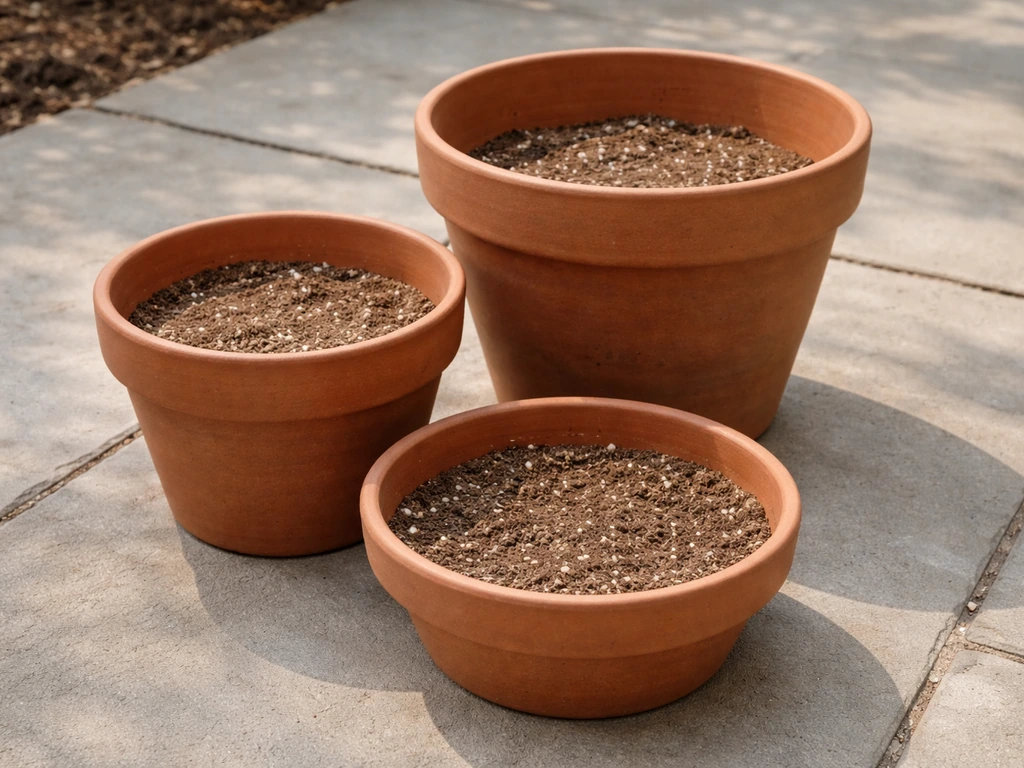
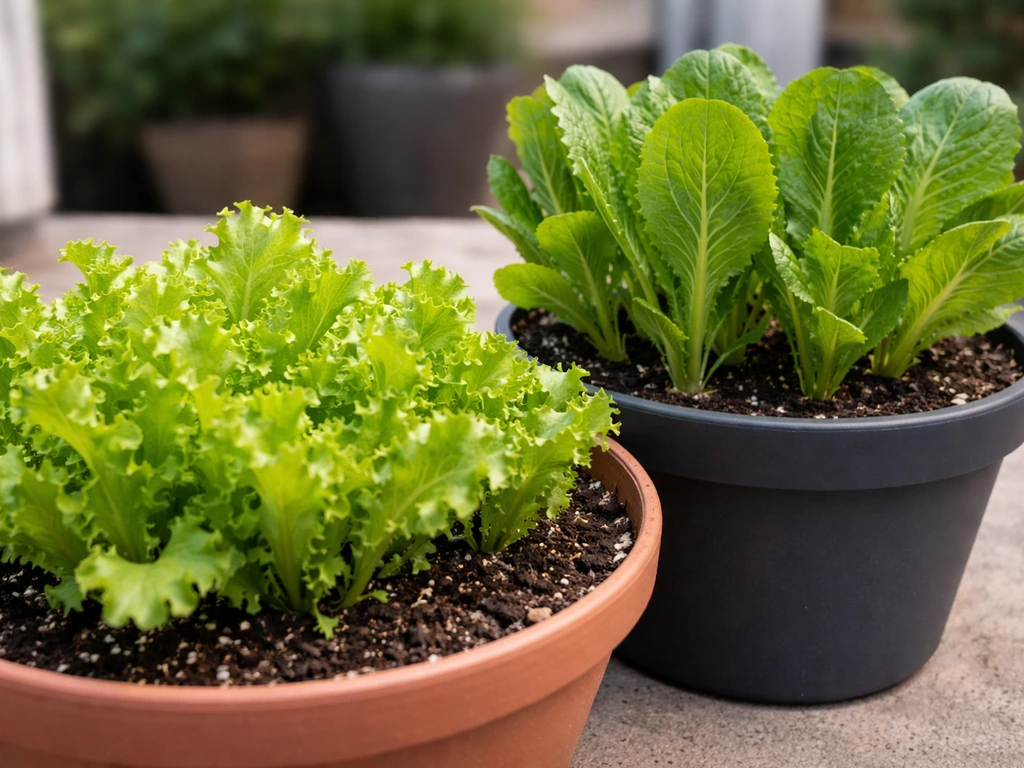
Here's the fast version if you just need a number to shop with. Leaf lettuce varieties like butterhead, loose-leaf, and oak leaf are shallow-rooted and forgiving. An 8-inch-deep container works well for them, and a 12-inch diameter gives you enough room for one plant or a dense cut-and-come-again patch. For romaine, which grows taller and develops a slightly deeper root system, aim for 10 to 12 inches of depth. Width is where you gain flexibility: wider pots let you grow more plants, spread out spacing, and hold more soil volume, which keeps moisture more stable between waterings.
| Lettuce Type | Minimum Pot Depth | Recommended Pot Width (1 plant) | Recommended Pot Width (multiple plants) |
|---|---|---|---|
| Leaf lettuce (loose-leaf, butterhead) | 8 inches | 8–10 inches | 12–18 inches |
| Romaine | 10–12 inches | 10–12 inches | 16–24 inches |
| Baby greens / cut-and-come-again | 6–8 inches | 8 inches (window box works) | 12+ inches or a trough/window box |
One thing worth knowing: going slightly bigger than the minimum is almost always the right call. Larger pots hold more water and nutrients, which means the soil stays more evenly moist, temperature swings are less dramatic, and you have more margin for error if you miss a watering by a day. Lettuce especially benefits from consistent moisture, so a pot that's a little oversized is a practical advantage, not wasted space.
How pot size changes depending on which lettuce you're growing
Not all lettuce behaves the same in a container, and the type you choose should directly influence the pot you reach for.
Leaf lettuce
Loose-leaf varieties are the easiest to fit in a container. Their roots stay relatively shallow (usually 6 to 8 inches), and because you're typically harvesting outer leaves as they grow rather than waiting for a full head, you don't need much vertical depth. An 8-inch-deep pot is the standard recommendation from cooperative extension sources, and I'd say that holds up in practice. You can grow leaf lettuce in almost anything: a round pot, a rectangular planter, a window box, or even a repurposed colander with good drainage.
Romaine lettuce
Romaine is a bit more demanding. It forms an upright head with a more developed root structure, and it takes longer to mature than most leaf types. In a container, you want at least 10 inches of depth, and 12 inches is better if you can manage it. Width also matters more with romaine because the heads take up more space at the surface. A 12-inch-diameter pot is the bare minimum for a single romaine plant, and honestly, a 14 to 16-inch pot gives it much more comfortable growing conditions. If you're growing multiple romaine plants together, you'll want at least 8 inches between each plant, so plan your pot width accordingly.
Baby greens and cut-and-come-again growing
If your goal is a continuous supply of baby greens rather than full heads, you have the most flexibility. A 6 to 8-inch-deep container works well, and any width goes as long as you can reach across it comfortably to harvest. Window boxes are perfect for this method. You scatter seeds densely, thin lightly as they germinate, and start cutting as soon as leaves reach 3 to 4 inches tall. You can harvest at the baby greens stage repeatedly before the planting needs to be refreshed, which makes this a great approach for small balconies or windowsills.
One plant vs. multiple plants: how to lay out your container
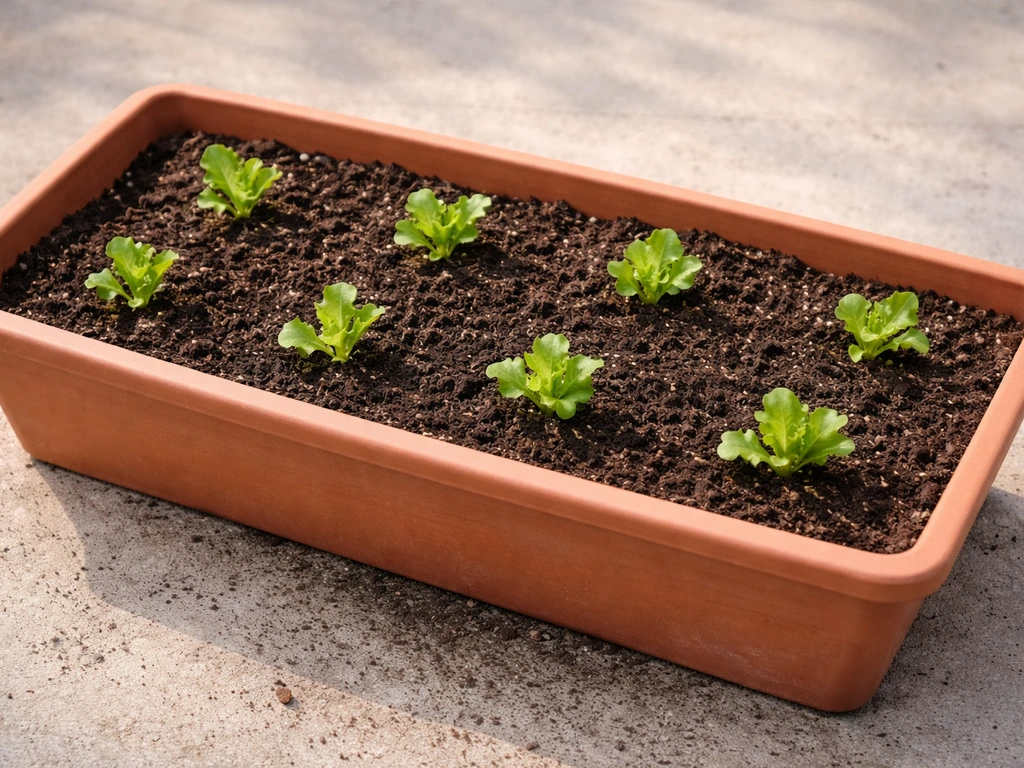
Once you've picked a pot based on lettuce type, the next question is how many plants to put in it. The spacing rule to follow is about 4 inches between plants for leaf lettuce and 8 inches for romaine. Keep in mind that container spacing also depends on whether you're growing single heads or loose-leaf, since that changes how much room each plant needs 4 inches between plants for leaf lettuce and 8 inches for romaine. That 4-inch spacing comes from extension research on mini-garden and container planting, and it gives each plant enough room to develop without crowding out its neighbors too quickly.
Here's how that plays out in practical pot sizes. A 12-inch-wide round pot fits about 4 to 5 leaf lettuce plants arranged in a cluster. A rectangular 12x24-inch planter can hold 8 to 10 leaf lettuce plants at 4-inch spacing. For romaine at 8-inch spacing, a 16-inch-wide pot gives you room for 2 plants comfortably, and a 24-inch-wide container can fit 3. If you're seeding for baby greens, ignore plant spacing entirely and scatter seeds at roughly 1 inch apart, then thin to 2 to 3 inches once seedlings emerge.
One layout tip I'd give beginners: err on the side of fewer plants per pot. Overcrowded lettuce gets leggy, airflow drops, and you end up with weaker harvests across the board. Starting with a bit more space between plants and then transplanting extras into a second pot is a better problem to have than a crammed container where nothing does well.
Soil depth and how much you actually need to fill the pot
Lettuce roots are not deep. If you want more on exactly how that depth translates to your specific setup, see how deep soil to grow lettuce for the practical details. Most leaf lettuce roots stay in the top 6 to 8 inches of soil, and romaine extends a bit deeper but rarely past 10 to 12 inches. That means you don't need a massive pot to accommodate root growth, but the soil volume still matters for water retention and nutrient availability.
When filling your container, leave about an inch of space at the top so water doesn't run off immediately when you irrigate. Fill the rest with a quality potting mix designed for containers. If you want to calculate how much soil to grow lettuce, start by matching the pot size to the lettuce type and the depth targets in the guide. Avoid garden soil, which compacts in pots and suffocates roots.
A good-quality potting mix with some perlite or vermiculite mixed in keeps things loose and well-draining while holding just enough moisture. If you're curious about the best soil composition for lettuce specifically, that topic has its own detailed breakdown worth reading alongside this one. For the best results, choose the best soil to grow lettuce by using a container potting mix with good drainage and moisture retention.
For seed depth, plant lettuce seeds just 1/4 inch below the surface. The University of Delaware Cooperative Extension’s leaf lettuce fact sheet also advises on planting depth for leaf lettuce seeds and provides harvest guidance such as “Harvest any time up to maturity.” plant lettuce seeds just 1/4 inch below the surface. They need some light to germinate, so burying them deeper is one of the most common beginner mistakes. Press them gently into the surface of moist soil and barely cover them.
Container setup essentials before you plant
Drainage
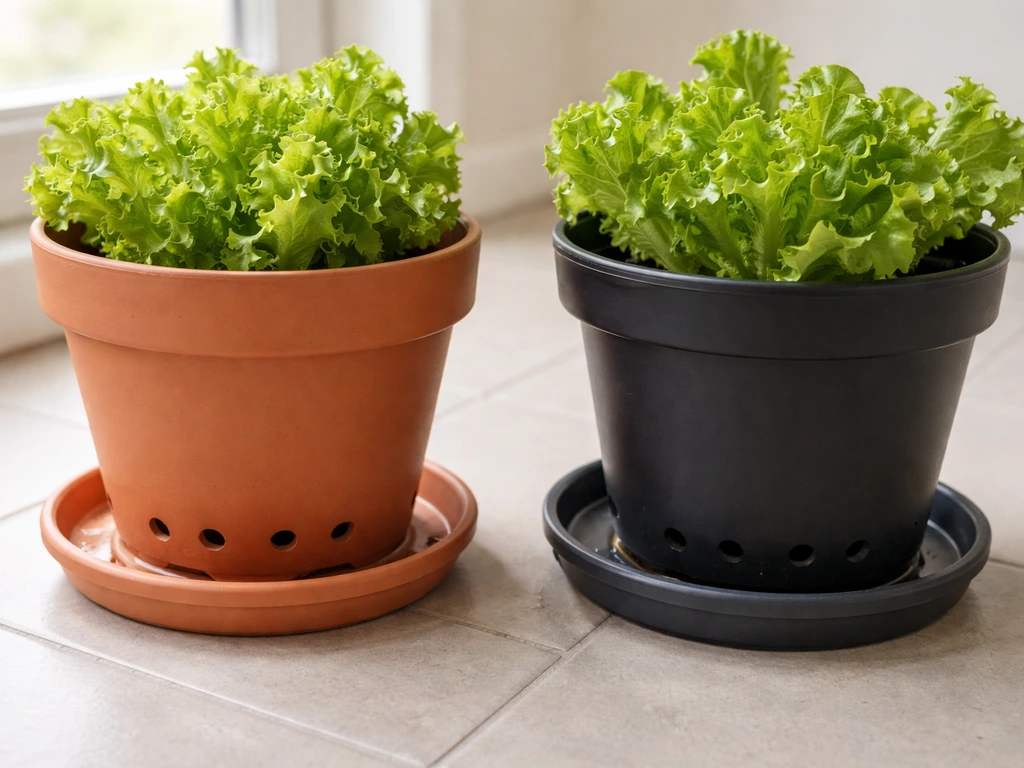
Drainage holes are non-negotiable. Lettuce sitting in waterlogged soil will rot at the roots quickly. Make sure your pot has at least one drainage hole, and preferably several. If you're using a decorative container that doesn't have holes, you either need to drill some or use it as a sleeve around a nursery pot that does drain. Putting a saucer underneath is fine, but empty it after watering so the pot isn't sitting in standing water.
Pot material
Terracotta pots look great but dry out fast, which can stress lettuce during warm weather. Plastic or resin pots hold moisture longer and are lighter to move around, which matters if you're growing on a balcony or moving containers to follow light. Fabric grow bags are another solid option: they drain well, air-prune roots, and are easy to store off-season. For lettuce specifically, any of these materials work fine as long as drainage is solid and you're adjusting your watering frequency to match how quickly the material dries out.
Watering approach
Lettuce wants to stay evenly moist, not wet and not dry. Containers dry out faster than garden beds, especially on warm days or in direct sun. Check the soil every day or two by pressing a finger an inch into the mix. If it feels dry at that depth, water thoroughly until it drains from the bottom. In warm weather, some containers may need watering every day. A layer of mulch on top of the soil can slow evaporation significantly. If you're growing indoors or in a spot with limited airflow, be more careful not to overwater. Soggy soil indoors is a faster path to problems than in an outdoor, breezy setting.
Light
Lettuce prefers 6 hours of sunlight a day but tolerates as little as 4 hours, making it one of the best candidates for partially shaded balconies or bright windowsills. Indoors, a south-facing window often works for leaf varieties, though a grow light set 6 to 12 inches above the plants gives more reliable results if natural light is inconsistent. In hot weather (above 75 to 80 degrees Fahrenheit), afternoon shade actually helps prevent bolting, so a spot that gets morning sun and afternoon shade is ideal in late spring or summer.
When to plant and when to expect your first harvest
Lettuce is a cool-season crop, and containers make it easy to get ahead of the season because you can move them inside if a late frost threatens. Start seeds or transplants outdoors when nighttime temps stay reliably above 28 to 30 degrees Fahrenheit. Spring and fall are the sweet spots in most climates. In summer heat, lettuce bolts and turns bitter quickly, so either grow it in a cooler spot or switch to heat-tolerant varieties.
From seed, leaf lettuce is typically ready for a first harvest in 45 to 60 days. That's cutting outer leaves once they reach 4 to 6 inches in length. You don't have to wait for the full head to form. Baby greens can be cut even earlier, at 3 to 4 inches, which shortens the wait to as little as 3 weeks from seeding. Romaine takes a bit longer and benefits from being left to develop more fully before harvesting, usually 70 to 80 days for a complete head, though you can take outer leaves earlier.
One timeline note worth setting expectations around: container lettuce grows a bit faster than in-ground lettuce in many cases because the soil warms up more quickly and you control conditions more tightly. But it also needs more consistent attention. If you miss a few days of watering in warm weather, the plants stress fast and flavor suffers. Build a daily check-in habit, especially in the first few weeks, and you'll avoid most of the common pitfalls.
After your first harvest, keep cutting outer leaves and the plant will continue producing new growth from the center. This cut-and-come-again cycle typically gives you 3 to 5 rounds of harvest before the plant starts to bolt or the quality declines. At that point, pull it, refresh the soil slightly, and replant. With a bit of staggered planting every 2 to 3 weeks, you can keep fresh lettuce coming out of the same containers almost continuously through the cool seasons.
FAQ
What size pot should I choose if I’m growing both leaf lettuce and romaine together?
If your pot is close to the minimum, choose based on the lettuce type you will actually grow. Leaf lettuce works well with 8 inches of depth, while romaine benefits from at least 10 inches and does better at 12 inches. If you are unsure, prioritize depth over width for romaine, because taller growth and a slightly deeper root zone make depth the limiting factor.
Can I fit multiple romaine plants in a container the same way I would leaf lettuce?
Use spacing as a cap on plant count, not as a target you can ignore. For romaine, keep about 8 inches between plants if you want full heads, because crowding reduces airflow and makes leaves smaller and slower to mature. If you only have one pot, consider growing one romaine plant per pot and filling leftover space with leaf lettuce, rather than forcing multiple romaine plants.
What happens if I choose a pot that’s slightly smaller than recommended?
Depth is not the only issue, but for container lettuce, shallow soil dries out and warms quickly. In practice, if you go too shallow you will often see wilting between waterings and bitter leaves in heat. A “good enough” range is 8 inches for leaf lettuce and 10 to 12 inches for romaine, then adjust width so you can space plants properly.
What size pot should I use for continuous baby-green harvests?
For baby greens, you still need enough depth to keep soil evenly moist, even though you harvest early. A 6 to 8 inch-deep container is usually workable, but you should plan on more frequent watering than for full heads. Width can be whatever fits your access for harvesting, since you are cutting close to the soil surface.
Should I prioritize depth or width if I want the easiest watering routine?
Lettuce in containers tends to perform better when the soil volume per plant is higher than the minimum. If you want less watering stress, increase pot width first within the constraints you have, because wider containers hold more water and resist drying out. If you have to choose between adding depth or width, add depth for romaine, and add width for loose-leaf or cut-and-come-again beds.
Can I use a decorative pot without drainage holes to grow lettuce?
You can, but only if the pot drains well and you manage irrigation carefully. Decorative pots without drainage holes should function as sleeves around a draining nursery pot, or you need to add holes, then empty any saucer after watering. Without drainage, lettuce can rot quickly even if you otherwise match the correct pot dimensions.
How does pot material affect what size pot I should buy?
In very hot weather, pot material matters more than the pot size itself. Terracotta dries out faster, so even an 8 inch-deep leaf lettuce pot may need daily checks, while plastic or resin holds moisture longer. If you want terracotta, compensate by oversizing the width (more soil volume) and using a mulch layer to slow evaporation.
When should I upgrade to a bigger pot after planting lettuce?
You do not need to increase pot size once a plant is already established, but you may need to transplant if you started too small. If you see roots circling the container, drying out within a day, or leaves growing slowly despite good light and watering, move to the next size up. As a rule, better to start at the recommended range so you do not have to disturb roots later.
What pot size is practical if I’m moving containers around for light or temperature?
If you plan to move containers for sun changes, lighter materials help, but you should still keep to the pot size targets for the lettuce type. Aim for the recommended depth and width first, then choose a material that matches your watering capacity, for example resin or plastic if you cannot check soil daily.
Is it ever a bad idea to go much bigger than the recommended pot size?
Yes, you can use deeper containers, but avoid extremes that make the soil stay cold for too long early in the season. Deeper is mainly beneficial for moisture stability and root room, but the real goal is even moisture. If your location is cool, moderate depth (around the targets) helps lettuce warm into growth without staying soggy for extended periods.