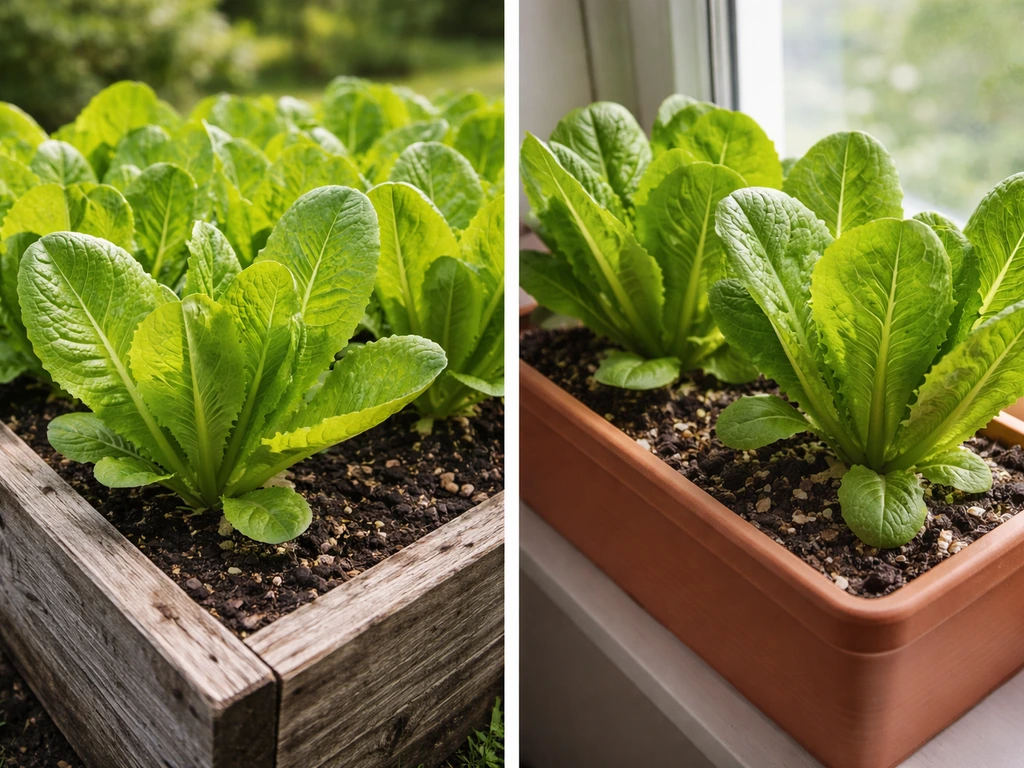
The best soil to grow lettuce is a loose, well-draining mix rich in organic matter, with a pH between 6.0 and 6.5. Outdoors, that means a loamy garden bed or raised bed amended with compost. UMN Extension recommends blank" rel="noopener noreferrer">direct-seeding lettuce at about 1/4 to 1/2 inch deep. In containers, it means a quality potting mix, never straight garden soil. Get those two things right and lettuce is genuinely one of the easiest crops you can grow.
Best Soil to Grow Lettuce Indoors and Outdoors
Marcus Holloway
6 May 2026
What lettuce actually needs from its soil
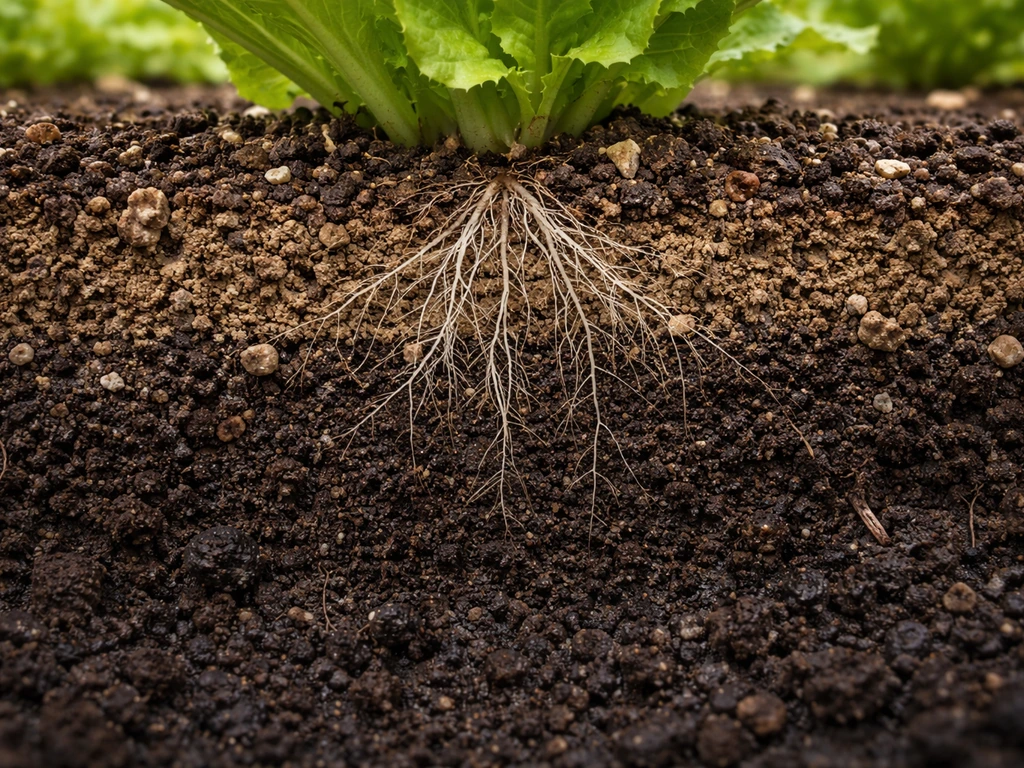
Lettuce has a fairly shallow root system. The active root zone sits at roughly 6 inches deep, which means it is not mining nutrients from far below the surface. For the exact soil depth to match lettuce’s roots, see how deep soil to grow lettuce. It depends heavily on what you put right there at the top of the soil profile. That makes soil quality matter a lot more for lettuce than it does for, say, tomatoes that can root down two feet or more.
There are four things lettuce wants from its soil. First, drainage. Roots sitting in waterlogged soil will rot fast, and soggy conditions are one of the top causes of damping-off in seedlings. Second, moisture retention.
Lettuce is mostly water, and if the soil dries out between waterings, you get bitter, bolting plants and a real risk of tipburn. It needs consistent moisture, not wet-dry cycles. Third, fertility and organic matter. Lettuce is a heavy nitrogen user and grows quickly, so the soil needs to be genuinely fertile, not just loose.
Fourth, the right pH. Keep it between 6. 0 and 6. 5.
Outside that range, nutrients like phosphorus become less available to the plant even if they are physically present in the soil, which is one reason pH testing is worth doing before you plant.
Best soil for outdoor beds and raised beds
In an in-ground garden bed, you are working with what you have, so the goal is to improve the native soil rather than replace it. Before planting, till the bed to about 8 to 10 inches deep and break up any large clods or remove stones. Lettuce roots do not need to go that deep, but loosening the soil improves drainage and lets you work in amendments properly.
The ideal outdoor bed soil is loamy, meaning it holds moisture but does not stay waterlogged. If your native soil is heavy clay, it will compact and drain poorly. If it is very sandy, it dries out too fast. Either way, compost is the fix.
For existing vegetable beds, adding about 1/4 to 1 inch of compost worked into the top layer each year keeps organic matter levels where they need to be. For a new raised bed you are filling from scratch, aim for up to 25% compost by volume mixed into your base soil. If you are using a mix of excavated native soil and purchased materials, a good target is organic matter content of around 25 to 50% by volume.
Raised beds give you the most control and are genuinely the best setup for outdoor lettuce. You choose the fill, you control the drainage, and the loose texture means roots are happy from day one. A simple raised bed fill that works well is roughly two parts topsoil, one part compost, and one part perlite or coarse sand. If you have a soil testing service nearby, it is worth testing pH before filling so you are not guessing. Add agricultural lime to raise pH or sulfur to lower it, based on the test results.
Best soil mix for indoor containers
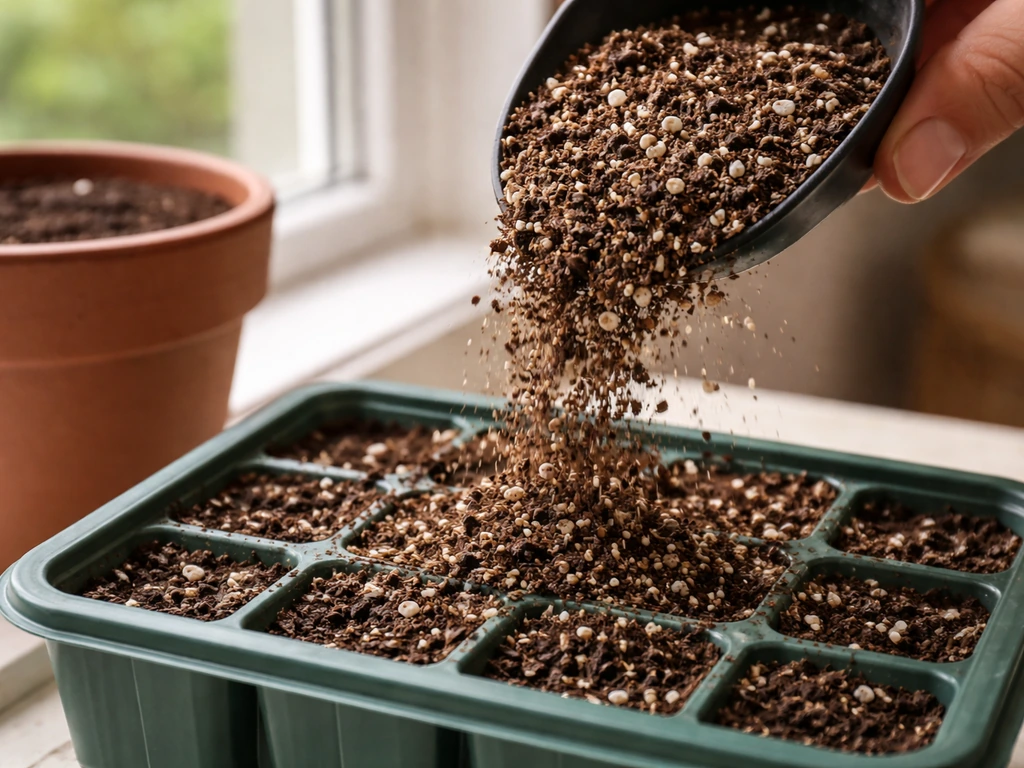
Growing lettuce in containers indoors changes the rules a bit. University of Maryland Extension also notes that indoor seedlings can succumb to damping-off when the media is poorly drained and kept too wet. The single most important rule: do not use straight garden soil in a pot. Garden soil compacts in containers, drains poorly, and can carry pathogens that cause damping-off. In a pot, you want something lightweight, well-aerated, and specifically designed for containers.
A good quality commercial potting mix is the easiest starting point. Look for one that contains peat moss or coco coir, perlite, and some form of slow-release fertilizer. Avoid mixes described as 'topsoil' or 'garden soil' even if they are bagged. The container volume is small, which means it dries out faster than an outdoor bed and the roots have no extra soil to retreat into if conditions turn bad. Consistent moisture management is more critical in pots than anywhere else.
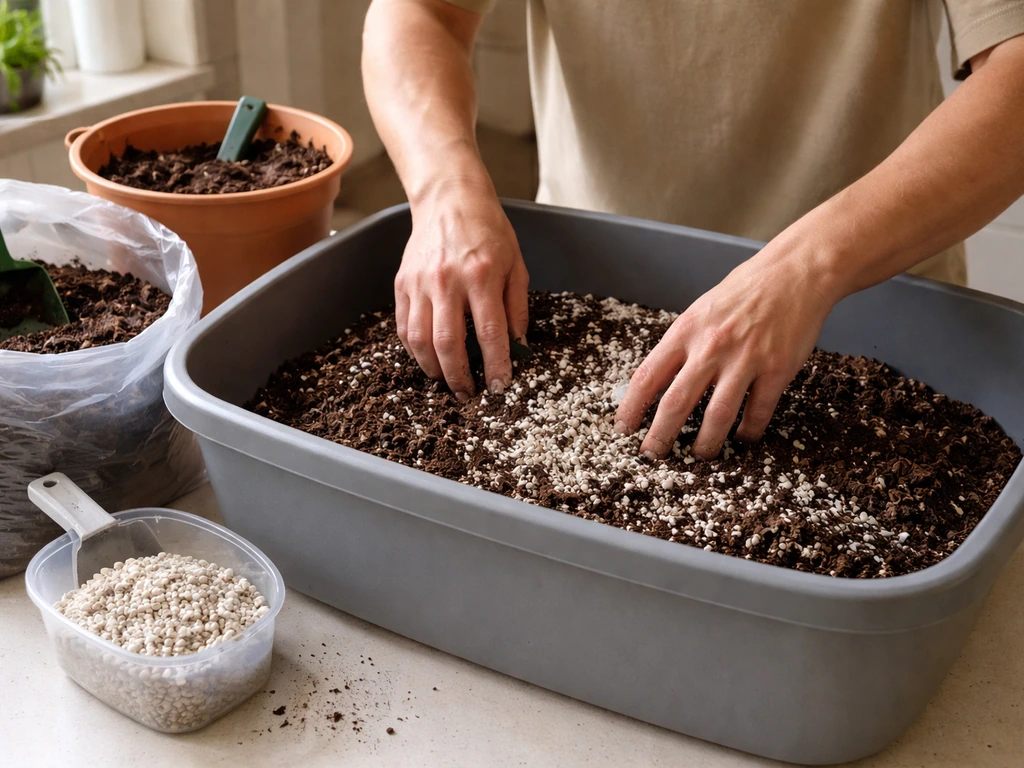
If you want to make your own container mix, a classic recipe that performs well is one part peat moss, one part garden loam, and one part coarse builder's sand or perlite, with a slow-release balanced fertilizer like a 14-14-14 granular worked in at the rate recommended on the package for your container size. Another reliable option for a soilless container mix is to blend one part packaged pasteurized compost into every three parts of a commercial soilless mix. This adds slow-release nutrition and improves moisture retention without sacrificing drainage.
For lettuce specifically, container depth matters. Since the effective root zone is about 6 inches, you do not need a very deep pot, but you do need at least 6 inches of soil depth to give roots room to establish. Shallow trays under 4 inches dry out dangerously fast. If you are picking containers, 6 to 8 inches of depth hits the sweet spot. For help choosing the right pot size for your lettuce, aim for at least 6 to 8 inches of container depth and enough volume to hold steady moisture.
How to amend soil for faster, healthier lettuce
Compost is the foundation of good lettuce soil, but there are a few targeted amendments worth knowing about depending on what you are working with.
| Amendment | What it does | When to use it | Rough rate |
|---|---|---|---|
| Compost | Adds organic matter, improves drainage and moisture retention, feeds soil biology | Every season, existing beds or new builds | 1/4 to 1 inch per year (existing beds); up to 25% by volume (new raised beds) |
| Worm castings | Gentle, slow-release nitrogen and micronutrients; improves soil structure | Container mixes or as a top-dress | 10 to 20% of container mix volume |
| Perlite | Improves drainage and aeration, prevents compaction | Containers and heavy clay soils | 10 to 20% of mix by volume |
| Slow-release granular fertilizer (e.g., 14-14-14) | Provides balanced N-P-K over several weeks | Mixed into potting soil at planting | Per package label for container size |
| Agricultural lime | Raises pH in acidic soils toward the 6.0–6.5 target | When soil test shows pH below 6.0 | Per soil test recommendation |
| Sulfur | Lowers pH in alkaline soils toward the 6.0–6.5 target | When soil test shows pH above 6.5 | Per soil test recommendation |
| Gypsum | Adds calcium without changing pH; can improve structure in clay | When calcium is deficient or soil is tight | Per product label |
Nitrogen is the nutrient lettuce uses most. For a ground-level vegetable bed, a pre-plant application of 0.5 to 1 pound of actual nitrogen per 100 feet of row is a reasonable guideline. If you are planting into a compost-rich bed, you may not need a separate nitrogen application at all for the first crop. If you have not added any organic matter, apply a fertilizer that contains both nitrogen and phosphorus before planting. Avoid going heavy on nitrogen mid-season as excess nitrogen can contribute to tipburn.
Preparing your bed or container: step by step
For outdoor beds and raised beds
- Test your soil pH if possible. Adjust with lime (to raise) or sulfur (to lower) to hit 6.0 to 6.5.
- Till or loosen the soil to 8 to 10 inches deep. Break up clods and remove stones.
- Work in compost at 1/4 to 1 inch for an existing bed, or up to 25% by volume if building a new raised bed. Mix it thoroughly into the top 6 to 8 inches.
- If nitrogen is low, apply a balanced granular fertilizer or blood meal and rake it in.
- Firm the seedbed lightly with the back of a rake. You want it level and packed just enough that seeds do not fall into air pockets.
- Sow seeds at 1/8 to 1/4 inch deep. Any deeper and germination rates drop. Firm the soil lightly over the seeds after sowing.
- Soil temperature for germination should be 60 to 75°F. Outside this range, germination slows or fails.
For indoor containers
- Choose a clean container with drainage holes. Never reuse containers without washing them first, and use fresh potting mix each season to avoid carrying over pathogens.
- Fill with a quality potting mix (commercial or DIY as described above) to about 1 inch below the rim. This leaves room for watering.
- Moisten the mix before sowing. Press it down gently to remove large air pockets.
- Sow seeds at 1/8 to 1/4 inch deep. For loose-leaf types, scatter seeds and thin to 4 to 6 inches apart after germination.
- Keep the container in a location where soil temperature stays at 60 to 75°F for germination. Once seedlings emerge, cooler temperatures around 60 to 65°F are fine.
- Check moisture daily. Container soil dries much faster than outdoor beds, especially in warm indoor environments.
Common soil-related problems and how to fix them
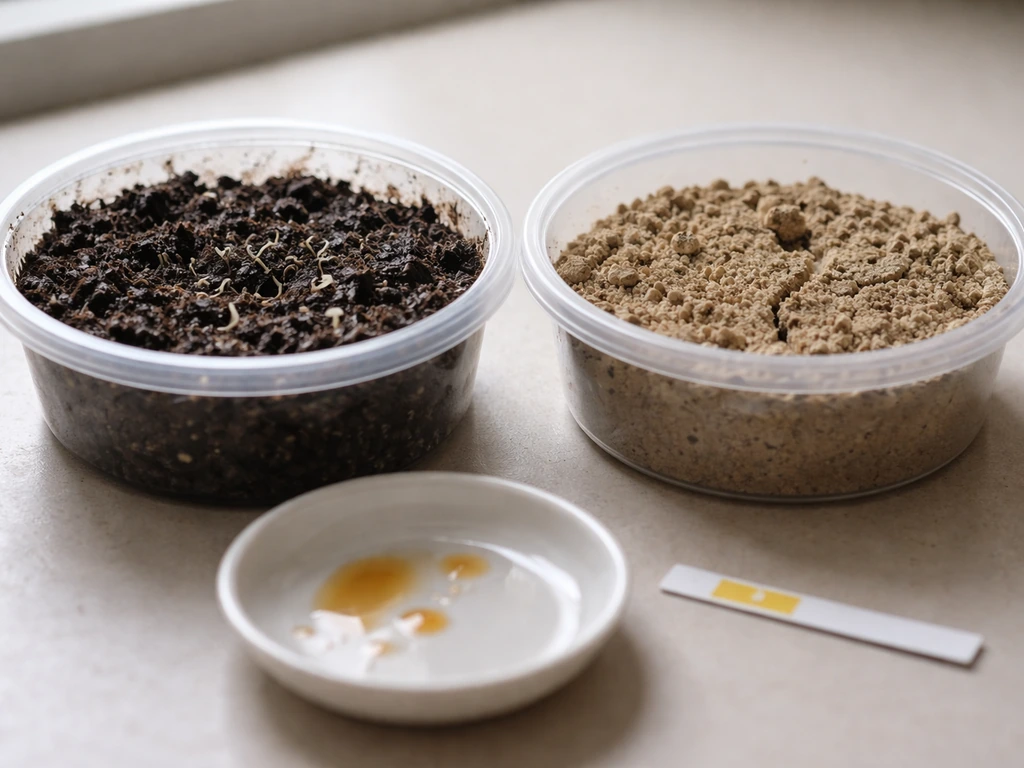
Most lettuce problems in the soil come down to one of three things: too wet, too dry, or the wrong pH. Here is how to recognize and fix each one.
- Damping-off (seedlings collapsing at soil level): This is a fungal problem that thrives in overly wet, soggy soil. If you see seedlings keeling over right at the soil line, the soil is staying too wet. Fix it by improving drainage, reducing watering frequency, and never reusing old potting mix for starting seeds. Use sterilized pots and fresh potting soil every time.
- Yellowing older leaves (nitrogen deficiency): Pale or yellow leaves starting on the oldest growth usually mean nitrogen is running low. Top-dress with compost or apply a dilute liquid nitrogen fertilizer. If this keeps happening, your base soil or mix was too low in organic matter to begin with.
- Tipburn (brown, crispy leaf edges on inner leaves): Tipburn is tied to calcium uptake issues, often triggered by inconsistent soil moisture, excess nitrogen, or heat stress. Keeping soil evenly moist is the most reliable prevention. Foliar calcium sprays can help in some cases, but the real fix is better moisture management.
- Slow germination or no germination: If seeds are not sprouting, check soil temperature first. Below 60°F, lettuce germination slows significantly. Also check seed depth. Seeds planted deeper than 1/4 inch often fail to emerge, especially in containers where the surface layer can dry out and crust over.
- Wilting despite watering: In containers, this sometimes means the potting mix has dried out so completely that it has become hydrophobic and water is running straight through rather than being absorbed. Soak the container in a tray of water for 20 to 30 minutes to rewet the mix fully.
- Compacted, waterlogged outdoor soil: If water pools on your bed after rain or irrigation, drainage is the problem. Work perlite or coarse sand into the top 6 inches, or consider switching to a raised bed where you control the fill entirely.
Quick recommendations: what to buy, what to avoid, and simple mix recipes
Buy these
- A high-quality commercial potting mix (for containers): Look for one with peat or coco coir plus perlite listed on the label.
- Bagged compost: Aged, pasteurized compost is worth using even if you have a compost pile, since bagged versions are more consistent in quality.
- Perlite: Cheap, widely available, and genuinely useful for improving drainage in both container mixes and outdoor beds.
- Slow-release granular fertilizer (balanced, like 10-10-10 or 14-14-14): Mix this into container soil at planting to feed lettuce for 3 to 4 months without repeat applications.
- A basic soil pH test kit or digital meter: Especially worth it if you are new to a garden bed or setting up raised beds for the first time.
Avoid these
- Garden soil used alone in containers: It compacts, drains poorly, and can harbor pathogens. This is the single most common beginner mistake.
- Reused potting mix from previous seasons (especially for seedlings): Old mix can carry damping-off pathogens. Refresh your containers with new mix each season.
- Heavy clay soil without significant amendment: Clay holds water too long for lettuce roots. If that is what you have, either build raised beds or work in substantial amounts of compost and perlite.
- Extremely high-nitrogen fertilizers applied mid-season: Excess nitrogen increases tipburn risk. Feed moderately and consistently rather than heavily.
Simple mix recipes
| Mix type | Recipe | Best for |
|---|---|---|
| Easy container mix | Quality commercial potting mix + 10–20% perlite by volume + slow-release balanced fertilizer per label | Indoor pots, window boxes, any container growing |
| DIY container mix | 1 part peat moss + 1 part garden loam + 1 part coarse builder's sand or perlite + slow-release 14-14-14 fertilizer per pot size | Containers when you want to mix from scratch |
| Compost-boosted soilless mix | 3 parts commercial soilless mix + 1 part pasteurized bagged compost | Containers needing extra nutrition and moisture retention |
| Raised bed fill | 2 parts topsoil + 1 part compost + 1 part perlite or coarse sand, with pH adjusted to 6.0–6.5 | New raised beds built from scratch |
| Existing bed amendment | Work in 1/4 to 1 inch of compost per season + balanced granular fertilizer if nitrogen is low | Improving in-ground beds before each planting |
If you are also thinking through container size, soil depth, or how far apart to space your plants, those decisions connect directly to soil volume and how quickly containers dry out. The core principle holds no matter what setup you choose: loose, fertile, well-draining soil in the right pH range will get you to harvest faster and with far fewer problems than any other single change you can make.
FAQ
Can I grow lettuce in soil I removed from my yard (or dug up from the garden bed)?
Not in a container. Even if it looks fine, dug-up soil compacts quickly in pots and can introduce damping-off pathogens. For outdoors, you can use it if you amend heavily with compost and improve drainage, but for containers use a commercial or soilless potting mix (or a pasteurized-compost blended mix).
What should I do if my lettuce keeps getting tipburn even though I watered regularly?
Tipburn is often tied to inconsistent moisture, but in soil it is also affected by salt buildup and calcium availability. In containers, check whether fertilizer is overdosed or the mix is retaining salts, then flush the pot with plain water occasionally and avoid high-nitrogen mid-season. If you are in-ground, make sure the soil stays evenly moist and consider a soil test for pH and nutrient balance before adding more nitrogen.
How do I know if my soil pH is truly in the 6.0 to 6.5 range?
Use a soil test kit or service rather than relying on guesses. pH can vary by spot in the bed, especially in raised beds where you filled at different times. If pH is off, adjust with lime or sulfur based on the test results and re-test after the recommended waiting period before planting lettuce.
Is compost always enough, or do I need to add fertilizer for lettuce?
If your bed is already compost-rich, the first crop often does fine with just the compost’s existing nitrogen. But if you are starting with mostly new soil, mostly sandy soil, or you have not been adding organic matter, you likely need a pre-plant fertilizer that includes nitrogen. The key is to avoid late heavy nitrogen, because that increases tipburn risk.
My outdoor bed stays soggy after rain. Should I till deeper or add sand?
Avoid blindly adding sand or tilling deeper. Tilling can create a smeared layer that worsens drainage. Instead, improve structure with compost and, if needed, ensure the bed is built for drainage (raised bed or amended raised ridge). If you add sand, do it in controlled blends like with perlite or coarse material as part of an overall loamy recipe, not as a replacement for compost.
What container mix should I choose if I do not want peat moss?
Use coco coir in place of peat moss in the DIY container recipe. Pair it with perlite (or coarse sand) for aeration, then include a slow-release balanced fertilizer or use the soilless mix plus pasteurized compost method. The goal is lightweight texture plus drainage, not just “organic” ingredients.
Do I need to sterilize soil or potting mix to prevent damping-off?
For containers, the bigger safeguard is using a potting mix designed for containers rather than garden soil. If you are reusing old mix, it is safer to start fresh or use pasteurized compost if you add compost back into the system. Sterilizing is not usually required with quality commercial mixes, but it becomes relevant if you consistently face damping-off in seedlings.
How deep does the planting medium need to be in a window box or shallow planter?
Aim for at least 6 inches of usable soil depth for lettuce. Trays shallower than about 4 inches dry out too fast and are harder to keep consistently moist, which increases bitterness and bolting risk. If your planter is shallow, prioritize more frequent moisture checks rather than assuming lettuce will tolerate the same conditions.
How much should I water lettuce in the soil, without making it wet-dry cycle dependent?
Target consistently moist, not saturated. A practical check is to feel the top couple inches: if it’s drying out between waterings, increase watering frequency or improve moisture retention with compost. If it stays wet or smells sour, improve drainage by adding compost and aeration ingredients, and avoid overwatering seedlings.
What spacing choice changes soil requirements the most?
Tighter spacing increases competition for moisture and nutrients within a limited root zone, especially in containers where soil volume per plant is smaller. Use slightly roomier spacing if you are growing in pots or shallow planters, because soil dries faster and nutrient demand ramps quickly for leafy greens.