For most lettuce, you need a pot or container that's at least 6 inches deep, and 8 inches is a safer target for anything other than cut-and-come-again leaf types. That single number covers the vast majority of home container setups. Leaf lettuce roots stay mostly in the top 6–8 inches of soil, so you don't need a massive planter to get a real harvest. That said, the right depth does shift a bit depending on the lettuce variety you're growing and whether you're harvesting whole heads or snipping individual leaves.
How Deep a Pot to Grow Lettuce: Container Depth Guide
Marcus Holloway
22 May 2026
The rule-of-thumb pot depth for lettuce
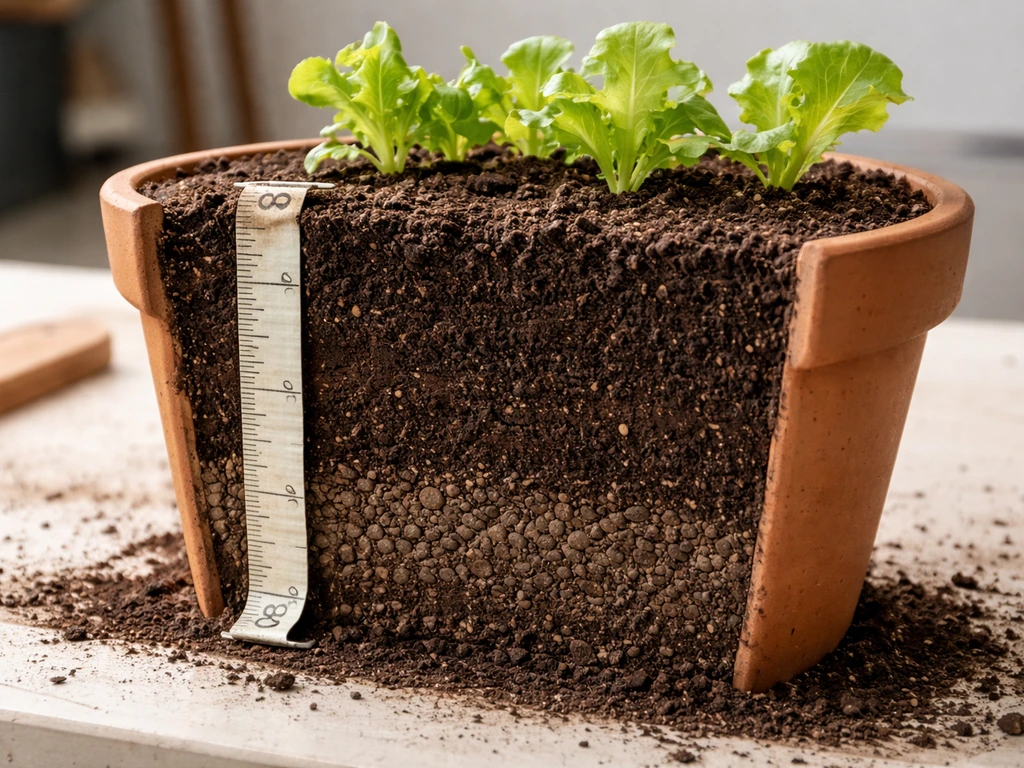
The practical consensus from university extension programs lands at 6–8 inches of soil depth as the minimum for lettuce in a container. UF/IFAS recommends 6–8 inches and at least a 2-gallon container per plant. NC State Extension puts the floor at 6–8 inches of potting mix for shallow-rooted annuals like lettuce. UW–Madison Extension says 4–6 inches as an absolute minimum but nudges you toward more for reliable results.
Lettuce roots are classified as shallow, running about 6–12 inches deep under normal conditions, though they're capable of reaching 12–18 inches in loose, deep soil. In a container, they'll use whatever depth you give them, but they're not going to struggle if you cap it at 8–10 inches. What they will struggle with is anything under 6 inches, where drying out becomes a constant problem and root development gets cramped fast.
My rule: aim for 8 inches of usable soil depth as your default. That gives roots room to breathe, buffers moisture swings, and works for nearly every lettuce type you'd grow at home.
How depth changes depending on the type of lettuce
Not all lettuce is the same, and the variety you choose genuinely affects how much depth (and how much horizontal space per plant) you need. The bigger and more structured the head, the more resources it needs underground.
Loose-leaf lettuce
This is your most forgiving type for containers. Leaf varieties like 'Black Seeded Simpson,' 'Oak Leaf,' or 'Red Sails' are harvested by snipping outer leaves rather than pulling the whole plant. Their root systems are relatively compact, and 6 inches of depth gets you through a full cut-and-come-again season. If your only option is a shallower window box or a 6-inch-deep planter, leaf lettuce is what you plant.
Butterhead lettuce
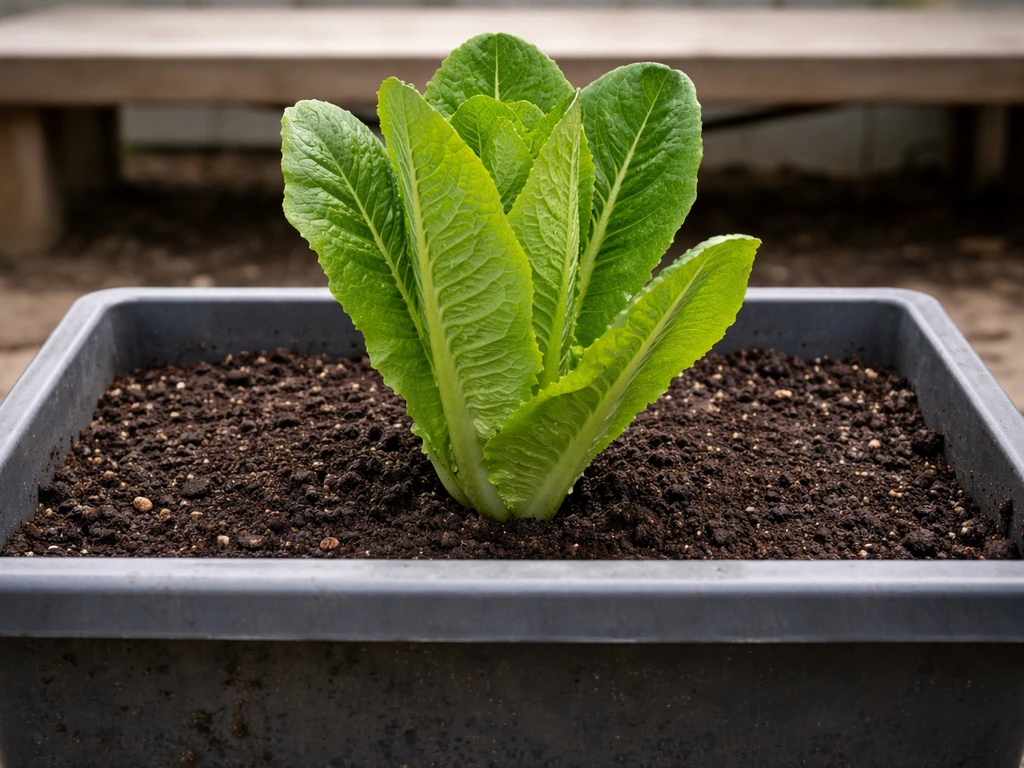
Butterhead types like 'Bibb' or 'Boston' form a loose, soft head. They need a bit more root room than pure leaf types and do best with 8 inches of depth. Illinois Extension recommends thinning these to 6–8 inches apart, which tells you they're putting more energy into individual plant development. Give them that extra soil depth to match.
Romaine (cos) lettuce
Romaine grows tall and upright and takes longer to mature than leaf types. That longer grow time means more root development, and I'd go 8–10 inches of depth for romaine in containers. Spacing-wise, romaine wants 6–8 inches between plants, so factor that into your container width planning as well.
Crisphead lettuce (like iceberg)
Crisphead is the toughest to pull off in containers. It needs the most time, the most space, and 8–10 inches of depth to develop properly. Honestly, crisphead lettuce is a stretch in most home containers because it wants both depth and horizontal room to form a tight head. If you're set on it, use the deepest container you have and space plants at least 10–12 inches apart. Most beginners are better off with leaf or butterhead types in pots.
| Lettuce Type | Minimum Depth | Comfortable Depth | Min. Spacing Between Plants |
|---|---|---|---|
| Loose-leaf | 6 inches | 6–8 inches | 4 inches |
| Butterhead | 8 inches | 8–10 inches | 6–8 inches |
| Romaine | 8 inches | 8–10 inches | 6–8 inches |
| Crisphead (iceberg) | 8 inches | 10–12 inches | 10–12 inches |
Container size vs depth: width, spacing, and the root zone
Depth is only half the equation. Your container also needs to be wide enough to space plants properly, and those two dimensions work together to determine how much lettuce you can actually grow.
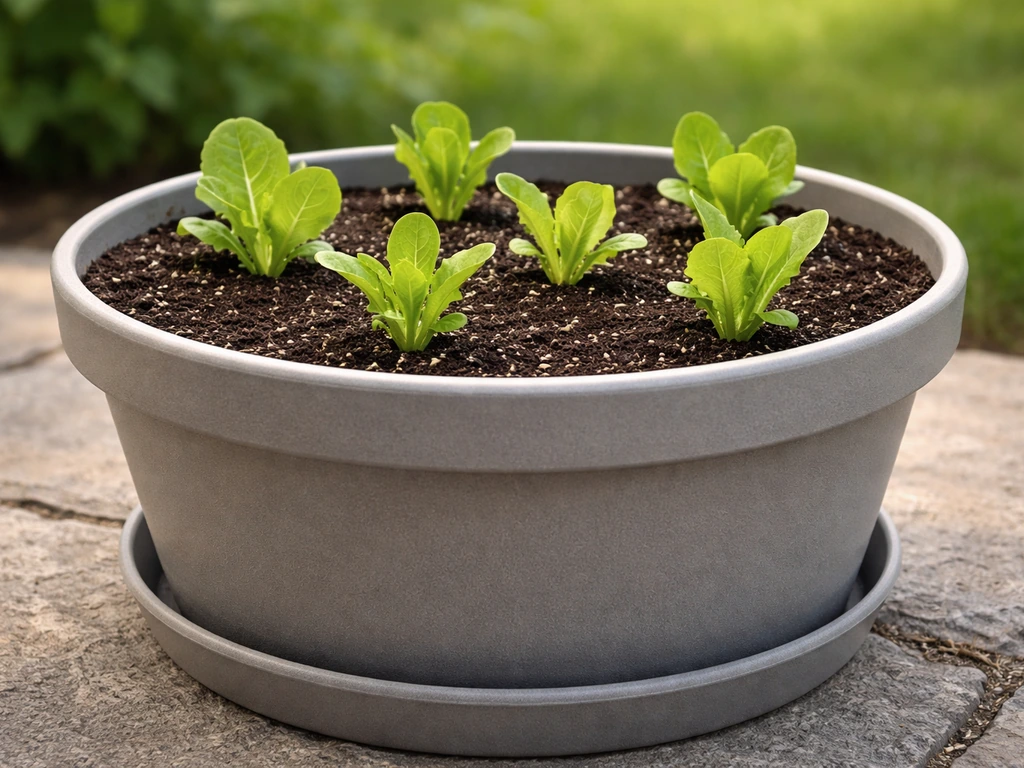
A useful density benchmark from University of Missouri Extension: four lettuce plants in a 10-inch container gives you enough greens for a weekly large salad for two people. That lines up with the 4-inch minimum spacing for leaf lettuce. For a round container, MSU Extension suggests roughly one plant for every 8–12 inches of container diameter as a starting point, then adjusting based on the specific crop's spacing needs.
In practice, a 12-inch wide by 8-inch deep container is a solid all-purpose setup for 3–4 leaf lettuce plants. If you're growing butterhead or romaine, bump up to a container that's at least 12 inches wide and plan for fewer plants. Window boxes work great for leaf lettuce if they're 6–8 inches deep. Anything wider than 18 inches opens up more planting options and lets you mix varieties.
One thing that trips up beginners: choosing a container that's plenty wide but too shallow. A wide, flat pot that's only 4 inches deep will dry out fast, stress roots, and produce weak, floppy plants even if you're spacing everything correctly. Depth and width both matter. The soil volume is what holds moisture and nutrients between waterings.
Drainage and pot setup basics
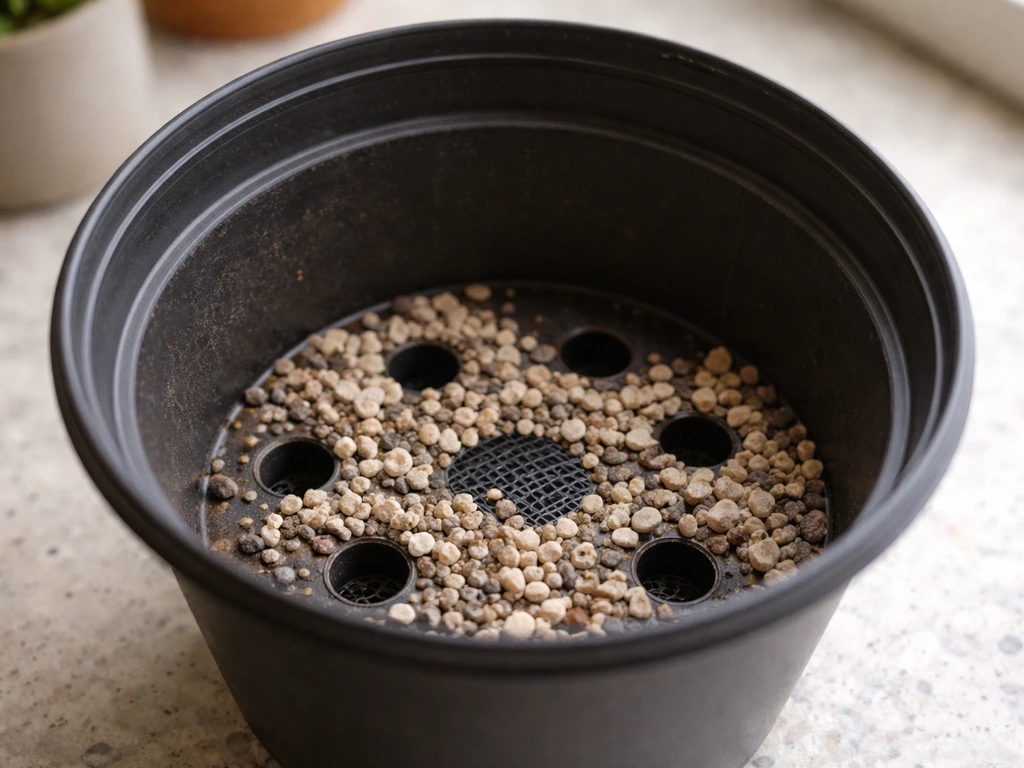
Good drainage is non-negotiable for lettuce. Roots sitting in waterlogged soil will rot fast, and lettuce is not a forgiving crop when its feet are wet. Here's how to set up your container correctly before you put a single seed or transplant in.
- Drainage holes: Your pot needs at least one drainage hole at the bottom, and more holes are better. If you're repurposing a container, drill holes before you fill it. No holes means soggy soil every time you water, period.
- Skip the gravel layer: The old advice about putting gravel in the bottom to 'improve drainage' has been debunked. A layer of coarse gravel at the base of a pot actually raises the water table in the soil above it, making drainage worse. Just use good potting mix all the way through.
- For very deep containers (18 inches or more): If you're using a tall container for raised-bed-style growing, WVU Extension does note that very deep containers benefit from a drainage tile or layer of coarse material at the base. But for standard 6–12 inch pots, skip it.
- Use quality potting mix: Don't fill containers with garden soil. It compacts, drains poorly, and stunts roots. Use a quality potting mix designed for containers. This also connects directly to how your soil depth performs — good potting mix stays loose and aerated even after watering.
- Top clearance: WVU Extension recommends filling the container to about 1 inch below the rim. That gap prevents water and soil from spilling over when you water and gives you room to water thoroughly without making a mess.
How deep to fill for different setups
The depth guidance changes a little based on your specific growing setup. Here's how to think about it for the three most common situations.
Standard outdoor containers and pots
Fill with potting mix to 1 inch below the rim. For a pot that's 8 inches tall, you're working with about 7 inches of usable soil depth. That's right in the sweet spot for leaf lettuce and butterhead. Choose containers at least 8 inches deep and go taller if you're growing romaine or crisphead.
Raised beds
In a raised bed, lettuce has more room to do what it wants. A raised bed with 8–12 inches of amended soil is ideal. Roots will explore down to 12 inches if the soil is loose enough. You don't need to do anything special for depth in a raised bed as long as you're filling it with loose, well-draining soil or a mix rather than compacted native soil. The big advantage here is moisture retention and root volume, which gives lettuce a consistent environment.
Indoor containers
Indoor lettuce growing follows the same depth rules but with extra attention to a few things. Indoors, evaporation is slower than outdoors, so shallower containers dry out less aggressively. That said, I'd still aim for at least 6 inches of depth even indoors. Use a lightweight potting mix rather than a dense one, and make sure your indoor container has a saucer to catch drainage without letting roots sit in water. UNH Extension recommends watering when the top quarter-inch of soil feels dry, and that applies indoors too. Shallow containers indoors can actually become waterlogged more easily than outdoors if you're not careful, since there's no wind or sun to help evaporate excess moisture.
A quick note on hydroponics
If you're growing hydroponically, the concept of soil depth doesn't apply. Systems like Nutrient Film Technique (NFT) run roots through a thin film of nutrient solution with no growing medium depth to speak of. Net pot depth in hydroponics (typically 1.5–2 inches) is a completely different measurement from soil depth in containers. If you're setting up a hydroponic system, skip this article's depth recommendations and look at guidance specific to your system type.
When something goes wrong: depth-related problems
A lot of the problems people blame on watering, light, or weather are actually tied to container depth. Here's how to diagnose what's happening.
Wilting between waterings
If your lettuce is wilting even though you're watering regularly, your container is probably too shallow. Less soil volume means less moisture retention, and the roots run out of water faster than they can absorb it. The fix: move to a deeper container (at least 8 inches) or water more frequently. If you're outdoor growing in summer, wilting can also be heat stress, but check soil depth first.
Slow or weak growth
Stunted, pale, or slow-growing lettuce in a container is often a root space problem. When roots hit the bottom of a shallow container, they circle or bunch up, which limits the plant's ability to take in water and nutrients. UF/IFAS also notes that roots can circle in containers unless container root-management is addressed, which is why giving roots enough usable depth and volume matters roots hit the bottom of a shallow container, they circle or bunch up. If you stick your finger in the soil and feel a dense mat of roots near the bottom, you've outgrown the container. Transplant into something deeper or wider, or harvest and start fresh.
Bolting
Bolting (when lettuce suddenly sends up a flower stalk and turns bitter) is primarily triggered by heat and long days, but root stress from a too-small container can accelerate it. A cramped root zone in a shallow pot creates plant stress that makes lettuce more susceptible to bolting earlier than it otherwise would. Deep, well-watered containers keep plants cooler and less stressed, giving you a longer harvest window.
Poor head formation
If you're trying to grow butterhead or romaine and getting loose, floppy leaves instead of a proper head, shallow soil and insufficient plant spacing are the usual culprits. Heading types need both depth (for root development) and horizontal space (so they're not competing with neighboring plants) to tighten up properly.
Soggy soil and root rot
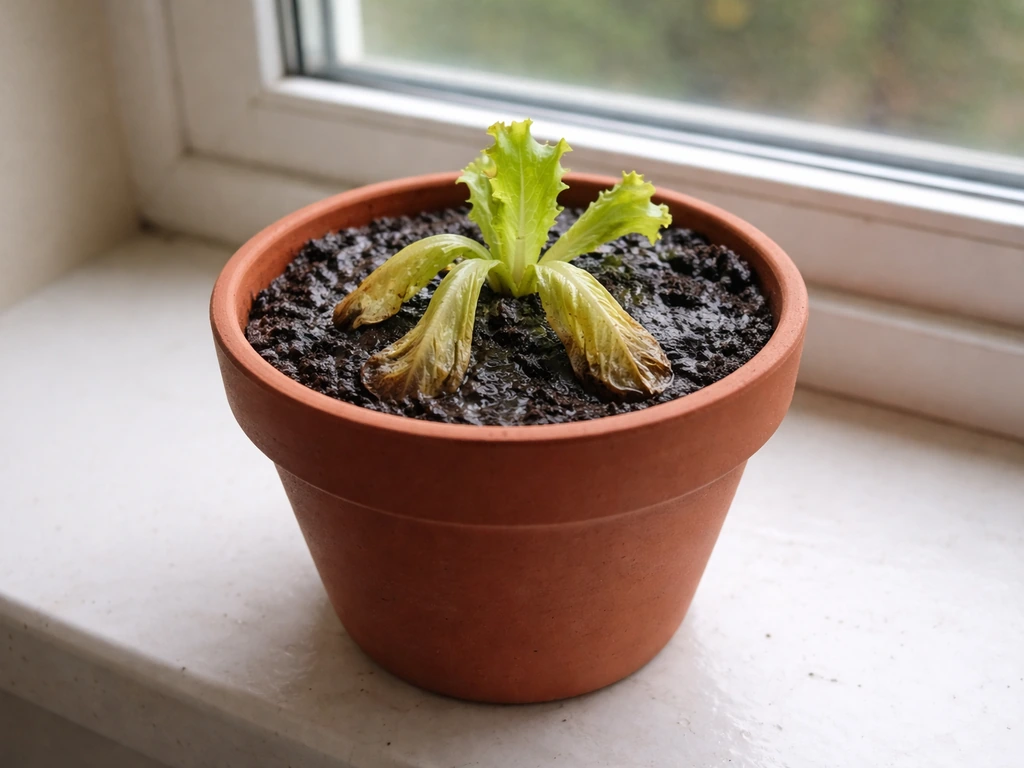
Waterlogged soil smells bad and produces yellowing, limp leaves that don't recover after watering. This can happen when a container has no drainage holes, when you're using heavy garden soil instead of potting mix, or when a very large deep container holds water far longer than the roots need. If you're seeing this, check your drainage holes first, then consider whether your potting mix needs to be replaced with something lighter.
What to do right now: your planting checklist
Here's a quick checklist to get your lettuce container set up today, regardless of whether you're on a balcony, windowsill, or backyard.
- Pick your container: at least 6 inches deep for leaf lettuce, 8 inches for butterhead or romaine, 10 inches if you're attempting crisphead.
- Check for drainage holes. If there are none, drill them before you fill.
- Fill with potting mix (not garden soil) to about 1 inch below the rim.
- Space your plants correctly: 4 inches apart for leaf lettuce, 6–8 inches for butterhead or romaine, 10–12 inches for crisphead.
- Water thoroughly right after planting until it drains from the bottom, then let the top quarter-inch dry out before watering again.
- If you're indoors, place under a grow light or in your brightest window (at least 6 hours of light daily).
- If you're outdoors, position where lettuce gets morning sun and some afternoon shade, especially if temperatures are already climbing toward 75°F or above.
- Harvest leaf lettuce as soon as leaves reach a usable size, snipping outer leaves first to extend your harvest. For heading types, wait for the head to feel firm before cutting.
That's really all there is to it. Get the depth right, use good potting mix, space plants properly, and water consistently. If you want a quick estimate, start by matching the container depth guidance above to how many lettuce plants you plan to fit how much soil to grow lettuce. Lettuce is one of the fastest, most rewarding crops you can grow in a container, most leaf varieties are ready to harvest within 4–6 weeks of transplanting. Start with the right pot depth and everything else falls into place.
FAQ
Can I grow lettuce in a 6-inch-deep container, or do I really need 8 inches?
If your pot is 6 inches deep, choose leaf lettuce or cut-and-come-again varieties, and use consistent watering to prevent the top soil from drying out. For head-forming types (butterhead, romaine, crisphead), 6 inches is often the edge of success, so plan on faster wilting and slower heading.
When I measure container depth, should I count the whole pot height or the filled soil height?
Measure usable depth, not the container’s overall height. If you fill to about 1 inch below the rim (for easy watering), subtract that from the outside height, since the bottom drainage zone and the space you leave at the top reduce the soil volume roots actually use.
Does using heavier garden soil change how deep my pot should be?
Don’t use soil that stays wet. Garden soil can compact in a container and starve roots of oxygen, even if the pot is deep enough. Use a lightweight potting mix and keep drainage holes open, then repot if the mix becomes heavy or waterlogged.
Is there a point where deeper pots hurt lettuce growth?
Yes, but only up to a point. Very deep pots (much deeper than 10 inches) can hold excess moisture longer, which increases the chance of waterlogged roots unless you nail drainage and mix choice. In most cases, 8 to 10 inches is the practical sweet spot for container lettuce.
If my pot is shallow, can I make up for it by using a wider container?
You can, and it often improves outcomes, but the limiting factor is still soil volume and drainage. A wider container lets you space plants correctly and reduces competition, while depth mainly buffers moisture swings and supports root growth. Use both dimensions together.
How do drainage and tray watering affect what “enough depth” means?
If you’re using bottom-watering (setting the pot in a tray), don’t let the pot sit filled for long periods. Roots still need oxygen, so remove excess water after the mix has rehydrated and ensure the tray doesn’t become a standing-water bath.
How can I tell my lettuce is failing because of container depth rather than watering or light?
Start by checking whether roots are hitting the bottom or becoming a dense mat. If you lift the plant (or pull one for inspection) and see circling roots at the base, the container is too small for the variety and spacing. The quickest fix is transplanting to a deeper container before growth stalls.
My romaine or butterhead isn’t heading. Could my pot depth be enough but still not work?
A good rule for heading types is to increase both depth and spacing, not just depth. If you’re getting floppy, loose plants instead of tight heads, the pot may be deep enough for roots but too narrow to prevent crowding, so adjust plant spacing and consider moving up to a wider planter.
What’s the best watering approach when I’m using the minimum recommended depth?
If seedlings look stressed in the first couple of weeks, wait until the top layer dries slightly between waterings rather than keeping it constantly damp. Depth helps, but shallow containers still require more frequent monitoring, especially during hot sun or windy balconies.
Does the minimum pot depth change for indoor lettuce compared to outdoor?
For indoor setups, you generally want the same minimum depth, at least 6 inches, but you must pay attention to moisture removal since evaporation is slower indoors. Use a saucer, ensure you do not leave water pooling under the pot, and consider a lighter potting mix to reduce waterlogging risk.
If I’m growing lettuce hydroponically, can I use the same pot depth guidance?
Net pot depth is not comparable to soil depth. In hydroponics, you’re dealing with root exposure to nutrient flow (often via channels or a film) rather than soil volume, so you should follow the hydro system’s spacing and net pot specifications instead of using container depth rules.
Does the right pot depth depend on whether I’m harvesting leaves versus whole heads?
Yes, but use depth to match the harvest style. Leaf lettuce can tolerate the minimum better because harvesting is ongoing and you’re not asking the plant to invest in a tight head. If you plan to cut whole heads, aim for deeper containers and more spacing so plants can fully develop before harvest time.