Leaf lettuce is the best all-around choice for raised beds. It grows fast (30 to 45 days to harvest), tolerates both cool springs and warm spells better than head types, and bounces back after you cut it. If you want variety, pair a loose-leaf like 'Black Seeded Simpson' or an oak-leaf type with a butterhead like 'Buttercrunch' for heads. Skip crisphead (iceberg) in most raised bed setups unless you have a very long, cool season. The key to getting continuous tender leaves without bitterness is matching your variety to the season, planting in succession, and harvesting before heat triggers bolting.
Best Lettuce to Grow in Raised Beds: Varieties and Care Tips
Marcus Holloway
14 Jun 2026
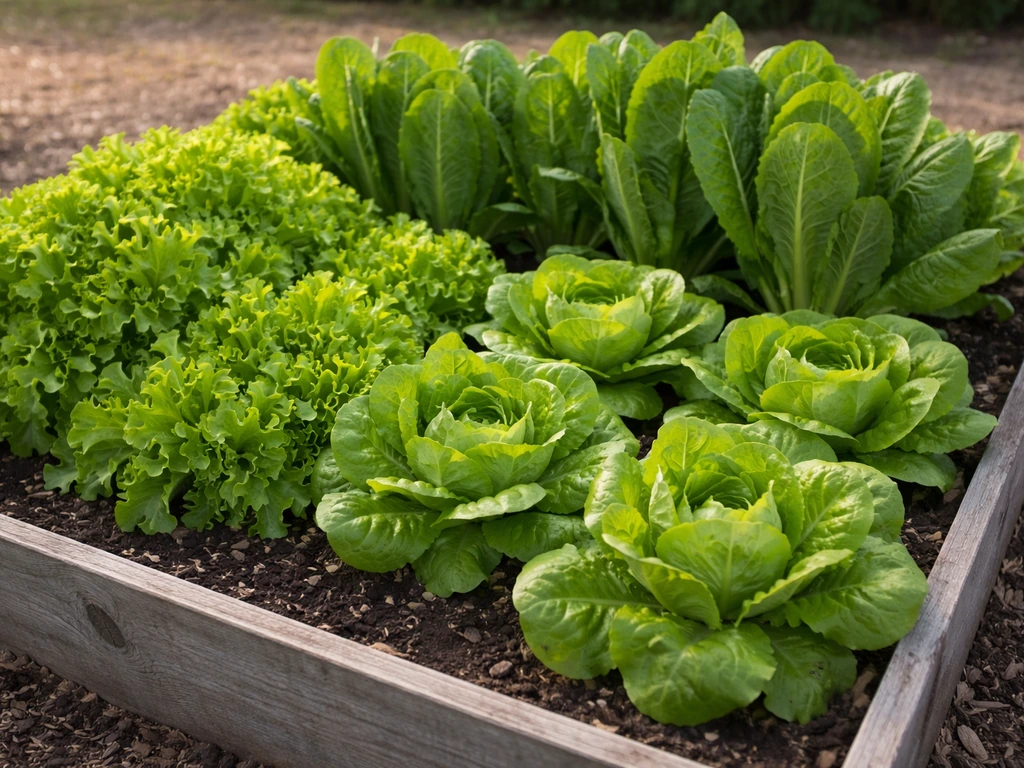
Choosing the best lettuce types for raised beds by season and style
Not every lettuce performs the same in a raised bed, and the season you're planting into matters as much as the variety. Here's how I think about it: leaf types first, then butterhead, then romaine, and crisphead last (or never, unless you're in a cooler climate with a long spring).
Leaf lettuce: the raised bed workhorse
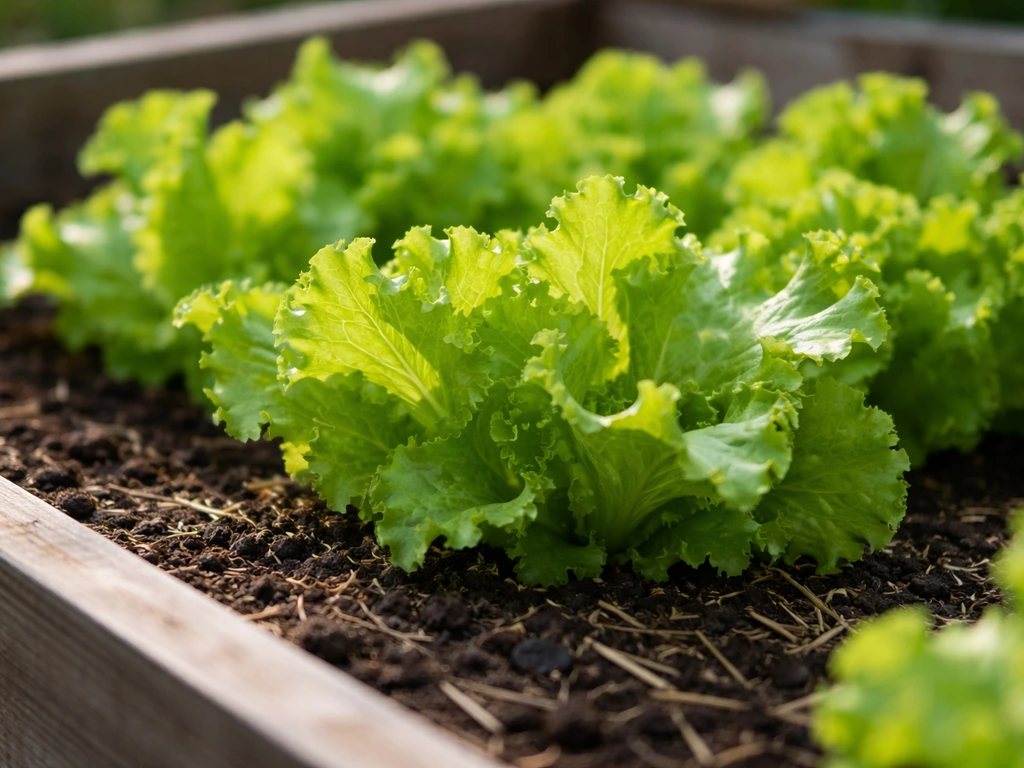
Leaf lettuce is more cold-hardy, faster maturing, more shade-tolerant, and for many varieties more heat-tolerant than head lettuce. That's a hard combination to beat for a raised bed. Varieties like 'Black Seeded Simpson', 'Red Sails', and oak-leaf types (like 'Oakleaf' or 'Salad Bowl') are the ones I reach for when I want reliability. Oak-leaf types in particular are recommended for slow-bolting performance, making them smart choices when you're pushing into late spring or need a variety that holds a little longer before going bitter. For baby greens, any looseleaf mix sown thickly and cut at 3 to 4 inches is perfect.
Butterhead: tender and forgiving
'Buttercrunch' is probably the most popular butterhead for home gardeners, and for good reason. It forms a loose, tender head in about 55 to 65 days, tolerates some heat without bolting as quickly as crisphead types, and tastes great. For more options beyond butterhead, see the best tasting lettuce to grow and how to match varieties to your season. 'Boston' and 'Bibb' are also solid picks. Butterhead is a good middle ground if you want the satisfaction of harvesting a whole head but don't want to babysit a crop for 80-plus days.
Romaine: worth the extra time
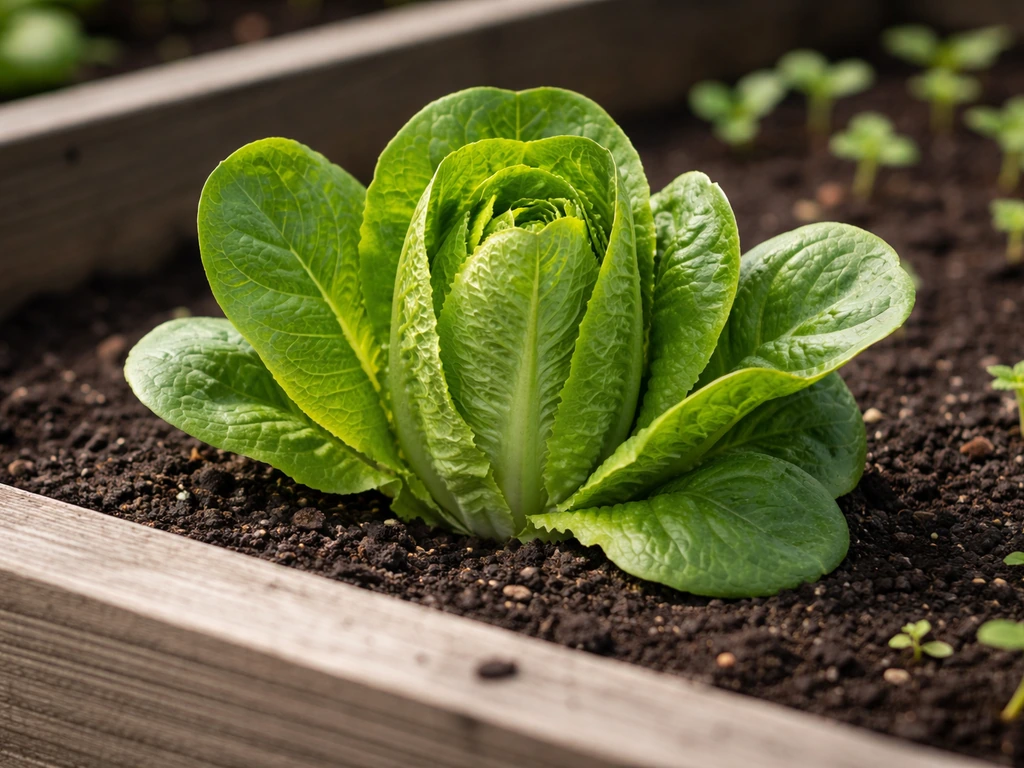
Romaine takes 70 to 75 days for full heads, but you can harvest outer leaves much earlier. 'Little Gem' is a compact romaine that works especially well in raised beds because it stays smaller (perfect for tighter spacing) and matures faster than full-size types. Standard romaine like 'Jericho' has good heat tolerance for a taller variety. The raised bed environment suits romaine well because good drainage and loose soil help roots develop cleanly.
Crisphead: only if conditions are ideal
Crisphead (iceberg-style) lettuce needs a long, consistently cool season to form a tight head. In most parts of the country, by the time it's ready, heat has already arrived and the heads haven't fully formed. I'd skip it unless you're in a coastal or northern climate with a dependable cool stretch from early spring into early summer. Even then, it's the last variety I'd prioritize in a raised bed where space is limited.
Quick variety guide by season
| Season | Best Types | Top Varieties to Try | Notes |
|---|---|---|---|
| Early spring (cool) | Leaf, butterhead, romaine | Black Seeded Simpson, Buttercrunch, Little Gem | Direct sow 4-6 weeks before last frost |
| Late spring (warming) | Oak-leaf, slow-bolt leaf | Oakleaf, Red Sails, Jericho romaine | Choose heat-tolerant/slow-bolt varieties |
| Summer (hot) | Heat-tolerant leaf only | Nevada, Muir, Tropicana | Use shade cloth; expect shorter harvest window |
| Fall (cooling again) | Leaf, butterhead, romaine | Buttercrunch, Black Seeded Simpson, Little Gem | Best flavor; cooler temps reduce bitterness |
| Winter (mild climates) | Cold-hardy leaf types | Winter Density, Arctic King | Use row cover for frost protection |
Site conditions: sun, temperature, airflow, and soil in your raised bed
Raised beds are genuinely great for lettuce because you control so much of the environment, but there are a few things to get right from the start.
Sun and light
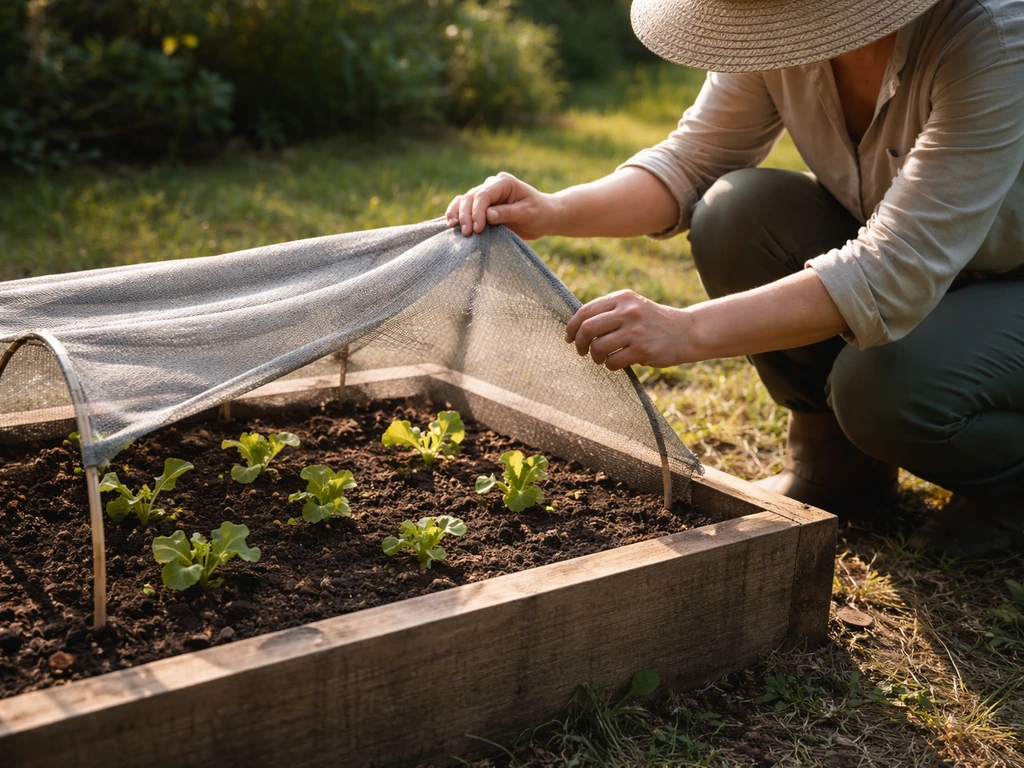
Lettuce wants 6 hours of direct sun in spring and fall. In summer, 4 hours of morning sun with afternoon shade is actually better. If your raised bed gets hammered by afternoon sun in June and July, plan for some shade cloth (30 to 40 percent shade works well) or position taller crops nearby to cast partial shade. Full midday and afternoon sun in summer is the fastest way to trigger bolting.
Temperature management
Lettuce grows best between 45°F and 65°F. Above 75°F, growth slows and bolt risk climbs. Above 80°F, many varieties bolt quickly and flavor turns bitter. Raised beds warm up faster than in-ground beds in spring (a good thing for early planting) but also overheat faster in summer (a problem). Keep this in mind when timing your plantings. Row covers and shade cloth are your main tools for managing temperature extremes at either end of the season. Bolting is triggered by warm conditions, and once a plant sends up a flower stalk, the leaves are done.
Airflow
Good airflow between plants reduces the risk of fungal issues like downy mildew and tip burn. Don't crowd your lettuce. When you're tempted to squeeze in extra plants because the bed looks empty, resist. Proper spacing also means leaves dry faster after watering or rain, which matters a lot for disease prevention.
Soil and mix
This is where raised beds really shine. Use a light, well-draining mix with plenty of organic matter. A typical blend of 1/3 compost, 1/3 peat moss or coco coir, and 1/3 perlite or coarse vermiculite works well. Lettuce roots are shallow (6 to 8 inches), so even a 6-inch deep raised bed can work, though 10 to 12 inches gives you more buffer. Aim for a soil pH of 6.0 to 7.0. Avoid heavy garden soil in a raised bed because it compacts, drains poorly, and stunts root development.
Planting guidance: timing, spacing, and seed vs transplants
When to plant
For spring: direct sow or transplant 4 to 6 weeks before your last expected frost. Lettuce seed germinates at soil temperatures as low as 40°F, though 60°F to 65°F is ideal for fast, even germination. For fall: count back from your first expected frost by 6 to 8 weeks (add a week or two for the variety's days-to-maturity). For example, if your first frost is October 15, start your fall crop around mid-August. That timing often puts germination in the hottest part of summer, so pre-chill your seeds in a damp paper towel in the refrigerator for 24 to 48 hours to improve germination rates in warm soil.
Spacing
- Baby greens/cut-and-come-again: sow thickly in rows, about 1 inch apart, thin to 2 to 3 inches if needed
- Leaf lettuce for full plants: 6 to 8 inches between plants
- Butterhead and romaine: 8 to 10 inches between plants
- Full crisphead heads: 12 inches between plants
- Rows: 12 to 18 inches apart if you're growing in rows rather than a grid
Seeds or transplants?
Both work fine in raised beds. Direct seeding is faster to set up and costs almost nothing. Press seeds gently into the surface of moist soil and cover with no more than 1/8 inch of soil (light helps germination). Transplants give you a 3 to 4 week head start and are worth using in fall when your planting window is tight. Start transplants indoors under grow lights, harden off for 5 to 7 days before moving outside, and transplant on a cloudy day or in the evening to reduce transplant shock.
Watering and nutrition for fast, tender leaves
How to water lettuce in a raised bed
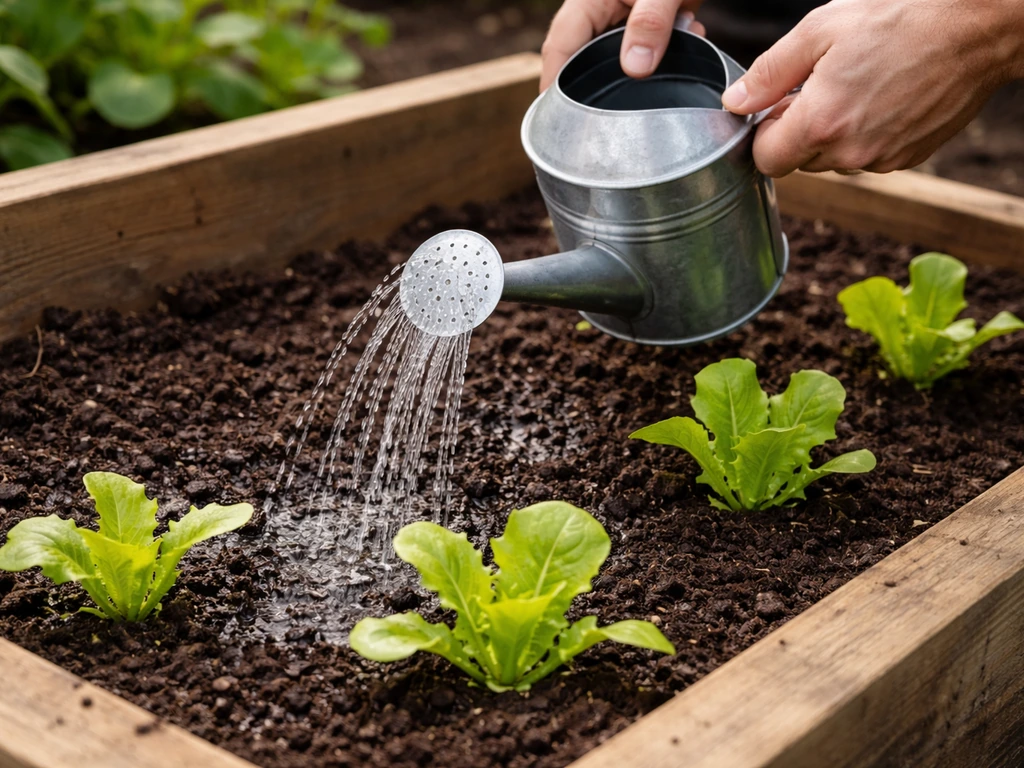
Lettuce is about 95 percent water, so consistent moisture is non-negotiable for quality. The goal is to keep the top 2 to 3 inches of soil evenly moist, never bone dry and never waterlogged. In a raised bed with good drainage, I water every 1 to 2 days in warm weather and every 2 to 3 days in cooler conditions. Water at the base of the plants rather than overhead when possible. If you are aiming for an easy, high-yield setup, apply these watering tips specifically to how to grow lettuce in raised beds for consistent, tender leaves. Wet foliage sitting overnight invites fungal disease. A drip irrigation system or soaker hose is ideal. If you're using row covers for frost or pest protection, check moisture levels underneath more often since covers can affect how quickly soil dries out.
Feeding lettuce
Lettuce is a fast, leafy crop that needs nitrogen more than anything else. If you start with a compost-rich mix, you may not need to feed at all for a spring crop. For longer-season plantings or if growth seems slow and leaves are pale, apply a balanced liquid fertilizer (like a 10-10-10 or fish emulsion) every 2 to 3 weeks. Avoid heavy fertilization late in the season or in hot weather because pushing fast, soft growth when temperatures are climbing increases bolt risk. Less is more once the weather warms up.
Managing pests and diseases common to lettuce
The main culprits
- Aphids: check the undersides of leaves; knock them off with a strong water spray or treat with insecticidal soap
- Slugs and snails: most active at night and after rain; use diatomaceous earth around bed edges or iron phosphate bait
- Rabbits and groundhogs: a physical barrier (hardware cloth around the bed perimeter) is the only reliable fix
- Cutworms: look for plants cut off at the soil line overnight; use cardboard collars around transplant stems
- Downy mildew: yellow patches on upper leaves, gray fuzz underneath; improve airflow and avoid overhead watering
- Tip burn: brown edges on inner leaves; usually a calcium uptake issue linked to inconsistent watering or poor airflow, not a nutrient deficiency
Row covers as your first line of defense
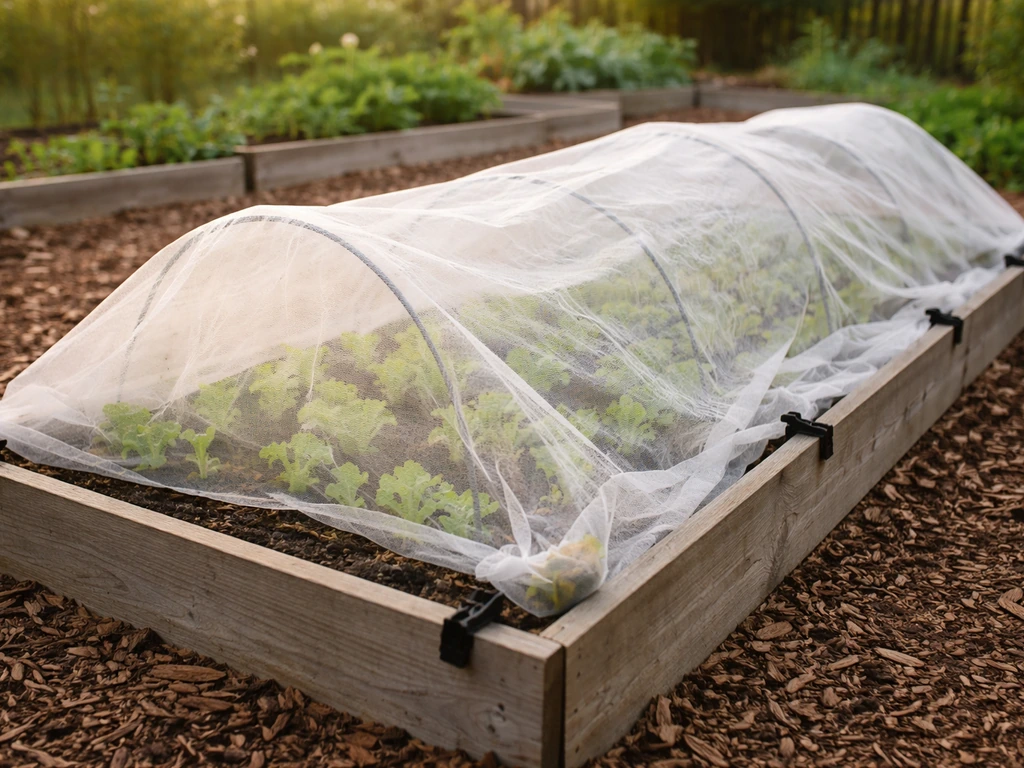
A floating row cover (lightweight spunbonded fabric) draped over your raised bed does double duty: it protects against early frost and blocks many flying insects including aphids and leafminers. It also changes the microclimate under the cover, so check soil moisture more frequently than you normally would. After each season, hose covers down and let them dry completely before storage to avoid harboring disease spores or pests.
Harvesting and succession planting for continuous supply
How to harvest
For leaf lettuce, the cut-and-come-again method is your best friend. Use clean scissors or a knife to cut leaves to about 1 inch above the soil. The plant regrows from the crown and you can typically get 3 to 4 cuts before flavor declines. For butterhead and romaine, harvest outer leaves individually or cut the whole head when it feels firm and full, leaving the root in place. Some butterhead varieties will resprout after a full cut. For the best flavor and texture, harvest in the morning when leaves are hydrated and cool.
Succession planting: the real secret to continuous harvests
A single planting of lettuce gives you a 1 to 3 week window before quality drops. The fix is succession planting: sow a new small batch every 2 to 3 weeks through the cool season. You don't need much space. Even half a row or a 1-foot section of a raised bed gives you a fresh round of greens. Alternatively, plant varieties with different maturity dates at the same time (an early 35-day leaf type alongside a 60-day butterhead) to naturally stagger your harvests. I run both strategies at once during spring and fall for nearly non-stop greens.
Common problems and quick troubleshooting
Bolting
If your lettuce sends up a tall flower stalk, it has bolted. The leaves will turn bitter and tough almost immediately. Bolting is triggered by warm temperatures, so the fix is prevention: choose slow-bolt or heat-tolerant varieties (especially oak-leaf types), use shade cloth when daytime temps climb above 75°F, and harvest promptly. Oregon State University Extension also notes that bolting is triggered by warm conditions and that lettuce quality declines when harvest timing is off Bolting is triggered by warm temperatures. If you catch early bolting, harvest everything immediately and start a fresh sowing for fall. Don't try to save a bolted plant for eating.
Bitterness
Bitter lettuce is almost always a harvest timing issue. Leaves develop stronger bitterness and toughness when the crop is over-mature or has experienced heat stress. If your leaves taste bitter but the plant hasn't fully bolted, harvest now, cut the plant back hard, and see if the regrowth is milder. Next time, harvest earlier and keep up with succession planting so plants never sit too long.
Poor germination
Lettuce seed has two common germination killers: soil that's too warm (above 75°F) and seed buried too deep. For summer/fall plantings, pre-chill seed in the refrigerator for 24 to 48 hours before sowing. Sow on the soil surface or no deeper than 1/8 inch. Keep the surface consistently moist until seedlings emerge (usually 5 to 10 days in good conditions). If germination is still spotty, try starting seeds indoors in a cooler room and transplanting.
Wilting despite watering
If your lettuce wilts even when the soil is moist, check two things: first, is the bed overheating? Afternoon wilt in hot weather is sometimes just heat stress and the plant perks back up in the evening. If so, add shade cloth. Second, check for root rot, which can happen in raised beds that drain poorly. Soggy soil combined with heat is a fast track to crown rot. If roots look brown and mushy, the plant is likely done. Improve drainage in your bed mix before replanting.
Uneven growth
If some plants are thriving and others in the same bed are stunted, the most common causes are uneven soil depth or composition, inconsistent watering (especially in corners and edges of the bed), or overcrowding. Check that your mix is uniform across the bed and that your watering reaches every area evenly. If plants near the edges are lagging, they may be drying out faster than the center.
Pest damage
Holes in leaves overnight usually mean slugs or snails. Sticky, distorted new growth usually means aphids. Ragged or missing whole seedlings usually mean rabbits or birds. Match your response to the culprit: physical barriers for larger animals, iron phosphate bait for slugs, insecticidal soap or a strong water blast for aphids. Row covers prevent most insect pressure before it starts.
Your next steps right now
Here's what I'd do today based on where we are in mid-June 2026. If you're in a cooler northern climate, you're in the final weeks of a spring planting window for heat-tolerant leaf types like 'Nevada' or oak-leaf varieties with shade cloth ready to deploy. If you're in a warmer climate, start planning your fall crop. Count back from your first fall frost date, pick a fast loose-leaf like 'Black Seeded Simpson' or a butterhead like 'Buttercrunch', and set a calendar reminder to start seeds indoors in 4 to 6 weeks. Get your raised bed mix refreshed with a top-dressing of compost now so it's ready to go. If you want to compare notes on growing lettuce in other settings, the approach for containers like pots is similar but with tighter spacing and more frequent watering, and indoor growing opens up year-round options that raised beds can't match in summer heat. If you are growing in pots, you will want to choose the best lettuce to grow in a pot and keep up with even moisture and spacing growing lettuce in pots. Hydroponics is a different setup, so you will want to choose the best lettuce to grow hydroponically for success. If you want the best lettuce to grow indoors, focus on compact varieties and keep lighting, temperature, and moisture steady so they do not bolt or get bitter grow lettuce indoors.
- Check today's average daytime temperature and decide if it's still cool enough for a spring crop or time to plan for fall
- Pick one or two varieties matched to your season from the table above
- Prepare your raised bed mix: light, well-draining, compost-rich, pH 6.0 to 7.0
- Sow seeds no deeper than 1/8 inch or set transplants at proper spacing
- Set up a watering schedule and check soil moisture daily until germination
- Plan your succession sowing dates now (every 2 to 3 weeks through the cool season)
- Have row cover and/or shade cloth on hand before you need it
FAQ
What if my raised bed gets both cool spring weather and hot midday summers?
In raised beds, “best” usually means leaf lettuce or butterhead, but the exact pick depends on your temperature swings. If your June and July highs reliably push above 75°F, prioritize oak-leaf and slow-bolt loose-leaf types, add shade cloth, and plan to start fall harvests before late August. If your spring stays cool, you can run more varieties, including romaine outer-leaf harvests early.
Why does iceberg (crisphead) so often fail in raised beds, and when is it actually worth trying?
For crisphead, the main challenge is not just heat, it is forming a tight head before temperatures climb and day length increases. Even in cool regions, you need a long, consistent cool stretch, plus enough bed space for full-size plants. Most gardeners will get better results by choosing leaf lettuce for early harvests and butterhead if they want a “head” in a shorter window.
Can you save lettuce that starts to bolt by cutting it back?
Yes, but treat it as a short-term strategy. If your crop is near the bolting stage, harvest immediately (including outer leaves), then cut back hard to encourage milder regrowth only if temperatures are still trending down. Once the plant is clearly sending up a flower stalk and leaves are turning bitter, pulling it and starting a new sowing is usually faster than trying to salvage it.
What if my raised bed only gets a few hours of sun, can lettuce still succeed?
Lettuce can tolerate some afternoon shade, but “too little light” shows up as pale, thin leaves and slower growth. A practical rule is to aim for at least 4 to 6 hours of useful light, then use shade cloth only to prevent overheating. If you are in a very shady yard, switch to faster loose-leaf types and stagger plantings so you can harvest before growth becomes spindly.
How do I prevent uneven growth across the bed (center vs edges)?
Raised bed mix matters for moisture and root health, and corners can dry out faster than the center. If you use a drip line or soaker hose, add an extra emitter or run time for the edges, and check moisture with your finger 2 to 3 inches down after watering. Uneven moisture is a common reason for patchy germination and stunted plants even when the “average” watering schedule seems correct.
How many times should I cut leaf lettuce in a raised bed before I should re-sow?
For cut-and-come-again leaf lettuce, you usually can cut multiple times, but you cannot expect the same quality forever. Flavor typically declines after several rounds because plants get older and stress accumulates. A good practice is to plan succession plantings while your current crop is still producing, so you are not relying on late regrowth for the best taste.
Do row covers make lettuce too hot or too dry in a raised bed?
Row covers help with frost and insect pressure, but they can also trap heat on sunny days. Ventilate by lifting the edge or removing the cover during warm afternoons, and keep an eye on soil moisture because covers can slow evaporation. If you notice wilting under the cover in the morning, treat it as a temperature and moisture check first, not just “needs water” blindly.
What’s the best way to water lettuce to reduce downy mildew or tip burn risk?
Aim for consistent moisture, but avoid turning the bed into a swamp. The easiest way to reduce disease risk is to water early in the day at the base, then ensure airflow with proper spacing. If you see persistent fungal issues, also review how often you water after rainy stretches, because lettuce can stay wet longer under covers and in dense planting.
My lettuce seeds germinated poorly, what are the most common mistakes to troubleshoot?
If seedlings emerge but then collapse or fail to thrive, check seed depth first (lettuce is shallow), then soil temperature and surface moisture. Over-burying and letting the surface dry out can cause poor germination followed by weak seedlings. If conditions are warm, pre-chilling seed and starting indoors under lights can prevent the “spotty germination then slow start” pattern.
If I see tip burn or damaged leaf edges, should I fertilize or adjust something else first?
If leaf tips look burned or damaged, it is not always a nutrient problem. In lettuce, tip issues often come from irregular watering and rapid uptake changes, plus fluctuations that stress plants. Before adding fertilizer, confirm your watering consistency, then check whether the bed is overheating in the afternoon and whether plants are crowded enough for airflow.
How can I prevent slugs and aphids without constant pesticide use?
If you grow lettuce in a raised bed near herbs, greens, or flowers, you may still have pest pressure, especially from slugs and aphids. The simplest prevention upgrade is to pair row covers with a physical perimeter barrier for slugs, like copper tape or an appropriately sunk barrier, since covers can leave small access points. For aphids, a consistent scouting routine (tops and undersides of leaves twice a week) helps you catch infestations before they distort new growth.