Looseleaf varieties are the best lettuce to grow indoors, full stop. Specifically, look for 'Black Seeded Simpson,' 'Oak Leaf,' 'Salanova,' and 'Tom Thumb' butterhead. If you want to compare that with the container and outdoor sweet spots, the best lettuce to grow in raised beds also focuses on varieties that handle typical temperature swings and harvesting routines. These varieties germinate fast, tolerate the lower light levels typical of indoor spaces, resist bolting longer than romaine or crisphead types, and work perfectly for cut-and-come-again harvesting, meaning you get multiple pickings from a single planting. If you are growing hydroponically, 'Buttercrunch' and 'Romaine' types work well too, because the controlled environment removes most of the conditions that make them difficult otherwise.
Best Lettuce to Grow Indoors: Top Varieties and How-To
Why lettuce is tricky indoors (and what "best" really means here)
Lettuce is a cool-season crop that evolved outdoors in spring and fall conditions. Indoors, it faces three problems that don't exist in the garden: variable or insufficient light, warmer-than-ideal temperatures, and confined root space. Any one of those can cause bitter leaves, leggy plants, or premature bolting, where the plant shoots up a flower stalk and the leaves turn unpleasantly bitter. Bolting is triggered by heat and long light exposure, and it's associated with extreme bitterness that makes the leaves basically inedible.
So when I say 'best for indoors,' I mean varieties that stay compact and slow to bolt, can be harvested repeatedly without replanting, germinate reliably in containers, and don't need perfect conditions to produce edible leaves. Looseleaf types check all those boxes. Butterhead types are a close second. Romaine and crisphead (iceberg-style) types are genuinely harder indoors because they need longer growing windows and more consistent conditions to form proper heads, though they work well in hydroponic setups where you control everything precisely.
The top lettuce varieties for growing indoors
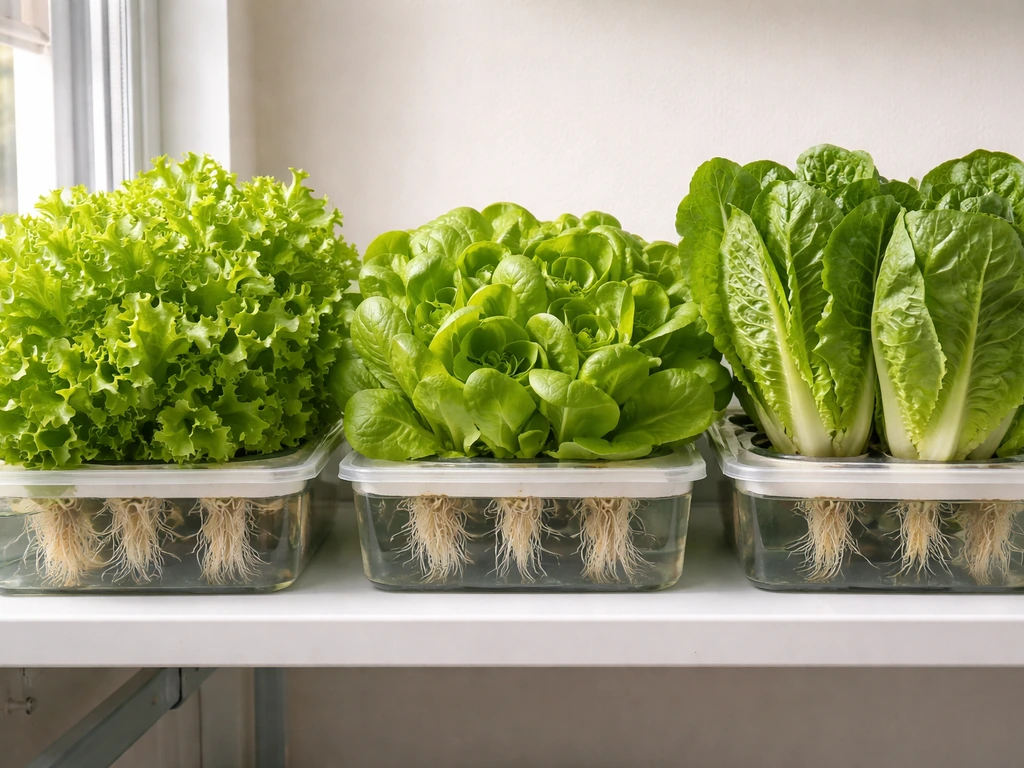
Here's a breakdown of the varieties and types worth your attention, with the key traits that make each one a good or challenging indoor choice.
| Variety / Type | Days to Baby Leaf | Days to Full Harvest | Bolt Resistance | Best For |
|---|---|---|---|---|
| Black Seeded Simpson (looseleaf) | ~21–30 | ~45 | High | Beginners, window sills, containers |
| Oak Leaf (looseleaf) | ~21–30 | ~45–50 | High | Warm indoor spaces, grow lights |
| Tom Thumb (butterhead) | ~30 | ~45–55 | Medium-High | Small pots, windowsill growing |
| Buttercrunch (butterhead) | ~25–30 | ~55–65 | Medium | Hydroponics, grow lights |
| Salanova (looseleaf mix) | ~21–28 | ~45–50 | High | Cut-and-come-again, containers |
| Little Gem (romaine) | ~30 | ~60–70 | Medium | Grow lights, hydroponic systems |
| Romaine / Cos | ~30–35 | ~70–80 | Low-Medium | Hydroponics only (indoors) |
My personal go-to for most indoor setups is 'Black Seeded Simpson.' It germinates in 5–7 days, produces harvestable baby leaves in about three weeks, and keeps regrowing after cuts for weeks. Oak Leaf is nearly as reliable and holds up a little better if your indoor temperatures creep above 70°F. For something more upscale, Salanova varieties produce beautifully uniform, tender leaves and are worth the slightly higher seed cost.
Choose based on your setup
Growing on a windowsill
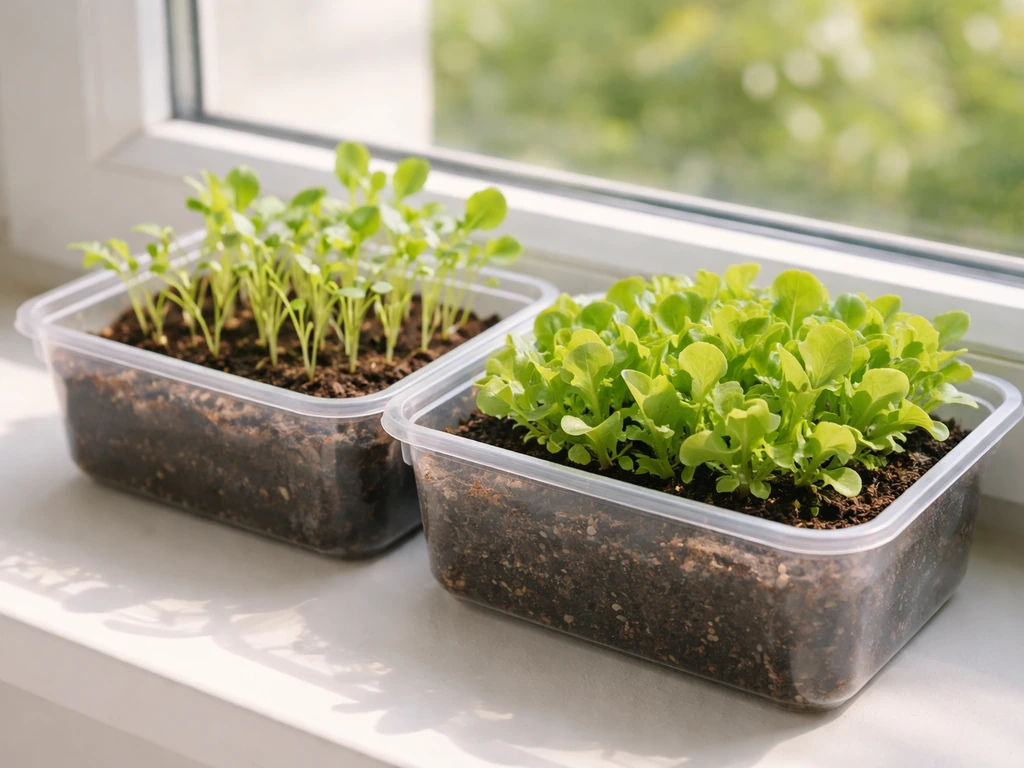
A south-facing window in good condition can work, but it's genuinely the hardest indoor setup for lettuce. You'll typically get 4–6 hours of direct light and several more hours of ambient light in ideal conditions. Stick with 'Black Seeded Simpson,' 'Tom Thumb,' or 'Oak Leaf,' because these tolerate lower light without going completely leggy. Harvest frequently as baby greens rather than waiting for full heads, since smaller plants need less light energy to produce edible leaves. If your plants stretch toward the window and fall over, that's a clear sign you've hit the light ceiling of the windowsill setup.
Growing under grow lights
This is where indoor lettuce really works well. Lettuce needs a minimum daily light integral of 13 mol/day, which roughly translates to a full-spectrum LED panel running about 14–16 hours per day at moderate intensity (around 150–200 µmol/m²/s PPFD) positioned 12–18 inches above the plants. Research actually shows that spreading the same daily light amount over longer photoperiods at lower intensity can improve growth outcomes compared to blasting plants with high-intensity light for shorter periods. Under grow lights, you can grow any of the looseleaf or butterhead varieties confidently, and even 'Little Gem' romaine becomes manageable. Keep lights on a timer for consistency.
Growing in soil containers
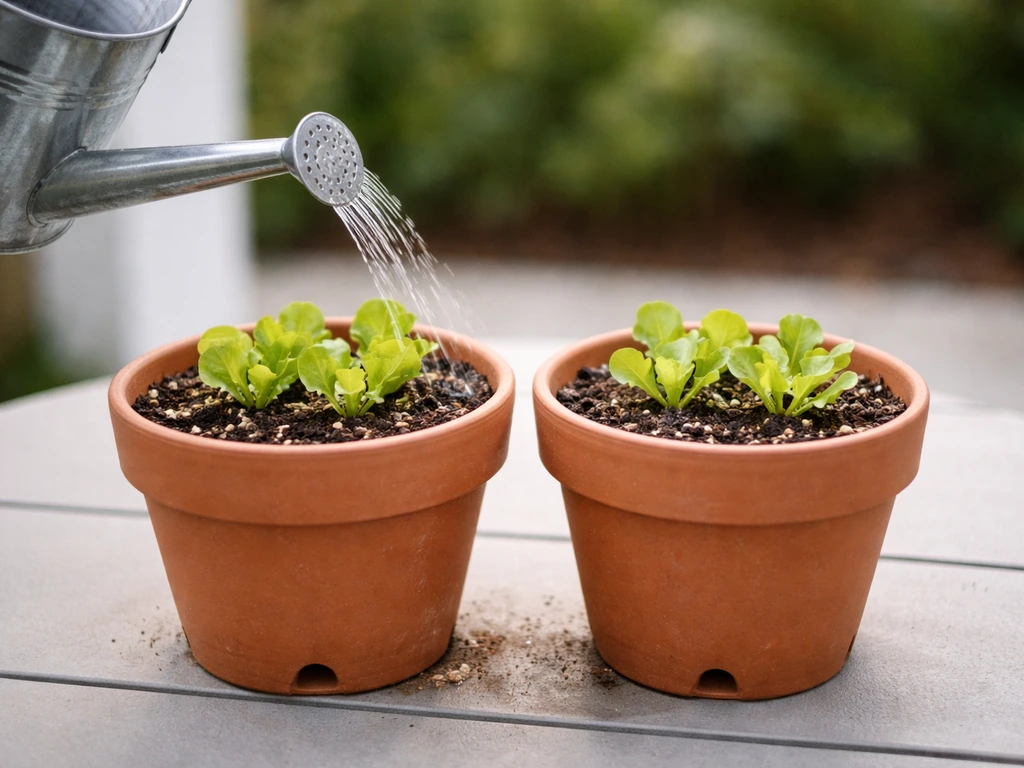
Containers work great for looseleaf and butterhead types. Use a well-draining potting mix, not garden soil, which compacts too much in pots. Containers dry out faster than garden beds, which actually helps prevent the overwatering problems that plague indoor lettuce. You want moisture without saturation. A pot that's 6–8 inches deep is enough for looseleaf varieties since lettuce has a shallow root system. Wider containers let you grow more plants in a single patch, which is more efficient than multiple small pots. This approach is similar to growing lettuce in pots outdoors, though indoors you control the temperature and light yourself. When you move from containers to garden-style soil, you can use the same looseleaf spacing rules, and the main details for raised beds are covered in how to grow lettuce in raised beds.
Growing hydroponically
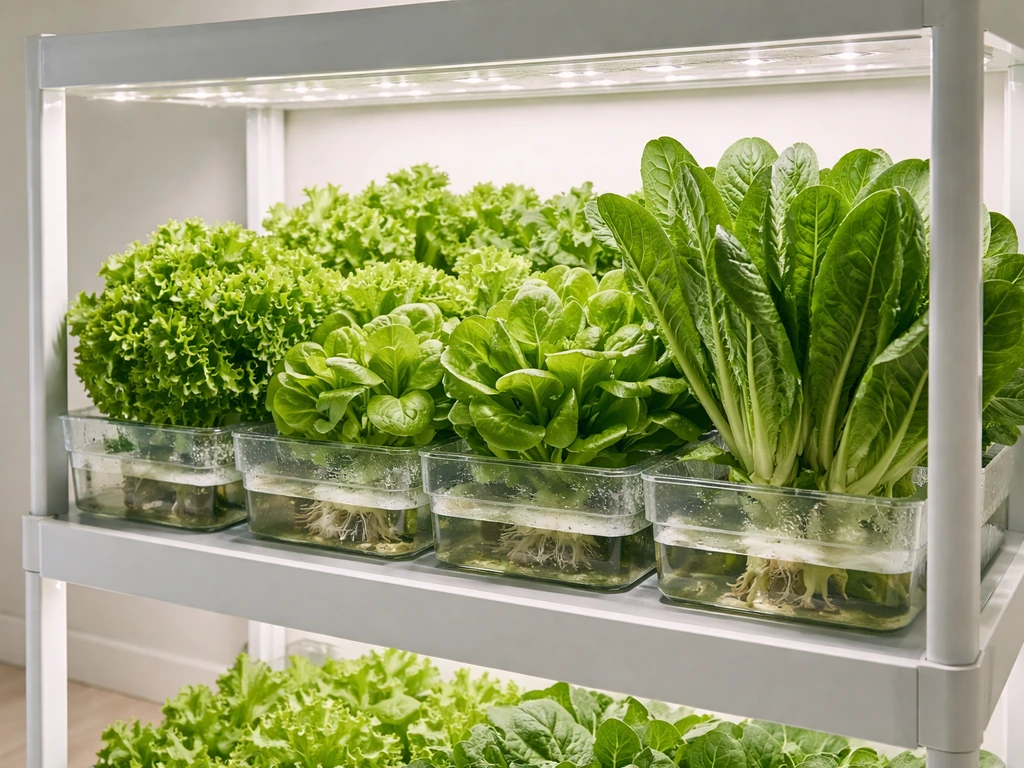
Hydroponics is genuinely the fastest and most productive way to grow lettuce indoors. Lettuce is one of the most widely grown hydroponic crops for good reason: it's light, doesn't need deep root space, and thrives in nutrient film technique (NFT) or deep water culture (DWC) systems. University of Florida IFAS Extension recommends maintaining an EC (electrical conductivity) of 1.4–1.8 mS/cm for hydroponic lettuce. Keep a close eye on that number, because too high or too low causes tip burn, stunted growth, or flavor problems. Purdue research shows hydroponic lettuce can be harvested just 25–35 days after transplanting, which is significantly faster than soil growing. Buttercrunch, Salanova, and Little Gem are especially popular for hydroponic setups. If hydroponics interests you, there's more detail specifically for that approach in a dedicated guide on the best lettuce to grow hydroponically. If you plan to grow under a greenhouse, the best variety choices will be slightly different than indoor setups, so check what works best there best lettuce to grow in greenhouse. If you want the absolute best tasting lettuce to grow in a water-based system, follow the hydroponic guide next best lettuce to grow hydroponically. If you want specifics on varieties, nutrients, and system choice, see our guide to the best lettuce to grow hydroponically.
Light, temperature, and watering requirements indoors
Light
Lettuce needs at least 12–14 hours of light per day indoors from artificial sources, or as much direct window light as you can manage. The minimum DLI of 13 mol/day is the practical floor. Below that, you get leggy, pale plants that bolt faster because they're stressed. If you're using grow lights, a full-spectrum LED rated for vegetable growing is the most energy-efficient option. Position it close enough that leaves don't stretch toward it, but not so close that tips get bleached or dried out.
Temperature
Lettuce wants temperatures between 60°F and 70°F indoors. Once temperatures climb above 80°F, lettuce quality drops fast: leaves get bitter, plants bolt, and flavor turns harsh. USU Extension notes that when soil temperatures rise above 80°F, lettuce can go dormant or fail to germinate until cooler temperatures return soil temperatures above 80°F can cause lettuce to go dormant or fail to germinate. Most indoor spaces run 68–72°F, which is right at the top of the comfortable range for lettuce. This means you want to keep your grow area away from heat vents, radiators, and west-facing windows that get afternoon heat. If you have a basement or a cooler room, that's often a better grow space than a warm kitchen.
Watering
The most common indoor lettuce mistake is overwatering. Keeping potting mix constantly saturated fills the air pockets in the soil and suffocates the roots, which causes the same wilting and yellowing symptoms as underwatering but for the opposite reason. Water when the top inch of soil feels dry, then water thoroughly until it drains from the bottom. Empty any saucer beneath the pot within 30 minutes, because standing water encourages root rot and other fungal problems. Lettuce has a shallow root system, so the top few inches of soil are what matter most. In the days leading up to harvest, water more consistently to boost leaf crispness.
Planting, spacing, and container basics
Sowing seeds indoors
Lettuce seeds are tiny. Sow them 1/4 to 1/2 inch deep in moist (not wet) potting mix. A useful density guide is about 10 seeds per foot of row if you're planting in a trough or window box. Lettuce seeds actually need light to germinate well, so don't bury them deep. Keep the surface consistently moist but not waterlogged until germination, which typically takes 5–10 days indoors. Waterlogged media blocks oxygen access and slows or stops germination entirely. Once seedlings are about an inch tall, thin to final spacing.
Spacing for containers
For baby-leaf harvesting, you can space plants as close as 2–3 inches apart and harvest before they crowd each other. For full looseleaf heads, aim for 6–8 inches between plants. Butterhead varieties need 8–10 inches. Tighter spacing is fine if you plan to harvest as baby greens and replant frequently. Good air circulation between plants matters: tight, crowded plantings in humid indoor conditions invite mold and fungal problems. Doing successive plantings every 2–3 weeks gives you a continuous supply rather than a single overwhelming flush of lettuce.
Container and hydroponic setup basics
- Use containers at least 6 inches deep for looseleaf types; 8 inches for butterhead
- Choose pots with drainage holes — no exceptions
- Use a quality potting mix, not garden soil
- For hydroponics, use net cups in a DWC or NFT system and maintain EC at 1.4–1.8 mS/cm
- Label your varieties so you know what you planted and when
- Start a new tray or pot every 2–3 weeks so harvests overlap
Harvesting techniques and repeat-cut schedules
The cut-and-come-again method is the reason looseleaf varieties are so valuable indoors. Instead of pulling the entire plant, you use clean scissors to cut outer leaves or trim the plant back to about 1 inch above the soil level. The plant regrows from the center, and you can usually get 3–5 harvests from a single planting before quality declines. Don't wait too long between cuts; harvesting before leaves get large and before the plant starts to bolt gives you the best flavor. Lettuce becomes bitter and tough if you let it go overmature, especially in warmer indoor conditions.
For baby greens, you can start harvesting looseleaf types at 3 weeks, once leaves are 3–4 inches tall. For a fuller harvest, wait until the plant is 6–8 inches across and cut the outer leaves first, leaving the inner growth intact. For butterhead types, wait until a loose head forms and harvest the whole head by cutting at the base. In hydroponic systems, plan for full harvest 25–35 days after transplanting.
- Week 3: First baby-leaf harvest from looseleaf varieties (3–4 inch leaves)
- Week 4–6: Full looseleaf harvest or second cut after initial baby-leaf harvest
- Week 6–9: Butterhead and hydroponic full-head harvest
- After each cut: Water consistently and allow 10–14 days before next harvest
- After 3–5 cuts or when quality drops: Remove plant and reseed the container
Troubleshooting common indoor lettuce problems
Leggy, stretched-out plants
If your plants are tall, thin, and flopping over, they're not getting enough light. This is the number one indoor lettuce problem. Move plants closer to a window, add a grow light, or increase the hours the grow light runs. There's no recovery for severely leggy plants, so it's often better to start fresh with better light in place.
Bitter leaves
Bitterness is almost always caused by heat stress, bolting, or delayed harvesting. If your indoor temperature is consistently above 70–72°F, move the grow area somewhere cooler, or switch to even more bolt-resistant varieties like Oak Leaf. Harvest frequently and don't let plants sit unharvested for long stretches. If a plant sends up a tall central stalk (that's bolting), pull it out because the leaves are already bitter and won't improve.
Slow or failed germination
Two causes: buried too deep or waterlogged media. Lettuce seeds need light and oxygen to germinate. If you've been keeping the surface soaking wet, let it drain and then mist lightly. If seeds were buried deeper than 1/2 inch, start a new tray. Germination should happen within 5–10 days under normal indoor conditions.
Wilting despite watering (root rot)
If your plant wilts but the soil feels wet, you've likely got root rot from overwatering or poor drainage. Soil fungi like Pythium and Rhizoctonia thrive in saturated, warm conditions indoors. Pull the plant and check the roots: brown, slimy roots confirm rot. Improve drainage, reduce watering frequency, and start fresh. There's no saving a plant with significant root rot.
Tip burn (brown leaf edges)
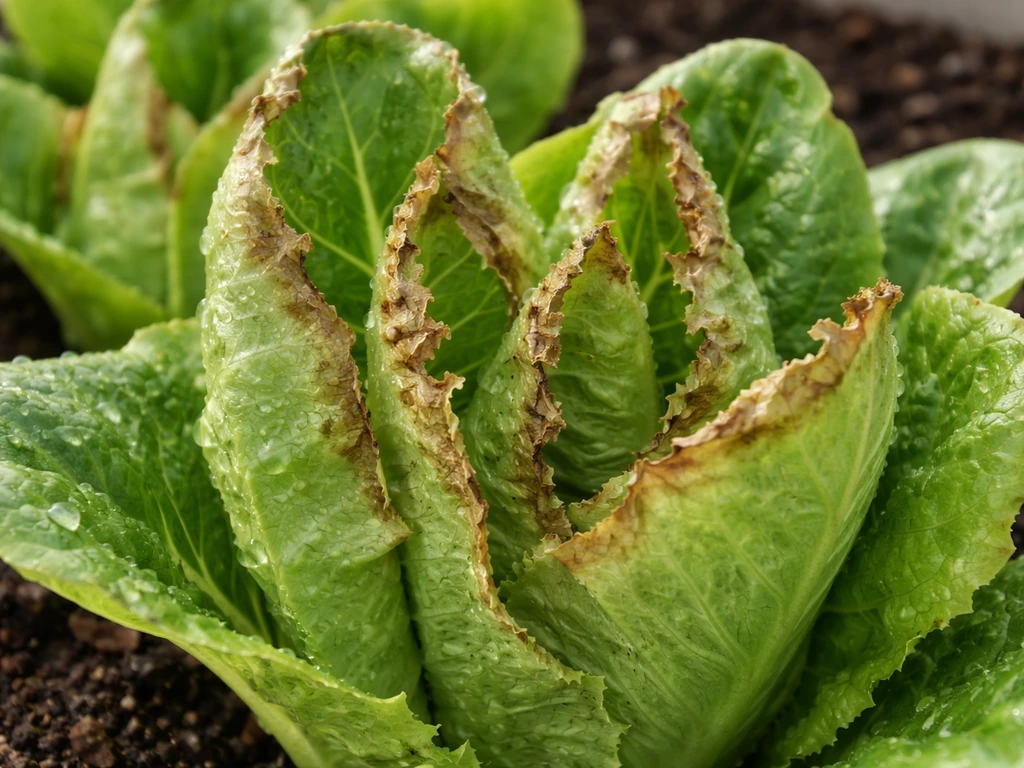
Tip burn is that brown, papery damage along the inner leaf edges. It looks like a calcium deficiency but is almost always caused by inconsistent watering or low air circulation, not actually low soil calcium. The fix is consistent moisture and better airflow around plants, not calcium spray. In hydroponic setups, it can also happen when EC is too high or when water flow is inconsistent.
Aphids and spider mites
Indoor lettuce is occasionally bothered by aphids (small, soft-bodied bugs clustered on stems and undersides of leaves) and spider mites (tiny dots on leaves, often with fine webbing, worse in hot dry conditions). For minor aphid infestations, a strong spray of water knocks them off effectively. Spider mites are more persistent: increase humidity slightly, keep temperatures down, and spray the undersides of leaves with water or an insecticidal soap labeled for food crops. Check plants weekly so you catch problems before they get out of control.
Premature bolting
If plants are bolting early (sending up a central flower stalk before you've had a proper harvest), the usual culprits are heat, too many hours of light, or a variety that wasn't suited to your conditions. Switch to slow-bolting varieties like Oak Leaf or 'Black Seeded Simpson,' keep temperatures below 70°F if possible, and make sure your grow light is on a timer so plants get a dark period. Continuous light actually stresses lettuce rather than helping it.
Indoor lettuce growing has a real learning curve, but the troubleshooting is almost always the same short list of issues: too little light, too much water, or too much heat. Get those three things right, pick a fast-growing looseleaf variety, and you'll have fresh greens on your counter in under a month. If you eventually want to expand, the same principles apply whether you move toward a more structured hydroponic setup or scale up to a larger container garden.
FAQ
What’s the best lettuce to grow indoors if I want zero replanting and multiple harvests?
Choose a cut-and-come-again looseleaf like Black Seeded Simpson or Oak Leaf, then harvest frequently (outer leaves first) and cut back to about 1 inch above the soil when growth slows. Plan on starting a second tray 2 to 3 weeks after the first so you do not run out when the original planting quality declines.
If my indoor room runs warm, is there a lettuce variety that’s more forgiving than romaine?
Yes, Oak Leaf is usually the safest step up because it holds better when temperatures creep above 70°F. If your space regularly hits the high 70s, shift to looseleaf rather than romaine or butterhead, and move the setup away from sunny windows and heat sources.
Do lettuce seeds need darkness to germinate, or can light interfere?
Lettuce seeds need light to germinate, so avoid covering them with more than about 1/4 to 1/2 inch of mix. If you’re using a window, consider shading seeds from intense midday sun that can overheat the tray surface, but still keep them illuminated enough to support germination.
How close should I keep grow lights, and how do I know if I’m placing them wrong?
Position the light so leaves stay compact and do not stretch toward it, usually around 12 to 18 inches for a typical panel, then adjust based on plant shape. If tips look bleached or dry, raise the light or reduce intensity, and if plants get tall and floppy, lower the light or extend the photoperiod.
Can I grow lettuce indoors with only a window and no grow light?
You can, but it’s the hardest option because window intensity and duration fluctuate daily. Use a fast looseleaf like Tom Thumb or Black Seeded Simpson, harvest as baby greens rather than waiting for larger leaves, and rotate pots every day or two to keep growth from leaning.
My lettuce is bitter, but my temperature is not that high. What else could be causing it?
Delayed harvesting and inconsistent watering can taste bitter even when temperatures seem acceptable. Keep the mix evenly moist (water when the top inch dries), harvest before leaves get large, and remove any plant that starts bolting because bitterness often does not improve after the stalk appears.
Why are my plants wilting even though I’m watering regularly?
If the soil feels wet, wilting usually points to overwatering and poor aeration, leading to root stress or root rot. Check drainage, empty any saucer within 30 minutes, and only water again when the top inch is dry to the touch.
What container size works best for indoor lettuce?
For looseleaf, a 6 to 8 inch deep pot is usually sufficient due to lettuce’s shallow roots. For more efficient use of space, use a wider container for multiple plants, but ensure good drainage holes and enough airflow between plants to reduce mold risk.
How do I prevent mold or fungus on indoor lettuce?
Space plants so air can circulate and avoid keeping the surface constantly wet. If you see fuzzy growth or persistent dampness, thin overcrowded seedlings, water earlier in the day so leaves and soil surface have time to dry slightly, and consider a gentle fan for consistent airflow.
What should I do if my lettuce is leggy and leaning, is it ever recoverable?
Mild legginess can improve by moving the light closer, increasing hours, or adding a grow light, but severely stretched plants rarely become compact again. For best results, adjust quickly and start a fresh tray rather than waiting for a leggy plant to catch up.
How do I water for crisp leaves without soaking the roots?
Water thoroughly until excess drains, then do not let the pot sit in runoff. In the days before harvest, keep moisture more consistent rather than heavier, since swings from wet to dry can hurt texture and increase bitterness.
Is tip burn always a calcium problem, and how should I respond?
Not usually. Indoors, tip burn commonly comes from inconsistent moisture or, in hydroponics, from EC that is too high or water flow inconsistencies. First correct watering consistency and airflow, and in hydroponics verify EC and ensure steady circulation to all plants.
How often should I check for pests like aphids or spider mites?
Do a quick inspection weekly, especially under leaf undersides and near growing tips. Early detection matters, if you catch aphids quickly you can knock them off with water, but spider mites often need repeated treatments and better humidity and temperature control.