Lettuce is one of the best crops you can grow in a raised bed. The controlled soil environment, improved drainage, and warmer early-season soil give lettuce exactly what it wants, and you can get harvests in as little as 30 days from transplant. The key is getting your soil mix right, planting at the right time, and keeping the bed consistently moist and cool enough to prevent bolting. Do those three things and you'll have more lettuce than you know what to do with.
How to Grow Lettuce in Raised Beds: Step-by-Step Guide
Marcus Holloway
12 May 2026
Why raised beds are great for lettuce
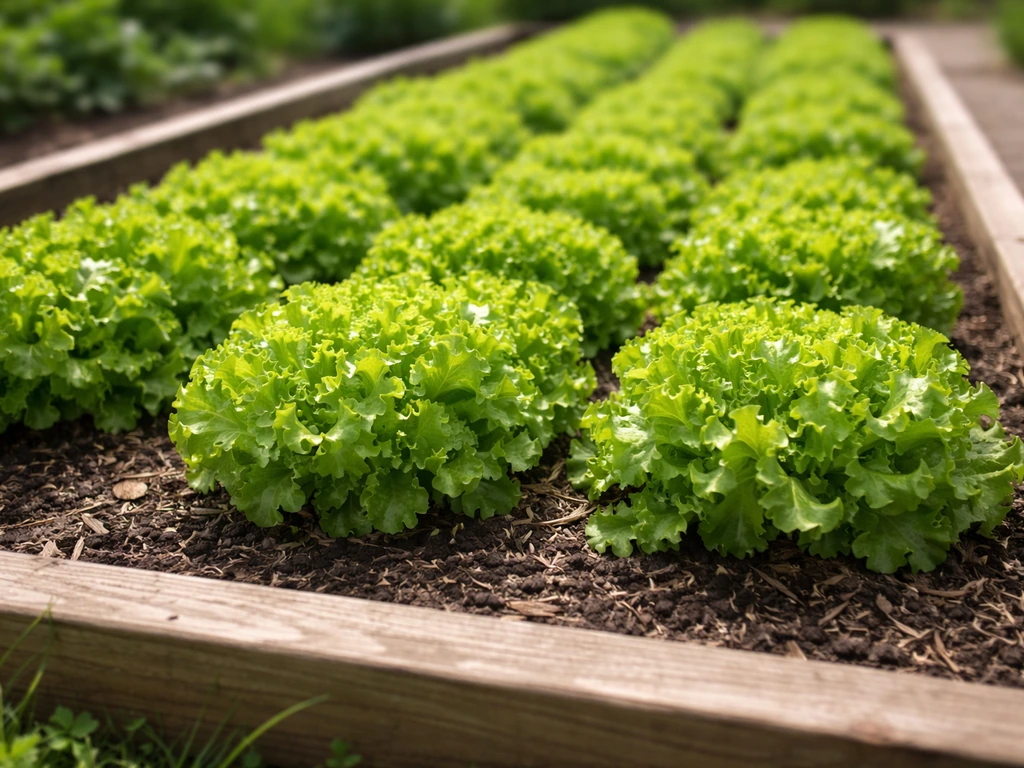
Lettuce genuinely thrives in raised beds, and it's not just hype. A raised bed lets you control soil texture, drainage, and fertility in a way that in-ground gardening rarely allows. That matters for lettuce because it's a shallow-rooted, fast-growing crop that's sensitive to compaction, poor drainage, and temperature extremes. In a raised bed, you sidestep most of those problems before your first seed even goes in.
Raised beds also warm up faster in early spring, which extends your growing season on both ends. The improved airflow around the bed reduces humidity and disease pressure. And if you're dealing with partial shade, a raised bed with a dialed-in soil mix can actually help compensate, since you're not fighting compacted or nutrient-poor native soil on top of everything else. Even in a partially shaded spot, you can grow a solid crop of lettuce in a raised bed.
Picking the right lettuce variety
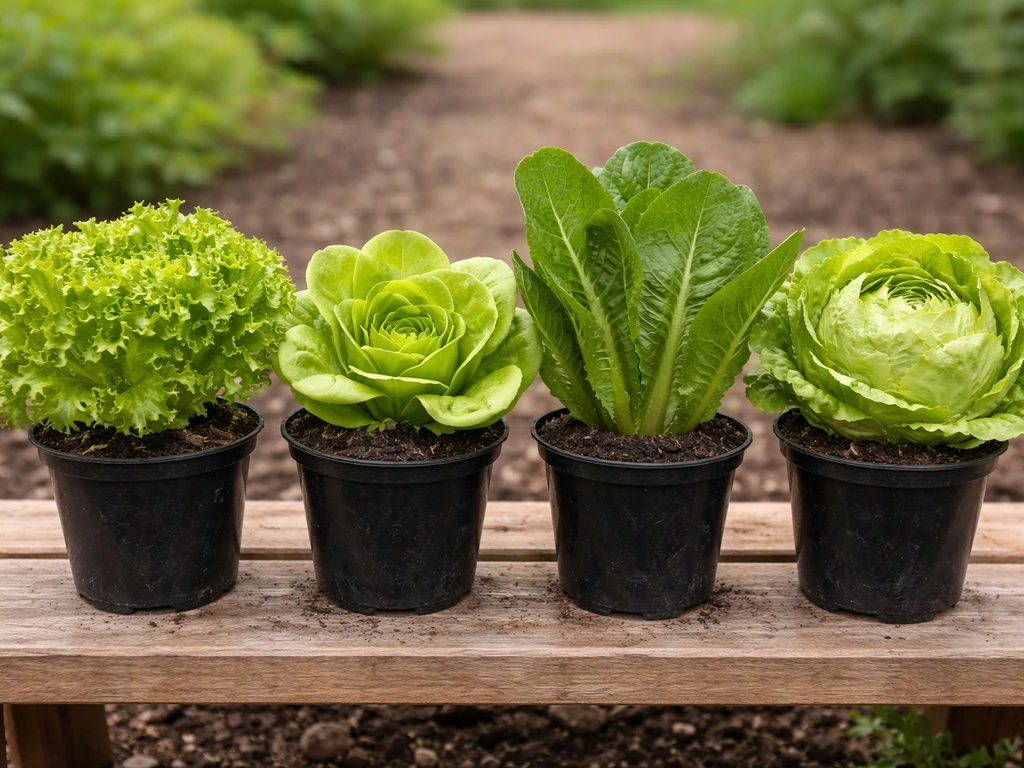
There are four main types of lettuce: leaf, butterhead, romaine (also called cos), and crisphead. All four grow well in raised beds, but they behave differently and suit different situations.
| Type | Examples | Days to Harvest | Best For | Heat Tolerance |
|---|---|---|---|---|
| Leaf lettuce | Black Seeded Simpson, Salad Bowl, Red Sails | 30–45 days | Cut-and-come-again harvests, small beds | Low to moderate |
| Butterhead | Buttercrunch, Boston, Bibb | 55–75 days | Tender heads, containers and raised beds | Moderate |
| Romaine (Cos) | Parris Island, Little Gem, Rouge d'Hiver | 70–85 days | Upright growth, Caesar salads, compact spacing | Moderate to good |
| Crisphead | Iceberg, Great Lakes | 75–90 days | Classic heads, needs more space and cool temps | Low |
For most home gardeners, leaf lettuce and butterhead are the easiest entry points. They mature fast, tolerate cut-and-come-again harvesting, and forgive minor temperature swings better than crisphead. Romaine is worth growing if you want a slightly larger plant with more structure. Varieties like Parris Island Cos and Little Gem are well-suited to raised beds because they grow upright, stay compact, and handle a bit more heat than crisphead. If you're interested in growing lettuce in other settings too, the best variety choices shift depending on whether you're working with pots, a greenhouse, or an indoor setup, where light and temperature behave differently. If you plan to grow lettuce in pots, focus on compact varieties and consistent moisture so it stays crisp and avoids bolting. If you want the best results indoors, choosing the best lettuce to grow in a greenhouse helps you match varieties to the light and temperature you can control. Hydroponic lettuce can also be grown quickly, and choosing the right variety and setup will help you get crisp heads without bolting growing lettuce in other settings too. If you want to grow lettuce indoors, the best choices change again based on the light you can provide and the temperatures in your home growing lettuce in other settings too.
Heat-tolerant varieties for late spring
If you're planting in late spring and expect temperatures to climb, look for varieties labeled heat-tolerant or slow-to-bolt. These won't be immune to bolting, but they'll buy you a few extra weeks before the plant gives up and goes to seed. Some reliable heat-tolerant options include Jericho (romaine), Nevada (leaf), and Buttercrunch (butterhead). That extra lead time can make a real difference in a raised bed, which tends to run a bit warmer than in-ground soil.
Setting up your raised bed for lettuce
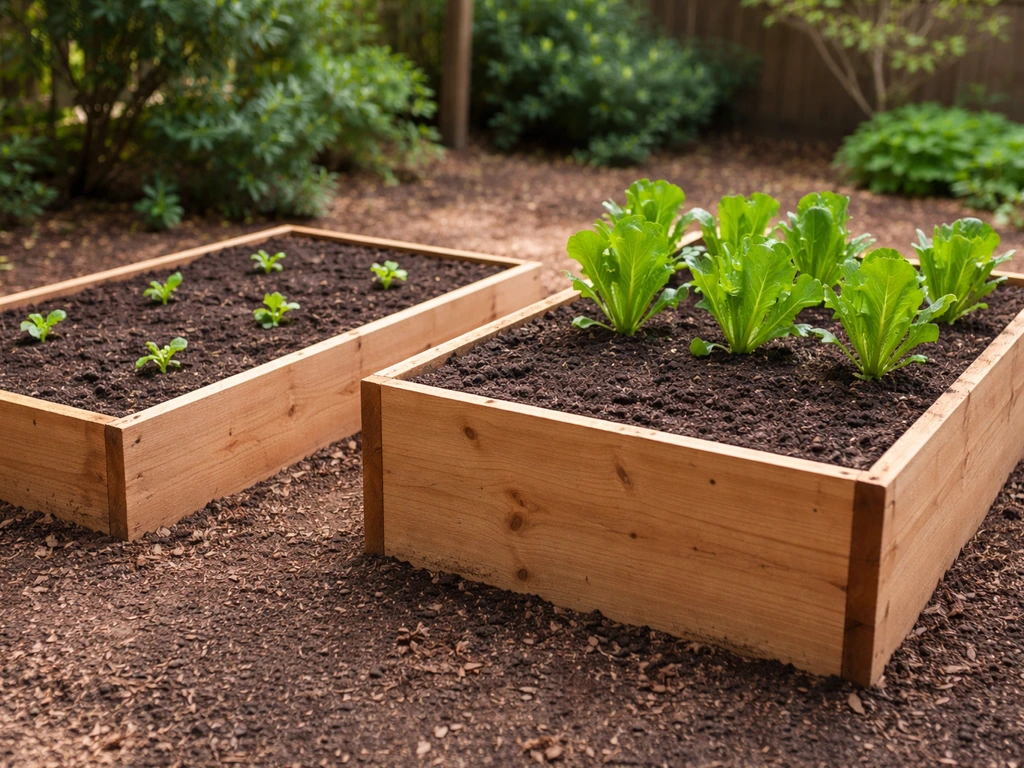
Bed depth and materials
For lettuce, you don't need a deep bed. Lettuce roots are shallow, so 6 inches of quality soil is enough for leaf types. For romaine or head lettuce, aim for 8 to 12 inches. That said, deeper beds (10 to 12 inches) give you more insulation against temperature swings, which helps with lettuce quality overall. Standard raised bed heights of 6 to 12 inches work perfectly.
For materials, untreated cedar and redwood are popular because they naturally resist rot. If you're using lumber that might be treated, check that it's rated safe for vegetable gardens. Bricks, galvanized steel beds, and concrete blocks are all fine too. One practical addition: if you're in an area with burrowing rodents like voles or gophers, line the bottom of your raised bed with 1/4-inch hardware cloth before filling it. It's much easier to do this during construction than after.
The right soil mix
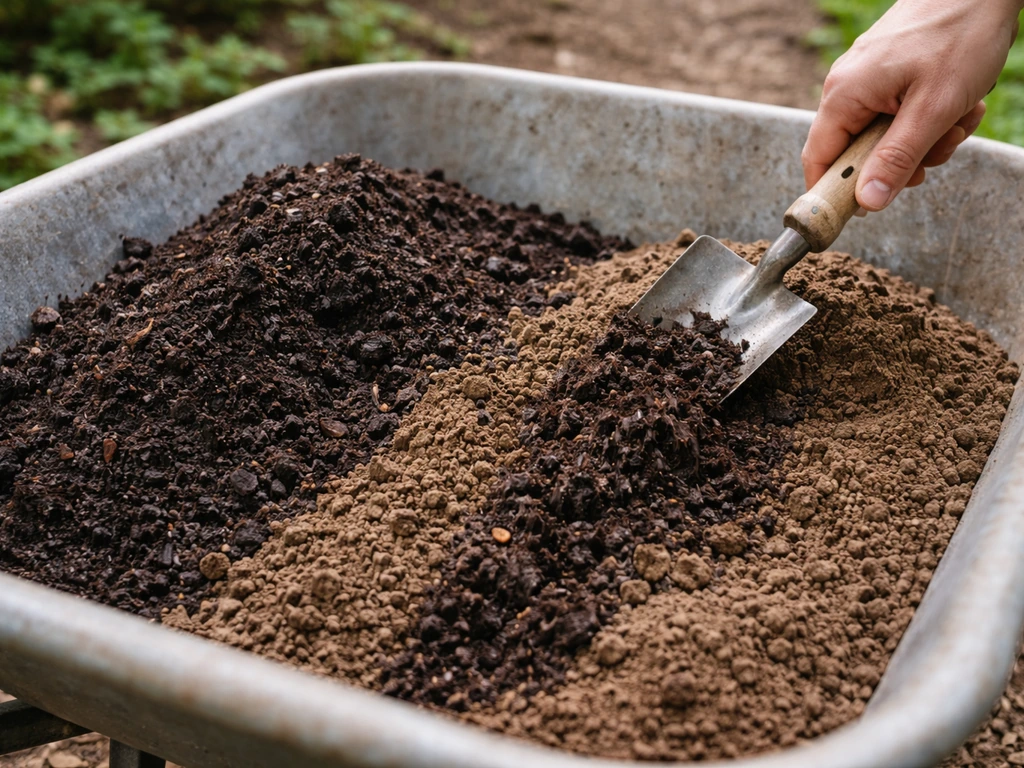
The best soil mix for a lettuce raised bed is roughly 70% quality topsoil to 30% compost. That ratio, recommended by Penn State Extension, gives you the drainage lettuce needs while keeping enough organic matter to hold moisture and feed the plants. You can also blend in perlite or coarse sand if your topsoil is heavy and tends to compact. Aim for a soil pH between 6.0 and 6.5, which is the sweet spot for lettuce nutrient uptake. A cheap pH meter or soil test kit will confirm where you stand before you plant.
One thing to watch with deeper raised beds: the more soil volume you have, the more important drainage becomes. A deep raised bed is essentially a large container, and if water can't escape the bottom, it will pool in the root zone and rot your plants. Make sure the bed has no solid base, or if it does, include drainage holes. Raised beds built directly on native soil drain naturally as roots grow down through the bottom, which is ideal.
Soil amendments before planting
Before your first season, work a balanced amendment into your soil. A soil test will tell you exactly what your phosphorus and potassium levels need, so it's worth doing rather than guessing. For nitrogen, lettuce is a moderate feeder but be careful: too much nitrogen pushes leafy growth fast but can also contribute to bitterness, especially if temperatures rise at the same time. Starting with compost-amended soil usually provides enough fertility for the first few months, which gives you a gentler baseline to work from.
How and when to plant lettuce in a raised bed
Timing your planting
Lettuce is a cool-season crop. Its sweet spot is an average daily temperature of 60 to 70°F. Start seeds or set out transplants 2 to 3 weeks before your last expected frost date. Soil temperature should be at least 40°F for seeds to germinate. Above 80°F, lettuce seeds go dormant and won't germinate at all, so if you're sowing into a warm bed in late spring, cool the soil first by watering with cool water or waiting for a cloudy stretch of weather.
For most of the US, this means a spring planting window from late February through April (depending on your zone), and a fall window starting in August or September. In my experience, the fall crop often outperforms the spring one because you're heading into cooler temps rather than racing against summer heat.
Seeds vs. transplants
Both work well in raised beds. Transplants give you a 2 to 4 week head start and are more forgiving if you hit a cold snap right after planting. Seeds are cheaper and let you sow densely for cut-and-come-again harvests. For romaine and head lettuce where you want full-sized plants, starting with transplants makes more sense. For leaf lettuce that you'll harvest young, direct sowing is perfectly fine and actually preferable for staggered plantings.
How deep and how far apart
Sow seeds 1/8 to 1/4 inch deep and cover them lightly. Lettuce seeds need some light to germinate, so don't bury them. After germination, thin or space plants based on the type you're growing.
| Lettuce Type | In-Row Spacing | Between Rows |
|---|---|---|
| Leaf, butterhead, romaine | 4–10 inches | 12–24 inches |
| Crisphead (Iceberg type) | 12–15 inches | 20–30 inches |
| Romaine (direct sow, then thin) | Start at 2 inches, thin to 8 inches | 12–18 inches |
In a raised bed you can push the lower end of those spacing numbers because your soil quality is higher than typical in-ground conditions. Dense planting also shades the soil, which helps keep the root zone cool, which in turn delays bolting. That's a nice bonus unique to intensive raised-bed planting.
Step-by-step sowing guide
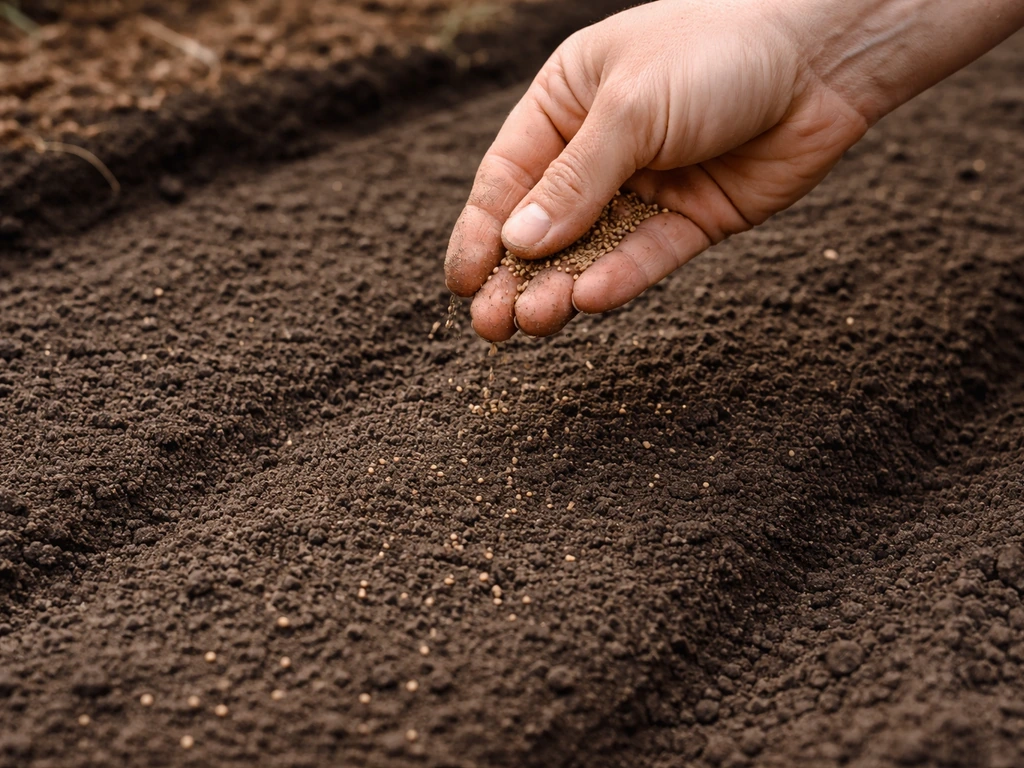
- Check soil temperature with a thermometer. You want at least 40°F at 2-inch depth before sowing seeds.
- Rake the bed surface smooth and break up any clumps larger than a marble.
- Make shallow furrows 1/8 to 1/4 inch deep using your finger or a stick.
- Space seeds about 1 inch apart in the furrow, then cover lightly with fine soil or vermiculite.
- Water gently with a fine rose watering head or misting nozzle. Don't blast seeds out of place.
- Keep the surface consistently moist until germination, which typically takes 7 to 14 days depending on temperature.
- Once seedlings are 2 inches tall, thin to final spacing (4 to 10 inches for leaf and romaine, 12 to 15 inches for crisphead). Don't pull thinnings out—snip them at soil level to avoid disturbing neighbors. You can eat the thinnings.
Light, temperature, and watering: keeping lettuce happy
How much light lettuce needs
Lettuce prefers 6 hours of direct sun for best growth, but it tolerates partial shade better than most vegetables. Choosing the right lettuce variety is also a big part of getting the best tasting lettuce to grow, especially when temperatures start to rise. In fact, in late spring and summer, afternoon shade actively helps by keeping soil and air temperatures lower around the plants. If your raised bed gets full morning sun and afternoon shade, that's close to ideal for extending your harvest window into warmer months. If you're in a spot with limited sun all day, leaf lettuce is your best bet since it performs better in lower light than romaine or crisphead.
Temperature: the most important factor
Keep average daily temperatures between 60 and 70°F and your lettuce will be happy. Once temperatures consistently push above 75 to 80°F, you're on borrowed time. Rising temperatures and lengthening days trigger bolting, where the plant sends up a flower stalk and shifts its energy from leaf production to seed production. Bolted lettuce tastes bitter and goes downhill fast. Big temperature swings, even if the average is okay, also stress plants and speed up bitterness.
To manage temperature in a raised bed: orient rows so plants get shade from taller crops or a trellis in the afternoon. You can also use shade cloth rated at 30 to 40% in late spring. A raised bed on the north side of a fence or wall gets natural afternoon shade, which is worth planning for if you can.
Watering rules that prevent bitter, bolted lettuce
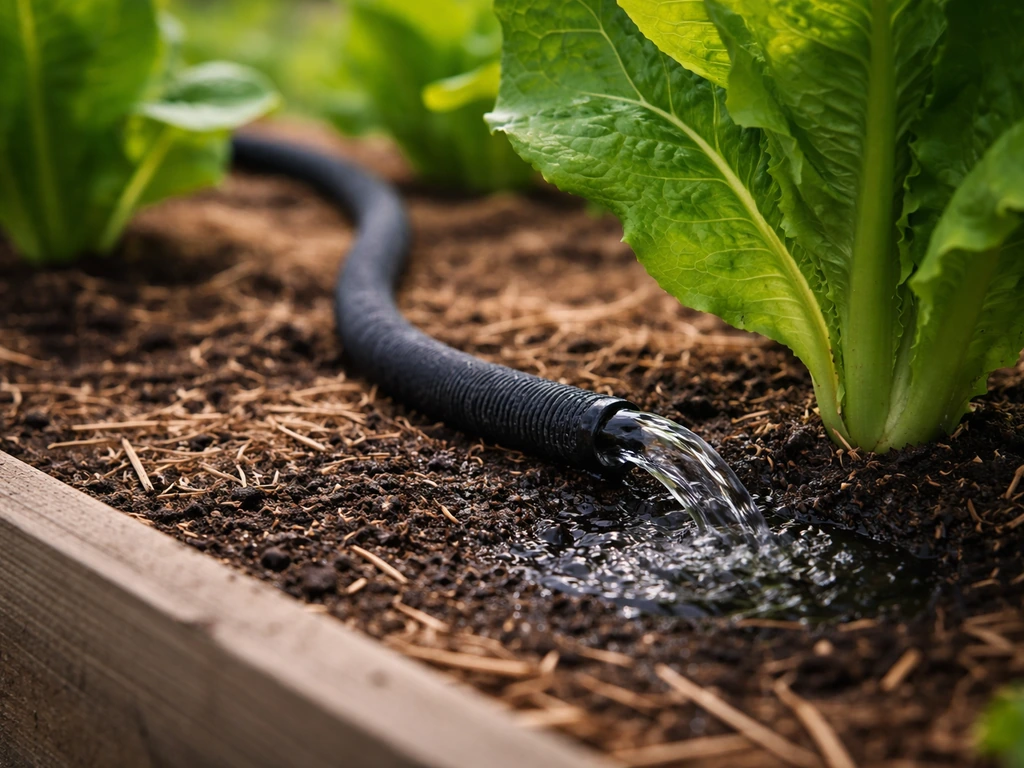
Consistent watering is non-negotiable with lettuce. Aim for about 1 inch of water per week, but that number changes based on temperature, wind, and how fast your raised bed drains. The real rule is to keep soil moisture consistent, not to hit a specific number. Lettuce roots are shallow, so let the top inch or two dry out slightly between waterings, but never let it get bone dry. Large swings between wet and dry stress the plant and push it toward bolting and bitterness just as much as heat does.
Water at the base of plants rather than overhead when possible, especially in humid climates, to reduce disease risk. Morning watering is better than evening because foliage has time to dry before nightfall. If you're using drip irrigation or soaker hoses in your raised bed, that's the gold standard for lettuce because it keeps moisture consistent without wetting the leaves at all.
Ongoing care, pest management, and harvesting
Thinning and fertilizing
Thin seedlings early and don't skip this step. Overcrowded plants compete for water and nutrients, grow slower, and are more vulnerable to disease because airflow is restricted. Snip at soil level rather than pulling to avoid disturbing roots of neighboring plants.
For fertilizing, if you started with a well-amended mix (70% soil, 30% compost), you may not need to add anything for the first 6 to 8 weeks. For successive plantings or if leaves look pale and yellow, side-dress with a balanced fertilizer or liquid fish emulsion. Go easy on nitrogen. It boosts leafy growth but in combination with heat, it also increases bitterness. Feed lightly and consistently rather than with one heavy dose.
Common pests and diseases to watch for
The two most common problems you'll run into are aphids and downy mildew, followed by cutworms if you're starting early in the season.
- Aphids: Look for clusters of small soft-bodied insects on the undersides of leaves or in the heart of the plant. Knock them off with a strong spray of water, or use insecticidal soap if the infestation is heavy. Check plants every few days in spring because populations can double quickly.
- Downy mildew: Shows up as pale yellow patches on upper leaf surfaces with a grayish fuzzy coating underneath. It's most common in cool, humid conditions. Improve airflow by not planting too densely, water in the morning, and choose resistant varieties. Once established, it's hard to manage, so prevention is the strategy.
- Cutworms: These soil-dwelling larvae cut seedlings off at the base overnight. If you're finding toppled seedlings, cutworms are likely the culprit. Place cardboard or plastic collars around transplant stems at soil level. Tilling soil in the bed before planting exposes larvae to birds and drying.
- Tip burn: Not a pest but a common calcium-deficiency symptom in raised beds, showing up as brown edges on inner leaves. It's usually caused by inconsistent watering rather than a lack of calcium in the soil. Keep moisture consistent and it typically resolves.
How and when to harvest
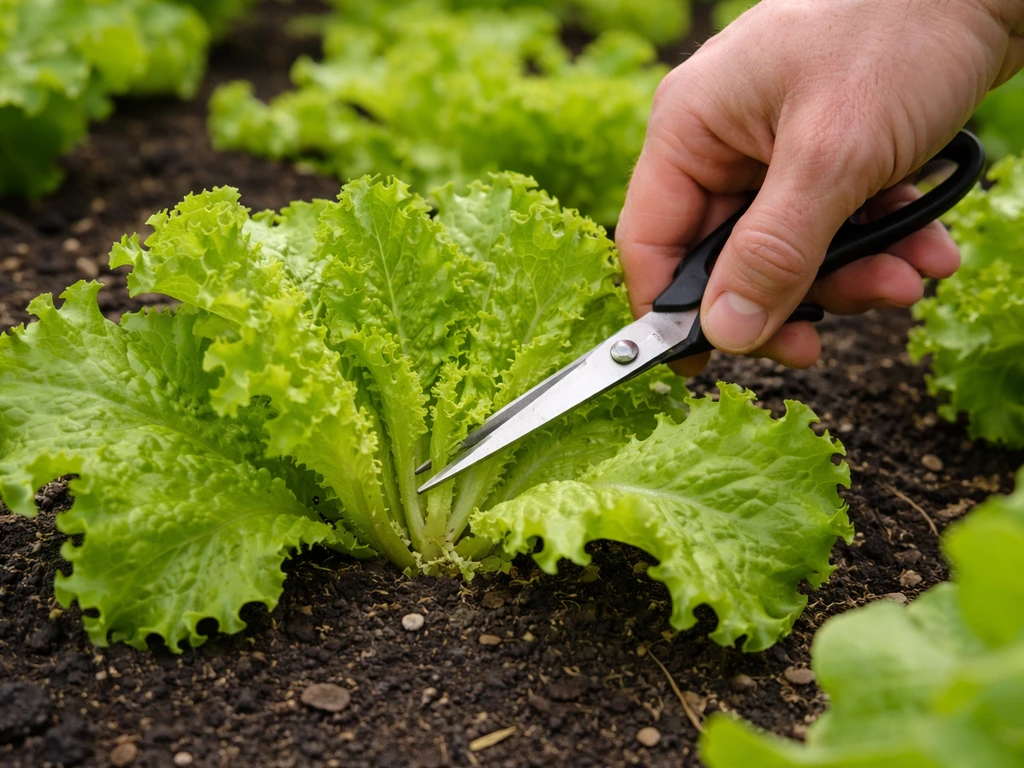
For leaf lettuce, start harvesting outer leaves once plants are 6 to 8 inches tall. Use clean, sharp scissors and cut leaves to about 1 inch above the crown. The plant will regrow and you can usually get 3 to 4 cuts from a single plant before it bolts or quality declines. For romaine and butterhead, wait until the head feels firm and full, typically at 6 to 10 inches tall, then cut the whole plant at soil level with a sharp knife. Harvesting in the morning, when leaves are fully hydrated from the cool night, gives you the crispest result.
Successive planting for a continuous harvest
If you want lettuce on the table consistently rather than in one overwhelming flush, succession planting is the answer. Sow a new small batch every 2 weeks throughout your cool-season window. In a raised bed this is easy to manage because you can direct-sow into a small section of the bed while another section is still producing. As one planting starts to bolt, the next one is just hitting its stride. In spring, start your succession sequence 4 to 6 weeks before your last frost and keep going until daytime temperatures consistently exceed 75°F. Pick up again in late summer for a fall succession that runs until your first hard frost.
One practical tip: keep a short record of what you planted and when. It sounds like overkill but after your first season you'll quickly lose track of which section was planted on which date, especially once you're running multiple varieties. Even a sticky note on a garden stake works.
FAQ
Should I start lettuce seeds directly in the raised bed or transplant them?
It depends on your goal and timing. Direct-sowing works well for leaf lettuce and for staggered cut-and-come-again harvests, but transplanting gives you a faster, more reliable crop when a cold snap follows planting (especially for romaine and butterhead). If your raised bed soil tends to warm quickly in spring, consider starting seeds indoors or under a cold frame for the first wave, then move transplants out once the bed is consistently cool.
How can I prevent lettuce from bolting if my summers run hot?
Use multiple tactics together: choose slow-to-bolt or heat-tolerant varieties, plant in the fall window, and add afternoon shade (orientation plus shade cloth if needed). Also avoid nitrogen-heavy feeding, since lush growth under rising temperatures can go bitter faster. If daytime temperatures spike, pick outer leaves sooner and harvest quickly, rather than waiting for perfect full heads that may bolt.
Why are my lettuce plants bitter even though I’m keeping them watered?
Bitterness often comes from temperature stress and uneven moisture, not just total watering amount. If you let the soil swing between wet and slightly dry, lettuce can store up unpleasant compounds. Check also for late heat exposure after thinning, and confirm spacing is correct for airflow. If you fertilized with a higher-nitrogen product, scale it back and rely more on compost-based fertility for the next round.
How do I know if my raised bed has enough drainage for lettuce?
Do a simple water test before planting. Soak the bed with a thorough watering, then observe how long the surface stays muddy or waterlogged and whether water pools in low spots. If puddling lasts more than about a few hours after watering, lettuce roots can sit too wet, increasing rot and disease risk. In that case, improve drainage by adding compost and coarse amendments, ensuring the bed is not sealed at the bottom, or adding drainage holes if it sits on a solid base.
What spacing should I use in a raised bed for best flavor and reduced disease?
Avoid over-tight planting even if lettuce tolerates density. Crowding limits airflow and increases mildew risk, and it also increases competition for water, which can speed bolting and bitterness. Use the spacing guidance for the lettuce type you’re growing, then slightly under-plant rather than over-plant if your bed stays humid or you’re in a damp climate.
Do I need to line the bottom of the raised bed for rodents like gophers or voles?
If rodents are an issue where you live, lining is one of the best preventions, and doing it during construction is far easier than fixing it later. Use hardware cloth around the bottom before filling, and also consider extending it up the sides slightly if animals are active nearby. If you skip lining and you later have plants disappearing, you may lose not only crops but also the effort of rebuilding the bed.
Can I grow lettuce successfully if my raised bed gets less than 6 hours of sun?
Yes, but choose varieties and adjust expectations. Leaf lettuce generally tolerates lower light better than romaine or crisphead, and it can still produce if you manage moisture and avoid letting it get too hot. For low-sun sites, prioritize morning sun and use succession planting, because slower growth can still be productive if you harvest leaves more frequently rather than waiting for full heads.
What’s the best way to water lettuce in raised beds with drip or soaker hoses?
Aim for even moisture rather than chasing a weekly inch target. Drip and soaker hoses help by keeping water at the root zone, reducing leaf wetness. Make sure emitters run long enough to wet the shallow root area consistently, especially after thinning, and check for dry edges near the corners of the bed where hoses may under-deliver.
Should I use fertilizer right away in a new raised bed?
Usually you should wait a bit if your soil mix is already compost-rich. If you built the bed with a quality topsoil to compost blend, many gardeners can skip feeding for the first several weeks. Start side-dressing only if leaves look pale or if you are doing frequent succession plantings. When you do fertilize, keep nitrogen modest to reduce bitterness risk when temperatures rise.
How deep should I fill my raised bed for different lettuce types?
Use shallow beds for leaf lettuce, deeper beds for romaine and head lettuce. Around 6 inches is typically enough for leaf types because roots stay shallow, while 8 to 12 inches supports romaine and head development. If you live where temperatures swing hard, going closer to the deeper end (around 10 to 12 inches) can help stabilize root-zone temperature.
What spacing and thinning technique prevents damage to nearby seedlings?
Thin early and cut plants at the soil line with clean scissors, rather than pulling. Pulling can disturb the roots of neighboring seedlings, which can lead to uneven growth and additional stress that makes bolting more likely. If you thin multiple times, do it gradually and keep the soil evenly moist during the process.
How do I harvest lettuce so it keeps producing instead of declining early?
For leaf lettuce, harvesting outer leaves with clean snips encourages regrowth, and you can usually get multiple cuts before quality drops. For romaine and butterhead, wait until the plant feels full and firm, then cut at soil level. Harvesting in the morning, when plants are fully hydrated, usually improves crispness and reduces wilting during handling.
What should I do if aphids or downy mildew show up in my raised bed?
Start with targeted prevention: improve airflow with correct spacing, water at the base in the morning, and avoid leaf wetness. For aphids, check plants frequently and remove heavily infested areas early rather than letting populations explode. If downy mildew appears, remove and dispose of affected leaves promptly and avoid overhead watering, because spore movement is easier when foliage stays wet.