The best lettuce varieties to grow in a greenhouse are butterhead types like Buttercrunch, loose-leaf varieties like Oak Leaf and Black Seeded Simpson, and bolt-tolerant romaine options like Meridian. These outperform crispheads in a greenhouse because they mature faster, handle temperature swings better, and give you cut-and-come-again harvests. If you want one place to start, plant Buttercrunch and a loose-leaf mix side by side: you'll have tender leaves in about 45 days and full butterheads by 60 to 70 days, all without the crisphead drama of bolting before you can harvest. If you want the same cut-and-come-again idea but in containers, see the best lettuce to grow in a pot for the simplest variety choices.
Best Lettuce to Grow in a Greenhouse: Varieties and Plan
Marcus Holloway
2 Jun 2026
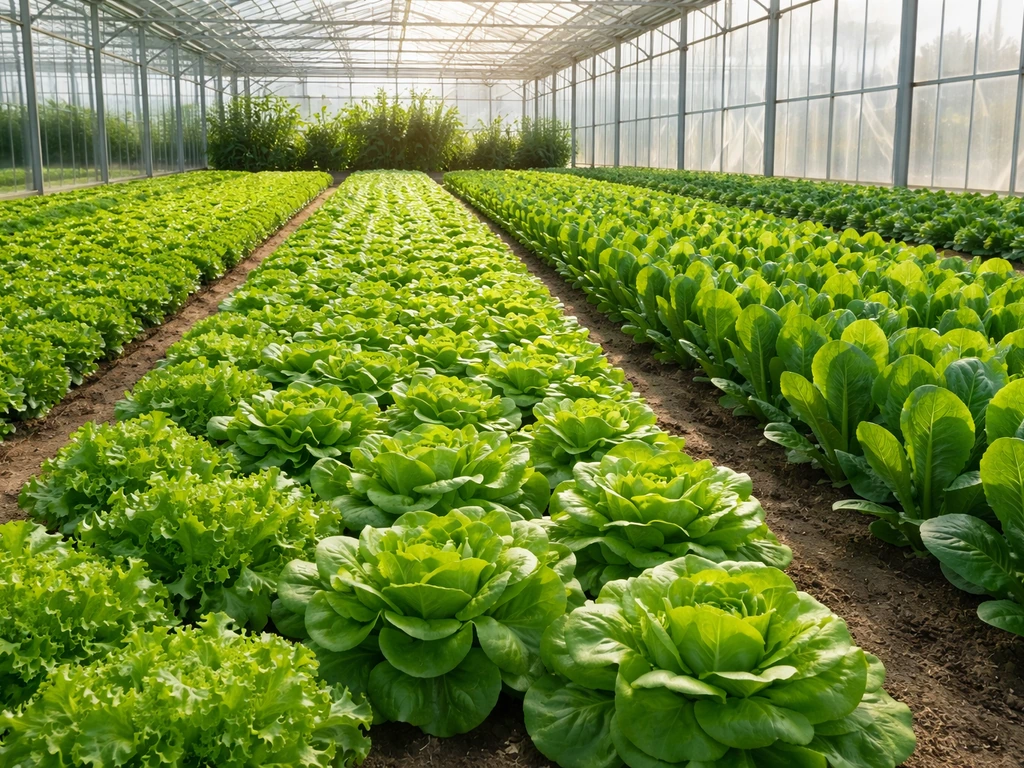
Best greenhouse lettuce varieties by taste and growth habit
Greenhouse conditions reward varieties that are compact, fast to mature, and forgiving of mild temperature swings. There are five main lettuce types, and they don't all behave the same way under glass.
Loose-leaf: the easiest win in any greenhouse
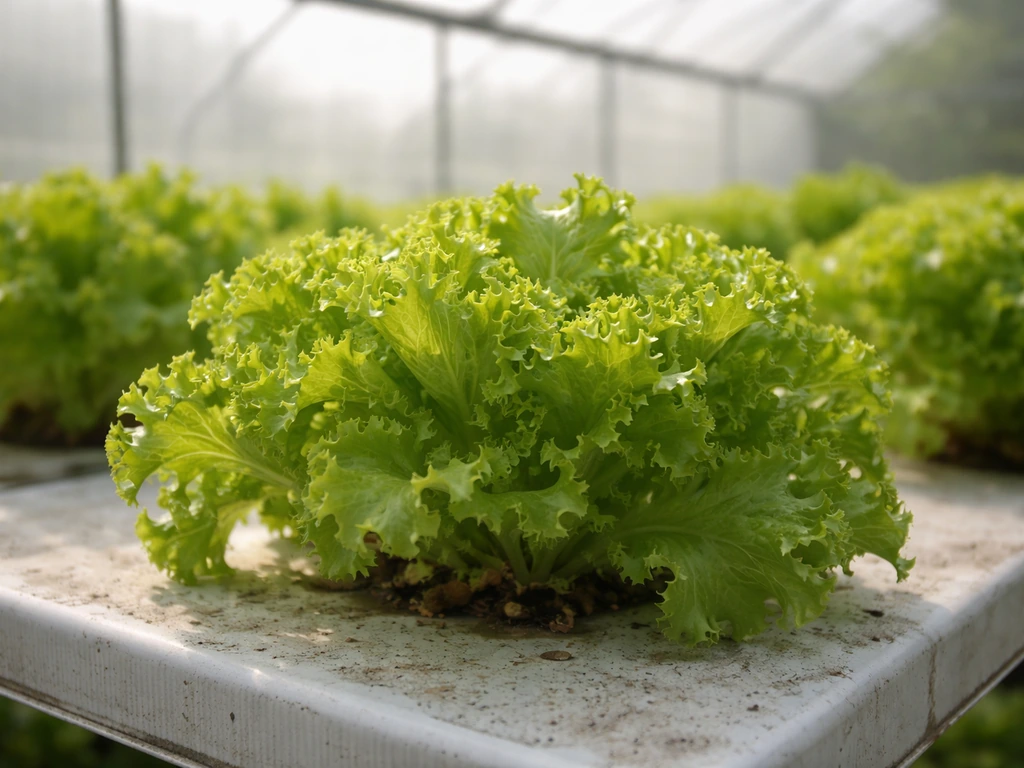
Loose-leaf lettuce is my top recommendation for beginners. If you're wondering which types are the most reliable for indoor growing, butterhead, loose-leaf, and bolt-tolerant romaine varieties are usually the best starting point best lettuce to grow indoors. Varieties like Black Seeded Simpson, Oak Leaf, and Salad Bowl are fast, forgiving, and perfect for cut-and-come-again harvests. You can start picking outer leaves in as little as 30 to 40 days. Oak-leaf types, in particular, are noted by extension researchers for their natural resistance to bolting, which makes them excellent when greenhouse temps creep up unexpectedly in spring. These are also your best bet if you're growing in pots or small containers where space is limited.
Butterhead: the sweet spot for greenhouse quality
Butterhead lettuces are genuinely the gold standard for flavor in a greenhouse. Buttercrunch is the classic choice: it's crisp, tender, sweet, and notably slow to bolt, which gives you a wider harvest window before the plant gives up on you. Expect heads in about 60 to 70 days from seeding. Tom Thumb is another compact butterhead that works especially well in containers. The soft, almost silky leaves are hard to get at a grocery store, so this is where home greenhouse growing really pays off.
Romaine/cos: good structure and bolt tolerance when chosen right
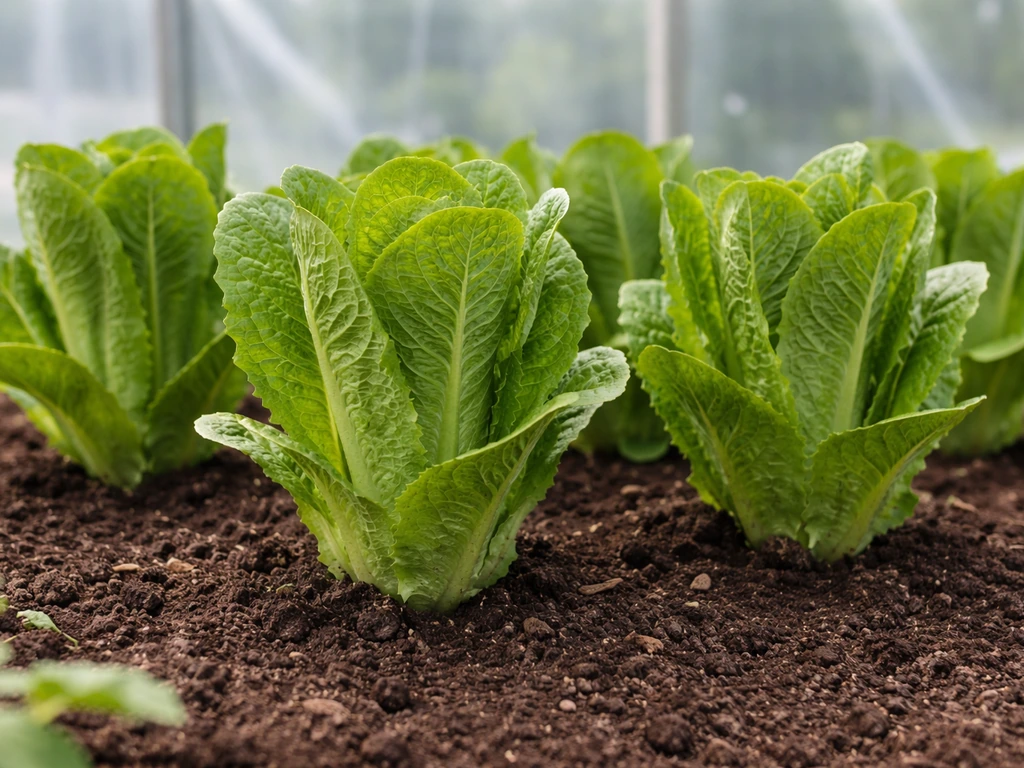
Romaine grows upright and handles slightly warmer conditions better than crisphead. Meridian is a solid greenhouse variety at around 69 days to maturity from direct seed, and it's specifically bred for bolt tolerance. Little Gem is a compact romaine that fits tighter spacings and is well-suited to raised bed sections in a greenhouse. Romaine also holds up better than butterhead after harvest, so if you're cutting heads and not using them immediately, romaine is practical.
Crisphead: high reward, higher difficulty
Crisphead (iceberg-type) lettuce is the trickiest to grow well in a greenhouse. It needs tighter temperature control, takes longer (Glendana, for example, is 78 days from direct seed), and bolts quickly if daytime heat climbs. If you want the crunch, choose a variety like Glendana that has specific heat, cold, and tip-burn tolerance ratings built in. That said, if you're new to greenhouse growing, I'd honestly suggest mastering butterhead and loose-leaf first, then coming back to crisphead once you've got your environment dialed in.
| Type | Top Varieties | Days to Harvest | Best For | Bolt Risk in Greenhouse |
|---|---|---|---|---|
| Loose-leaf | Black Seeded Simpson, Oak Leaf, Salad Bowl | 30–45 days | Cut-and-come-again, beginners, pots | Low |
| Butterhead | Buttercrunch, Tom Thumb | 60–70 days | Flavor, containers, raised beds | Low to medium |
| Romaine/Cos | Meridian, Little Gem | 60–70 days | Structure, bolt tolerance, longer storage | Medium |
| Crisphead | Glendana | 75–80 days | Crunch, experienced growers | High without temp control |
Temperature and seasonal timing for greenhouse lettuce
Lettuce is a cool-season crop, and your greenhouse gives you the power to extend the season in both directions. The target for a well-managed greenhouse is around 72°F (22°C) during the day and 64°F (18°C) at night. For head lettuces specifically, some growers push day temperatures down to 60 to 70°F and nights to 45 to 55°F to get the firmest, most flavorful heads and avoid rot and bolting. The closer you can stay to this range, the better your results.
When temperatures consistently exceed 75 to 80°F, lettuce gets stressed. It bolts (sends up a flower stalk), leaves turn bitter, and tip burn kicks in. High temperatures also accelerate premature bolting in varieties that aren't bred for heat tolerance. This is the greenhouse grower's main challenge in late spring and early summer. The fix is variety selection (bolt-tolerant types), shade cloth at 30 to 40%, and active ventilation on hot days.
For seasonal timing, greenhouse lettuce fits into three main windows. In late winter and early spring (February through April), you're using the greenhouse to start lettuce 6 to 8 weeks earlier than outdoor sowing is possible. In fall (August through October), you're extending the season as outdoor temperatures drop. And in winter (November through January), an insulated or heated greenhouse lets you grow nearly year-round, though you'll need supplemental lighting if natural daylight drops below 10 hours. That's the sweet spot where a greenhouse pays for itself in fresh salads.
Light, ventilation, and humidity targets in a greenhouse
Light: enough but not too much
Lettuce needs good light, but it's actually one of the lower-light vegetables in your greenhouse. Research on controlled-environment lettuce production suggests keeping daily light integral (DLI) to around 17 mol m-2 d-1 after the canopy fills in. Push much beyond that, especially with intense summer sun, and tip burn risk climbs noticeably. On overcast winter days you may need supplemental LED grow lights to hit even 10 to 12 hours of usable light. A simple timer and a basic LED panel hung about 12 inches above the plants is all you need for a small greenhouse bench.
Ventilation: the most underrated tool you have
Good airflow does three things at once in a greenhouse: it keeps temperatures from spiking, reduces humidity at the leaf surface, and physically helps prevent the tip burn that's caused by poor transpiration in stagnant air. A small oscillating fan running at low speed 18 to 24 hours a day makes a significant difference. Open ridge vents or side vents on warm days to cross-ventilate. If you're growing in summer, don't underestimate how fast a closed greenhouse can hit 100°F on a sunny afternoon, even in June.
Humidity: keep it high but not stagnant
Lettuce likes humid conditions, but the greenhouse can trap too much moisture if you're not careful. Keep relative humidity below 93% to significantly reduce powdery mildew risk. High humidity encourages a whole suite of foliar diseases including Botrytis blight, downy mildew, and Rhizoctonia web blight. The practical target is 60 to 80% RH during the day and no higher than 85% at night. Water in the morning so leaves dry before evening, space plants generously, and run that fan. Those three habits alone prevent most fungal issues.
Soil vs containers vs hydroponics: what works best for lettuce
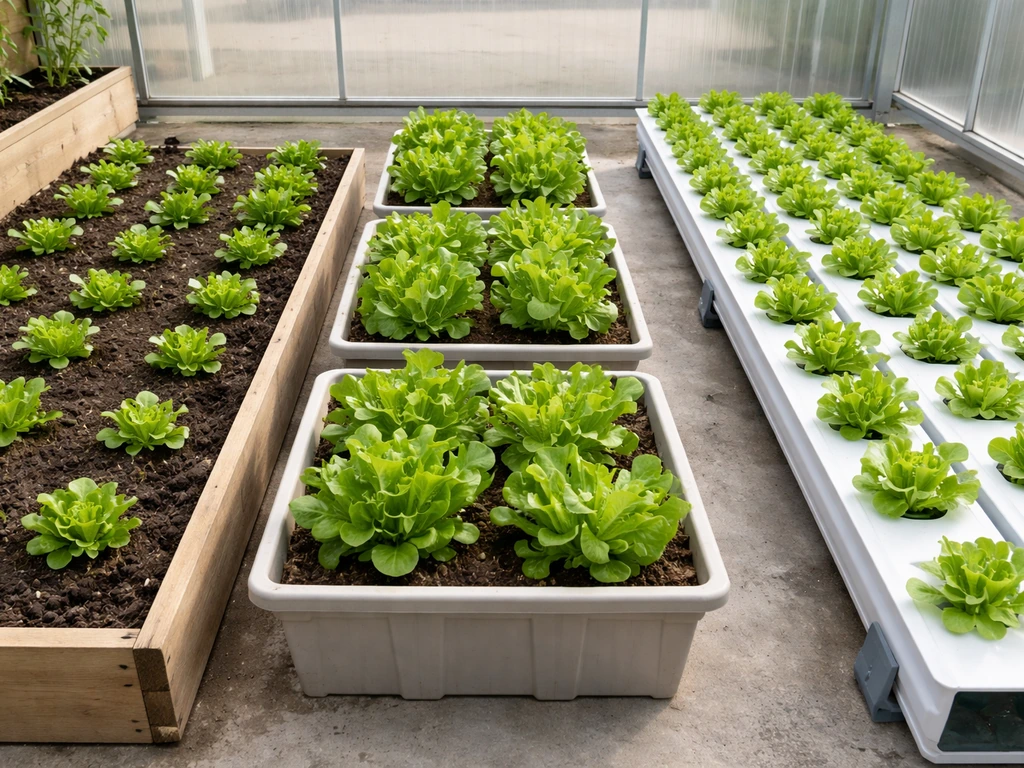
Lettuce is genuinely flexible and grows well in all three setups, but each one has a different feel and a different level of daily management involved.
In-ground beds or raised beds inside the greenhouse
If your greenhouse has ground beds or raised beds, this is the most forgiving option for beginners. Use a light, well-draining mix with plenty of compost. Ground beds buffer temperature swings slightly, hold moisture longer, and are easy to succession plant. The main watch-out is soil-borne disease buildup over time if you grow lettuce in the same spot every cycle, so rotate within the beds when you can.
If you enjoy raised bed growing outdoors, the greenhouse version is basically the same approach but with more control. For the best results in raised beds, choose lettuce varieties bred to handle local heat and changing day and night temperatures best lettuce to grow in raised beds.
If you want to translate these ideas into how to grow lettuce in raised beds, focus on a well-draining mix, consistent moisture, and variety choices that handle your spring temperatures raised bed growing.
Containers and pots
Containers are ideal for smaller greenhouses and let you move plants around to optimize light exposure. Lettuce roots are shallow, so you don't need deep containers. A pot that's 6 to 8 inches deep and at least 8 inches across works for individual heads; a larger trough works for a cut-and-come-again row. The downside with containers is they dry out faster, so you're watering more frequently. Use a peat-based or coir-based mix that retains moisture but still drains freely. This is closely related to growing lettuce in pots outdoors, and all the same variety advice applies.
Hydroponics in the greenhouse
Hydroponic lettuce in a greenhouse is where things get genuinely fast. If you specifically want the best lettuce to grow hydroponically, focus on fast-maturing, bolt-tolerant varieties that handle nutrient uptake well. Without soil resistance to root growth, and with nutrients delivered directly to roots, lettuce in a nutrient film technique (NFT) or deep water culture (DWC) system can harvest 30 to 40% faster than soil-grown crops. Target a nutrient solution pH of 5.
8 to 6. 2 and an electrical conductivity (EC) of around 0. 8 to 1. 0 mS/cm for seedlings, rising to 1.
2 to 1. 6 mS/cm as plants mature. Keeping pH in that range is critical, as drifting outside it locks out nutrients and opens the door to tip burn. If you want to go deep on hydroponic variety selection and nutrient management, that's a topic worth exploring on its own.
Planting methods: seeding vs transplanting, spacing, and succession sowing
Direct seeding vs starting transplants
Both methods work in a greenhouse, but I prefer starting transplants in cell trays for most of my crop. Sow seeds in 128- or 256-cell trays and transplant at 3 to 4 weeks old. This gives you a head start, lets you germinate in a warmer spot if needed, and means you're putting a strong plant into your bed or container instead of waiting for germination in the final position. When you transplant, use a diluted starter fertilizer, water immediately after planting, and don't overharden the seedlings before moving them. A gentle transition over a few days is enough.
Direct seeding works fine for loose-leaf types and cut-and-come-again patches. Sow seeds about 1/4 inch deep, thin to final spacing once seedlings have two to three true leaves, and use the thinnings as micro-greens. It's a zero-waste approach.
Spacing by type
Spacing matters more in a greenhouse than outdoors because crowded plants trap humidity and invite disease. Use these as your starting points, and always err on the side of more space rather than less.
| Lettuce Type | Recommended Spacing |
|---|---|
| Loose-leaf (cut-and-come-again) | 4–6 inches between plants |
| Butterhead | 8–10 inches between plants |
| Romaine/Cos | 8–10 inches between plants |
| Crisphead | 12–14 inches between plants |
Succession sowing for continuous harvest
The single best thing you can do to keep salad on the table all year is succession sow every 2 to 3 weeks. Start a new tray of 8 to 12 plants on a rolling schedule, and you'll never have the feast-or-famine problem of everything maturing at once. You can also mix varieties with different maturity dates, such as pairing a 40-day loose-leaf with a 65-day butterhead planted on the same day. They'll come in at different times naturally. University of Maryland Extension recommends both approaches, and in practice, combining them gives you the most flexibility.
Watering and fertilizing for fast, sweet heads vs tender leaves
Watering: steady and consistent wins every time
Inconsistent watering is one of the leading causes of tip burn in greenhouse lettuce. Tip burn isn't usually a calcium deficiency in the soil; it's a localized calcium shortage in rapidly expanding leaf tissue caused by low transpiration and water stress. The fix is simple: keep moisture levels even, water in the morning, and never let the growing medium completely dry out between waterings. For soil and containers, a tensiometer is a genuinely useful tool if you want precision. Irrigate when the tension reading climbs, and back off if the medium stays wet. For most home growers, a consistent schedule based on observation works fine.
Fertilizing for flavor and growth speed
Lettuce is a light feeder compared to tomatoes or peppers. For soil or container growing, a balanced slow-release fertilizer worked into the mix at planting, plus a light liquid feed every two weeks with a nitrogen-forward formula (like a 3-1-2 ratio), is usually enough. Nitrogen drives that lush, fast leaf growth you want. Overdo it, though, and you get soft, floppy leaves that are more prone to disease and don't store as well.
For head lettuces like crisphead or butterhead, ease off nitrogen slightly in the last two weeks before harvest to encourage firming up of the head and better sweetness. For hydroponic systems, maintain EC in the ranges mentioned above and calibrate your pH meter weekly. A drifting pH will show up as yellowing leaves or tip burn long before you diagnose it correctly.
Troubleshooting common greenhouse lettuce problems
Bolting before harvest
Bolting is almost always a heat or day-length problem. Once temperatures consistently exceed 75 to 80°F or day length hits 14-plus hours without variety protection, most lettuces will push up a flower stalk and turn bitter fast. Your immediate fixes: add shade cloth (30 to 40%) in late spring and summer, increase ventilation, plant bolt-tolerant varieties like Oak Leaf, Meridian, or Buttercrunch, and time plantings so heads mature before the hottest weeks. If bolting starts, harvest immediately. Bitter leaves are still edible in small amounts mixed with other greens.
Tip burn on inner leaves
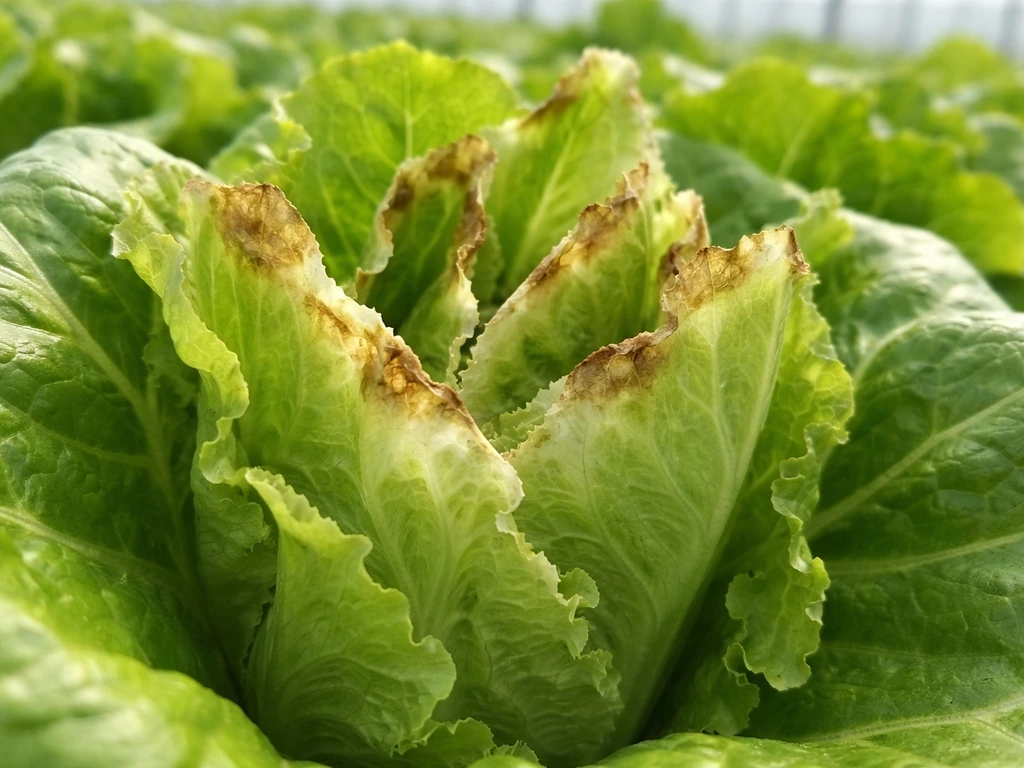
Tip burn shows up as brown, papery edges on inner leaves and is caused by a [localized calcium deficiency in rapidly growing tissue](https://www. vegetables. bayer. com/content/dam/bayer-vegetables/english/united-states-canada/product-sheets-and-pdfs/Tipburn%20of%20Lettuce.
pdf), not usually by a lack of calcium in the soil. The triggers are water stress, poor airflow, and high light intensity that pushes growth faster than calcium can move into the tissue. Fix it by improving airflow (run that fan), keeping irrigation steady, reducing DLI if you're in a high-light period, and making sure your spacing isn't too tight.
Foliar calcium sprays can help in some cases, though they're less effective for head types where the susceptible tissue is buried inside the head. For greenhouse lettuce, tip burn can appear earlier than in outdoor crops, so keeping conditions stable matters more.
Powdery mildew and downy mildew
Powdery mildew appears as a grey-white powdery coating on leaf surfaces. Unlike most fungal diseases, it can develop without free water on leaves and is associated with warm days, cool nights, and high humidity in shaded or overcrowded conditions. Downy mildew shows up as pale grey to purple growth on the underside of leaves and is driven by moist, cool conditions. Both are managed the same way: keep humidity below 85 to 93%, space plants for airflow, water in the morning, and remove affected leaves promptly. Resistant varieties exist for both, so check seed catalog resistance ratings when buying.
Botrytis (grey mold) and bottom rot
Grey mold (Botrytis) looks like fuzzy grey growth on stems and lower leaves, usually starting where leaves touch the soil or overlap. Bottom rot (Rhizoctonia) appears as brown sliminess at the base of the plant. Both thrive in humid, stagnant conditions. The fix is identical to mildew prevention: airflow, correct spacing, morning watering, and removing dead or dying outer leaves regularly. Don't let decaying plant material sit at the base of plants.
Aphids and other pests
Aphids are the most common pest on greenhouse lettuce. They cluster on the undersides of leaves and in the hearts of forming heads, so inspect regularly. A strong spray of water dislodges them. For persistent infestations, insecticidal soap spray is effective and safe for edible crops. Check under leaves at every harvest. Slugs can also appear in ground beds if moisture is high; reduce by watering in the morning and avoiding wet mulch directly against stems.
Yellowing leaves and nutrient deficiencies
General yellowing on lower leaves is usually nitrogen deficiency or pH drift (especially in hydroponic systems where pH outside 5.8 to 6.2 locks out nutrients). In soil, top-dress with a balanced fertilizer or add a liquid feed. In hydroponic systems, check and correct pH first before adding more nutrients. If only the newest growth is yellowing or distorted, suspect a micronutrient issue like iron or manganese lockout, which again points back to pH drift.
Harvesting, storage, and extending yield with succession cuts
When and how to harvest
For loose-leaf varieties, start harvesting outer leaves once plants are 4 to 6 inches tall. Use scissors or a sharp knife and cut about 1 inch above the soil, leaving the growing point intact for regrowth. This cut-and-come-again approach gives you multiple harvests from a single planting, which is one of the biggest advantages of growing loose-leaf in a greenhouse. Crisphead is not suited for cut-and-come-again harvesting; it's bred for a single head and won't regrow productively.
For butterhead and romaine, harvest when the head feels firm and full but before it starts to elongate or show signs of bolting. Romaine is typically ready when the head is about 6 to 8 inches tall and tight. Butterhead is ready when outer leaves feel slightly loose around a firm center. Don't wait too long: as USU Extension notes, delayed harvest leads to bitterness and toughness. Cut the whole head at the base with a clean knife.
Storing greenhouse lettuce
Cool your lettuce down quickly after harvest. The ideal storage temperature is 32°F (0°C), and you want very high humidity, around 98 to 100%, to prevent wilting. In practice, wrapping loose heads in a damp paper towel and placing them in a sealed bag in the coldest part of your refrigerator gets you close. At proper storage conditions, crisphead lettuce can last 21 to 28 days, and head lettuce generally holds well for 2 to 3 weeks. Loose-leaf harvested the cut-and-come-again way is best used within 5 to 7 days for optimal texture.
Keeping the harvest going all season
The combination of cut-and-come-again harvesting on loose-leaf varieties and a rolling succession sowing schedule every 2 to 3 weeks is how you keep a steady supply from a small greenhouse. As one planting is finishing, the next is ready to start producing. Use the table earlier in this article as your variety timing guide: plant fast loose-leaf and slower butterhead or romaine at the same time, and stagger new plantings from there. Over a full greenhouse season, this approach can give you fresh lettuce for 8 to 10 months without a major gap. That's the real payoff of growing under glass.
FAQ
If I can only grow one lettuce variety in my greenhouse, which type is the safest bet and why?
Choose a loose-leaf, especially an oak-leaf type, because it’s fast to produce, forgiving of mild temperature swings, and supports repeated outer-leaf harvests. That means you still get usable yield even if conditions cause early stress or partial bolting on a few plants.
What spacing should I use to prevent greenhouse lettuce diseases, especially powdery mildew?
Start with wider spacing than you would outdoors, aim for airflow between plants, and avoid letting rows close canopy too quickly. If you cannot add space, thin seedlings early, because dense stands increase leaf-surface humidity and create microclimates where mildew and gray mold spread faster.
Is it better to start lettuce from transplants or direct seed in a greenhouse?
For the smoothest success, use transplants for butterhead and romaine because they establish faster and reduce the time plants spend as small seedlings in fluctuating conditions. Direct seeding works well for loose-leaf and cut-and-come-again beds, but be ready to thin promptly to avoid crowding and tip burn.
How do I handle a greenhouse that gets hot on sunny days despite ventilation?
Use shade cloth during late spring and summer (around 30 to 40%), add an oscillating fan so leaves transpire more evenly, and plan to shade during the hottest hours rather than only in the early morning. Also time your plantings so first harvest comes before the peak heat week, even if that means starting a little earlier.
What should I do if my lettuce is bolting even though I planted bolt-tolerant varieties?
Bolting can still happen if heat is sustained or if day length is too long. Harvest immediately once you see stem elongation, increase ventilation and shade, and switch future sowings to shorter-day conditions (or start new successions earlier) so your crop matures before 14+ hours of light or sustained temperatures above the mid-70s.
How can I tell tip burn versus nutrient problems?
Tip burn shows as brown, papery edges on inner or rapidly expanding leaves, and it often correlates with dry or uneven watering, stalled transpiration, or high light. If yellowing is widespread or also affects older leaves, suspect pH or nitrogen issues instead, especially in hydroponics where pH drift quickly causes nutrient lockout.
My lettuce is bitter. Is that always caused by heat, and how do I fix it for the next batch?
Heat stress is the most common cause, but delayed harvest and overly high light can also contribute to bitterness and toughness. For the next batch, harvest earlier at the firm, pre-elongation stage, keep day-night temperatures closer to target ranges, and do not push DLI excessively in winter.
How do I manage humidity if powdery mildew or Botrytis keeps coming back?
Keep relative humidity below about the low 80s in the day and avoid pushing nights too humid, water in the morning, and remove any yellowing or decaying outer leaves promptly. If mildew persists, reduce canopy density further by thinning and consider staggering plantings so you do not have multiple overlapping growth stages all at once.
What’s the best way to water greenhouse lettuce to reduce disease and tip burn?
Water in the morning so foliage has time to dry before evening, keep moisture consistent, and avoid wetting leaves late in the day. If you can, irrigate based on medium conditions (a tensiometer is helpful in soil and containers) rather than on a strict calendar schedule.
Can I grow lettuce year-round in a greenhouse without buying expensive lighting?
You can extend the season most easily through late winter, spring, and fall. For true winter production, supplemental light becomes important when natural daylight drops below roughly 10 hours, otherwise growth slows and quality suffers. If you have lights, use a timer and target a daily light integral around the mid-to-high teens after the canopy fills in.
Are crispheads totally off-limits for greenhouse growing, or can they work?
Crispheads can work, but they’re the least forgiving because they need tighter temperature control and are more likely to bolt if daytime heat rises. If you want crisp, pick a variety with heat and tip-burn tolerance and be prepared to invest in tighter climate management compared with butterhead or loose-leaf.
What container size and type is best for lettuce in a greenhouse?
For individual heads, use a pot about 6 to 8 inches deep and at least 8 inches across, wide enough for even moisture distribution. Use a moisture-retentive but free-draining mix (peat or coir blends), and plan for more frequent watering because containers dry out faster than beds.
When is the best time to harvest each lettuce type for tenderness?
Harvest butterhead and romaine when heads feel full but before elongation begins, cutting the whole head promptly. For loose-leaf, start outer-leaf harvest when plants reach roughly 4 to 6 inches tall, leaving the growing point intact for regrowth. Waiting too long can increase bitterness and toughness.
What storage approach actually preserves lettuce quality after I harvest?
Cool it quickly to near freezing temperatures and keep humidity very high to prevent wilting. For home storage, wrap in a damp paper towel, seal in a bag, and store in the coldest fridge area. Expect loose-leaf to be used within about a week, while head types last longer under the cold, humid conditions.