Butterhead lettuce, especially varieties like 'Buttercrunch' and 'Tom Thumb', gives you the best combination of sweetness, tenderness, and low bitterness of any lettuce type you can grow at home. If you want one variety to plant today and eat within 50–60 days feeling like you grew something genuinely delicious, start with butterhead. That said, the 'best tasting' choice really does depend on your setup and what you mean by flavor, so this guide walks through the top varieties by type, matches them to your growing situation, and gives you the exact steps to keep the flavor good from seed to harvest.
Best Tasting Lettuce to Grow: Varieties and Steps
Marcus Holloway
17 May 2026
What actually makes lettuce taste good (or bad)
Lettuce flavor comes down to three things: sweetness, bitterness, and texture. These are not random. They're driven by chemistry and growing conditions, which means you have real control over them.
Bitterness in lettuce is caused by compounds called sesquiterpene lactones (specifically the lactucin family). These are natural plant defense compounds, and every lettuce variety contains some of them. The problem is that heat stress, drought stress, crowding, and the transition to bolting (when the plant sends up a seed stalk) all cause the plant to ramp up production of these bitter compounds. Once that happens, no amount of watering or fertilizing fixes the taste. Prevention is everything.
Sweetness comes partly from sugars that the plant accumulates during photosynthesis. Cooler temperatures and consistent moisture tend to favor sugar accumulation. This is why lettuce grown in spring or fall, or under grow lights at controlled temperatures, often tastes noticeably sweeter than the same variety grown in summer heat.
Texture (crunch vs. tender) is largely variety-driven but also affected by watering. Loose, consistent moisture keeps cell walls hydrated and gives you that satisfying crisp or buttery texture depending on the type. Inconsistent watering, especially dry spells, produces tougher, sometimes stringy leaves. The ideal daytime temperature range for good lettuce flavor is around 65 to 70°F, with cooler nights in the 45 to 55°F range. Outside that range, you're managing stress rather than optimizing flavor.
The best-tasting lettuce varieties, broken down by type
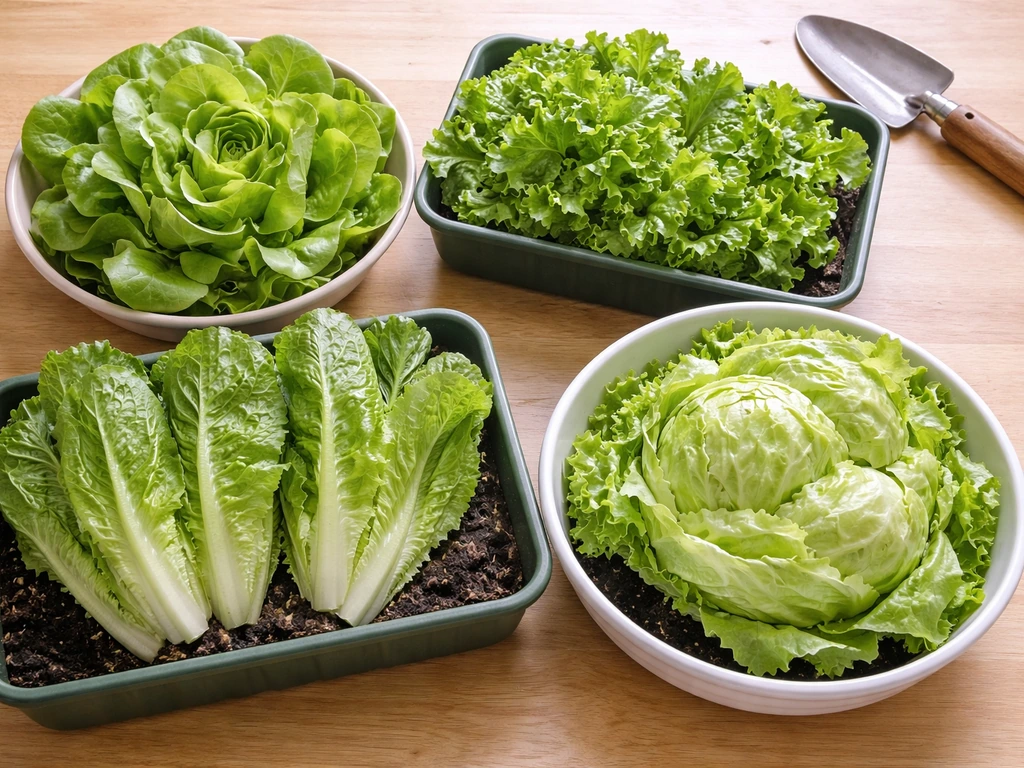
Different lettuce types have genuinely different flavor profiles. Here's how each type tends to taste and which specific varieties stand out for home growers.
Butterhead (Boston / Bibb)
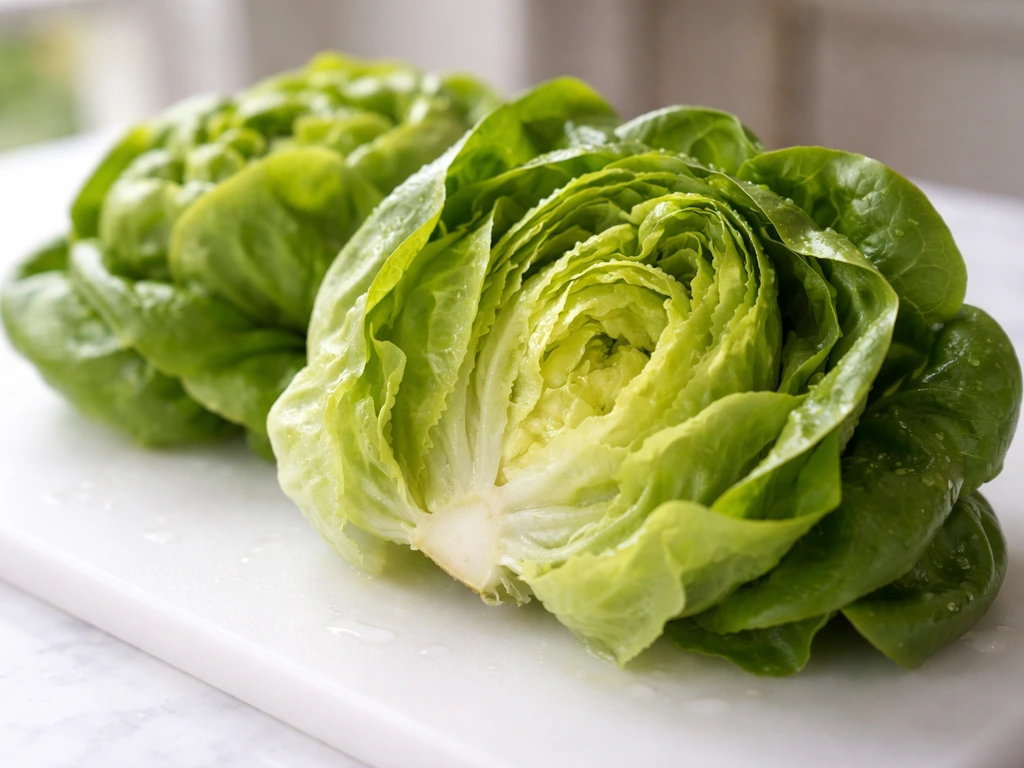
Butterhead is the gold standard for sweet, tender, low-bitterness lettuce. The leaves are soft with a slightly buttery richness, and the inner hearts are almost melt-in-your-mouth tender. It's not crunchy, but if tender and sweet is your goal, nothing beats it. Top varieties: 'Buttercrunch' (reliable, slow to bolt, excellent flavor), 'Tom Thumb' (tiny heads perfect for containers and small spaces), 'Limestone Bibb' (classic Bibb-style with great sweetness), and 'Nancy' (a French butterhead with exceptional flavor in cool conditions).
Looseleaf and oakleaf
Looseleaf varieties are the fastest to harvest and arguably the most forgiving. Flavor ranges from mild and slightly sweet to nutty, depending on the variety. They don't form heads, so you can harvest outer leaves continuously. Top varieties: 'Black Seeded Simpson' (mild, sweet, classic looseleaf flavor), 'Red Sails' (slightly more complex flavor with a hint of nuttiness, beautiful red color), 'Oakleaf' (tender with a mild nutty taste, holds up well to heat compared to other types), and 'Salad Bowl' (mild, frilly, reliable in a wide range of conditions).
Romaine / Cos
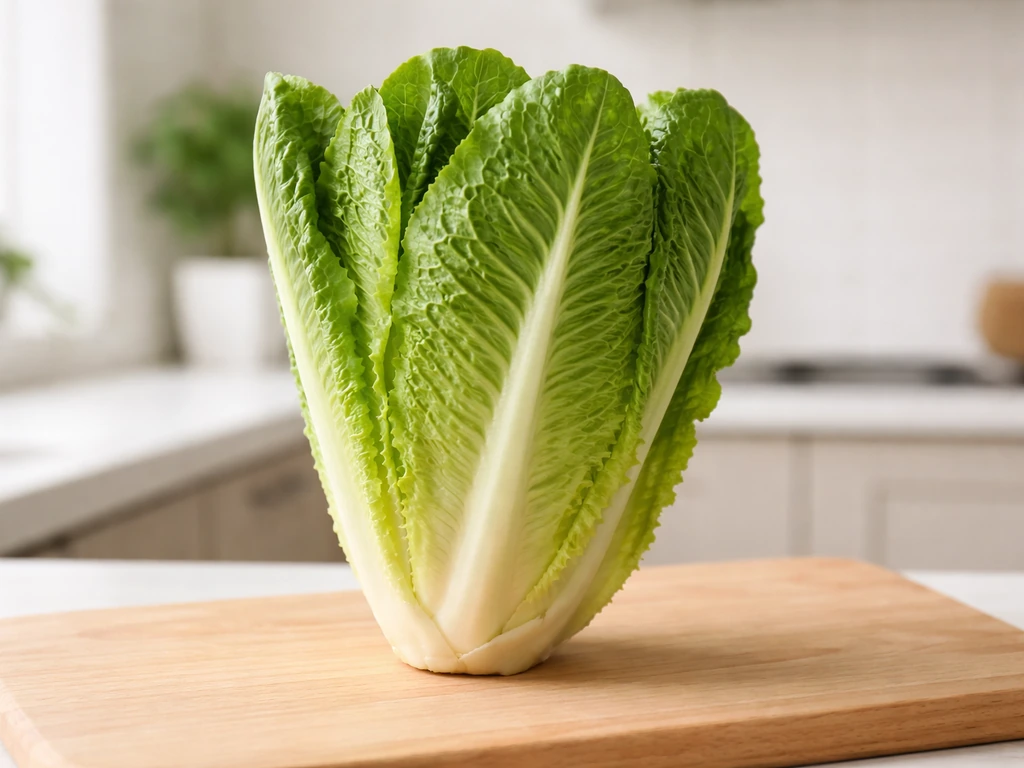
Romaine has the most distinctive flavor of all lettuce types: earthy, slightly bitter, and with a satisfying crunch. It's not as sweet as butterhead, but if you want structure and texture, romaine delivers. Top varieties: 'Paris Island Cos' (the benchmark romaine, classic flavor with good crunch), 'Little Gem' (compact mini-romaine, sweeter and more tender than full-size romaine, excellent for containers and raised beds), and 'Fordhook' (upright heads, good flavor with a slightly milder bitterness than standard romaine).
Crisphead / Iceberg
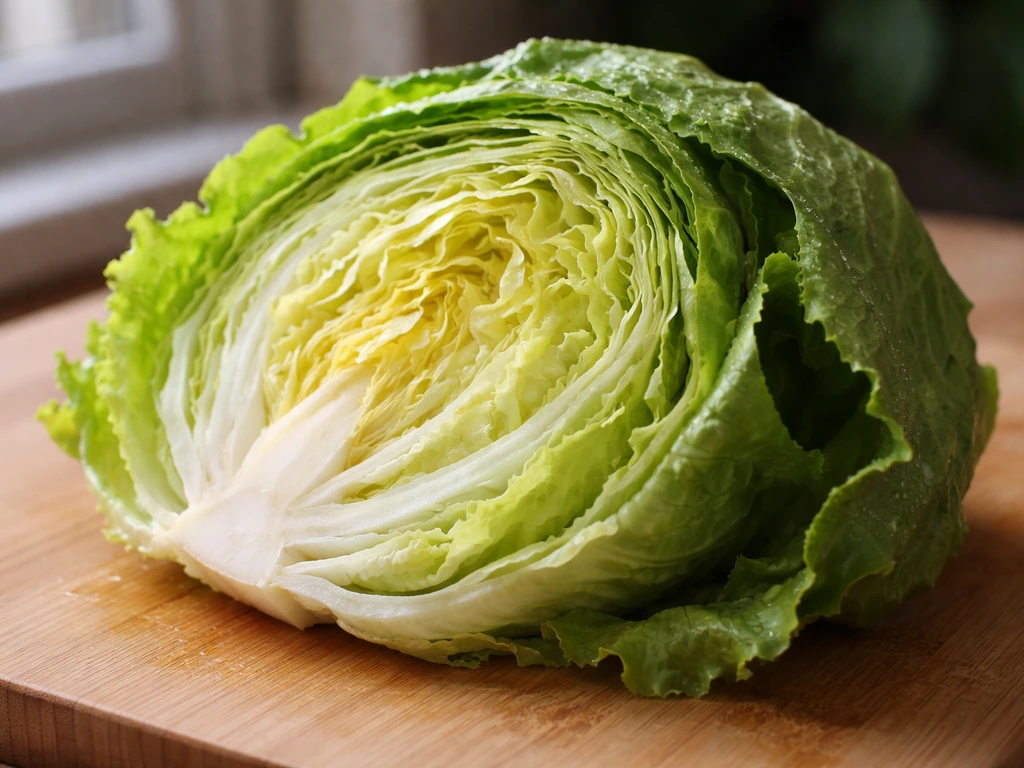
Iceberg is the crunchiest, wateriest, and mildest of all lettuce types. It's not particularly sweet or complex, but the crunch is satisfying and it's very low in bitterness when grown correctly. It's also the hardest to grow well at home because it needs a long, consistently cool season to form tight heads. If you want to try it, 'Crispino' and 'Ithaca' are the most reliably head-forming varieties for home gardens. Honestly, for flavor per unit of effort, butterhead and looseleaf will beat iceberg in a home setting nearly every time.
Quick variety flavor comparison
| Type | Flavor Profile | Bitterness Level | Best For | Top Variety |
|---|---|---|---|---|
| Butterhead | Sweet, buttery, tender | Very low | Best overall home flavor | Buttercrunch |
| Looseleaf / Oakleaf | Mild, slightly nutty | Low | Speed, containers, cut-and-come-again | Black Seeded Simpson |
| Romaine / Cos | Earthy, crunchy, slight bitterness | Low to medium | Crunch lovers, salads | Little Gem |
| Crisphead / Iceberg | Mild, watery, very crunchy | Very low (if cool) | Maximum crunch, cool climates | Crispino |
| Red leaf varieties | Mild, slightly nutty, complex | Low | Visual appeal + mild flavor | Red Sails |
Best variety picks based on your setup
Where you're growing makes a real difference in which variety will taste best, because your setup controls how much stress the plant experiences. Here's how to match variety to situation.
Outdoor garden beds and raised beds
In outdoor beds (including raised beds), you have the most space and the most temperature variability. Go with 'Buttercrunch' or 'Paris Island Cos' for a spring or fall planting. For summer, lean toward heat-tolerant looseleaf varieties like 'Oakleaf' or 'New Red Fire', which are slower to bolt than butterhead. Raised beds warm up faster in spring, so you can get an earlier start, but they also heat up faster in summer, so monitor temperatures and be ready to shade cloth or succession plant. Raised beds also let you start earlier, but you still want to choose varieties that handle spring and summer temperature swings well.
Containers and pots
Containers are ideal for butterhead, especially compact varieties like 'Tom Thumb' and 'Little Gem'. In a pot, the best results usually come from compact butterhead or looseleaf types that fit well and stay productive as you harvest best lettuce to grow in a pot. These stay small enough to fit in a 6 to 8 inch pot but still produce proper heads with genuine flavor. Looseleaf types also work extremely well in containers because you can harvest continuously without needing to disturb the root system. The biggest container challenge is moisture consistency, since pots dry out faster than beds, so water more frequently and consider self-watering containers for the best results.
Indoor growing (windowsill or grow lights)
Indoors, looseleaf varieties like 'Black Seeded Simpson' and 'Salad Bowl' are your best bet because they don't need the deeper root run or head-forming conditions that butterhead and romaine require. Under a grow light (14 to 16 hours of light per day), you can get very consistent flavor year-round because you're essentially eliminating the heat stress variable. Windowsill growing works but is more limited: south-facing windows in winter give about 4 to 6 hours of usable light, which is enough for looseleaf baby greens but won't produce full heads well.
Hydroponic systems
Hydroponics is actually one of the best ways to grow genuinely great-tasting lettuce, because you control nutrients, temperature, and moisture almost completely. 'Buttercrunch', 'Little Gem', and 'Oakleaf' all perform excellently in nutrient film technique (NFT) or deep water culture (DWC) systems. The key flavor risk in hydroponics is warm nutrient solution: if root-zone temperatures rise above 70°F, sesquiterpene lactone (bitter compound) levels can increase noticeably. Keep your reservoir or grow channel below 68°F for best flavor.
Greenhouse growing
A greenhouse extends your season significantly and gives you a lot of control. The main flavor risk is overheating: unventilated greenhouses can hit temperatures well above 85°F on sunny days, which will drive bitterness fast. Butterhead and romaine both do beautifully in a properly ventilated greenhouse. 'Nancy', 'Buttercrunch', and 'Little Gem' are particularly good greenhouse performers with reliable sweet flavor when temperatures are managed.
Planting timelines, spacing, and harvest for best flavor
Getting the timing right is one of the most underrated parts of growing good-tasting lettuce. Plant too late in spring or too early in summer, and you're fighting the heat the whole time.
When to plant outdoors (Northern Hemisphere, Zone 5 to 8)
- Spring planting: Direct sow or transplant 4 to 6 weeks before your last frost date. Lettuce tolerates light frost (down to about 28°F) and actually tastes better in cool weather.
- Fall planting: Count back 6 to 8 weeks from your first fall frost date. This is often the sweetest lettuce of the year because temperatures are dropping rather than rising.
- Summer growing: Only attempt heat-tolerant looseleaf varieties, plant in part shade, and accept that flavor will be more variable.
- Indoor / hydroponic: Year-round, with no seasonal restriction.
Spacing for flavor
Crowding is a real flavor issue. When plants are too close together, they stress each other for light, water, and nutrients, which can push bitterness up. For head-forming types (butterhead, romaine), space plants 8 to 10 inches apart. For looseleaf, 6 inches apart is fine. Thin seedlings early, around 10 to 14 days after germination, to these spacings. I know it feels wasteful to pull out seedlings, but the plants you leave will taste noticeably better for it.
Harvest timing for peak flavor
For butterhead and romaine, harvest when heads are firm but before the center elongates (that upward stretching is early bolting, and bitterness follows quickly). Most butterhead varieties are ready at 50 to 65 days from transplant. For looseleaf, start harvesting outer leaves at 30 to 40 days. Harvest in the morning when leaves are cool and fully hydrated for the best flavor. Afternoon-harvested leaves can taste noticeably more bitter on warm days.
Light, temperature, and water: the flavor rules that actually matter
These three variables are where most home growers either win or lose on flavor. Get them right and almost any decent variety will taste good. Get them wrong and even the best variety will disappoint you.
Temperature
The sweet spot for flavor is 65 to 70°F during the day and 45 to 55°F at night. Below that range, growth slows but flavor stays excellent. Above 75 to 80°F consistently, especially if nights don't cool down, you're accumulating bitter compounds and pushing the plant toward bolting. Increasing day length combined with heat is actually what triggers seedstalk formation, so summer is a double problem: longer days and hotter temperatures hit at the same time. In those conditions, shade cloth (30 to 40% shade) and bolt-resistant varieties are your main tools.
Light
Outdoors, lettuce prefers full sun in spring and fall, and part shade (3 to 4 hours of afternoon shade) in summer to moderate heat stress. Indoors under grow lights, 14 to 16 hours at 2,000 to 4,000 lux is ideal for leafy growth without triggering bolting. Avoid giving indoor lettuce more than 16 hours of light: continuous light can actually stress some varieties and affect flavor. The light doesn't need to be intense like it does for fruiting plants; lettuce is a low-light-demand crop.
Watering
Consistent moisture is critical. Lettuce is about 95% water, and any period of drought stress concentrates bitter compounds and toughens leaves. Aim to keep the top 2 inches of soil consistently moist, not soggy but never dry. In containers, this often means watering every day or two in warm weather. A simple finger test works: if the top inch of soil is dry, water. Mulching outdoor beds with a 2-inch layer of straw or shredded leaves makes a huge difference in moisture retention and root temperature.
Flavor troubleshooting: fixing bitter, tough, bland, or bolting lettuce
Even with good varieties and reasonable conditions, things go wrong sometimes. Here's how to diagnose and fix the most common flavor problems.
| Problem | Likely Cause | Quick Fix |
|---|---|---|
| Bitter leaves | Heat stress, drought stress, or early bolting | Harvest immediately; for next planting, choose bolt-resistant variety, add shade cloth, water more consistently |
| Tough or rubbery leaves | Drought stress or overmaturity | Water more consistently; harvest younger leaves; use cut-and-come-again method on looseleaf |
| Bland, watery flavor | Overwatering, too much nitrogen, or harvesting too young | Reduce nitrogen fertilizer; let plant reach at least 30 days; reduce watering slightly |
| Bolting (seedstalk forming) | Heat, long days, or root stress | Harvest the whole plant now; for future, plant earlier in spring or later in summer; use bolt-resistant varieties |
| Pale, yellowing leaves | Insufficient light or nitrogen deficiency | Move to brighter location or add grow light; apply balanced liquid fertilizer |
| Small, underdeveloped heads | Crowding or inconsistent watering | Thin to proper spacing early; improve watering consistency |
The hardest truth about bitter lettuce is that once the plant has bolted or been through serious heat stress, the bitterness doesn't go away. You can't fix it at harvest. Your best move at that point is to pull the plant, compost it, and replant with better timing or variety choice. This is one of those cases where accepting the loss quickly and replanting is better than waiting and hoping.
How to keep getting great-tasting lettuce all season: your succession planting plan
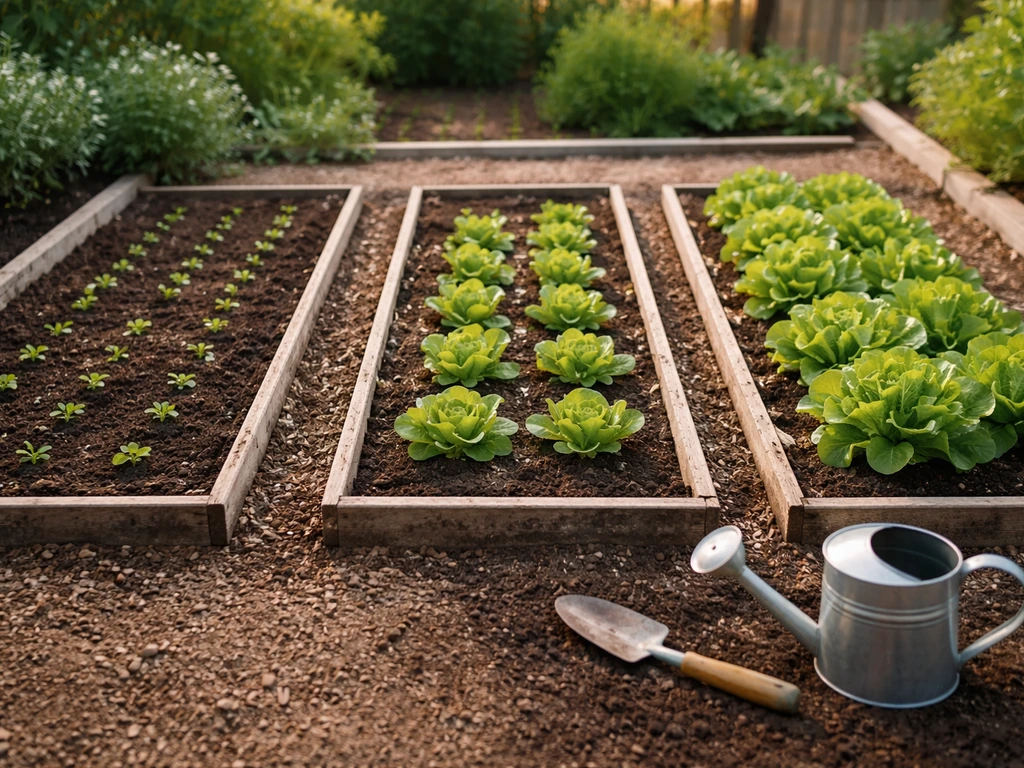
The single biggest mistake home growers make is planting everything at once and then having a gap (or a glut). Succession planting every 2 to 3 weeks gives you a continuous supply of young, flavorful lettuce rather than one big harvest of aging plants. Here's a simple plan you can start right now.
- Plant a small batch of seeds or transplants today (mid-May planting: choose heat-tolerant looseleaf like 'Oakleaf' or 'New Red Fire' for outdoor beds; butterhead in containers or indoors where you can control temperature).
- Two to three weeks later, plant a second batch of the same or a different variety.
- Continue every 2 to 3 weeks through summer using only heat-tolerant varieties. Consider adding shade cloth once daytime temps consistently hit 75°F+.
- In late August, switch back to butterhead and romaine for fall. These will be your best-tasting harvests of the year.
- For year-round supply indoors or hydroponically, maintain two staggered planters on a 3-week offset cycle. When one is ready to harvest, the other is about half-grown.
- Keep a simple log: variety, planting date, and flavor notes at harvest. After one full season, you'll know exactly which variety, planted at which time, tastes best in your specific conditions.
If you're growing in containers, raised beds, indoors, or hydroponically, the same succession principle applies, just scaled to your space. Even two small containers on a staggered schedule will keep you in fresh, good-tasting lettuce far more reliably than one large planting that all comes ready at once and then bolts. Each growing situation has its own nuances, and the principles here connect directly to what works best whether you're in a raised bed, a pot on a balcony, under grow lights, or running a home hydroponic system.
Start with 'Buttercrunch' if you want the best-tasting single variety and don't want to overthink it. Add 'Little Gem' if you want something compact that works in almost any setup. Get your temperatures under control, water consistently, and harvest before the center of the plant starts to stretch upward. Do those things, and you'll grow genuinely delicious lettuce on your first or second try.
FAQ
What’s the single best-tasting lettuce to grow if I want sweetness with the lowest bitterness, and I’m not sure about my temperatures?
Start with butterhead 'Buttercrunch' because it’s consistently sweet and tends to stay low in bitterness when grown before heat stress ramps up. If your nights stay warm (above about 55°F), add 'Little Gem' as a backup since it’s more forgiving in small, controlled setups and you can harvest young to reduce bitterness risk.
How can I tell early that my lettuce is heading toward bitterness before it’s too late?
Look for early signs of stress, such as leaves getting unusually tough, a sudden slowdown in growth, or the center beginning to stretch upward. If you see the plant starting to elongate, harvest immediately (for looseleaf, take outer leaves; for head types, harvest the whole plant) because once bolting pathways start, the flavor can turn quickly and won’t fully recover.
If my lettuce tastes bitter, should I adjust fertilizer or watering right away to fix it?
Usually no. Bitter flavor driven by sesquiterpene lactones is largely a heat and stress issue, not a nutrient deficit. After a serious heat or drought period, focus on prevention for the next crop, and consider removing the stressed plants rather than trying to “correct” taste with extra watering, feeding, or supplements.
Is iceberg ever worth it for the best-tasting goal?
Iceberg can be good, but it often loses to butterhead and looseleaf in home conditions because it needs a long, evenly cool season to form tight heads. If you want to try it anyway, grow it as a cool-season crop and harvest promptly when heads are firm, because waiting for “bigger” heads often means more stress and a bland, sometimes harsher result.
What’s the best way to succession plant so I don’t end up with a glut or a gap?
Use smaller, staggered sowings rather than one large start. A practical approach is to sow on a 2-week rhythm (or every 10 to 14 days depending on your growth speed), and aim to harvest the next batch from the moment the previous batch starts stretching. This keeps plants in the younger growth stage longer, which is where flavor is strongest.
How much should I thin seedlings, and what happens if I skip thinning?
Thin to the recommended spacing (about 8 to 10 inches for head-forming types, about 6 inches for looseleaf). Skipping thinning increases crowding stress, which can raise bitterness and make leaves tougher. Thinning is also a flavor tool because the remaining plants get steadier moisture and better airflow, especially outdoors.
Does morning harvesting matter for taste, or is afternoon fine?
Morning harvesting usually tastes better because leaves are cooler and more fully hydrated. Afternoon harvest on warm days can increase perceived bitterness, even if the plants look healthy, since heat stress has built since the morning. If you must harvest later, move quickly to shade and cool the harvested heads or leaves.
For containers, how do I keep moisture consistent without overwatering?
Use a simple check, if the top inch of soil feels dry, water thoroughly, but let excess drain. Containers swing fast between dry and soggy, and inconsistent moisture can lead to tougher, sometimes stringier leaves. Self-watering containers can help, but still check drainage and avoid leaving roots in waterlogged media.
Can I grow on a windowsill and still get the best-tasting lettuce?
Windowsills work mainly for looseleaf baby greens, not full heads. Aim for a bright south-facing window in winter, and plan to supplement if you cannot reliably maintain enough light hours. If you’re trying for “best-tasting,” you’ll get more consistent flavor by harvesting looseleaf young rather than waiting for head formation.
In hydroponics, what should I do if the nutrient solution warms up?
Prevent root-zone temperatures from staying above about 68°F by shading the reservoir, insulating the tank, and, if needed, using a small aquarium-style chiller or a dedicated water pump circulation setup. Warm solution can push bitterness higher, even when everything else looks ideal.
What’s the best strategy for summer lettuce so it still tastes sweet?
In summer, combine heat management and variety choice. Provide afternoon shade outdoors, use shade cloth around 30 to 40% when temperatures are high, and prioritize bolt-resistant options like 'Oakleaf.' Most importantly, keep plants from entering the early bolting stretch stage, because that transition is where bitterness often spikes.