You can harvest romaine lettuce in a way that keeps it growing for weeks by picking outer leaves regularly, or by cutting the whole plant about an inch above the soil and letting it resprout. The key is timing your harvest before the plant bolts, watering immediately after, and giving it a light feeding to fuel regrowth. Done right, one romaine plant can give you two to three productive cuts over roughly 30 days before quality drops off.
How to Grow and Harvest Romaine Lettuce for Ongoing Regrowth
Marcus Holloway
20 May 2026
Pick your romaine variety and growing setup
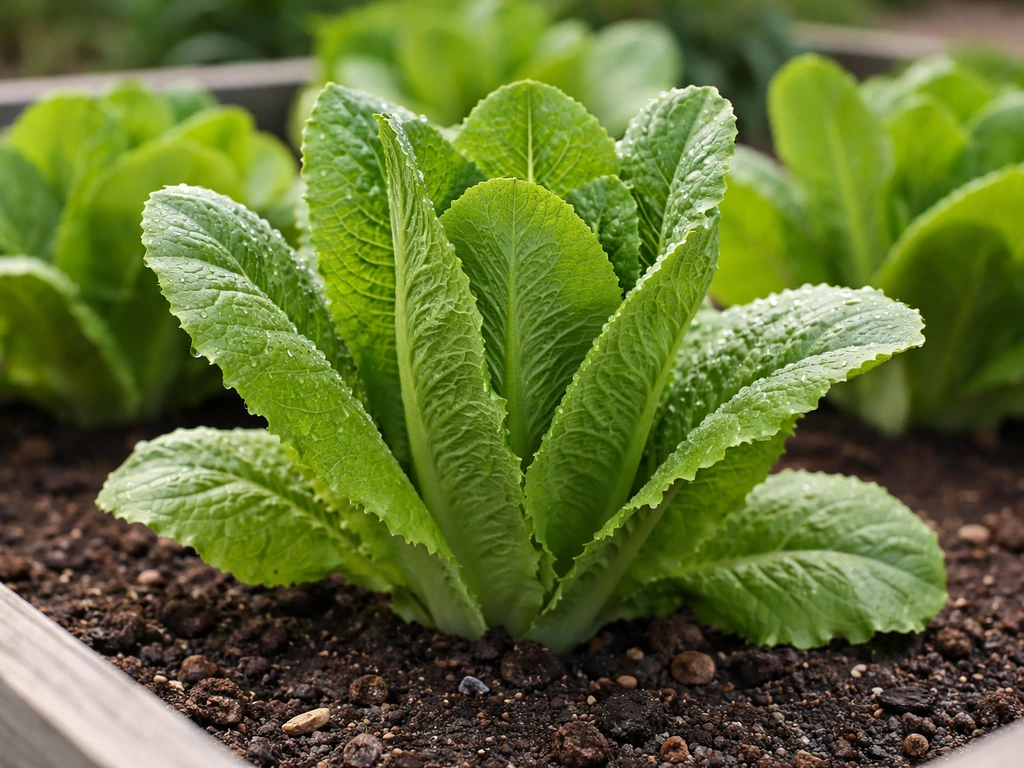
Romaine (also called cos lettuce) is more heat-tolerant than head lettuce types, but it still bolts in hot weather, so variety choice matters a lot. For cut-and-come-again harvesting, look for varieties marketed as slow-bolting or heat-resistant: 'Jericho,' 'Rouge d'Hiver,' 'Parris Island Cos,' and 'Little Gem' are all solid performers. If you're growing in summer or a warm climate, choosing a heat-tolerant romaine buys you extra weeks before bolting shuts down regrowth. Giant types like 'Giant Caesar Romaine' (around 70 days to maturity) are better for one-and-done head harvests than ongoing cuts.
For your growing setup, romaine works in all four common contexts, but each has different rules:
- Outdoor soil beds: Best for large plantings and succession sowing. Romaine does well in loamy, well-draining soil with consistent moisture. Raised beds warm up faster in spring and drain better, which helps in wet climates.
- Containers: A container at least 6–8 inches deep works for individual plants. Romaine grows upright so it doesn't sprawl, making it one of the better choices for pots on a balcony or patio. Use a quality potting mix, not garden soil, which compacts and drains poorly in pots.
- Indoor grow lights: Romaine grows well under LED grow lights if you give it at least 12–16 hours of light per day. Indoors, you control temperature and day length, which is a real advantage for avoiding bolting and getting year-round harvests.
- Hydroponic systems: Deep water culture (DWC) floating raft systems are popular for romaine and can produce full plants in 35–50 days. Maintain pH between 5.8 and 6.2, and target an EC of around 0.8–1.0 mS/cm for seedlings, rising to 1.2–1.6 mS/cm as plants mature.
Starting romaine: seeds vs transplants, timing, and spacing
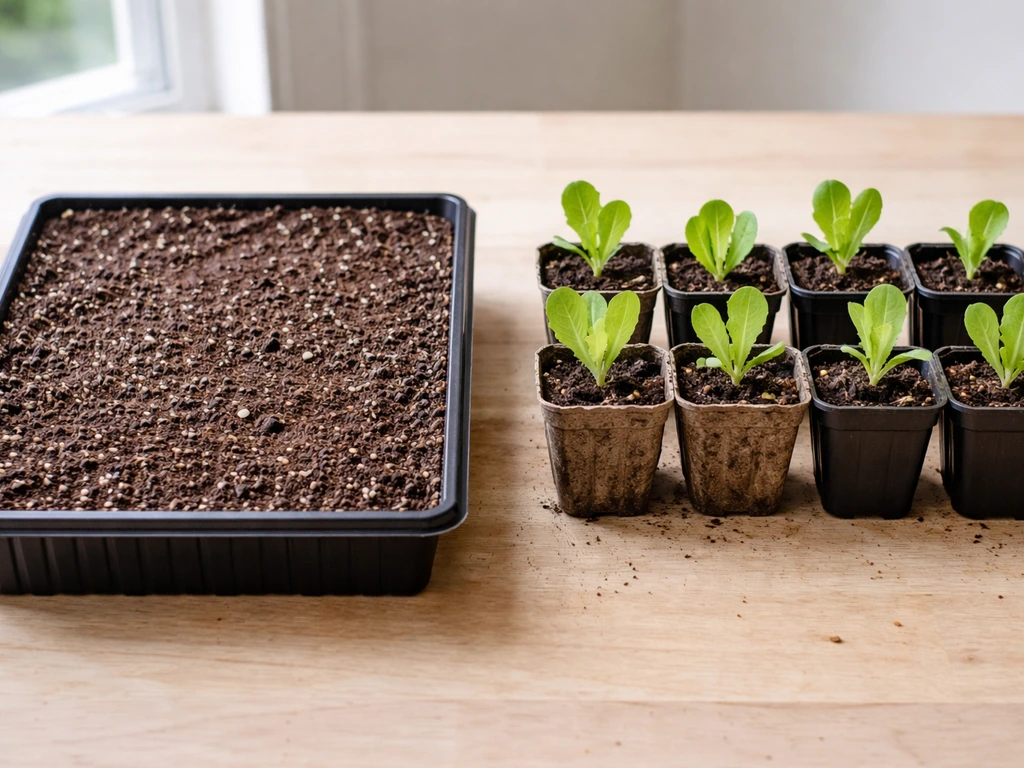
You can start romaine from seed or from transplants, and the method you choose affects your timeline significantly. From seed, expect about 25 days to baby-leaf stage and roughly 60 days to a full head. From transplants, you cut that down to 30–40 days to a harvestable size, which is the faster route if you want results sooner. There's also the option of regrowing romaine from scraps, stalks, or the core, though that's a different process than growing from seed or transplant. To grow romaine lettuce from the core, you’ll want to start with a fresh head, keep the cut end moist, and place it where it can get plenty of light. You can also learn how to grow romaine lettuce from the stalk or core to extend your harvest without starting over. If you want to try a no-waste approach, learn how to grow romaine lettuce from scraps by regrowing the core in water and then transitioning it to soil.
Starting from seed
Romaine seeds are tiny and need light to germinate, so don't bury them deep. If you want the full walkthrough for how to grow romaine lettuce from seed, focus on timing, light levels, and keeping seedlings evenly moist. Press seeds gently onto the surface of moist seed-starting mix and cover with just 1/8 to 1/4 inch of fine soil or leave them on the surface. Germination happens fast under good conditions: as little as 2–3 days at the optimum temperature range. NebGuide (University of Nebraska, Lincoln Extension) provides a lettuce germination timing table showing germination can take as little as about 2, 3 days under optimum moisture conditions at the recommended temperature range blank" rel="noopener noreferrer">2–3 days. The sweet spot for germination is around 65–70°F. Watch out for soil temperatures above 80°F, which can push seeds into dormancy and stall germination completely. If you're sowing in late spring or summer, germinate seeds indoors in a cool room and transplant out later.
Timing and spacing
For outdoor growing, sow romaine 4–6 weeks before your last frost date in spring, or start a fall crop about 6–8 weeks before your first fall frost. Avoid the hottest stretch of summer, when temperatures consistently top 85°F for several days, because bolting risk spikes sharply. For succession harvesting, stagger plantings every 2–3 weeks so you always have plants at different stages.
Spacing romaine correctly is one of the most overlooked steps. Crowded plants compete for water and nutrients, stress each other out, and are much more prone to bolting and disease. Space full-head romaine plants about 8–12 inches apart in rows 12–18 inches apart. For a cut-and-come-again baby leaf setup, you can sow more densely and thin as you harvest. In containers, one standard-sized romaine plant per 6-inch pot, or two to three plants in a large 12-inch pot, is about right.
Soil and medium
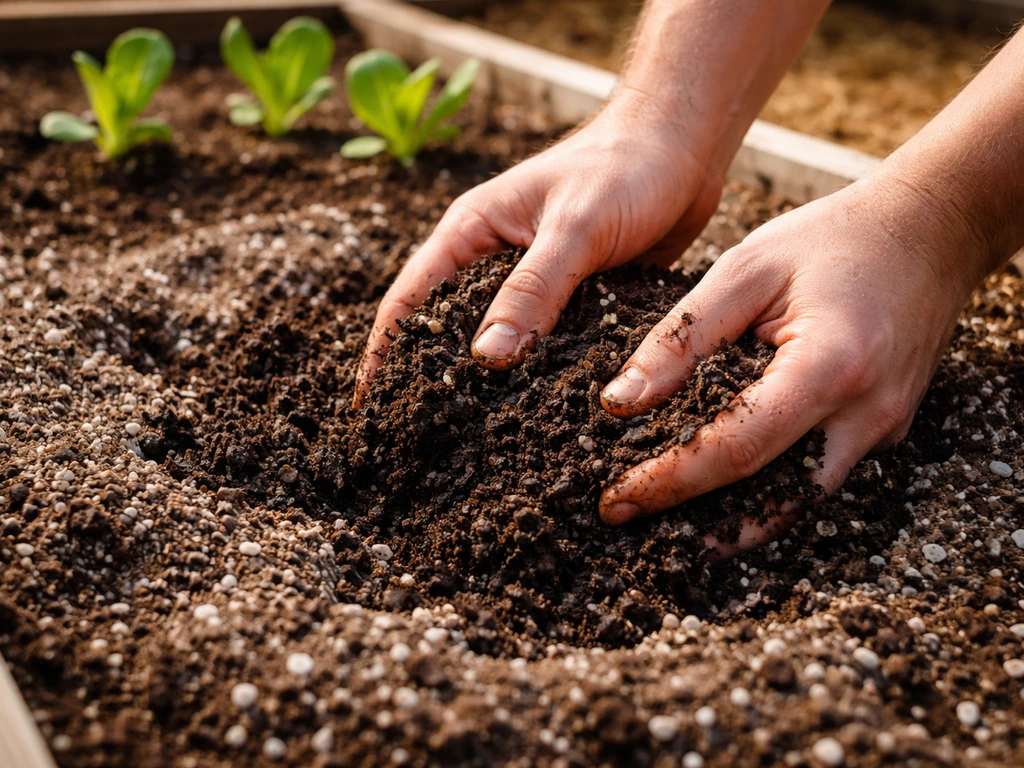
Romaine likes loose, fertile, well-draining soil with a slightly acidic to neutral pH (around 6.0–7.0). Mix in compost before planting to improve both nutrition and water retention. In containers, use a quality all-purpose potting mix. For hydroponics, a neutral growing medium like rockwool or clay pebbles works well. After transplanting or direct sowing, press soil firmly around plants and water thoroughly to remove air pockets, which helps roots establish quickly.
Light, temperature, watering, and feeding for steady growth
Romaine needs at least 6 hours of direct sun outdoors, or 12–16 hours under grow lights indoors. If you're growing in a hot climate, afternoon shade can actually extend your season by slowing bolt triggers. Under artificial light, LED full-spectrum panels work well and give you control over photoperiod, which matters because long daylight hours can trigger bolting just like heat can.
Temperature is the single biggest factor affecting whether romaine keeps producing. Ideal daytime temps are 60–70°F. Once you're consistently above 75–80°F during the day, growth slows and bolting risk climbs. Prolonged cold can also trigger bolting, so protect young plants from late frosts too. For container and indoor growers, this is where you have a real edge: you can move pots to cooler spots and dial in your grow room temperature.
Water consistently and evenly. Romaine is mostly water, and drought stress is one of the fastest ways to trigger bolting. For outdoor and container plants, water when the top inch of soil feels dry. For containers specifically, water until it drains freely from the bottom, and never let pots sit in standing water. Inconsistent watering (wet-dry-wet cycles) stresses plants and accelerates bolting. For hydroponics, monitor your reservoir daily and top off as needed to keep roots consistently submerged.
Feed romaine with a balanced vegetable fertilizer or one slightly higher in nitrogen, since nitrogen drives leafy growth. For soil growers, a slow-release granular fertilizer worked into the soil at planting, followed by liquid fertilizer every 2–3 weeks, works well. Don't go overboard with nitrogen, though: excess nitrogen can cause soft, weak leaves and increase susceptibility to pests and disease. For hydroponics, follow your nutrient solution manufacturer's guidelines and adjust EC as plants mature.
Harvesting methods that keep romaine producing
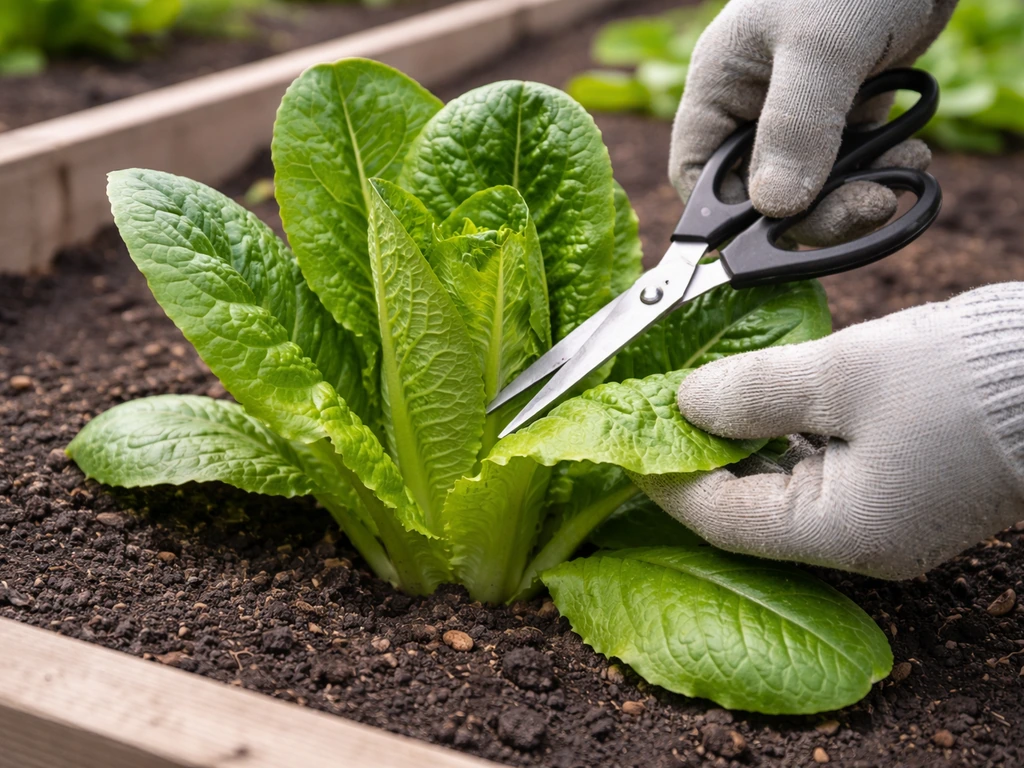
How you harvest romaine determines whether you get one big salad or weeks of continued production. There are three main approaches, and each suits a different goal.
| Method | When to use it | How to do it | Regrowth potential |
|---|---|---|---|
| Outer leaf harvest | Plants are growing actively, not heading up yet | Snap or cut the outermost leaves close to the base, leaving the central growing point intact | High — plant keeps producing from the center for weeks |
| Cut-to-height (cut-and-come-again) | Plant is 4–6 inches tall or has formed a loose head | Cut the whole plant 1–2 inches above soil level with clean scissors or a knife | Moderate — plant resproots from the crown in 10–14 days |
| Full head harvest | Plant is 6–8 inches tall with elongated, overlapping leaves forming a partial head | Cut just above the soil or pull the whole plant; no significant regrowth expected | Low — this ends the plant's productive life |
For ongoing production, outer leaf harvesting is the most forgiving and keeps plants going the longest, up to two months according to some sources. The cut-to-height method gives you a bigger single harvest but then requires waiting 10–14 days for regrowth. MSU Extension notes you can repeat this cut-and-regrow cycle one to three times before quality deteriorates, which lines up with my experience. After three cuts, leaves tend to become bitter and the plant's vigor drops.
The practical rule: if you want continuous salad greens, harvest outer leaves two to three times a week. If you want a bigger harvest at once, do a cut-to-height harvest and then treat the plant as described below to encourage regrowth. Always use clean, sharp scissors or a knife to avoid tearing tissue, which invites disease.
After-harvest care to trigger regrowth
What you do in the hour after harvesting matters more than most people realize. The plant has just lost a significant portion of its leaf area, which means it's stressed and vulnerable. Here's exactly what to do:
- Water immediately after cutting. This is the single most important step. A well-hydrated plant redirects energy into new leaf production. Water deeply and evenly, making sure the root zone is thoroughly soaked.
- Apply a light liquid fertilizer within 24 hours. A diluted balanced fertilizer or one slightly high in nitrogen gives the plant the fuel it needs to push out new growth. Don't over-fertilize: a half-strength dose is better than a full dose on a freshly cut plant.
- Move to partial shade if temperatures are climbing. If it's warm and sunny, a few hours of afternoon shade immediately after harvesting reduces stress and slows moisture loss while the plant recovers.
- Remove any yellow, damaged, or pest-affected leaves that remain. These drain energy and can harbor disease.
- Keep soil consistently moist (not waterlogged) for the next 7–10 days while new leaves emerge.
For hydroponic growers, replenish your nutrient solution after a major harvest and check pH and EC to make sure both are in range. Hydroponic floating-raft DWC plan guidance also emphasizes managing the nutrient solution replacement rate plus pH and EC to support rapid leafy growth check pH and EC. For container growers, check that drainage holes are clear so roots don't sit in water during the recovery period.
Why your romaine won't regrow (and how to fix it)
If your romaine stalls after harvesting or simply won't push out new leaves, one of these is almost always the culprit. Go through this list systematically rather than guessing.
Bolting from heat or long days
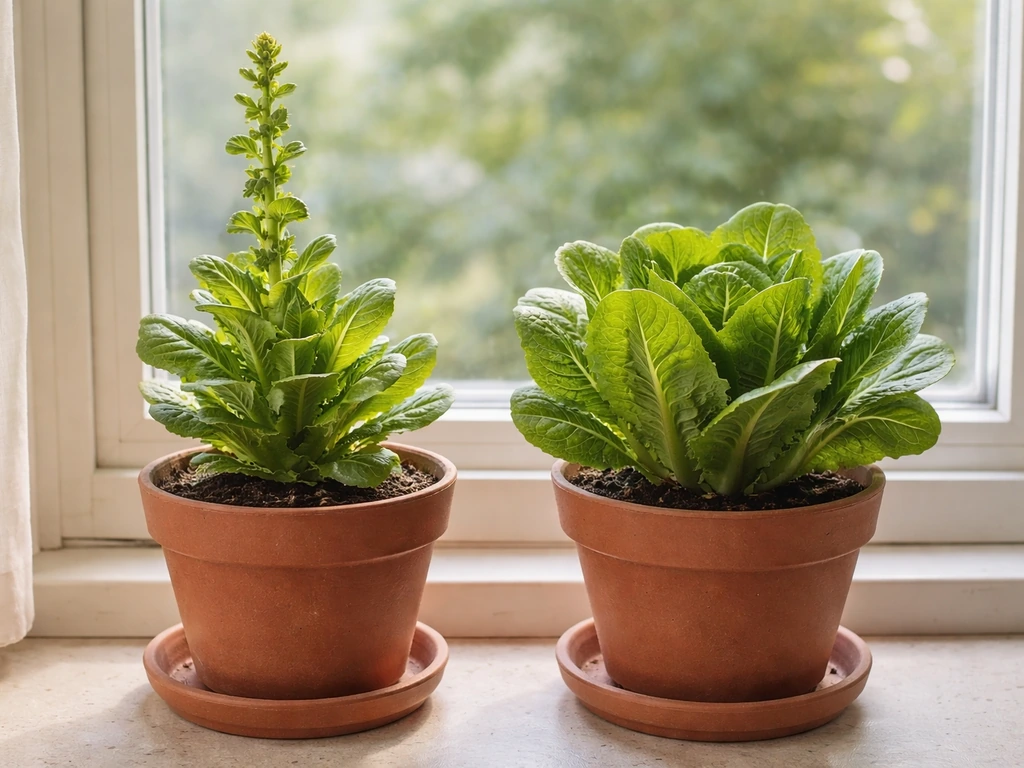
If the center of the plant is sending up a tall, narrow stalk with small leaves and the plant starts to flower, it has bolted. Bolting is triggered by sustained temperatures above 85°F, long daylight hours, or sometimes a combination of both. Once a plant bolts, leaves turn bitter and the plant won't produce good new growth. The fix: pull it and replant. If it's still warm, switch to a heat-tolerant variety and provide afternoon shade. Indoors, shorten the light cycle to 12–14 hours to reduce day-length pressure.
Water stress
Inconsistent watering is the second most common cause of stalled regrowth. If the soil dried out significantly after your last harvest, the plant shifts resources to survival rather than new leaf production. Fix it by watering deeply and consistently. For containers, water until runoff appears at the bottom every time, not just a surface sprinkle.
Nutrient gaps
Romaine is a heavy feeder relative to its size. If you haven't fed in several weeks, nitrogen depletion is likely slowing regrowth. Apply a balanced liquid fertilizer at half-strength and repeat every 10–14 days. For hydroponics, a low EC reading (below 0.8) after a big harvest means the nutrient solution needs replenishing.
Pests and disease
Aphids cluster on new growth and drain plant energy fast, often going unnoticed under leaves until the damage is done. Check the undersides of leaves and the center crown after every harvest. A strong spray of water or diluted insecticidal soap handles most infestations. Fungal issues like powdery mildew or bottom rot usually mean the soil is too wet or airflow is poor. Improve spacing, reduce watering frequency, and remove affected leaves promptly.
Overcrowding
Plants that are too close together compete for water, nutrients, and light. If your romaine is stalling and plants look tight, thin them out. In a raised bed or container, removing every other plant can revitalize the remaining ones almost immediately.
Incorrect light
Too little light leads to weak, leggy growth that doesn't bounce back well after harvesting. Indoors, make sure grow lights are the right distance from the canopy (check your light's specific guidelines, but 12–24 inches is common for LED panels). Outdoors, a spot that gets only 3–4 hours of sun will produce slow, weak plants that stall after cutting.
You cut too low
Cutting below the crown (the dense growth point at the base of the plant) removes the tissue needed for regrowth. Always leave at least 1 inch of stem above soil level when doing a cut-to-height harvest. If you accidentally cut into the crown, regrowth is unlikely and it's time to replant.
A harvesting schedule for continuous supply
The most reliable way to keep romaine on your table without gaps is succession planting combined with cut-and-come-again harvesting. Here's a practical framework:
- Start a new batch of seeds or transplants every 2–3 weeks from early spring through early fall (or year-round indoors).
- Begin harvesting outer leaves from each plant at 25–30 days from transplant, or when plants are 4–6 inches tall.
- Harvest outer leaves two to three times per week, taking no more than one-third of the plant's total leaf volume at once.
- After 3–4 weeks of outer-leaf harvesting, do a cut-to-height harvest at 1–2 inches above soil when the plant begins to crowd or show early bolt signs.
- Water and feed immediately, then wait 10–14 days for regrowth before harvesting again.
- Repeat the cut-to-height cycle one to two more times, then pull and compost the plant and replace it with your next succession planting.
With three staggered plantings running at the same time, you'll almost always have at least one at peak harvest stage. Indoors under grow lights, this works year-round. In outdoor beds, plan your final fall succession planting so the last harvest comes before hard frost arrives.
If you're interested in pushing even further, there are methods for regrowing romaine from just the stump, stalk, or core of a store-bought or garden-harvested head. These regeneration techniques are a different workflow from growing full plants, but they're a useful way to extend your harvest or experiment with no-seed growing. The principles around watering, light, and temperature still apply in the same way.
Romaine is genuinely one of the more forgiving lettuces once you understand what it needs. Get the temperature right, keep moisture consistent, harvest before bolting, and feed after every major cut. Do those four things and you'll keep your plants producing far longer than a single harvest would ever allow.
FAQ
How do I tell if my romaine is about to bolt, before it becomes bitter?
Watch for a narrow, fast-growing center stalk and leaves that start to feel tighter and more brittle. If you also notice warmer days trending above 75 to 80°F, tighten your harvest routine (outer leaves 2 to 3 times per week) and move container plants to afternoon shade. Once the flower stalk appears, expect regrowth to be poor, even if you keep watering.
What’s the best time of day to harvest romaine for the longest regrowth?
Harvest in the morning after leaves have cooled from the night. Avoid harvesting during peak heat, because the plant is already stressed and may not regrow well. After cutting, water immediately so the crown recovers without drying out.
Should I wash romaine before or after cutting to keep it regrowing?
It’s best to avoid soaking the plant while you are trying to regrow it, especially around the crown. If you need to rinse for eating, rinse only the harvested leaves, pat dry, and keep the crown area dry. Wet crowns increase the odds of rot between harvest cycles.
How do I harvest outer leaves without damaging the crown?
Pick leaves from the outer ring first, using sharp scissors, and cut as close to the base of the leaf as practical without nicking the dense center. Do not peel or yank leaves, and never scrape the crown. If you see damaged tissue in the center after harvesting, future regrowth is less reliable.
Can I regrow romaine after a cut-to-height harvest if the weather is hot?
You can try, but regrowth depends heavily on temperature staying below the bolting threshold. In warm weather, shift to the most heat-tolerant variety you have, provide afternoon shade, and shorten light exposure indoors to 12 to 14 hours. If daytime temperatures repeatedly climb above 85°F, expect fewer, smaller regrowth cycles.
Why are my romaine leaves turning bitter even though I harvested outer leaves?
Bitter flavor usually means the plant is moving toward bolting or it experienced drought stress. Confirm whether watering went irregular after harvest, then check the center for early stalk formation. Improving consistency (deep watering until runoff for containers) and harvesting slightly earlier can restore better flavor for subsequent cuts.
What fertilizer should I use to support ongoing regrowth, and how often?
Use a balanced vegetable fertilizer or something slightly nitrogen-forward for leaf growth, but keep doses moderate to prevent soft, weak foliage. For soil, follow the pattern of a slow-release base at planting plus liquid feeding every 10 to 14 days after major harvests. If leaves look pale, increase slightly, but if they look overly lush and fragile, back off nitrogen.
My romaine is growing but not thickening, what should I adjust?
Leggy, thin growth is usually a light or spacing issue. First confirm you have enough direct sun (at least 6 hours outdoors) or sufficient grow light intensity indoors, then thin plants if they are crowded. Also check that you are not underwatering, because drought stress can stunt leaf expansion.
How do I handle pests if aphids appear right after harvesting?
Aphids often move in to new growth immediately. After harvest, inspect undersides and the crown area the same day or the next morning, then remove lightly infested leaves. For treatment, use a strong water spray or diluted insecticidal soap, and repeat after several days if you still see live aphids.
Is it normal for romaine to slow down after 2 or 3 harvests?
Yes, commonly. Even when everything is done right, romaine quality and vigor usually decline after multiple cut-and-regrow cycles as energy reserves drop and the crown ages. If regrowth becomes slower or leaves get smaller and tougher, replant a fresh succession bed so you keep a reliable harvest window.
Can I use romaine from the garden again if it gets too close to bolting?
If you see an emerging flower stalk, the best move is to remove the plant and replant rather than waiting, because leaf quality will keep deteriorating. If only early stress signs are present (tight leaves, warming but no stalk), you can try to salvage by harvesting more frequently and shading while you keep temperatures stable.
What spacing should I use if I want baby-leaf romaine instead of full heads?
For baby-leaf, you can sow closer together than you would for full plants, but you still need airflow. Thin as soon as leaves are usable so remaining plants aren’t competing. If you skip thinning, you increase bolting risk and invite fungal problems because the crown stays crowded.
How do I know if my soil is staying too wet and causing rot?
Signs include dark, mushy bases near the crown, a foul smell, or sudden collapse after you have been watering frequently. Check drainage first, then improve airflow by spacing plants and only watering after the top inch dries. If rot starts, remove affected leaves or the plant promptly, because it can spread in dense crowns.