You can grow romaine lettuce from seed in about 60–80 days by sowing seeds 1/4 inch deep in cool soil (60–75°F), keeping plants consistently watered, spacing them 8–12 inches apart, and harvesting before temperatures climb above 80°F. If you have a store-bought romaine heart or end piece, you can regrow it in water first and then transplant it into soil, but set realistic expectations, because regrown ends give you a small flush of leaves, not a full new head. To learn the specifics of starting from scraps step by step, you can follow the regrowing method in the next section regrow it in water. Starting from seed is almost always the better path if you want real romaine hearts.
How to Grow Romaine Lettuce From Seed: Step-by-Step
Marcus Holloway
27 Apr 2026
Seed-starting vs. regrowing from hearts or ends: which path is right for you?
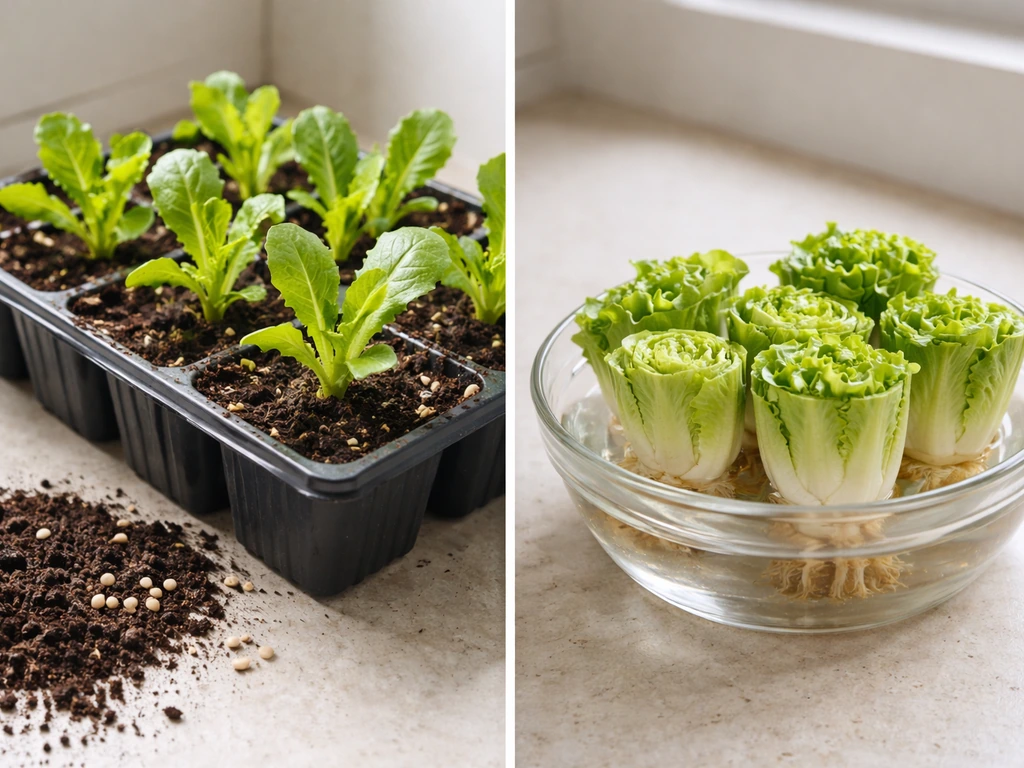
Before you do anything, figure out which method you're actually after, because they produce very different results. Growing romaine from seed is the full experience: you get strong, productive plants, genuine hearts, and the ability to time your harvest. Regrowing from a store-bought heart or cut end is a fun experiment and a good way to squeeze out a handful of extra leaves, but it won't replace a proper seed-grown plant.
| Method | Starting material | Time to harvest | Quality of harvest | Best for |
|---|---|---|---|---|
| Seed-starting (indoors) | Romaine seeds | 60–80 days from sow | Full heads/hearts | Anyone with a sunny window or grow light |
| Direct sowing (outdoors) | Romaine seeds | 60–80 days from sow | Full heads/hearts | Garden beds, raised beds, mild-season growing |
| Regrowing from end/heart | Store-bought romaine base | 1–3 weeks for leaf regrowth | Small flush of leaves only | Fun project, no seeds on hand |
If you want to grow romaine from scraps or regrow it from a stump, that's a separate process with different expectations, more on that below. If you're wondering whether you can grow romaine lettuce from the stump, the regrowing-from-stump method in this guide is the best place to start can you grow romaine lettuce from the stump. For anyone who wants real romaine hearts, seeds are the starting point.
When to plant: timing, temperature, and light
Romaine is a cool-season crop and it performs best when day temperatures sit between 55–65°F and nights stay around 50–55°F. Once the thermometer regularly pushes past 80°F, growth slows, the lettuce turns bitter, and plants bolt (send up a flower stalk) before you get a decent heart. Timing your planting around that window is the single biggest factor in success.
- Spring planting: Start seeds indoors 4–6 weeks before your last frost date, or direct-sow outdoors as soon as soil is workable—soil temperature should be at least 40°F and ideally 60–75°F for good germination.
- Fall planting: Count back 70–85 days from your first expected fall frost and sow seeds then. Fall-grown romaine often produces the best hearts because temperatures cool as the plant matures.
- Indoor/container growing: You can start year-round under grow lights if you keep temperatures in range, but avoid hot summer months near south-facing windows without shade.
- Light target: Romaine needs at least 6 hours of direct sun outdoors, or 14–16 hours under a grow light indoors. Insufficient light reduces vigor and produces loose, weak plants.
If you're starting today in late April, you're in a good window for many regions, but keep an eye on your 10-day forecast. If summer heat is arriving early, prioritize a spot with afternoon shade or plan to use 50% shade cloth once temperatures start climbing.
How to sow romaine seeds step by step
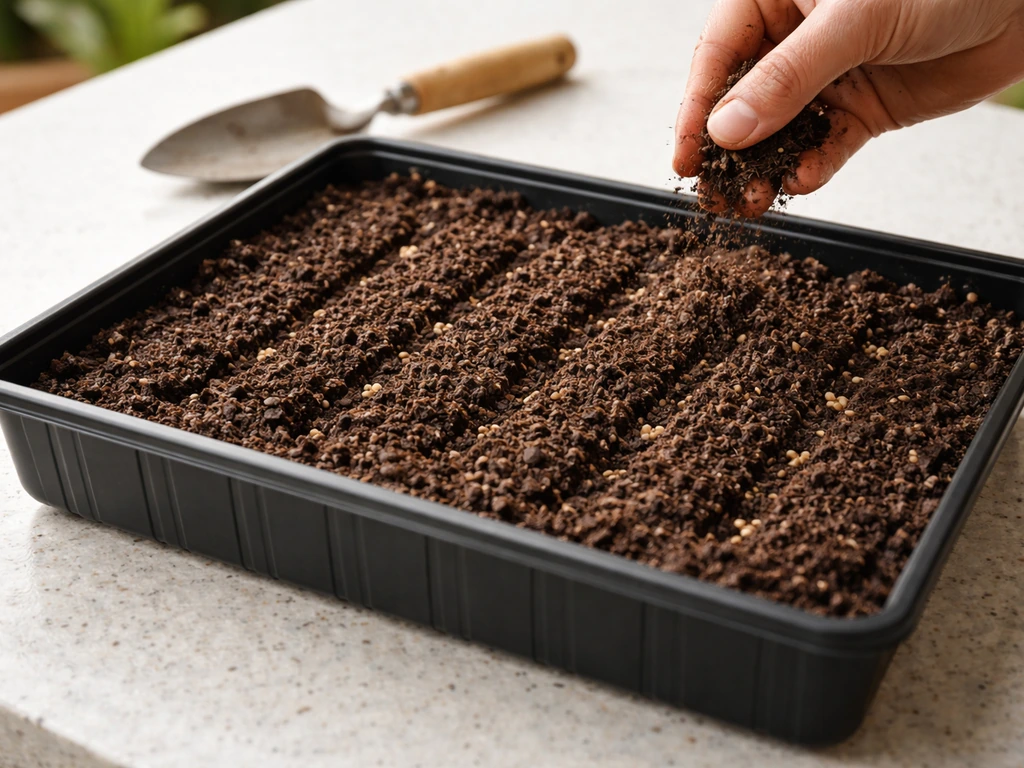
Sowing in containers
Containers are a great option for apartment growers or anyone who wants more control over temperature and light. Use a pot or tray at least 6–8 inches deep and fill it with a good-quality potting mix. Lettuce roots are shallow but they spread, and a root-bound plant in a cramped container will struggle before it ever gets close to forming a heart.
- Fill your container to about 1 inch below the rim with moist potting mix.
- Make shallow furrows or just press small divots across the surface—depth should be about 1/4 inch.
- Drop 2–3 seeds per spot, spacing spots about 4 inches apart for now (you'll thin later).
- Cover seeds lightly with potting mix or a thin layer of vermiculite and firm gently.
- Water with a gentle mist or bottom-water the container to avoid washing seeds around.
- Place in a spot that stays 60–75°F. Seeds germinate in 7–10 days at ideal temperature.
- Once seedlings are 1–2 inches tall, thin to one plant every 8–12 inches by snipping extras at soil level—don't pull them out or you'll disturb neighbors.
Direct sowing in a garden bed
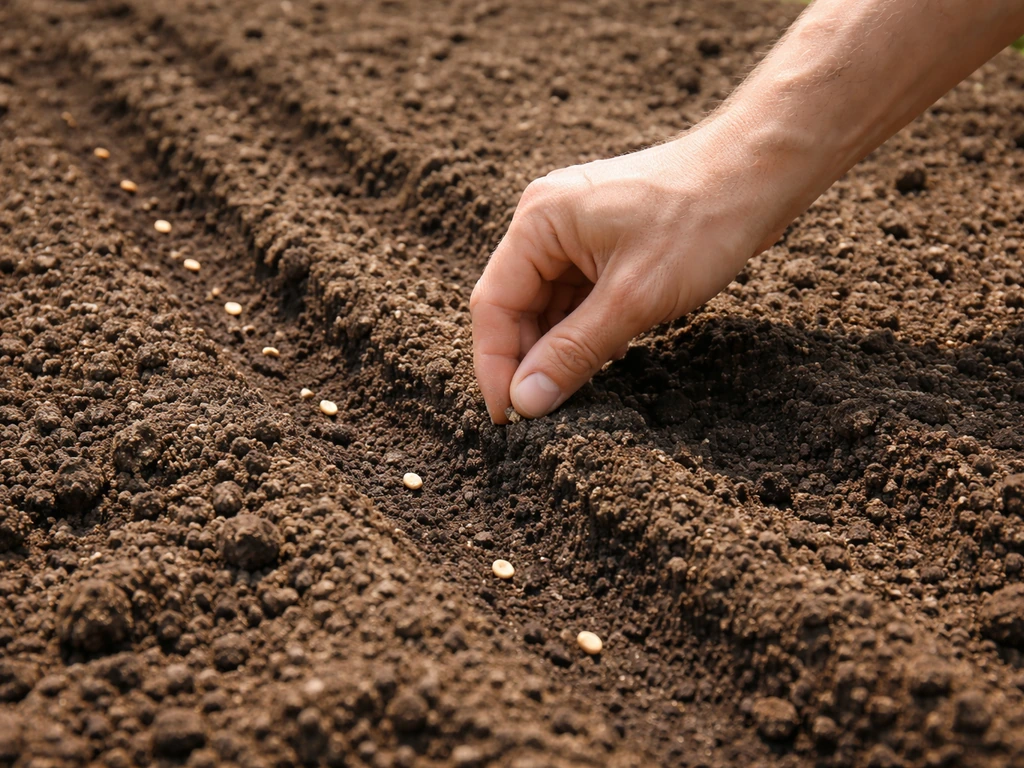
Direct sowing works well for spring and fall plantings. Loosen soil to about 6 inches deep and mix in compost if you have it. Romaine doesn't need rich soil to germinate, but it appreciates the organic matter as it matures.
- Create rows spaced 12–18 inches apart.
- Sow seeds 1/4 inch deep, roughly 1 inch apart along the row.
- Water gently and keep the surface consistently moist until germination—dry soil is the top reason seeds fail to sprout.
- When seedlings reach 1–2 inches, thin progressively: first to 4 inches apart, then to a final spacing of 8–12 inches between plants as they fill in.
- Use the thinnings in salads—they're delicious at that stage.
One thing I've learned: don't skip the thinning step even when it feels wasteful. Crowded romaine plants compete for light and air, which leads to loose heads, more disease, and very disappointing hearts at harvest time.
Regrowing romaine from a store-bought end or heart
This method works, but it has a ceiling. When you cut the leaves off a romaine head and place the base in water, new leaves will sprout from the center, roots typically begin forming within 7–10 days, and you can pot the base once roots reach about 1–1.5 inches (around 3–4 cm). After transplanting into soil, you'll get another flush of edible leaves. What you won't get is a full new head with a tight heart, because the plant's energy is limited and the cell structure is already mature.
- Cut the romaine head leaving about 2–3 inches of the base intact.
- Place the base cut-side up in a shallow dish with about 1/2 inch of water—just enough to touch the bottom of the stump without submerging the cut surface completely.
- Set it on a bright windowsill and change the water every 1–2 days to prevent rot.
- After 5–10 days you should see small roots forming at the base and new green leaves emerging from the center.
- Once roots are about 1–1.5 inches long, plant the base into a pot with moist potting mix. Bury just the roots and bottom of the stump, leaving new leaves exposed.
- Water regularly and keep in bright light. Harvest outer leaves as they grow to a usable size.
Transplant survival is variable, some bases root beautifully, others rot before they get going. Romaine does tend to regrow better than iceberg or butterhead, but results still depend on how fresh the store-bought head was and how cleanly you cut it. If you want to dig deeper into this approach, the process of regrowing from a stalk or core follows essentially the same steps with some minor variations. If you want a step-by-step walkthrough for regrowing from the core, use the method in our guide to grow romaine lettuce from the core how to grow romaine lettuce from the core. For a more detailed guide, follow these steps for how to grow romaine lettuce from stalk.
Ongoing care: watering, feeding, thinning, and keeping the heat at bay
Watering
Romaine has shallow roots and dries out faster than deep-rooted vegetables. Aim for about 1 inch of water per week, split across two or three sessions rather than one big soak. Check the top inch of soil, if it's dry, water. In containers, you'll likely need to water more frequently. Water stress is one of the fastest ways to trigger bitterness and bolting, so don't let the soil go bone dry between waterings.
Fertilizing
Romaine is a leafy crop, so it responds well to nitrogen. Tipburn often develops after a drought period followed by moisture, and it is linked to localized calcium deficiency in young, rapidly growing leaves, with stress from conditions like heat and excess nitrogen making it worse. If you're growing in a garden bed with decent compost-amended soil, one side-dressing of fertilizer is usually enough. Apply about 1/4 cup of a nitrogen fertilizer like ammonium sulfate (21-0-0) per 10 feet of row approximately 4 weeks after transplanting or at thinning time. For container growers, a balanced liquid fertilizer every 2–3 weeks works well. Don't over-fertilize: too much nitrogen late in the season can actually accelerate bolting.
Managing heat and preventing bolting
Bolting is romaine's biggest enemy and it's entirely temperature-driven. Warm temperatures, especially consistent days above 75–80°F, signal the plant to flower and set seed before you ever get a good heart. Once a plant bolts, the leaves turn bitter and the heart never firms up properly.
- Plant in spring or fall to keep natural temperatures in range—this is your best protection.
- Use 50% shade cloth or two layers of floating row cover once temperatures start climbing, especially to protect young plants until they have around six leaves.
- In containers, move pots to a shadier spot during heat waves.
- Mulch around outdoor plants to keep soil temperature down.
- Harvest promptly—leaving romaine in the garden longer than necessary increases bolting and sunburn risk.
Pest and disease problems and how to fix them fast
Romaine is not particularly fussy, but a few pests and diseases show up reliably. Here's what to watch for and what to do.
| Problem | What you see | Quick fix |
|---|---|---|
| Aphids (including lettuce aphid) | Clusters of small soft insects on leaves and inside the head; sticky residue | Blast with a strong stream of water; apply insecticidal soap if infestation persists |
| Downy mildew | Yellow patches on upper leaf surface; grayish-purple fuzzy growth on the underside | Improve air circulation with proper spacing; remove affected leaves; avoid overhead watering |
| Powdery mildew | Gray-white powdery coating on leaf surfaces | Improve air circulation; remove badly affected leaves; avoid wetting foliage |
| Damping off (seedlings) | Seedlings collapse at soil level shortly after germination | Use sterile seed-starting mix; don't overwater; improve airflow around seedlings |
| Tipburn | Brown, crispy edges on inner leaves | Usually caused by calcium deficiency from uneven watering—water consistently and avoid letting soil dry out |
| Slugs and snails | Ragged holes in outer leaves, slime trails | Remove by hand at night; use iron phosphate bait around plants |
Most pest and disease problems in romaine trace back to two things: overcrowding (which reduces airflow) and inconsistent watering. Get spacing and watering right and you'll avoid the majority of issues without spraying anything.
Harvesting your romaine hearts and what to do next
How and when to harvest
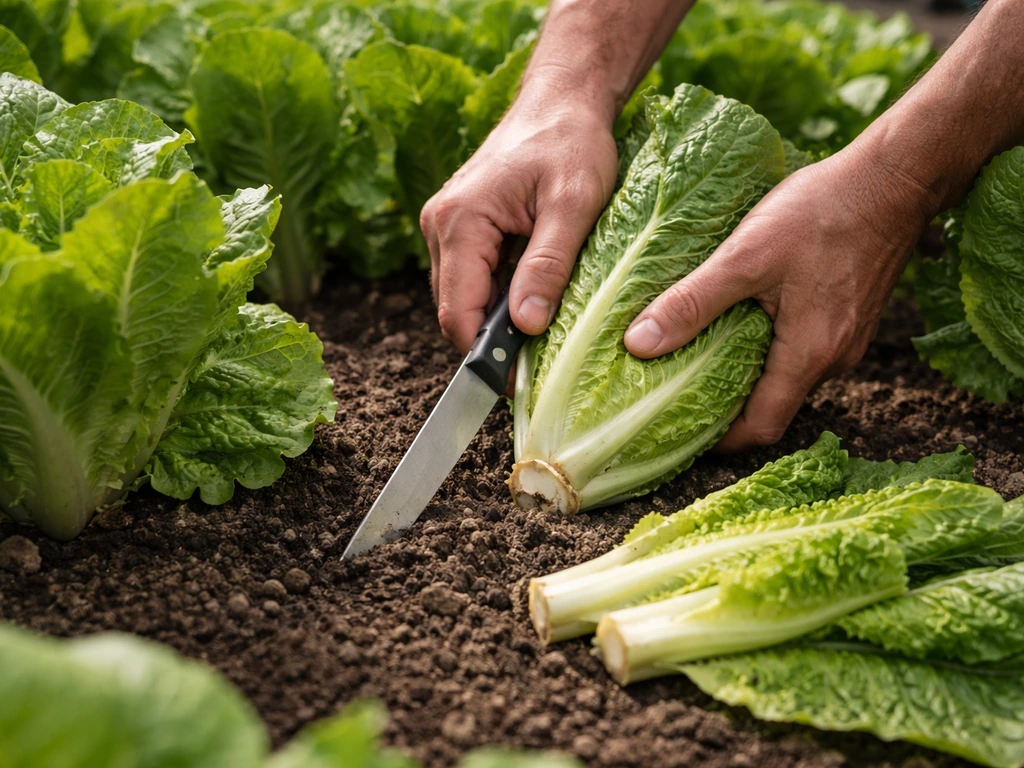
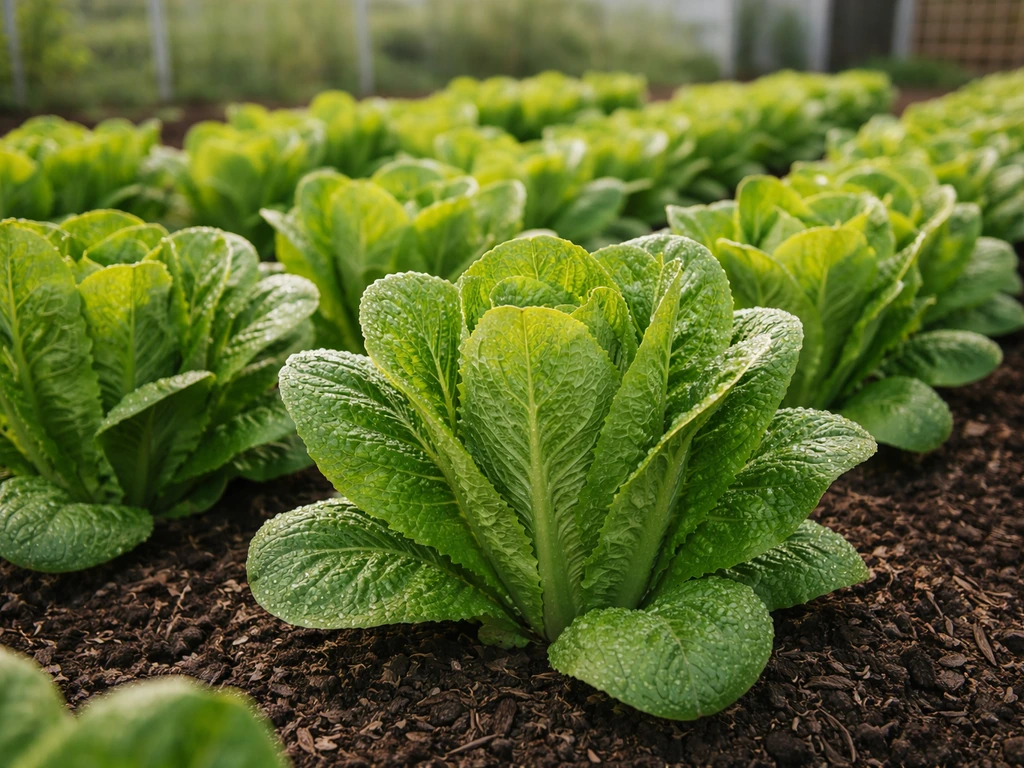
Romaine is ready to harvest at 60–80 days from sowing, depending on variety and conditions. For a complete walkthrough of the full lifecycle, see our guide on how to grow and harvest romaine lettuce. For full heads, wait until the inner leaves have formed a firm, upright heart, usually when the plant is 8–12 inches tall. For cut-and-come-again harvesting, you can start snipping outer leaves as early as 4–6 weeks after sowing once leaves reach 4–6 inches long.
- For a full head: cut the entire plant at soil level with a sharp knife, leaving the root in the ground. In some cases the stump will regrow a smaller second flush of leaves.
- For baby leaves: harvest outer leaves regularly, leaving the center growing point intact. This method extends your harvest window significantly.
- Harvest in the morning when leaves are crisp and hydrated—flavor is best before the heat of the day.
- Don't wait too long: once the center starts to elongate and the plant looks like it's reaching upward, it's about to bolt. Harvest immediately.
After harvest: succession sowing and replanting
The smartest thing you can do after harvesting is have the next batch of seedlings already growing. Succession sowing, starting a new small batch of seeds every 2–3 weeks, keeps you in fresh romaine throughout the cool season without a long gap between harvests. Once summer heat arrives and bolting becomes inevitable, pull your plants, amend the soil with compost, and plan your fall planting. Fall-grown romaine often forms the best, sweetest hearts of the year.
Troubleshooting common failures
| Problem | Likely cause | What to do |
|---|---|---|
| Seeds not germinating | Soil too cold, too hot, or too dry | Check soil temp (target 60–75°F); keep surface consistently moist; try fresh seeds |
| Leggy, stretched seedlings | Not enough light | Move to brighter location or add a grow light 2–3 inches above seedlings for 14–16 hours/day |
| Plants bolting before hearts form | Temperatures too warm or planting too late | Harvest whatever leaves you have immediately; adjust planting timing for next round |
| Loose heads with no tight heart | Overcrowding, insufficient light, or heat stress | Thin to proper spacing; ensure 6+ hours sun; plant earlier next season |
| Bitter leaves | Heat stress or water stress | Harvest sooner next time; water consistently; use shade cloth in warmer periods |
| Regrown end rotting in water | Too much water contact or stale water | Use less water (just 1/2 inch); change water every day; ensure the cut surface isn't fully submerged |
Your quick-start checklist
- Check your local 10-day forecast—confirm cool temperatures are ahead before sowing.
- Choose your method: seeds for full hearts, store-bought end for a quick leaf experiment.
- Gather supplies: seeds or romaine base, potting mix or prepared garden bed, containers with drainage if growing indoors.
- Sow seeds 1/4 inch deep in moist soil at 60–75°F, or place end in 1/2 inch of water on a bright windowsill.
- Thin seedlings to 8–12 inches apart once they reach 1–2 inches tall.
- Water consistently (about 1 inch per week), fertilize once at 4 weeks, and watch temperatures.
- Harvest outer leaves from week 4–6, or cut full heads at 60–80 days.
- Start your next succession sowing 2–3 weeks after this one for a continuous supply.
FAQ
How long does it take romaine lettuce to germinate, and what slows germination?
Romaine seeds usually need cool, consistently moist soil to germinate well. If your soil is above about 75°F, expect slower or uneven sprouting, and move sowing to morning shade or use container start indoors near a cool window. Germination is also easier if you keep the top surface from drying out, then loosen any crust gently so seedlings can push through.
Can I start romaine lettuce indoors or should I direct sow?
You can, but it depends on timing. If nights stay cool, direct sowing is convenient. If nights are warm or you have a short window before summer, starting in small containers indoors or in a cold frame can help you get established before heat triggers bolting. Use the same target depth (about 1/4 inch) and still thin, because crowded seedlings will produce loose, bitter heads later.
What’s the correct thinning distance for romaine, and what happens if I thin too late?
For best heart formation, thin to a real spacing target, because thinning changes how much light and airflow each plant gets. A good rule is to thin gradually until plants are about 8 to 12 inches apart, removing the weakest seedlings first. If you miss thinning and let plants stay crowded, you often end up with small, loose heads even if the leaves look healthy early.
How do I know if my romaine is getting the right amount of water?
Water deeply enough to wet the root zone, but avoid constant saturation. Check the top inch of soil, if it is dry water, aim for about 1 inch per week total split into two or three waterings. In containers, letting the soil dry out completely between waterings can quickly cause bitterness, so consider using a simple finger test before each watering.
What should I do if the weather suddenly turns hot before my romaine hearts form?
Yes, and it can help prevent bitterness. Stop harvesting tender outer leaves if a heat wave is coming, because stressing plants right before they form a firm heart can worsen flavor. If you see early signs of stress, like leaf edges getting more bitter or growth stalling, prioritize shade and steady moisture, and harvest any usable outer leaves rather than waiting for a full tight heart.
How do I tell when romaine is ready for a full head harvest versus cut-and-come-again?
Full heads are typically best when temperatures remain in the cool range and plants have time to build an upright, firm inner core. If you harvest too early, you get loose hearts or mostly leaf growth. A practical cue is plant height (often around 8 to 12 inches) and an inner core that feels upright and firm, not just larger leaves.
Can I harvest romaine repeatedly, and will it still form a heart?
For cut-and-come-again, do not cut too close to the base. Leave enough of the crown so the plant can regrow from the center, and harvest outer leaves only once they are long enough (about 4 to 6 inches) and relatively sturdy. If you keep taking large leaves repeatedly without watering steadily, regrowth slows and heads may never tighten.
If my romaine starts bolting, is there any way to save it?
Bolting is mostly triggered by warm, consistent temperatures, but stress can make it worse. If you notice bolting behavior like a rapid vertical stretch or flower stalk initiation, you generally cannot reverse it. Your best move is to harvest before quality declines, then remove the plants and start the next succession batch immediately so you still harvest within the cool window.
My romaine seedlings are growing tall and thin, what’s going wrong?
If your seedlings look leggy or your spacing is irregular, light and crowding are usually to blame. In containers, move plants to the brightest spot available (or outdoors gradually) so they do not stretch. Then thin promptly to the recommended spacing, because once plants are crowded, you rarely get true hearts even if they later look green.
What’s the best succession schedule if I have a short cool season?
Succession sowing works best when you respect the heat deadline. Rather than planting one large batch and waiting, start a new small sowing every 2 to 3 weeks while daytime temperatures are still staying in the lettuce-friendly range. When summer is arriving early, shorten the intervals and plan fall planting right away after you pull bolting plants and amend the soil.
How much fertilizer should I use, and when can it cause bolting?
Yes, but use it strategically. Nitrogen supports leafy growth, yet too much late can push plants toward bolting or very soft tissue that does not hold up well. Stick to one side-dressing around thinning or about 4 weeks after transplanting, and if you see rapid stretching or signs of early flowering, pause additional feeding.