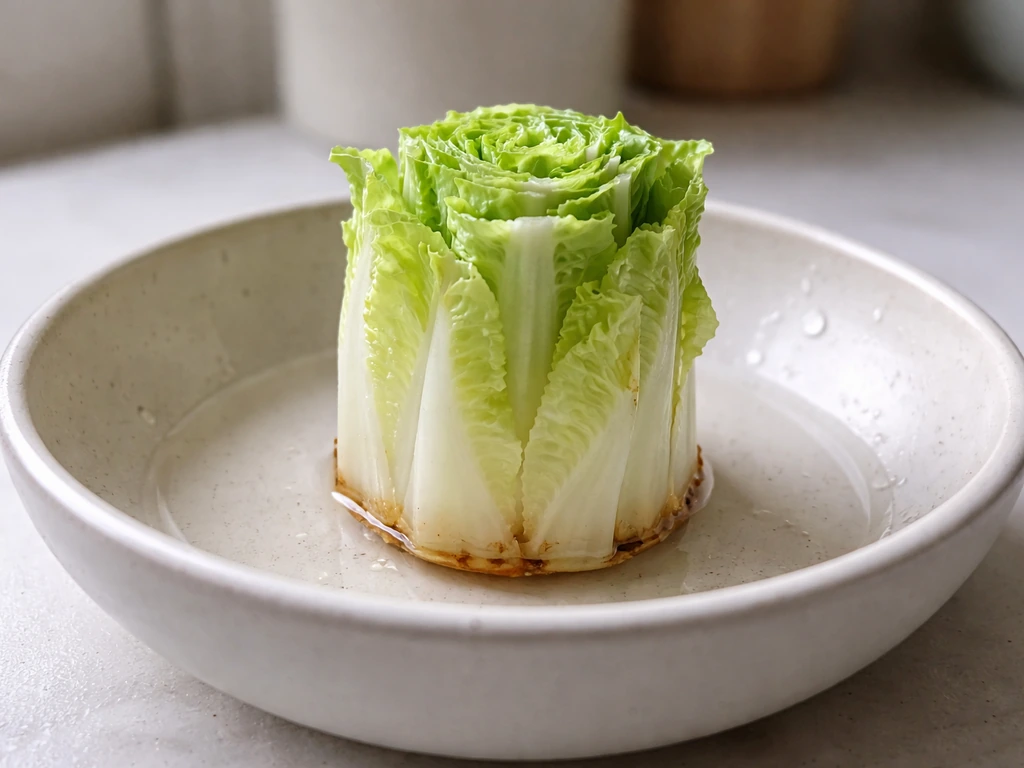
Yes, you can regrow romaine lettuce from the core, and it actually works better than most other lettuce types. Cut off most of the head for your salad, leave about 2 inches of the base intact, place it in a shallow dish of water, and you'll see new leaf growth in just a few days. You won't get a full second head like you'd grow from seed, but you can pull a real handful of fresh tender leaves in about 10 to 15 days. Here's exactly how to do it without losing your core to rot.
How to Grow Romaine Lettuce From the Core Step by Step
Marcus Holloway
29 Apr 2026
Can you actually regrow romaine from the core
Romaine is consistently one of the best lettuces for regrowing from a leftover base, and that's not just optimistic kitchen-scrap talk. The base of a romaine head holds active crown tissue, which is basically a cluster of growth points that haven't been used up yet. UNR Extension explains that for head-form leafy vegetables like romaine lettuce, you can regrow from the base or bottom of the stalk where the roots would normally be [active crown tissue](https://extension. unr.
edu/publication. aspx? PubID=2143). As long as that tissue is still there and healthy, the plant will push out new leaves when given water and light.
Compare that to something like iceberg, where regrowing attempts tend to produce much weaker, less reliable results. Romaine's upright growth habit and dense crown make it a genuinely solid candidate.
The honest caveat: you're not going to regrow a full head of romaine the way you would if you started from seed. What you get is a flush of tender inner leaves from the crown, usually enough for a garnish, a small side salad, or a sandwich topping. It's real food, not just a science experiment, but it's a bonus harvest rather than a replacement for a full plant.
If you want a steady supply of full romaine heads, growing from seed is the way to go. If you want a bigger, more repeatable harvest, compare this regrowth method with how to grow from seed in how to grow and harvest romaine lettuce start from seed. This method is best treated as a satisfying way to get a little extra value from what you already bought.
What to choose: the right core and prep steps
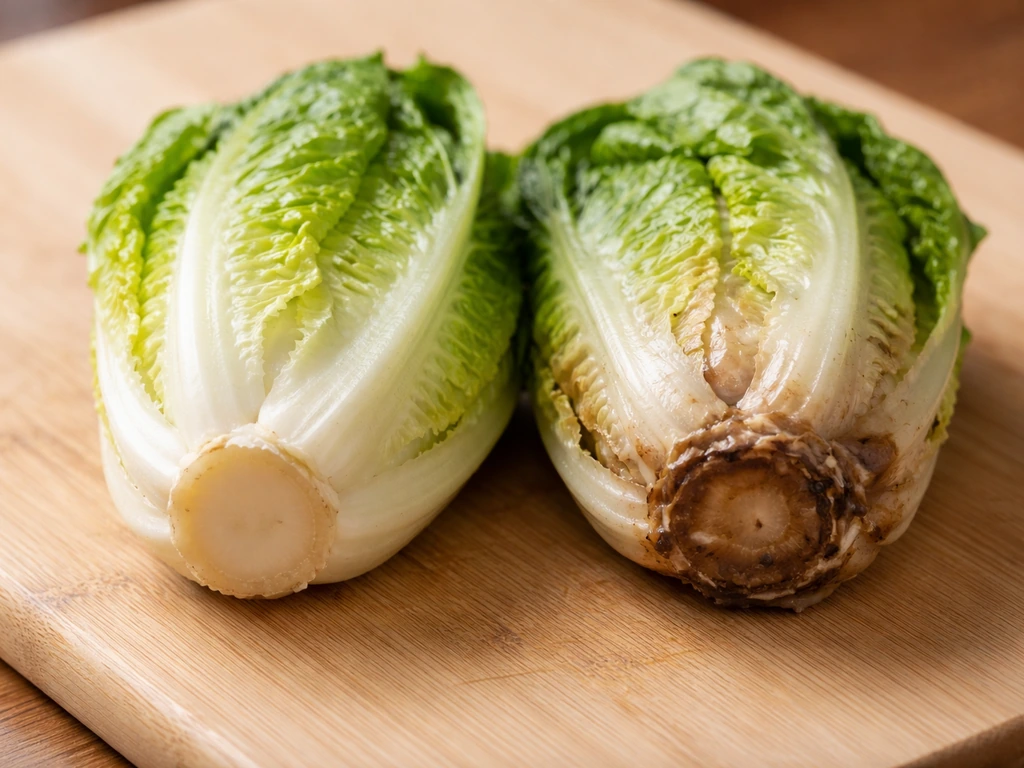
Not every romaine core is worth trying to regrow. A good core is firm, pale to light green at the base, and has no signs of slime, browning, or soft spots. If the center of the crown looks damaged, dried out, or discolored, your chances of getting good regrowth drop significantly. Fresh romaine from the grocery store or farmers market works fine as long as it hasn't been sitting around too long.
When you cut the romaine, aim to leave roughly 1. 5 to 2 inches of base, sometimes up to 3 inches if you have room. Don't cut flush with the bottom or you'll shave off the crown tissue you need. Cut on a clean, even line across the base so the bottom sits flat in a dish.
After cutting, peel away any soft, yellowed, or damaged outer leaves from the base stump. If you want to grow romaine lettuce from the stump, make sure the crown tissue stays intact and visible at the top clean, firm stump. Those older outer leaves will just rot in the water and invite bacterial problems. What you want is a clean, firm stump with the inner pale-green crown visible at the top.
- Use a firm, fresh romaine base with no soft spots or slime
- Leave 1.5 to 3 inches of base intact, not flushed too close to the bottom
- Cut straight across so the base sits flat in the container
- Remove any damaged or yellowed outer leaves from the stump before placing in water
- Avoid cores that look dried out, moldy, or have a hollow center
Water method: set up, change schedule, and day-by-day expectations
The setup is simple: find a shallow bowl, jar, or small container, add about half an inch to one inch of clean water, and set the romaine base in it cut-side down. The key is that the base is submerged but the crown tissue at the top is above the waterline. You don't want the whole stump sitting in a deep pool of water, and you definitely don't want water covering the cut top surface. A snug container that holds the core upright works better than a wide shallow bowl where it tips over.
Water changes are the single most important thing you can do to avoid rot. Change the water every day, or at minimum every other day. Stagnant water is where bacterial growth takes off and turns your core into mush before you ever see new leaves. Each time you change the water, take a quick look at the base. If you see any sliminess forming, gently rinse the base and the container before refilling. This one habit makes the difference between a rotting disappointment and a healthy little regrowth.
Here's what to expect day by day. Within the first 2 to 3 days, you'll usually see a subtle change in color at the crown center, a slightly brighter green emerging. By days 4 to 6, small leaf tips typically start to appear, pushing up from the middle of the crown. By days 7 to 10, those leaves will be clearly visible and unfurling. If you keep it in water the whole time, growth tends to slow down a bit after the first flush because the plant isn't getting nutrients. That's why transitioning to soil around the 10 to 12 day mark gives you noticeably better results.
Planting and transition: moving regrown shoots into soil or a container
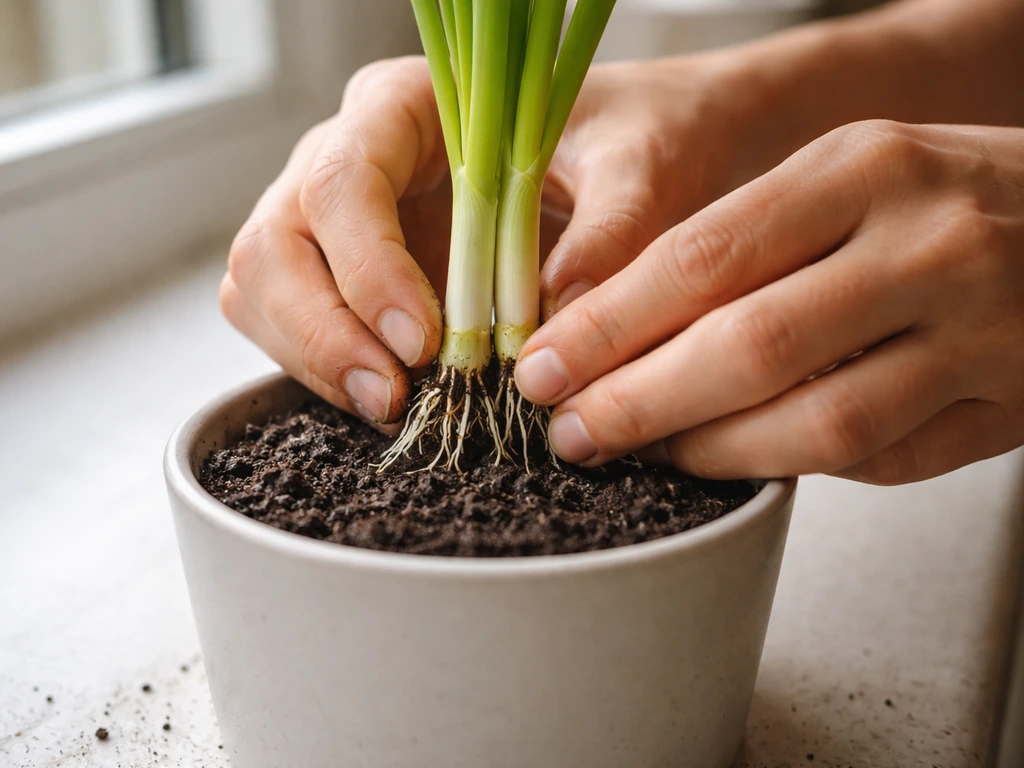
Once you see small roots forming on the base, usually around day 10 to 12, that's your cue to move the core into soil or a growing medium. Water can sustain the initial regrowth, but it doesn't provide any nutrients, so leaves grown purely in water tend to stay small and pale. Planting into soil is what pushes the regrowth into actually useful, flavorful leaves.
For container growing indoors, a pot that's at least 6 inches deep gives the roots room to develop. Fill it with a light, moisture-retaining potting mix, not heavy garden soil. Make a small depression in the center, nestle the romaine base in so the crown sits just at or slightly above the soil surface, and firm the soil gently around it. Water it in well, then keep the soil consistently moist but not waterlogged. If you're moving it to an outdoor bed, space it at least 6 to 8 inches from other plants so it gets adequate airflow and light.
One thing to watch for during the transition: the outer edges of the original stump may start to yellow and die back a little as the plant redirects energy to new growth. That's normal. Just remove any dead tissue cleanly and don't panic. The new center growth is what matters.
Light, temperature, and watering for romaine regrowth
Romaine does best in cool conditions, and that applies just as much to regrowing as it does to growing from seed. The sweet spot for vegetative growth is roughly 60 to 65 degrees Fahrenheit. If your kitchen or windowsill runs warm, especially above 75 to 80 degrees, expect slower or weaker regrowth and a faster slide toward bitterness. This is especially worth watching in late spring or summer when indoor temperatures climb.
Light is where most indoor regrows go wrong. A windowsill with indirect light is not enough. Romaine needs bright, direct light for at least 12 to 14 hours a day to grow compact, sturdy leaves. A south-facing window with strong direct sun is your best natural option. If you're relying on artificial light, a basic LED grow light or fluorescent shop light placed a few inches above the plant and run for 14 to 16 hours daily will do the job. Anything less and you'll get leggy, pale, floppy growth that tastes weak and flops over.
For watering after you've moved to soil, keep the mix evenly moist. Let the top half inch dry slightly between waterings but don't let it go bone dry. Romaine is sensitive to drought stress, and inconsistent moisture is one of the fastest ways to trigger bitterness in the leaves. Indoors, that typically means watering every 2 to 3 days depending on your container size and the humidity in your space.
Harvest timing and how to get the most leaves
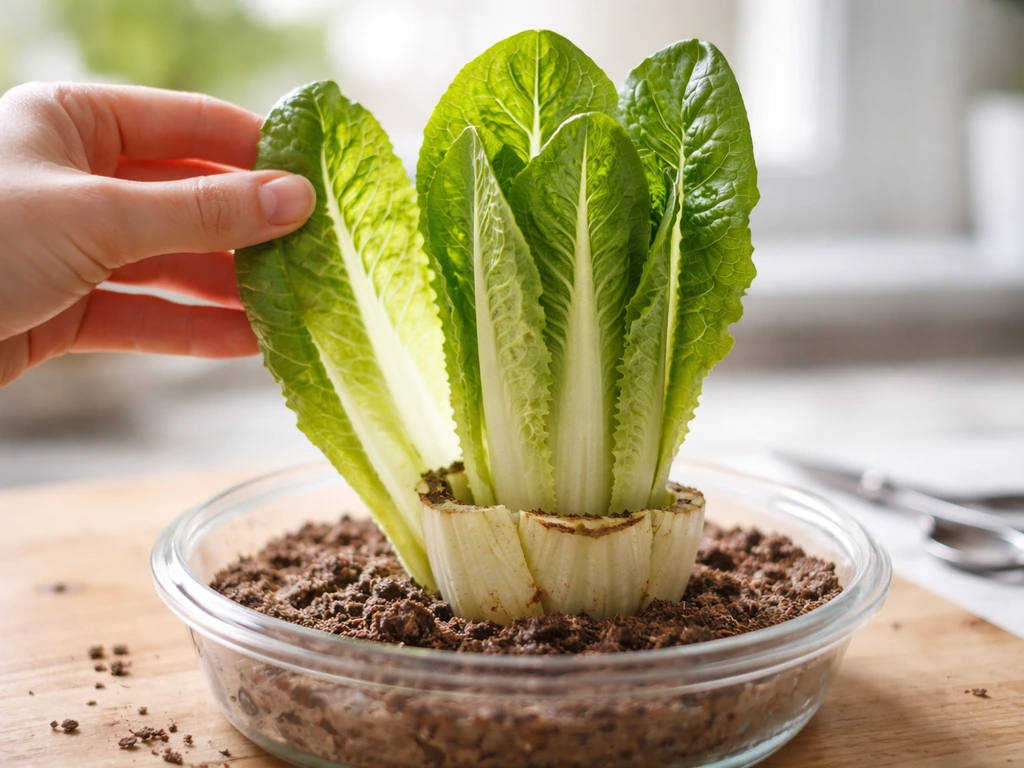
Most romaine cores grown in water and then moved to soil will be ready to start harvesting at around 10 to 15 days from the initial setup. If you keep it purely in water, the outer edge of that range is more realistic and the yield is smaller. When the new leaves are 3 to 4 inches tall and look firm and green (not pale or floppy), they're ready.
Harvest by snipping or pulling the outer leaves first, leaving the inner leaves and crown intact. This is the cut-and-come-again approach, and it gives you more total leaves over a longer window than pulling the whole thing at once. The plant will continue to push new growth from the center as long as conditions stay cool and light stays adequate. Realistically, you'll get one to two useful harvests from a regrown core before the growth becomes too small or the plant starts to put energy toward bolting.
Harvest before the plant starts to bolt. Bolting happens when romaine sends up a flower stalk, and once that begins the leaves become intensely bitter and tough. You'll see it coming: the center of the plant will start to elongate and shoot upward rather than producing flat outward-facing leaves. The moment you notice that shape change, harvest everything worth eating right away. Heat is the main trigger for bolting, so if temperatures are climbing, harvest sooner rather than later.
Troubleshooting: rot, no sprouts, leggy growth, bitterness
Here's what goes wrong most often and what to actually do about it.
| Problem | Likely Cause | Fix |
|---|---|---|
| Core turns slimy or rots | Stagnant water, too much tissue submerged, or warm temps | Change water daily, reduce how much base is submerged, move to a cooler spot |
| No sprouts after 5–7 days | Crown tissue was damaged, core cut too short, or poor starting quality | Try a fresher core with more base intact; check that water isn't covering the top of the crown |
| Leggy, floppy, pale growth | Insufficient light or too few light hours | Move to a brighter window or run a grow light for 14–16 hours daily |
| Leaves are bitter or tiny | Heat stress, inconsistent watering, or plant starting to bolt | Lower the temperature, water more consistently, and harvest immediately if bolting starts |
| Outer stump turning brown after transplant | Normal die-back as energy shifts to new growth | Remove dead tissue cleanly and monitor new center growth — this is usually fine |
If your core rots before you see any growth at all, don't write off the whole idea. Usually it comes down to water quality and temperature. Try again with a fresh core, use filtered or room-temperature water, change it every single day without fail, and keep the container somewhere cooler than your typical kitchen countertop. A lot of first attempts fail simply because the water sat too long.
If you've had success with core regrowth and want to take it further, growing romaine from stalk or from seed gives you a much more substantial and repeatable harvest. If you want more control and a steady return of full heads, check out how to grow romaine lettuce from seed. The core method is a great entry point, but once you see how romaine actually grows, it's easy to get hooked and want the full experience of starting a plant from scratch in a container or raised bed. If you’d like a larger, repeatable harvest, you can also learn how to grow romaine lettuce from stalks in containers or beds.
FAQ
Can I regrow romaine if I’m not sure how old the head is or if it’s been sitting in the fridge for a while?
Try only if the base feels firm and the crown center looks intact. If the outer leaves are already slimy, very browned, or the base feels mushy, skip it, because older cores usually rot before they form new roots, even with perfect water changes.
Should I keep the core cut-side down the whole time, or can I flip it?
Keep the base positioned so the cut stump sits in water while the crown tissue stays above the waterline. Flipping it so the crown is submerged often speeds rot, and water covering the cut top surface delays or prevents new growth.
How do I tell the difference between normal die-back and rot on the stump?
Normal die-back is limited to the outer edges, it looks dry or yellow and stays mostly intact. Rot looks wet or slimy, spreads, smells bad, or turns soft quickly. If you see sliminess spreading, rinse everything thoroughly and start with fresh water, and consider switching to a new core if it worsens.
What container shape is best, and why does it matter?
Use a snug jar or cup that holds the core upright. Wide bowls invite tipping, which can let the crown sink below the waterline. Even a small portion of crown submerged can reduce regrowth and increase bacterial issues.
Can I use tap water instead of filtered water?
You can, especially if your tap water is not strongly treated with additives and you change it daily. If you notice repeated sliminess or failure despite good timing, switch to filtered or let tap water sit to reach room temperature, since temperature shock and water chemistry can worsen early rotting.
Do I need to add anything to the water, like salt, sugar, or fertilizer?
No, plain water is best for the water stage. Adding nutrients often increases microbial growth, and anything sugary or salty can harm tender crown tissue before roots establish.
Why are my new leaves pale or small even though I changed the water on schedule?
This usually happens when the core stayed in water too long. The article’s timeline suggests moving to soil once roots appear (around days 10 to 12), since water alone supports regrowth but not strong leaf development.
What if my windowsill doesn’t get true direct sun, can I still succeed with artificial light?
Yes, but the light has to be intense and long enough. Position LEDs or shop lights close enough that leaves don’t reach for the fixture, and keep the timer at roughly 14 to 16 hours daily to avoid leggy, weak growth.
How often should I water after I move the core into soil?
Keep the mix evenly moist but not waterlogged. A practical check is to water when the top half inch has dried slightly, typically every 2 to 3 days indoors depending on container size and humidity.
Can I harvest multiple times from the same regrown plant, and when should I stop?
Yes, use a cut-and-come-again approach by taking outer leaves first and leaving the center crown intact. Stop when the plant starts elongating upward or the leaves become bitter or tough, since bolting and heat stress reduce quality.
My romaine started to bolt quickly, even though it’s indoors. What can I do?
Bolting is often triggered by warmth. Harvest immediately when you see the center shoot upward, then move the container to a cooler spot if possible, since cooler temperatures slow bolting and help the remaining growth stay tender.