Yes, you can grow romaine lettuce from a cut stalk, but with one important caveat: the only part that actually regrows is the dense base at the very bottom of the head, not the leafy stem higher up. Keep that compact basal plate (roughly the bottom 1 to 2 inches of the stalk), place it in shallow water, and within 7 to 10 days you will see new roots and fresh leaves pushing out from the center. You won't get a full second head, but you will get a genuine flush of edible leaves, and that is more than worth the five minutes it takes to set up. For the full, step-by-step process for how to grow romaine lettuce from scraps, follow the water stage directions and then move the base to soil or keep it in hydroponic-style conditions full second head.
How to Grow Romaine Lettuce From Stalk Step by Step
What you're actually regrowing (and what the stalk can and can't do)
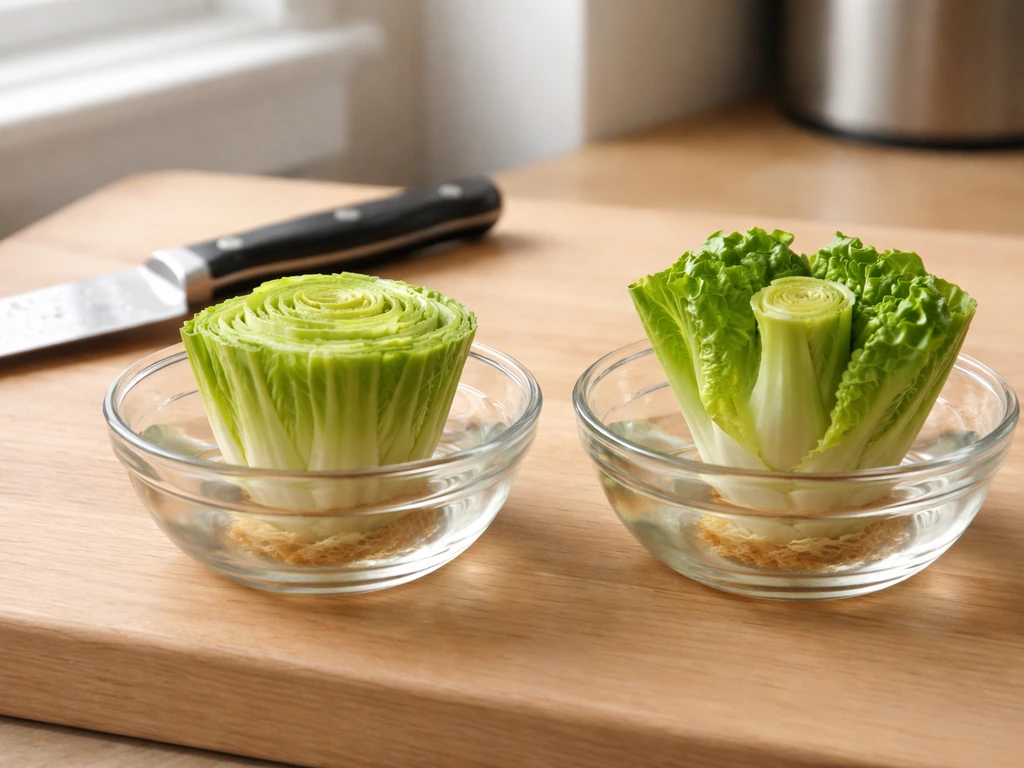
When people search for regrowing romaine from the stalk or stem, they usually mean one of two things: either the leftover base after cutting a store-bought head, or a stalk left in the garden after harvesting. Both can work, but the biology is the same in both cases. Romaine regrowth comes from the basal plate, a dense, flat section at the very bottom of the plant where the root tissue concentrates. The leafy stem above that plate is just cellulose and water. If you try to root a piece cut from the middle of the stalk, nothing will happen.
Romaine does tend to regrow more reliably than loose-leaf types, but even so, it is not a guaranteed second crop. What you will typically get is a cluster of young, tender inner leaves, similar to what you find in the heart of a romaine head. Expect those leaves in about 10 to 14 days under good conditions. A full second head like the one you started with is unlikely, and in warm weather the plant may bolt (send up a flower stalk) before producing much leaf at all. Going in with realistic expectations makes the whole process a lot more satisfying.
What you need and how to pick the right stalk
The supplies are minimal. You need a shallow bowl or glass, clean water, a sharp knife, and eventually a small pot or a garden bed if you want to take the plant further than the water stage.
Choosing the right base matters more than anything else. A freshly cut romaine stalk from a head you just bought or harvested gives you the best shot. If the cut end has been sitting in the fridge for more than a few days it may have dried out or gone slightly slimy, and either condition dramatically increases the chance of rot before you see any growth. Look for a base that is pale green to white, firm, and not discolored. The basal plate at the bottom should be intact and dense, not split or hollow.
- Fresh stalk from a just-cut head: best option, highest regrowth success rate
- Store-bought romaine hearts: work well because the base is usually intact and undamaged
- Stalk left in the garden after harvest: works if you dig it up carefully and trim any dead root tissue
- Stalk stored in the fridge for more than 4 to 5 days: risky, check carefully for sliminess or browning before using
- Stalk cut very high up (leaving less than 1 inch of basal tissue): very unlikely to regrow, not worth trying
Before placing the base in water, trim the very bottom of the cut end with a clean knife to expose fresh tissue. If there are any brown or slimy spots, cut those away completely. You want to start with the cleanest surface possible. This one step prevents a lot of the rot issues that frustrate beginners.
How to regrow romaine in water, step by step
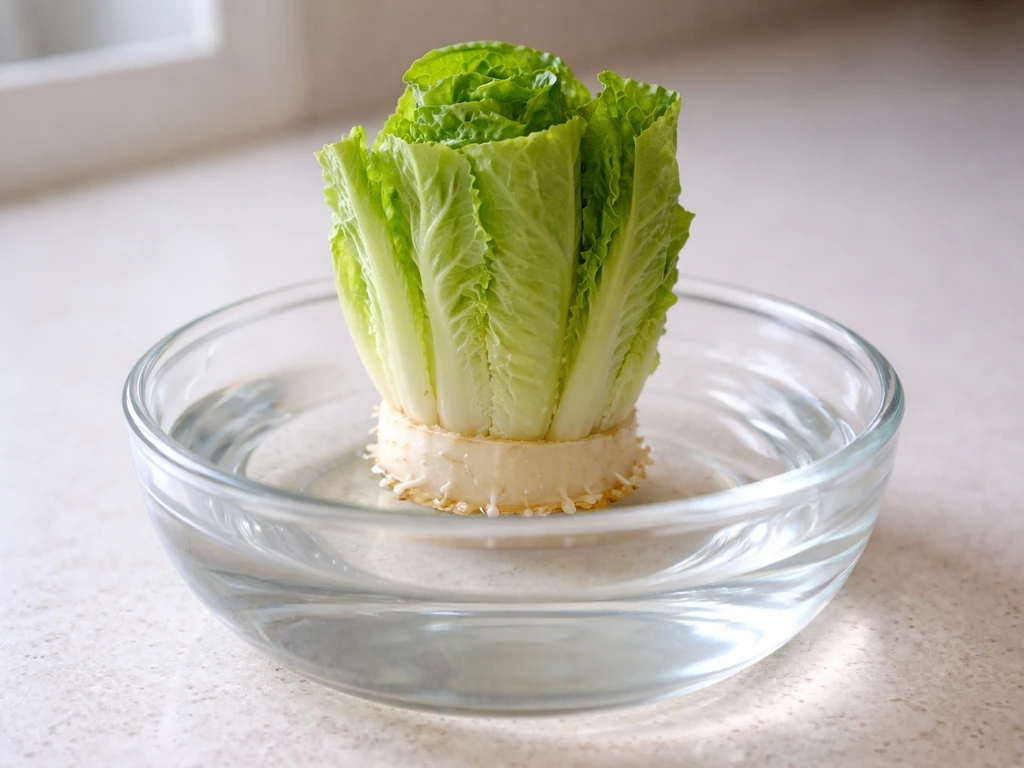
- Cut the base of your romaine head so you have about 1 to 2 inches (roughly 3 to 5 cm) of the dense basal stalk remaining. Remove any outer leaves that are hanging off the sides.
- Trim the very bottom of the cut end with a sharp, clean knife to expose fresh tissue. Remove any discolored or damaged spots.
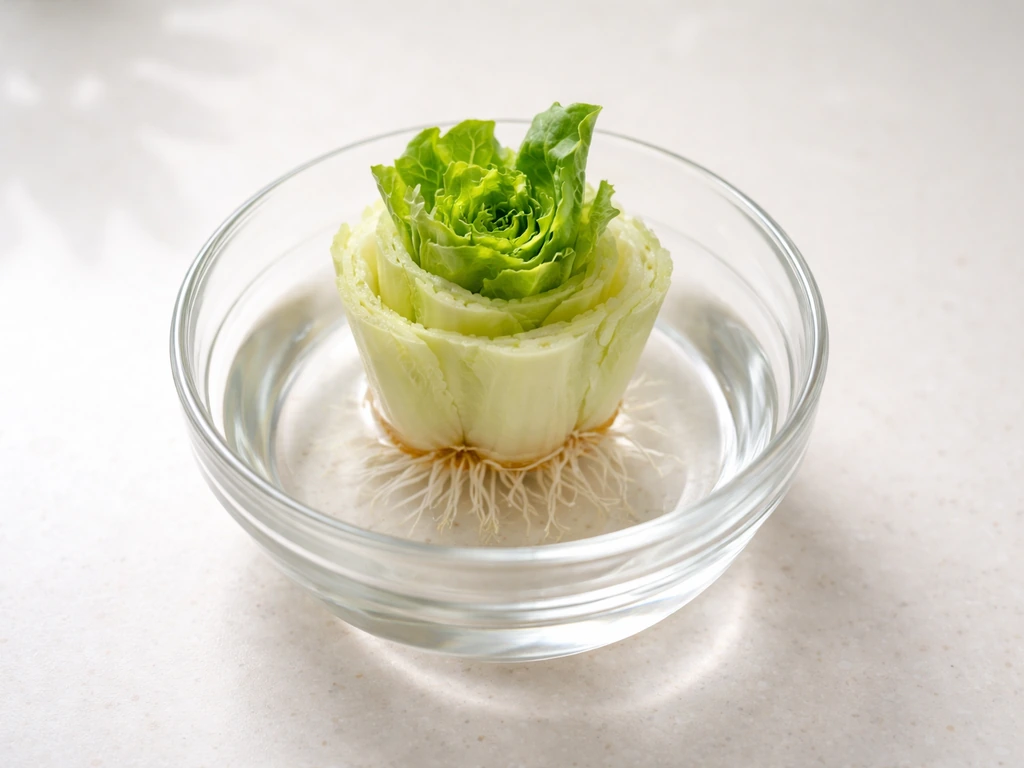
- Place the base cut-side down in a shallow bowl or glass. Add enough water to cover only the bottom of the base, about half an inch to one inch deep. You do not want the entire stalk submerged, just the cut end sitting in water.
- Set the bowl in a bright spot: a windowsill with indirect light or a spot that gets several hours of natural light works well. Avoid full direct afternoon sun at this stage, which can warm the water and encourage rot.
- Change the water every 1 to 2 days. Fresh water prevents bacterial buildup and is one of the most important things you can do to keep the base healthy. If the water looks cloudy or smells off, change it immediately.
- Within 3 to 5 days you should see small green leaf tips emerging from the center. Within 7 to 10 days, visible roots (thin white threads) will appear along the bottom and sides of the base.
- Once roots are about 1 to 1.5 inches long (roughly 3 to 4 cm), the plant is ready to transplant to soil or a container. You can continue in water a bit longer if needed, but plants generally do better once moved to a growing medium.
One thing I have learned: resist the urge to add fertilizer to the water. The base has enough stored energy to push out its first roots and leaves on its own, and adding nutrients to the water at this stage tends to encourage bacterial growth rather than faster regrowth.
Moving your romaine to soil or a container
Once roots have developed, you have three real options: plant into an outdoor garden bed, move into an indoor container, or keep the plant in a hydroponic-style water setup. Each has trade-offs.
Planting outdoors
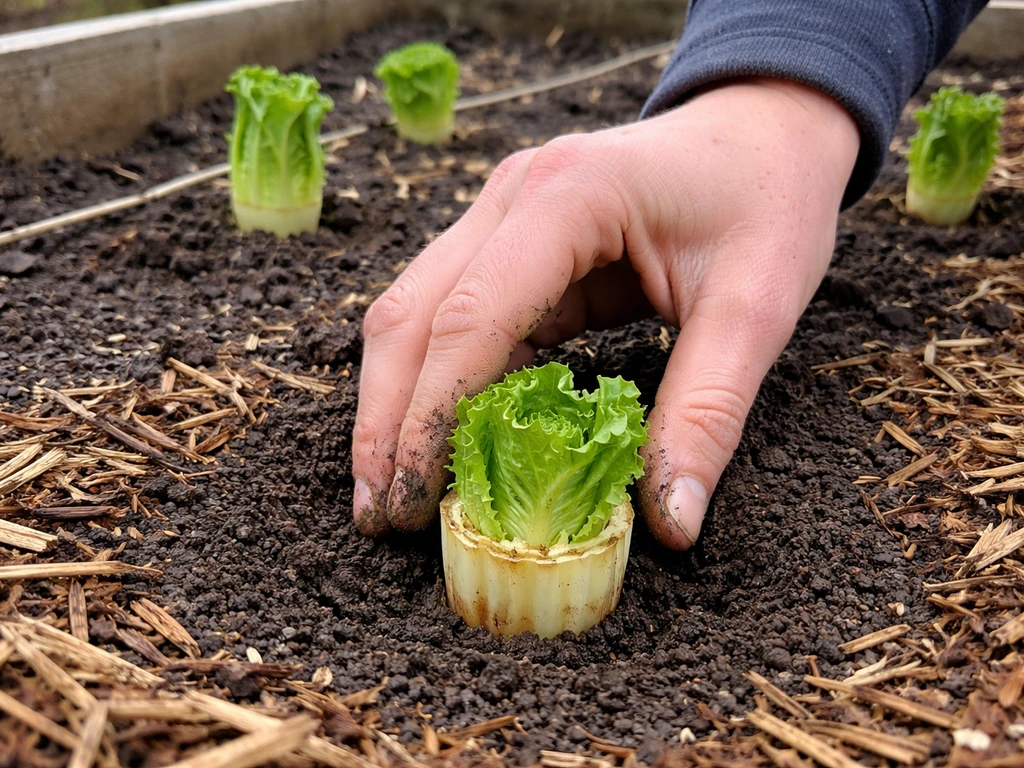
If temperatures outside are between 60°F and 65°F (roughly 15 to 20°C) and you're not heading into a heat wave, an outdoor bed is a great option. Romaine regrowth handles cool weather well and the natural light tends to produce sturdier, better-flavored leaves than indoor growing. Dig a small hole deep enough to bury the base up to just below the leaf crown, firm the soil around it, and water it in gently. Space regrown bases at least 6 to 8 inches apart if you're planting multiple plants, though since each base produces a compact cluster rather than a full spreading head, you can get away with slightly tighter spacing than you would with a seed-grown plant.
Growing in a container indoors or on a balcony
A 6-inch pot is the minimum for a single regrown romaine base; a 8 to 12-inch pot gives the roots more room and tends to produce more growth before the plant exhausts itself. Use a well-draining potting mix, not garden soil, which compacts in containers. Plant the base so the cut end is buried just below the soil surface and the leaf crown sits at or just above soil level. Water in, and place the pot where it gets at least 6 hours of bright light. A south-facing windowsill, a grow light set to run 12 to 14 hours per day, or a sunny balcony during cool weather all work well.
Hydroponic or water-only growing
You can keep regrowing the romaine in water past the initial regrowth stage, essentially running a simple kratky or water-culture setup. The University of Hawaiʻi CTARH describes non-circulating hydroponic methods (including passive, water-based approaches) that fit this kind of simple water-culture setup for lettuce regrowth kratiky or water-culture setup. At this point I would start adding a diluted liquid fertilizer (half the recommended dose) every week or two, because unlike seeds, a regrown base doesn't have a seed's stored nutrients to draw on once the initial flush is exhausted. Keep water levels consistent, change it out fully once a week, and make sure the roots stay submerged while the crown stays above the waterline.
Keeping it growing: light, water, temperature, and feeding
Romaine is a cool-season crop, and that is doubly true for regrown plants. Regrown stalks lack the vigor of a seed-grown plant, so they are more sensitive to conditions that push them toward bolting or stress. Keeping conditions dialed in makes a noticeable difference in how much you get to harvest.
| Condition | Ideal Range | What Happens Outside That Range |
|---|---|---|
| Temperature | 60°F to 65°F (15 to 20°C) | Above 70°F with long days triggers bolting; below 45°F slows growth significantly |
| Light (indoors) | 12 to 14 hours of bright indirect light or grow light | Too little light causes leggy, pale, bitter leaves; too much direct heat causes bolting |
| Light (outdoors) | 6+ hours of sun, partial shade in warm weather | Full afternoon sun in heat accelerates bolting |
| Watering (soil/container) | Keep soil consistently moist but not waterlogged | Drying out stresses the plant; sitting in water causes root rot |
| Watering (water setup) | Change water every 1 to 2 days early on, weekly once established | Stale water breeds bacteria and rots the base |
| Feeding | Diluted balanced liquid fertilizer every 1 to 2 weeks once transplanted | No feeding needed in water-only stage; overfeeding in early stages encourages algae/rot |
One practical tip: if you're growing indoors and your home runs warm (above 68 to 70°F), put the pot somewhere slightly cooler, like near a window that doesn't get direct afternoon sun. Extension guidance notes that romaine bolting and stalk-related issues are strongly tied to temperature, especially when temperatures rise above about 70°F blank" rel="noopener noreferrer">bolting is tied to temperature above about 70°F. Even a few degrees matters with lettuce. I've had regrown plants bolt in about a week in a warm kitchen but last nearly a month on a cool north-facing windowsill.
How long until harvest, what to expect, and what to do when things go wrong
Realistic timeline
Here's an honest timeline from cut stalk to first harvest. This assumes you start with a fresh base and keep conditions in the right range.
| Stage | Approximate Timing |
|---|---|
| Leaf tips visible at the center of the base | Day 3 to 5 |
| Visible roots appearing along the base | Day 7 to 10 |
| Ready to transplant to soil or container | Day 7 to 14 (when roots are 1 to 1.5 inches long) |
| First small leaves ready to harvest (cut-and-come-again style) | Day 10 to 14 from the start |
| More substantial leaf harvest | Day 14 to 21 |
| Plant exhausted or bolting (end of useful life) | Day 21 to 35 depending on conditions |
Compare this to growing romaine from seed, which takes around 70 to 75 days to a full head. The regrowth approach is obviously faster, but the yield is proportionally smaller. Think of it as a bonus harvest from something you would have thrown away, not a full replacement for a seed-grown plant.
How to harvest to get the most out of it
Use a cut-and-come-again approach. Snip outer leaves first with scissors, leaving the central younger leaves to keep growing. If you want a fuller guide on how to grow and harvest romaine lettuce, follow the regrowth steps and use the cut-and-come-again method for the best return. Avoid cutting right down into the crown, because that is where new growth is coming from. This extends the productive life of the plant by another week or two compared to pulling the whole thing at once.
Troubleshooting common failures
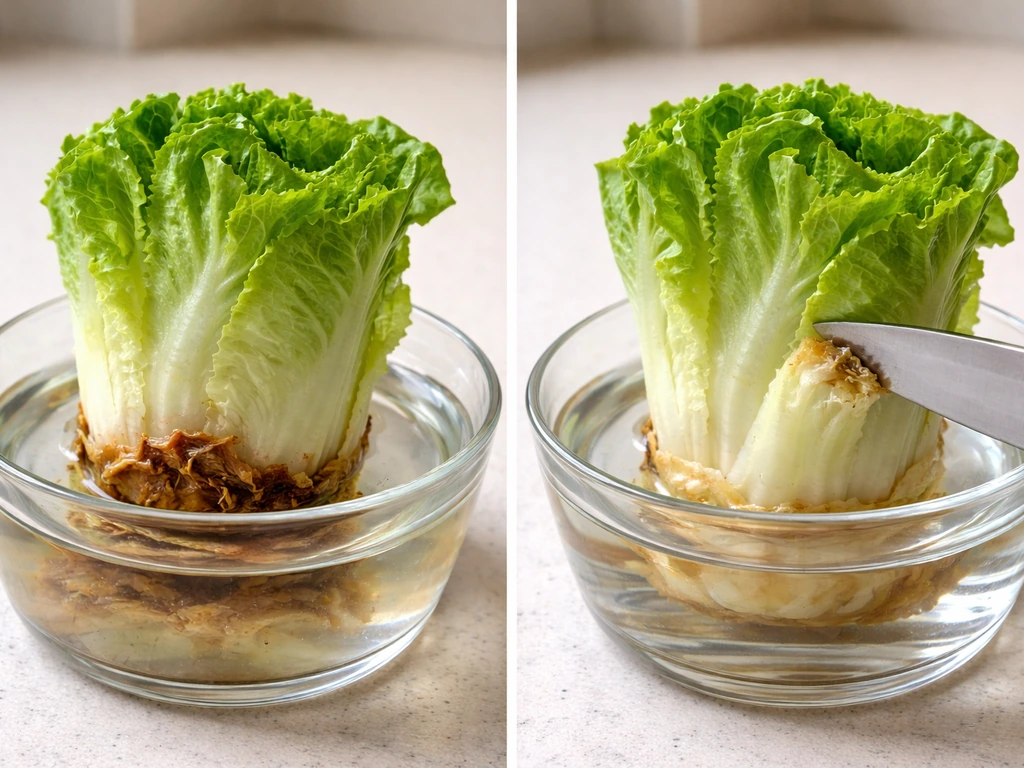
- No growth after 7 days: The base was likely too old, dried out, or damaged before you started. Trim the cut end again, check for rot, and if most of the base looks brown or slimy, discard it and start with a fresher stalk.
- Rot at the base in water: The water is stagnant or the base is sitting too deep. Change water immediately, trim any rotted tissue with a clean knife, and make sure only the very bottom of the base is touching the water.
- Leggy, pale, stretched leaves: Not enough light. Move to a brighter spot or add a grow light. Leggy leaves are edible but will be less flavorful.
- Tall central stalk forming with small leaves: This is bolting, triggered by heat or long light exposure. It is not reversible. You can still eat the leaves that exist right now, but the plant will turn bitter quickly. Harvest everything usable immediately.
- Leaves taste very bitter: Usually a sign of heat stress or a plant past its peak. Harvest younger inner leaves which are milder, and adjust temperature if possible.
- Plant collapses after transplanting: Roots were not developed enough before transplanting, or the soil was too dry or too wet immediately after. Gently water in after transplanting and keep the soil consistently moist for the first few days.
If you want to go beyond regrowth and get a more consistent, productive supply of romaine, growing from seed is the more reliable path and gives you a full head rather than a partial regrowth. And if you're specifically working from a store-bought stump or the core left after prepping a salad, the process is essentially the same as what's covered here. If you're specifically working from a store-bought stump or the core left after prepping a salad, the process is essentially the same as how to grow romaine lettuce from the core. The stalk, the stump, and the base all refer to the same useful part of the plant, and now you know exactly what to do with it.
FAQ
Can I regrow romaine from the leafy part of the stalk instead of the base?
No. Only the dense basal plate at the bottom regrows, the leafy stem higher up does not have the root tissue needed to restart growth. If you want better odds, only use the bottom 1 to 2 inches and keep that plate intact.
How do I tell whether my romaine base is still usable before I try regrowing it?
Look for firmness and a pale green to white color at the cut end. If the base feels mushy, has spreading dark discoloration, or smells sour, it is likely to rot before it ever roots, so trimming may not be enough.
What should I do if I see slime, a bad smell, or fuzz forming in the water?
Discard the batch and restart with a fresh, clean cut, because slime usually means the basal plate is breaking down. When restarting, trim away any brown or slimy spots to reach solid, healthy tissue, then use clean water in a sanitized bowl.
Do I need to change the water more often than once a week?
Once a week full change is a good baseline, if the water stays clear and the temperature is cool. If the water warms, becomes cloudy, or shows film, change it immediately and keep the container out of direct hot sun.
Is it safe to eat the regrown leaves right away, and what should I check?
Taste and inspect first. If the plant produced normal green leaves from the center and there is no rotten odor from the base, it is typically fine. If you notice persistent off smells or extensive decay at the crown, do not harvest.
How much fertilizer should I use if I keep it growing in water for weeks?
Use diluted liquid fertilizer only after roots are established and the initial flush is over. A light schedule like half-strength every one to two weeks is safer than adding nutrients immediately, because early feeding can increase bacterial growth.
What water depth keeps roots submerged but the crown dry?
Keep the roots fully covered, but hold the leaf crown above the waterline. In practice, that often means just enough water to reach the root zone, not so much that water touches the center where new leaves emerge.
Will romaine regrowth work in hot weather, or should I wait for cooler temperatures?
Heat increases bolting risk, so regrowth is most reliable in cooler conditions. If daytime temperatures regularly push above the lettuce comfort range, expect slower leaf production and consider moving it to a cooler indoor spot.
How do I harvest without killing the plant too early?
Use cut-and-come-again harvesting by snipping outer leaves first and leaving the center growth intact. Avoid cutting down into the crown, since that is where new inner leaves form and where the plant’s remaining energy is directed.
Can I regrow multiple times from the same base?
You can get a first flush and sometimes a continued trickle if conditions stay cool and you keep harvesting outer leaves responsibly. Eventually the basal plate exhausts stored energy, and at that point you will stop seeing meaningful new leaf growth.
What spacing should I use if I plant several regrown bases in a bed or container?
A practical guideline is at least 6 to 8 inches between bases, since each plant forms a compact cluster rather than a full spreading head. If you crowd them more tightly, airflow drops and you may get weaker regrowth.